
Quick Take
- There are between 30 and 36 species of moles, of which seven are found in North America.
- Mole feces are rarely seen as moles typically defecate in their underground burrows.
- Although moles can be nearly twice as large as mice, their droppings are similar in size.
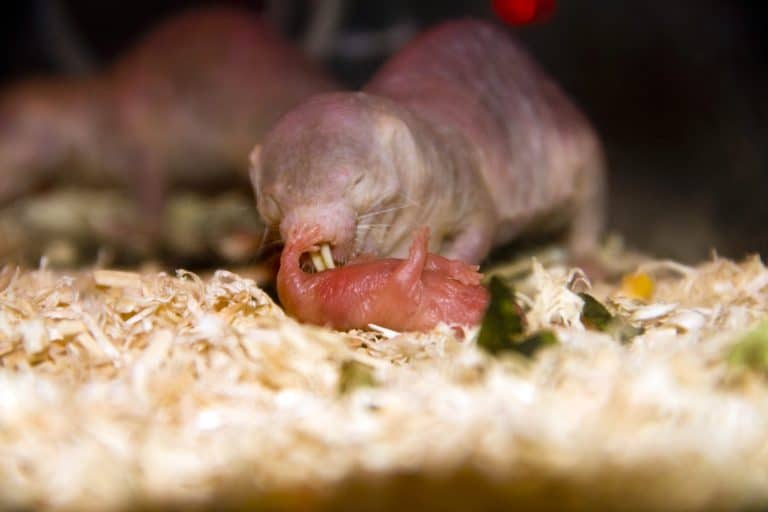
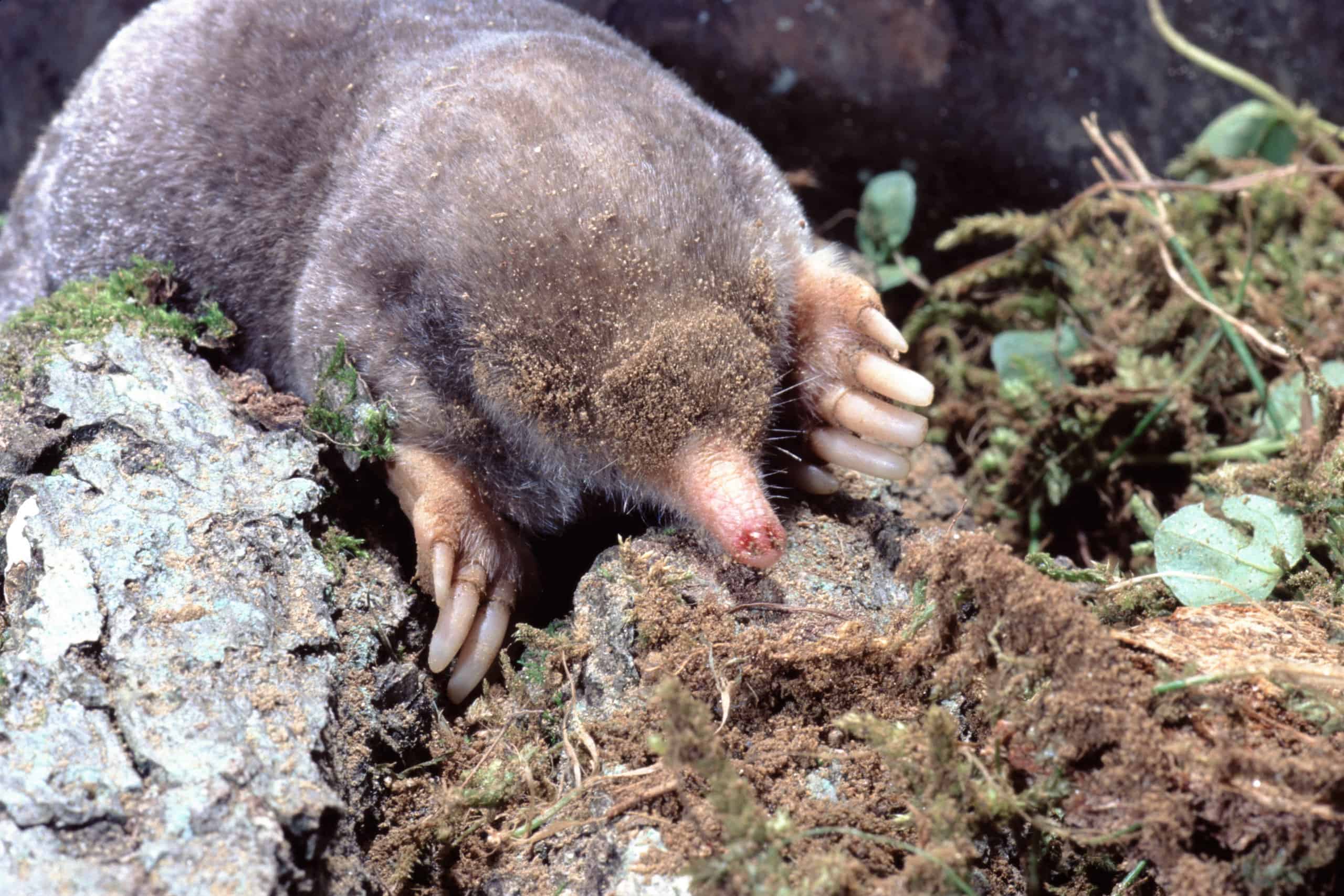
There are between 30 and 36 species of moles worldwide, with seven distinct species native to North America. These mammals belong to the family Talpidae. They are not rodents and do not eat plant roots, tubers, or bulbs, although they may damage plants while digging tunnels in search of food. Moles are fossorial (burrowing) mammals that are between 4 and 8 inches long, including their short tail, and usually weigh between 2.5 and 4.5 ounces. They spend the majority of their lives underground, rarely coming to the surface. They are highly specialized for a subterranean lifestyle, with large, spade-like paws and sharp claws used for digging extensive, complex tunnel systems for feeding, resting, and raising young. Moles also defecate directly within their tunnel systems, in specific areas designated for this purpose. Continue reading to learn everything you’ve ever wanted to know about mole poop.
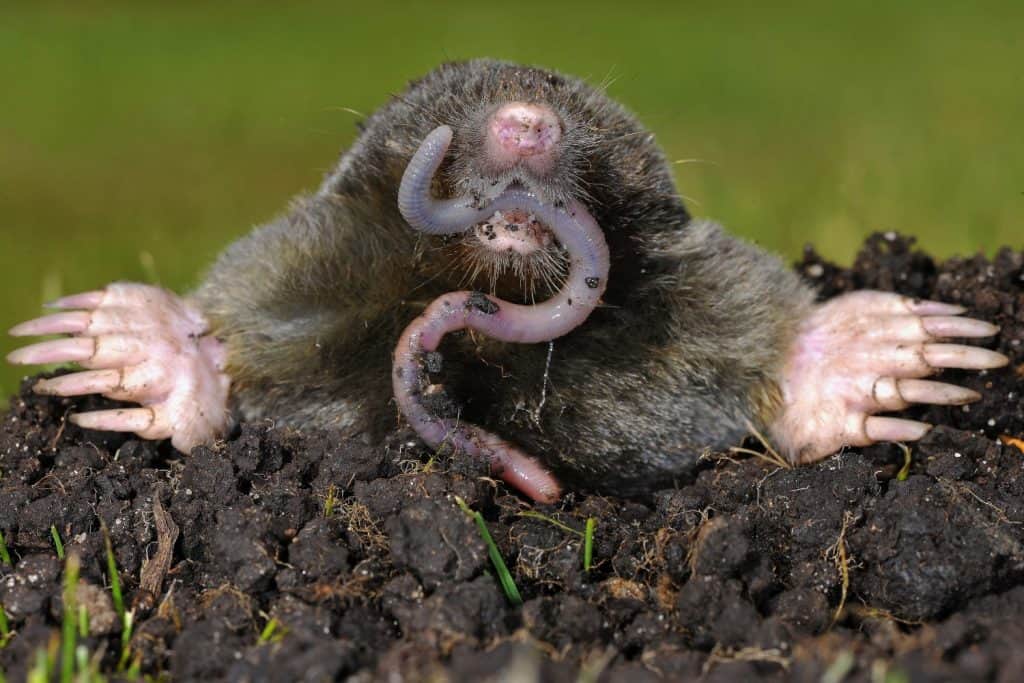
Moles are primarily insectivores that feed on earthworms, grubs, beetles, and larvae found in the soil.
©CezaryKorkosz/Shutterstock.com
What Does Mole Poop Look Like?
Mole pellets are typically dark brown to yellowish-brown, and even green. Their droppings are generally hard and dry. Because moles are carnivores, their scat may appear to contain insect exoskeletons (from ants or beetles) and is sometimes described as having a textured or fibrous appearance.
Surprisingly, mole droppings are roughly the same size as mouse droppings, about 0.125 to 0.25 inches long, despite the mole being much larger. This size discrepancy is due to the mole’s very high metabolic rate. Moles eat nearly their body weight in food every day. Their digestive tracts efficiently process soft, high-protein foods like earthworms and grubs, resulting in very small, compact waste pellets.
Because moles almost exclusively defecate in a designated area of their burrow, finding mole droppings is a rare occurrence. Their latrine areas are often located in deeper, more permanent parts of the burrow system, away from the main feeding tunnels. These latrines are sometimes communal and may be shared by multiple moles. Mushrooms and tree roots often colonize these latrines, forming a symbiotic relationship that helps decompose the waste and keep the tunnel system clean.
Moles rarely leave droppings above ground, but when they do, it is usually due to their excavation and movement patterns. As moles dig new tunnels, they push excess soil to the surface, creating molehills. During this process, waste from their latrine areas may be pushed to the surface along with the soil.
Is Mole Poop Dangerous?
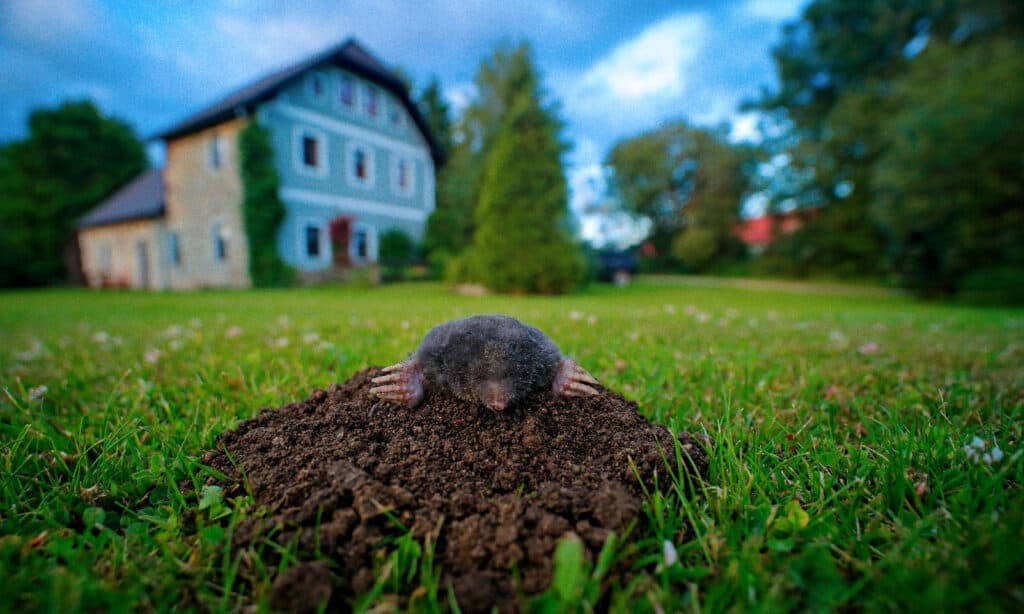
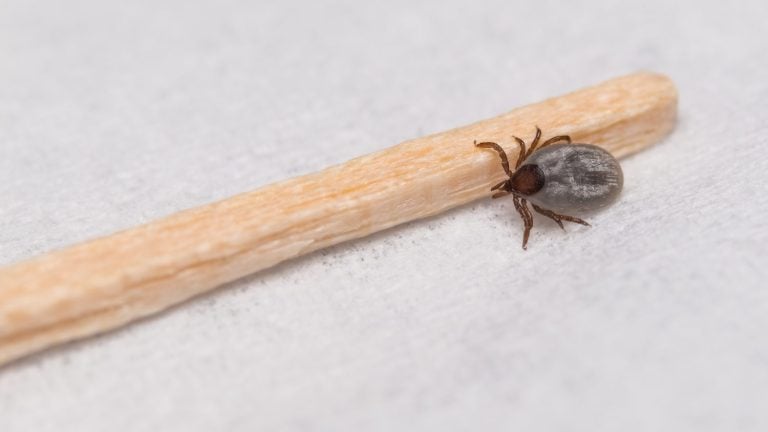
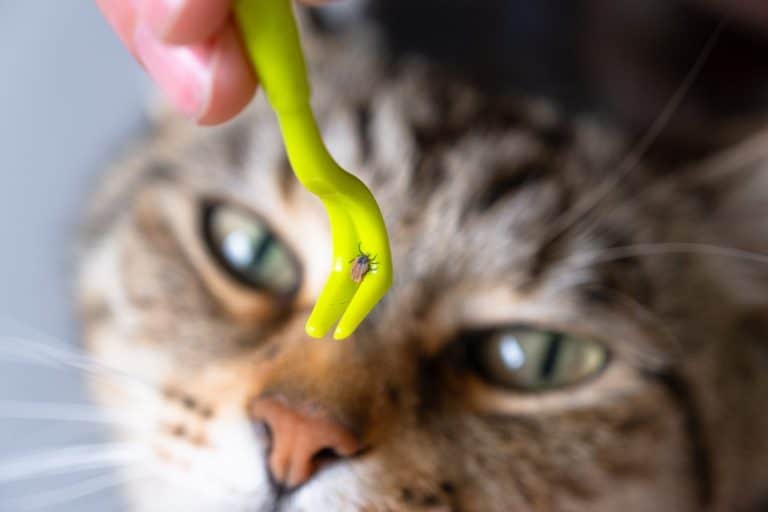
Moles sometimes have ticks that carry Lyme disease.
©Ondrej Prosicky/Shutterstock.com
Mole scat itself presents little direct health hazard to humans, but moles can carry parasites such as ticks and fleas, which may transmit diseases to humans and pets. While mole feces are harmless, their presence can attract insects and pests that carry diseases. Moles can carry ticks, but Lyme disease is primarily transmitted to humans by blacklegged (deer) ticks that do not typically feed on moles.
Moles present more of a landscaping issue than a direct threat to human health.