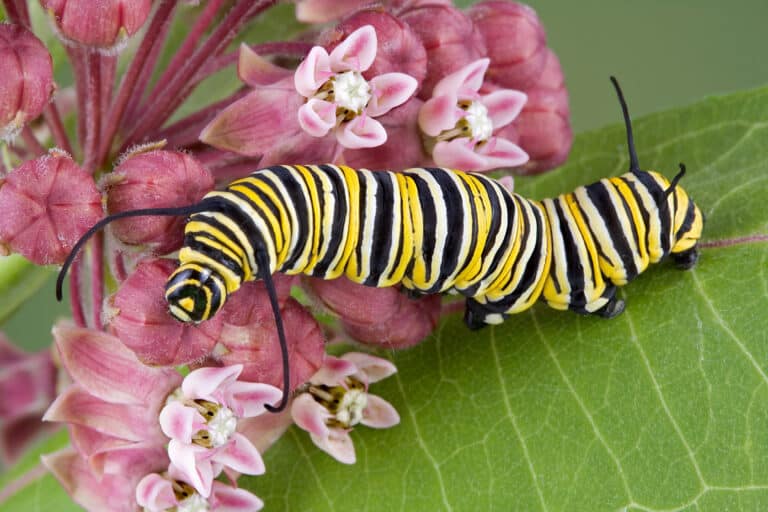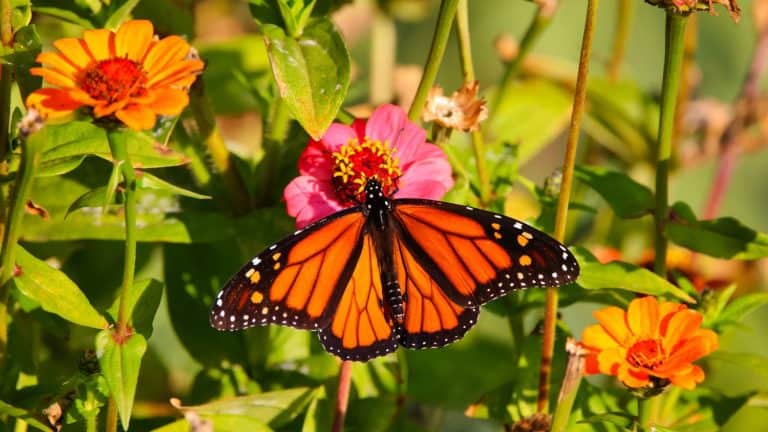

With over 100,000 species in the superfamily Papilionoidea, butterflies are found on every continent except Antarctica. They are incredibly adaptable insects and live in various habitats, from tropical rainforests and deserts to mountains and coastal regions. Butterflies are cold-blooded and thrive in warm, sunny environments, although some species can survive in cooler climates. But where do these fluttering creatures go at night? Continue reading to unravel the mystery of where butterflies sleep.
Butterfly Sleep Patterns
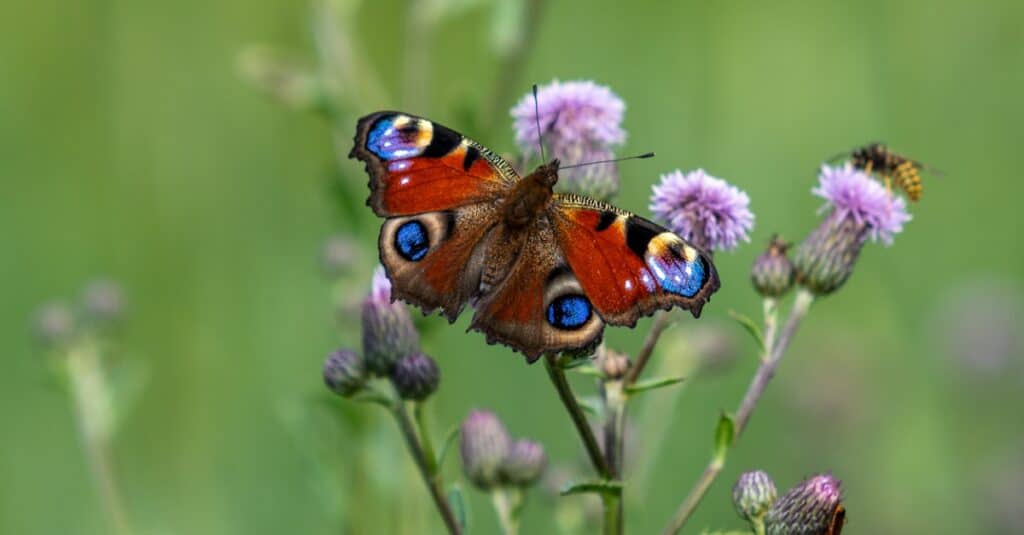
This peacock butterfly is enjoying the garden during the day; at night, it will become less active.
©iStock.com/Binnerstam
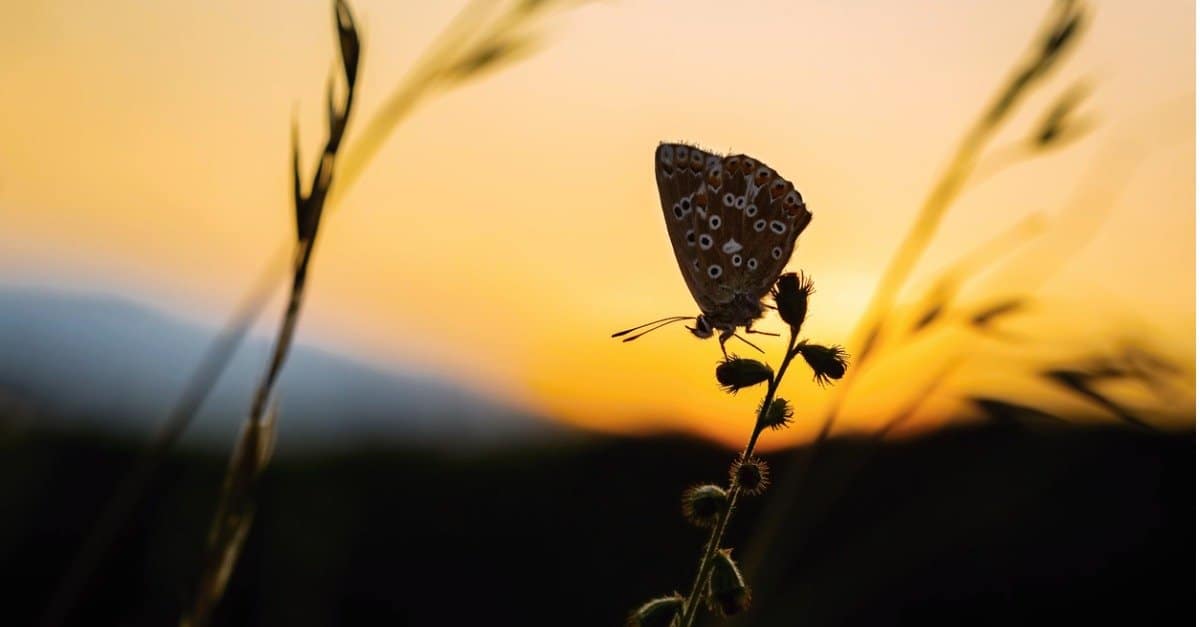
Butterflies don’t sleep in the same way humans do. Instead, at night, butterflies enter a state of inactivity, called roosting. This resting period is characterized by a significant reduction in their metabolic processes. During this time, they may hide under leaves, in crevices, or among foliage, often hanging upside down. This behavior helps them conserve energy and avoid predators.
When and Where Butterflies Sleep
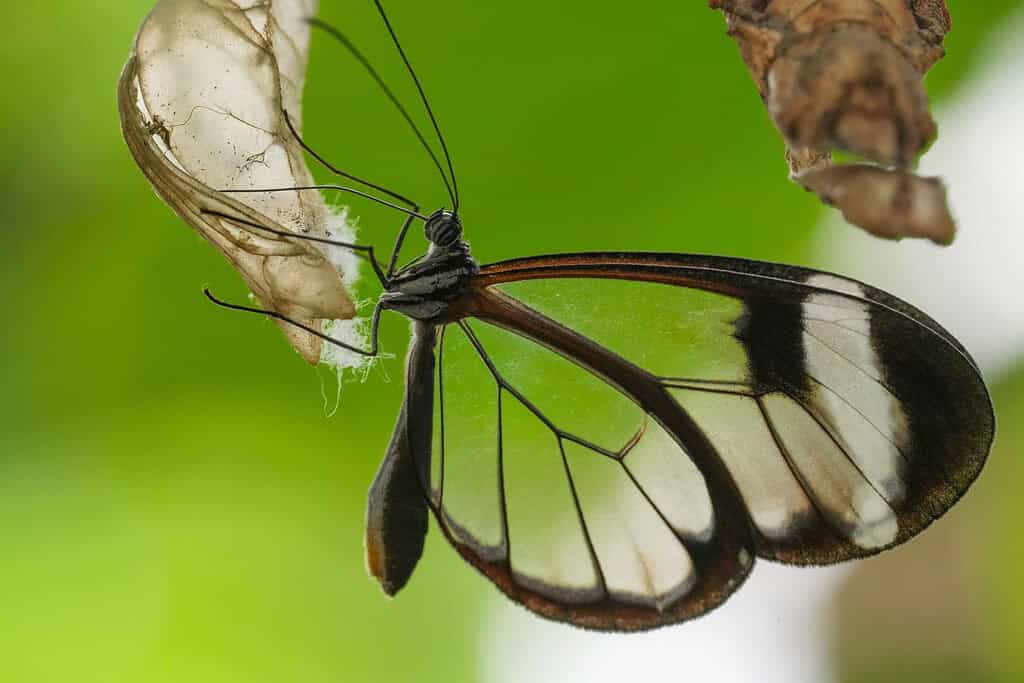
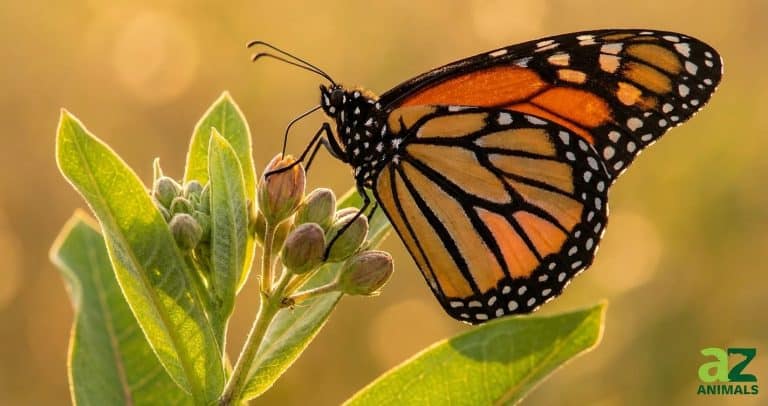
Butterflies are diurnal, active during the warmer hours of the day, typically from late morning to early afternoon.
©Wirestock Creators/Shutterstock.com
Butterflies are ectothermic, or cold-blooded, meaning they rely on external heat sources, like the sun, to maintain their body temperature. When temperatures drop at night, their metabolism slows down, making them less active and unable to fly. Remaining still at night also helps butterflies avoid nocturnal predators, including bats, owls, mice, and spiders.
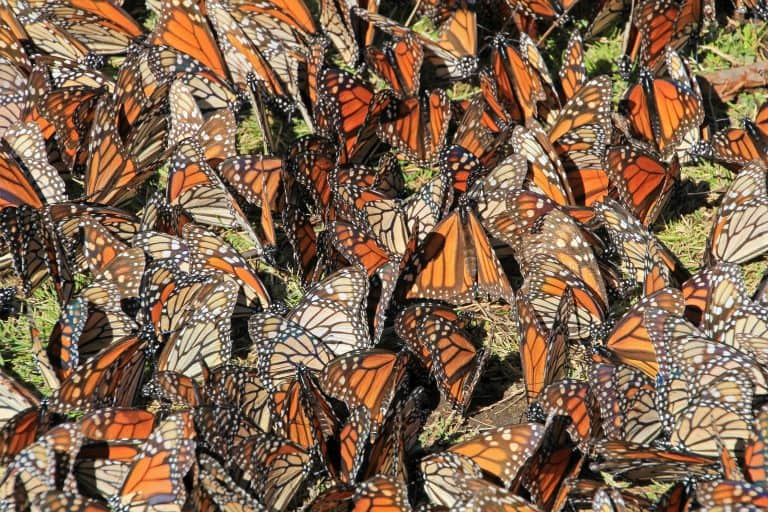
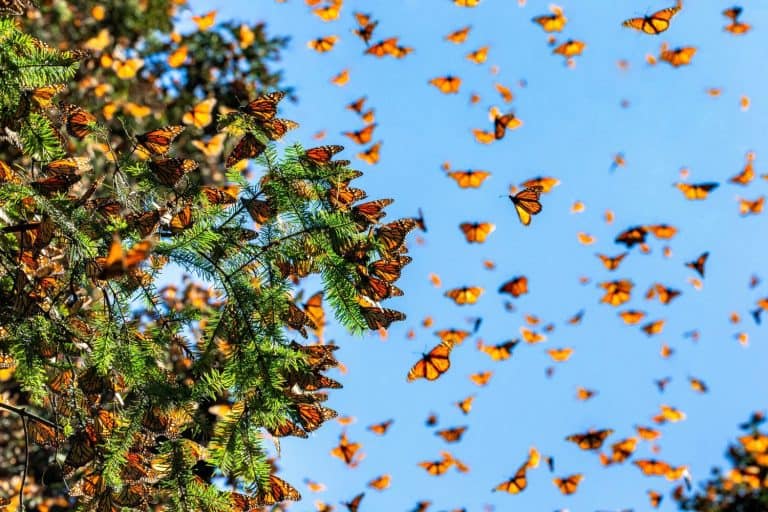
Butterflies are most vulnerable when at rest, so they prioritize safety and protection when choosing a roosting spot. Finding shelter from the elements is just as important as staying protected from predators. Though many butterflies roost individually, some species are known for communal roosting. This behavior is observed in some unpalatable species, such as Monarchs and certain Heliconius butterflies, where communal roosting may enhance their warning signals to predators through collective aposematism.
How Butterflies Sleep
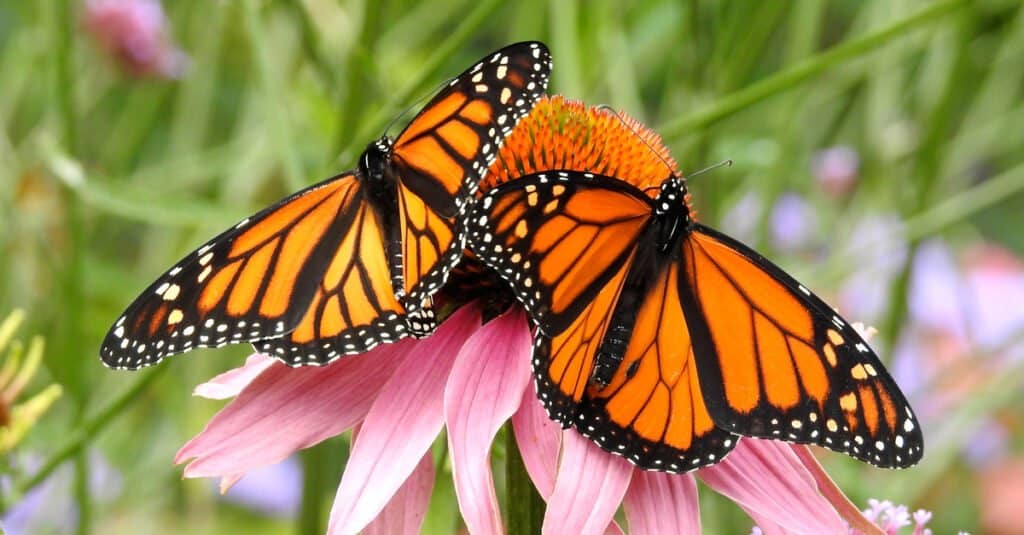
Some butterflies, including monarchs, roost in groups.
©Kate Besler/Shutterstock.com
Generally, butterflies rest by hanging upside down from a twig or stem. If they are inside a thick bush, they may simply fold their wings and become very still. Some butterflies, like the blue morpho (Morpho menelaus), have eyespots or false eyes on their wings. These markings are used to confuse would-be predators.
As the sun begins to rise, butterflies spread their wings to warm them in the sunlight. Once their body temperature rises, the butterfly can move around during the day.
Where Do Butterflies Sleep in the Winter?
In winter, butterflies experience different states of dormancy as eggs, larvae (caterpillars), pupae (chrysalises), or as adults in sheltered locations. Some species migrate to warmer climates, but those that stay behind find places to overwinter. Most butterflies lay eggs in the fall that will hatch in the spring. Butterfly larvae, or caterpillars, overwinter under rocks or leaf debris. Butterflies that spend the winter as pupae (in their chrysalis) find sheltered spots, often under overhangs or in dense shrubbery. Adult butterflies will find sheltered spots like tree hollows, under bark, in sheds, or houses to survive the winter cold.