
Quick Take
- Every night, hummingbirds do something to their own bodies that leaves them completely helpless by morning, and this process explains everything about when they feed. See how torpor drives feeding →
- Midday looks quiet at the feeder, but hummingbirds are far from idle. They've just switched to a job most people never think about. Discover their midday activities →
- Once a year, some hummingbirds enter an eating frenzy so extreme it physically transforms their body before they disappear entirely. Explore pre-migration hyperphagia →
- If you think hummingbirds are gone for the winter, your location might be the only thing keeping you from seeing them right now. Find winter hummingbird regions →
If you’ve ever sat outside with a hummingbird feeder, you’ve probably noticed that these tiny birds seem to appear in waves. One moment the feeder is quiet, and the next it’s buzzing with activity as hummingbirds dart in to feed before disappearing again.
That pattern isn’t random. Hummingbirds have the highest metabolism of any warm-blooded animal on Earth, which means they must constantly eat to stay alive. As a result, they do most of their feeding during two key windows: shortly after sunrise and again just before sunset.
The Best Time to Watch Hummingbirds
The Morning Rush
The busiest time of day for hummingbirds begins right around sunrise. They spend their nights in a deep, hibernation-like sleep called torpor to save energy. During torpor, their heart rate, metabolism, and body temperature drop drastically, helping them survive the cold night. As a result, they wake up completely drained of energy. Warming back up takes about 20 minutes of shivering before the birds are ready to fly. Once they are able, they quickly rush to flowers and feeders to refuel, making early morning one of the best times to spot them.
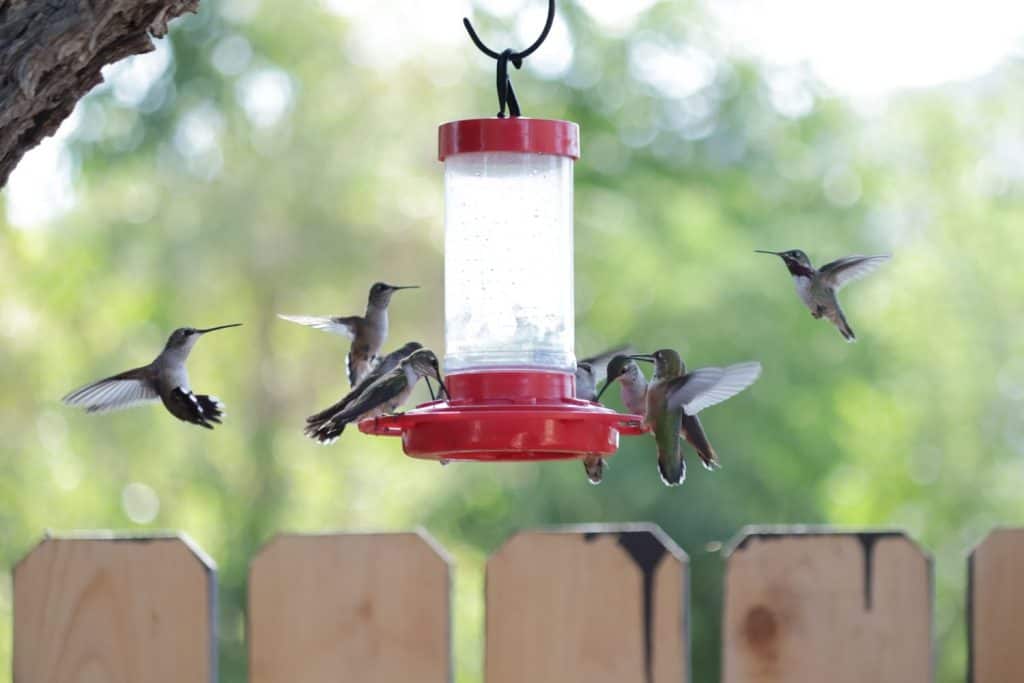
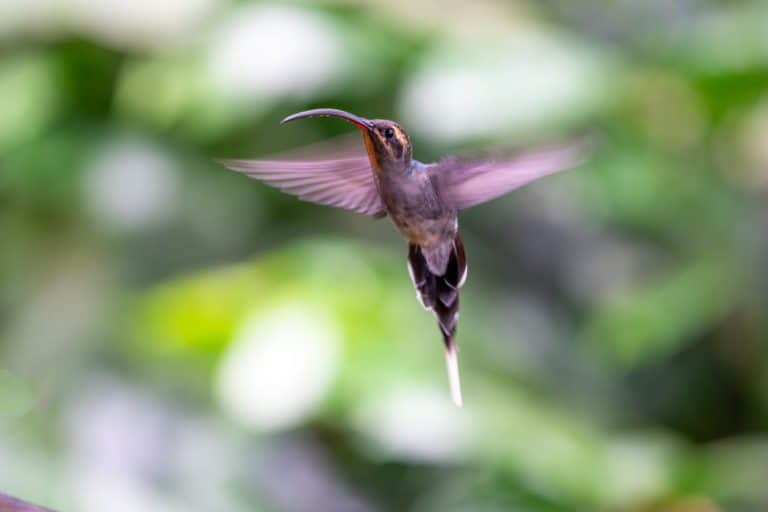
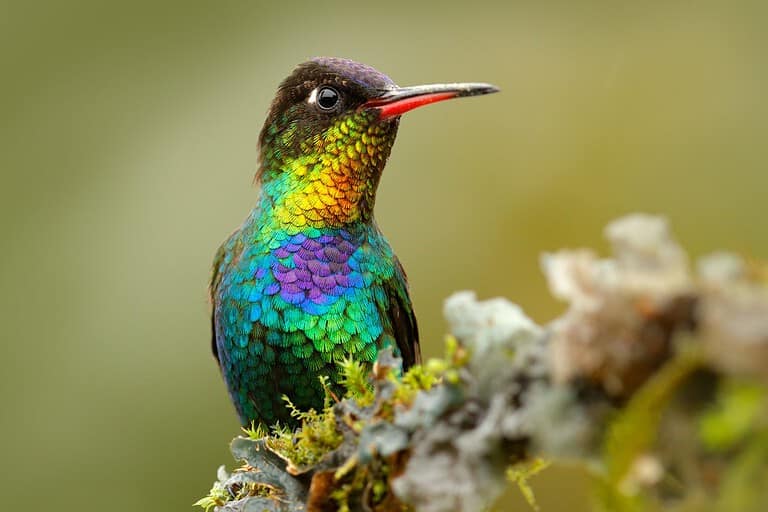
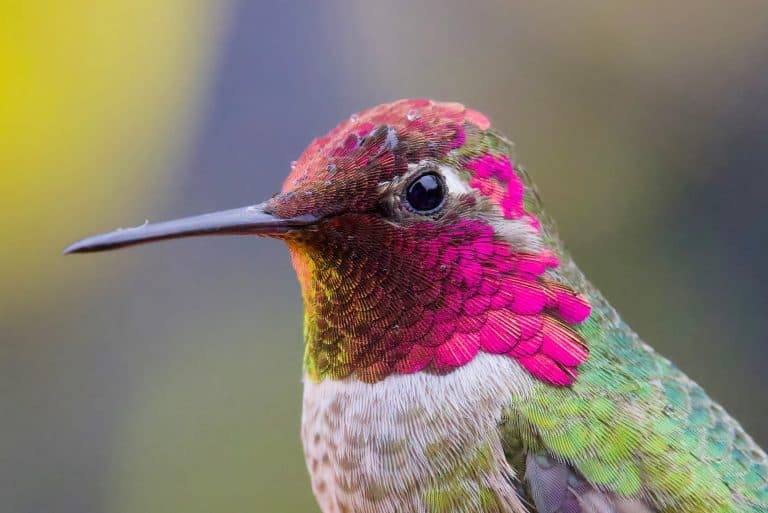
Depending on the species, hummingbirds can weigh anywhere from 2 to 20 grams.
©Gregg M. Pasterick/Shutterstock.com
The Evening Feast
The second busiest feeding time happens in the late afternoon and early evening. As sunset approaches, hummingbirds feed heavily to store up enough energy and fat reserves to make it through another night. This final meal of the day helps fuel their bodies until morning, so the hours just before dark are another great time to watch them at flowers and feeders.
Why Activity Slows Down at Midday
Although hummingbirds are less active during the hottest part of the day, they don’t stop eating entirely. Their fast metabolism requires them to feed frequently throughout the day, sometimes as often as every 10 to 15 minutes during periods of high activity. However, instead of constantly hovering near feeders and other nectar sources, they spend much of midday on other important tasks, such as resting and preening their feathers to keep them in top flying condition. They also catch small insects like gnats, mosquitoes, and wasps to get the protein and minerals that nectar doesn’t provide. Hummingbirds also protect their favorite feeding spots from rival birds. These activities are spread throughout the day, so midday is usually the least active time to watch hummingbirds at feeders.
What Can Change Their Daily Schedule?
While morning and evening are typically the busiest times for hummingbirds, they may change their routine for a number of reasons. In spring and early summer, for example, nesting females commonly feed more often throughout the day. Because female hummingbirds build nests, hatch eggs, and raise chicks entirely on their own, they need a nearly constant supply of energy.
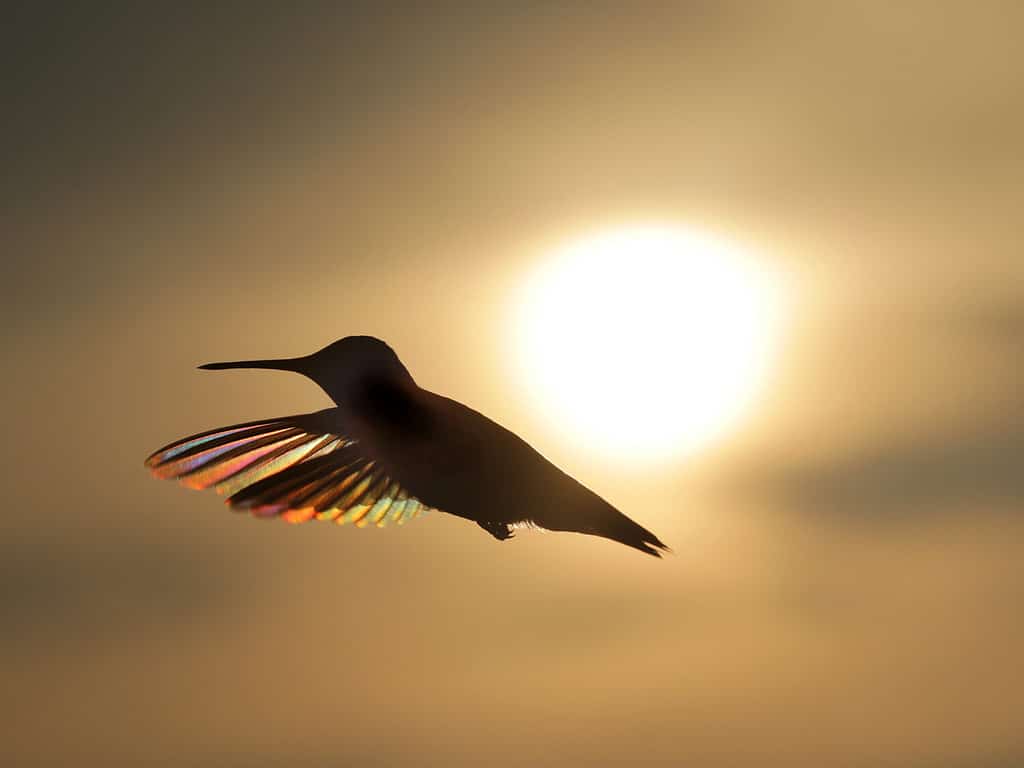
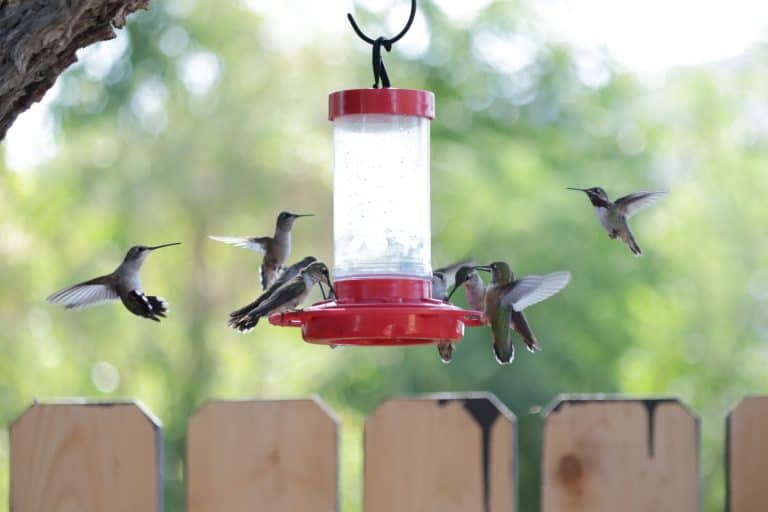
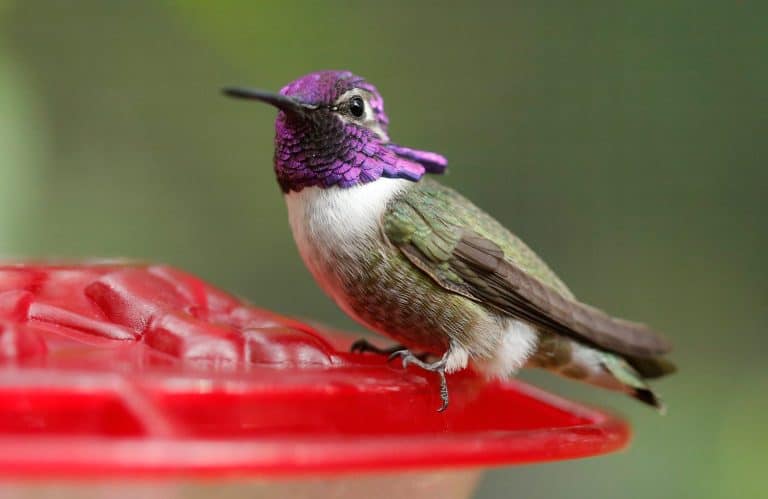
Hummingbirds may change their feeding schedule depending on the weather, temperature, and their stage of life.
©Ramona Edwards/Shutterstock.com
Before flying south in the fall, hummingbirds enter a state of extreme eating called hyperphagia. During this time, they increase their food intake to build greater fat reserves, sometimes adding 25 to 40 percent of their body weight before their long-distance migrations.
Cold, rainy, or windy weather can force hummingbirds to use more energy just to stay warm, while also making it more difficult to find their typical food sources. When the weather is poor, they may have to wait to feed until conditions improve or make more frequent feeding trips throughout the day.
Can You See Hummingbirds During the Winter?
Hummingbirds are not only spring and summer visitors. According to Project FeederWatch data, they live year-round in the Pacific Coast, Arizona, the Southeast, and the Gulf Coast. In these areas, some species and non-migrating individuals continue to visit flowers and feeders all winter long.
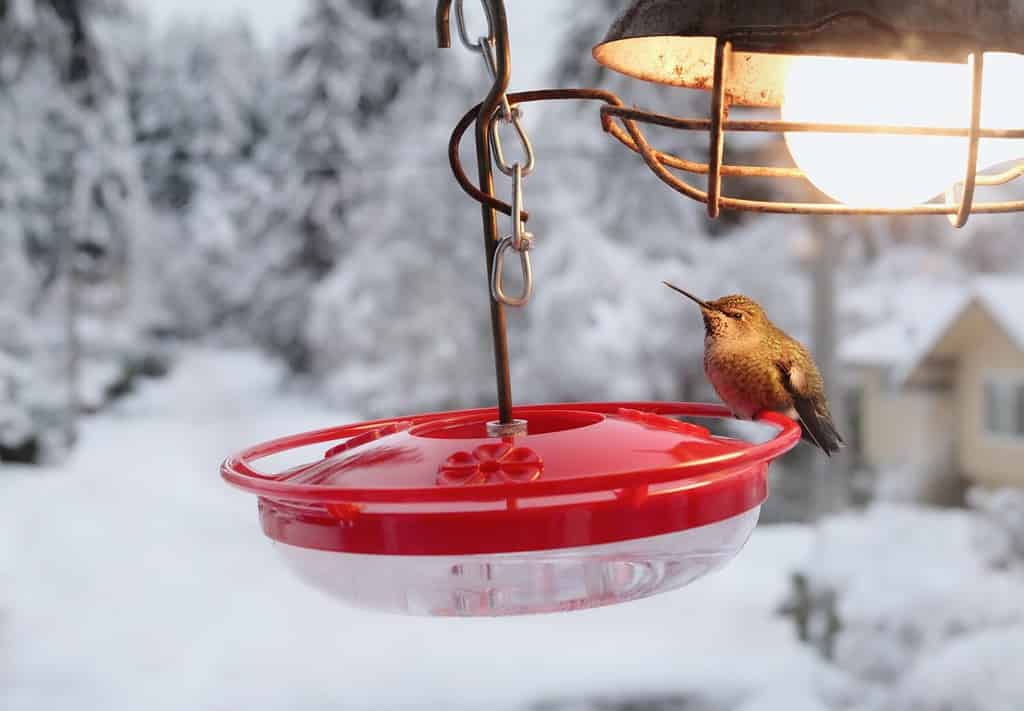
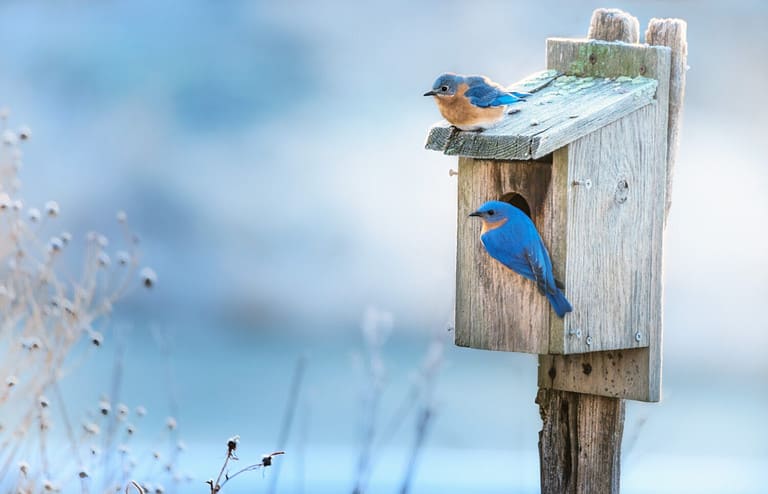
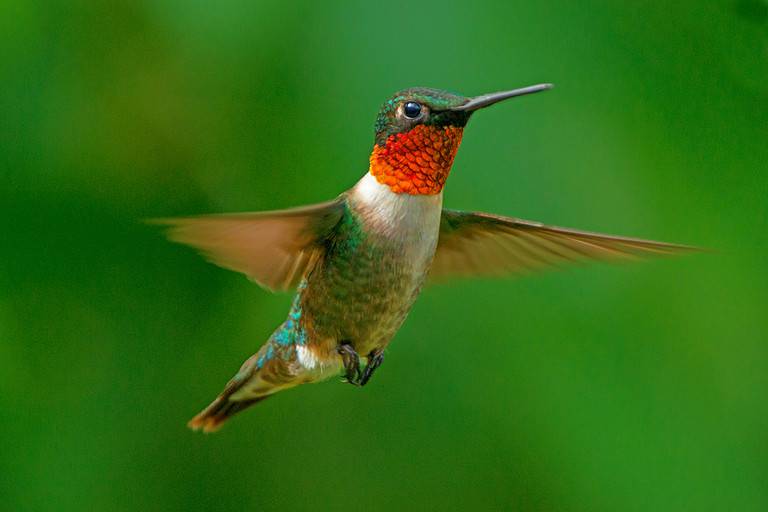
Hummingbird feathers do not provide very good insulation against the cold.
©sophiecat/Shutterstock.com
However, whether you see hummingbirds in the winter depends largely on where you live:
- Pacific Coast: Anna’s hummingbirds live year-round from Baja California up to southern coastal British Columbia, making winter feeder visits completely normal.
- Arizona: Thanks to its mild climate, Arizona hosts several wintering species. You can commonly see Black-chinned, Anna’s, and Costa’s hummingbirds during the colder months, especially near Phoenix and the Mexican border.
- Southeast and Gulf Coast: Hummingbirds stay active here even after most have flown south. Winter sightings are regularly reported in Mississippi, Louisiana, Texas, Alabama, and Florida.
How to See More Hummingbirds
If you want to increase your chances of spotting hummingbirds, focus on the hours just after sunrise and right before sunset. You can also make your yard more enticing to hummingbirds by placing feeders in sheltered, partly shaded areas near trees, shrubs, or flowers. Because hummingbirds can be highly territorial, placing multiple feeders out of sight of one another can help prevent fighting.
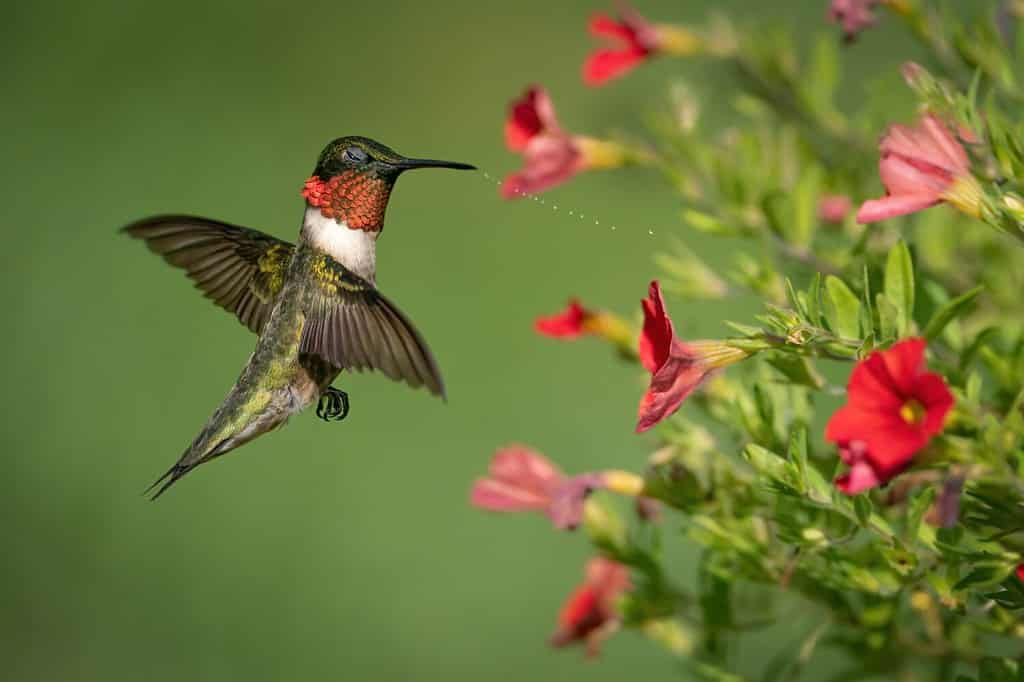
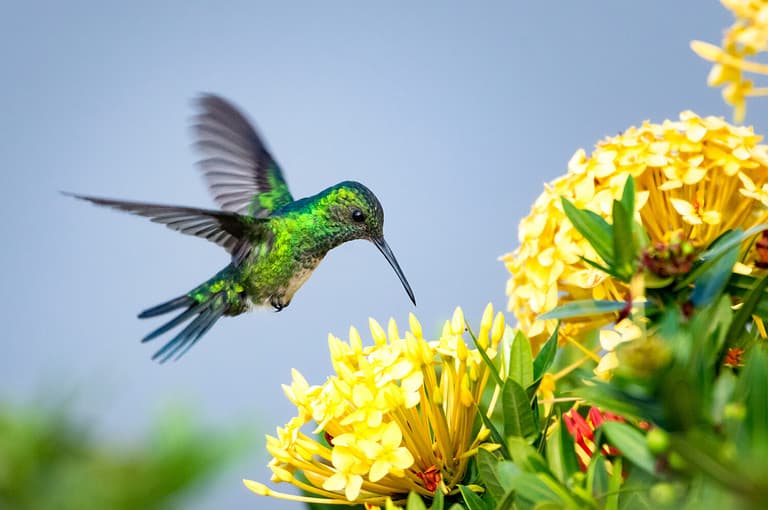
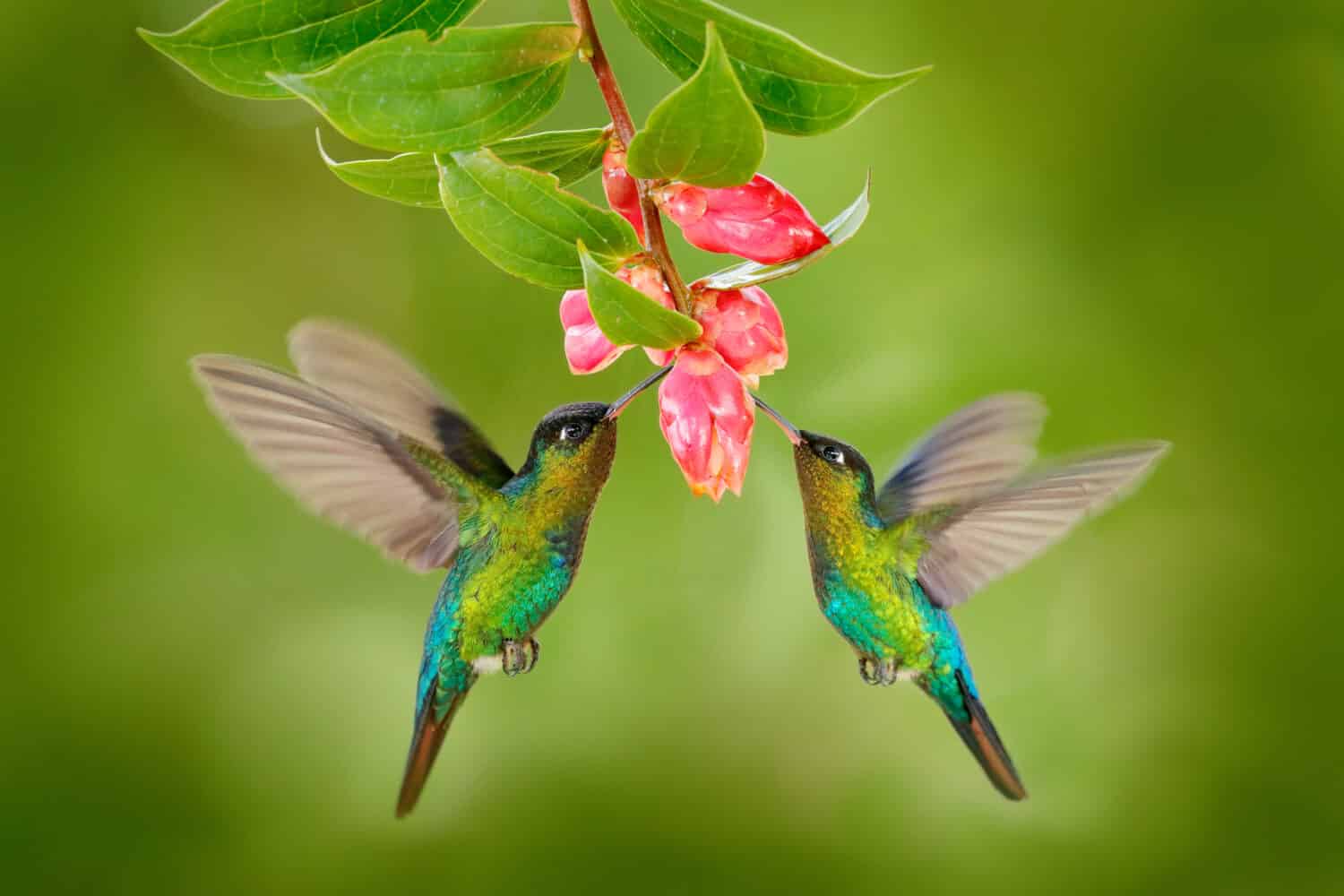
Hummingbirds prefer flowers that provide lots of sugar-filled nectar.
©Cavan-Images/Shutterstock.com
Planting native tubular flowers such as bee balm, honeysuckle, salvia, nasturtiums, and crossvine helps to provide natural food sources for hummingbirds throughout the season. Avoid using pesticides or chemicals that kill the insects hummingbirds need for protein, as these substances can also harm the birds themselves.
Once your yard is ready, just find a comfortable spot near your feeders or flowering plants, stay still, and wait. During the morning and evening feeding rushes, you’re likely to enjoy the busiest — and most exciting — time of their day.