
Quick Take
- March and spring are prime times for butterflies.
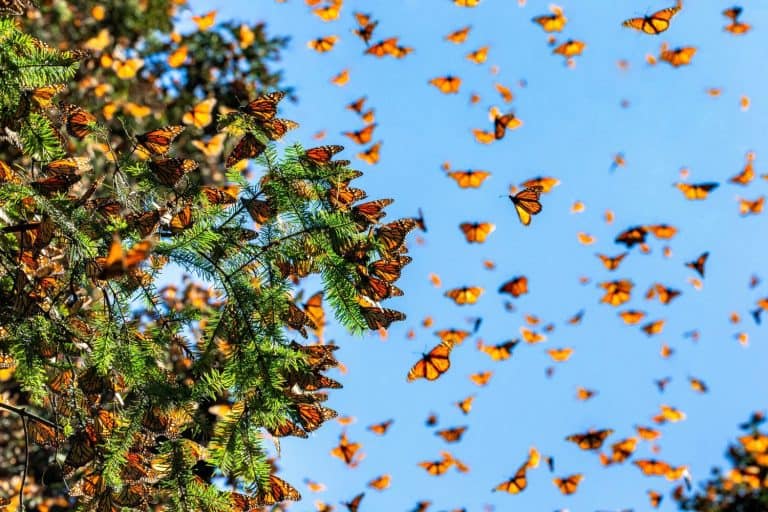
- Various species of butterflies migrate during spring, including Monarchs, Painted Ladies, and Red Admiral Butterflies.
- You can attract butterflies to your yard by growing certain plants or leaving out fruit.
Spring is a beautiful season for many reasons, but perhaps the most magical part of this time is the abundance of butterfly activity. Butterflies like painted ladies and red admirals are highly impacted by wind, rainfall, and temperature, which can create sudden bursts of sightings during March.
Wondering how to tell the difference between the different butterfly species you might spot this time of year? Keep reading for an identification guide and ways to attract butterflies to your yard.
Spring Movements of Butterflies
Spring—and as early as March—often marks the arrival of butterflies in many regions. However, while most people assume Monarchs are the star players during this time, other species—like Painted Ladies and Red Admiral Butterflies—are just as common.
“We love to see activities and sightings of both Painted Ladies and Red Admiral Butterflies because this is a key signal that spring is arriving,” says David M Burrows, managing director at Arkearth. “These two popular species have similar behaviors to Monarchs in that they do not hibernate or over-winter, but constantly fly towards warmer climates to find nectar, tree sap, and shelter.”
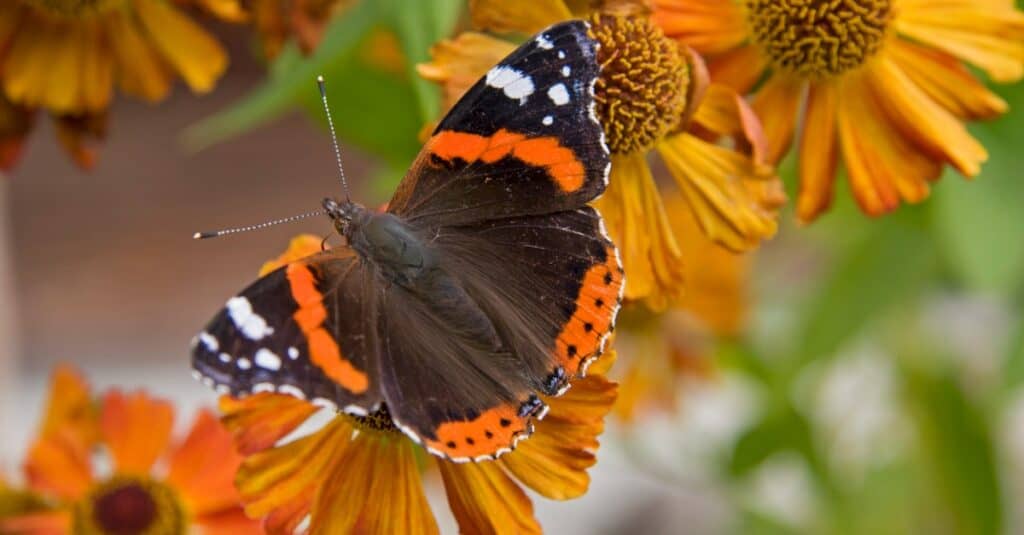
The red admiral is a type of butterfly that has a fairly large wingspan of nearly three inches.
©iStock.com/Tinieder
“Once warmer temperatures return—typically over 50° F—they leave coastal California and Southern Mexico regions to fly up through the southern states and back into the Midwest and upper states to mate, lay eggs, and thrive from March until November,” he adds.
Weather patterns and temperature greatly impact butterfly activity. These insects are highly sensitive, and even the most subtle seasonal shifts can trigger their arrival.
“Spring weather is random and sometimes extreme. High winds bring seeds and weather changes,” says Burrows. “Warmer temperatures also trigger butterfly migrations, and spring storms and rains increase the growth and blooming of plants, offering their nectar and pollen to hungry insects. Immediately following a robust spring rainstorm, we often see greener plants and a sudden proliferation of pollinators seeking food sources.”
Guide to Butterfly Identification
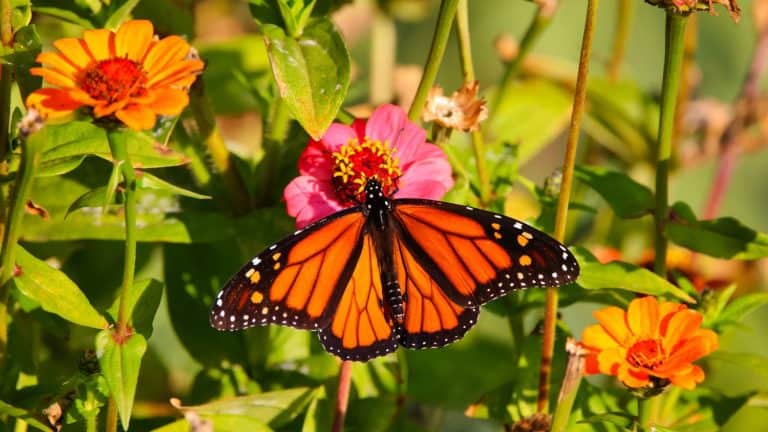
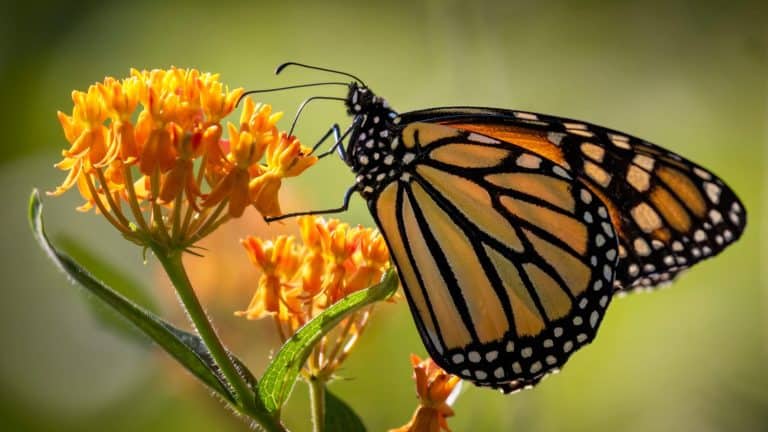
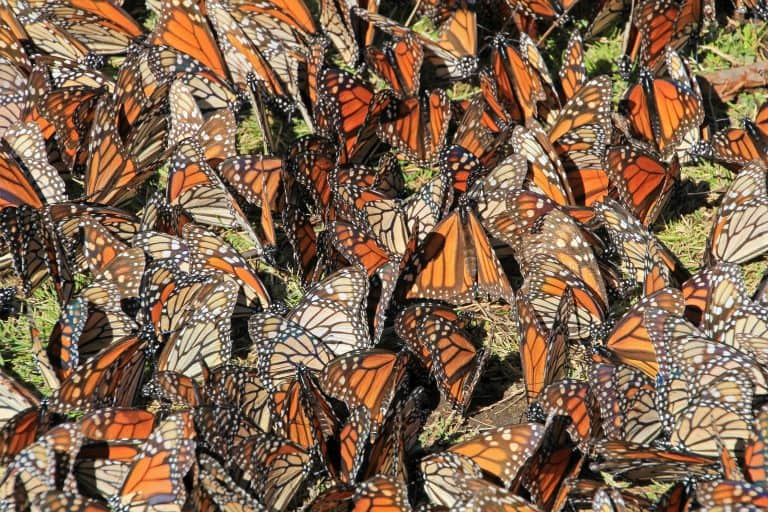
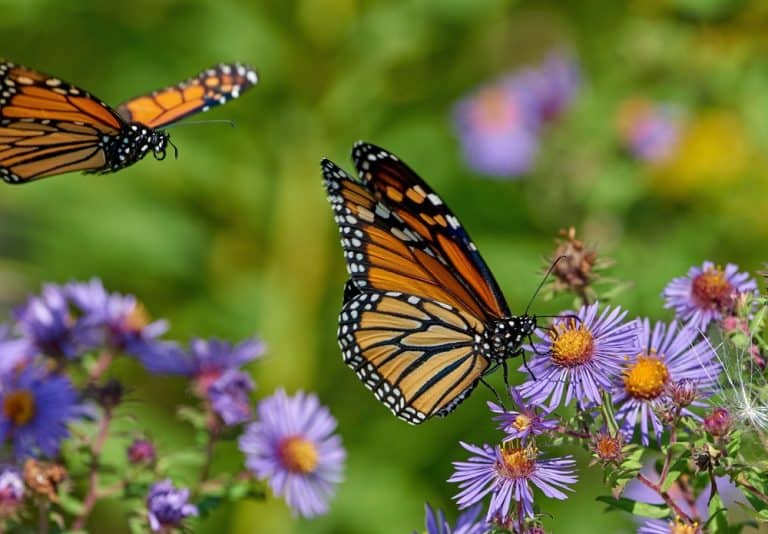
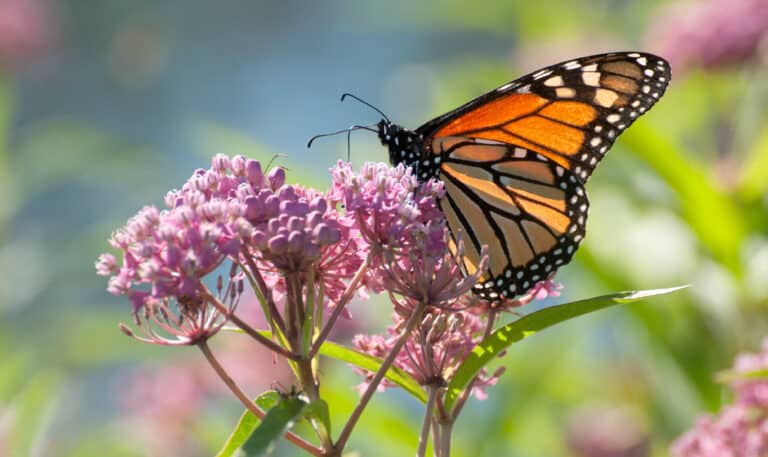
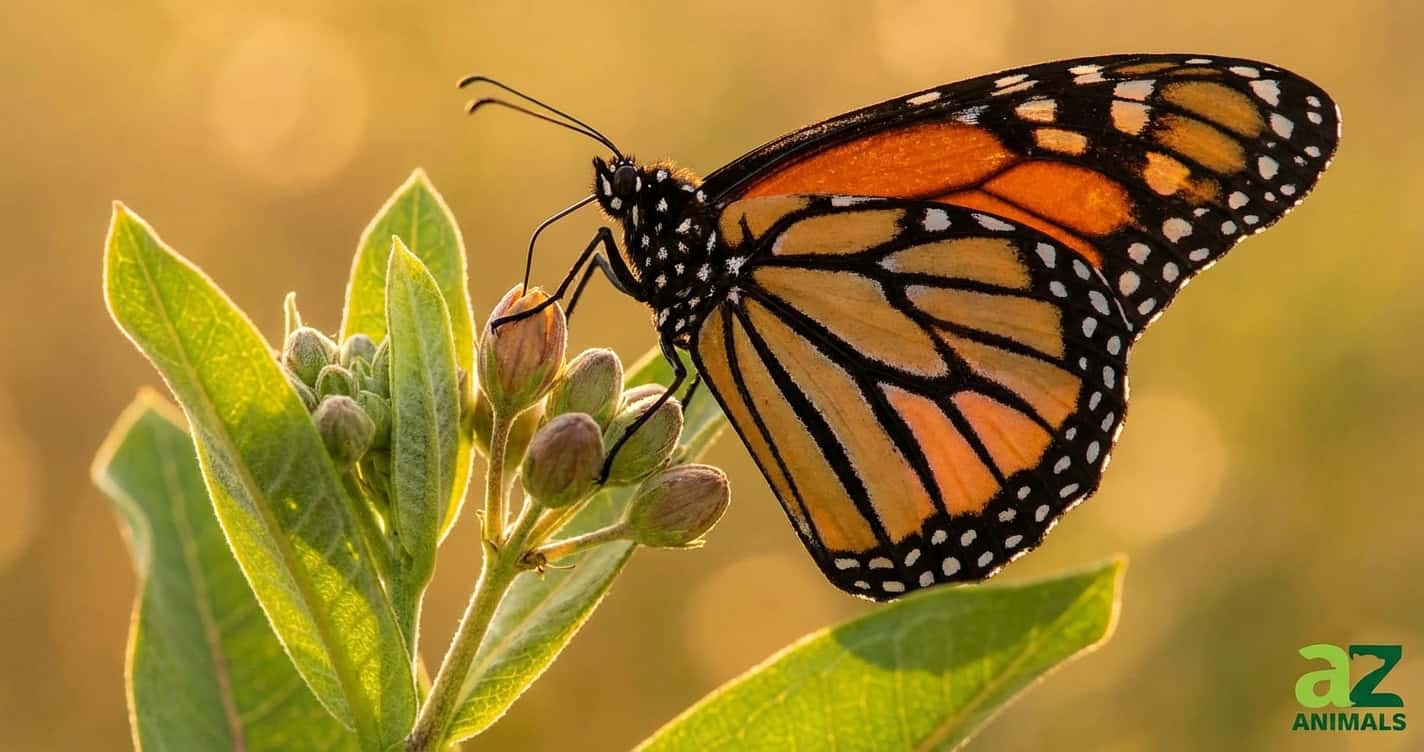
You might spot various butterfly species during this time, but each one has its own unique features for identification. Monarchs, of course, are easy to identify with their bright orange bodies, black lines and margins, and small white spots on their edges.
However, other butterfly species tend to look more alike than not.
“There are just over 20 identified species of Painted Lady and Red Admiral Butterflies. For Painted Lady Butterflies, which is the most commonly seen, the scientific name is Vanessa cardui,” says Burrows. “There are also the American Lady and [the] West Coast Lady. In non-North American regions, there are Chilean and Brazilian varieties.”
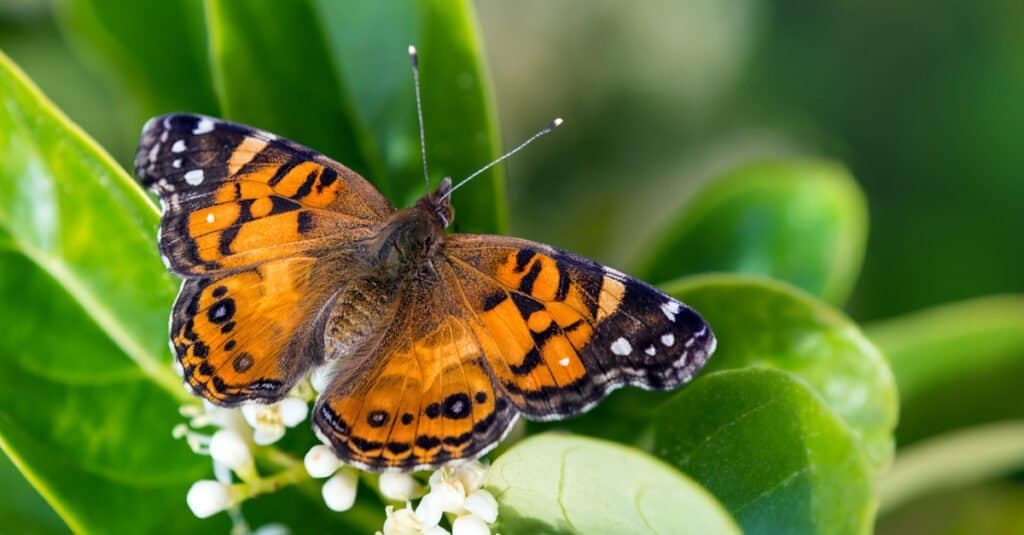
Painted ladies are among the world’s most impressive butterfly migrants, with movements that can span huge distances and vary greatly from year to year.
©iStock.com/leekris
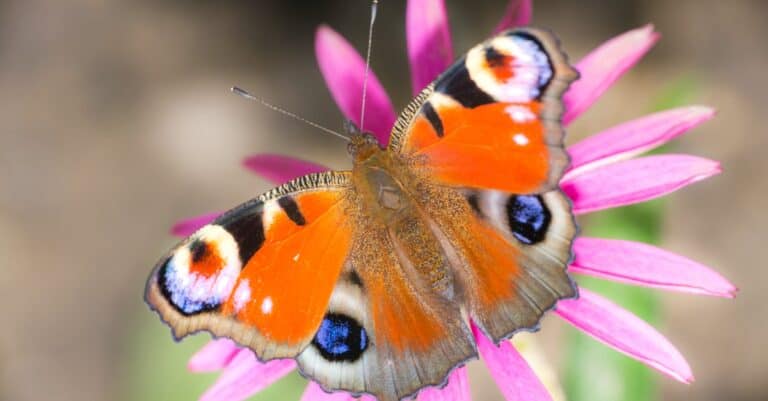
Painted Lady butterflies are typically orange or brown with black and white spots, while Red Admiral butterflies are black with distinct red bands and white spots.
“The most common Painted Lady Butterfly has four to five small ‘eyespot’ features to defend against predators,” Burrows adds. “They also feature a more solid orange background and [fewer] white areas.”
On the other hand, the American Lady has only two large “eyespots,” a small white dot, and blue markings on its wings, Burrows explains.
The West Coast Lady also features four small eyespots, but its wing tip is usually orange rather than white. This butterfly also often has blue spots.
It’s not always easy to spot the differences between these butterflies, but these few specific features might help you tell them apart.
Immediately following a robust spring rainstorm, we often see greener plants and a sudden proliferation of pollinators seeking food sources.
David M Burrows, managing director at Arkearth
How to Attract Butterflies to Your Yard
Many people purposefully attract butterflies to their garden or yard, using a variety of plants and even rotting fruit. In fact, Burrows recommends leaving out smashed bananas for the insect to feast on.
“Both Red Admirals and Painted Lady Butterflies love plants in the families of thistles, nettles, and asters. The easiest to plant and have success with in almost any region are Zinnias, Cosmos, Purple Coneflower, and Lantana,” says Burrows. “Most butterfly species love these plants, and they’re easy to grow and maintain. If you want to add herbs that you can eat, plant Lavender and Mint.”
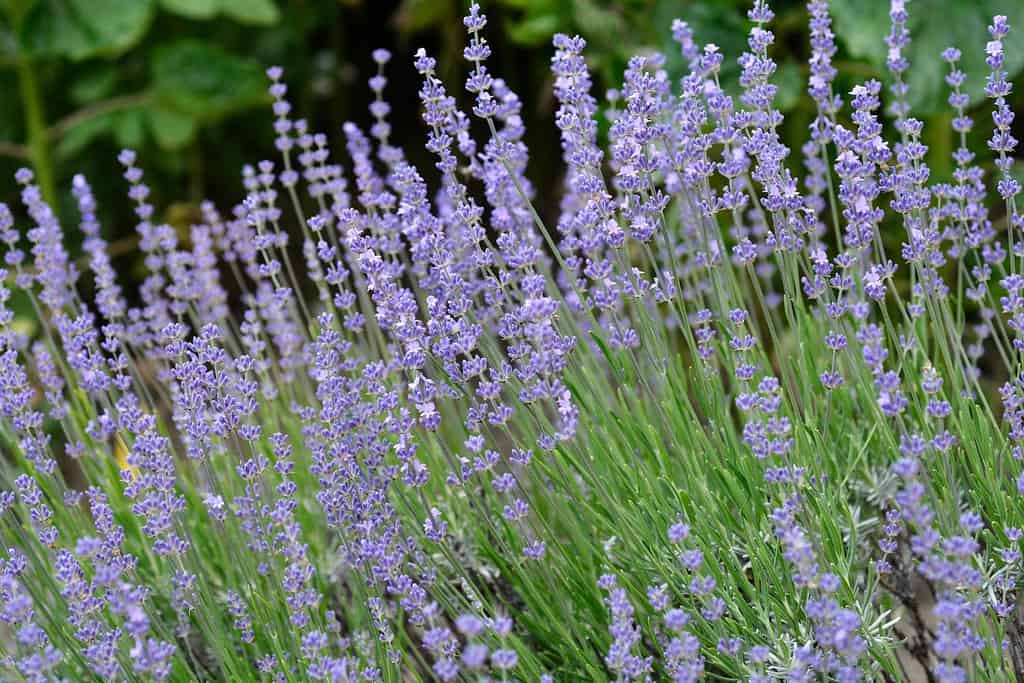
Butterflies love lavender.
©Nahhana/Shutterstock.com
“Most [of] all, butterflies love Milkweed varieties, as these also play host to where they lay eggs and larvae and caterpillars emerge and eat parts of the plant to continue their life cycles,” he continues. “These are especially a favorite for Monarchs.”
Climate Change and Butterfly Spottings
Butterfly activity is often referred to as an indicator of climate change.
“Both Red Admirals and Painted Lady Butterflies are key to understanding climate change and weather trends,” Burrows explains. “They are some of the most sensitive species to adapt to changing weather patterns. This is important because of their behavior to not only temperatures but also wind speeds and directions, along with longer cyclical stages like El Niños and hurricane activity.”
In fact, many climatologists and scientists look to butterflies when tracking and predicting weather forecasts and large weather patterns, Burrows explains. Thanks to their rapid life cycles and reliance on certain plants, subtle climate shifts can greatly impact the insect.
“Perhaps the saying about a butterfly flapping its wings in Brazil can impact hurricanes in the Gulf can be true,” he says. “These two amazing species truly showcase the ‘butterfly effect.’”