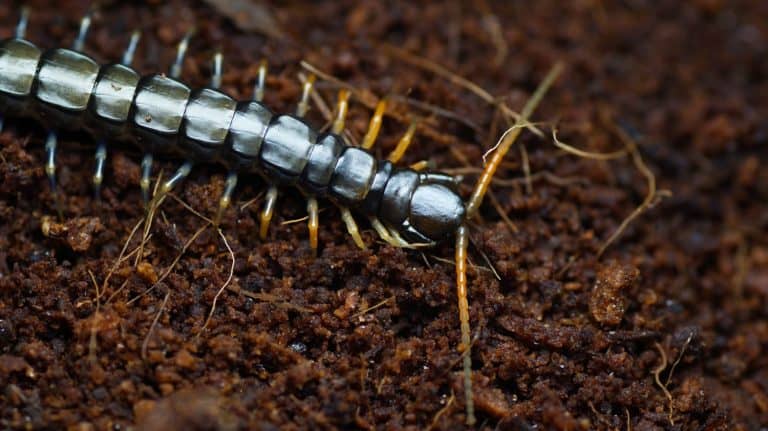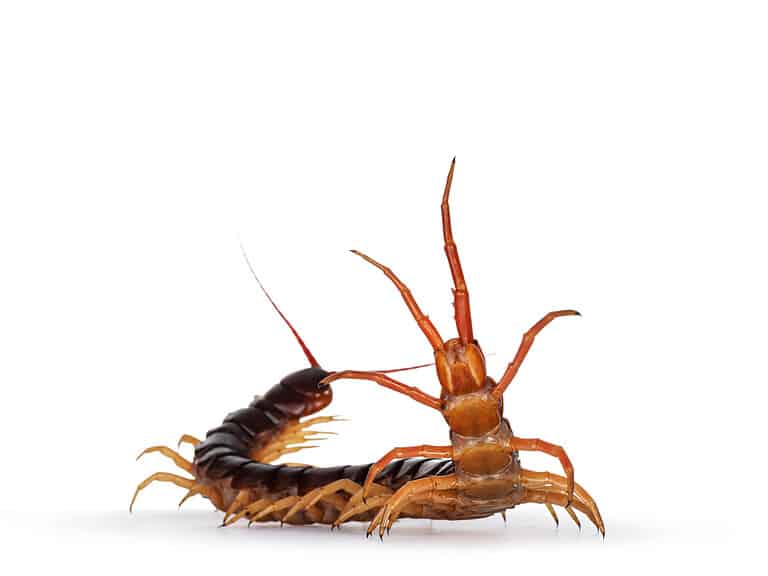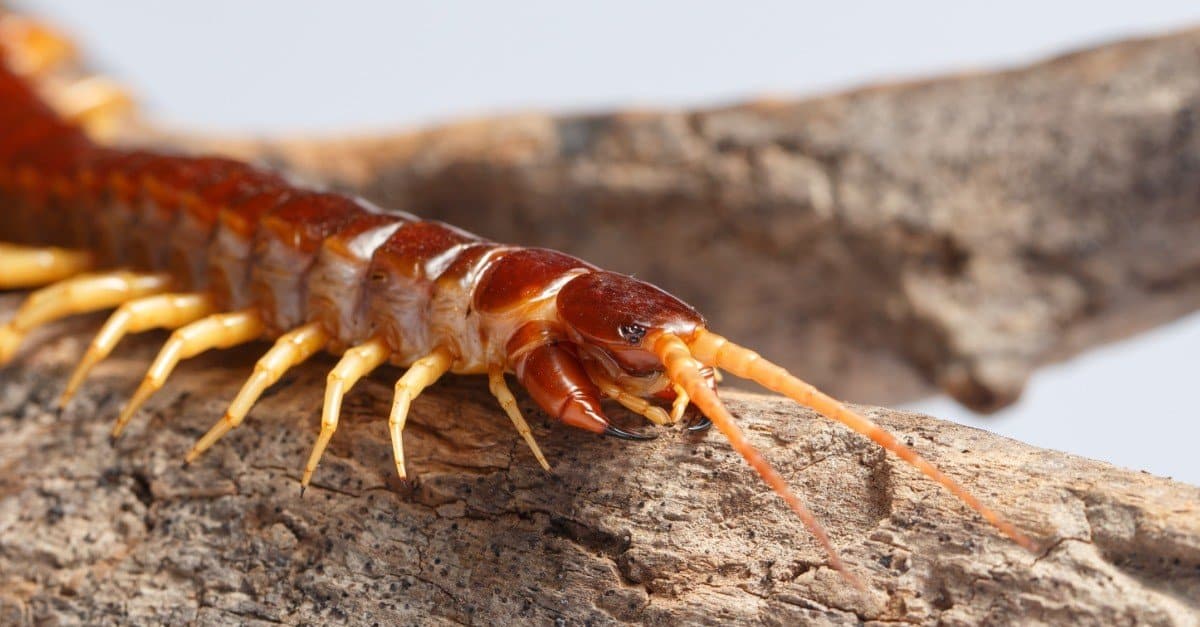

Centipedes (Chilopoda) are arthropods with long, flat, segmented bodies. Each segment, except the last, sports a pair of legs. Centipedes come in many patterns and colors, though the most common is reddish-orange and brown. While 3,000 separate species of centipedes have been identified, scientists estimate that there could be as many as 8,000. In many regions, including North America, the most common species humans are likely to encounter is the house centipede (Scutigera coleoptrata), which has adapted to living indoors. So, what do these many-legged arthropods eat?
Centipedes: Overview
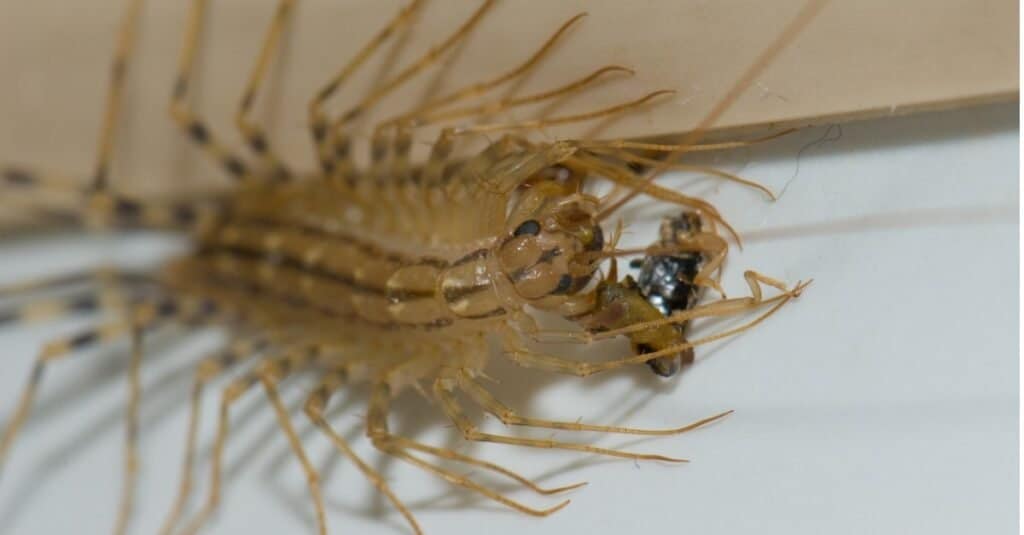
Though they look scary, centipedes are excellent pest controllers.
©iStock.com/Víctor Suárez Naranjo
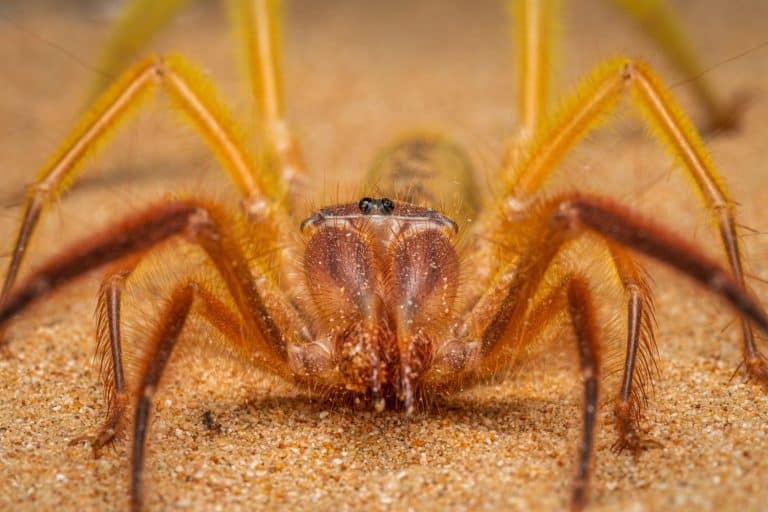
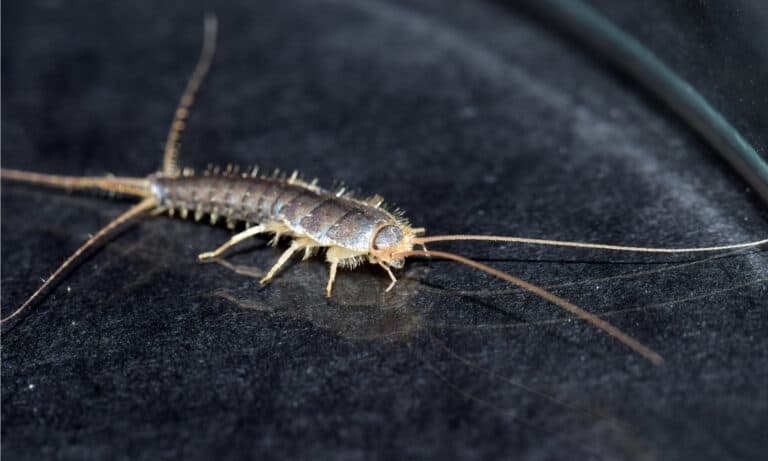
Despite their creepy appearance, centipedes are beneficial, helping minimize household pests by hunting and killing silverfish, flies, moths, roaches, spiders, and termites. As they’re nocturnal, centipedes are rarely seen. They are solitary creatures with poor vision, locating prey with their antennae. Centipedes are venomous, but their venom is not potent enough to harm humans. They use their venom, administered through claws on their first segment, to subdue prey.
What Centipedes Eat
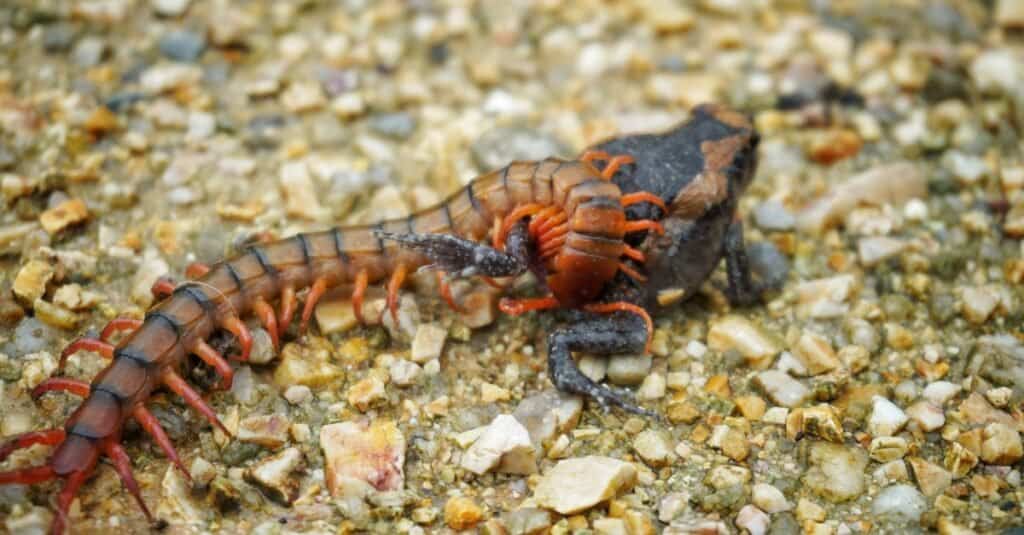
A giant centipede is seen biting a frog.
©WITSANU PORNSUKNIMITKUL/Shutterstock.com
Centipedes are active hunters that spend every waking moment of their lives in search of food. They are carnivores that eat a variety of small insects and invertebrates. Their diet includes ants, bedbugs, cockroaches, crickets, earthworms, moths, silverfish, spiders, and termites. They are also known to be cannibalistic and will not hesitate to eat other centipedes.
What Eats Centipedes
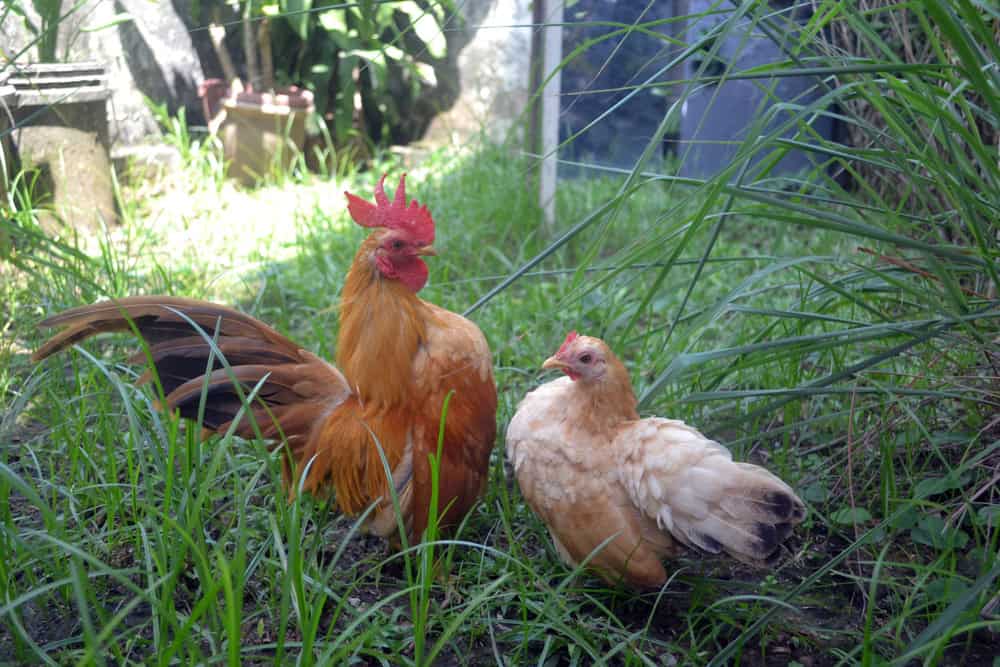
Chickens eat centipedes.
©Noah Yasmin/Shutterstock.com
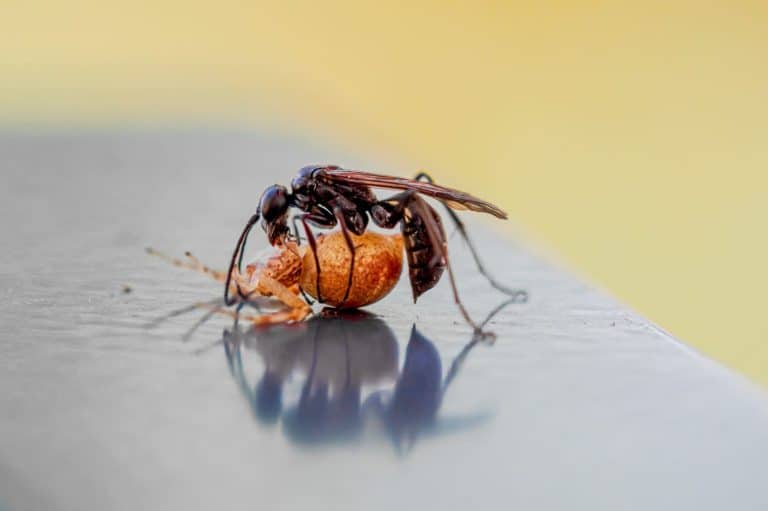
Centipedes are easy prey to badgers, birds, chickens, toads, and wasps. They avoid being eaten by hiding underneath rocks or piles of dead leaves, or burrowing into the ground. However, if you have ever watched a chicken pecking at the ground, this might not be the best strategy. Centipedes also have speed to their advantage, as many creatures cannot keep pace with these track stars.