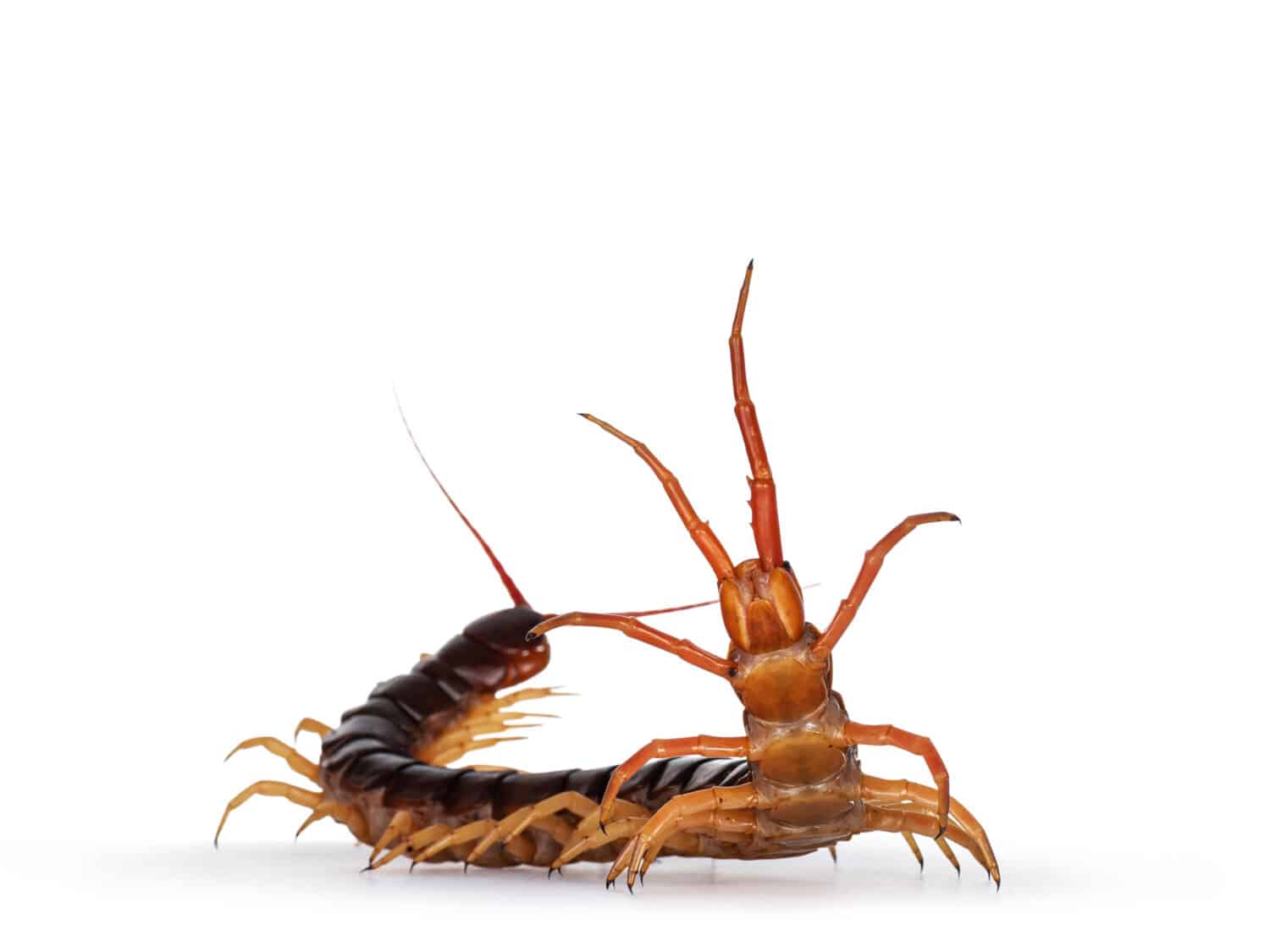

There are many unique and amazing insects in the wild, like the extremely interesting mint-leg centipede. This two-toned centipede gets its name from its bright mint-colored legs. An Instagram post by @ferociousplanet shows a centipede wrapping around its young. Read on to learn the reason behind this maternal centipede behavior.
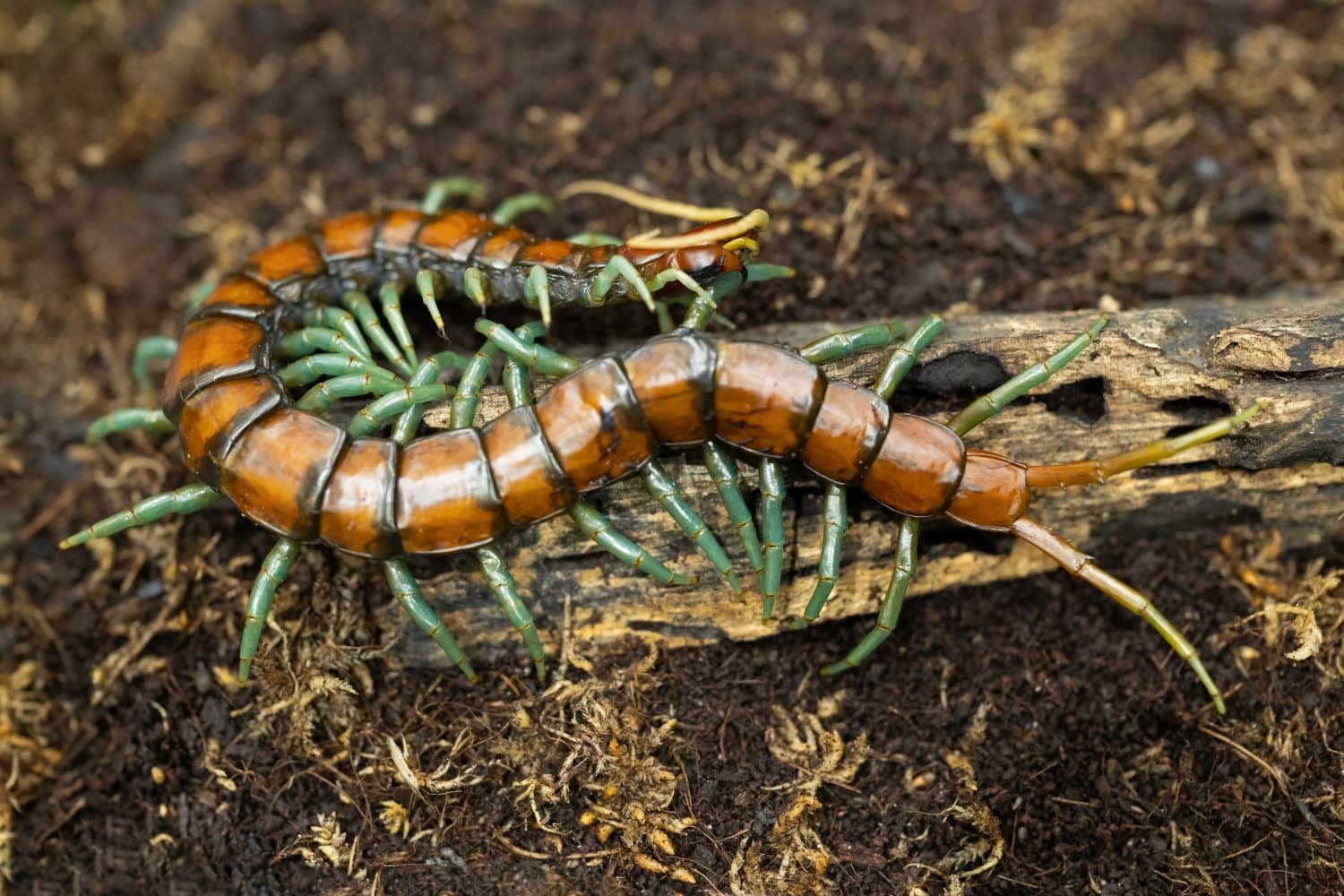
The mint-leg centipede eats mice.
©Cherdchai Chaivimol/Shutterstock.com
About the Mint-Leg Centipede
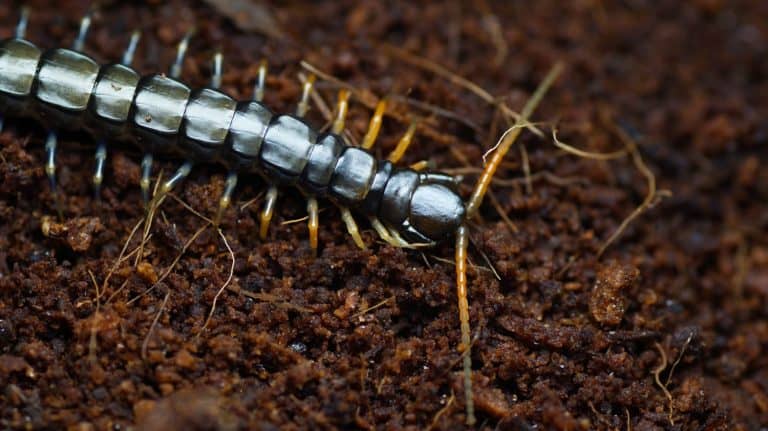
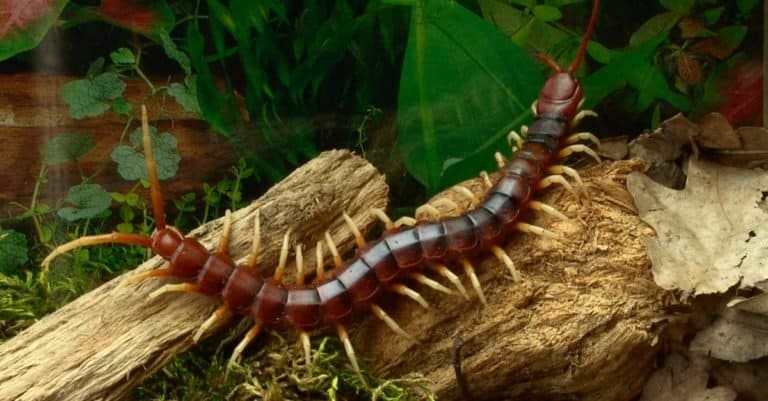
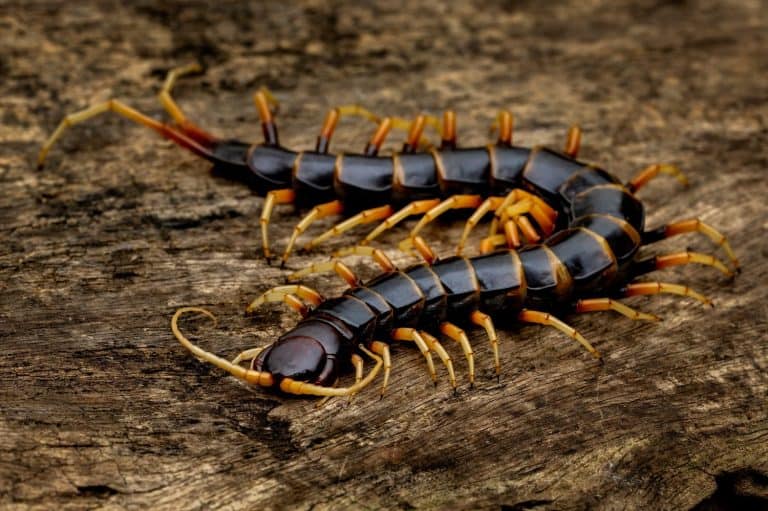
The mint-leg centipede is a nickname for the giant centipede species Scolopendra subspinipes. Their vivid, mint-colored legs contrast with their orangey-red bodies, giving them a unique and unforgettable appearance. They have about 15 pairs of legs in total, which span the length of their inch-long body. They inhabit tropical and subtropical regions throughout Asia, including Southeast Asia, though their exact native range is uncertain. They inhabit various warm environments and are commonly found among leaves, under rocks and logs, or even inside houses. They are also quick-moving insects, which helps them hunt effectively. As predatory, carnivorous insects, these centipedes prey on arachnids and small vertebrates such as mice. Using their forcipules, or pincer-like front legs, these sneaky hunters inject venom into their prey. They live around three to seven years, molting multiple times throughout their life.
What’s Going On in the Video?
The video linked above shows a mint-leg centipede wrapped around its babies, a common maternal behavior. Mint-leg centipedes lay roughly 50 to 80 eggs at a time and are diligent in caring for them. To help protect her offspring, the female coils herself around her eggs or newborns, creating a body shield from predators. This behavior is not just for protection; it also allows the mother to use her legs to clean debris from the babies. She does this by quickly moving her 15 pairs of legs, almost like using tiny dusters.
The mother can also help keep her babies hydrated by consistently checking on them, making this behavior extremely important. Some centipede owners report observing this behavior about once a day. To help her young grow into healthy adults, the mother protects her babies until they are able to fend for themselves, revealing that even insects can be incredibly maternal.