
Quick Take
- One cunning predator invades a spider's own web and fakes being trapped, waiting to strike the moment the spider comes to investigate. See the web ambush →
- Some spiders survive predators by building decoys. Explore decoy tactics →
- The spider in your house might actually be protecting you from other spiders. Meet the house spider hunters →
Most spiders are both predators and prey, playing an essential role in the food web (pun intended). In fact, many spiders act as a natural form of pest control, consuming small insects like mosquitoes, beetles, ants, moths, and other common household insects.
However, spiders have their own predators, too. Keep reading to learn about the top spider predators and how these arthropods often escape them.
Top Spider Predators
Here are some of the most common spider predators.
Wasps
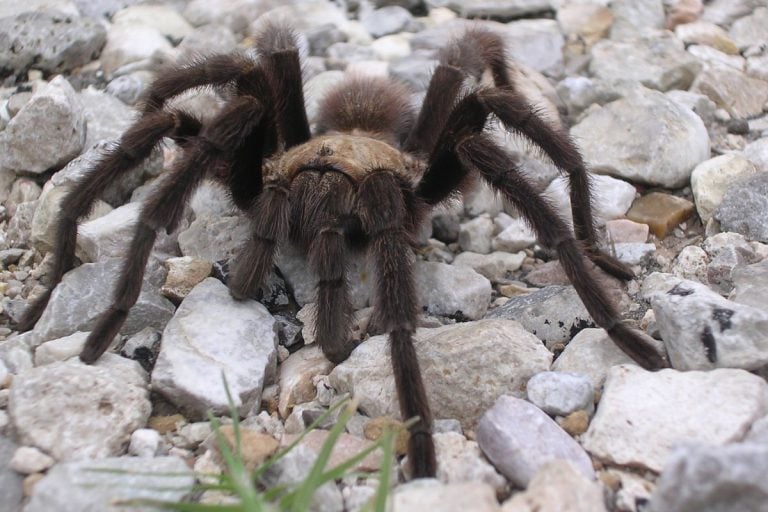
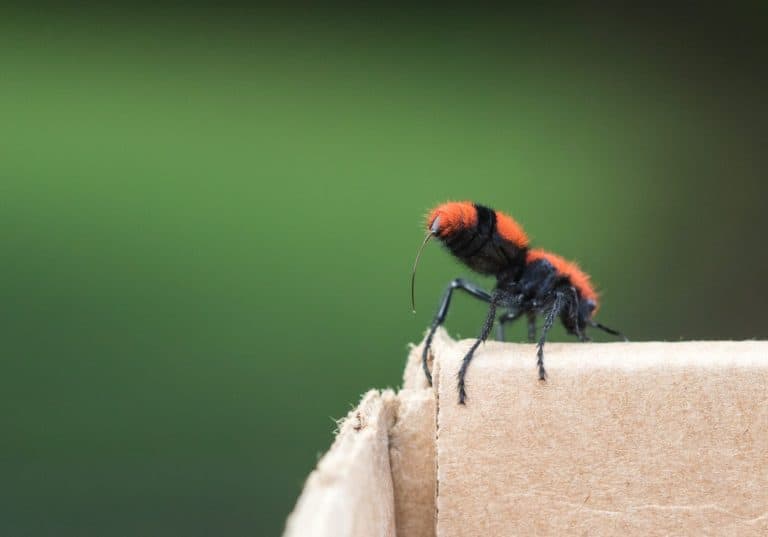
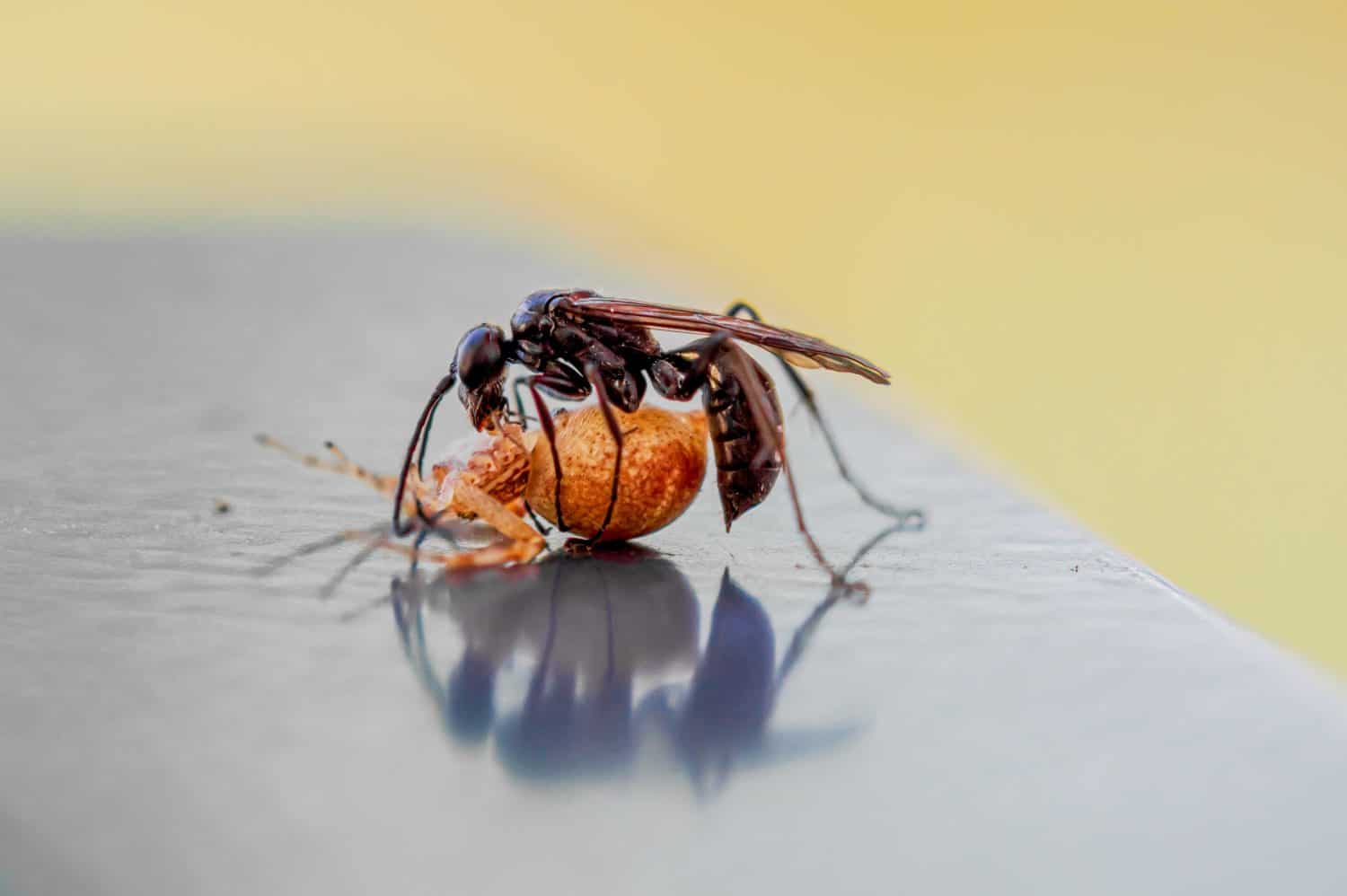
Various types of wasps, primarily spider wasps, actively hunt and consume spiders—even large tarantulas.
“The most well-known might be the tarantula hunter,” says Marcus Griswold, PhD, Entomologist and founder of Your Bug Club. “Also known as the tarantula hawk, these iridescent blue wasps trick a tarantula into coming out of its burrow. It then proceeds to drag the tarantula into another burrow, drops some eggs in, and seals the burrow. When the eggs hatch, they have a yummy spider as their first meal.”
Mud daubers are another type of wasp that preys on spiders. According to Griswold, these wasps make nests out of mud. They then hunt and paralyze spiders, place the spider into their mud nest, lay an egg, and seal it up. Thus, the spider becomes food for the wasp larvae.
The Assassin Bug
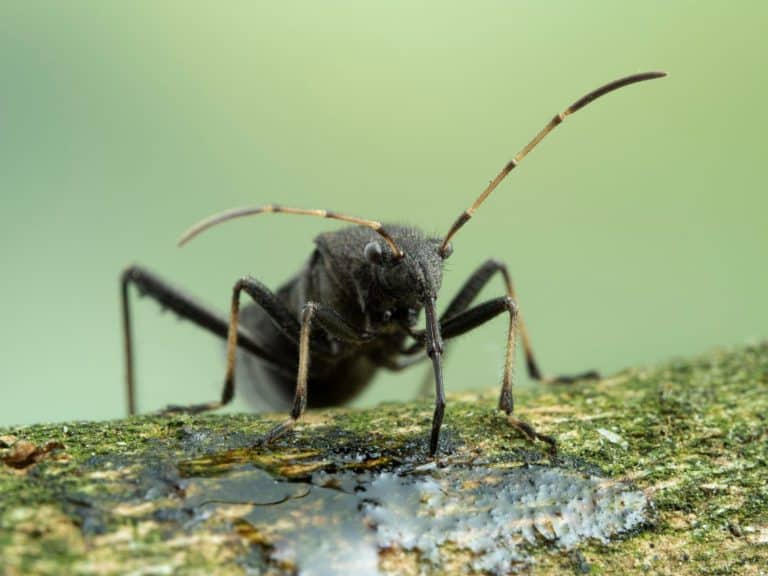
As you can tell by the name, the assassin bug, with thousands of species worldwide, shows no remorse for its prey, oftentimes including spiders.
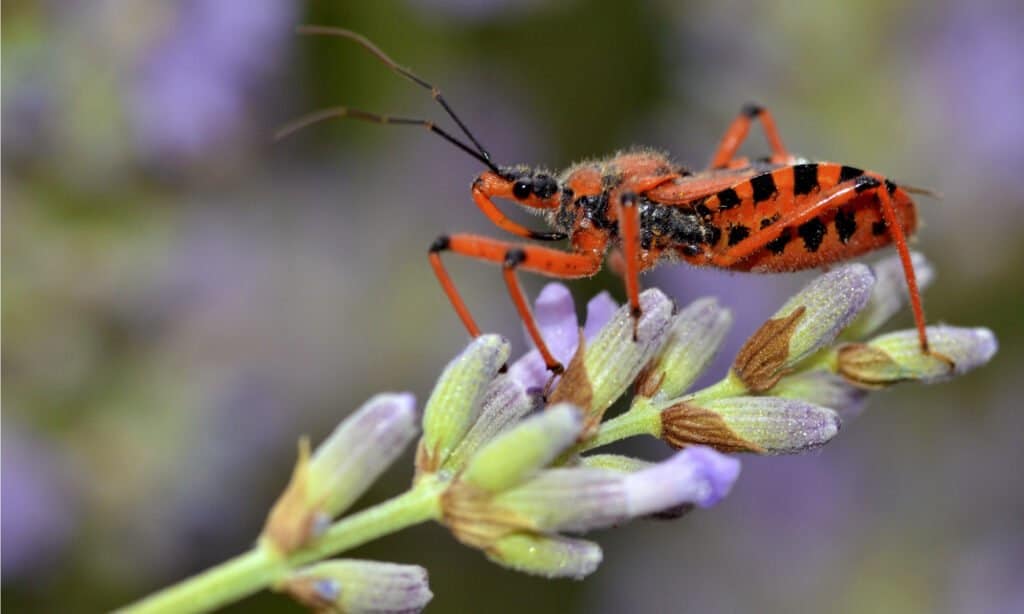
The assassin bug has a segmented beak that it uses to pierce its victim and suck blood and fluid out.
©Christian Musat/Shutterstock.com
“The assassin bug is known for its painful bite,” says Griswold. “They use a straw-like mouth to suck the juices out of spiders after stalking them in their own home, the spider web.”
The bug then pretends to be trapped in the web, striking the spider once it gets close.
Reptiles/Amphibians
Common reptiles and amphibians like lizards, geckos, toads, and frogs eat spiders. Spiders are not only high in protein but also serve as easily accessible food sources for these animals.
Birds
Birds, such as sparrows, blackbirds, robins, and wrens, are among the top predators of spiders. Many small birds will even steal them from their own webs and consume them for a nutritious meal.
This is one of those examples of why having a spider in your home is a good thing. Even though they look scary, we do not really need to worry about them.
Marcus Griswold, PhD, Entomologist and founder of Your Bug Club
Centipedes
Centipedes are another common predator of spiders. House centipedes in particular actively hunt spiders (and other pests), seeking them out as a food source.
Other Spiders
Believe it or not, certain spider species will hunt and eat other spiders. For example, the cellar spider, commonly found in homes, often consumes other house spiders.
“This is one of those examples of why having a spider in your home is a good thing. Even though they look scary, we do not really need to worry about them,” says Griswold. “They will pretty much eat any insects, but often eat other spiders, including their brothers and sisters.”
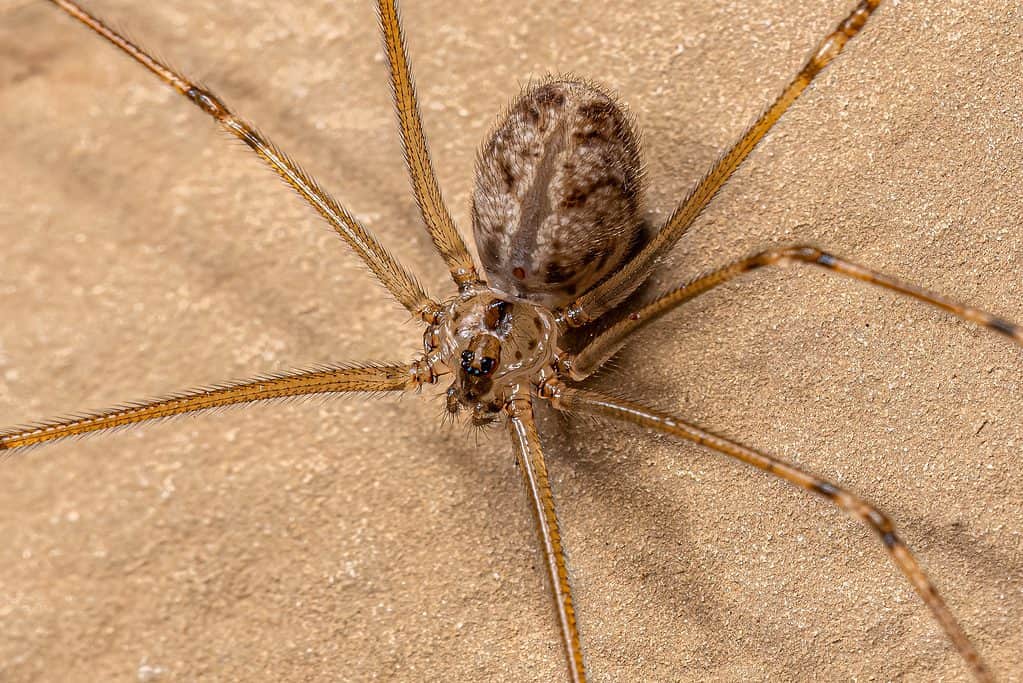
Cellar spiders commonly consume other spiders.
©Vinicius R. Souza/Shutterstock.com
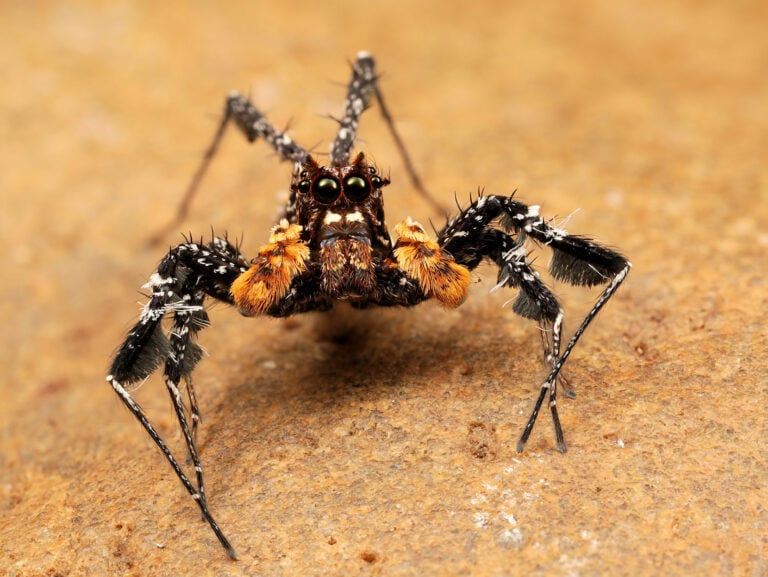
Another spider that feeds on its fellow arthropods is the pirate spider.
“Pirate spiders might be seen as lazy. They don’t build their own webs, but instead take over the web of another spider,” Griswold explains. “Like the Assassin bug, pirate spiders pluck threads of the spiderweb to lure the spider. The pirate spider then takes a bite from its prey, paralyzing it, then using the web to catch more prey.”
Defense Mechanisms of Spiders
Now that we know the various types of spider predators, let’s discuss how spiders keep themselves safe.
Autotomy
Spiders commonly use autotomy, which is self-amputation, to escape a predator. According to Griswold, a spider can shed its own leg and even regrow it (if the spider is still young).
Camouflage
Some spiders easily blend in with their surroundings, making it hard for predators to spot them. In fact, certain species even change colors to match their environment.
“Many spiders use camouflage to hide from other predators,” Griswold says. “Crab spiders can slowly change their color to match their flower choice.”
Mimicry
Another way spiders deceive their predators is by mimicking aggressive insects or even unappealing objects. For example, the Dung Spider and the Bird Dropping Spider can mimic bird feces, which deters predators.
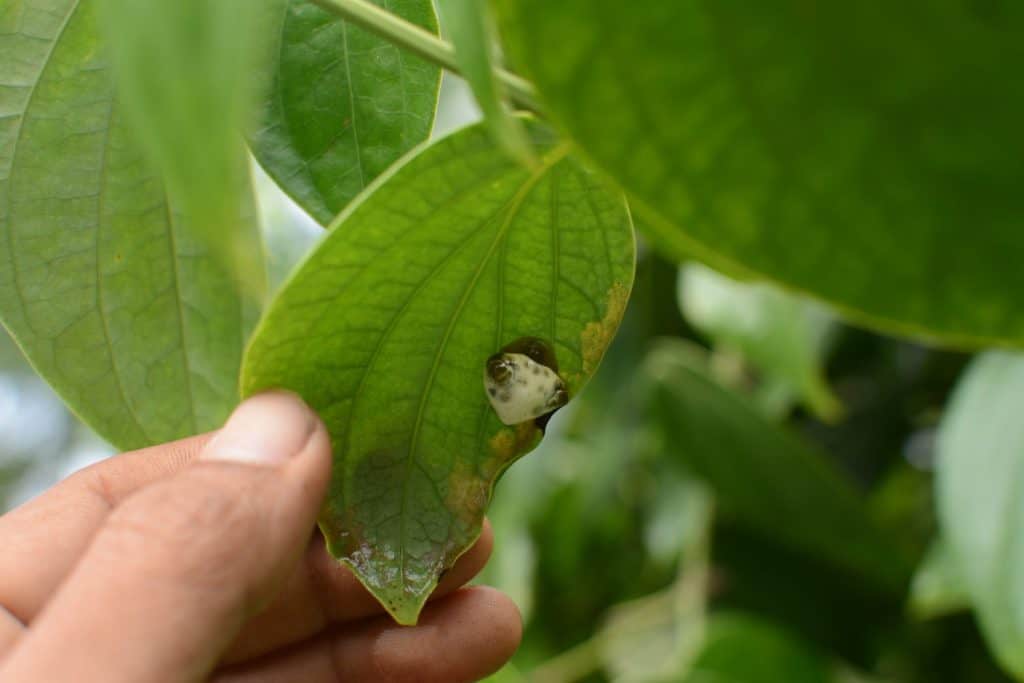
Bird dropping spiders look nearly identical to actual bird feces.
©Marut Khrueahong/Shutterstock.com
Additionally, “The thomisid spider mimics a green tree ant, known for its intense bite and sting. Because of this, birds avoid them,” Griswold says. “Then, in an act of betrayal, the spider gains the trust of ants, which it proceeds to eat.”
“Other spiders even mimic themselves,” he adds. “Some orb weaver spiders create fake spiders from tiny bits of silk, animal carcasses, and plant debris. They even shake the web from afar to mimic the movement of a spider and distract predators.”