
D
Species Profile

Dragonfish

Tiny lanterns, giant teeth.
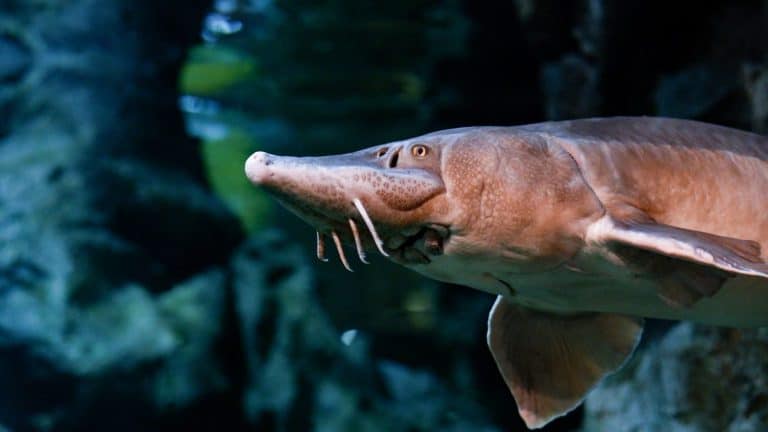
orlandin/Shutterstock.com

Dragonfish Ocean Range

Marine Species

Barbeled dragonfishes (deep-sea Stomiidae) are open-ocean deep-water fishes found across the Atlantic, Pacific, and Indian Oceans, from subtropical to temperate areas and parts of the Southern Ocean. They also occur in semi-enclosed deep basins such as the Mediterranean, the Caribbean Sea, and the Gulf of Mexico.

Loading ocean map...

Ocean Regions 11

atlantic_ocean pacific_ocean indian_ocean southern_ocean north_atlantic south_atlantic north_pacific south_pacific mediterranean_sea caribbean_sea gulf_of_mexico
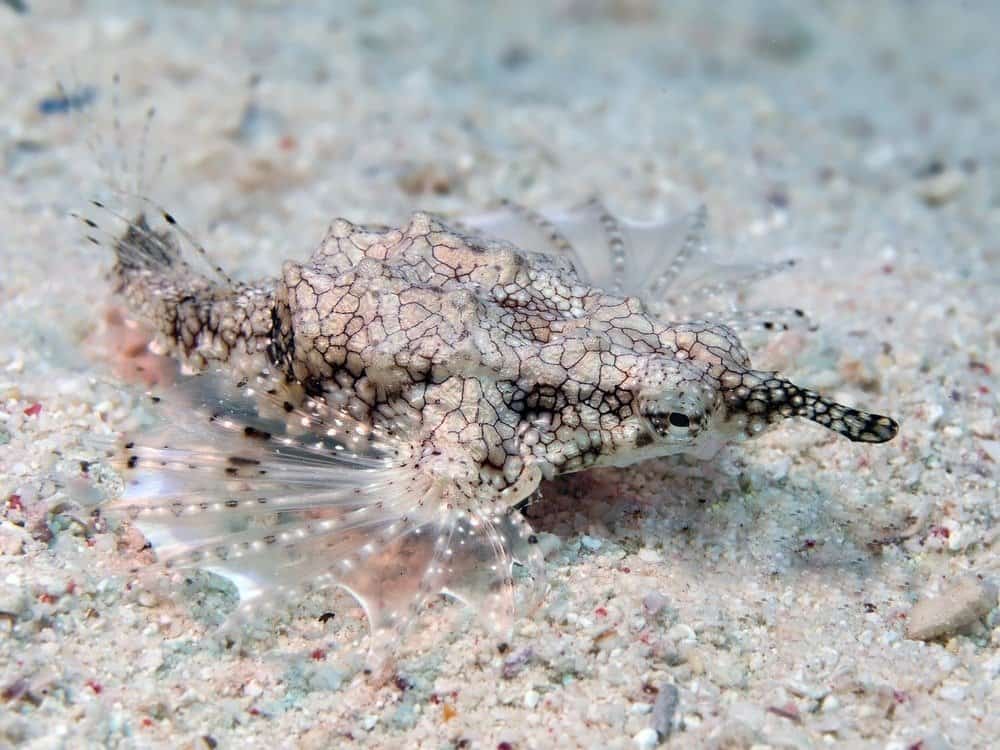
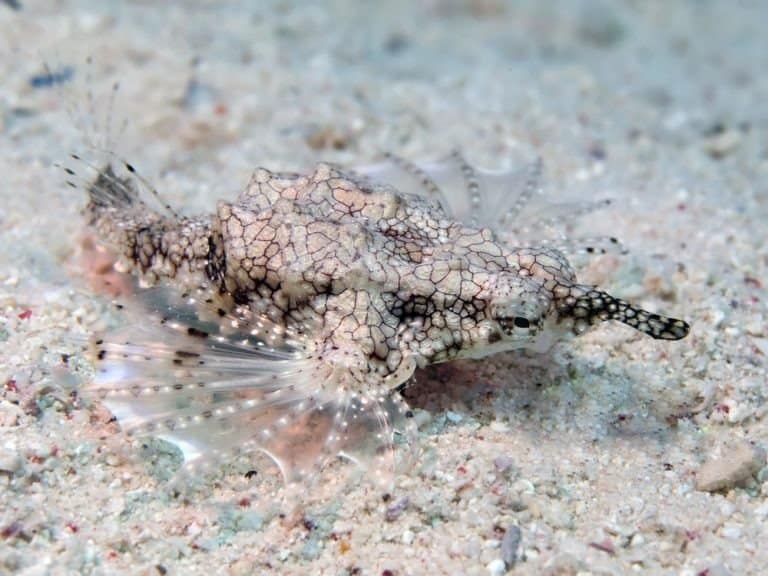
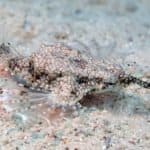
Baby dragonfish on the ocean floor

At a Glance

Ocean Species
Also Known As dragonfish, deep-sea dragonfish
Diet Carnivore
Activity Nocturnal+
Lifespan 6 years
Weight 0.6 lbs
Did You Know?

"Barbeled dragonfishes" usually refers to the family Stomiidae-one of several unrelated groups nicknamed "dragonfish."

Scientific Classification

The name “dragonfish” is not taxonomically precise; it refers to multiple fish lineages depending on region and context (deep-sea biology, Antarctic fauna, or aquarium trade).

Kingdom
Animalia
Phylum
Chordata

Distinguishing Features

  • Deep-sea ‘dragonfishes’ (Stomiidae) typically have bioluminescence and often a chin barbel
  • Antarctic ‘dragonfishes’ (Bathydraconidae) are cold-water fishes of the Southern Ocean, not bioluminescent stomiids
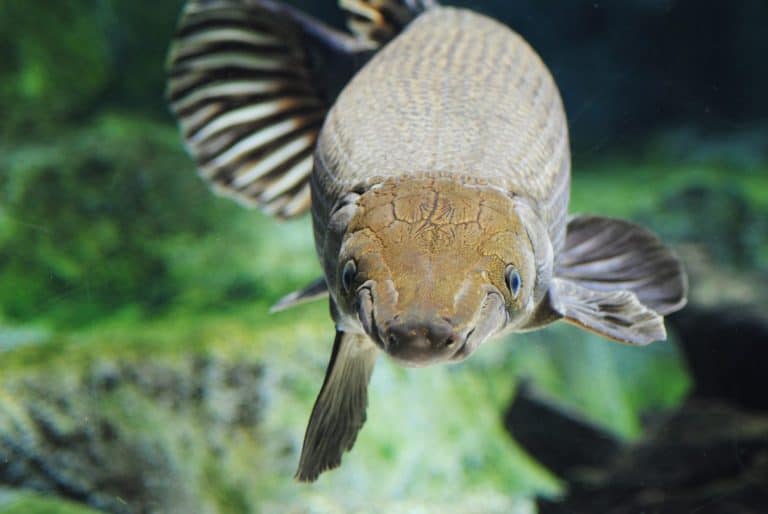
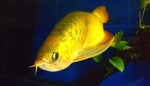
  • Aquarium ‘dragon fish’ usually refers to Asian arowana: large metallic scales, upturned mouth, freshwater

Physical Measurements

Males and females differ in size

Length
4 in (1 in – 12 in)
8 in (1 in – 1 ft 9 in)
Weight
0 lbs (0 lbs – 1 lbs)
0 lbs (0 lbs – 2 lbs)
Top Speed
7 mph

Appearance

Primary Colors
Secondary Colors
Skin Type Mostly thin, delicate deep-sea skin. Many have almost no scales or very tiny scales under the skin. Bodies are soft to somewhat firm. Photophores often show as tiny pores or clear 'windows'.
Distinctive Features
  • A chin barbel (often bioluminescent and used as a lure), typically accompanied by rows of light-producing organs (photophores) and large fang-like teeth.
  • Barbeled dragonfishes have a chin barbel often bioluminescent at the tip or with lures or side branches, used to attract prey or signal nearby; length and branching vary from short nubs to long filaments.
  • Feeding anatomy: large gape with fang-like, needle teeth; many species have highly protrusible jaws and a distensible stomach for oversized prey (degree varies among species).
  • Eyes/head: typically relatively large eyes for low light; some taxa show tubular/forward-looking emphasis; head often elongate with pronounced jaw mechanics.
  • Fins/body: elongate, laterally compressed to eel-like profiles are common; fins are generally soft-rayed and delicate; tail often slender.
  • Bioluminescence: photophores along body/near head are common; arrangement is species-specific and is frequently used for identification.
  • Measurements (range across the 'barbeled dragonfish' deep-sea assemblage, generalized): smallest adults ~2-5 cm SL; many species ~10-25 cm; largest members commonly reported ~35-50 cm (occasionally larger depending on lineage and whether total length is used).
  • Lifespan (range, poorly constrained): often estimated in the low single digits for smaller fast-growing species up to ~10-15+ years for larger, slower-growing members; substantial uncertainty and variation among species.
  • Many barbeled dragonfishes do diel vertical migration (up at night, down by day), though some stay deep. Mostly ambush or slow hunters using stealth and bioluminescent lures; depth varies by species, life stage.

Sexual Dimorphism

Barbeled dragonfishes show some sexual differences, but these are variable and often small. Differences include size at maturity, light organs (photophores), and barbel length or shape. Often females are larger, but patterns vary.

  • Often smaller-bodied at maturity in some species/groups (not universal).
  • May show differences in photophore intensity/arrangement visibility or relative eye size in certain taxa (species-dependent).
  • In some species, barbel length/branching may differ from females, but direction and magnitude vary.
  • Often larger-bodied and deeper-bellied in some species/groups (not universal).
  • May have comparatively more developed feeding apparatus/body depth associated with higher fecundity, depending on species.
  • Barbel and lure structures may be longer or more elaborate in certain taxa, but this varies and should not be treated as universal.

Did You Know?

"Barbeled dragonfishes" usually refers to the family Stomiidae-one of several unrelated groups nicknamed "dragonfish."

Across the family, adults range from just a few centimeters to roughly ~40-45 cm, depending on species and sex.

Many species use a glowing chin barbel like a fishing lure; the barbel's shape and light pattern can be species-specific.

They often have needlelike, fang-shaped teeth and flexible jaws to swallow prey surprisingly large for their body.

Photophores (light organs) can help with camouflage via counterillumination-matching downwelling light to hide the silhouette.

Some lineages associated with stomiid "dragonfish" can produce longer-wavelength (red/far-red) bioluminescence-rare in the deep sea.

Larvae and juveniles often live shallower than adults, so the same species can occupy very different depths over its lifetime.

Unique Adaptations

  • Chin barbel "lure": a sensory/bioluminescent appendage (often with a luminous tip) used in prey attraction and possibly species recognition.
  • Photophore arrays: ventral and lateral light organs used for counterillumination, communication, and breaking up body outline; patterns differ among species.
  • Extreme dentition and jaw mechanics: long fangs, large gape, and flexible skull elements enable engulfing large, slippery prey.
  • Dark pigmentation and reflective control: tissues and body surfaces reduce visibility in dim light; some have exceptionally dark appearances adapted to the midwater environment.
  • Enhanced sensory systems: adaptations for detecting tiny vibrations/pressure changes and faint light cues in near-total darkness.
  • Wide depth tolerance: many species span hundreds to thousands of meters vertically over daily cycles or life stages, coping with major changes in pressure and temperature.

Interesting Behaviors

  • Diel vertical migration is common in many species: deeper by day, shallower at night-yet some species are more resident and stay deep most of the time (variation by species and region).
  • Sit-and-wait predation: remaining nearly motionless, using the chin barbel and/or photophores to draw inquisitive prey within strike range.
  • Opportunistic feeding: diets commonly include small fishes, shrimp-like crustaceans, and other midwater animals; the exact prey mix varies with depth, size, and ocean basin.
  • Loose-schooling vs. solitary life: many are encountered as solitary individuals, but distributions can be patchy and some may aggregate where prey concentrates.
  • Ontogenetic habitat shifts: early life stages are often nearer the surface; adults frequently occupy the mesopelagic to bathypelagic zone-degree of shift varies among species.
  • Reproduction is generally pelagic (free-floating eggs/larvae), with timing and spawning depth differing across species and oceans.

Cultural Significance

In modern culture, deep-sea dragonfishes are icons of abyssal life-featured in documentaries and museum exhibits and used in science-fiction creature design to represent the alien midwater. The name "dragonfish" is also applied to unrelated fishes, including some Antarctic notothenioids and freshwater arowanas kept in aquariums.

Myths & Legends

Because "barbeled dragonfish" is a scientific/common name for deep-sea Stomiidae rather than a long-familiar shoreline animal, there are no widely documented traditional folktales that specifically and unambiguously reference this family.

Historical naming tradition: early deep-sea naturalists and sailors popularized "dragon" labels for fang-toothed, luminous fishes brought up from great depths-part of a broader 19th-20th century "sea-monster" narrative in expedition accounts and museum displays.

Modern mythic association: in contemporary storytelling, bioluminescent deep-sea predators are frequently framed as "dragons of the deep," a symbolic extension of dragon lore (guardians/monsters of hidden realms) applied to the ocean's twilight and midnight zones.

Conservation Status

DD Data Deficient

Not enough data to assess extinction risk.

Population Unknown

Life Cycle

Birth 10000 frys
Lifespan 6 years

Lifespan

In the Wild
1–20 years
In Captivity
0.1–12 years

Reproduction

Mating System Promiscuity
Social Structure Solitary
Breeding Pattern Transient
Fertilization Broadcast Spawning
Birth Type Broadcast_spawning

Behavior & Ecology

Social No named group (usually solitary) Group: 1
Activity Nocturnal, Crepuscular, Cathemeral
Diet Carnivore Small mesopelagic fishes (especially lanternfishes and bristlemouths), where locally abundant
Seasonal Migratory 1 mi

Temperament

Primarily predatory and opportunistic; many are ambush-oriented or slow-cruising sit-and-wait hunters that rely on stealth and luring rather than overt aggression toward conspecifics.
Generally low sociability and low intraspecific tolerance at close range outside of spawning; most interactions are assumed to be avoidance-based rather than cooperative.
Behavioral/ecological variation across the group: some species show pronounced diel vertical migration (often ascending at night), while others remain deeper and may appear more cathemeral in activity due to stable deep-sea light conditions.
Barbeled dragonfish (deep-sea) adults range from about 5–10 cm to roughly 35–45+ cm (some near 50 cm). Lifespan is not well known, often estimated about 2–15+ years.

Communication

No well-documented, consistent vocal repertoire across barbeled dragonfishes; sound production is generally unknown or considered minimal in most accounts Data limited
Bioluminescent signaling and camouflage via photophores (e.g., counterillumination to reduce silhouette); patterns and intensity may aid in species recognition or reduce predation risk, but functions vary among species.
Prey attraction and possibly close-range signaling using a bioluminescent chin barbel (lure), with variation in barbel length, appendages, and glow patterns across species.
Mechanosensory detection via the lateral line for near-field movement cues (important in darkness); likely a primary channel for detecting prey and nearby conspecifics.
Chemosensory/olfactory cues for locating mates and suitable habitat layers; long-distance mate-finding is presumed important given low densities, but specifics vary and are poorly resolved.
Posture/orientation changes (e.g., head-up hovering, slow cruising vs. station-keeping) that may influence encounters at close range, though deliberate social display is not well characterized.

Habitat

Deep Sea Open Ocean Seabed/Benthic
Biomes:
Elevation: Up to 14763 ft 9 in

Ecological Role

Midwater (mesopelagic-bathypelagic) predatory fishes that help structure deep-sea food webs by consuming small fishes and macrozooplankton and serving as prey for larger predators.

Regulation of mesopelagic fish and macrozooplankton populations through predation Energy transfer from zooplankton and small fishes to higher trophic levels (trophic coupling) Contribution to vertical carbon/energy transport where diel vertical migration occurs (biological pump linkage) Serving as prey for larger fishes, squid, and marine mammals, supporting deep-sea trophic networks

Diet Details

Main Prey:
Small mesopelagic fishes Fish larvae and juveniles Crustaceans Cephalopods

Human Interaction

Domestication Status

Wild

Barbeled dragonfishes (a deep-sea, bioluminescent dragonfish grouping within chordate ray-finned fishes; commonly referring to stomiid-type taxa with a chin barbel) have no history of domestication. Human contact is largely indirect (scientific sampling, museum collections, and incidental capture as deep-sea bycatch). Their extreme deep-sea habitat and frequent post-capture mortality prevent sustained captive breeding or selection.

Danger Level

Low
  • Minimal encounter risk due to deep-sea habitat; humans rarely interact with live individuals
  • Handling risk: sharp, elongate teeth and spines can cause puncture wounds if a specimen is handled carelessly (e.g., aboard research vessels or in bycatch sorting)
  • No known venom; no documented predatory threat to humans across the group

As a Pet

Not Suitable as Pet

Legality: Barbeled dragonfishes are not often banned by law, but they are basically unavailable as pets: collection is limited by deep-sea fishing rules, protected areas, bycatch laws, and research permits. Most die when brought up.

Care Level: Expert Only

Purchase Cost:
Lifetime Cost: $50,000 - $500,000

Economic Value

Uses:
Scientific research Education/museum collections Incidental bycatch
Products:
  • No consistent direct commercial products across the group
  • Occasional inclusion in mixed deep-sea bycatch destined for fishmeal/oil or low-value mixed landings (region-dependent)

Relationships

Related Species 7

Black dragonfish Idiacanthus atlanticus Shared Order
Stoplight loosejaw
Stoplight loosejaw Malacosteus niger Shared Order
Scaly dragonfish Stomias boa Shared Family
Barbeled dragonfish Echiostoma barbatum Shared Family
Lucifer dogfish Astronesthes lucifer Shared Family
Metallic dragonfish Bathophilus metallicus Shared Family
Dragonfish
Dragonfish Eustomias Shared Family

Ecological Equivalents 6

Animals that fill a similar ecological role in their ecosystem

Hub-wide ranges and general patterns This entry refers to hub-wide ranges and general ecological patterns rather than a single species. It groups records that share broad, regional-level similarities—such as common distributional patterns, habitat use across the hub, migration or phenology trends, or other pattern-level ecological characteristics—rather than species-specific traits.
Deep-sea anglerfish
Deep-sea anglerfish Ceratiidae Occupy deep-pelagic habitats and use bioluminescent lures to ambush prey, exhibiting a convergent 'lure-and-strike' predation strategy.
Gulper eel
Gulper eel Eurypharyngidae Shares a bathypelagic habitat and is an opportunistic predator on fishes and crustaceans; overlaps as a midwater predator and scavenger.
Bristlemouths Cyclothone spp. Extremely abundant mesopelagic fishes that form a major prey base; they occupy the same midwater zone, exhibit diel vertical migration, and are often prey for dragonfishes.
Lanternfish Myctophidae Common in the same mesopelagic layers. Frequent prey items and key competitors for zooplankton and small nekton.
Asian arowana
Asian arowana Scleropages formosus Name overlap only. An unrelated freshwater fish sometimes called 'dragonfish' regionally; not a close taxonomic or ecological relative of deep-sea barbeled dragonfishes.

Types of Dragonfish

10

Explore 10 recognized types of dragonfish

Scaly dragonfish Stomias boa
Barbeled dragonfish Echiostoma barbatum
Lucifer dogfish (dragonfish) Astronesthes lucifer
Metallic dragonfish Bathophilus metallicus
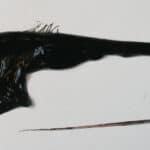
Black dragonfish Idiacanthus atlanticus
Pacific black dragonfish Idiacanthus fasciola
Dragonfish (a large multi-species genus) Eustomias spp.
Dragonfish (a large multi-species genus) Astronesthes spp.
Dragonfish (a large multi-species genus) Bathophilus spp.
Dragonfish (a large multi-species genus) Aristostomias spp.

Dragonfish is a name that covers a wide variety of small fish that have similar characteristics. These fish are usually found in warmer waters, especially in the Indo-Pacific.

Dragonfish have large heads, a broad jaw, and protruding teeth. This protrusion is part of the reason that they have such a scary look, lending to their name as well. Other common names are ribbon sawtail fish (their first name upon discovery), sea moth (although quite different in appearance), and Pacific blackdragon.

Incredible Dragonfish Facts!

Here are some cool facts about Dragonfish that make them unique and interesting:

  • No scales — Not all dragonfish have scales! While the scaly dragonfish has scales shaped like hexagons, most dragonfish just have smooth skin. There are over 180 species of these fish that do not have scales.
  • Protruding teeth — Dragonfish have a broad jaw and fang teeth protruding out of their mouths, which also gives them a scary look and justifies their name.
  • Male-female size ratio — The males are known to be about one-tenth the size of the females. The females also have a barbel on their chin.

Dragonfish Classification and Scientific Name

Dragonfish are generally members of the Family Stomiidae. The order and class that they come from are Stomiiformes and Actinopterygii. The name “stomiiformes” literally translates to “Stomias-shaped.” Stomias comes from the Greek word for “mouth” or “hard bridle,” likely referencing the sleek body with a head as big as its width.

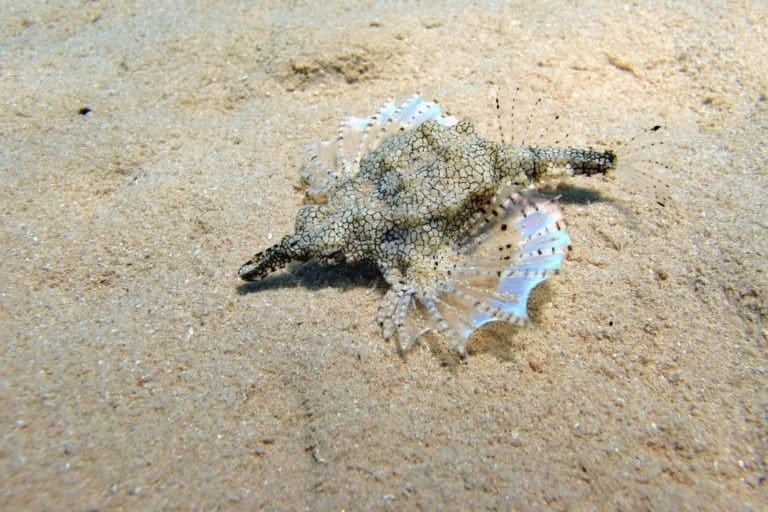
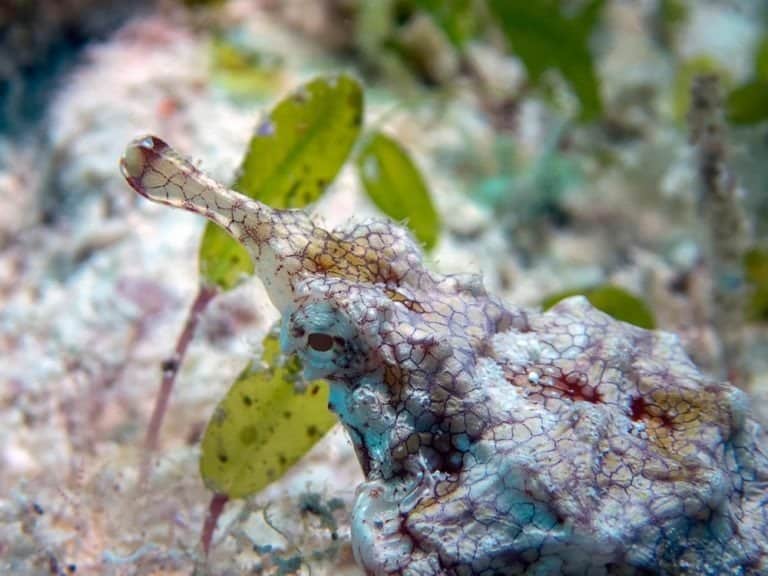
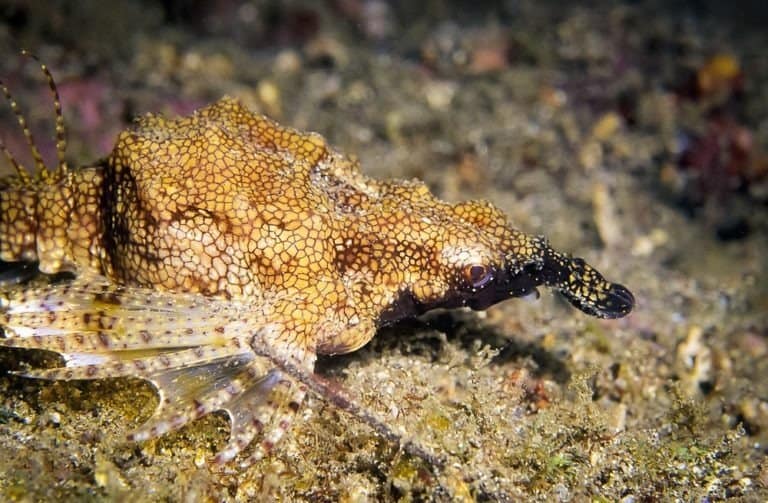
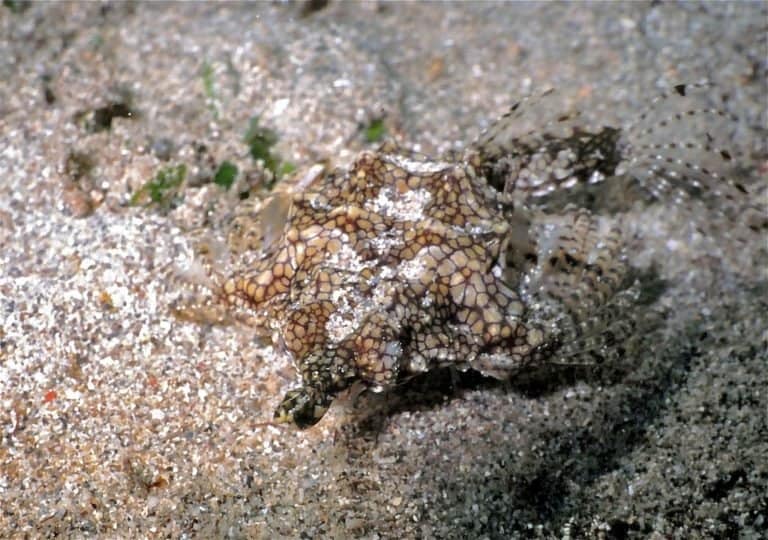
There are also five species of small marine fishes in the family Pegasidae and the order Pegasiformes that are considered dragonfish or sea moths.
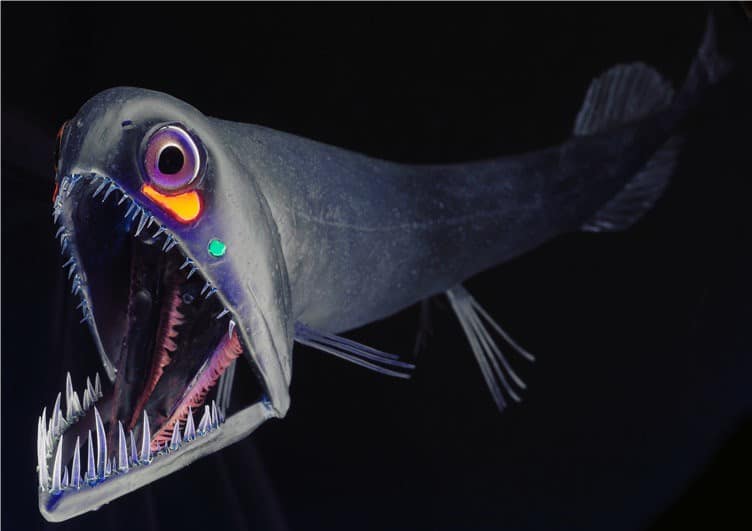
stoplight loosejaw fish

The stoplight loosejaw (Malacosteus niger) is a very unique-looking fish that is included in those called dragonfish.

There are six main types of dragonfish. They are Black dragonfish, Idiacanthus, Viperfish, Malacosteus, Aristostomias, and Eustomias. However, since dragonfish is a broad collection of different types of fish, there are hundreds (if not more) types of dragonfish or species. A few examples with their scientific names are:

  • The black dragonfish’s scientific name is Idiacanthus atlanticus, which comes from the Greek phrases “idia” (“own”) and “Samantha” (“thorn”).
  • The viperfish is of the order Stomiiformes, genus Chauliodus, coming from the Greek word “chaulios” or “chaulos,” which means “to be with the mouth opened,” as well as the Greek word “odous,” which means “teeth.”.
  • The stoplight loosejaw belongs to the genus Malacosteus, a name that comes from the Greek words “malakos” (“soft”) and “osteon” (“bone”). It’s specific scientific name is M. niger.
  • The longfin dragonfish has the scientific name Tactostoma macropus.
  • The Aristostomias genus, with six species that have red light characteristics like the dragonfish, is a scientific classification that means the “best mouth: combining the aforementioned Greek word for mouth (stomias) with the “aristos” prefix, which means “the best.”
  • Finally, there is the Eustomias genus of dragonfish, meaning “good mouth” using the prefix “eu,” which the Greeks interpret as “good.”

Simply by understanding the scientific names, anyone can get a clearer understanding of how different dragonfish species may be from one another.

Dragonfish Appearance
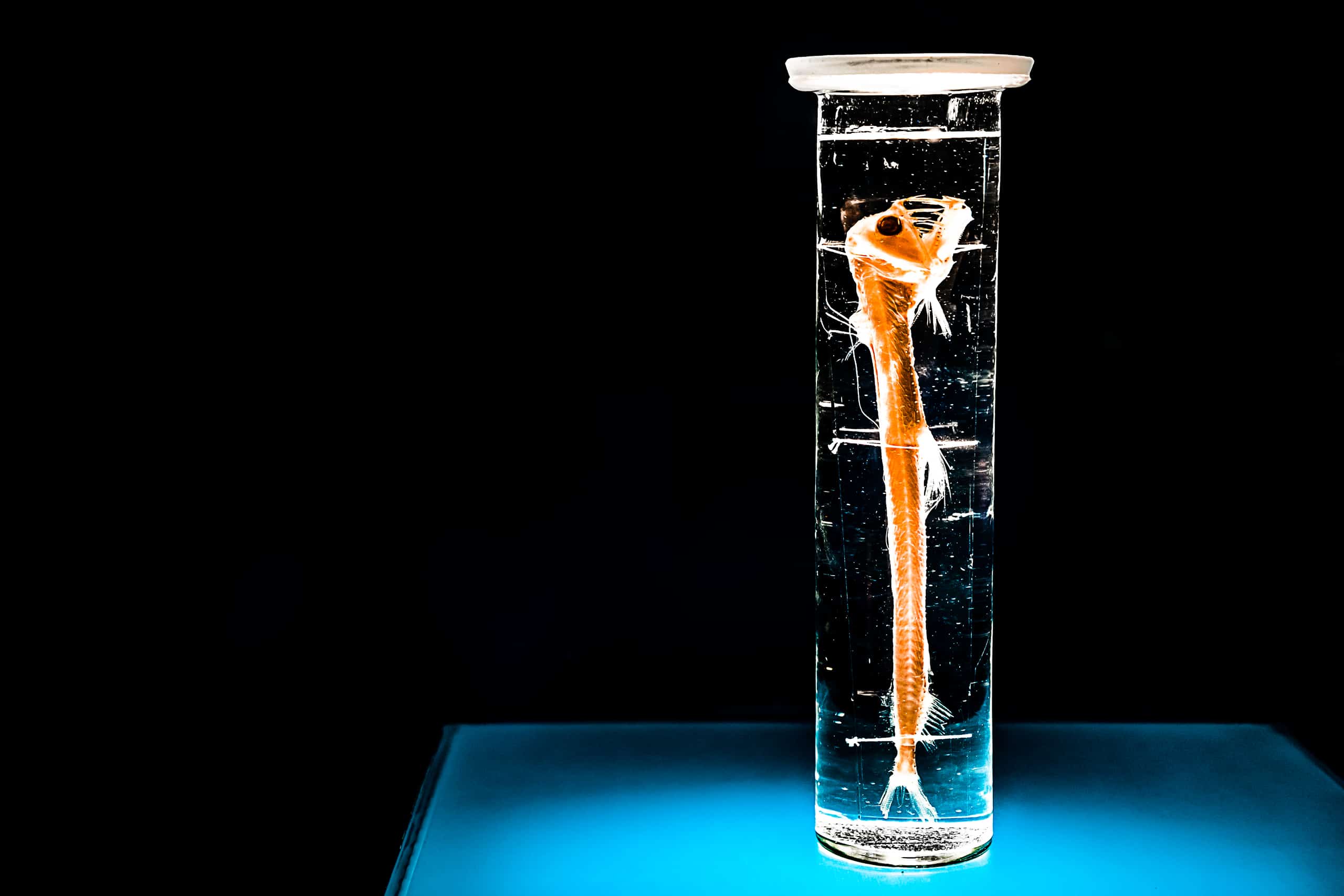
dragonfish

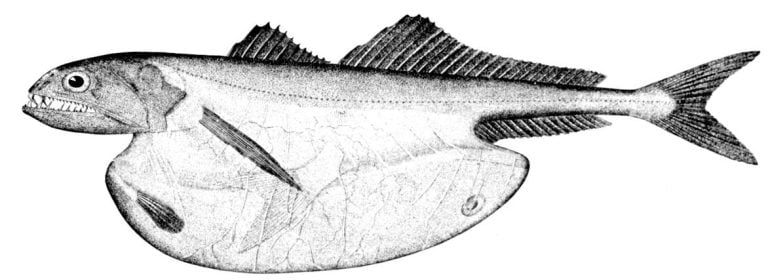
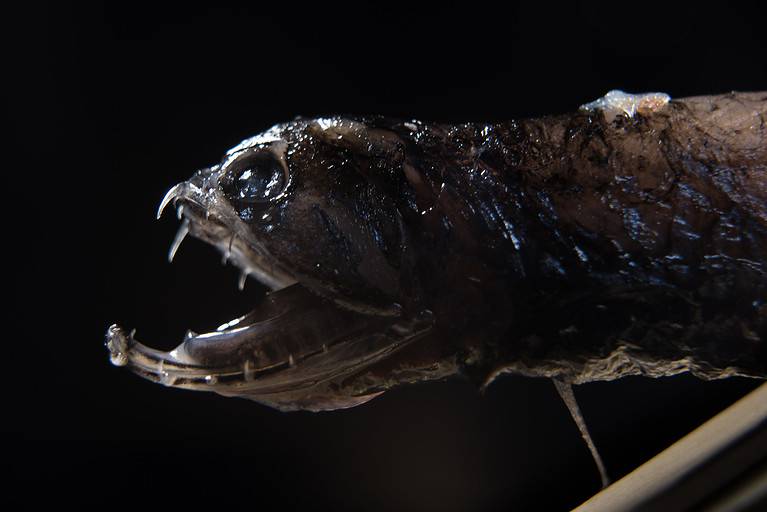
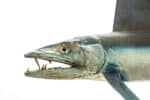
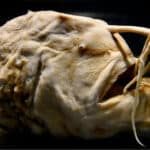
A species of dragonfish from the depths of the sea, showing its long body, large head, and protruding teeth!

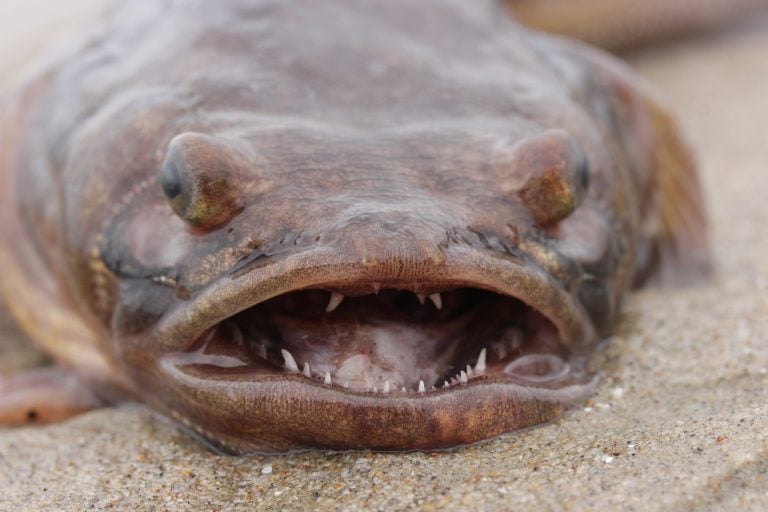
While the different types of this fish could have many differences in their physical appearances, these fish generally have large heads and fang teeth that often protrude out of their mouth, which gives them their scary name.

Many female dragonfish have another protrusion known as the barbel that is attached to the chin. This protrusion has a light-producing photophore. Such photophores are also present along the sides of the bodies of these dragonfishes.

These fish have transparent teeth and their bodies are usually dark, which makes the dragonfish invisible to their prey, making them one of the top predators under the water, even though some are only about 6 inches (15 to 16 centimeters) long and weigh just a half ounce (about 13 to 15 grams).

Dragonfish Distribution, Population, and Habitat

These fish are usually known to be deep-sea fish, which means that they can only be found in the dark, deep corners of the underwater world. They are usually found at depths between 200 meters (656 feet) and 4,500 meters (nearly 15,000 feet) under the water.

Black dragon fish can be found at a depth of about 200 to 1,000 meters in the Eastern part of the Pacific Ocean. Meanwhile, the sea moth can be found in the tropical Indo-Pacific regions like Tanzania, Indonesia, Thailand, Malaysian Borneo, and the Southern Philippines.
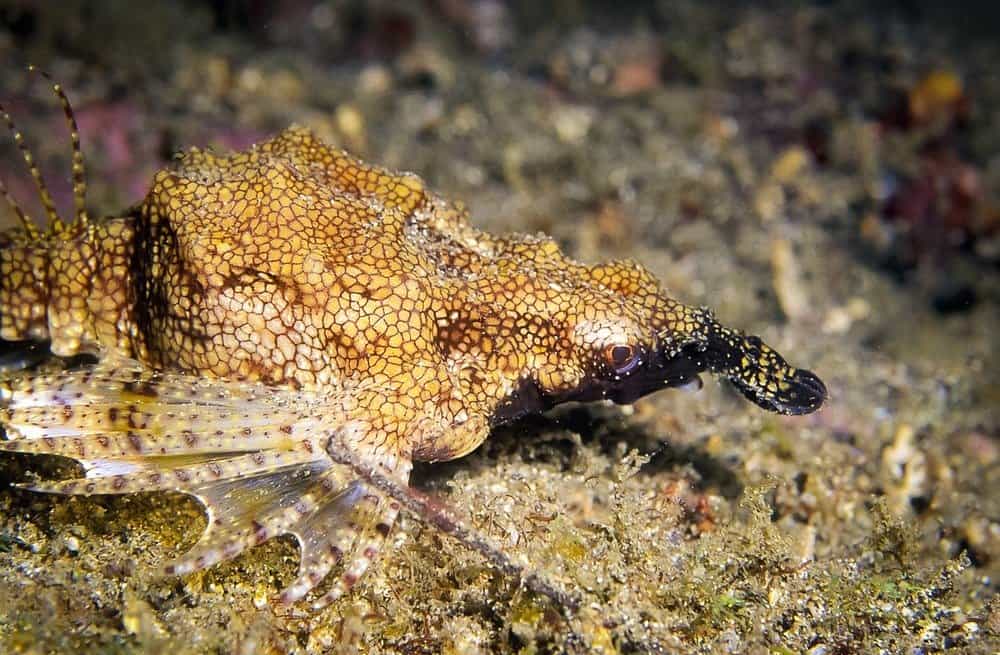
Seamoth or dragonfish. Taken at Nodi, Lembeh in Indonesia.

The Seamoth, considered a type of dragonfish, is not an endangered fish.

NOAA has declared these fish as “not extinct” largely. However, some of them do face the dangers of extinction. The black dragonfish falls under the “not extinct” category. Sea moth is also considered not extinct, though there are no conservation efforts currently needed to keep it safe.

Dragonfish Predators and Prey

Even though it is one of the top deep-sea predators, these fish are also threatened by some predators themselves. The black dragonfish faces danger from the red flounder fish that is found on the ocean floor.

Meanwhile, they feed on marine invertebrates, algae, insects, shrimps, squids, and larvae. A dragonfish can often turn invisible to its prey and use the red light that it produces to hunt down food.

Dragonfish Reproduction and Lifespan

Since these fishes are deep-sea creatures, very little is known about their mating rituals. However, it has been said that the female dragon fish might release eggs into the water, after which the eggs are fertilized by the male dragon fish.

After the eggs hatch, the tiny fish babies, known as larvae, are left to fend for themselves until they reach maturity. Upon maturity, they join the adult dragonfish in deep oceans. Meanwhile, the lifespan of a dragonfish is not known.

Dragonfish in Fishing and Cooking

People use different baits to lure and eventually catch the dragonfish as their food. It is eaten and is often considered to be one of the top marine dishes around the globe. It has firm flesh and comes with a nutty flavor, which adds to the much-desired taste.

There is no shortage of recipes to show how to properly make dragonfish, depending on the flavor that you enjoy. For instance, one method involves removing the bone and sautéing it with spring onions, red chili paste, and garlic. Some people use it to create a barbecue flavor. The delicacy can be made in many different ways, like the one seen here.

As delicious as a dragonfish may be, these fish contain poison sacs and spines that cannot be cooked. Any chef must remove these parts of the fish before it is cooked, as the poison is deadly.

View all 450 animals that start with D

Sources

  1. Planet Save / Accessed November 18, 2020
  2. Wikipedia / Accessed November 18, 2020
  3. I can do it Mama / Accessed November 18, 2020
  4. Fishbase / Accessed November 18, 2020
  5. Science Daily / Accessed November 18, 2020
  6. Scuba Diver Life / Accessed November 18, 2020
  7. Oceana / Accessed November 18, 2020
Thank you for reading! Have some feedback for us?


Dragonfish FAQs (Frequently Asked Questions)

Dragonfish are found in the deep waters around the globe and can exist at a depth of anywhere between 200 to 7000 meters.