

















I
Species Profile

Irish Doodle

Canis lupus familiaris

Setter spirit, Poodle smarts
Joca de Jong/Shutterstock.com

Irish Doodle Distribution

Click a location to explore more animals from that region

Origin Location

This map shows the native origin of the Irish Doodle. As a domesticated species, they are now found worldwide.

Loading map...

Found in 1 country

Size Comparison

Human 5'8"
Irish Doodle 1 ft 12 in

Irish Doodle stands at 35% of average human height.

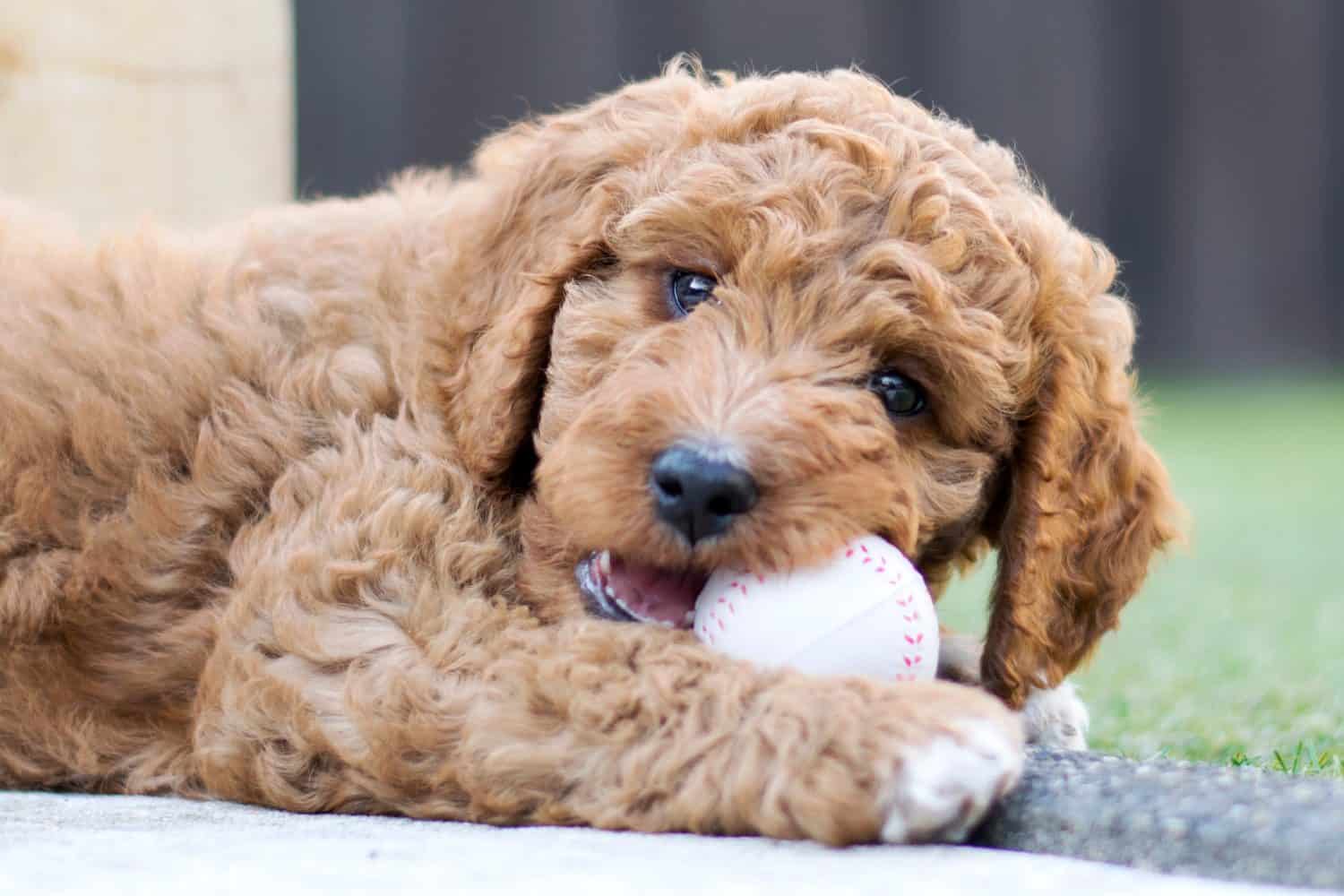
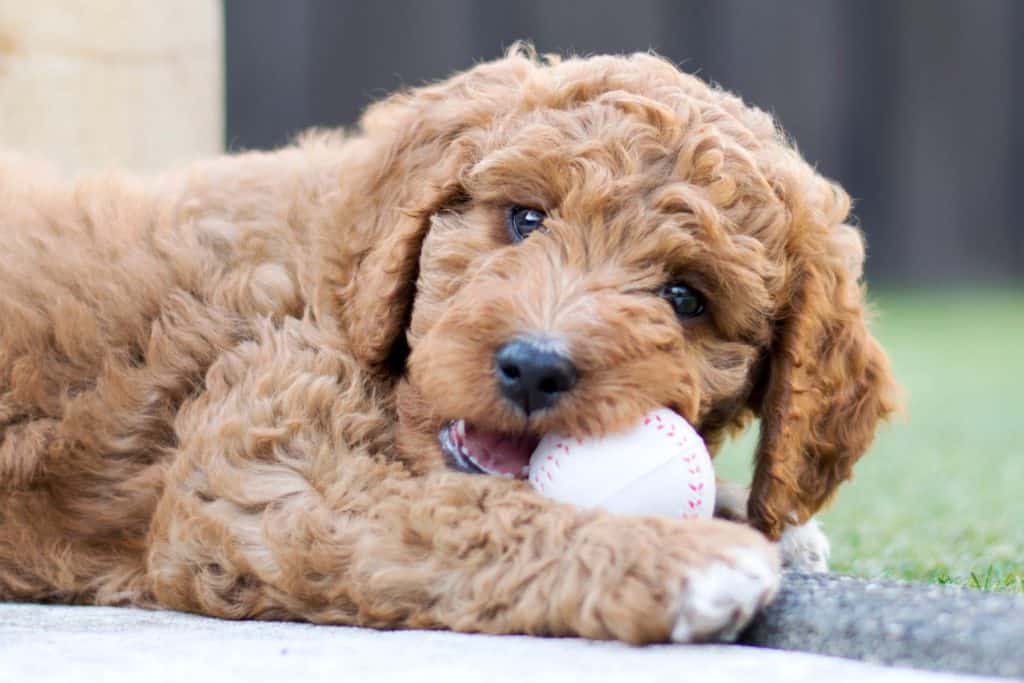
Irish doodle pup 8 weeks old

At a Glance

Domesticated
Diet Omnivore
Activity Diurnal+
Lifespan 12.5 years
Weight 34 lbs
Status Not Evaluated
Did You Know?

Irish Doodle isn't a standardized breed; traits vary widely because it's a Setter-Poodle cross.

Scientific Classification

The Irish Doodle is a domestic dog crossbreed (designer mix), most often produced by crossing an Irish Setter with a Poodle. It is not a formally standardized taxonomic unit beyond the domestic dog (Canis lupus familiaris).

Kingdom
Animalia
Phylum
Chordata
Class
Mammalia
Order
Carnivora
Family
Canidae
Genus
Canis
Species
lupus

Distinguishing Features

  • Hybrid parentage: Irish Setter × Poodle (often Standard or Miniature Poodle)
  • Often wavy to curly coat; shedding and coat type vary widely by individual
  • Typically athletic, sociable, and trainable; traits vary depending on parental lines
  • Color commonly red/mahogany/apricot tones, but can vary

Physical Measurements

Males and females differ in size

Height
2 ft 1 in (1 ft 10 in – 2 ft 3 in)
1 ft 10 in (1 ft 8 in – 2 ft)
Length
3 ft 12 in (3 ft 3 in – 4 ft 7 in)
3 ft 5 in (3 ft 1 in – 3 ft 9 in)
Weight
62 lbs (49 lbs – 75 lbs)
53 lbs (44 lbs – 64 lbs)
Tail Length
1 ft 2 in (11 in – 1 ft 6 in)
1 ft 2 in (12 in – 1 ft 4 in)
Top Speed
31 mph
No set top speed

Appearance

Primary Colors
Secondary Colors
Skin Type Domestic dog skin with variable pigmentation (often pink-to-dark undercoat/skin); moderately prone to sensitive skin/allergies and hot spots, especially if coat mats retain moisture; regular grooming reduces irritation.
Distinctive Features
  • Domestic dog crossbreed (designer mix), not a formal standardized breed; produced most often by Irish Setter x Poodle, so appearance is less predictable than established pure breeds.
  • Coat ranges from wavy to curly; may be single-coat-like (Poodle-leaning) or have more seasonal shedding (Setter-leaning). Often described as lower-shedding but not guaranteed; dander/allergen levels vary by individual.
  • "Furnishings" (beard/mustache/eyebrows) may be present with Poodle influence; feathering on ears/legs/tail may show Setter influence.
  • Build commonly athletic and medium-to-large with a deeper chest and long legs; overall silhouette typically lighter and more leggy than many companion breeds, reflecting sporting ancestry.
  • Ears usually long and pendant; tail may be carried level to slightly up, sometimes with feathering.
  • Wavy-to-curly, often low-shedding coat (commonly in red/apricot tones) with long, floppy ears and a lean, athletic build.
  • Needs frequent brushing (3–5 times/week; daily if curly or prone to mats), pro grooming every 6–10 weeks by coat type, and regular ear cleaning/drying because drop ears and hair raise ear-infection risk.
  • Exercise/behavioral needs: high activity and mental stimulation (retrieving, running, scent games, training). Without adequate outlets may develop nuisance behaviors (jumping, mouthing, barking).
  • Passed down health risks from parent breeds: hip dysplasia, elbow problems, bloat (GDV) in larger dogs, PRA and other eye disease, epilepsy, hypothyroidism, allergies and ear infections, sebaceous adenitis (more in Poodles); screen parents.
  • Wavy-to-curly, often low-shedding coat with feathering possible (influenced by the Poodle's curly coat and the Irish Setter's feathered coat); commonly in red/apricot/cream shades.
  • Climate/coat management: curly/wool coats can overheat if overgrown; keep coat maintained for warm weather and check for burrs/ticks after field activity.

Sexual Dimorphism

Sexual dimorphism is modest (typical of domestic dogs): males average larger/heavier with broader heads and more robust bone; females often slightly smaller and more refined. Exact size varies significantly because Irish Doodles may be produced from Standard, Miniature, or (less commonly) smaller Poodles, affecting adult stature.

  • On average taller and heavier with a thicker neck/shoulder musculature.
  • Broader skull/muzzle; may present a more blocky head when Poodle influence is strong.
  • May carry more overall body mass at the same height compared with females.
  • Typically slightly lighter build with a more refined head/neck.
  • Often reaches mature weight a bit lower than males from the same parent sizes.
  • May appear more 'leggy'/fine-boned in some lines, especially when Poodle influence is high.

Did You Know?

Irish Doodle isn't a standardized breed; traits vary widely because it's a Setter-Poodle cross.

Many coats are "furnished" (beard/eyebrows) like Poodles, but some inherit a smoother Setter-like face.

Color often trends red/apricot/chestnut, reflecting Irish Setter ancestry, but cream, black, or parti can occur via Poodle lines.

They're commonly bred in multiple sizes (standard, medium, mini) depending on the Poodle parent.

Their enthusiasm for running and retrieving often reflects gundog heritage from the Irish Setter.

Despite "doodle" reputations, no dog is truly hypoallergenic-all dogs produce allergens, just in different amounts.

They tend to mature into calmer adults, but adolescence can be energetic and mischievous.

Unique Adaptations

  • Domestication toolkit (species context): compared with the gray wolf, domestic dogs are adapted for human cues (gaze following, gesture reading) and flexible diets; Irish Doodles inherit this human-focused sociability.
  • Hybrid variability: a mix can express a wide range of coat textures (wavy/curly/straight), shedding levels, and temperaments depending on which parent traits dominate.
  • Retrieving + endurance blend: Setter athleticism combined with Poodle trainability often suits active households and dog sports.
  • Coat trade-offs: curlier coats may shed less but require more grooming to prevent matting, especially behind ears, armpits, and collar areas.
  • Heat management: dense coats can predispose to overheating during hard exercise; many do best with shaded breaks and water on warm days.
  • Communication style: many doodle-types use frequent eye contact and "check-ins," reflecting selection for cooperative work with humans.

Interesting Behaviors

  • "Velcro dog" tendencies: following family members room-to-room and seeking contact.
  • High play drive: fetching, tug, and chase games often become daily "jobs."
  • Scenting and "birdy" interest: some individuals freeze, stalk, or point at wildlife (Setter influence).
  • Bouncy greetings and "happy spins," especially in young dogs-needs early training to prevent jumping.
  • Problem-solving and attention-seeking behaviors (Poodle influence), including opening doors or inventing games.
  • Social sensitivity: many respond strongly to tone of voice and thrive on positive reinforcement.
  • Mouthy play as puppies (common in many dogs); benefits from chew outlets and bite-inhibition training.

Cultural Significance

Irish Doodles are a modern designer dog cross of Irish Setter and Poodle. They blend the Setter's lively energy with the Poodle's trainability and often lower-shedding coat. Seen as family companions and activity pals; responsible breeding and honest expectations about coat, size, and health checks matter.

Myths & Legends

In Irish mythology, the hero Fionn mac Cumhaill is accompanied by his hounds Bran and Sceolan-stories that highlight loyalty, hunting skill, and the bond between people and dogs in Irish tradition.

In Scottish folklore, the Cu Sith (a "fairy hound") is described as a supernatural dog associated with the Otherworld; sightings could be treated as an omen, reflecting the cultural significance of dogs in Gaelic tradition.

The name "setter" traces to historical hunting practice: dogs would "set" (crouch/freeze) to indicate birds for nets or falconry-an origin story embedded in sporting-dog tradition that shapes how Irish Setter mixes are imagined today.

Poodles carry a long European working-dog narrative, including water-retrieving stories from continental hunting culture; this heritage fuels modern anecdotes of "water-loving doodles" and their affinity for splashy play.

Modern naming lore: "Doodle" popularized as shorthand for Poodle-cross companions, creating a contemporary cultural story of dogs bred to fit urban family life-friendly, trainable, and coat-conscious.

Conservation Status

NE Not Evaluated

Has not yet been evaluated against the criteria.

Population Stable

Life Cycle

Birth 6 pups
Lifespan 13 years

Lifespan

In the Wild
10–15 years
In Captivity
10–15 years

Reproduction

Mating System Polygynandry
Social Structure Managed Domestic
Breeding Pattern Not Applicable
Fertilization Managed Selective
Birth Type Internal_fertilization

Irish Doodle (Canis lupus familiaris): Dogs naturally have many males and females mate, but Irish Doodle pairings are human-managed with controlled mate choice. Pregnancy happens inside the mother. Lasting pair-bonds and care by other adults are not typical; mothers and humans care for puppies.

Behavior & Ecology

Social Pack Group: 3
Activity Diurnal, Crepuscular, Cathemeral
Diet Omnivore High-quality animal protein (e.g., chicken or turkey-based complete dog food)

Temperament

Highly social/affiliative; typically friendly with family and often sociable with strangers when well-socialized (breed-typical), with individual variation ranging from outgoing Setter-like exuberance to more Poodle-like sensitivity/reserve.
Energetic and playful; benefits from daily aerobic exercise plus structured play (fetch, running, hiking). Without outlets, may develop nuisance behaviors (jumping, mouthing, counter-surfing).
Intelligent and trainable (Poodle influence), generally responsive to positive reinforcement; can be distractible outdoors if prey/chase drive is inherited from Irish Setter lines.
HUB (domestic-dog group pattern): thrives on cooperative activities with humans (training games, retrieving, scentwork); Irish Doodles often show strong engagement and may become demand-barkers or attention-seekers if routines are inconsistent.
Potential behavioral sensitivities: separation-related distress, frustration barking, and overarousal during greetings; early impulse-control training and calm settle skills are key care requirements.
Breed-specific care notes (common): coat type varies from wavy to curly; requires regular brushing, professional grooming, and ear care (drop ears + hair can predispose to otitis).
Watch for hip dysplasia, progressive retinal atrophy, ear infections, allergies (atopy); Poodle lines may have Addison's disease and Setter influence can raise bloat/GDV risk. Prevent with weight control, joint-friendly exercise, and health screening.

Communication

Barking Alerting, attention-seeking, excitement; may increase with under-exercise or separation stress
Whining/whimpering Frustration, greeting, solicitation, mild anxiety
Play growls and grumbles Often during tug/fetch; typically loose body posture
Occasional howling or "talking" Individual-dependent; less common than in some hound-type breeds
Body language: tail carriage/wag patterns, play bows, soft vs. hard eye contact; Irish Doodles often display exuberant, bouncy approach behavior that benefits from learned calm greetings.
Tactile solicitation: pawing, leaning, nudging, bringing toys/leads to initiate interaction Common in this mix due to high social motivation
Scent marking and investigation: typical canine olfactory communication; may show strong environmental sniffing and tracking interest (Setter influence) that can be channeled into scentwork.
Retrieving/offer behaviors: carrying objects to communicate desire to play or to seek attention Often stronger than average due to both parent breeds' cooperative tendencies
Stress signals: lip licking, yawning, avoidance, shaking off; important for handlers to recognize, as some individuals inherit Poodle-like sensitivity and can shut down under harsh handling-care requirement is consistent, reward-based training.

Habitat

Biomes:
Temperate Forest Temperate Grassland Boreal Forest (Taiga) Tundra Alpine Mediterranean Desert Hot Desert Cold Wetland Freshwater Savanna Tropical Dry Forest Tropical Rainforest Marine +8
Terrain:
Plains Hilly Valley Coastal Mountainous Island
Elevation: Up to 16404 ft 3 in

Ecological Role

Human-associated domestic omnivore/companion animal; primarily a managed consumer rather than an independent predator.

Companionship and social support to humans Assistance/working potential (training, therapy, sport) Deterrence/alerting behavior in home environments Localized scavenging of food waste when unmanaged (negative/neutral service depending on context)

Diet Details

Main Prey:
Small mammals Birds and bird eggs Fish Invertebrates
Other Foods:
Fruits Vegetables Cooked starches and grains Grasses and plant matter Fungi and plant detritus

Human Interaction

Domestication Status

Domesticated

Domestic dogs (Canis lupus familiaris) came from gray wolves and were domesticated at least 15,000 years ago, starting with scavenging near people and later selecting for tameness, work, and looks. The Irish Doodle is a cross (Irish Setter × Poodle). Not a formal breed; traits vary by generation, often combining Setter energy with Poodle ease of training and lower-shedding coats.

Danger Level

Low
  • Bites or scratches (most often due to fear, poor socialization, pain, or rough handling)
  • Knocking over children/elderly due to exuberant jumping (especially larger individuals)
  • Allergy/asthma triggers from dander/saliva (coat may be lower-shedding in some, but not hypoallergenic)
  • Zoonotic risks typical of dogs if unvaccinated/untreated (e.g., intestinal parasites, ringworm)

As a Pet

Suitable as Pet

Legality: Generally legal as a pet anywhere domestic dogs are permitted. Restrictions, if any, are typically about general dog ownership rules (licensing, leash laws, housing/insurance policies) rather than the Irish Doodle specifically. Always check local ordinances and rental/HOA policies.

Care Level: Moderate

Purchase Cost: $800 - $2,500
Lifetime Cost: $20,000 - $45,000

Economic Value

Uses:
Companion animal industry Breeding and puppy sales Veterinary services Grooming services Training and behavior services Pet retail (food, supplies, insurance)
Products:
  • puppies (companion sales)
  • grooming (clipping, brushing, coat care)
  • training classes (obedience, sport foundations)
  • pet insurance policies
  • premium dog food and supplements
  • boarding/daycare services

Irish Doodles are a hybrid dog breed that was created by mixing a Poodle with an Irish Setter. Irish Doodles inherit a mix of genes from each of their parents that give them their unique and fun personalities. This breed is very active, fun, and intelligent. However, they can also be very affectionate and love spending time with the people they care about. Since Poodles have a non-shedding coat, some Irish Doodles may be low-shedding and more suitable for allergy sufferers, but shedding and hypoallergenic qualities can vary depending on which parent they take after.

An Irish Doodle’s personality can make it a great family dog. Like both of their parents, this breed does exceptionally well with children. They can vary in size a bit depending on the specific genes they inherit from each of their parents. There are also Mini Irish Doodles that are the result of an Irish Setter being bred with a Miniature Poodle. They may also be called Irish Doodle Setters, Irish Poo Setters, Irish Setterpoo, and Setterdoodles.

Mini Irish doodles tend to cost more than the average-sized breed, banking in at an average of $500-$700 more than an Irish doodle. While the average height of a mini Irish doodle is 12-15 inches tall, their personalities are very much like regular Irish doodles.

Watch on YouTube

3 Pros and Cons of Owning an Irish Doodle

Pros!Cons!
Intelligent: They inherit their intelligence from their Poodle parent. This high level of intelligence makes it easy for this breed to learn commands.High exercise needs: They have a lot of energy and need daily exercise.
Hypoallergenic: They shed very little to none at all. This makes them a good breed for allergy sufferers.May develop separation anxiety: They are companion dogs. They do not do well when left alone for long periods of time and may develop separation anxiety and become destructive.
Friendly: They are very friendly and good with children. They can make a great family dog.Expensive: They can cost more to purchase than other dog breeds. This is especially true for Mini Irish Doodles, which are even more costly.
Irish Doodle adult with a white background


An Irish Doodle’s personality can make it a great family dog. Like both of their parents, this breed does exceptionally well with children.

Size and Weight

There are both Standard Irish Doodles and Mini Irish Doodles. Male Standard Irish Doodles are larger and generally weigh between 50 and 70 pounds while being between 24 and 28 inches tall. Female Standard Irish Doodles are a bit smaller, with a weight between 40 and 60 pounds and a height between 22 and 26 inches.

Mini Irish Doodles are smaller. They have a Miniature Poodle, rather than a Standard Poodle, for half of their genes. Mini Irish Doodles are typically between 12 and 17 inches tall and weigh between 25 and 35 pounds.

Evolution

The Irish Doodle is a new breed of designer dog developed in the early 21st century by crossing an Irish setter parent with a standard poodle parent.

Irish setters have been around for centuries and were bred in Ireland for hunting. These medium-sized dogs are known for their high energy levels, intelligence, and trainability. Poodles are a very old breed of dog, initially bred in Germany as working dogs. They became renowned throughout Europe for their intelligence and obedience.

Possessing the best qualities of both breeds, Irish Doodles are intelligent, friendly, and have low-shedding coats. While not recognized by any official kennel club, the breed quickly gained popularity and is a beloved pet in many homes today.

Common Health Issues
Cute brown with white Irish doodle

Irish Doodles sometimes inherit bloat from their standard poodle ancestors.

All Irish Doodles will not develop all (or even any) of these health issues, but knowing what to look out for can help ensure you bring your pup to the vet in a timely manner if needed. Whether you purchase your dog from a breeder or adopt one through a rescue, schedule an appointment with a veterinarian shortly after bringing your dog home for a checkup.

Bloat is one potential problem Standard Irish Doodles may face. Bloat is a condition that impacts larger dogs with a deeper chest. The dog’s stomach fills with air and twists, and the dog is not able to expel it. Their stomach will become visibly swollen. Bloat is a serious and life-threatening condition, and you’ll want to rush your pet to the vet if you suspect they have it.

Hip Dysplasia may also impact this breed. This inherited disease causes the hip bone not to form correctly. The hip and thigh bones rub against one another, which causes pain and makes it difficult for a pet to walk. Surgery is often required to address hip dysplasia.

A third concern for this breed is Addison’s Disease or hypoadrenocorticism. Dogs with this disease have decreased hormone production from their adrenal glands. This can cause diarrhea, vomiting, weight loss, increased urination, or lethargy. If you suspect your dog has Addison’s disease, take them to the veterinarian, who will be able to run some tests and determine the best course of treatment.

To recap, a few common health concerns that Irish Doodles may face include:

  • Bloat
  • Hip dysplasia
  • Addison’s disease

Irish Doodle Temperament and Behavior

Irish Doodle adult headshot

Irish Doodles are eager to please and make great family pets.

Irish Doodles have very loyal and affectionate personalities. This mixed breed also aims to please its owners and is very intelligent, which can make it easier to train than other breeds. Irish Poo Setters’ traits make them a wonderful addition to any household, including families with children. They can be very gentle and loving with children and can also make good playmates for a child.

However, while this breed makes for a wonderful companion dog, they do not do very well if left alone for long periods of time. This breed is more prone to separation anxiety than others, and they may become destructive or engage in other undesired behaviors.

How to Take Care of an Irish Doodle

Irish Doodles are a wonderful breed, but they also have unique needs when compared to other dog breeds. You’ll want to keep their unique needs, including their personality, nutritional needs, activity needs, and health concerns, at the forefront of your mind. This will help you provide the best care possible for your dog so it can live a happy and healthy life.

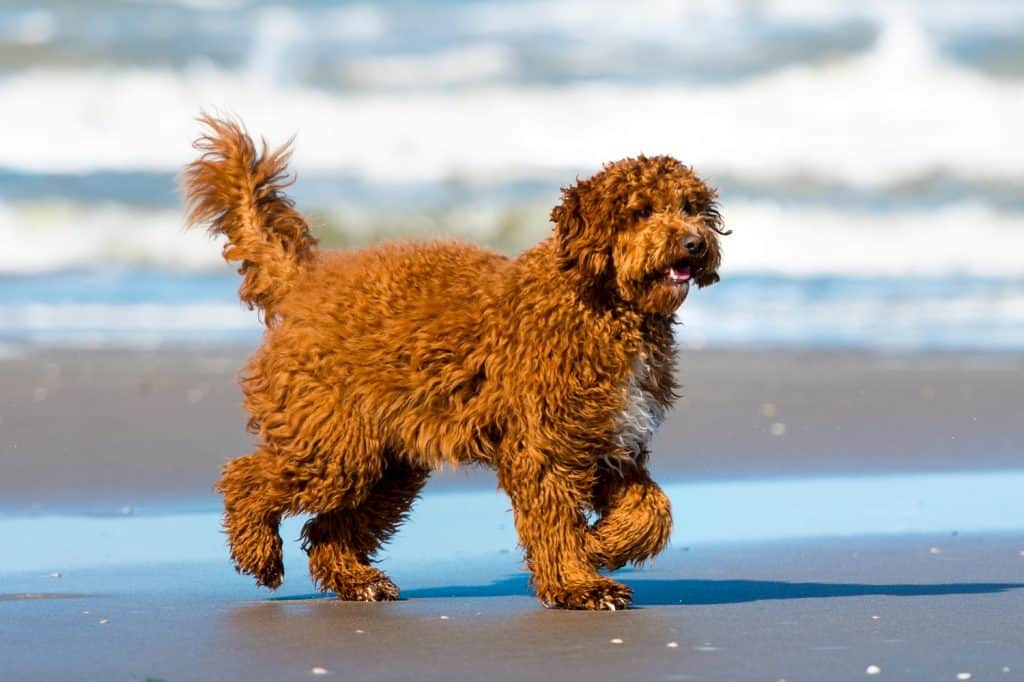
Irish Doodle playing on the beach

Irish Doodles have a lot of energy and need daily exercise.

The Best Dog Food for Irish Doodles

Because Irish Doodles can be vulnerable to life-threatening bloat, it is important to feed them measured meals twice a day and avoid vigorous exercise around mealtimes. Consult your veterinarian for the best diet for your dog.

Standard Irish Doodles and Mini Irish Doodles will have different nutritional needs. Standard Irish Doodles should be fed dog food for a large breed, while Mini Irish Doodles should eat food for a small breed. Choose a high-quality food and keep in mind that a dog’s activity level, age, metabolism, and other factors will impact the ideal amount of food they should be fed.

Consult with your veterinarian if you are unsure of exactly how much food your dog should need. Portion an Irish Setterpoo’s daily allotment of food into two meals; one in the morning and one in the evening. This can reduce the chances of obesity and make it less likely for an Irish Doodle, particularly a Standard Doodle, to develop bloat.

Irish Doodle Setters puppies should also be fed high-quality puppy food. Since puppies have very small stomachs, they can’t handle large quantities of food at one time. Before your puppy turns six months old, feed them three to four smaller meals instead of just two meals. Then, once they are six months old, cutting down to two meals should be fine.

Maintenance and Grooming

With their Poodle parent, an Irish Doodle’s coat doesn’t shed much, if at all. Their coat may be either wavy or curly, with curly coats shedding the least amount. Since their coat does not shed, it can easily become very matted or tangled if it isn’t brushed regularly. Be sure to brush your dog’s coat each day to keep it soft and looking its best. You may occasionally need to trim the hair on your Irish Poo Setters if it gets too long. This is especially true for ear hairs, since if they get too long, it can cause dirt to build up, which can lead to an ear infection.

To prevent dental disease, you should also brush your dog’s teeth a few times a week. Their nails should also be trimmed if they get too long to prevent them from causing the dog any pain.

Training

An Irish Doodle is relatively easy to train. However, they will need some repetition and practice to master different commands and retain what they learn. Training the dog when they are still a puppy is also advised, as it can improve the training process. If you haven’t had this variety of dogs before, you may find it beneficial to enroll in an obedience training class with a more experienced trainer. These dogs are very intelligent and eager to please, which can make it easier to train them than some other breeds.

You will also want to start socializing with your Irish doodle from a very young age. Take your dog with you to a variety of locations and expose them to different people and other dogs. This will help them learn expectations in different scenarios and improve their temperament when they are full-grown. However, you should wait until your puppy is fully vaccinated before taking them to too many places.

Exercise

Irish Setters are working dogs, and Irish Doodles inherit a lot of their need for activity. This breed has a lot of energy and will need lots of exercise each day. Plan to take your dog for multiple long walks and give him or her time to run around in a fenced-in backyard. You can also find time to play with him or her inside or outside to offer additional activities. Be sure to have plenty of toys in the house that your dog can play with on their own when they have the energy to burn.

Irish Doodle puppy running through the park

Irish Doodles need plenty of exercise and enrichment.

Puppies

Irish Doodle Puppies are very affectionate and love spending time with their family members. Be sure to find opportunities to expose your new dog to different people, places, and pets to get it used to different scenarios and how to appropriately behave and interact. Early and consistent training is essential for your new puppy. Get training started as soon as you bring your dog home, as this will help ensure it grows up to have a more even-tempered personality.

Before adopting a puppy, ask the breeder questions to make sure the dog will be a good fit for you/your family. They have a more varied personality than a purebred dog, but breeders should be able to give some good insight into what the puppy will be like when fully grown based on their observations over the first few weeks or months of the dog’s life.

Puppies require a lot of time and attention. Be ready to give your new dog everything it needs. Before bringing your Irish Poo Setters puppy home, make sure your space is ready with all the food and supplies your dog will need. Remove anything that could cause the puppy harm and put away personal belongings that you wouldn’t want to see destroyed.
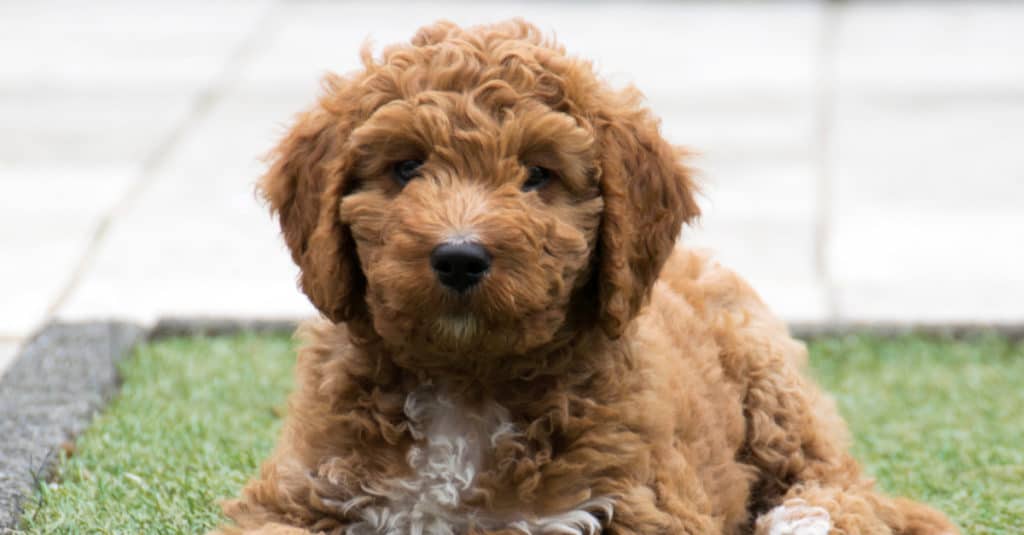
Irish Doodle puppy laying in the grass

Irish Doodles are very friendly and good with children. They can make great family dogs.

Children and Irish Doodles

These dogs are a good option for those looking for the perfect family pet. They are gentle, playful, and affectionate, and can make a wonderful playmate and best friend for a child. However, even though Setterdoodles are generally good with children, it is still important to closely supervise a child when they’re with this breed. This can prevent the child or dog from getting accidentally injured.

Dogs similar to the Irish Doodle

Labradoodles, Sheepadoodles, and Irish Setters are three breeds that share similarities with the Irish Doodle.
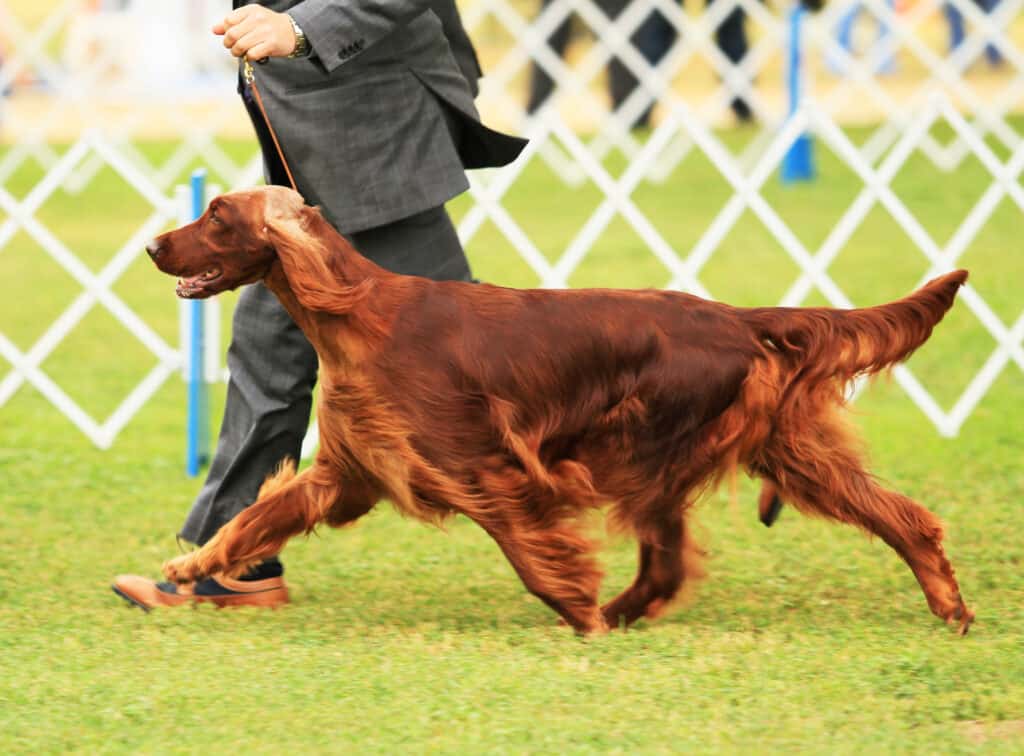
Irish setters are one of the breeds mixed to create the Irish Doodle.

  • Labradoodle: Labradoodles and Irish Doodles are both Poodle crossbreeds. Both can have a similarly colored coat that may be brown, white, cream, apricot, or black. Irish Doodles typically have a longer coat but shed a bit less than Labradoodles.
  • Sheepadoodle: Sheepadoodles also have one parent that is a Poodle, like an Irish Doodle. Both of these dog breeds are hypoallergenic, active, and easy to train. Sheepadoodles may be a bit more likely to nip, especially as puppies, since one of their parents is a herding dog (Old English Sheepdog).
  • Irish Setter: Irish Setters are one of the breeds mixed to create the Irish Doodle, so it makes sense that they share some similar traits. Both breeds are very friendly and good with children. They are also very active dogs. Irish Setters are moderate shedders compared with Irish Doodles, which rarely, if ever, shed.

Famous Irish Doodles

As such a fun and adorable breed, Irish Doodles are gaining popularity. There are a number of Irish Doodles on Instagram that have a large following. These dogs are stealing the hearts of individuals they don’t even know with their cute appearance and great personality.

  • Fitz is an Instagram sensation from Pennsylvania. He currently lives in Michigan and has over 16,000 followers.
  • Winston is a white Irish Doodle from Kentucky. He has over 14,000 followers on Instagram.
  • Cooper is a brown Irish Doodle who loves hiking with his family. His Instagram page has more than 10,000 followers.
View all 59 animals that start with I

Sources

  1. VCAhospitals / Accessed February 16, 2021
  2. Dogtime / Accessed February 16, 2021
  3. Poodles2Doodles / Accessed February 16, 2021
  4. My dog breeds / Accessed February 16, 2021
  5. Wagwalking / Accessed February 16, 2021
  6. Hellobark / Accessed February 16, 2021
  7. Hellobark / Accessed February 16, 2021
  8. Irish-doodles / Accessed February 16, 2021
  9. Oakhillfarm doodles / Accessed February 16, 2021
  10. Doggie designer / Accessed February 16, 2021
  11. Wagwalking / Accessed February 16, 2021
  12. Petguide / Accessed February 16, 2021

Ashley Haugen

About the Author

Ashley Haugen

Ashley Haugen is the editor of A-Z Animals. She's a lifelong animal lover with an affinity for dogs, cows and chickens. When she's not immersed in A-Z-Animals.com (her favorite editorial job of her 25-year career), she can be found on the hiking trails of Middle Tennessee or hanging out with her family, both human and furry.
Connect:

Thank you for reading! Have some feedback for us?


Irish Doodle FAQs (Frequently Asked Questions)

The cost to purchase an Irish Doodle from a breeder can range from $1,500 to $5,000. Before purchasing from a breeder, be sure to do your research to make sure they have a good reputation and follow best breeding practices. Chatting with the breeder can also help ensure the puppy you get will be a good match for your lifestyle.

You may also find some Irish Doodles up for adoption through a rescue organization. Adopting one of these dogs should be considerably less expensive and will likely only cost a few hundred dollars.

After you bring home your dog from a breeder or a rescue, there will be additional expenses you’ll need to cover. Irish Doodles live for 10 to 15 years, so you’ll need to be committed to covering their expenses for their entire lives. Think about veterinary care, food, treats, and the various other supplies a dog will require. The first year you own the dog will be the most expensive, so you should budget at least $1,000 to $1,500. For the following years, be sure to budget at least $500 to $1,000.