N S W E
Wildlife Expeditions

Wildlife of
Malta

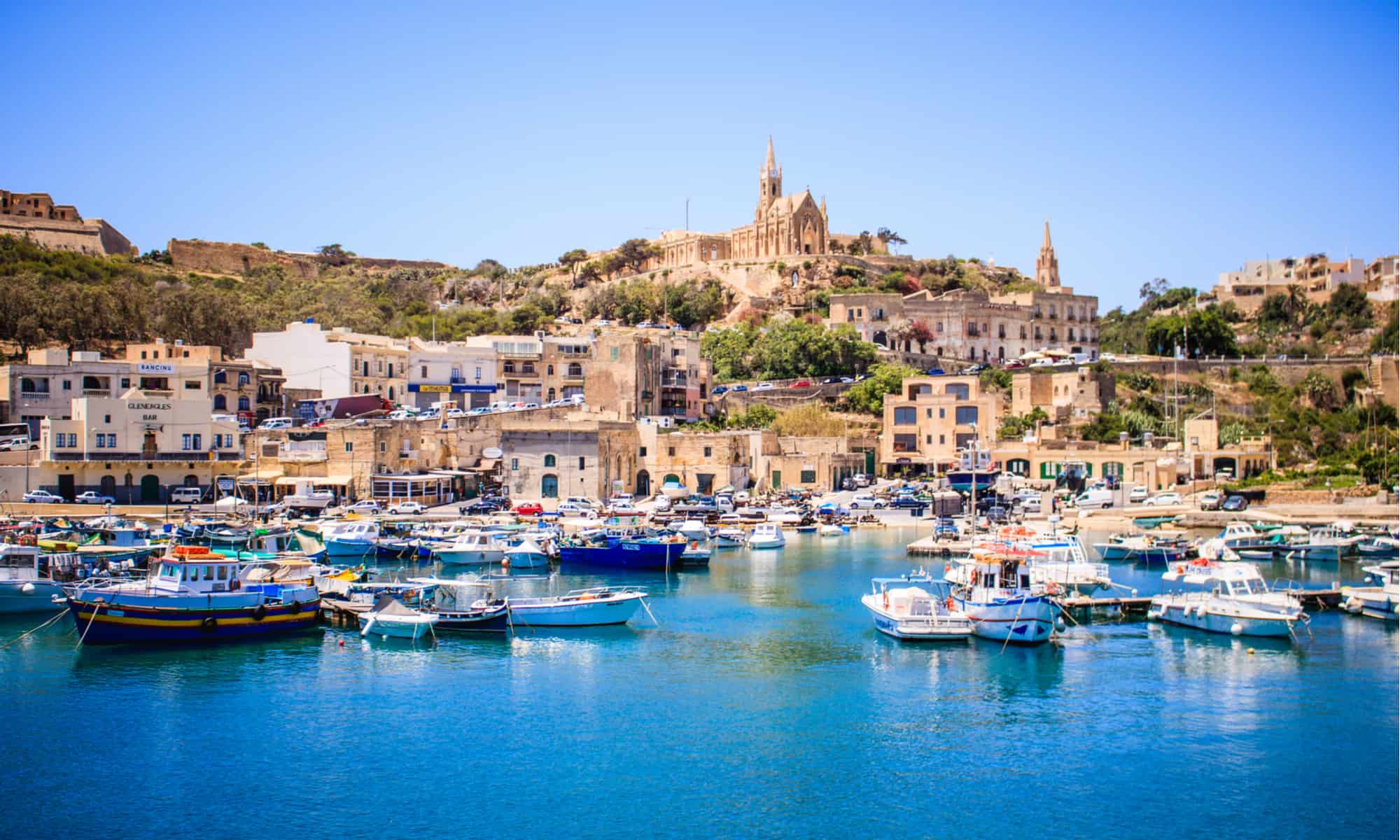
Malta is most notable for its spectacular seasonal bird migration-raptors, falcons, and countless songbirds funneling between Europe and Africa-set against dramatic limestone cliffs, sea caves, and tiny offshore islets.
35 Species
316 km² Land Area
Overview

About Malta

Malta's wildlife character is defined by its small size, intensely human-shaped landscapes, and a resilient Mediterranean natural heritage adapted to heat, wind, and scarce freshwater. Native biodiversity is relatively modest compared with larger countries, but it is highly distinctive: coastal specialists, arid scrub communities, and a rich marine realm around the islands. The country's position in the central Mediterranean makes it a natural "stepping-stone" for wildlife-especially birds-moving between continents, turning Malta into a place where a single day outdoors can reveal an impressive mix of African-bound and Europe-bound migrants.

Key ecosystems include sheer limestone sea cliffs and garigue (low, aromatic shrubland on thin soils), which support hardy plants, invertebrates, and nesting seabirds. Valleys with seasonal watercourses, small pockets of maquis, and remaining patches of steppe-like grassland add habitat variety, while the surrounding sea holds seagrass meadows (Posidonia oceanica), rocky reefs, and offshore waters used by dolphins, turtles, and migratory fish. Offshore islets and protected cliff sites are especially significant as breeding refuges for seabirds, making them vital nodes in the wider Mediterranean ecological network.

In global and regional conservation terms, Malta's outsized role is as a critical waypoint on the African-Eurasian flyway: protecting resting and feeding habitat here supports migratory populations far beyond the islands. Malta also contributes to Mediterranean marine protection through designated sites and management efforts aimed at safeguarding seagrass beds and sensitive coastal habitats. For visitors, the wildlife experience is uniquely "big nature on a small stage"-close-range seawatching from clifftops, migration watchpoints where rare birds can appear unexpectedly, and marine encounters in clear waters, all within short travel distances and a deep cultural seascape shaped by centuries of maritime history.

Physical Features

Geography

Malta's wildlife habitats are shaped by its very small land area, limestone geology, arid Mediterranean climate, and extensive, highly modified coastline. With no permanent rivers and limited natural freshwater, biodiversity concentrates in coastal cliffs, rocky shores, remnant garrigue and steppe-like grasslands, small patches of woodland/shrub, and valley systems that carry seasonal runoff. Its central Mediterranean position places it on a major Europe-Africa migratory flyway, making coastal headlands, valleys, and offshore waters especially important for migratory birds and seabirds, while urbanization and agriculture strongly fragment and constrain terrestrial habitats.

316 km² Land Area
Among the world's smallest countries (microstate; roughly comparable to a medium-sized city) Size Rank

Key Landscapes

  • Limestone plateau islands (Malta, Gozo, Comino) with karst features influencing soils and vegetation
  • Rocky limestone coastlines with cliffs, ledges, and sea caves (important for seabirds, coastal flora, and roosting sites)
  • Garrigue and maquis shrublands on thin, rocky soils (key semi-natural habitat for reptiles, invertebrates, and endemic/regionally specialized plants)
  • Dry grasslands/steppe-like habitats on exposed, wind-swept ground (important for ground-nesting/migratory birds and invertebrates)
  • Valleys/wieds and drainage lines with seasonal water flow and deeper soils (local refuges for denser vegetation and riparian-like assemblages)
  • Small wetlands and freshwater/brackish sites (scarce but critical for migratory birds; includes coastal saltpans, marsh remnants, and man-made reservoirs)
  • Agricultural mosaic (terraced fields, stone walls, orchards) providing secondary habitat and movement corridors for some species
  • Nearshore marine waters and reefs (Posidonia seagrass meadows and rocky reef habitats supporting marine biodiversity)

Ecoregions

  • Tyrrhenian-Adriatic sclerophyllous and mixed forests
  • Ionian Sea
Parks & Reserves

Protected Areas

Malta's protected-area system is built primarily around EU Natura 2000 designations (Special Protection Areas under the Birds Directive and Special Areas of Conservation under the Habitats Directive), complemented by nationally declared nature reserves, a flagship "park" (Majjistral), and several marine Natura 2000/MPA zones. Because the islands sit on a major Mediterranean migration flyway, many of Malta's highest-value protected areas are coastal wetlands, sea-cliff bird sites, and nearshore marine habitats (notably seagrass meadows and reef).

Protected Coverage

Approx. ~13% of Malta's land area is under formal protection (largely via Natura 2000 SPAs/SACs and national nature reserves).

Notable Parks & Reserves

Majjistral Nature and History Park

Nature & History Park; Natura 2000 (SAC/SPA in parts)

Malta's best-known large protected landscape, with limestone garigue, valleys and coastal habitats that support resident breeding birds, reptiles, and important stopover habitat for migrants. It's also one of the more accessible places for nature walks and coastal wildlife viewing.

Blue rock thrush
Common kestrel
Sardinian warbler
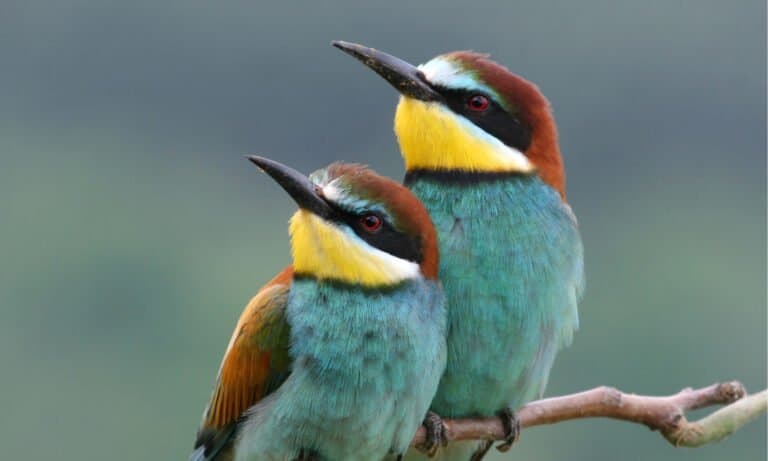
European bee-eater
European bee-eater
Maltese wall lizard
Mediterranean chameleon

Ghadira Nature Reserve

Nature Reserve; Ramsar Wetland of International Importance; Natura 2000 Special Protection Area (SPA)

Malta's most prominent freshwater and brackish wetland reserve and a top birdwatching site, especially during spring and autumn migration. It provides scarce wetland habitat in an otherwise dry island landscape, supporting migrants, wintering waterbirds, and breeding wetland species.

Little egret
Grey heron
Grey heron
Common kingfisher
Black-winged stilt
Eurasian coot
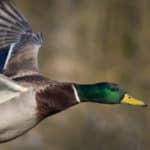
Mallard
Mallard

Is-Simar Nature Reserve

National Nature Reserve; Ramsar Wetland of International Importance; Natura 2000 (SPA/SAC)

A small but high-value wetland mosaic (reeds, open water, brackish edges) that consistently attracts migrating and wintering birds. Its hides and short trails make it one of the easiest places in Malta to observe wetland wildlife at close range.

Little egret
Grey heron
Grey heron
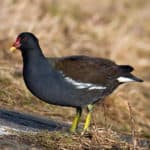
Common moorhen
Common moorhen
Common kingfisher
Yellow wagtail
Glossy ibis

Marsaxlokk Saltmarsh

Ramsar Wetland of International Importance; Natura 2000 (SAC/SPA)

One of Malta's most important remaining coastal saltmarshes, a habitat type now highly reduced by development and land reclamation. It is especially valuable for migratory shorebirds and as a nursery area for wetland-associated biodiversity.

Kentish plover
Black-winged stilt
Common greenshank
Little egret
Yellow-legged gull
Mediterranean killifish

Filfla Strict Nature Reserve

Strict Nature Reserve; Natura 2000 (SPA/SAC)

A tiny offshore islet that is a key seabird breeding site, largely closed to the public to protect nesting colonies and sensitive cliff habitats. It is also famous for its unique local reptile population and is among Malta's most important sites for seabird conservation.

Yelkouan shearwater
Scopoli's shearwater
European storm-petrel
Mediterranean shag
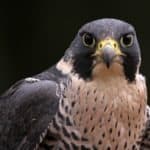
Peregrine falcon
Peregrine falcon
Filfla wall lizard

Ta' Cenc Cliffs (Gozo)

Natura 2000 (SPA/SAC)

A major sea-cliff system important for breeding and migrating seabirds and raptors, with extensive cliff-ledges and surrounding garigue. It is one of the best places in the Maltese Islands to appreciate cliff ecology and pelagic bird movements.

Yelkouan shearwater
Scopoli's shearwater
Peregrine falcon
Peregrine falcon
Blue rock thrush
Yellow-legged gull
Sardinian warbler

Dwejra and West Gozo Coastal/Marine Area (incl. Dwejra Bay)

Natura 2000 (marine SAC and adjacent protected coastal sites)

A well-known coastal-marine complex with rocky reefs and seagrass meadows that supports a diverse Mediterranean nearshore community. It is notable for marine biodiversity (including seagrass habitat) and opportunities for observing coastal and underwater wildlife.

Neptune grass (Posidonia seagrass)
Dusky grouper
Mediterranean rainbow wrasse
Loggerhead sea turtle
Common octopus
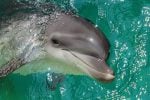
Bottlenose dolphin
Bottlenose dolphin
Animals

Wildlife

Malta's wildlife diversity is shaped less by large land mammals and more by its Mediterranean island ecology: limestone coasts, garigue shrublands, sea cliffs, small valleys, and a heavily human-modified landscape. The country's standout wildlife experience is bird migration-Malta sits on a major central Mediterranean flyway between Europe and Africa-plus cliff-nesting seabirds, coastal reptiles, and a small but notable bat fauna. Marine life (dolphins, sea turtles, seabirds offshore) also defines much of Malta's "big wildlife" viewing.

~20-25 terrestrial mammals (native land mammals are few; bats make up a large share of the total) Mammals
~390+ species recorded (many migrants/vagrants); ~25-35 species breed regularly Birds
~10-12 species Reptiles
~2-3 species Amphibians

Iconic Species

Yelkouan Shearwater A signature Maltese seabird, breeding in crevices and caves on sea cliffs and offshore islets. Night-time calling around colonies and offshore pelagic sightings are a major draw; Malta holds important colonies within the species' global range.
Scopoli's Shearwater Large, conspicuous seabirds that glide along Maltese cliff-lines and offshore waters, especially in spring-summer. Breeding occurs in the archipelago, and boat trips can yield close views.
Eleonora's Falcon A sought-after raptor that breeds on rugged sea cliffs and stacks in the central Mediterranean. Malta hosts a small but notable breeding presence, and the species is also seen during migration.
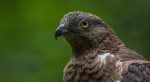
European Honey-buzzard
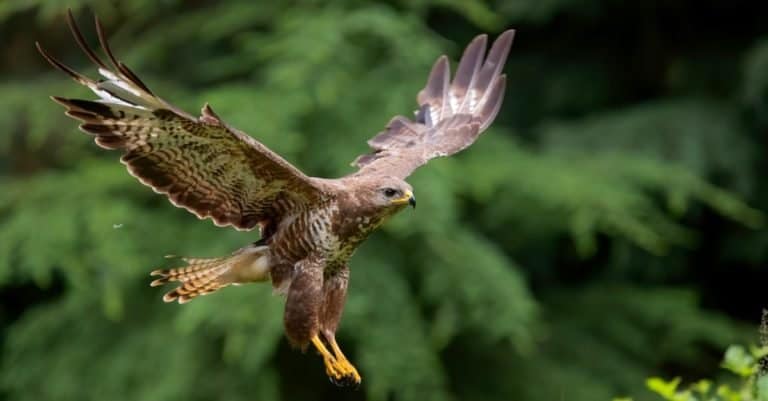
European Honey-buzzard One of the most characteristic visible migrants over Malta in spring and autumn, when large movements of raptors can pass the islands. Watchpoints can produce impressive day totals during peak passage.
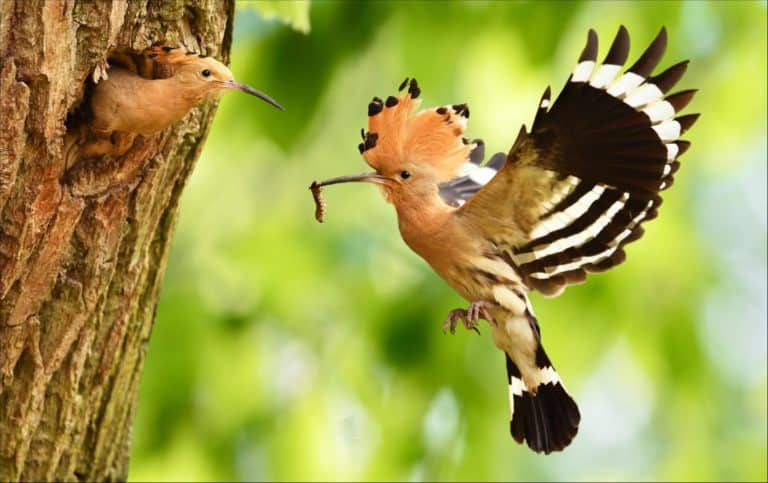
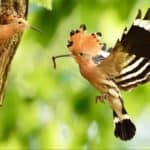
Eurasian Hoopoe
Eurasian Hoopoe A charismatic migrant and local breeder in semi-open farmland and garigue edges. Often encountered during migration seasons, it is a classic "Mediterranean" species visitors hope to see.
Common Bottlenose Dolphin
Common Bottlenose Dolphin The most frequently encountered dolphin around Malta, especially in deeper channels and offshore waters. Regularly seen from boats; occasionally visible from headlands in calm conditions.
Loggerhead Sea Turtle A flagship Mediterranean marine species that occurs in Maltese waters (mainly as a foraging and transit species). Occasional nesting attempts make it locally high-profile; sightings are most likely from boats in summer.
Maltese Wall Lizard The quintessential Maltese reptile-common on stone walls, coastal rocks, and islets. Its abundance and local forms (including striking islet color variants) make it the easiest "endemic" wildlife to see.
Mediterranean Chameleon Locally iconic despite being limited and partly associated with introductions. It's a headline species for visitors interested in Malta's reptiles, best searched for in suitable scrubby habitats and sheltered valleys.
Mediterranean Painted Frog One of Malta's few amphibians, found around freshwater seeps, valley pools, and rural reservoirs after rains. Notable because amphibians are scarce on the islands, making any frog encounter meaningful.

Endemic Species

Maltese Wall Lizard Endemic to the Maltese archipelago. Common and easy to observe on sunny rock, rubble walls, and coastal cliffs; some offshore islet populations show distinctive coloration. Endemic
Maltese Door Snail A range-restricted land snail endemic to the Maltese islands, tied to limestone habitats. It is a classic example of Malta's localized invertebrate endemism (often overlooked by casual visitors). Endemic
Maltese Rock Snails (clausiliids) A group of endemic/near-endemic limestone-dwelling snails with very localized populations, illustrating how Malta's karstic landscape drives micro-endemism in invertebrates. Endemic

Notable Populations

  • Internationally important migration bottleneck on the Central Mediterranean flyway: large seasonal passages of raptors and other migrants concentrate over/around the islands during spring and autumn.
  • Regionally important cliff- and islet-breeding seabird colonies (especially Yelkouan Shearwater and Scopoli's Shearwater) within the central Mediterranean.
  • High-density, highly visible endemic reptile: Maltese Wall Lizard is one of the most easily observed island endemics in Europe due to its abundance in human-adjacent stonework and coastal habitats.
Protection

Conservation

Primary Threats

  • Because Malta is very small and densely settled, even modest development can remove a large share of remaining semi-natural habitat. Urban and coastal development, land reclamation/engineering of shorelines, and incremental encroachment into garigue, steppe and valley systems fragment habitats and reduce breeding/stopover sites for birds and habitat for endemic or localized flora and invertebrates.
  • High population density drives continuous pressure for housing, roads, tourism facilities and services. This intensifies edge effects (light/noise), increases disturbance in remaining open landscapes, and accelerates the conversion of marginal land that still supports garigue/steppe communities and important migratory-bird resting areas.
  • Road upgrades, coastal engineering (e.g., hard defenses), port and marina activity, and energy/utility corridors can fragment habitats and increase collision risks for birds (especially during migration) while also degrading nearshore habitats through turbidity and construction impacts. Infrastructure footprints are proportionally large relative to Malta's land area.
  • Historical and ongoing modification of valleys and watercourses (channelization, culverting, altered runoff paths), quarrying scars later repurposed, and the creation/maintenance of artificial water bodies change hydrology and habitat structure. In a water-limited island, altered runoff and groundwater recharge affects valley ecosystems and small wetlands that are disproportionately important for biodiversity.
  • Freshwater is a limiting resource; intensive groundwater abstraction and reliance on desalination reflect chronic scarcity. Over-abstraction and salinization risk degrading valley habitats and freshwater-dependent species, while high per-capita demand increases pressure on already stressed water systems.
  • Rising temperatures, longer dry periods and more intense rainfall events stress already arid ecosystems, reduce soil moisture in garigue/steppe, and increase erosion after storms. Sea-level rise and stronger storm surges threaten low-lying coastal habitats and can damage nearshore seagrass beds (Posidonia) through increased turbidity and physical disturbance.
  • Marine litter and microplastics accumulate around a busy maritime corridor; coastal water quality can be affected by urban runoff and episodic sewage/overflow events. On land, localized contamination and widespread littering degrade small habitat patches; nutrient runoff can affect nearshore ecosystems, especially in enclosed bays.
  • As a hub for shipping and tourism, Malta faces heightened introduction risk of non-native species. Invasive plants can outcompete native garigue/steppe flora, while non-native predators and competitors can pressure native reptiles, birds and invertebrates in fragmented habitats where escape/refuge options are limited.
  • Malta lies on a key migratory route, creating recurring pressure on migrating and dispersing birds. Even where regulated, enforcement and social conflict remain significant issues, and illegal shooting/trapping can impact protected species during peak migration periods.
  • Illegal trapping and trade in wild birds (especially passerines) has historically been a concern tied to migration. Controls exist, but the combination of high migratory throughput and market incentives can maintain pressure on enforcement systems.
  • Fishing pressure in nearshore waters can reduce local fish stocks and alter food webs. Small-scale fisheries and recreational fishing concentrate on accessible coastal areas, potentially affecting vulnerable species and habitats when combined with other stresses (warming waters, habitat disturbance).
  • Heavy recreational use of coasts and countryside-hiking, cliff/coastal access, boating, diving, off-road activity in some areas-can disturb nesting seabirds on cliffs, disrupt migratory bird resting sites, and damage sensitive garigue and dune remnants. Noise and artificial light near coasts can further affect wildlife behavior.
Visit

Wildlife Tourism

Wildlife tourism in Malta is small-scale but rewarding, focused less on "big game" and more on migration-driven birdwatching, marine wildlife (especially dolphins and seasonal pelagics), coastal ecology, and endemic Mediterranean flora and reptiles. Economically, it's a niche segment within Malta's broader sun-and-sea, cultural, and diving tourism market, yet it supports local guides, boat operators, dive centers, nature NGOs, and rural communities-particularly on Gozo and around protected coastlines. Historically, Malta's position on a major Europe-Africa flyway has long attracted naturalists and visiting birders, with growing conservation interest and visitor demand for responsible experiences. Accessibility is excellent: Malta is compact, with short drives to most nature sites, frequent ferries to Gozo/Comino, and many wildlife experiences available as half-day trips from Valletta/Sliema/St. Julian's. The best wildlife viewing often happens away from the busiest urban areas-on cliffs, garigue (low scrub), saltpans, and offshore waters.

Best Time to Visit
  • Malta's wildlife highlights are strongly seasonal.
  • February-March: Early spring migration begins. Expect increasing numbers of raptors and passerines moving north, plus wintering seabirds lingering offshore on rougher days. Good for coastal birding and cliff-top scanning.
  • April-May (Peak spring migration): Best overall for birders. Look for migrating raptors (e.g., honey buzzards, marsh harriers), swallows, bee-eaters, and a wide range of passerines stopping to rest. Dawn and late afternoon are prime.
  • June-August (Summer breeding + marine): Hot and dry on land; best for reptiles, coastal wildflowers in early summer, and marine life. Dolphin-watching and pelagic trips can be rewarding in settled seas; snorkel/diving visibility is typically excellent.
  • September-October (Peak autumn migration): Another prime birding window. Expect southbound raptors and large movements of passerines, with chances of rarities. Saltpans and wet corners can attract waders after weather systems.
  • November-January (Wintering birds + storm-driven seabirding): Fewer migrants, but good for wintering waterbirds and occasional seabird "blow-ins" after storms. Cooler temperatures make walking routes more comfortable.

Top Wildlife Experiences

  • Sunrise raptor watch on coastal cliffs: Join a local bird guide at a cliff-top viewpoint during April-May or September-October to scan for migrating honey buzzards, harriers, falcons, and kettles of soaring birds using scopes and real-time spotting.
  • Gozo coastal walk for seabirds and endemics: Hike a section of Gozo's coastal paths (e.g., around cliffs and headlands) to look for shearwaters offshore, breeding coastal birds, Mediterranean scrub specialists, and summer-active lizards-best in spring or early summer with a naturalist.
  • Pelagic boat trip for shearwaters and dolphins: Take a dedicated wildlife boat outing (not just a harbor cruise) to scan for Scopoli's shearwaters, storm-petrels in season, and pods of common or bottlenose dolphins; combine with on-board interpretation on seabird ID and marine ecology.
  • Saltpan and wetland-style birding circuit: Visit Malta's traditional saltpans and any freshwater seeps/valleys after rain to look for migrating and wintering waders (sandpipers, plovers), herons/egrets, and occasional surprises after weather changes-best in spring/autumn and in winter after rain.
  • Night walk for geckos and nocturnal nature: Do an evening walk in older limestone areas and quieter village edges to spot Maltese geckos and other nocturnal fauna; pair with a guide who can interpret calls, tracks, and urban-adapted wildlife.
  • Snorkel or shore dive with a marine naturalist: Combine Malta's famous clear-water snorkeling/diving with a nature-focused briefing to look for octopus, cuttlefish, sea bream, wrasse, and seasonal jellyfish; learn about seagrass meadows (Posidonia) and responsible in-water behavior.
  • Spring wildflower and pollinator walk on garigue habitat: In late winter through spring, take a botany-focused walk across garigue and steppe-like habitats to see Mediterranean orchids and other wildflowers, plus bees and butterflies-best February-April depending on rainfall.
  • Comino day trip focused on coastal ecology: Beyond the Blue Lagoon crowds, explore quieter coves and coastal paths at off-peak hours with a guide to interpret shoreline geology, sea-birding viewpoints, and intertidal life; best outside mid-summer peak.
  • Citizen-science style birding session: Join a local NGO or guide-led outing that contributes sightings to migration monitoring-practical for visitors who want to combine wildlife watching with conservation impact, especially during peak migration months.

Safari Types Available

  • Guided birdwatching walks (migration-focused, cliff and valley routes)
  • Cliff-top "raptor watch" sessions with spotting scopes
  • Boat safaris / pelagic seabird and dolphin-watching trips
  • Snorkel safaris and dive-based marine life experiences (shore or boat dives)
  • Coastal ecology walks (garigue, saltpans, shoreline interpretation)
  • Night wildlife walks (geckos and nocturnal urban/coastal fauna)
  • Botany and pollinator walks (wildflowers, orchids in season)
  • Self-drive wildlife circuits with local guide meet-ups (half-day/one-day itineraries)
Fun Facts

Did You Know?

The same rocky islet can mean totally different wildlife: Filfla (a tiny, uninhabited islet south of Malta) has its own wall-lizard subspecies (Podarcis filfolensis filfolensis), famous for its very dark, almost black coloration-classic "island effect" evolution in miniature.

Chameleons in Malta aren't a relic from deep prehistory: the Mediterranean chameleon (Chamaeleo chamaeleon) is widely considered an introduced species (likely brought by people centuries ago), yet it's now firmly established in the wild.

Malta has snakes, but you don't have to fear viper bites: the islands have several snake species (e.g., the leopard snake, Zamenis situla), but no native dangerously venomous snakes like European vipers.

Malta's national bird is a cliff specialist, not a forest bird: the Blue Rock Thrush (Monticola solitarius) thrives on sheer limestone cliffs and will even use old fortifications and coastal buildings as "artificial cliffs."

A plant was once treated like strategic military property: access to Fungus Rock was historically controlled and guarded because Cynomorium coccineum was believed to be a powerful medicine-an early example of intense human pressure (and protection) focused on a single wild species.

Bird diversity per square kilometer: despite being only ~316 km², Malta has recorded well over 300 (often cited as ~380-400) bird species thanks to its position on a major Europe-Africa flyway-an exceptionally high species tally for its size in Europe.

Early wildlife-protection record: Fungus Rock (also known as 'General's Rock') was strictly protected by the Knights of St John because of the 'Maltese fungus' plant (Cynomorium coccineum); this is often cited as one of Europe's earliest examples of a law specifically protecting a wild organism at a named site.

Seabird stronghold: Malta's sea cliffs host internationally important breeding colonies of Mediterranean-endemic shearwaters-especially the Yelkouan shearwater (Puffinus yelkouan)-with Maltese colonies frequently listed among the largest in the EU.

Endemic honey bee on a tiny island state: the Maltese honey bee (Apis mellifera ruttneri) is a distinct, locally adapted subspecies-making Malta one of the few places with its own named honey-bee lineage.

"Deep water close to land" cetacean hotspot: the steep drop-offs around the Malta-Sicily Channel mean deep-diving whales (notably sperm whales and Cuvier's beaked whales) occur in Maltese waters more regularly than many people expect for such a small, near-shore Mediterranean area.

Malta is a small country that measures about 122 square miles. It’s an island nation situated in the Mediterranean Sea, and many animals live on the land and in the surrounding waters. Roughly 10,000 species of plants and animals live in this country. Almost 100 endemic species also live on the island including the Maltese ruby tiger moth, Maltese freshwater crabs, and the Maltese wall lizard. These are just a few of the many creatures that call this country home.

The National Animal of Malta
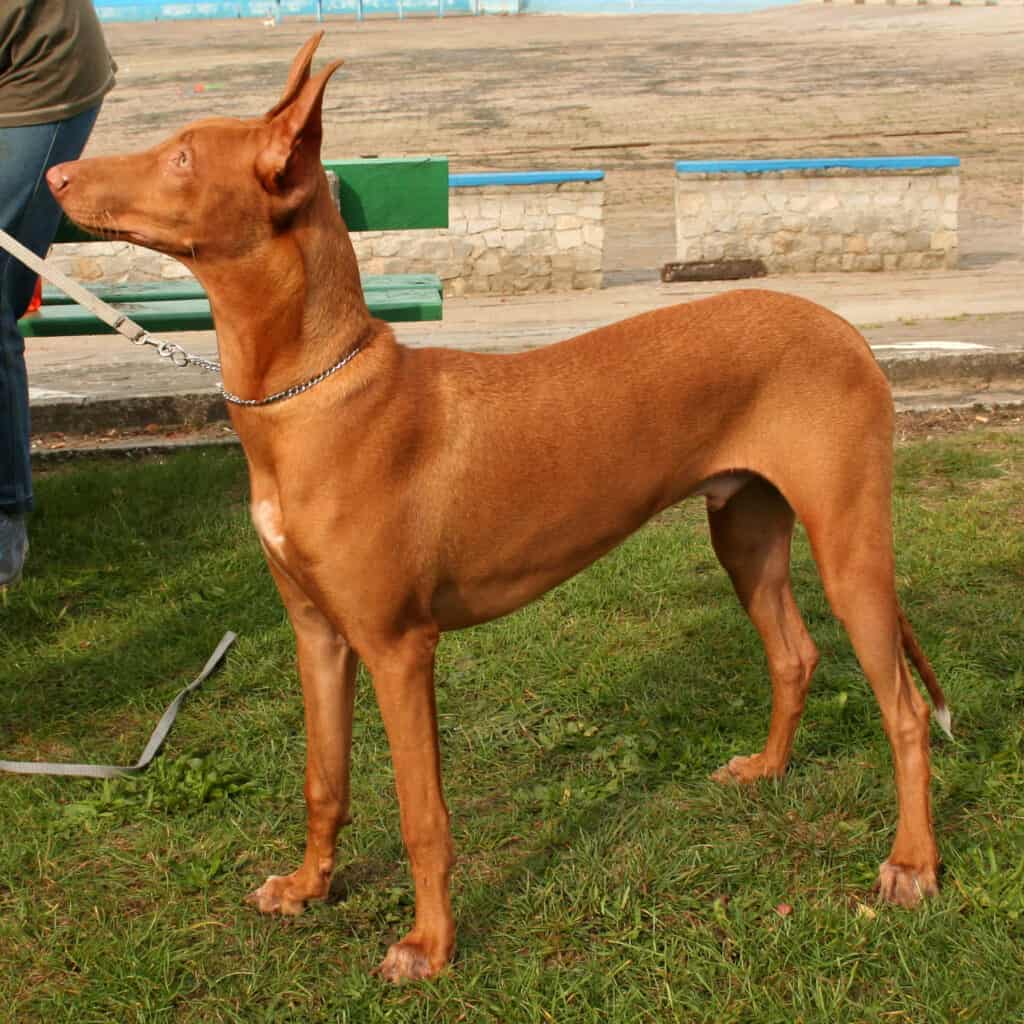
Pharoah Hound

The Pharaoh Hound is the national animal of Malta.

The national animal of Malta is the Pharoah Hound, also called the Kelb tal-Fenek. This breed was once used to hunt rabbits, so it’s an active dog that can make a fair bit of noise. Malta also has a national bird, the blue rock thrush.

Where to Find Wild Animals in This Country

Some of the best places to find wild animals in this country are in the wild. That means going to places such as Għadira Nature Reserve for birdwatching, taking sea excursions to see some of the marine life, and going to Majjistral Nature and History Park to look at the country’s vast assortment of plants. Visitors should be aware of any dangerous animals that occupy the wild areas of Malta.

What Zoos Are in Malta?
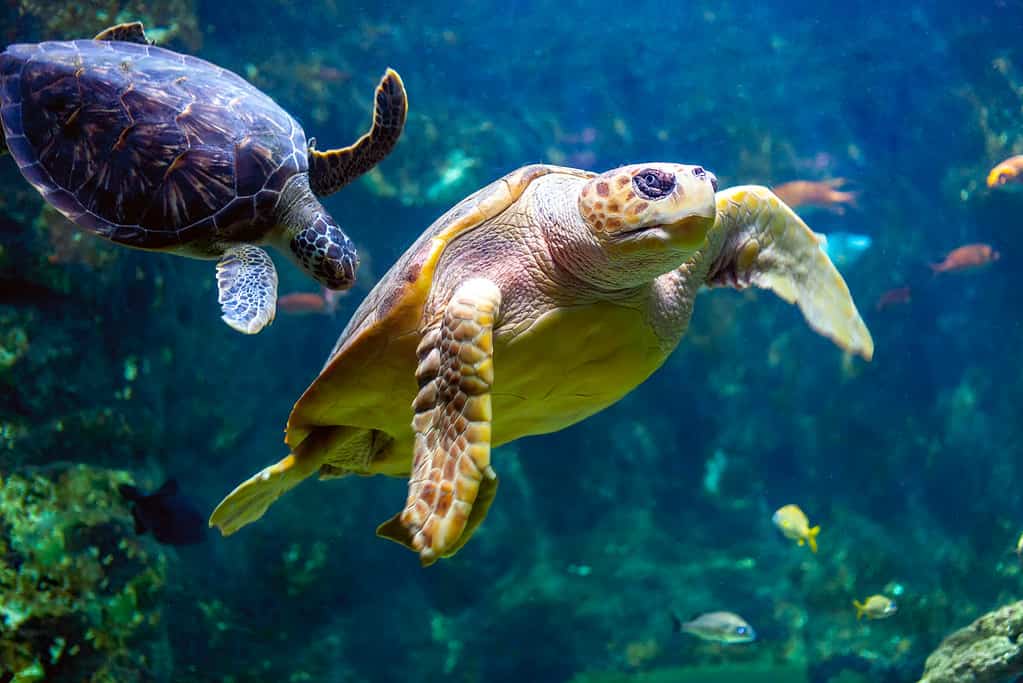
Sea turtle seen at the Aquarium de la Guadeloupe - Le Gosier

Malta has a national aquarium and a marine park to help people learn about various animals.

Malta has two places to see and learn about animals near the country, but they focus on marine life. The Malta National Aquarium helps people discover various fish, reptiles, insects, amphibians, and more. Also, the Medtirraneo Marine Park lets people see and learn about dolphins, parrots, sea lions, and more!

The Most Dangerous Animals in Malta
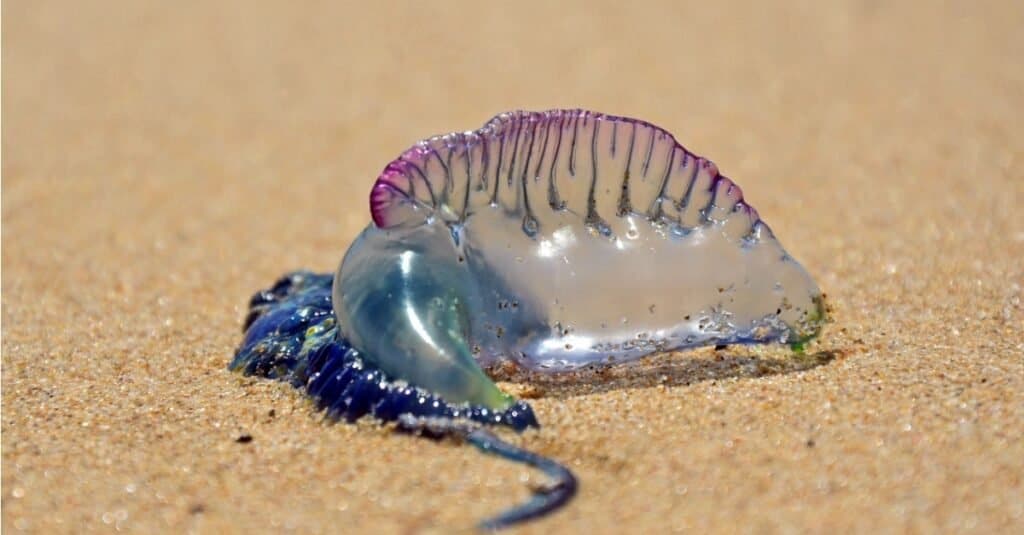
Portuguese Man of War (Bluebottle) washed up on the beach.

Portuguese Man of War (Bluebottle) washed up on the beach.

While Malta is a small island nation, many potentially harmful animals live in the area. Among the most dangerous animals in Malta are:

These are just a few of the most dangerous animals in Malta. Several other venomous arachnids and insects also live in this country, and the waters have large, potentially dangerous fish like great barracudas.

Endangered Animals in Malta
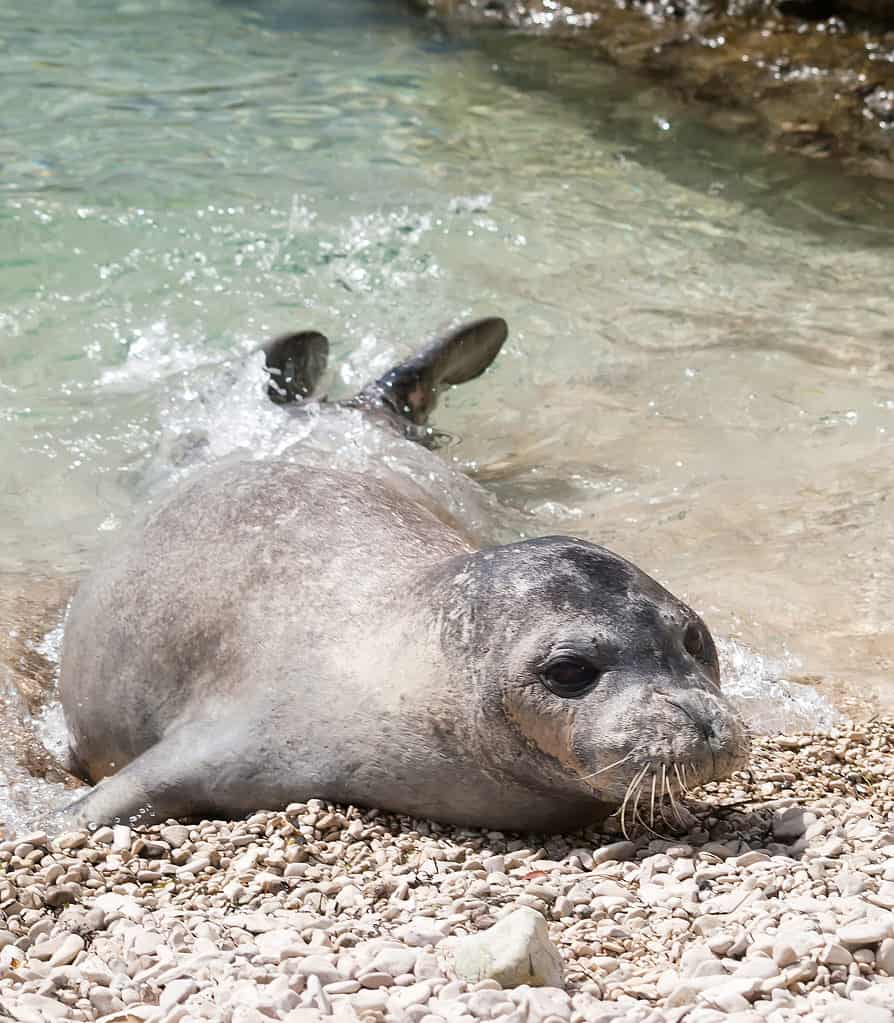
Mediterrainean monk seal

Mediterranean monk seals are endangered throughout their natural range.

Malta has several endangered species living in its borders and the waters nearby. Some examples of endangered animals are:

  1. Maltese freshwater crabs
  2. Maltese wall lizards
  3. Blue rock thrushes
  4. Maltese door snails
  5. Mediterranean Monk Seal

These endangered animals need support to continue living and growing their respective populations. Some of them are endemic to Malta and are endangered by that fact alone. Other animals have been extirpated in the area, like the Mediterranean monk seal.

Animals Found in Malta

35 species documented in our encyclopedia

Thank you for reading! Have some feedback for us?