P
Species Profile

Pharaoh Hound

Canis lupus familiaris

Malta's swift, sun-kissed sighthound
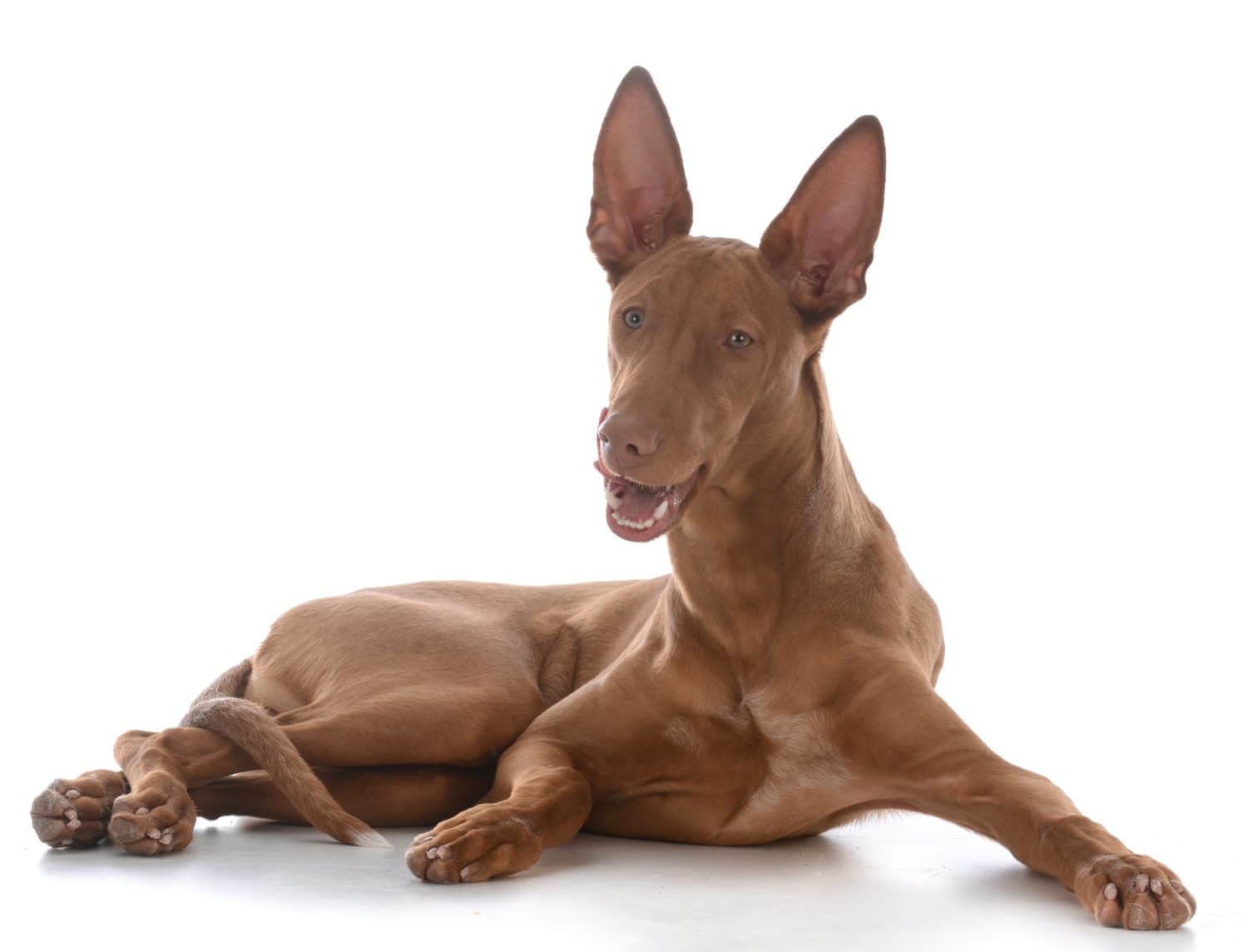
WilleeCole Photography/Shutterstock.com

Pharaoh Hound Distribution

Click a location to explore more animals from that region

Origin Location

This map shows the native origin of the Pharaoh Hound. As a domesticated species, they are now found worldwide.

Loading map...

Found in 1 country

Size Comparison

Human 5'8"
Pharaoh Hound 1 ft 11 in

Pharaoh Hound stands at 34% of average human height.

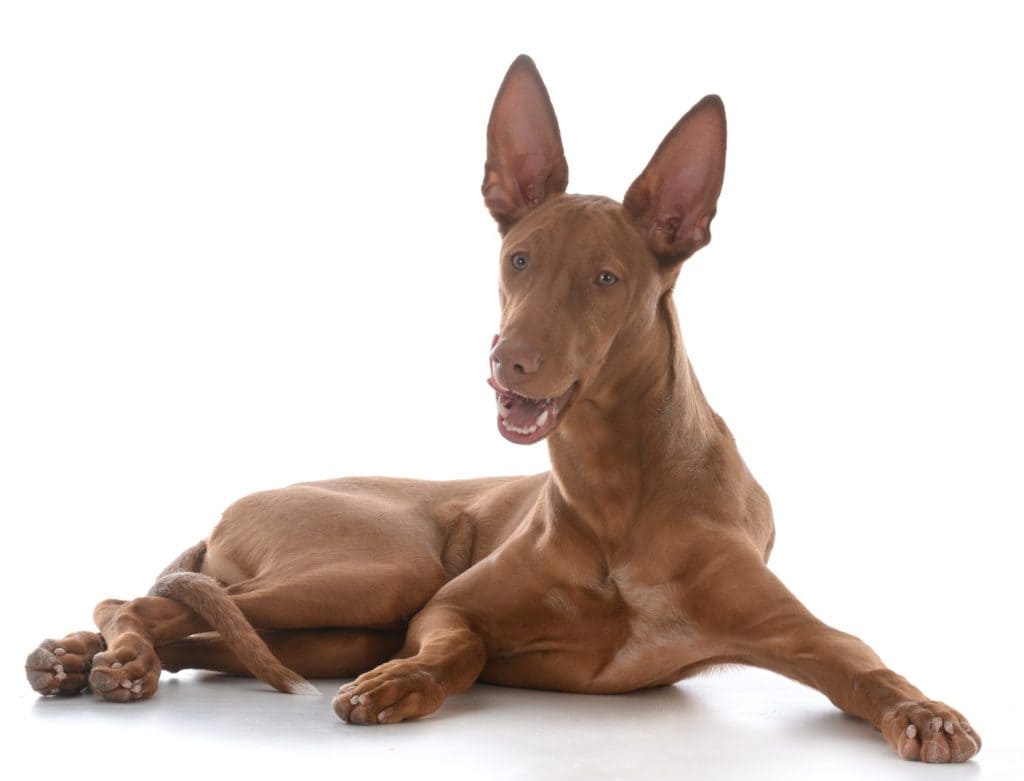
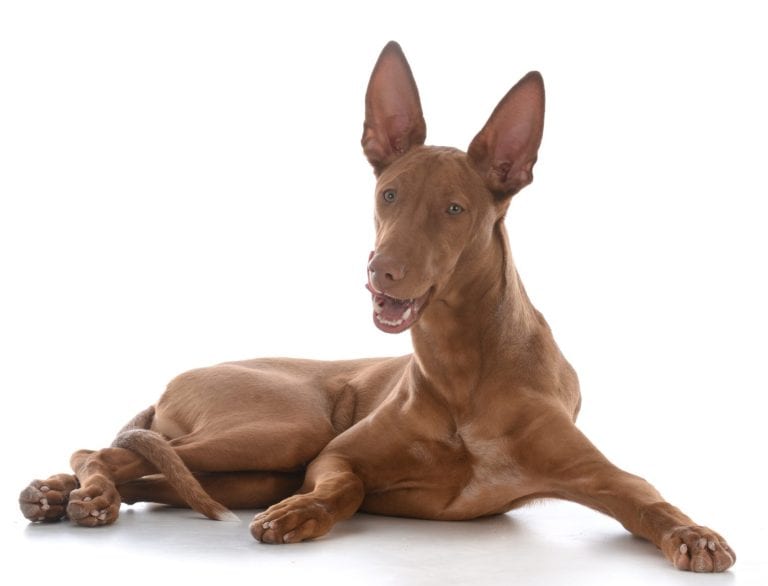
male pharoah hound licking lips on white background

At a Glance

Domesticated
Also Known As Kelb tal-Fenek, Rabbit Dog, Maltese Hound, Tesem
Diet Omnivore
Activity Crepuscular+
Lifespan 13 years
Weight 27 lbs
Status Not Evaluated
Did You Know?

Despite the name, the Pharaoh Hound is strongly associated with Malta, where it's traditionally called the "rabbit dog" for its rabbit-hunting role.

Scientific Classification

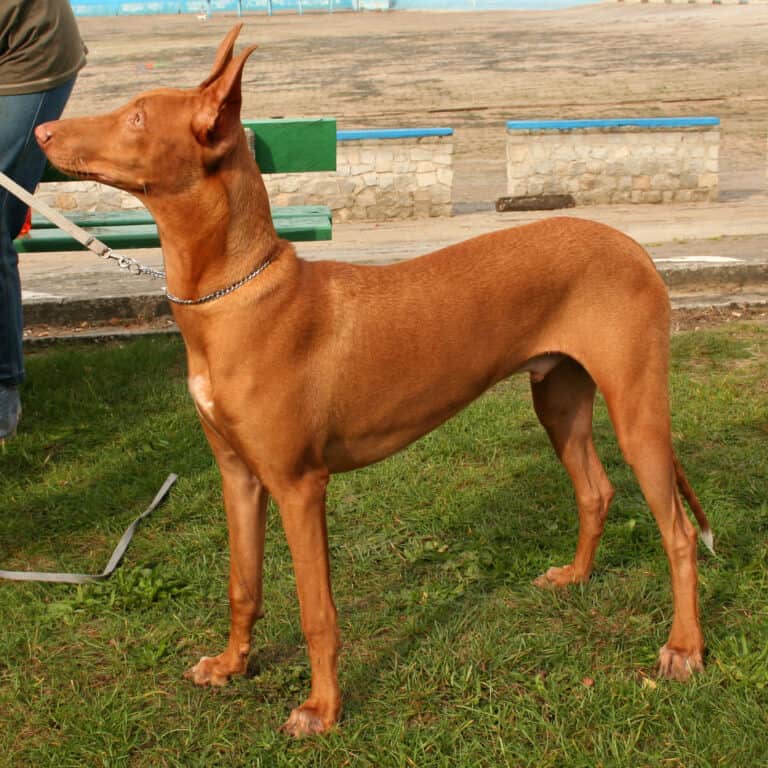
The Pharaoh Hound is a domestic dog breed traditionally associated with Malta and classified among sighthound-type dogs. It is known for a lean, athletic build, large erect ears, a short coat (often tan/chestnut with white markings), and strong visual hunting instincts.

Kingdom
Animalia
Phylum
Chordata
Class
Mammalia
Order
Carnivora
Family
Canidae
Genus
Canis
Species
Canis lupus

Distinguishing Features

  • Lean, sighthound-like body adapted for speed and endurance
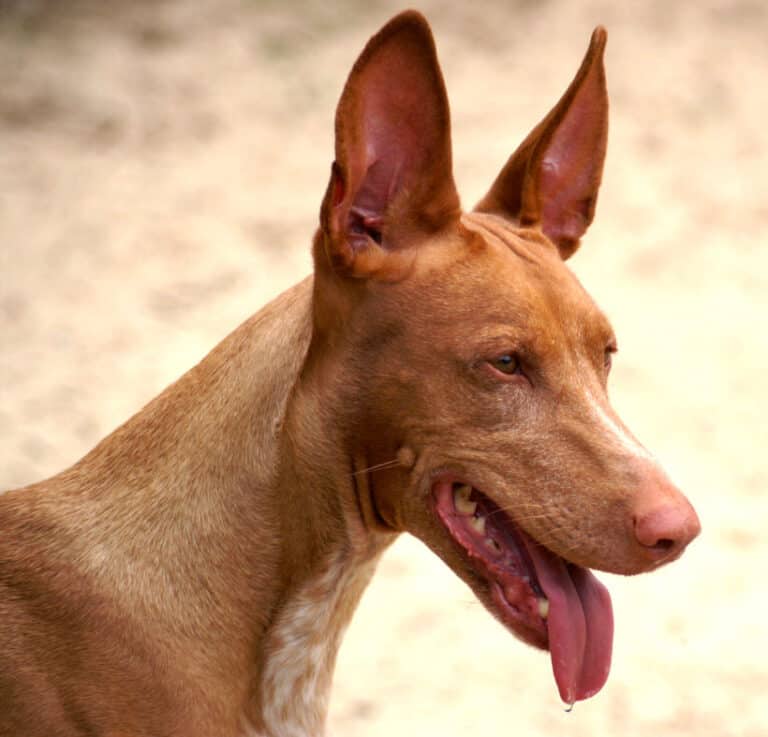
  • Large, upright ears and a long, narrow head
  • Short, glossy coat commonly in shades of tan/chestnut with possible white markings
  • Strong prey drive and visual hunting tendency typical of sighthounds

Physical Measurements

Males and females differ in size

Height
♂ 2 ft (1 ft 11 in – 2 ft 1 in)
♀ 1 ft 10 in (1 ft 9 in – 2 ft)
Length
♂ 3 ft 5 in (3 ft 2 in – 3 ft 8 in)
Weight
♂ 52 lbs (44 lbs – 60 lbs)
♀ 46 lbs (40 lbs – 55 lbs)
Tail Length
♂ 1 ft 3 in (1 ft 1 in – 1 ft 4 in)
Top Speed
35 mph
running

Appearance

Primary Colors
Secondary Colors
Skin Type Thin, tight, lightly pigmented skin under a short, fine, glossy coat; minimal undercoat.
Distinctive Features
  • Domestic dog breed (Canis lupus familiaris) distinguished by classic sighthound build: lean, deep-chested, tucked-up abdomen.
  • Mediterranean/Maltese association; traditionally used to hunt rabbits using a combination of sight, scent, speed, and agility.
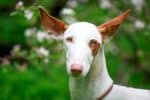
  • Large, erect, triangular ears set high; highly expressive and mobile while alert.
  • Long, narrow, wedge-shaped head with a clean stop; amber eyes and a flesh-to-tan nose common.
  • Short, close-lying coat with little feathering; low grooming needs but cold-sensitive in cool weather.
  • Notable "blushing" response: nose/ears may flush pink when excited or warm.
  • Long, whiplike tail carried low with a slight curve; often white tail tip ("tail lamp").
  • Breed-typical behavior: strong prey drive and chase instinct; requires secure fencing and leash control.
  • Health considerations (breed/sighthound-leaning): potential sensitivity to some anesthetics, skin/environmental allergies, and occasional orthopedic issues (e.g., hip dysplasia/patellar luxation).
  • Care requirements: daily vigorous exercise (running/structured play), mental enrichment, gentle training, regular dental care, and protective coat in cold weather.

Sexual Dimorphism

Males are typically taller, heavier-boned, and more muscular through the neck and shoulders, while females tend to be finer-boned and slightly shorter with a more refined outline. Both retain the breed's lean, athletic sighthound silhouette.

♂
  • Slightly larger overall frame and chest depth
  • More pronounced musculature over shoulders and thighs
  • Broader head and thicker neck in some individuals
♀
  • Slightly smaller, finer-boned build
  • More refined head and neck
  • Often a lighter, more delicate overall outline

Did You Know?

Despite the name, the Pharaoh Hound is strongly associated with Malta, where it's traditionally called the "rabbit dog" for its rabbit-hunting role.

It's a sighthound: it hunts primarily by vision, using speed and agility rather than scent-trailing like many scenthounds.

Many owners report a visible pink "blush" on the ears/nose when the dog is excited or warm-caused by increased blood flow in thin skin.

The breed's large, upright ears are highly expressive and help with pinpointing faint sounds during a chase.

Pharaoh Hounds are typically tan/chestnut with white markings (often a white tail tip), and have a sleek, low-odor coat.

They're strong jumpers and climbers for their size; secure fencing is a common recommendation for safety.

In modern dog sport, they often excel in lure coursing, a safe way to channel their chase instincts.

Unique Adaptations

  • Sighthound build: deep chest, tucked-up waist, long limbs, and flexible spine support efficient sprinting-an athletic specialization beyond the average domestic dog.
  • Short, fine coat and low body fat: suited to warm Mediterranean climates, but can increase sensitivity to cold and rough terrain.
  • Large erect ears with thin skin: enhance heat dissipation and communication; the visible flushing ("blushing") is more noticeable than in many breeds.
  • Visual hunting specialization: strong motion detection and pursuit behavior-more pronounced than in many domestic dog lineages bred for scent work or guarding.
  • Efficient gait and endurance for repeated chases: optimized for open-country coursing rather than close-quarters grappling.

Interesting Behaviors

  • High prey drive and "lock-on" focus: they may fixate on small, fast animals and launch into a sprint with little warning.
  • Fast acceleration and tight turns: classic coursing behavior-bursts of speed, then agile pivots to follow erratic prey.
  • Sensitive, social temperament: many bond closely to family and can be reserved with strangers without early, gentle socialization.
  • Quiet at home but alert outdoors: often calm indoors after exercise, yet highly responsive to movement in the environment.
  • Expressive ears and face: frequent ear swivels and head tilts while scanning; they visually "read" the landscape more than they sniff.
  • Play style often includes chase games and rapid, springy "bounce" movements typical of athletic sighthounds.

Cultural Significance

The Pharaoh Hound (Canis lupus familiaris) is part of Maltese heritage. Used to hunt rabbits and called the 'rabbit dog', it is a symbol of Malta tied to island hunting traditions and an ancient look.

Myths & Legends

Maltese tradition preserves the nickname "rabbit dog," reflecting long-standing stories of nimble island hounds coursing rabbits across rocky terrain and bringing prestige to skilled hunters and their dogs.

A persistent popular origin tale links the breed's 'pharaonic' appearance to images of ancient Egyptian hounds, inspiring the modern name "Pharaoh Hound" and a romantic association with Egypt in dog lore.

Breed lore among enthusiasts often highlights the 'blushing dog'-the idea that the hound visibly reddens with excitement or affection-retold as a charming hallmark unique enough to sound like a legend to newcomers.

Historic anecdotes from Mediterranean coursing culture describe these hounds working in coordinated chases, a style of hunting celebrated in local storytelling as a blend of speed, cunning, and partnership between dog and hunter.

Conservation Status

NE Not Evaluated

Has not yet been evaluated against the criteria.

Population Stable

Life Cycle

Birth 7 pups
Lifespan 13 years

Lifespan

In the Wild
12–14 years
In Captivity
10–16 years

Reproduction

Mating System Polygyny
Social Structure Managed Domestic
Breeding Pattern Transient
Fertilization Managed Selective
Birth Type Internal_fertilization

As a domestic dog breed, Pharaoh Hounds typically reproduce via human-managed selective pairings; a male may sire litters with multiple females across seasons. Copulation uses internal fertilization with a brief copulatory tie; no lasting pair bond is typical.

Behavior & Ecology

Social Pack Group: 3
Activity Crepuscular, Diurnal, Cathemeral, Vespertine
Diet Omnivore Rabbit (lean, highly palatable prey item historically associated with the breed's hunting use)

Temperament

Breed distinction vs base domestic dog: pronounced sighthound prey drive; more visually triggered chasing.
Independent problem-solver; less biddable than many breeds, responds best to reward-based training.
Affectionate and gentle with family; can be reserved with strangers without early socialization.
Sensitive temperament: harsh corrections can increase avoidance, shutdown, or skittishness.
HUBS: typically sociable and playful; variation from clownish outgoing to cautious, observer-type individuals.
Dog-dog interactions: often friendly; may be selective with same-sex peers if poorly socialized.
Small-animal interactions: higher likelihood of chasing cats/rabbits; management and training strongly advised.
Care requirement: daily sprint/play opportunities plus long walks; secure fencing essential (jumpers/chasers).
Care requirement: mental enrichment (scent games, lure coursing, training puzzles) reduces restlessness.
Off-leash reliability is often limited in open areas due to chase instinct; use long line or fenced fields.
Health context (breed-leaning): generally robust, but watch for luxating patella and occasional hip dysplasia.
Health concern common to sighthounds: potential sensitivity to some anesthetics due to low body fat-vet awareness needed.
Health concern: bloat/GDV risk exists in deep-chested dogs; avoid heavy exercise right after meals.
Coat care: short coat sheds lightly; needs warmth in cold weather and sun protection in extreme heat.
Communication quirk: may visibly 'blush' (ears/nose pink) when excited or happy; individual variation.

Communication

bark Often alert-based, generally not constant
whine/whimper Attention, anticipation, or stress
howl Occasional; can appear with sirens or excitement
growl Play or boundary-setting
sighs/grumbles Contentment or mild frustration
sighthound-style staring/pointing and sudden burst-chase to communicate interest in prey/motion
ear and tail carriage changes Large erect ears make signals highly readable
play bows, pawing, and 'bounce' invitations to initiate play
nose-to-nose greetings and scent investigation; urine marking in novel areas
leaning, nuzzling, and soft mouth 'mouthing' as affiliative contact with trusted humans
visible flushing/blushing of ears/nose during excitement as an arousal signal
freezing/locking on followed by rapid sprinting-common arousal sequence in the breed

Habitat

Biomes:
Mediterranean Temperate Grassland Temperate Forest Desert Hot Desert Cold Savanna Tropical Dry Forest Tropical Rainforest Boreal Forest (Taiga) Tundra Alpine Freshwater Wetland Marine +8
Terrain:
Coastal Island Rocky Sandy
Elevation: Up to 16404 ft 3 in

Ecological Role

Human-associated mesopredator/commensal omnivore; historically a selective small-game hunter (rabbiting) rather than a generalist scavenger.

Local small-mammal (especially rabbit/rodent) population control when managed for hunting Deterrence of some pest wildlife around homesteads via presence and patrol behavior Cultural/working role as a traditional Maltese sighthound contributing to heritage breeds Companion animal role that can support human activity (training, sport, welfare) when responsibly fed and managed

Diet Details

Main Prey:
Rabbit Hare Small rodents Ground-nesting birds Small reptiles
Other Foods:
Berries and soft fruits Grasses Vegetables Starchy plant foods

Human Interaction

Domestication Status

Domesticated

Domestic dog (Canis lupus familiaris) came from gray wolf ancestors through long human breeding for tameness, cooperation, and special jobs. The Pharaoh Hound, a modern breed linked to Malta and old Mediterranean hunting dogs, was kept as a sighthound hunter and companion. It shows breeding for lean speed, sharp vision, heat tolerance, and a short, low-care coat.

Danger Level

Low
  • low but present bite risk if frightened, cornered, or mishandled (as with any dog)
  • high chase/prey-drive can cause leash-pulling incidents or collisions if not securely contained
  • can be aloof with strangers; poor socialization may increase fear-based reactivity

As a Pet

Suitable as Pet

Legality: Generally legal to own as a pet where domestic dogs are permitted; typical local rules may include licensing, leash laws, vaccination, and breed-neutral dangerous-dog ordinances. Rarely subject to breed-specific bans compared with some guarding/fighting breeds.

Care Level: Moderate

Purchase Cost: $1,500 - $3,500
Lifetime Cost: $16,000 - $45,000

Economic Value

Uses:
Companion animal Breeding and showing (conformation) Sport and performance (lure coursing, agility, obedience/rally) Specialized hunting (where permitted)
Products:
  • sale of puppies from reputable breeders
  • veterinary services (preventive care, dental, injury care)
  • training services (recall, impulse control, prey-drive management)
  • pet supplies (food, crates, harnesses, secure fencing, coats for cold weather)
  • competitive event entry, travel, and handling

Relationships

The Pharaoh Hound, considered a “primitive” type, is a dog from the hound group. Originally from Egypt, it was brought by the Phoenicians to the island of Malta 2,500 to 3,000 years ago. Although the Pharaoh Hound traces its lineage back to Egypt, according to DNA evidence, the dog as we know it right now has only been around for a couple of hundred years.

A sighthound bred to hunt rabbits; it will use its vision and speed to aid in hunting. It might hunt smaller pets because of its predatory nature.

It’s a very affectionate and playful dog. It really loves its family and enjoys playing with children. It can get along well with other dogs as long as they’ve been socialized together early on.

3 Pros and Cons of Owning a Pharaoh Hound 

ProsCons
The Pharaoh Hound is playful and affectionate and loves to be part of the family. It’s great with children (that aren’t small enough to knock over).Its hunting instincts lead it to hunt birds and rodents. So it doesn’t work well in a household with small pets.
As a pack hunter, the Pharaoh Hound will bark at just about anything it finds unusual, making it an excellent watchdog.The dog needs constant exercise to stay healthy.
Its coat is easy to take care of. It requires very little bathing and should just be brushed weekly. Its coat can just be wiped down with a damp cloth.In addition to hunting small animals, its hunting instinct makes the dog prone to running off, so it needs a lot of enclosed space or to always be on a lead.

The Best Dog Food For Pharaoh Hound

The Pharaoh Hound uses a lot of energy. An active dog needs high protein, carbohydrates, and fats. Dry kibble should have meat as the first ingredient.

Pharaoh Hound Size and Weight

The Pharaoh Hound is a medium-sized dog. The male stands 23 to 25 inches at the shoulder. The female stands 21 to 24 inches. Though they are tall, they are narrow and wiry. Both males and females tend to weigh between 45 and 55 pounds.

Pharaoh Hound Common Health Issues

Pharaoh Hounds are generally healthy, but they can be prone to hip and elbow dysplasia, patellar luxation, eye disorders, certain cancers, and hypothyroidism. Obesity can also be a concern, and regular veterinary checkups are recommended to monitor for these conditions.

Pharaoh Hound Temperament

Pharaoh Hounds have playful personalities. They have affectionate behavior with their families and are good with children. They can be good with other dogs as long as they’re socialized with them from an early age. The Pharaoh Hound’s hunting traits make them take off after birds and rodents, which means it’s not good around smaller pets. Also, they can be reserved around strangers but are typically not aggressive.

How To Take Care of a Pharaoh Hound  
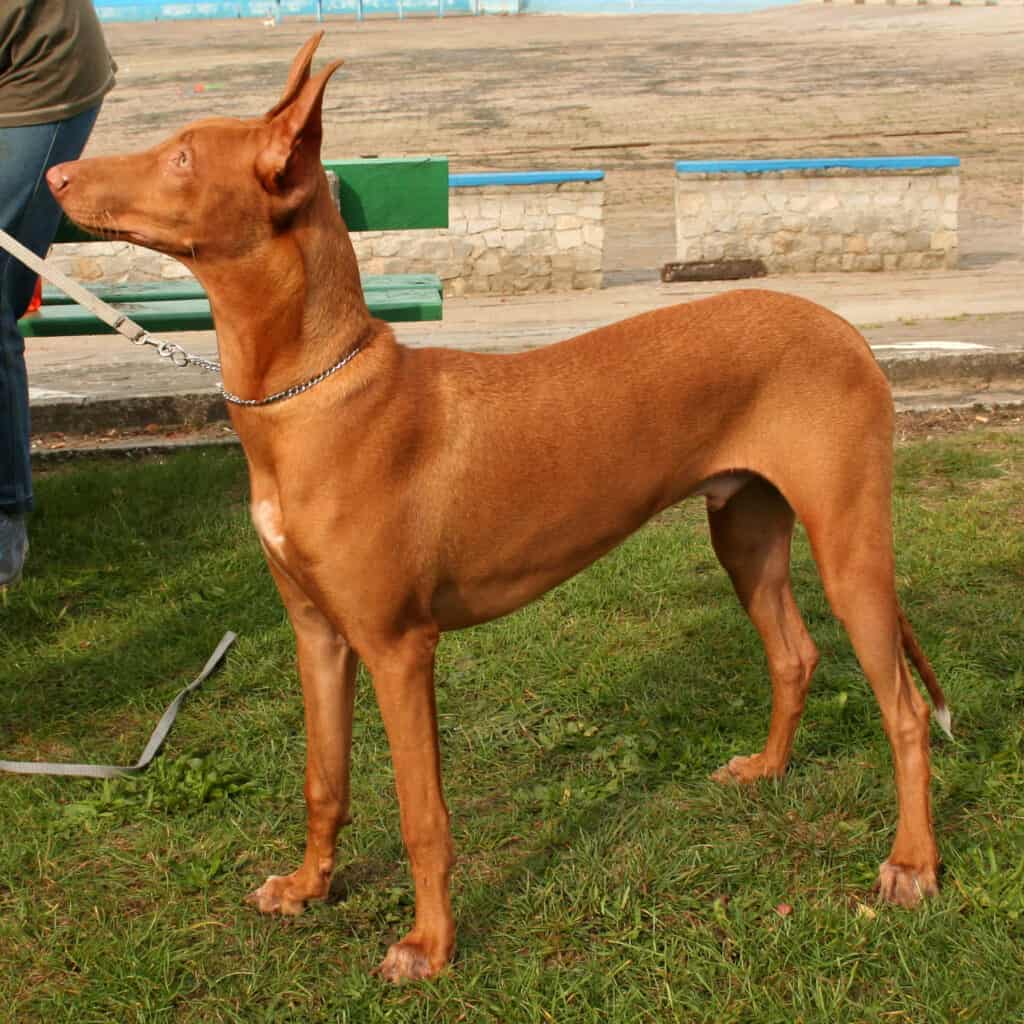
Pharoah Hound

A Pharaoh Hound’s coat is easy to take care of. It requires very little bathing and should just be brushed weekly. Its coat can just be wiped down with a damp cloth.

Pharaoh Hound Maintenance And Grooming 

The Pharaoh Hound has a short coat that really doesn’t require much brushing or washing: it can just be wiped down occasionally with a damp cloth. The dog doesn’t typically have a doggy odor, so it should only be bathed when necessary. A light weekly brushing with a rubber brush should reduce dead hair collecting in the coat and handle most shedding. Please note that the coat is not hypoallergenic.

Their thin coat also means they shouldn’t be in cold weather for too long, as these warm-weather dogs are susceptible to the cold. Dog owners should cover them in colder weather with coats, blankets, etc. They may even need some protection from a cold house, where pajamas are not unheard of. This dog really loves to curl up with its owner under a nice, warm blanket.

The teeth should be brushed regularly, and the nails should be trimmed with either a clipper or a nail grinder. Ensure they’re short enough so that they don’t tap on the floors when walking.

Pharaoh Hound Training 

They are extremely intelligent and trainable dogs. But if they are let off lead, their hunting instincts will take over, and they will run. Ensure that you train with them in a lead or in an enclosed area with a fence at least six feet tall.

They really love to play and goof off, so training should be positive and done in short sessions. Positive reinforcement is required, so rewards, treats, toys, and play should be doled out liberally. Pharaoh Hounds can be independent and stubborn, so when they get an idea or are distracted, they are difficult to get back on task. They should be socialized with the family and with kids, but be mindful of the dog’s playful nature around small children, as they will knock them down.

Pharaoh Hound Exercise 

This is a high-energy dog. It likes to run, and it likes to hunt. Make sure the dog stays on a lead or is playing in an enclosed space with a tall fence (at least 6 feet tall). They need at least 20 to 30 minutes a day of high-energy exercise. They like to play, and they can perform many different activities like agility drills, coursing, scent work, etc.

Pharaoh Hound Puppies 

Obedience training should begin when puppies are eight weeks old. Apart from this, make sure to socialize them with family, friends, other dogs, and other family pets early on.
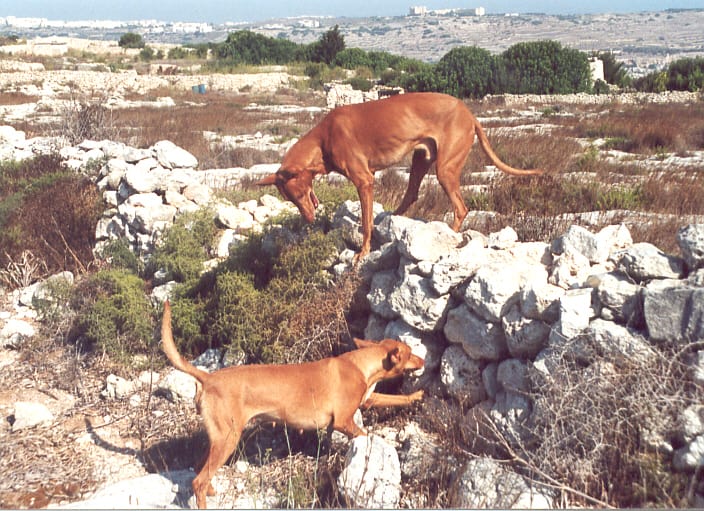
Pharoah Hound

As a pack hunter, the Pharaoh Hound will bark at just about anything it finds unusual, making it an excellent watchdog.

Pharaoh Hound And Children

Since they are affectionate dogs and they really love their families, they can be very good with children. However, young or small children could get knocked over because the Pharaoh Hound is a rambunctious, playful dog. It’s also tall and fast. So while excellent with older children, they should be supervised when around young children. It should be said that adult supervision is necessary when children are around an untrained dog.

Dogs Similar to Pharaoh Hound

  • Ibizan Hound: Ibizan Hounds are similar in energy level and purpose to the Pharaoh Hound. The Phoenicians brought them to the Iberian Peninsula (Spain) to hunt rabbits.
  • Italian Greyhound: The Italian Greyhound has many of the physical characteristics of a sighthound. Classified as part of the “toy” group, it is a solitary, motion-oriented hunter that will chase smaller animals. It also has trouble with colder weather and may need some help regulating its body temperature.

Famous Pharaoh Hounds

  • The Pharaoh Hound Bahri of Twinley, owned by Pauline Brock, was the first to be shown in England.
View all 246 animals that start with P

Sources

  1. Aubrey Animal Medical Center / Accessed October 18, 2022
  2. American Kennel Club / Accessed October 18, 2022
  3. Wikipedia / Accessed October 18, 2022
  4. Pharoah Hound Club of America / Accessed October 18, 2022
  5. Wag! / Accessed October 18, 2022
  6. Wag! / Accessed October 18, 2022
  7. Dog Breed Info / Accessed October 18, 2022
  8. Pet Finder / Accessed October 18, 2022
Rob Amend

About the Author

Rob Amend

Rob Amend is a writer at A-Z Animals, primarily covering meteorology, geology, geography, and animal oddities. He attained a Master's Degree in Library Science in 2000 and served as reference librarian in an urban public library for 22 years. Rob lives in Cincinnati, Ohio, and enjoys spending time with his family, hiking, photography, woodworking, listening to classic rock, and watching classic films—his favorite animal is a six-foot-tall rabbit named Harvey.

Thank you for reading! Have some feedback for us?


Pharaoh Hound FAQs (Frequently Asked Questions)

The Pharaoh Hound has high exercise needs and can be a stubborn dog, prone to run off after whatever catches its fancy. However, it is an affectionate, playful dog, and can be extremely loving with its family. On a cold day, it likes nothing more than to curl up with its favorite person under a blanket.