

N S W E
Wildlife Expeditions

Wildlife of
San Marino

San Marino's wildlife appeal lies in its dramatic Monte Titano cliffs and compact mosaic of Apennine woodlands and meadows where raptors soar above medieval towers and surprisingly rich birdlife and small mammals thrive within minutes of the historic center.
15 Species
61 km² Land Area
Overview

About San Marino

Though tiny, San Marino sits on the Apennine backbone and retains a distinctly upland, Mediterranean-meets-montane character: limestone crags, wooded slopes, hedgerows, and traditional rural patches that still support many "classic" central Italian species. Visitors don't come for megafauna here-they come for close-up, accessible nature: cliffside views with birds of prey overhead, quiet woodland walks that reveal tracks and calls, and springtime slopes alive with wildflowers and insects.

Key ecosystems cluster around Monte Titano and the surrounding hills: rocky escarpments and ledges used by nesting and hunting raptors; mixed broadleaf woods (often with oaks and other deciduous trees) that shelter foxes, badgers, hedgehogs and other small-to-medium mammals; and open grasslands, orchards, and field margins that are important for butterflies, pollinators, and farmland birds. Because the country is so compact, these habitats sit cheek-by-jowl, creating strong "edge effects" and a high chance of seeing multiple habitat specialists in a single half-day outing.

In global conservation terms San Marino's influence is necessarily small, but its role is meaningful as part of the wider Apennine ecological network: maintaining green corridors and traditional landscapes helps keep local biodiversity connected across the Italian peninsula. The wildlife experience is unique precisely because it's intimate and human-scaled-birdwatching and wildflowering trails can be paired with cultural exploration, and the best viewpoints are often reached from the medieval streets, making nature watching unusually easy for such rugged terrain.

Physical Features

Geography

San Marino's wildlife is shaped mainly by steep relief around Monte Titano and a mosaic of small woodland patches, scrub, rocky slopes, and agricultural/rural edges. With no coastline and a very small land area, habitat diversity and species richness are limited, and many animals are those typical of the surrounding northern Apennine foothills-especially adaptable forest and edge species. Elevation changes over short distances create local microclimates and varied vegetation structure (rocky outcrops, mixed broadleaf woods, hedgerows, and fields), influencing where birds, small mammals, and reptiles concentrate; riparian corridors along small streams provide some of the most continuous habitat connectivity.

61 km² Land Area
One of the world's smallest countries (microstate); roughly comparable to a medium-sized city or a small island (~0.34× Washington, DC) Size Rank

Key Landscapes

  • Monte Titano and surrounding ridgelines (steep slopes, rocky outcrops, cliff faces)
  • Low mountain/Apennine foothill terrain with short elevational gradients and varied aspects
  • Patches of mixed deciduous woodland and secondary growth (oak-dominated where present)
  • Rural mosaic of small fields, orchards, vineyards, and hedgerows that create edge habitat
  • Small valleys and stream corridors (riparian strips and wetter microhabitats), draining toward the Marecchia/Aus a basins outside the country
  • Urban/settlement areas interspersed with green spaces, influencing fragmentation and synanthropic species

Ecoregions

  • Italian sclerophyllous and semi-deciduous forests (WWF; Mediterranean broadleaf/mixed forests)
Parks & Reserves

Protected Areas

San Marino's very small size and long-settled landscape mean it does not have a large, stand-alone system of national parks like many countries. Instead, nature protection is typically delivered through (1) landscape/heritage protection and land-use planning around Mount Titano and surrounding ridgelines/valleys, and (2) a handful of managed public green spaces (nature parks, wooded recreation areas, river corridors, and small wetlands) used for habitat retention, environmental education, and local biodiversity conservation. Wildlife is characteristic of the northern Apennines: woodland and edge species, small wetlands/streams, and farmland birds.

Protected Coverage

Approx. ~5% of land is under dedicated, site-based public green space/nature-park style protection (small parks, wooded reserves, and waterbody buffers). A larger share of the country is subject to landscape/heritage planning constraints that incidentally conserve habitats, but these are not always equivalent to formal protected-area categories used internationally.

Notable Parks & Reserves

Mount Titano (woodlands and cliff habitats around the historic center)

Protected landscape / heritage landscape (UNESCO property is cultural; nature values retained via landscape planning)

The country's most important natural stronghold: steep rocky slopes, mixed woodland patches, and cliff faces provide nesting and hunting habitat for raptors and a refuge for typical Apennine woodland fauna despite heavy cultural-landscape use.

Montecerreto Nature Park

Municipal/State nature park (managed public protected green space)

A key wooded green core used for environmental education, retaining native trees and understorey that support woodland birds, small mammals, and amphibians.

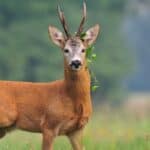
Roe deer
Roe deer
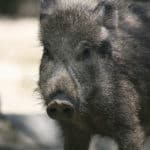
Wild boar
Wild boar
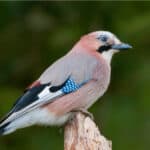
Eurasian jay
Eurasian jay
Great spotted woodpecker
European hedgehog
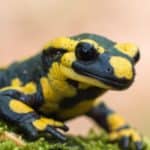
Fire salamander
Fire salamander

Faetano Lake and surrounding riparian belt

Local protected wetland/green space (no Ramsar designation)

One of the best local sites for viewing waterbirds and amphibians; the lake edge and nearby vegetation provide feeding and resting habitat during migration and through the breeding season.

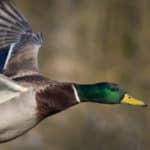
Mallard
Mallard
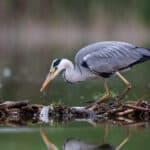
Grey heron
Grey heron
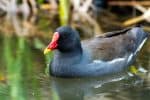
Common moorhen
Common moorhen
Common kingfisher
European green toad
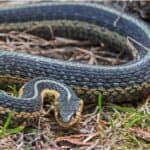
Grass snake
Grass snake

Ausa Stream green corridor (Serravalle/Dogana area)

Urban river park / ecological corridor (local protection and management)

A small but valuable streamside corridor that links fragmented habitats, supporting common riparian birds and acting as a movement route for adaptable mammals in a built-up part of the country.

Common kingfisher
White wagtail
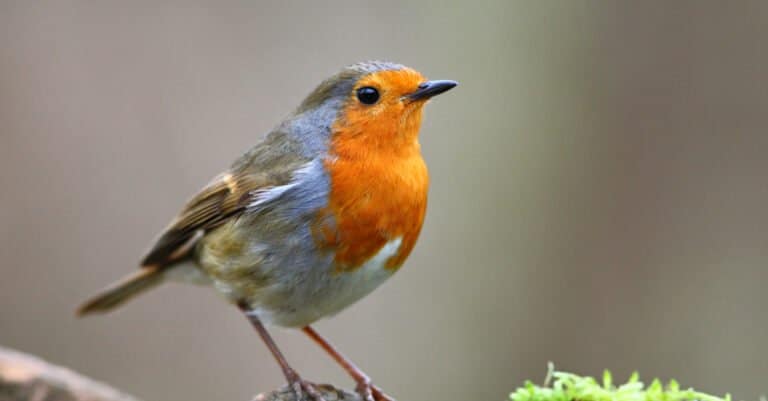
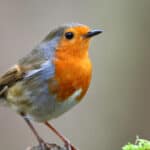
European robin
European robin
Great tit
Red fox
Red fox
European hare

Montegiardino-Fiorentino rural mosaic (hedgerows, small woods, fields)

Protected rural landscape / landscape conservation zoning (site network of small habitat patches)

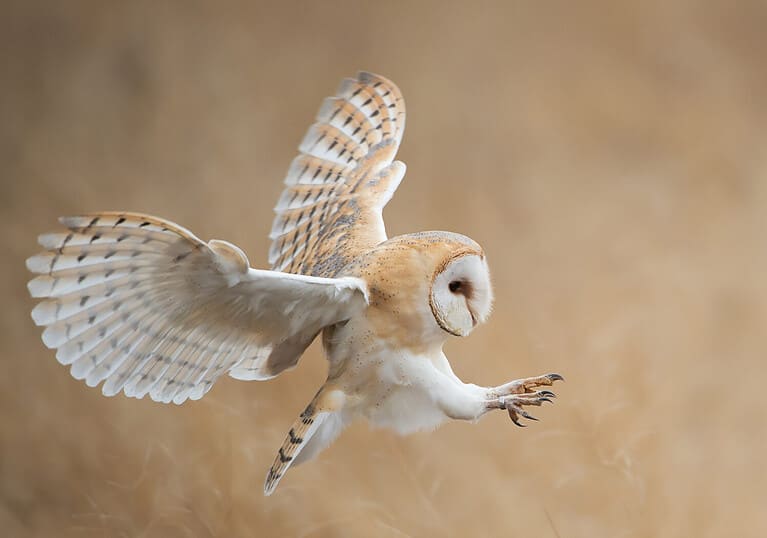
Traditional farmland with hedgerows and woodlots supports declining farmland birds and nocturnal raptors; it is important locally because semi-natural patches persist within an intensively used landscape.

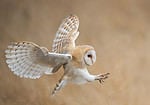
Barn owl
Barn owl
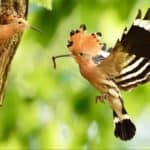
Eurasian hoopoe
Eurasian hoopoe
Red-backed shrike
European hare
Red fox
Red fox
European badger

UNESCO World Heritage Sites

  • San Marino Historic Centre and Mount Titano
Animals

Wildlife

San Marino's wildlife is characteristic of the northern-central Apennine foothills: a compact mix of wooded slopes (notably around Monte Titano), hedgerows, small fields, rocky outcrops, and streams. Because the country is very small and fully surrounded by Italy, its fauna is not unique in a global sense, but it offers a concentrated "Apennine countryside" experience-good for woodland mammals, songbirds, and raptors using cliffs and ridgelines. Seasonal bird diversity can be surprisingly high due to migration across the peninsula.

~35-45 species (mostly small mammals and bats; a handful of medium-sized carnivores and ungulates) Mammals
~140-180 species recorded annually/seasonally (breeding plus migrants; diversity highest during spring/autumn passage) Birds
~10-15 species (typical Italian peninsula lizards/snakes in sunny edges and stone walls) Reptiles
~6-9 species (stream/pond breeders; most detectable in wet seasons) Amphibians

Iconic Species

Roe Deer
Roe Deer The most conspicuous large wild mammal in and around San Marino's wooded patches and field margins. Best chances are at dawn/dusk along quiet rural roads and forest edges near Monte Titano.
Wild Boar
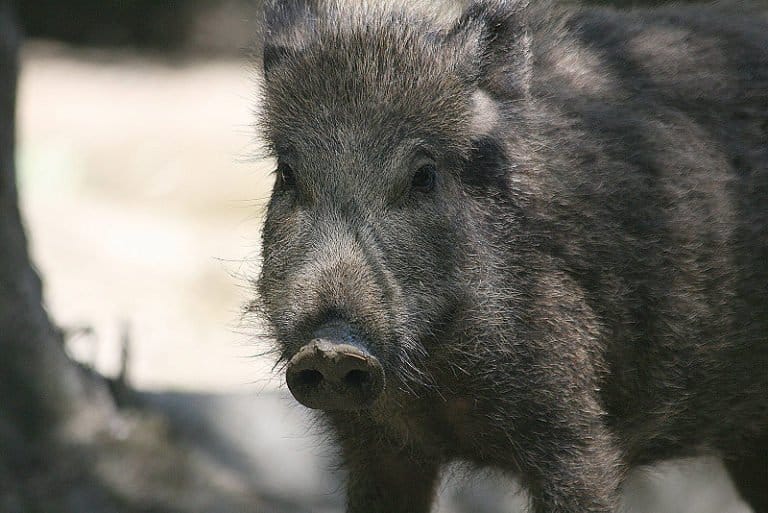
Wild Boar Common across the surrounding Apennine landscape and regularly present in San Marino's woodlands and scrub. Often detected by rooting signs; sightings are more likely in quieter, less urbanized areas.
Red Fox
Red Fox A highly adaptable carnivore found from woodland to the outskirts of settlements. In a microstate with tight habitat mosaics, foxes are among the mammals visitors most often glimpse, especially at twilight.
European Badger Widespread but mostly nocturnal; notable as a signature woodland-edge species in the Monte Titano area. Look for setts and foraging signs along paths and embankments.
Stone Marten Well-suited to rocky terrain, old buildings, and woodland edges-making it particularly fitting for San Marino's cliff-and-fortress landscape. Usually seen at night near quiet streets or rural buildings.
Peregrine Falcon
Peregrine Falcon San Marino's cliffs and steep rock faces provide classic hunting and potential nesting habitat. Visitors often scan ridgelines and cliff edges around Monte Titano for fast flybys and aerial hunting.
Common Buzzard
Common Buzzard One of the most frequently seen raptors soaring over ridges and open countryside. The patchwork of fields and woods around the microstate offers ideal foraging habitat.
Eurasian Kestrel Common over farmland and open slopes; often seen hovering ("kiting") above grassy areas. A very typical raptor sight around the country's rural margins.
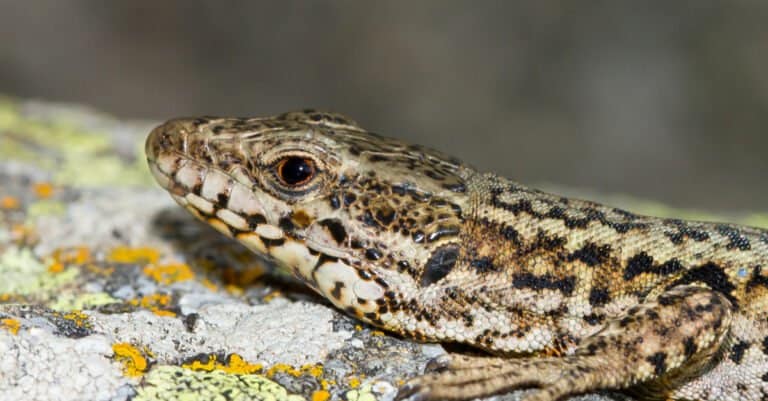
Western Green Lizard A standout reptile for visitors because of its size and vivid green coloration. Most often seen basking along sunny edges of woodland, hedgerows, and stone walls.
Fire Salamander
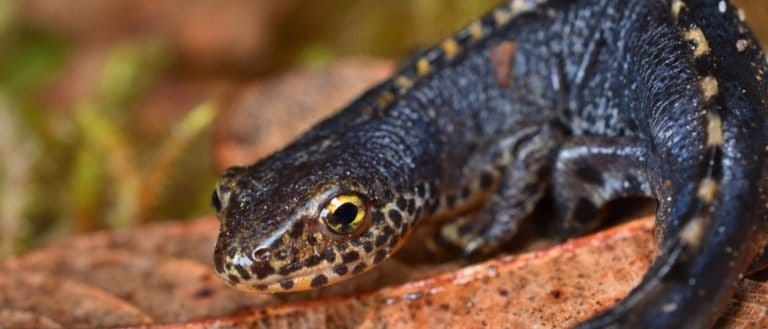
Fire Salamander A charismatic amphibian of damp woods and shaded streamlines. In wet conditions it can be encountered on forest paths, especially in the cooler months or after rain.

Endemic Species

No confirmed country-endemic terrestrial vertebrates Because San Marino is a very small microstate entirely within Italy, its vertebrate fauna is effectively a subset of the surrounding Apennine/Italian fauna; true country-endemics are not expected. Endemic

Notable Populations

  • No globally significant (world-leading) vertebrate populations are known; San Marino's wildlife value is primarily local/regional as a compact refuge of Apennine woodland-and-farmland habitats.
  • Raptor viewing can be locally notable due to cliff/ridge structure around Monte Titano and seasonal movement of birds across the Italian peninsula (best in spring and autumn).
Protection

Conservation

Primary Threats

  • Because the territory is extremely small, even modest expansion of housing, commercial areas, and services can consume a large proportion of remaining semi-natural land. Development on slopes and ridge lines around the Monte Titano massif increases edge effects, reduces habitat connectivity between woodland patches, and replaces hedgerows and terraces that function as key micro-habitats and movement corridors.
  • Road upgrades, parking areas for tourism, utility corridors, and slope stabilization works can further fragment habitats and increase wildlife road mortality. In a mountainous setting with limited route options, transport corridors tend to concentrate through the same valleys and passes, intensifying barrier effects for small mammals, reptiles, and amphibians.
  • Loss is mostly incremental and cumulative: small woodland pockets, scrub, riparian strips, and traditional field margins are converted or degraded. The biggest ecological impact is fragmentation-San Marino's remaining habitats are already isolated by built-up areas and roads, making local populations more vulnerable to disturbance and demographic fluctuations.
  • Mount Titano's historic center and trail network attract concentrated visitor flows. Trampling, off-trail shortcuts, noise, night lighting, and high footfall near viewpoints can disturb nesting birds and reduce the quality of rocky/scrub habitats. Recreation pressure is particularly impactful because suitable habitats occur in small, easily accessible patches.
  • Air pollution and nitrogen deposition are influenced heavily by regional Po Valley/Northern Apennines transport emissions and cross-border traffic, affecting sensitive vegetation and contributing to overall ecosystem stress. Locally, road runoff, construction sediment, and mismanaged small waste streams can degrade riparian micro-habitats and urban-adjacent green areas (even where major industry is absent).
  • Warmer summers and more frequent drought/heat episodes increase stress on shallow-soil woodlands and scrub on exposed slopes, raise wildfire risk, and can shift flowering/phenology affecting pollinators. More intense rainfall events can drive erosion and landslides on steep terrain, prompting hard-engineering responses that may simplify habitats.
  • San Marino's open borders with Italy make it susceptible to the same invasive pathways (ornamental plant escapees, garden introductions, roadside spread). Invasives can outcompete native understory plants in small woodland remnants and along roadsides-settings that are common in the country's fragmented landscape.
  • Hunting pressure is inherently magnified in small territories because wildlife populations are small and dispersal options limited. Even where national rules are conservative, surrounding regional dynamics matter: population control or hunting in adjacent Italian areas can influence the same transboundary wildlife populations that use San Marino's habitats.
  • Slope protection, drainage works, and channel management to reduce flood/landslide risk can simplify riparian strips and wet micro-sites. In a mountainous microstate, safety-driven modifications (gabions, culverts, concrete channels) can remove the small wetlands and vegetated margins that disproportionately support amphibians and invertebrates.
  • Large-scale expansion is limited, but intensification of the remaining rural matrix-removal of hedgerows, conversion of mixed plots to more uniform vineyards/olive groves, increased mowing frequency, and pesticide/herbicide use-can reduce insect abundance and nesting/foraging habitat for farmland birds and bats.
  • Commercial forestry is not a dominant sector, but local coppicing, fuelwood harvesting, and 'tidying' of woodland edges can reduce deadwood and structural diversity. In small woodland patches, the loss of old trees, cavities, and coarse woody debris disproportionately affects bats, woodpeckers, saproxylic insects, and fungi.
  • Water availability can become a limiting factor during drought periods, affecting vegetation and small aquatic/riparian habitats. Demand peaks (tourism, summer heat) can stress local supplies and encourage further engineering of water systems, potentially reducing natural flow variability important for biodiversity.
  • Wildlife disease risks are regionally shared with Italy (e.g., pathogens affecting amphibians, ticks and tick-borne diseases in a warming climate). In a fragmented landscape, small populations can be more vulnerable to localized outbreaks, and rehabilitation/feeding practices (where present) can increase contact rates among animals.
  • As woodland and scrub patches abut housing and small farms, conflicts can arise around crop damage, garden foraging, and road safety (e.g., with expanding ungulate populations in the wider Apennine region). In San Marino, limited space amplifies interactions at the urban-rural edge.
Visit

Wildlife Tourism

San Marino is a tiny, landlocked microstate surrounded by Italy, so "wildlife tourism" here is small-scale and nature-focused rather than classic big-game viewing. Its value is practical: it complements the country's medieval-city breaks with short, accessible escapes into woodland, rocky slopes, orchards, and rural valleys around Monte Titano and the surrounding Apennine foothills. Economically, nature activities are a modest add-on to the dominant cultural/heritage tourism (historic center, views, shopping), but they help lengthen stays and spread visitors beyond peak hours in the old town. Historically, the landscape has been shaped by centuries of farming, terracing, and woodland management; today the best wildlife viewing comes from low-impact hiking, birdwatching, and seasonal herping in and around forest edges and small watercourses. Accessibility is excellent: trailheads and viewpoints are close to the historic center, distances are short, and you can base in San Marino City or nearby Italian towns (Rimini area) and day-trip in. Expect common Apennine species-songbirds and raptors, hedgehogs, foxes, roe deer in quieter edges, and a good mix of butterflies, reptiles, and amphibians-more than rare endemics.

Best Time to Visit

Spring (March-May) and early autumn (September-October) are best overall.

- March-April: Early wildflowers and fresh foliage bring active songbirds; look for raptors riding thermals on clear days, and early butterflies on sunny slopes.
- May-June: Peak birdsong and breeding activity in woodland edges; best time for butterflies and daytime reptiles basking on stone walls and sunny clearings.
- July-August: Hot, drier period-wildlife is most visible at dawn and dusk; good for nocturnal mammal spotting (owls, foxes) on quiet roads/tracks, and for insect life around lights.
- September-October: Comfortable hiking weather; autumn migration can bring noticeable bird movement (raptors on passage, mixed flocks), plus mushrooms and forest ecology walks.
- November-February: Quiet season; fewer insects and reptiles, but excellent for scenic nature walks, tracking after rain, and occasional wintering birds. Choose mild, clear days and focus on viewpoints and sheltered valleys.

Top Wildlife Experiences

  • Sunrise raptor watch from Monte Titano viewpoints: bring binoculars and scan the ridgelines for soaring buzzards/kestrels and migrating raptors in spring and early autumn.
  • Twilight "owls & night sounds" walk on the quieter paths below the historic center: listen for owl calls, watch for bats at dusk, and spot foxes/hedgehogs along stone walls (best July-September).
  • Butterfly and pollinator hike in late spring: walk sunny edges of woodland and meadow patches, photographing butterflies and wild bees among seasonal blooms (best May-June).
  • Reptile basking-spotting loop on warm mornings: slowly follow sunlit stone terraces and rocky clearings to look for lizards and other sun-loving reptiles (best May-September).
  • After-rain amphibian micro-safari: on a guided evening walk near small streams/ditches outside town, look for frogs/toads and listen for calls during wetter spring periods (best March-May).
  • Orchard-and-hedgerow birding in the rural fringes: a slow walk focusing on finches, tits, thrushes, and seasonal migrants along field margins (best April-June and September).
  • Macro-photography session for insects and wildflowers: use a short, slow route to photograph beetles, dragonflies (where water is present), and fungi in autumn (best May-June; September-October for fungi).
  • Citizen-science nature morning: log birds and butterflies on apps (e.g., eBird/iNaturalist) from a viewpoint-to-woodland route-useful and fun for visitors wanting a purpose to their walk (best April-June, September).

Safari Types Available

  • Self-guided hiking 'micro-safaris' (short loops from town into woodland and ridges)
  • Guided nature walks (birdwatching, botany, ecology-focused)
  • Raptor and migration viewpoint sessions (stationary scanning with binoculars/spotting scope)
  • Night walks (nocturnal mammals, owls, bats-quiet, torch-assisted)
  • Macro-wildlife photography walks (insects, butterflies, fungi, wildflowers)
  • Rural landscape wildlife experiences (hedgerows/orchards/field margins-slow walking, listening, and scanning)
Fun Facts

Did You Know?

San Marino has essentially no endemic wildlife species: its native plants and animals are a tightly "sampled" subset of the surrounding northern Apennines in Italy, because the border has never been a biogeographic barrier.

The UNESCO World Heritage Site is not just architecture: it is officially "San Marino Historic Centre and Mount Titano," meaning the mountain landscape itself (cliffs/woods around the city) is part of the protected cultural landscape tourists walk through.

Every stream and drainage line in San Marino exits the country within a few kilometers and ultimately reaches the Adriatic Sea via Italy-so local freshwater ecology and water quality are inseparable from cross-border watershed management.

Because the whole country is so small, many of the larger mammals people notice (for example, deer or wild boar in the hills) are best understood as part of a single, continuous population shared with the adjacent Italian countryside, not a separate "San Marino-only" population.

One of the world's smallest sovereign states by area (~61 km²) - the third-smallest country in Europe - where a full set of Apennine woodland and farmland wildlife still persists.

A rare "single-neighbor" wildlife border: 100% of San Marino's ~39 km land border is with Italy, so every terrestrial animal movement is effectively a cross-border movement with one country.

Extreme habitat compression for a country: the land rises from about 55 m (lowest point) to 749 m (Monte Titano, highest point) inside just 61 km², packing lowland-to-hill/mountain ecological zones into a few minutes' travel.

100% landlocked with 0 km of coastline - all of San Marino's biodiversity is terrestrial or freshwater (no marine habitats or marine species at all).

San Marino is a small, landlocked country in northern Italy. With just 23.6 square miles of land, it is not home to a vast assortment of animals. Still, about 130 species of birds, 9 species of mammals, and dozens of species of insects can be found throughout this country.

The National Animal of San Marino

flag of San Marino

The official Flag of San Marino as vector.

San Marino has two animals that represent the country. The national animal of San Marino is the horse, and the national bird in the country is the peregrine falcon.

Where to Find Wild Animals in This Country

A great way to find wild animals in this country is by exploring the countryside. However, that is not always a course of action for visitors. Instead, visiting the San Marino Nature Park could provide travelers and locals alike a good chance to see animals that live in the country. In particular, people that go to this nature park will have great vantage points to see some of the native birds in the region.

What Are the Most Dangerous Animals in San Marino?
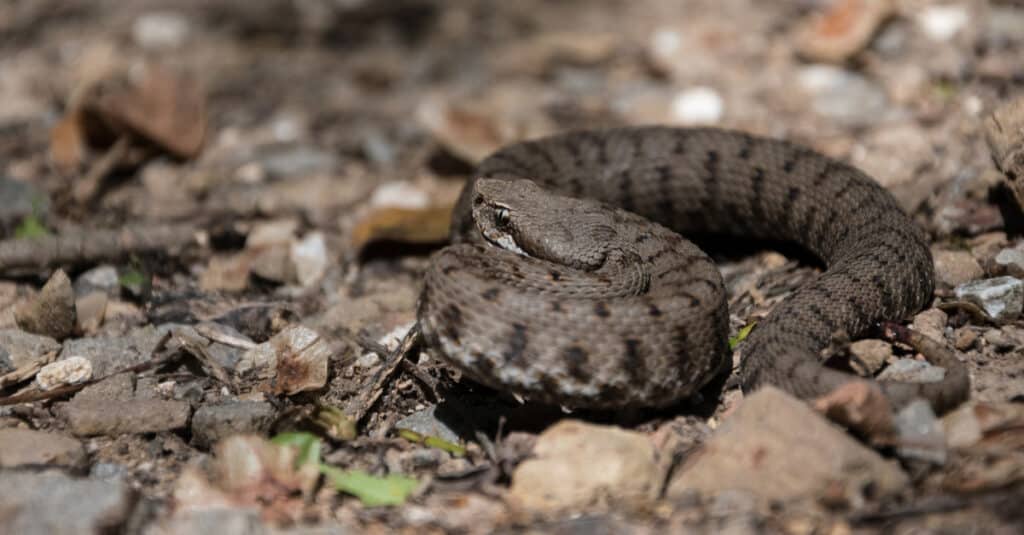
Juvenile asp viper (Vipera aspis francisciredi) in a defensive behavior.

Juvenile asp viper (Vipera aspis francisciredi) in a defensive behavior.

San Marino does not have much in the way of animals that pose a serious threat to humans. The largest mammals most people will see in this area are errant wild boars, dogs, and red foxes. Still, the most dangerous animals in San Marino are:

Few harmful creatures live in this small country, but people need to be aware of them and their potential to hurt them.

Endangered Animals in San Marino
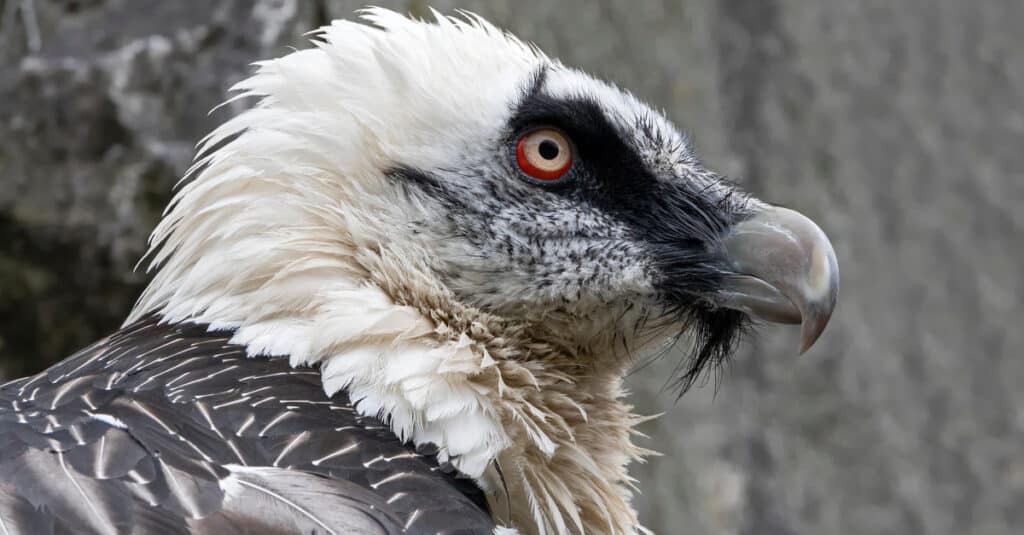
Bearded vulture closeup

The bearded vulture typically has a clutch size of 1 to 2.

Some animals in this nation are endangered. Among the endangered animals in this country are:

  1. Bearded vulture
  2. Common Bentwing Bat
  3. Mediterranean Horseshoe Bat

These endangered animals are threatened in many ways. Population loss, habitat loss, and the loss of food sources often affect endangered creatures. These animals need support to flourish once again

Animals Found in San Marino

15 species documented in our encyclopedia

Thank you for reading! Have some feedback for us?