
N
Species Profile

Norrbottenspets

Canis lupus familiaris

Small spitz, big northern grit
Eleseus/Shutterstock.com

Norrbottenspets Distribution

Click a location to explore more animals from that region

Origin Location

This map shows the native origin of the Norrbottenspets. As a domesticated species, they are now found worldwide.

Loading map...

Found in 1 country

Size Comparison

Human 5'8"
Norrbottenspets 1 ft 5 in

Norrbottenspets stands at 25% of average human height.

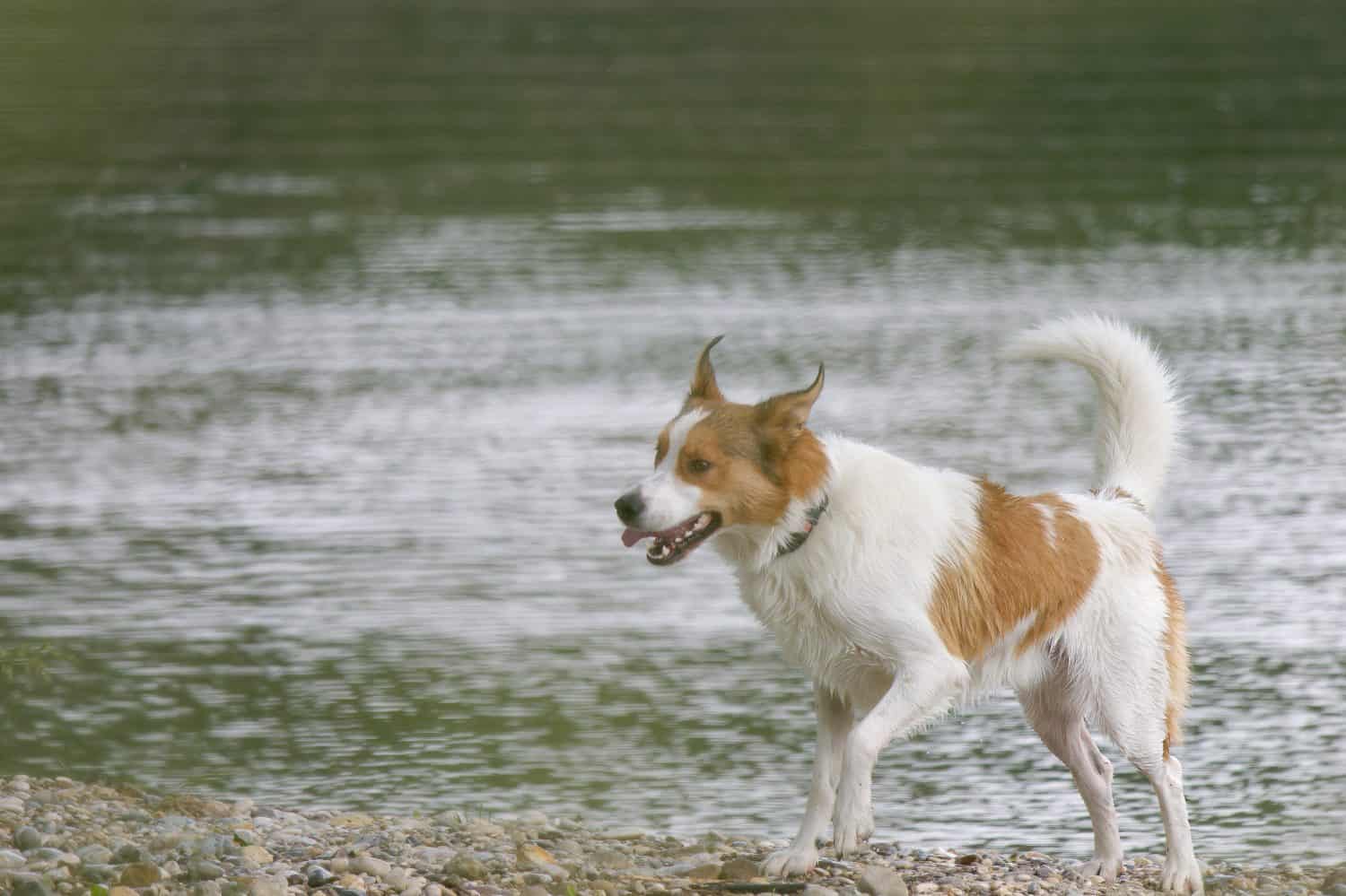
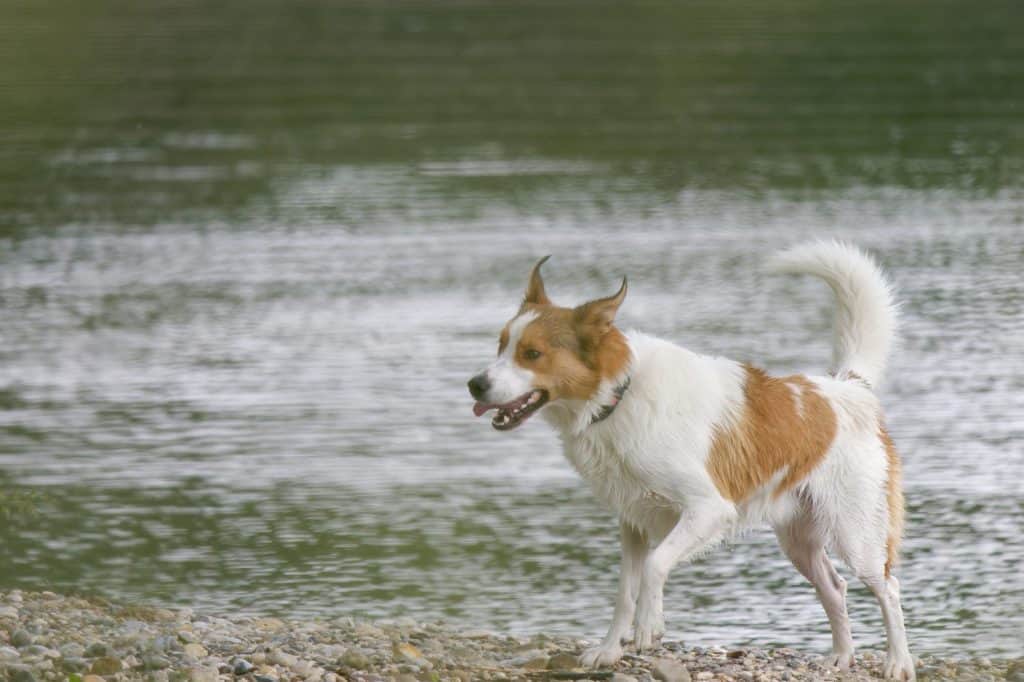
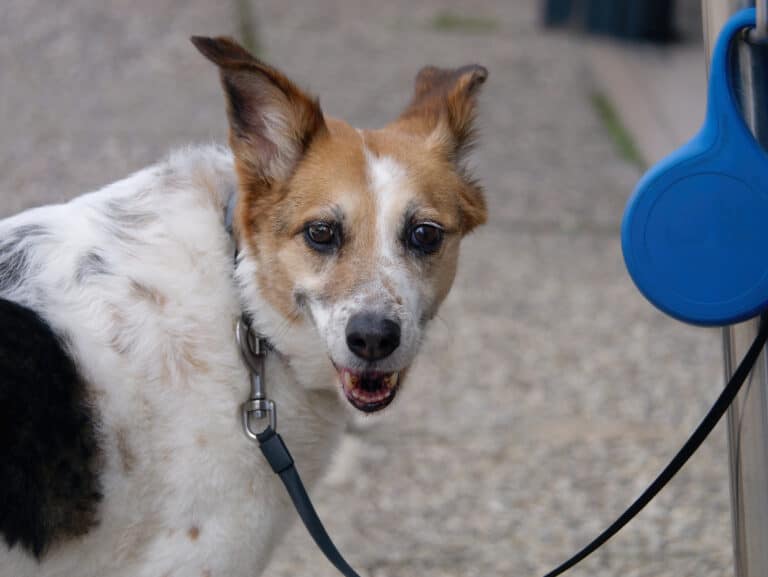
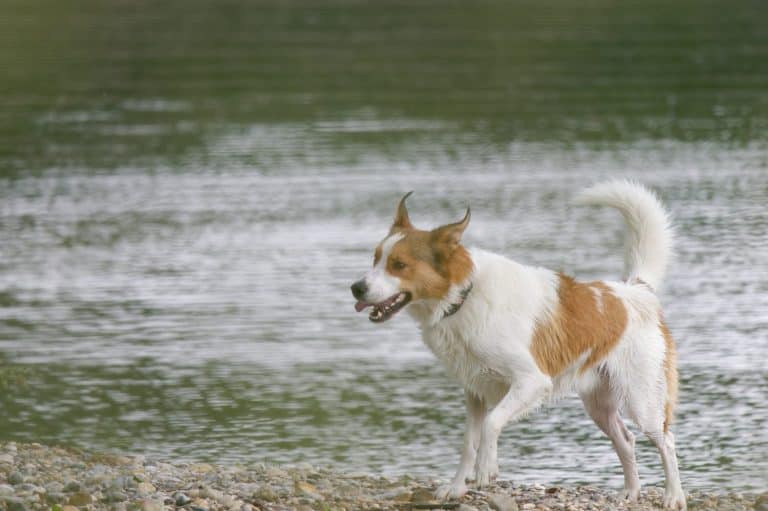
Close-up photo of an adorable Norrbottenspets dog playing by the lakeshore

At a Glance

Domesticated
Diet Omnivore
Activity Diurnal+
Lifespan 13.5 years
Weight 15 lbs
Status Not Evaluated
Did You Know?

Its name literally means "Spitz from Norrbotten," Sweden's far north.

Scientific Classification

Norrbottenspets is a rare Swedish spitz-type domestic dog breed originating in northern Sweden (Norrbotten). It is traditionally used as a versatile hunting dog (notably for forest game) and is characterized by a small-to-medium, agile, foxlike build and erect ears.

Kingdom
Animalia
Phylum
Chordata
Class
Mammalia
Order
Carnivora
Family
Canidae
Genus
Canis
Species
Canis lupus

Distinguishing Features

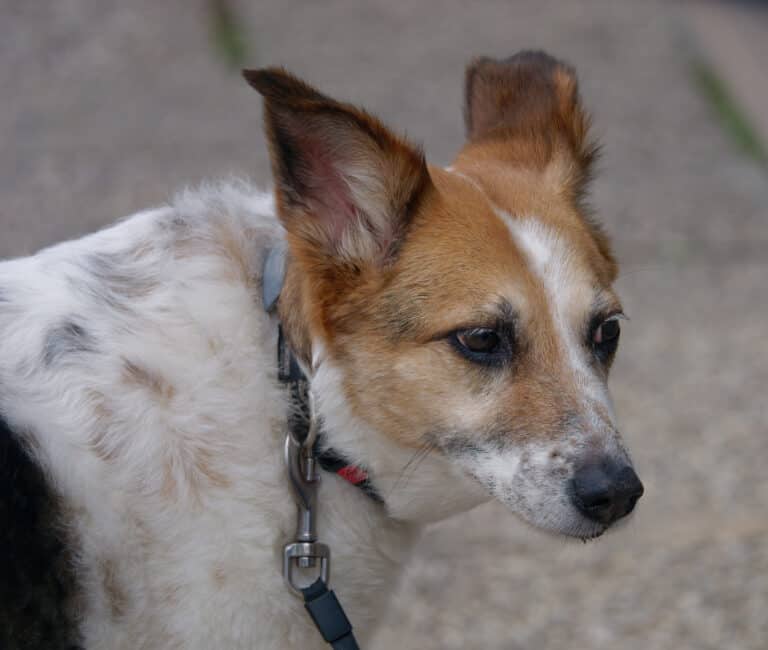
  • Spitz-type morphology: wedge-shaped head, erect pointed ears, dense double coat
  • Foxlike appearance; typically white with red/yellow markings (breed-standard coloration varies by registry)
  • High energy, alert temperament; vocal and watchful tendencies common in spitz breeds
  • Compact, athletic build suited to endurance in cold climates

Physical Measurements

Males and females differ in size

Height
♂ 1 ft 6 in (1 ft 5 in – 1 ft 7 in)
♀ 1 ft 5 in (1 ft 4 in – 1 ft 5 in)
Length
♂ 2 ft 3 in (2 ft – 2 ft 6 in)
♀ 2 ft 6 in (2 ft 4 in – 2 ft 8 in)
Weight
♂ 28 lbs (22 lbs – 33 lbs)
♀ 25 lbs (20 lbs – 31 lbs)
Tail Length
♂ 9 in (7 in – 10 in)
♀ 11 in (10 in – 1 ft)
Top Speed
28 mph
running

Appearance

Primary Colors
Secondary Colors
Skin Type Tough, well-pigmented canine skin beneath a dense weatherproof double coat.
Distinctive Features
  • Domesticated dog breed (Canis lupus familiaris) selectively bred in Norrbotten, northern Sweden, for hunting/working roles.
  • Small-to-medium, agile, foxlike build: wedge-shaped head, pointed muzzle, and tight, catlike feet.
  • Erect, triangular ears and alert expression; suited to scanning and listening in dense boreal forest.
  • High-set, plumed tail carried curled or arched over the back, typical Nordic spitz morphology.
  • Dense double coat (straight harsh outer coat, thick insulating undercoat) for cold climates and wet brush.
  • Working heritage: traditionally a barking tree/stand-hunt style dog for forest game; typically vocal and persistent.
  • Distinguishes from base species/wolf: markedly smaller, more compact spitz proportions, curled tail, and selected biddable temperament for human-directed hunting.
  • Health concerns to watch: patellar luxation, hip dysplasia, and hereditary eye disease (e.g., PRA/cataracts); maintain routine orthopedic/eye screening.
  • Care needs: high daily exercise and enrichment; regular training for recall/barking control; weekly brushing (heavy seasonal shedding) and cold-weather tolerance with heat sensitivity in warm climates.

Sexual Dimorphism

Males are typically slightly larger with broader skulls, deeper chests, and a more noticeable neck ruff. Females tend to be finer-boned with a narrower head and lighter overall build while keeping the same spitz outline.

♂
  • Slightly greater height and substance; more robust bone and musculature.
  • Broader head and stronger muzzle; thicker neck and more pronounced ruff.
  • Often carries a fuller, more heavily plumed tail and denser coat appearance.
♀
  • Slightly smaller, lighter frame with finer bone and a more refined head.
  • Neck ruff and tail plume typically less massive than males.
  • Overall outline appears more streamlined while retaining erect ears and curled tail carriage.

Did You Know?

Its name literally means "Spitz from Norrbotten," Sweden's far north.

The breed was considered nearly extinct mid-20th century and rebuilt from rural northern farm/hunting dogs.

A classic "treeing" hunter: it locates forest game and barks to hold the animal's attention for the hunter.

Small-to-medium but very athletic-built for speed, tight turns, and stamina in boreal forest.

Spitz hallmarks: erect ears, wedge-shaped head, and a tail carried curled over the back.

Often called a versatile northern hunting dog-traditionally used for forest birds and other game rather than being a single-purpose specialist.

Compared with many companion breeds, it retains strong working drive and keen environmental awareness.

Unique Adaptations

  • Dense double coat suited to cold northern climates; seasonal shedding helps manage insulation.
  • Compact, agile frame that favors endurance and maneuverability in forest terrain over sheer size.
  • Erect ears and keen hearing optimized for locating game and reading distant cues in quiet winter woods.
  • Efficient gait and strong rear drive for short sprints plus all-day movement.
  • Spitz tail carriage (curled over the back) helps protect the tail and conserve heat in cold conditions.
  • Behavioral adaptation for cooperative hunting: vocal "standstill" barking communicates location and situation to the hunter.

Interesting Behaviors

  • "Treeing" and baying behavior: persistent, rhythmic barking to indicate game location and keep it occupied.
  • High prey drive and fast visual tracking-quick to notice movement in brush or treetops.
  • Independent problem-solving in the field (a common working-spitz trait), yet typically bonds closely with its handler.
  • Alert "watchdog" tendencies: quick to announce visitors or unusual sounds.
  • Play bursts followed by focused scanning-switches rapidly from play to work mode.
  • Scent-checking and looping patrols on walks, reflecting hunting search patterns.

Cultural Significance

The Norrbottenspets is part of Sweden's northern spitz heritage, bred in Norrbotten as a small, tough hunting dog for rural homes that found forest game and worked in harsh weather. Tied to boreal hunting traditions, its 20th-century recovery became a symbol of regional pride and saving local working-dog types.

Myths & Legends

Northern Swedish hunting lore long prized small spitz dogs as "luck-bringers" in the forest-steady bark and sharp ears were taken as signs a dog had the gift to "read" game and guide the hunter's day.

A common story says the Norrbottenspets breed almost vanished but dogs like it were found again in remote Norrbotten villages and farms, starting a local revival people call finding a living piece of the north.

In broader Scandinavian tradition, vigilant dogs appear as guardians and threshold-keepers (echoing figures like the Norse mythic hound Garm); this cultural backdrop helped frame northern spitz dogs as watchful protectors of home and hunter alike.

Stories about spitz hunting dogs praise the perfect dog as a lively forest friend—small enough to live with the family, yet brave enough to face wild animals. People often say this about the Norrbottenspets.

Conservation Status

NE Not Evaluated

Has not yet been evaluated against the criteria.

Population Stable

Life Cycle

Birth 3 pups
Lifespan 14 years

Lifespan

In the Wild
12–15 years
In Captivity
12–15 years

Reproduction

Mating System Monogamy
Social Structure Managed Domestic
Breeding Pattern Serial
Fertilization Managed Selective
Birth Type Internal_fertilization

Behavior & Ecology

Social Pack Group: 4
Activity Diurnal, Crepuscular, Cathemeral
Diet Omnivore High-protein animal foods-especially lean game meats (e.g., grouse) or fish-based meals-paired with a balanced canine diet.

Temperament

Distinguishing from base species (gray wolf): domesticated, human-directed bonding; reduced intraspecific aggression when socialized.
Breed hallmark: alert, bold, and agile treeing/forest-game hunter; persistent but not typically large-prey coursing.
HUBS (breed-wide patterns): high attentiveness to movement/sounds; variation from reserved to outgoing with strangers.
Often forms strong attachment to one or two people; can be independent-minded and selectively compliant.
Generally good with other dogs when raised together; may show same-sex tension in intact adults.
High prey drive and chase response; management needed around cats/small pets without early socialization.
Biddable with positive reinforcement; can resist harsh handling and may shut down or become avoidant.
Watchful and vocal as an alarm dog; tendency toward nuisance barking if under-stimulated.
Energy profile: small-to-medium athlete needing daily aerobic exercise plus scent/tracking games.
Care requirement: structured training, early socialization, and recall work; secure fencing recommended.
Care requirement: coat is easy-care spitz double coat; seasonal shedding and regular brushing.
Health considerations (breed-typical): generally robust; monitor patellar stability, hip health, dental buildup, and allergies.
Health considerations: prone to weight gain if under-exercised; keep lean to protect joints and stamina.

Communication

Sharp alert bark for strangers or novel sounds
Repetitive 'hunting bark' when excited or indicating game Treeing-style signaling
Whines/soft yips for attention or frustration during training
Growls as distance-increasing warning when uncomfortable
Occasional howl-like vocalization, less frequent than wolves
Erect-ear scanning and rapid head turns to localize sounds
Tail carriage and piloerection signaling arousal/alertness
Scent investigation and ground sniffing to track; nose-led problem solving
Body blocking, leaning, and pawing to solicit interaction from handler
Lip-licking, yawning, and head turns as calming/displacement signals
Play bows and chase invitations; mouthing inhibited with training
Marking and overmarking on walks, more pronounced in intact males

Habitat

Biomes:
Boreal Forest (Taiga) Tundra Alpine Temperate Forest Temperate Grassland Mediterranean Desert Hot Desert Cold Savanna Tropical Rainforest Tropical Dry Forest Wetland Freshwater Marine +8
Terrain:
Hilly Plains Riverine Coastal Rocky Mountainous
Elevation: Up to 6889 ft 9 in

Ecological Role

Human-associated mesopredator/omnivorous scavenger; in breed context, a specialized hunting assistant for forest game in northern Sweden.

assists humans in sustainable hunting/harvest of small game local pest control (rodents) around homesteads when allowed cultural/working-dog role and companionship indicator of ecosystem/game presence through scenting and alert behavior

Diet Details

Main Prey:
Other Foods:
Berries Fallen fruit Grasses Herbs and leafy vegetation Fungi/mushrooms

Human Interaction

Domestication Status

Domesticated

Canis lupus familiaris (domestic dog) is the domesticated gray wolf. The Norrbottenspets (Norrbotten Spitz) is a rare Swedish spitz from Norrbotten, bred for hunting small-to-medium game in boreal forests. It nearly vanished early 20th century but was re-established and later recognized. People use it for hunting, active pets, dog sports, and careful breeding.

Danger Level

Low
  • Bites are possible like any dog, most often linked to fear, poor socialization, pain, or mishandling; risk increases with rough handling of a high-drive dog.
  • High prey drive can lead to chasing and nipping at running children or small animals if not trained/managed.
  • Vocal "alerting"/baying can create conflict with neighbors and may trigger nuisance complaints if under-exercised or left unattended.
  • Potential for dog-dog conflict if intact males are unmanaged or if socialization is limited.

As a Pet

Suitable as Pet

Legality: Norrbottenspets are usually legal where dogs are allowed but must follow normal dog rules (license/registration, leash laws, noise rules, rabies shots). Import may need microchip, rabies vaccine, health papers, or quarantine.

Care Level: Moderate

Purchase Cost: $1,000 - $2,500
Lifetime Cost: $18,000 - $45,000

Economic Value

Uses:
Hunting and gun-dog work Companion animal ownership Breeding (rare-breed programs) Dog sports and training services Shows and conformation events
Products:
  • Hunting assistance for forest game (locator/baying/treeing-style work depending on local tradition)
  • Companionship for active households
  • Sport participation (agility/obedience/nose work), driving training and equipment purchases
  • Rare-breed puppy sales and stud services (where ethical and regulated)

Relationships

The Norrbottenspets’ English name is Norrbotten spitz and sometimes Nordic spitz. These stunning dogs were named after the region of Sweden where they originated, Norrbotten province. However, they are also native to the Lapland area in Finland, which is why they go by the more generic name, Nordic spitz.

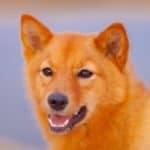
Their captivating nature and features are quite attractive. They have thick, short hair with long, sharp ears. Their coats are typically white with red or yellow patches.

Spitz is a German word meaning “pointed,” which applies to the Norrbottenspets because of their pointed snouts. In addition, spitz breeds have curled, feathery tails that they hold upright over their backs. While their features play a huge part in their appeal, their personalities are even better.

2 Pros And Cons Of Owning A Norrbottenspets 

ProsCons
Although they have a double coat, they require regular brushing, especially during shedding seasons, but generally do not need professional groomingNorrbottenspets can bark a lot, which might be a problem for your neighbors.
They are intelligent and active, but their independence and energy levels may be challenging for first-time dog owners.These dogs become very close to their owners and might suffer from separation anxiety.

History Of The Breed

The exact origin of the Norrbottenspet is not very clear. Although their name is from a Swedish province, it is believed that their ancestors most likely existed in the vicinity for thousands of years, when semi-wild dogs would act as hunting companions for the people that lived in the area. The breed was actually declared extinct in the 1940s, and it wasn’t until the 1960s that sufficient numbers were located that it was able to be declared alive.

The Best Dog Food
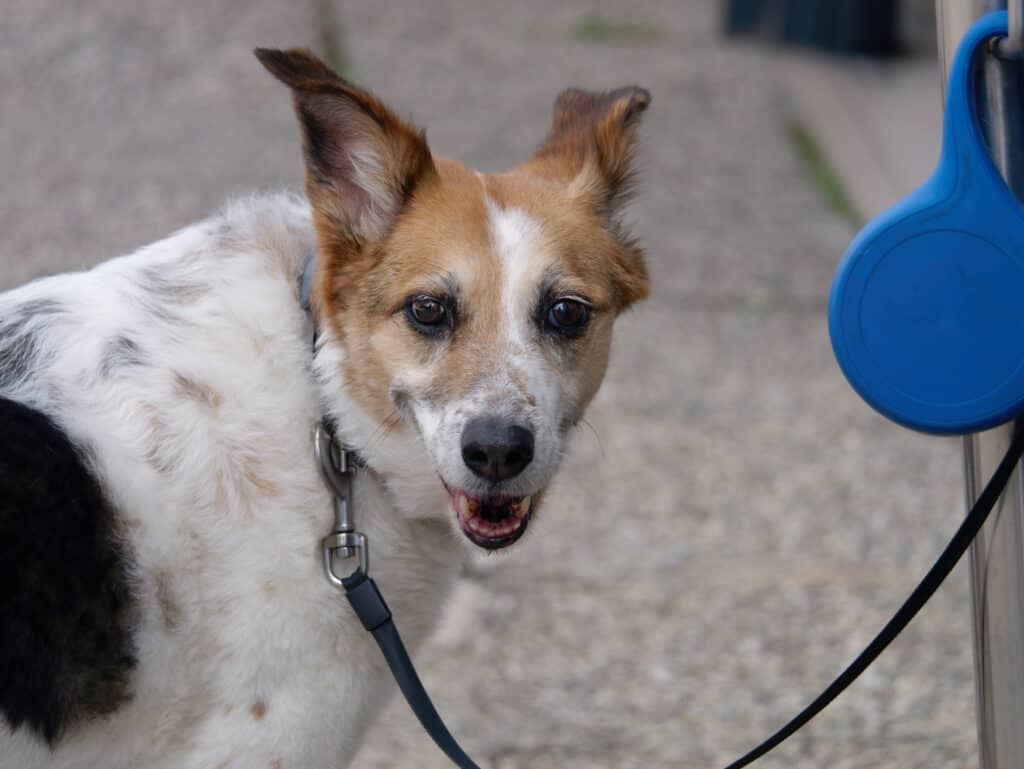
Norrbottenspets

Norrbottenspets dogs should be fed a high-quality, high-calorie diet because of their fast metabolic rate.

Norrbottenspets are small to medium-sized dogs that require a high-quality diet specifically catered to their size. For example, small dog breeds require a diet with a high-calorie intake because of their fast metabolic rate that burns through food quickly.

If these puppies don’t receive the correct diet and frequent meals, they can develop several health issues, including seizures, muscle tremors, and sometimes death. That’s why providing them with dog food formulated for small dogs is so important.

Size And Weight

Norrbottenspets don’t get very big; males grow to around 17 to 18 inches high and weigh between 24 and 33 pounds. Females are the same height but weigh only 18 to 26 pounds.

These dogs have muscular, compact little bodies with large ears that stand at attention, similar to the German Shepherd.

Common Health Issues

While there is not a lot of information about the health of Norrbottenspets, their small population and closely monitored breeding practices likely exonerate them from many health issues.

However, they are still exposed to age-related conditions like hip and elbow dysplasia and progressive cerebellar ataxia.

Temperament

The Norrbottenspets is a loving and devoted dog. They are always by their owner’s side and hate being left alone, so separation anxiety is a big factor with this breed. This breed does get along well with children, but kids should always be taught how to interact with dogs and be supervised when around the pup.

Norrbottenspets make fantastic guard dogs because they are very vocal. In fact, their barking could pose a problem, especially with neighbors. However, this is something that owners can manage by training them from a young age. In addition, leaving this dog alone for long periods can cause it to bark uncontrollably.

This breed gets along well with other pets but should be supervised during the introduction phase. Norrbottenspets are very active dogs and will need copious amounts of physical and mental stimulation to keep them happy. A simple walk won’t cut it; they need to run, play, and sniff. In addition, these dogs thrive with interactive games that make them think and push them physically, which is why they excel at agility and obedience sports.

How To Take Care Of A Norrbottenspets 
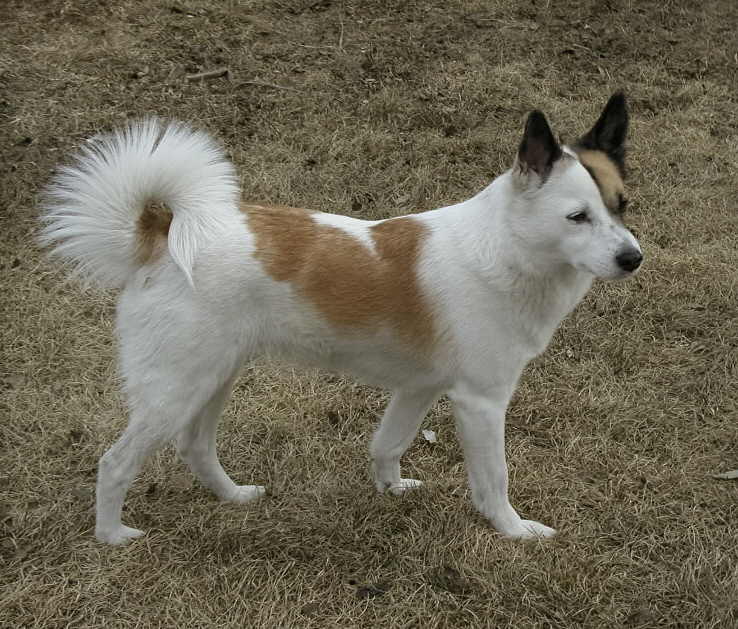
The Nordic Spitz has a thick double coat with straight to medium-length fur.

Taking care of a Norrbottenspets is fairly easy, but there are still a few things prospective owners should know:

Grooming

The Norrbottenspets have thick double coats with straight, short to medium-length fur. Because of their dense coat, they need daily brushing, which will help control the shedding.

Their nails need clipping every three months or when they start to touch the ground. These dogs need their ears checked regularly for wax buildup that can cause infections.

Dental hygiene in these dogs is very important; they need their teeth brushed at least three times a week with toothpaste specifically formulated for dogs. They generally stay clean and only need a bath when necessary.

Because of their low-maintenance grooming needs and loving personalities, they make a wonderful addition to any home.

Training
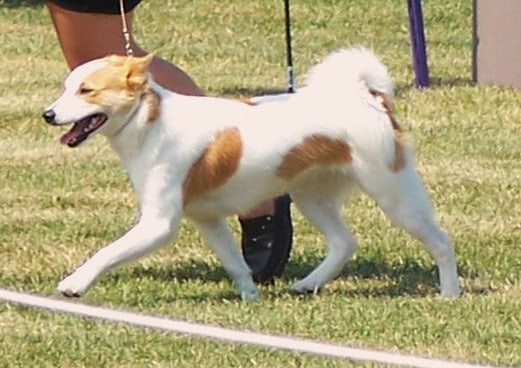
The Norrbottenspets thrive on treat-and-praise-based training.

The Norrbottenspets were bred to be hunting companions, making them cunning, intelligent, and easily trainable. They are dedicated and quick learners who thrive on treat-and-praise-based training. However, they are an independent breed and might be a bit willful at times.

If owners don’t have patience, training can be frustrating. In fact, some people cannot handle their independent and stubborn nature.

Exercise

These dogs would not be a good fit for inactive people because they need a lot of exercise. They need daily off-leash walks, preferably hiking or running in a dog park. Playing games like fetch in your backyard is also ideal.

If they don’t receive the physical and mental stimulation they need, they will act out in various ways, including chewing, digging, and other destructive behaviors.

Their mental state is also important, so they need outlets to keep their minds healthy and happy. These may include puzzle feeder games, obstacle courses, mazes, and obedience training.

Agility training is also a good idea because the Norrbottenspets likes to show off its athleticism and reasoning.

Puppies

Getting your hands on one of these pups might be challenging. At one point, the breed was on the brink of extinction. Therefore, their numbers are limited. Reputable Norrbottenspets breeders are few and far between.

You can find a reputable breeder through the American Kennel Club and get on a waiting list. Alternatively, you could reach out to rescues and shelters and ask if they can contact you if they come across a Norrbottenspets, even if the chances are slim.

Pregnant females generally give birth to a litter of three to five pups. One of these beauties can cost around $2000 to $3000, depending on its location and pedigree. This exorbitant cost is due to the rarity of this breed.

Norrbottenspets And Children

The Norrbottenspets is an excellent breed for families. Their small size, playfulness, and friendly nature make them perfect companions for children.

In addition, they get along well with other dogs because they are social working dogs and see other canines as friends and teammates.

Dogs Similar To The Norrbottenspets 

The Norrbottenspets is closely related to other spitz breeds. They come in all shapes, colors, and sizes, but they all have loosely curled tails.

  • Alaskan Malamute: This ancient breed is highly intelligent, but they need a lot of affection and training to avoid becoming bored, which leads to destructive and mischievous behavior.
  • Chow Chow: This dog is also known as the chow spitz dog or Chinese chow chow, and they are the biggest, fluffiest bears you’ve ever seen!
  • Japanese Spitz: The origin of this breed is a mystery because many records were destroyed during the Second World War. However, they are likely a crossbreed of various spitz breeds.
View all 98 animals that start with N

Sources

  1. Petkeen / Accessed October 23, 2022
  2. Dogzone / Accessed October 23, 2022
  3. Wag Walking / Accessed October 23, 2022
Melissa Bauernfeind

About the Author

Melissa Bauernfeind

Melissa Bauernfeind was born in NYC and got her degree in Journalism from Boston University. She lived in San Diego for 10 years and is now back in NYC. She loves adventure and traveling the world with her husband but always misses her favorite little man, "P", half Chihuahua/half Jack Russell, all trouble. She got dive-certified so she could dive with the Great White Sharks someday and is hoping to swim with the Orcas as well.
Connect:

Thank you for reading! Have some feedback for us?


Norrbottenspets FAQs (Frequently Asked Questions)

Getting your hands on one of these pups might be a challenging task. At one point, the breed was on the brink of extinction. Therefore their numbers are limited.