




P
Species Profile

Pembroke Welsh Corgi

Canis lupus familiaris

Low rider. Big herder energy.
Romashin Iurii/Shutterstock.com

Pembroke Welsh Corgi Distribution

Click a location to explore more animals from that region

Origin Location

This map shows the native origin of the Pembroke Welsh Corgi. As a domesticated species, they are now found worldwide.

Loading map...

Found in 1 country

Size Comparison

Human 5'8"
Pembroke Welsh Corgi 11 in

Pembroke Welsh Corgi stands at 16% of average human height.

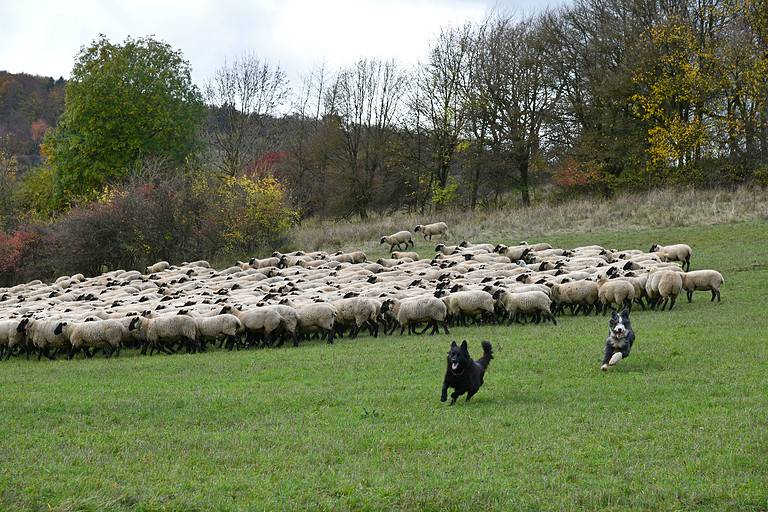
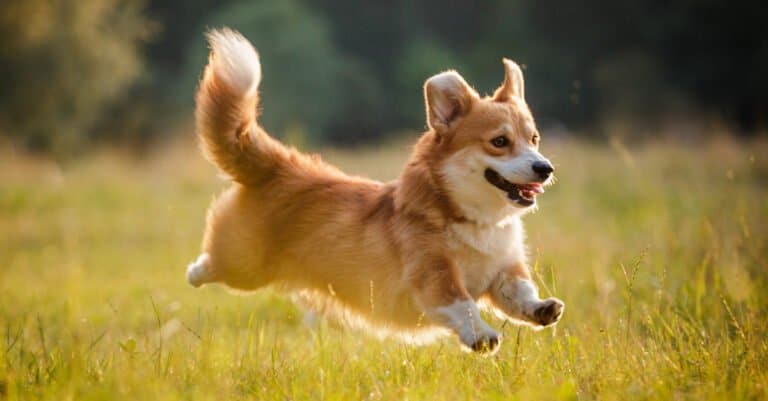
Pembroke Welsh Corgi Running

At a Glance

Domesticated
Also Known As Corgi, Welsh Corgi
Diet Omnivore
Activity Diurnal+
Lifespan 4 years
Weight 14 lbs
Status Not Evaluated
Did You Know?

Pembrokes were bred to "heel" cattle-nipping at ankles-then drop low to avoid kicks.

Scientific Classification

The Pembroke Welsh Corgi is a small, short-legged herding dog breed originating in Wales, historically used to drive cattle and other livestock. It is known for an alert temperament, high trainability, and strong herding instincts.

Kingdom
Animalia
Phylum
Chordata
Class
Mammalia
Order
Carnivora
Family
Canidae
Genus
Canis
Species
Canis lupus

Distinguishing Features

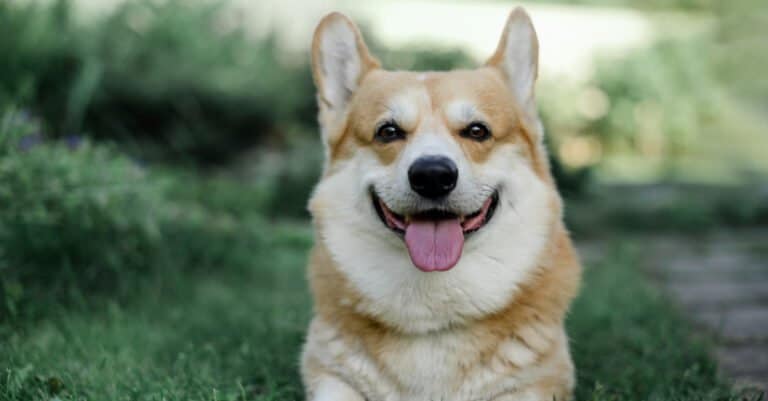
  • Chondrodysplastic, short-legged herding-dog build with a long body
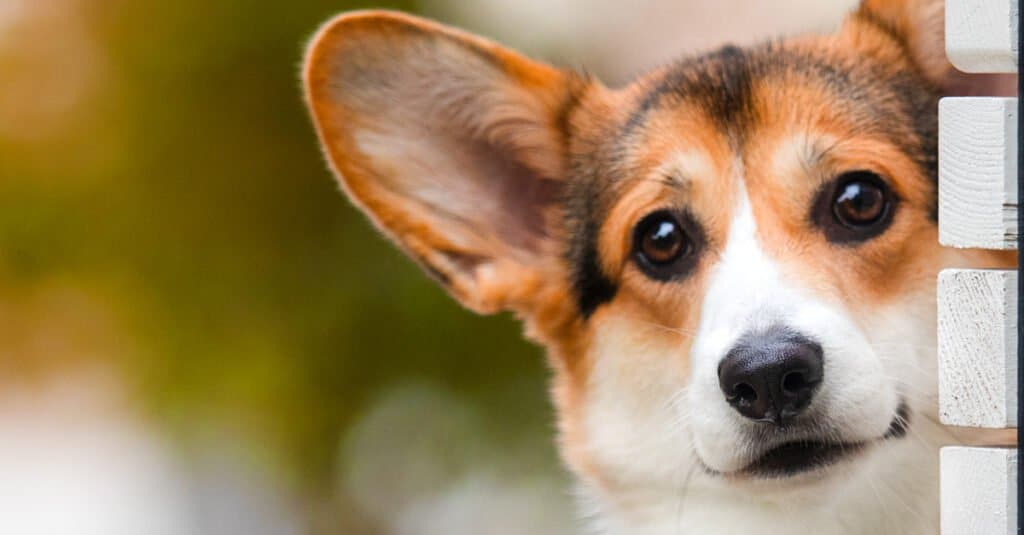
  • Erect, pointed ears and fox-like expression
  • Typically shorter tail (often naturally bobbed; docking historically practiced)
  • Double coat (often red/fawn/sable/black-and-tan with white markings)
  • Strong herding behavior (e.g., heel-nipping) despite small size

Physical Measurements

Males and females differ in size

Height
11 in (10 in – 12 in)
10 in (10 in – 11 in)
Length
2 ft 4 in (1 ft 10 in – 2 ft 11 in)
Weight
29 lbs (24 lbs – 31 lbs)
22 lbs (20 lbs – 24 lbs)
Tail Length
Up to 10 in
Up to 5 in
Top Speed
19 mph
running

Appearance

Primary Colors
Secondary Colors
Skin Type Typical canine skin beneath a dense double coat; weather-resistant outer coat with insulating undercoat.
Distinctive Features
  • Domestic dog (Canis lupus familiaris) selectively bred for small size, herding behavior, and tractable temperament-distinct from the wild-type wolf build and behavior.
  • Chondrodysplastic dwarfism: very short, sturdy legs with a long, low body suited to cattle-heeling work.
  • Foxlike head with erect, pointed ears; alert expression and quick responsiveness to movement.
  • Historically a Welsh cattle-herding drover; strong herding instinct (nipping/heel-chasing) and high trainability.
  • Distinct from Cardigan Welsh Corgi: typically shorter or naturally bobbed tail, slightly lighter build, and different breed lineage/status.
  • Coat is medium length and sheds heavily seasonally; regular brushing helps manage undercoat release.
  • Health considerations: predisposition to weight gain/obesity; maintaining lean body condition is important for joints and back.
  • Potential orthopedic/neurologic risks in the breed include intervertebral disc disease and hip dysplasia (risk varies by line).
  • Other inherited concerns seen in some lines include degenerative myelopathy and certain eye conditions; screening practices are commonly recommended.
  • Care needs: daily exercise with controlled impact, mental enrichment/training, and minimizing repetitive jumping from heights to reduce spinal strain.

Sexual Dimorphism

Males are typically slightly larger, heavier-boned, and broader-headed; females are often finer-boned with a narrower head and lighter frame. Coat color and pattern are similar across sexes, with differences mostly in size and overall build.

  • Slightly taller and heavier on average; broader chest and skull.
  • More pronounced neck and shoulder muscling, especially in fit working lines.
  • Slightly smaller and lighter on average; finer overall bone structure.
  • Often a narrower head and less bulky forequarters.

Did You Know?

Pembrokes were bred to "heel" cattle-nipping at ankles-then drop low to avoid kicks.

Their short legs come from chondrodysplasia (a dwarfing trait) selected for effective herding under livestock.

Pembroke vs Cardigan: Pembrokes are typically lighter and more foxlike; Cardigans are larger with a long tail and different ancestry.

The breed's name is often explained as meaning "dwarf dog" in Welsh.

They're famous for expressive "talking" noises-grumbles, chirps, and barks used to manage attention and movement.

Pembrokes have a dense double coat that sheds heavily ("blows coat") seasonally-brush-outs can fill a bag fast.

They excel at canine sports (rally, obedience, agility) because the same problem-solving used for herding transfers to training.

Unique Adaptations

  • Low-slung build that helped them work close to cattle and avoid hoof strikes while still staying mobile.
  • Dense, weather-resistant double coat suited to wet, windy Welsh conditions.
  • High biddability and pattern-learning: selectively bred to respond to human cues while independently controlling stock.
  • Efficient, ground-hugging gait that conserves energy over long farm days (but can predispose to overuse if overweight).

Interesting Behaviors

  • Heeling and "drive" behaviors: quick ankle-nipping or body-blocking to move people/animals (needs redirection).
  • Intense alertness: quick to bark at novel sounds or approaching strangers-classic watchdog tendencies.
  • Shadowing and "manager" behavior: following family members room-to-room to keep the group together.
  • Strong toy/ball fixation: many use fetch as a substitute outlet for herding sequences (chase, stop, turn).
  • Compact resting poses like the "sploot" (legs stretched behind), common in short-legged breeds.
  • Fast, tight turns and sudden speed bursts-movement patterns shaped by livestock work.

Cultural Significance

Pembroke Welsh Corgi (Canis lupus familiaris) is a Welsh herding dog known worldwide for its cheerful, hardworking spirit. Royal owners, especially Queen Elizabeth II, made it a symbol of lively, trainable companionship and practical farm work.

Myths & Legends

In Welsh folklore, Pembroke Welsh Corgis were said to be fairy folk's cattle dogs or steeds; their pale shoulder and back markings were called the fairy saddle and harness imprint.

A popular Welsh origin tale tells of children finding two "puppies" in a field; adults explained they were gifts from fairies, destined to help humans herd and guard livestock.

Traditional storytelling in Wales links the corgi's bold, vigilant nature to its role as a boundary-keeper between the human farmstead and the unseen world-an ever-watchful little guardian.

Historical breed lore (often repeated in origin anecdotes) suggests the Pembroke's ancestors may have arrived with Flemish weavers invited to Wales, blending local farm dogs into the type that became today's Pembroke.

Conservation Status

NE Not Evaluated

Has not yet been evaluated against the criteria.

Population Stable

Life Cycle

Birth 4 pups
Lifespan 4 years

Lifespan

In the Wild
1–8 years
In Captivity
10–15 years

Reproduction

Mating System Polygyny
Social Structure Managed Domestic
Breeding Pattern Serial
Fertilization Managed Selective
Birth Type Internal_fertilization

Pembroke Welsh Corgi reproduction is typically human-managed: selected studs may sire litters with multiple females across a season, and pair bonds are not maintained. Mating uses internal fertilization with timed breeding around estrus under controlled household or kennel conditions.

Behavior & Ecology

Social Pack Group: 4
Activity Diurnal, Crepuscular, Cathemeral
Diet Omnivore Meat-forward, highly palatable foods (e.g., cooked chicken or a high-quality meat-based kibble)

Temperament

Alert, bold, and highly people-oriented; tends to shadow family members closely.
Breed distinction: short-legged cattle driver; strong heel-chasing, circling, and movement-control instincts.
Compared to base species (wolf): reduced reliance on pack hunting; enhanced biddability and human-directed attachment.
Sociable but can be wary of strangers; benefits from structured introductions and confidence-building.
High trainability with reward-based methods; may test boundaries if training is inconsistent.
Vocal and watchful; likely to alert-bark at novel sounds, visitors, and movement outside windows.
HUBS: Herding breeds commonly try to control motion; intensity varies from nudging to persistent chasing.
May show resource guarding (food/toys) without clear rules; early management and impulse control help.
Health/social impact: IVDD, hip dysplasia, and degenerative myelopathy pain can increase irritability.
Care requirement: daily brisk exercise plus enrichment (scent games, obedience, herding-style play) prevents nuisance behaviors.
Care requirement: strict weight management; obesity increases joint/spine strain and reduces tolerance to activity.
Care requirement: early socialization reduces dog reactivity and kid-directed nipping during high arousal.

Communication

Sharp alert barking
Demand barking for attention or play
Whining/whimpering when frustrated or excited
Low grumbles during play or handling
Howl-like "woo" vocalizations in some individuals
Herding behaviors: circling, blocking, and "eye" (focused stare) to control movement
Mouthing/nipping at heels or pant legs, especially with running children
Body language: forward ears, stiff posture, high arousal bouncing before chase
Pawing, nudging, and leaning to solicit contact or direct handlers
Scent marking and investigative sniffing during walks; uses smell to map social spaces
Play signals: play-bow, exaggerated sideways hops, quick retreats to re-engage

Habitat

Biomes:
Temperate Forest Temperate Grassland Mediterranean Boreal Forest (Taiga) Tundra Alpine Desert Hot Desert Cold Wetland Freshwater Tropical Dry Forest Tropical Rainforest +6
Terrain:
Hilly Valley Plains Coastal
Elevation: Up to 16404 ft 3 in

Ecological Role

Human-associated omnivorous domestic canid; companion and working herding breed that functions as an opportunistic predator/scavenger within human-managed environments.

historical livestock herding/cattle driving localized rodent deterrence/pest control (opportunistic) scavenging of food waste (in unmanaged contexts) companionship and working roles that support human well-being and farm management

Diet Details

Main Prey:
Small mammals Rabbits/Hares Birds and eggs Invertebrates
Other Foods:
Grains and starches Vegetables Fruits grasses/plant matter

Human Interaction

Domestication Status

Domesticated

Dogs (Canis lupus familiaris) split from gray wolves by domestication with people at least 15,000 years ago, who picked friendlier, trainable animals. Pembroke Welsh Corgis, bred in Wales for drovers, have low sturdy bodies to avoid cattle kicks, are bold and responsive, often heel or nip livestock, and now are mostly pets or show dogs but keep strong herding drive.

Danger Level

Low
  • herding-related nipping/ankle-biting, especially in under-trained adolescents
  • resource guarding or reactivity if poorly socialized
  • bite risk increases with pain (e.g., spinal/orthopedic issues) or mishandling
  • child-dog conflict potential due to quick movement triggers and nipping instinct

As a Pet

Suitable as Pet

Legality: Generally legal to own as a pet in most jurisdictions; typically not subject to breed-specific legislation. Possible restrictions can arise from local nuisance/animal-control ordinances, rental/insurance policies, or HOA rules. Standard licensing, vaccination, and leash laws apply.

Care Level: Moderate

Purchase Cost: $800 - $3,000
Lifetime Cost: $18,000 - $45,000

Economic Value

Uses:
Companion animal industry Working/herding and farm utility (limited modern use) Dog sports and training services Conformation shows and breeding Veterinary, grooming, boarding, and pet retail
Products:
  • puppy sales from reputable breeders
  • training classes (obedience, manners, herding instinct tests)
  • sport participation (agility, rally, obedience, scent work)
  • grooming services (shedding control/deshedding)
  • pet insurance and preventive veterinary care
  • media/marketing value (popular breed presence increases demand for pet goods)

Relationships

Quick Take

  • Welsh folklore gave this breed a mythical origin story, and the physical evidence of that story is still visible on every Corgi alive today.
  • A Corgi's small size is deceiving, and its daily exercise demands will likely surprise even experienced dog owners. See the daily exercise needs →
  • The same instinct that made Corgis legendary herders is the one trait most owners struggle to manage indoors. See the nipping drawback →
  • One of the world's most famous Corgi owners gave their dog a name that sounds more like a villain than a beloved pet. Meet the famous Corgis →

The Pembroke Welsh Corgi is a iconic purebred herding dog that originated from Pembrokeshire, Wales, perhaps dating as far back as 1000 AD. It descended from a northern type of dog known as the spitz, which has long, thick fur, pointed ears and muzzle, and a curled tail. At some point in the distant past, people began to select these dogs for the dwarf trait and bred them, giving them their small size.

The name Corgi comes from the combination of two Welsh words: cor, meaning dwarf, and gi, meaning dog. According to Welsh lore, these dogs were thought to be originally owned by fairies and elves. Being comparatively large, the Corgis helped pull the tiny carts and carriages of these magical creatures. The patch of darker fur on the back is still sometimes called a fairy’s saddle.

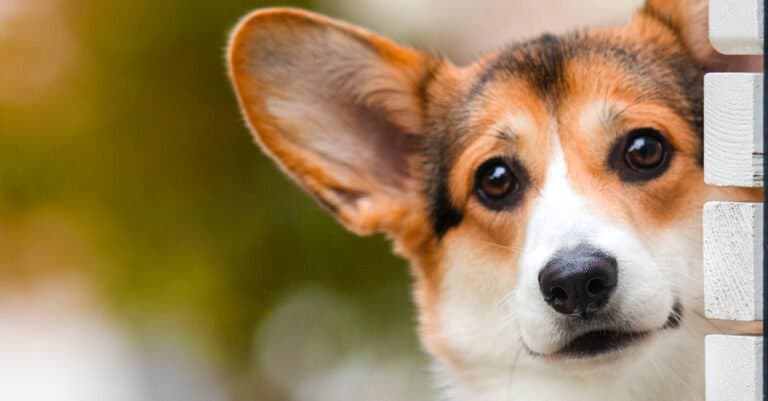
The Pembroke Welsh Corgi is characterized by a long body, short legs, a docked or bobbed tail, a triangle-shaped head, and big ears, rounded at the tips. This is complemented by a thick double coat of fur; fawn, red, sable, and black and tan are all accepted colors. But don’t let its small size fool you. This dog was originally bred to herd livestock out in the field. The small size enables it to nip at the animal’s heels to drive it around.

In the home, it’s a loving and friendly companion.

An educational infographic detailing the Pembroke Welsh Corgi's traits, history, and care needs with illustrations of the breed's proportions and its legendary 'fairy saddle' marking.
From pulling mythical carriages to herding cattle twice their size, discover the legendary strength hidden in this 12-inch frame. © A-Z Animals

3 Pros and Cons of Owning a Pembroke Welsh Corgi

Pros!Cons!
Affectionate and Playful: The Pembroke is a charming and loving breed for the entire family.Slight Stubborn Streak: The Pembroke has a mind of its own.
Intelligent: It ranks as one of the smartest breeds in the world.Tendency to Nip: The Pembroke has a strong instinct to nip at heels.
Hard-working: The Pembroke was originally bred to herd livestock all day.Separation Anxiety: This dog should not be left alone for very long.
Corgi Close-Up

The Pembroke Welsh Corgi is highly intelligent, very playful, independent, and even a bit stubborn!

Size and Weight

The purebred Pembroke Welsh Corgi is a small dog. It sits low to the ground on account of its short legs.

Height (Male):10 to 12 inches
Height (Female):10 to 12 inches
Weight (Male):22 to 30 pounds
Weight (Female):22 to 28 pounds

Common Health Issues

Before deciding to bring home a new dog, it is important to be aware that the breed is at risk of developing several conditions, some of which are the result of its dwarfism trait. Hip dysplasia, caused by a loosening of the hip joint, is particularly common in this breed; beginning as early as four months old, this condition can cause pain, stiffness, and loss of motion. Corgis can also suffer from a nerve issue called degenerative myelopathy, which results in muscle atrophy, decreased muscle mass, and partial or full paralysis.

Other common health problems include progressive retinal atrophy, cataracts, cancer, epilepsy, disc problems, and a bleeding/clotting disorder called von Willebrand’s disease. After birth, responsible breeders will routinely check the puppy for common health issues. You should ask the breeder to provide proof of a thorough medical evaluation, particularly for hip and eye problems.

This breed has a natural lifespan of around 12 to 13 years, though many dogs live even longer than this.

Temperament

The Pembroke Welsh Corgi is an interesting study in contradictions. It is simultaneously fun-loving yet hard-working, sensitive yet strong, affectionate, and people-oriented. It is also fearless and independent. It has a bit of a “big dog” personality, which makes it well-suited for herding and watchdog duty.

If you’re just looking for a simple companion, then the Pembroke Welsh Corgi is a great choice. They are charming, playful, and love to race around the home, getting involved in their owner’s activities. However, be aware that this breed will exhibit signs of separation anxiety if left alone for too long. This will lead to destructive behavior and excessive barking.

How to Take Care of the Pembroke Welsh Corgi

The Pembroke Welsh Corgi is a good choice for owners with almost any kind of experience level. While they do require quite a bit of time and patience to care for, their high intelligence and affectionate temperament make them a real joy to interact with and train. If you have any other questions or concerns about this breed’s care, then you should talk with your vet or other dog experts.

The Best Dog Food

The Pembroke Welsh Corgi will probably need around 1 to 1.5 cups of high-quality, high-protein dog food per day. The exact amount will depend on the age, size, and activity level of your dog. Obesity problems can sometimes plague this breed, so you should keep a close watch on the amount of dog food and treats it consumes throughout the day.

Maintenance and Grooming

The Pembroke Welsh Corgi has a rather thick double coat of fur — consisting of a coarse outer coat and a softer undercoat — that sheds quite often, especially during the spring and summer months. It will need daily grooming sessions with a simple slicker brush, sometimes complemented with a rake for the undercoat. When the shedding season approaches, frequent baths should be given to loosen the hair, but brushing should only occur when the dog is dry; blow drying can help the coat dry faster.

Other important aspects of its maintenance include frequent nail trims (to prevent them from clicking on the floor), ear cleaning with a cotton swab, and tooth brushing with a vet-approved paste.

Training

The Pembroke Welsh Corgi is a smart, capable dog, quick to learn human commands and eager to please its owner. However, don’t expect this breed to follow your every whim. Because of its independent and active mind, the Corgi needs some room to think and act on its own. Positive reinforcement methods and treats should work well with this breed.

Exercise

Despite its diminutive size, the Pembroke Welsh Corgi is a strong and athletic dog with excellent stamina; after all, it was originally bred to herd livestock. It will probably need more than an hour of exercise per day. Walks or jogs, fetching, and general playtime all work well to satisfy its exercise requirements, but if you go too fast, it may struggle to keep up due to its short legs. This breed also excels at all kinds of herding and agility challenges.

Puppies

Pembroke Welsh Corgi puppies will need a lot of early training and care to become well-adjusted adults. Puppies should ideally begin socialization between eight and 16 weeks of age. You should introduce them to plenty of other people, dogs, and unique situations.

If you plan on blow-drying the dog’s fur, then it will need to become accustomed to the sound of the dryer at an early age. Otherwise, it might be frightened of the loud noise.

By the six-month mark, the dog will need to learn basic commands and begin housetraining. Crate training can help prevent accidents since dogs do not like to soil their sleeping quarters. If you plan to spay or neuter your dog (which has enormous health and behavioral benefits), then you should ideally schedule it before the dog’s first birthday.

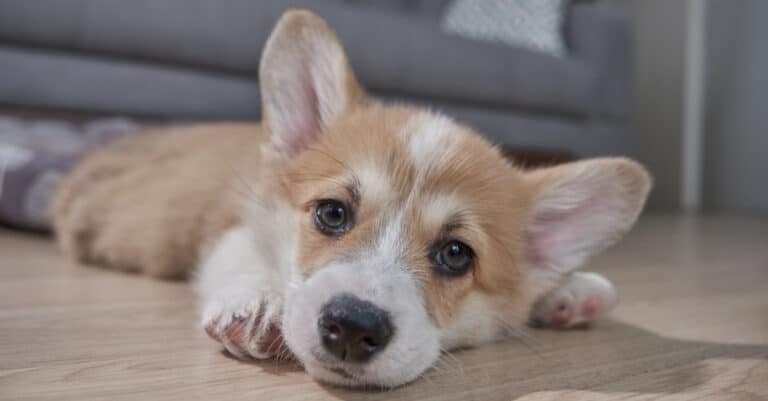
Pembroke Welsh Corgi Puppy

Pembroke Welsh Corgi Puppy.

The Pembroke Welsh Corgi and Children

The Pembroke Welsh Corgi is an excellent companion and friend for children of almost all ages. The only caveats are that its barking might disturb younger children and that it tends to nip at heels.

Dogs Similar to the Pembroke Welsh Corgi

If you are a fan of the purebred Pembroke, then you might want to check out these similar breeds:

  • Cardigan Welsh Corgi: Both of the Corgis are very similar in appearance and behavior, but the Cardigan actually predates the Pembroke by some 2,000 years. The main difference is the Cardigan’s longer tail and darker coat color.
  • Cavalier King Charles Spaniel: The Cavalier King Charles Spaniel is not exactly a herding dog, but it does combine the affectionate nature of a toy breed with the athleticism of a working dog. This is a charming, graceful breed with long ears, a short snout, and a rich, silky coat.
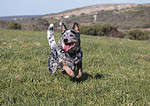
  • Australian Cattle Dog: While its legs aren’t quite as short as the Corgi, the Australian Cattle Dog has a compact, muscular body with a blue and red speckled or mottled appearance. It is exceptionally alert, curious, and fun to be around.

Famous Pembroke Welsh Corgi Dogs

Despite its humble origins, the Pembroke Welsh Corgi has become one of the most popular dogs around the world, thanks in part to its small size, quirky personality, and loving nature.

Queen Elizabeth II owned more than 30 Welsh Corgis over her lifetime. Dookie, given to her by her father, was her first Corgi, seemingly instilling a lifelong love of the breed in her. Popular horror author Stephen King also owned a Corgi called Molly, which he jokingly calls “The Thing of Evil.” Another Corgi named Rufus was the original mascot of Amazon.com until he died in 2009. Finally, a fictitious Corgi called Ein was a main character in the Japanese anime Cowboy Bebop.

View all 246 animals that start with P

Sources

  1. American Kennel Club / Accessed August 10, 2021
  2. American Kennel Club / Accessed August 10, 2021
  3. The Dog People / Accessed August 11, 2021
  4. American Kennel Club / Accessed August 11, 2021
A-Z Animals Staff

About the Author

A-Z Animals Staff

AZ Animals is a growing team of animals experts, researchers, farmers, conservationists, writers, editors, and -- of course -- pet owners who have come together to help you better understand the animal kingdom and how we interact.
Connect:

Thank you for reading! Have some feedback for us?


Pembroke Welsh Corgi FAQs (Frequently Asked Questions)

Yes, the Pembroke is a very loyal and affectionate member of the entire family.