



P
Species Profile

Pomeranian Mix

Canis lupus familiaris

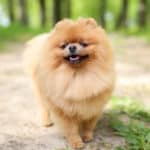
Big personality, small-package mix
Phoebus/Shutterstock.com

Pomeranian Mix Distribution

Click a location to explore more animals from that region

Origin Location

This map shows the native origin of the Pomeranian Mix. As a domesticated species, they are now found worldwide.

Loading map...

Size Comparison

Human 5'8"
Pomeranian Mix 10 in

Pomeranian Mix stands at 15% of average human height.

Shiranian

At a Glance

Domesticated
Also Known As mutt, mongrel, crossbreed, designer cross, toy mix, small-breed mix
Diet Omnivore
Activity Diurnal+
Lifespan 5 years
Weight 12 lbs
Status Not Evaluated
Did You Know?

"Pomeranian mix" isn't a standardized breed; the same label can describe many different crosses with very different coats, sizes, and energy levels.

Scientific Classification

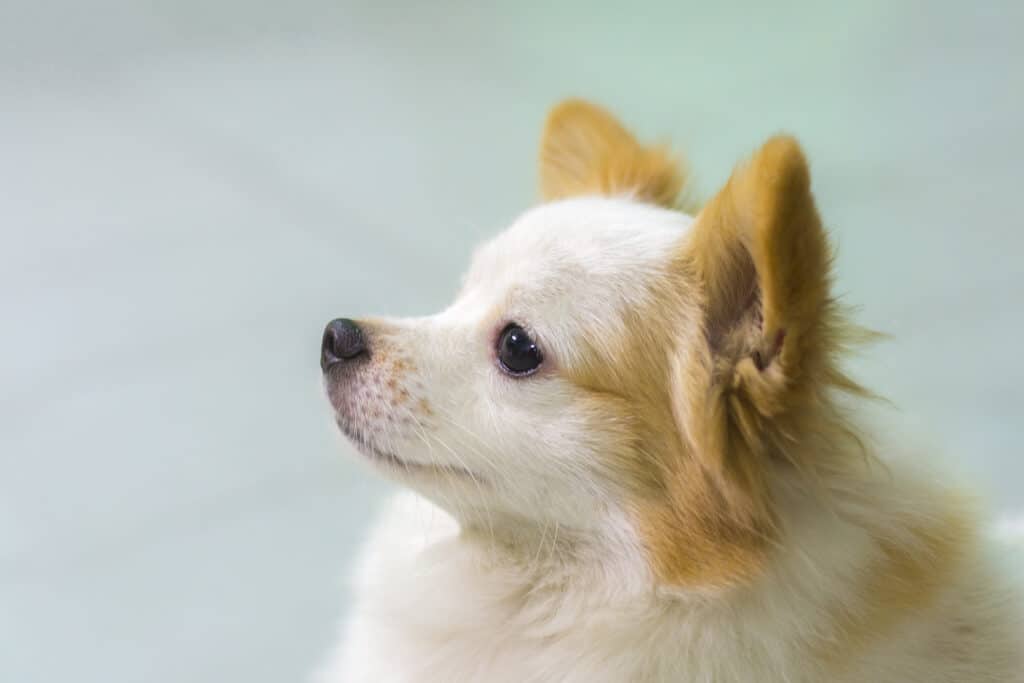
A companion domestic dog described as a Pomeranian cross/mix, meaning it has some Pomeranian ancestry but is not a single standardized breed. Traits (size, coat, temperament) can vary widely depending on the other breed(s) in the mix.

Kingdom
Animalia
Phylum
Chordata
Class
Mammalia
Order
Carnivora
Family
Canidae
Genus
Canis
Species
Canis lupus

Distinguishing Features

  • Mixed-breed dog with at least partial Pomeranian lineage (toy spitz ancestry)
  • Often small body size with a fluffy/double coat and plume-like tail, but highly variable
  • Facial features may range from spitz-like 'fox face' to traits of the other contributing breed(s)

Physical Measurements

Males and females differ in size

Height
10 in (7 in – 1 ft 3 in)
9 in (7 in – 11 in)
Length
1 ft 4 in (12 in – 1 ft 8 in)
Weight
14 lbs (7 lbs – 26 lbs)
11 lbs (7 lbs – 15 lbs)
Tail Length
6 in (4 in – 9 in)
6 in (4 in – 7 in)
Top Speed
17 mph
running

Appearance

Primary Colors
Secondary Colors
Skin Type Typical domestic dog skin under a single or double coat; Pom ancestry often brings a dense double coat and can be prone to dryness/irritation if overbathed or poorly groomed.
Distinctive Features
  • Domestic dog companion form: markedly smaller, shorter-muzzled, and behaviorally juvenile versus the wild-type wolf.
  • Mixed ancestry: appearance and adult size vary widely with the other breed(s); Pomeranian traits often show as a compact frame and profuse coat.
  • Coat frequently plush with noticeable neck ruff and feathering; shedding can be heavy, especially with a true double coat.
  • Tail commonly carried high and curved over the back; may be plumed if Pom coat expression is strong.
  • Head often wedge/"fox-like" with erect or semi-erect ears; ear set and muzzle length depend on the mix.
  • Temperament often alert and people-focused; vocal tendencies and boldness commonly increase with Pom influence (varies by cross and training).
  • Health risks commonly seen in small-breed/Pom-influenced mixes: patellar luxation, tracheal collapse/coughing, dental crowding/periodontal disease, and obesity.
  • Possible coat/skin concerns: seasonal shedding, matting, and (in some lines) alopecia or thinning coat; risk depends on genetics of both parents.
  • Care needs: frequent brushing to prevent mats, routine dental care, harness use if trachea-sensitive, weight management, and early socialization/training to reduce reactivity.
  • Climate care: dense coats can overheat; provide shade/water and avoid intense exercise in hot weather.

Sexual Dimorphism

Sex differences are subtle and variable in mixes. Males are often slightly larger with a heavier neck ruff and broader head, while females tend to be a bit finer-boned; individual genetics and neuter status can outweigh sex effects.

  • Often slightly heavier body and broader head (not consistent across mixes).
  • May develop a fuller neck ruff and overall coat volume when double-coated.
  • Often slightly finer-boned with a narrower head and chest (variable).
  • Coat fullness may be slightly less pronounced, depending on mix genetics.

Did You Know?

"Pomeranian mix" isn't a standardized breed; the same label can describe many different crosses with very different coats, sizes, and energy levels.

Pomeranians descend from larger Spitz-type sled and herding dogs of northern Europe; selective breeding miniaturized them over time.

Toy-size Pomeranian ancestry often brings an alert "watchdog" attitude-many Pomeranian mixes are quick to announce visitors.

Their famous plush look comes from a double coat (dense undercoat + longer guard hairs), though a mix may have anything from sleek to very fluffy fur.

A Pomeranian named "Marco" (owned by Queen Victoria) helped popularize small Pomeranians in the late 1800s, influencing the type seen today.

Two Pomeranians are documented among the dogs that survived the Titanic disaster, cementing the breed's place in modern historical lore.

Unique Adaptations

  • Domestication-driven social cognition: like other dogs (Canis lupus familiaris), they readily follow human pointing and learn household routines.
  • Neotenous (juvenile-like) features selected in many toy dogs-rounder eyes/skull and a more "cute" appearance compared with the gray wolf base species.
  • Size miniaturization relative to the base species (gray wolf): Pomeranian ancestry often yields a much smaller frame, affecting stamina, heat retention, and injury risk.
  • Coat versatility: mixes may inherit the Spitz double coat for insulation and water-shedding, or a single coat depending on the other lineage.
  • High trainability for cues and tricks when reinforced properly; small dogs often excel at indoor enrichment and short training sessions.
  • Efficient "urban companion" adaptation: many Pomeranian mixes can meet exercise needs with brisk walks plus play, though requirements vary by the non-Pomeranian parent(s).

Interesting Behaviors

  • "Shadowing" their favorite person (a common companion-dog trait), sometimes becoming a little "velcro" without training for independence.
  • Alert barking at sounds or movement; Pomeranian ancestry can increase vocal "alarm" behavior, which benefits from cue-based training.
  • Prancing, quick pivots, and short bursts of zoomies-especially indoors-common in small, high-arousal companion dogs.
  • Toy-collecting and "treasure nesting" (stashing toys, socks, or treats), particularly in mixes with strong play or guarding instincts.
  • Digging and scratching at bedding (a canine nesting behavior); may be more noticeable in mixes with Spitz ancestry.
  • Chasing small moving objects (prey-chase sequence), which can vary widely depending on the other breed(s) in the mix.

Cultural Significance

Pomeranian mixes reflect modern companion-dog culture: families often choose them for an outgoing, portable pet with a "Spitz look." Their Pomeranian roots connect to European aristocratic pet-keeping (notably Queen Victoria's influence), while mixed ancestry represents today's emphasis on adoption, rescue, and individualized dogs rather than strict breed standards.

Myths & Legends

In Greek myth, the three-headed dog Cerberus guarded the Underworld's gate, symbolizing the dog as a boundary-keeper between worlds.

Ancient Egyptian religion linked canids to Anubis, guardian of embalming and the dead-an enduring story of dogs as protectors and guides.

Norse tradition tells of Garmr, a fearsome hound associated with Hel and Ragnarok, echoing the widespread motif of supernatural guard-dogs.

In parts of European folklore, small vigilant house dogs were kept as "hearth guardians," believed to warn of ill intent or bad spirits by barking at unseen presences.

A well-known historical anecdote tied to Pomeranians tells how Queen Victoria's beloved small Pom helped make the tiny, fluffy "toy spitz" fashionable across Britain and beyond-an origin story often repeated in breed history.

A modern sea tale in dog history says Pomeranians were among a few dogs recorded to survive the Titanic sinking, shaping the breed's image as small, treasured companions kept close in danger.

Conservation Status

NE Not Evaluated

Has not yet been evaluated against the criteria.

Population Stable

Life Cycle

Birth 3 pups
Lifespan 5 years

Lifespan

In the Wild
2–12 years
In Captivity
8–18 years

Reproduction

Mating System Polygynandry
Social Structure Managed Domestic
Breeding Pattern Transient
Fertilization Managed Selective
Birth Type Internal_fertilization

In domestic settings, Pomeranian mixes typically reproduce via human-managed pairing; without control, both sexes may mate with multiple partners during the female's estrus. There is no stable pair bond, and mating associations are brief and opportunistic.

Behavior & Ecology

Social Pack Group: 3
Activity Diurnal, Crepuscular, Cathemeral
Diet Omnivore High-quality animal-protein-based dog food (kibble or wet), often with poultry (chicken/turkey) flavors; many also strongly prefer soft/odorous foods over dry kibble.

Temperament

HUBS: Companion-focused domestic dog; behavior shaped more by socialization and training than ecology.
Distinguishing from base species context: Pomeranian ancestry often adds toy-size tendencies, spitz alertness, and vocal watchdog behavior.
Variation note (mix): size, prey drive, and dog-sociability can shift widely with the other breed(s).
Affectionate and people-oriented; may become "shadow dog" with a preferred person.
Alert, quick to notice novelty; can be wary of strangers without early positive exposures.
Often vocal (alarm barking/yapping); nuisance barking more likely when bored or anxious.
Playful and energetic in short bursts; benefits from frequent mini-sessions rather than long intense exercise.
Trainability: usually smart and food/toy motivated; can be stubborn-best with positive reinforcement.
Separation-related behaviors can occur (barking, pacing, destructiveness); gradual alone-time training helps.
Small-dog reactivity risk (fear-based snapping) if handled roughly; needs gentle, consent-based handling.
Health concerns (breed-leaning): dental disease common in small dogs; schedule tooth brushing and cleanings.
Health concerns (mix-dependent): patellar luxation, tracheal sensitivity/collapse, eye issues, allergies, and obesity risk.
Care requirements: coat and shedding vary-often dense double coat; routine brushing and deshedding reduces matting.
Care requirements: manage barking with enrichment, cue training, and calm-rewarding routines; avoid punishment-based methods.
Safety: if toy-sized, higher injury risk from jumps and rough play; supervise with large dogs and children.

Communication

bark
yap
growl
whine
howl
Ear position and forward-lean posture for alerting; avoidance/turning away when uncertain.
Tail carriage and wag speed: high, stiff wag can signal arousal, not friendliness.
Scent marking and sniffing as social information gathering during walks and greetings.
Pawing, nudging, and jumping up to initiate contact; reinforced by attention.
Play bows, bouncy gait, and loose body for play invitations; may switch to barking to solicit engagement.
Lip licking, yawning, and head turns as calming signals; important early stress indicators.
Stiffening/freezing and hard stare can precede snapping; common when fearful or resource guarding.

Habitat

Biomes:
Temperate Forest Boreal Forest (Taiga) Tundra Temperate Grassland Mediterranean Savanna Desert Hot Desert Cold Alpine Tropical Rainforest Tropical Dry Forest Wetland Freshwater Marine +8
Terrain:
Plains Hilly Mountainous Plateau Valley Coastal Island Riverine Rocky Sandy Muddy Karst Volcanic +7
Elevation: Up to 18044 ft 8 in

Ecological Role

Domesticated companion animal; primarily a human-associated omnivore that may act as an opportunistic mesopredator in household/urban settings (e.g., chasing small wildlife).

companionship and social support for humans alarm/alert barking and perceived security pest deterrence (discouraging rodents in some settings) participation in therapy/service and community engagement activities (when trained)

Diet Details

Other Foods:
grasses Berries Apples and bananas Pumpkin and sweet potato Carrots and green beans

Human Interaction

Domestication Status

Domesticated

Canis lupus familiaris (domestic dog) was domesticated from gray wolves thousands of years ago. A Pomeranian mix is any mixed dog with Pomeranian ancestry. They are often small, spitz-type (fox-like face, erect ears), with a fluffy double coat and companion-focused nature, but size, coat, and health vary.

Danger Level

Low
  • Bites/nips typically associated with fear, resource guarding, pain, or poor socialization (small dogs can still cause injury, especially to children's faces/hands)
  • Zoonotic risks common to domestic dogs (e.g., parasites) if preventive care is neglected
  • Trip hazard due to small size (underfoot), especially for older adults
  • Allergy triggers (dander/shedding common; many Pomeranian mixes are not hypoallergenic)
  • Scratch injuries during handling if the dog panics or is improperly restrained

As a Pet

Suitable as Pet

Legality: Pomeranian mix dogs are usually legal where pets are allowed. You must follow local rules: licensing, leash laws, vaccinations/rabies, and housing or HOA limits. Rarely targeted by breed-specific bans.

Care Level: Moderate

Purchase Cost: Up to $2,500
Lifetime Cost: $15,000 - $45,000

Economic Value

Uses:
Companion animal/pet ownership Animal shelters and rescue/adoption services Veterinary care and preventive medicine Grooming services and coat care products Training, daycare, and boarding Pet supply and food industry Therapy/ESA roles (individual-dependent, not guaranteed) Media/social content and small-dog influencer economy (variable)
Products:
  • Adoption fees or purchase/rehoming fees for mixed-breed dogs
  • Vaccinations, spay/neuter, wellness exams, dental cleanings
  • Grooming (brushes, de-shedding tools, shampoos, professional trims)
  • Harnesses (often preferred over collars if tracheal issues are a concern)
  • Training classes (barking control, leash skills, socialization)
  • Pet insurance and routine parasite prevention
  • Daycare/boarding services
  • Enrichment toys and treats

Relationships

Ecological Equivalents 5

Animals that fill a similar ecological role in their ecosystem

Pomeranian
Pomeranian Canis lupus familiaris Pomeranian ancestry often produces a spitz-type double coat, small toy size, and an alert, vocal temperament. In mixed breeds these traits can vary. Typical care considerations include frequent brushing, dental care, and monitoring for patellar luxation (knees) and tracheal issues.
German Spitz
German Spitz Canis lupus familiaris Close spitz-type analogue to the Pomeranian lineage, sharing spitz morphology: wedge-shaped head, prick ears, curled plume tail, and double coat. Occupies a similar niche as a compact companion and alert watchdog; care overlaps include grooming, mental stimulation, and barking management.
Chihuahua
Chihuahua Canis lupus familiaris Very small household companion dog. Similar small-dog considerations: dental disease risk, hypoglycemia risk in very small individuals, cold sensitivity, and need for gentle handling and training. Useful comparison for expected size and fragility when a Pomeranian mix turns out toy-sized.
Yorkshire Terrier
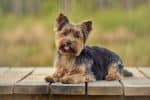
Yorkshire Terrier Canis lupus familiaris Toy companion dog. Plays the role of a small companion needing frequent owner contact and grooming. Requires regular brushing, dental care, and play to prevent problem behaviors. May be prone to tracheal collapse and patellar luxation.
American Eskimo Dog
American Eskimo Dog Canis lupus familiaris Spitz-type companion with a heavier coat and higher exercise and engagement needs; relevant for Pomeranian mixes that inherit increased spitz working-drive and energy. Care overlap includes coat maintenance (shedding) and early training/socialization to manage alertness and vocalization.

Pomeranian mixes are most commonly known for their small size and friendly temperament. Pomeranians are believed to have originated in the Pomerania region of Germany and Poland. Though they were initially bred as working dogs, their cute appearance and loving personality have made them popular companion pets over time. Today, many different Pomeranian mixes are available to adopt, each with its unique characteristics. However, all Pomeranian mixes share the same essential traits of being tiny, intelligent, and affectionate dogs.

The 3 Different Types of Pomeranian Mixes

Three of the most popular Pomeranian mixes are the pomchi, the pomeagle, and the pomsky.

  • Pomchis are a blend between a Pomeranian and a Chihuahua. They are typically small dogs with prominent personalities. They are known for being loyal and loving companions.
  • Pomeagles are a mix between a Pomeranian and a Beagle. They tend to be medium-sized dogs with a lot of energy. They need plenty of exercise and love to play.
  • Pomskys are a mix between a Pomeranian and a Husky. These dogs can be either small or medium-sized, depending on which parent they take after more, and they are loving and playful in character.
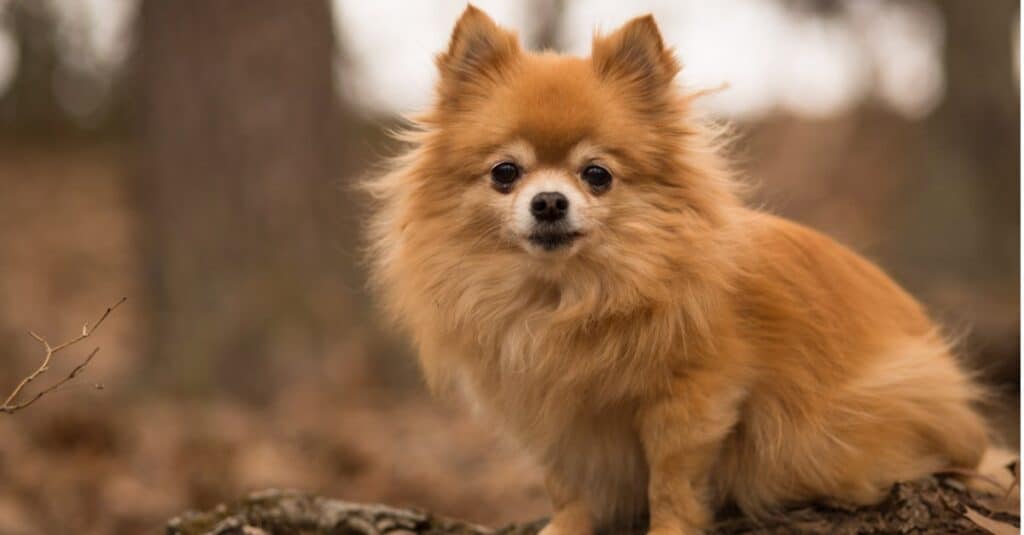
Pomchi sitting in the garden.

A Pomchi, a mix between a Pomeranian and a Chihuahua.

The Best Dog Food For Pomeranian Mixes

It’s good to note the importance of feeding your dog the right food to keep them healthy and active. Finding the right food for your puppy can be tough, as there are so many options.

Owning a Pomeranian Mix: 3 Pros and Cons

ProsCons
A great family dog: Pomeranian mixes can make great family dogs and can learn to live happily with small children. They are loving and affectionate dogs.Hard to groom: Pomeranian mixes usually have very fluffy fur that can be hard to groom. They are prone to matting and must be brushed regularly to maintain their coats.
Easy to train: Pomeranian mixes are usually known as companion dogs who love to impress their owners. They can easily pick up obedience tricks and love to learn new things.  Sassy: If your pup is not trained or socialized properly, it can lead to attitude and behavioral problems. So, it’s best to invest time in training your dog as a puppy to avoid this. 
Can live in small spaces: These dogs are usually small in size and, therefore, don’t require as much space as larger breeds. This means they can happily live in a smaller space, such as an apartment or unit, and in bigger homes.Prone to health issues: These dogs can be prone to health issues such as breathing issues and obesity. However, when cared for correctly, most dogs can live long and healthy lives.

Pomeranian Mix Size and Weight 

Pomeranian mix dogs can grow to various weights and sizes depending on what other breeds they are mixed with. They tend to be smaller dogs, and Pomeranians are generally somewhere between 7-11 inches tall and weigh 7 pounds. When mixed with other breeds, these dogs may be anywhere between 6 and 15 inches tall and 3 to 30 pounds in weight.

Pomeranian Mix Common Health Issues

Pomeranian mixes are usually healthy dogs that can live long lives, but can be prone to specific health conditions.

Patella Luxation is a common problem for them. This occurs when the kneecap slips out of place, causing pain and making walking hard. If you think your dog may have this condition, it is important to take them to the vet immediately for treatment.

Tracheal Collapse is another common health problem for Pomeranian mixes. This occurs when the trachea (windpipe) collapses, making breathing difficult for your dog. If you notice your dog coughing or wheezing, it’s worth taking your dog to the vet to check it out.

Coat loss is also a common issue for Pomeranian mixes. Several factors, including allergies, stress, and poor nutrition, can cause this. If you notice your dog losing their coat, try supplementing its diet with highly nutritious food, and if that doesn’t work, consult your local vet for more advice.

Pomeranian Mix Temperament and Behavior 

It’s important to note that every dog is unique and will therefore have its own individual personality and behaviors. That said, certain traits are commonly seen more in Pomeranian mixes. Here are three of the most prevalent ones:

  • Pomeranian mixes are typically very friendly, social, and outgoing dogs. They love meeting new people and spending time with their families.
  • These dogs are also known for being very intelligent. They are quick learners and can be easily trained.
  • Pomeranian mixes are quite active, entertaining, and playful dogs, making them great for houses with children. But the dog must be properly socialized beforehand.

How to Take Care of Pomeranian Mixes
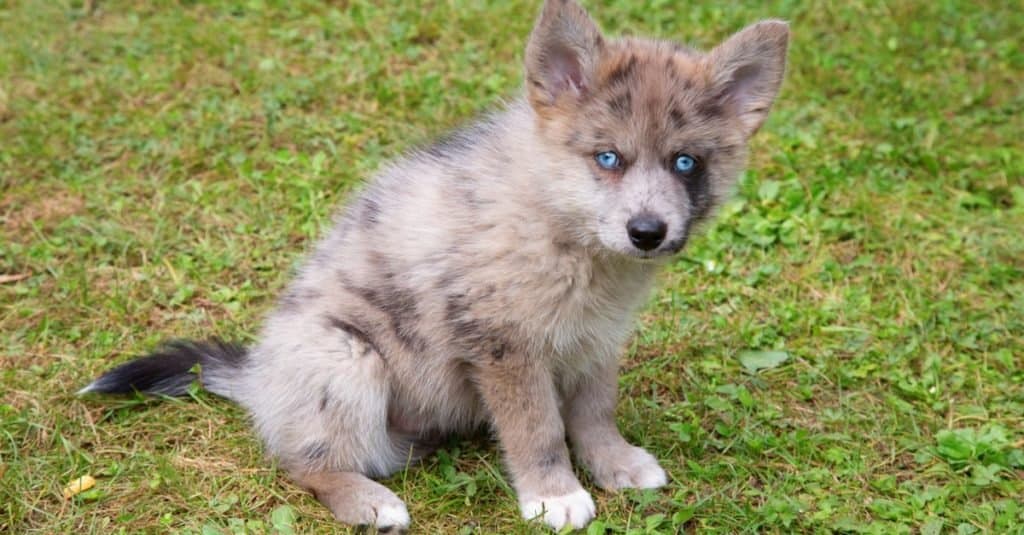
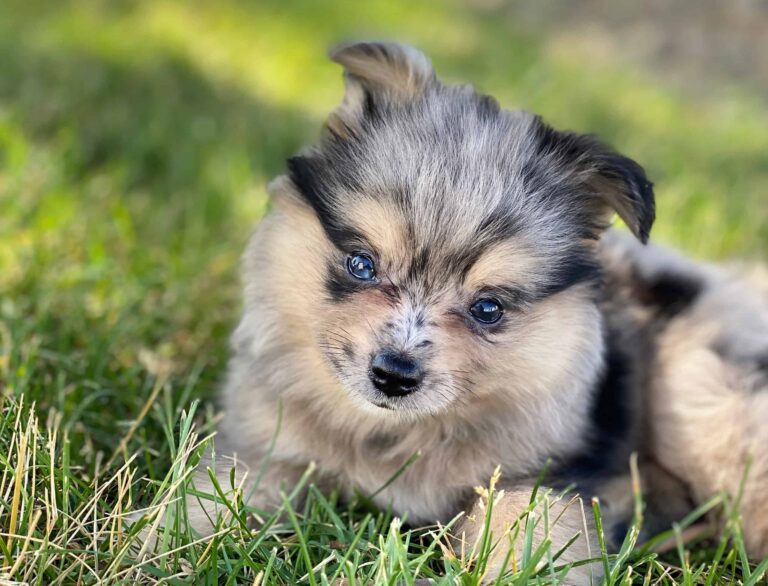
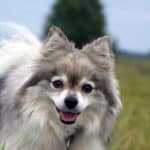
Adorable blue-eyed Pomsky puppy. Pomsky is an artificial breed, a mix of the Siberian Husky and Pomeranian

When you bring home your new puppy, be sure to put in the effort for training.

It’s exciting to bring home your puppy for the first time, but it can also be daunting. You may not have owned a puppy before and want to give your pet the best possible start in its young life. Fortunately, abundant information is available to help pet owners care for their new pets. Here are some tips to help you care for your new Pomeranian mix dog or puppy.

Maintenance And Grooming

It is important to brush your Pomeranian mix regularly. This will help reduce shedding and keep their fur looking healthy and lustrous. You should use a soft-bristled brush and avoid brushing too hard to prevent damaging its delicate skin. In addition to regular brushing, you should also bathe your dog as needed. Again, be sure to use a gentle shampoo formulated specifically for dogs to avoid irritation or allergies. After bathing, be sure to thoroughly dry your pup’s fur — both with a towel and by using a hairdryer set on low heat. Finally, it is important to monitor your Pomeranian mix for any skin or fur problems that may appear. If you notice any redness, itching, or excessive shedding, be sure to take them to the vet for an evaluation.

Training 

Every dog is different; therefore, some may be easier to train than others, regardless of their breed. That being said, Pomeranian mix dogs are generally considered intelligent and eager to please, making them relatively easy to train. However, putting in the time and effort to properly train your dog to learn good behavior and obey commands is still important. Overall, a pomeranian mix dog may be easier to train than some other larger breeds, but it is still important to put in the work required for training.

Exercise

Pomeranian mixes are usually smaller dogs that can live in smaller houses or apartments when required. They don’t need much space to run around, so a small yard or even just a walk per day should suffice. Additionally, they benefit from daily playtime or fetching games to help keep them active.

Puppies 

It’s important to research what type of dog would be the best fit for your lifestyle and personality. While Pomeranians are small and cute, they can also be yappy and require a lot of attention and grooming. Mixing them with another breed can sometimes temper these traits, but it depends on the dog.

You will want to find a reputable breeder who health tests their dogs and provides guarantees against genetic defects. This is especially important with mixed breeds, as there is no way to predict which traits the puppy will inherit from each parent. A good breeder will be able to answer any questions you have about the parents and grandparents of the puppy, as well as provide health clearances.

Finally, remember that puppies require a lot of time, energy, patience, and training. They are not always low-maintenance like an adult dog might be. Be prepared for potty accidents, chewing everything in sight, teething pain, separation anxiety, and more. If you are not ready for this level of commitment, perhaps getting a puppy is not the right choice for you now. However, the good news is that the puppy stage doesn’t last forever and can be quite rewarding when training pays off.

Pomeranian Mix And Children

Pomeranian mixes are known for being small, loving, and playful, which makes them great companions for children. However, it is essential to note that the dog and the children must be taught correct boundaries and how to treat each other respectfully. With proper training and socialization, a Pomeranian mix can make an excellent addition to any family.

Famous Pomeranian Mixes

Pomeranians and pom mixes have been featured throughout pop culture, appearing in movies, magazines, and TV shows. They have featured alongside stars in films and shows, such as To Die For, Dumb and Dumber, and The X Files, and even as a character in the animated film The Secret Life of Pets. Renaissance artist Michelangelo also owned a Pomeranian when he famously painted the Sistine Chapel.

View all 246 animals that start with P
Lev Baker

About the Author

Lev Baker

Lev is a writer at AZ Animals who primarily covers topics on animals, geography, and plants. He has been writing for more than 4 years and loves researching topics and learning new things. His three biggest loves in the world are music, travel, and animals. He has his diving license and loves sea creatures. His favorite animal in the world is the manta ray.
Connect:

Thank you for reading! Have some feedback for us?


Pomeranian Mix FAQs (Frequently Asked Questions)

Pomeranian mix puppies can range in price from $1,000 upwards to over $4,000 for specific breed mixes. Although owning a dog is a lifetime commitment and will cost more over the years.