
Quick Take
- One common kitchen spice goes beyond simply repelling raccoons by physically burning them, though only if you apply it the right way. See how capsaicin burns →
- Planting garlic around your yard sounds like a smart fix, but the article reveals why it almost never works. Why planting garlic fails →
- One of the most powerful raccoon deterrents on this list is also a hazardous chemical that can send you to the hospital if mishandled. Understand the safety risks →
- The last repellent on the list combines ingredients most people already have, though most DIY recipes skip a critical step in the process entirely. Get the full recipe →
Have you ever wondered why your garbage cans are being toppled over and rummaged through in the middle of the night? You’ve probably been visited by mischievous raccoons (Procyon lotor), which are notorious for their cheeky behavior. As omnivores, raccoons eat both plants and animals, including fruits, nuts, and insects. Raccoons can also adapt quickly to various ecosystems, including cities and residential areas. Because raccoons have an acute sense of smell, using strong scents can help keep these clever but destructive pests at bay. Continue reading to learn about six scents that may discourage raccoons.

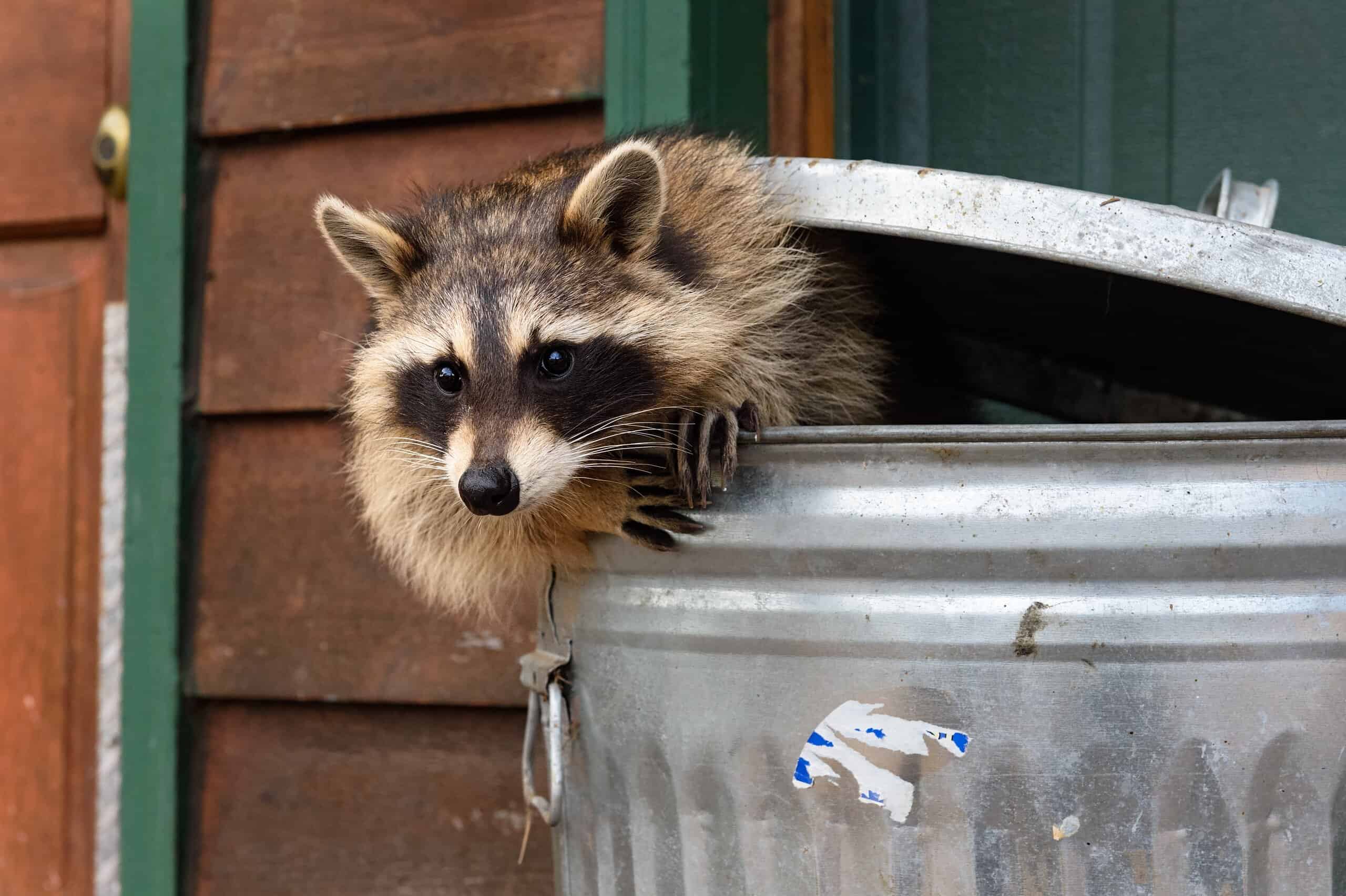
Using scents that raccoons dislike can keep them out of your yard.
©Mark_Sawyer/Shutterstock.com
Peppermint Oil
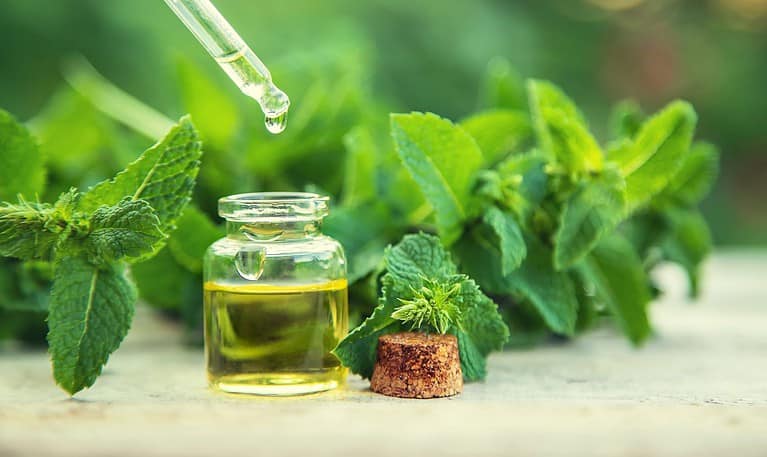
Peppermint oil is a powerful natural repellent. Since peppermint oil has a high concentration of menthol, when raccoons come across this scent, they will experience a burning sensation that strongly irritates their olfactory receptors.
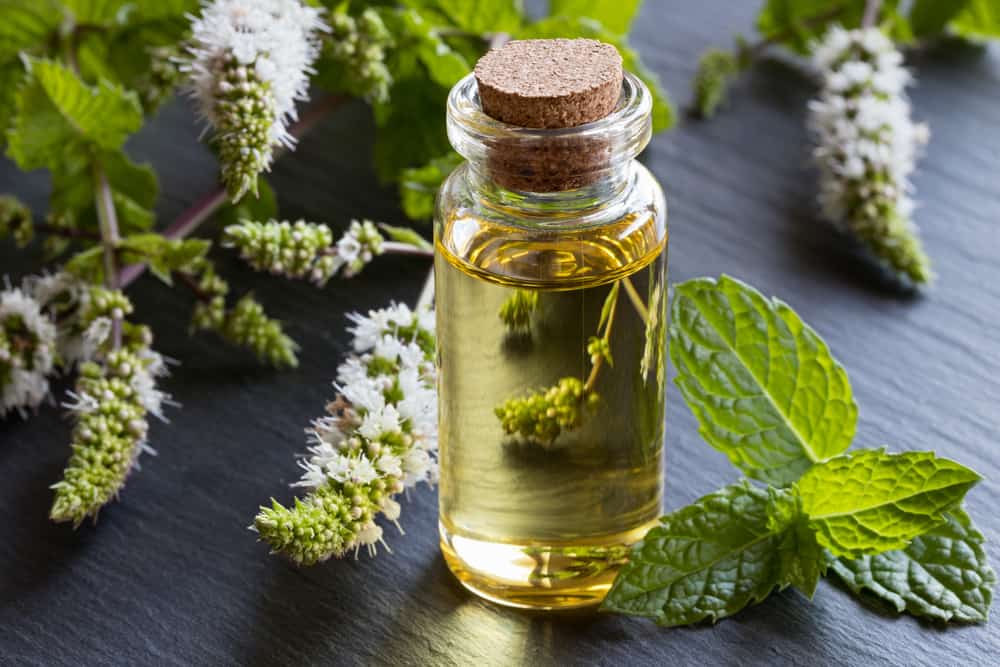
Peppermint oil is a powerful natural repellent deterring raccoons with its sharp aroma.
©Madeleine Steinbach/Shutterstock.com
To use peppermint oil as a natural repellent, start by locating raccoon hotspots, which may include gardens, enclosed spaces such as attics, and trash cans. After determining the location, grab some cotton balls, soak them in peppermint oil, and place them around the area where raccoon activity has been observed.
Another option is to combine a few drops of peppermint oil with water and spray the mixture where you wish to deter raccoons.
Black Pepper and Cayenne Pepper
Due to their powerful, spicy scents, cayenne and black pepper are excellent at repelling raccoons. The component that gives peppers their heat, capsaicin, can induce a burning sensation in the raccoon’s eyes and nose, discouraging it from entering an area where these spices have been placed.

Cayenne pepper can cause irritation to a raccoon’s eyes so sprinkling it in key places can help to keep them away.
©Thanatip S./Shutterstock.com
There are a couple of methods for applying pepper to deter raccoons. Scatter cayenne pepper or red pepper flakes in areas where raccoons are a nuisance. Alternatively, mix one tablespoon of cayenne pepper or habanero powder with water and a few drops of liquid dish soap, which helps the spray stick to surfaces. Strain the mixture if necessary to prevent clogging, pour it into a spray bottle, and apply it in areas where you wish to keep raccoons away.
When working with hot peppers, be sure to wash your hands thoroughly to avoid experiencing the burning sensation yourself.
Garlic
Garlic deters raccoons because of the sulfur-containing compound allicin. When garlic is chopped, an enzymatic reaction converts the precursor compound alliin into allicin and other sulfur compounds, producing a strong, pungent aroma that raccoons find repellent.
Garlic can be used in various ways to keep raccoons away. Planting garlic around the perimeter of your garden or yard may discourage raccoons, but growing garlic alone is not a foolproof deterrent — the living plant’s scent is not always strong enough to overpower competing smells. Concentrated garlic sprays and powders are much more effective.
A more effective approach is to make a garlic spray: crush a few garlic cloves, strain to extract the juice, and combine it with water and a few drops of dish soap. Spray the mixture in areas where raccoons have visited. This barrier will repel raccoons, keeping them away from your property.
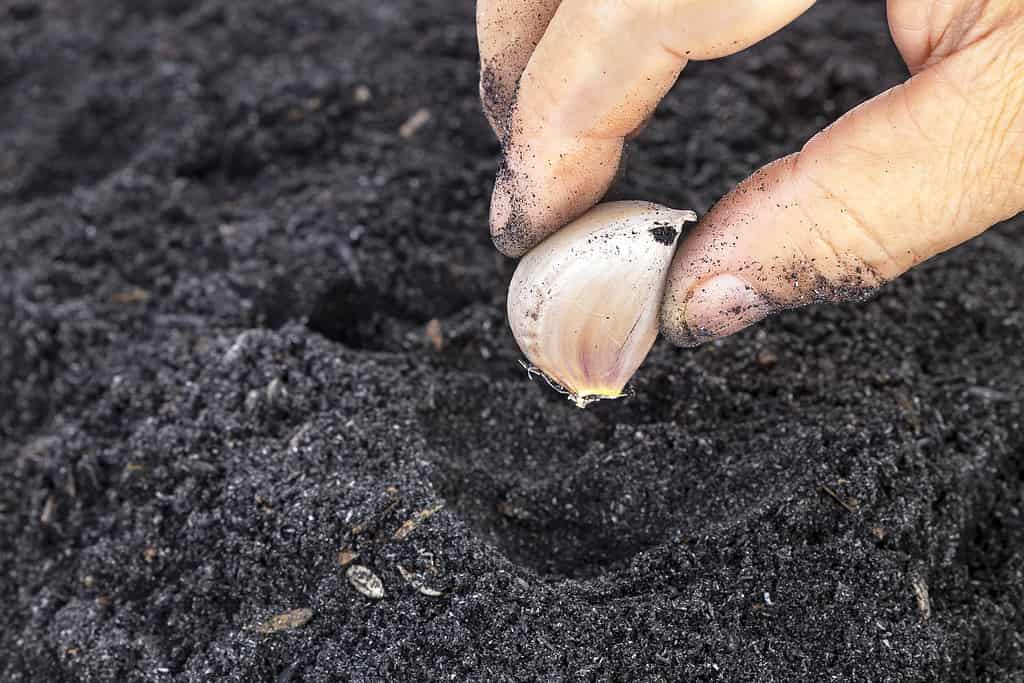
Raccoons dislike the smell of garlic so planting garlic around your perimeter can help to deter unwanted visitors.
©supersaiyan3/Shutterstock.com
While garlic can be an excellent repellent, it is not always effective. Raccoons are intelligent and adaptable animals. If they are extremely hungry or desperate, they may still push through the scent to obtain food.
Vinegar
Vinegar is a quick, inexpensive, and eco-friendly raccoon deterrent. Vinegar’s sharp, acidic smell overwhelms a raccoon’s senses, interfering with its ability to locate food sources. Soak rags or cloths in white or apple cider vinegar and place them near trash cans or around garden beds. Note that on hot, sunny days, the rags will dry out and the vinegar will evaporate, rendering them ineffective.

Spray a mixture of vinegar and water around your yard so its smell can interfere with a raccoon’s ability to locate food sources.
©Sergio Rojo/Shutterstock.com
Ammonia
Ammonia is a colorless gas with an extremely strong, pungent odor. It is also a hazardous chemical that must be handled carefully: inhaling it can cause respiratory issues, and skin or eye contact can result in chemical burns.

©chemical industry/Shutterstock.com
However, because ammonia smells similar to urine, it can deter raccoons by mimicking a predator’s territorial scent markings.
Raccoon Goulash
One of the most effective homemade raccoon repellents is a mixture of crushed garlic cloves, a chopped onion, hot peppers, and fresh mint leaves. Bring the mixture to a boil and let it steep for 20–30 minutes. Once it has cooled, strain the mixture and place it in a spray bottle with a few drops of liquid dish soap. Apply the spray in areas where raccoons have been active. The pungent odor of this spray should deter raccoons, but reapply it regularly and after heavy rain.