
Quick Take
- Some common healthy foods you'd never suspect are actually toxic to rats, and a few of them are probably already in your kitchen. See the toxic foods →
- Feeding a pet rat "anything edible" is not as harmless as it seems, since even one popular pantry staple poses a serious choking risk. Check the choking hazards →
- City rats and country rats eat almost completely different diets, a fact that says a lot about how adaptable these animals really are. Explore urban vs. rural diets →
- There's a nutrient ratio pet rats need that most generic rodent foods don't actually meet. See the nutrient recommendations →
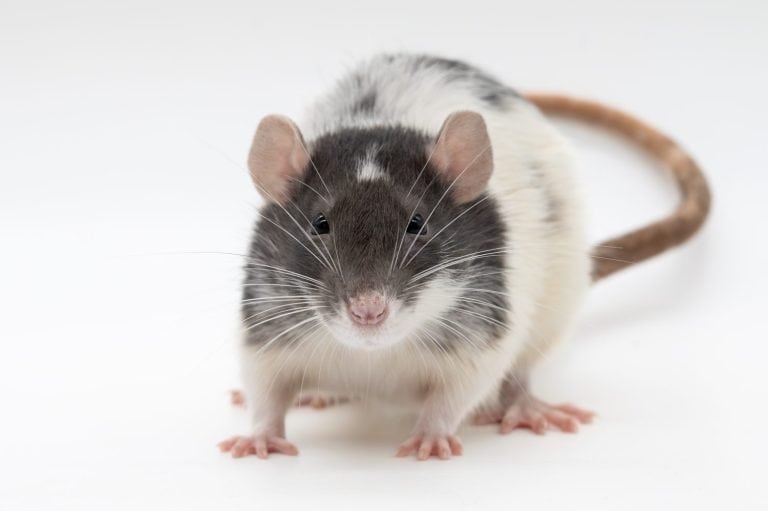
Although many people see rats as pesky rodents, others see them as adorable pets. Whichever group you fall into, you may be curious about what these critters eat. Rats are opportunistic omnivores in the wild that will gladly feed on anything edible. While their domestic relatives may be just as eager, that doesn’t mean they should be allowed to eat anything that strikes their fancy. When fed a high-quality diet, domesticated rats can live longer and have a better quality of life. Read on to learn what domesticated rats, and their wild cousins, eat.
Your Pet Rat’s Diet
As mentioned above, rats are omnivores, meaning they have digestive systems that can process both plant and animal matter. However, you can feed them a balanced diet with commercially made rat pellets. In fact, experts recommend that pet rats eat mostly pellets, which should account for roughly 90% of their diet. Although there are many different types of rodent kibbles available, rats should only be fed pellets made specifically for them. Opt for kibble with a protein level of 14–20% and a fat content of 3–6%.
Pellets are packed with vitamins, minerals, protein, and fiber, but rats shouldn’t eat only kibble. Healthy produce should make up roughly 5%–10% of your rat’s diet, as it provides variety and nutrition that pellets cannot.

Rats should eat mostly pellets, which should account for roughly 90% of their diet.
©iStock.com/Olga Evtushkova
The following vegetables are safe for rats to eat:
- Broccoli
- Cauliflower
- Peas
- Corn
- Carrots (raw or cooked)
- Cucumber
- Zucchini
- Leafy greens such as spinach, kale, and arugula
- Bell peppers with no seeds or veins
- Sweet potatoes
- Squash
Pet rats also eat fruit as the occasional treat. Blueberries, strawberries, blackberries, watermelon, cantaloupe, honeydew, apples (without the seeds and core), pears, peaches, bananas, and grapes are all fruits rats enjoy. Cooked egg, seeds, and grains are also often part of a pet rat’s diet.
The Wild Rat’s Diet
In the wild, rats adapt to their environment. They consume whatever foods are easiest to find. Rats tend to eat more plant matter when they are away from cities, as grains, fruits, and seeds are more abundant in the country. Rats forage for seasonal fruits, vegetables, leaves, green plant stems, seeds, grasses, and nuts. However, they are still omnivores, so they also consume animal protein such as insects, bird eggs, small reptiles, and even fish if they are near water.

Meat and garbage are favorites of city rats.
©Ernie Cooper/Shutterstock.com
Urban rats are more opportunistic and eat a higher protein diet. Their diet is not as varied, but they do not have to forage as widely as rats in rural areas. Garbage, meat scraps, and processed human foods are favorites of city rats. However, they will eat any pet food or human food they can find. Ask any New Yorker and they will tell you rats eat just about anything.
Toxic Foods for Rats
Several foods are toxic to rats. Blue cheese is on the list, as it contains molds and compounds that can harm your pet. Poppy seeds, chocolate, caffeine, garlic, raw beans and legumes, and avocado skins and pits are also toxic.
Rats are just as susceptible to the toxins in green potatoes as we are. Green potato skins and eyes contain solanine, which is a glycoalkaloid poison. Sticky foods like peanut butter and honey are also unsafe for rats, as they present choking hazards.