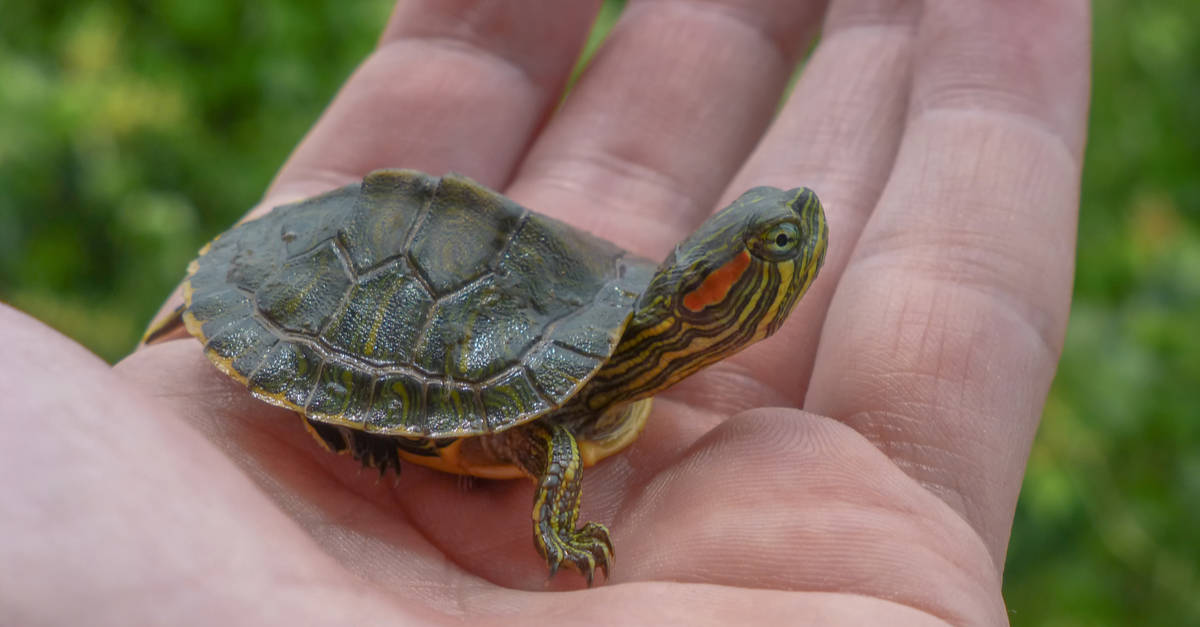

Quick Take
- Some owners releasing exotic pets into Indian lakes genuinely believe they're doing something kind, but they are mistaken. See how releases harm ecosystems →
- Black mambas and Gaboon vipers are entering India's pet trade, and the country is dangerously unprepared for what happens when they escape. Explore the venomous species threat →
- India has laws designed to stop the exotic pet trade, so why is the industry booming anyway? Examine the enforcement failures →
- The real number of exotic pet owners in India could dwarf what the government's own disclosure scheme revealed. See the disclosure scheme gaps →
In India’s government-run Voluntary Disclosure Scheme of 2020, more than 40,000 people across 30 states and union territories declared their exotic pets. However, a Humane World for Animals report published this year believes this figure may represent only a fraction of India’s actual exotic ownership.
Non-native animal ownership in India has become a significant industry. However, what happens when owners realize they can no longer manage the animals they bought? Do any regulations exist in India to protect these animals, and what is the exotic pet industry’s future in this country?
Let’s explore what’s happening with India’s exotic pet trade, including how the nation’s ecosystems are changing when non-native animals are released into new areas.
Why People Buy Exotic Animals, For Better and For Worse
The motivations for buying exotic pets are documented in multiple studies. Conservation researcher Uttara Mendiratta, who works on illegal wildlife hunting and trade, identifies several: the desire to own an unusual critter, the appeal of an animal perceived as rare or “cool,” and the belief that some exotic species are easy to maintain.
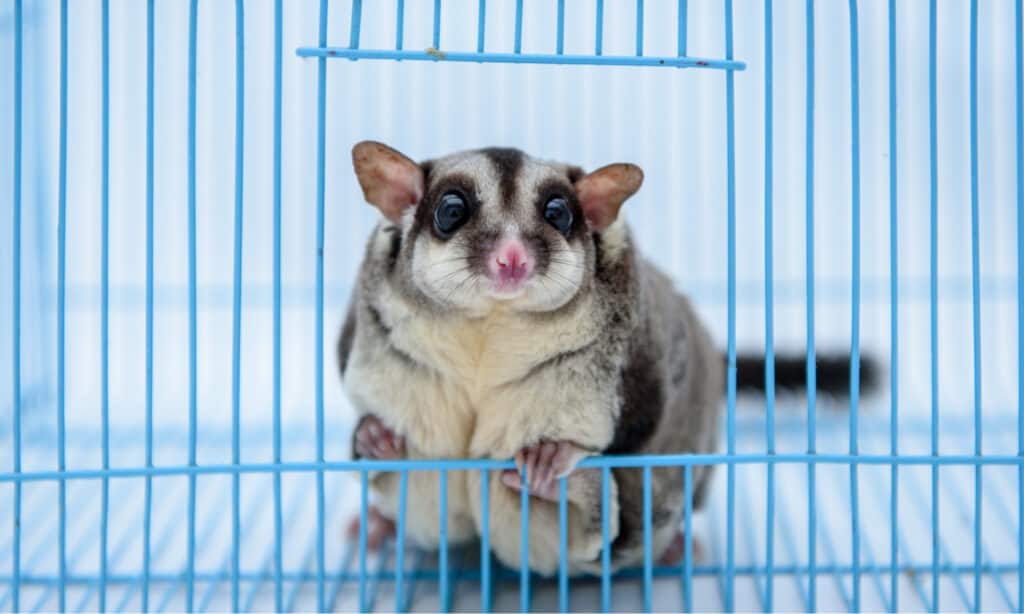
There are multiple exotic animal species taking over the pet industry in India.
©MARVIK/Shutterstock.com
“People buy a small, cute animal that eventually becomes bigger,” Mendiratta said, noting that social media is at the heart of many exotic pet trends. Once a pet becomes an inconvenience and more work than the trend suggests, it is often abandoned, and typically in favor of the next popular exotic animal.
For example, a January 2026 Kerala study of red-eared sliders found that 16% of respondents said some owners released turtles into natural or open areas once the animals grew too large. And these turtles are just one example.
Red-Eared Sliders: The Invasiveness of Exotic Pets
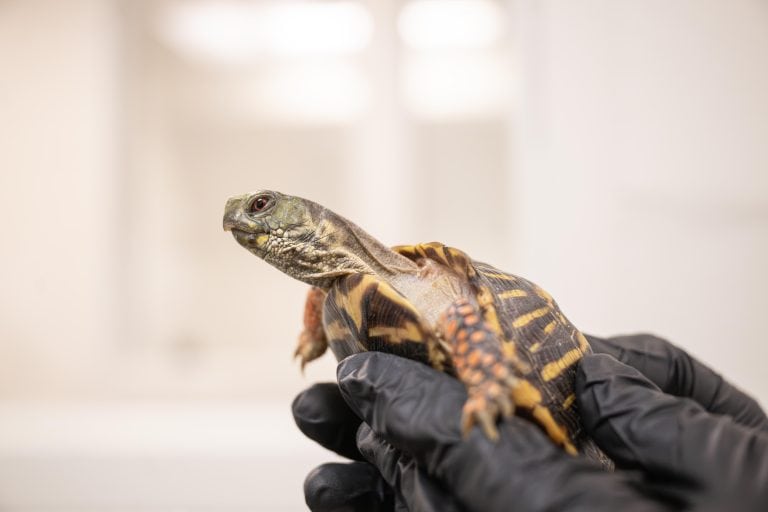
The red-eared slider is technically native to the Mississippi River basin in North America, but it has become one of India’s most popular pet reptiles. It is also one of the 100 “World’s Worst Invasive Alien Species” on the IUCN Invasive Species Specialist Group list.
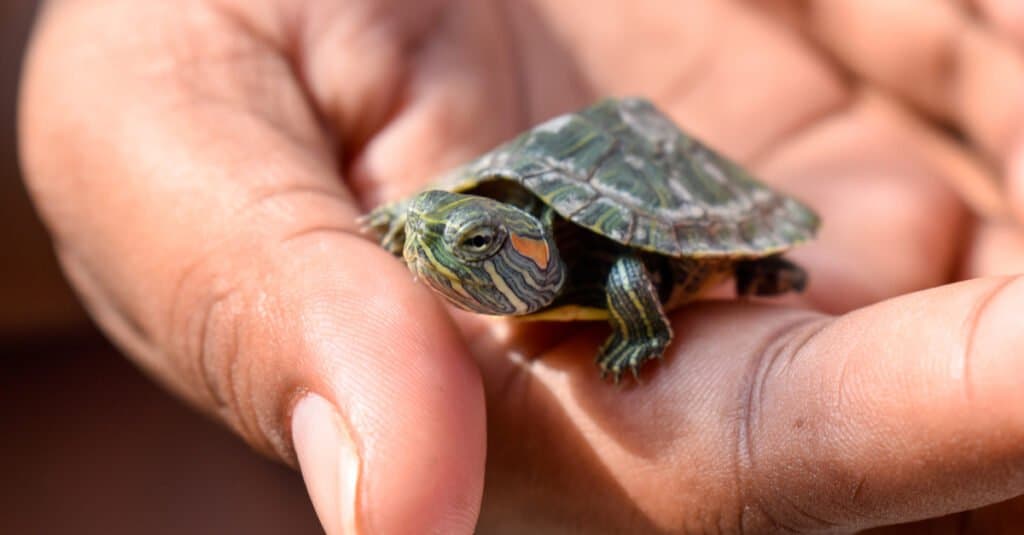
Red-eared sliders are just one pet that’s become popular in India.
©Akash Naik/Shutterstock.com
“They can become extremely dominant in water bodies, eating other organisms and establishing themselves as a dominant species,” said Sumanth Bindumadhav, the India director of Humane World for Animals.
This singular species has now been recorded in water bodies across Gujarat, Karnataka, West Bengal, Punjab, Rajasthan, Goa, and Telangana. As the turtles mature, their diet shifts from carnivorous to omnivorous, and they compete directly with native turtles for food, basking sites, and nesting locations, and generally alter waterway ecosystems over long periods of time.
The number of turtles doesn’t help, either. Customs authorities in India seized 12,385 red-eared sliders at Chennai and Tiruchirappalli international airports between 2018 and 2020 alone. Their small size, high survival rate in transit, social media trendiness, and low price in exporting countries make them ideal for large-scale smuggling.
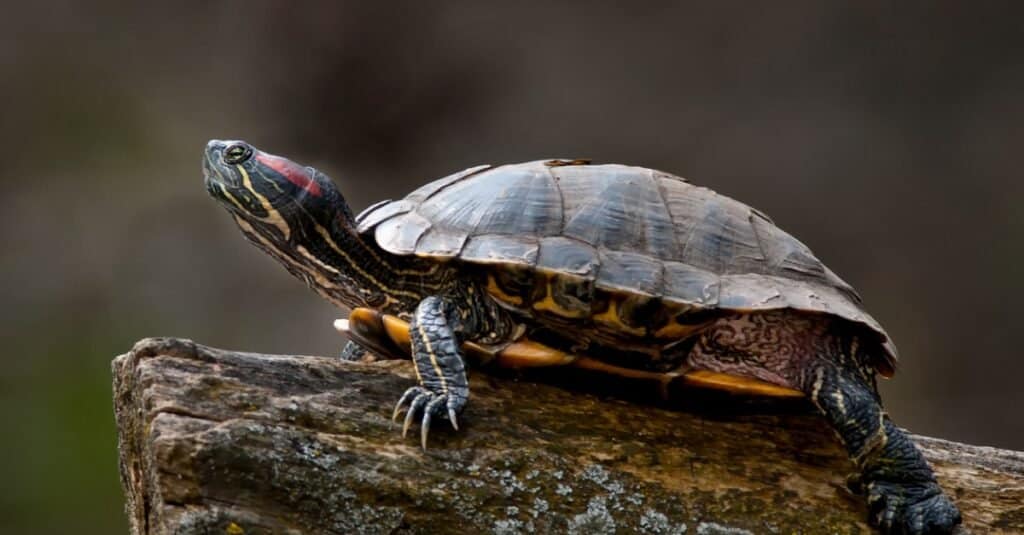
India’s climate is ideal for released red-eared sliders to breed and take over.
©iStock.com/PaulReevesPhotography
“There are videos on social media of people releasing them into lakes and ponds and presenting it as a good deed,” Mendiratta said. “It is not a good deed. They are releasing a highly invasive alien species.”
Iguanas, Black Mambas, and Vipers, Oh My
Red-eared sliders are just one species making its way into India’s ecosystems. Green iguanas, which are native to Central and South America, are popular among Indian pet keepers, but India’s climate is becoming better suited for these lizards to survive should they be abandoned by their owners.
In July 2024, Chennai Customs seized 402 baby iguanas arriving from Bangkok, including 53 blue iguanas listed under CITES Appendix I, the highest tier of international trade protection. The heartbreaking fact is that sixty-seven of the animals were already dead when they arrived, which is just another issue with the exotic pet industry.
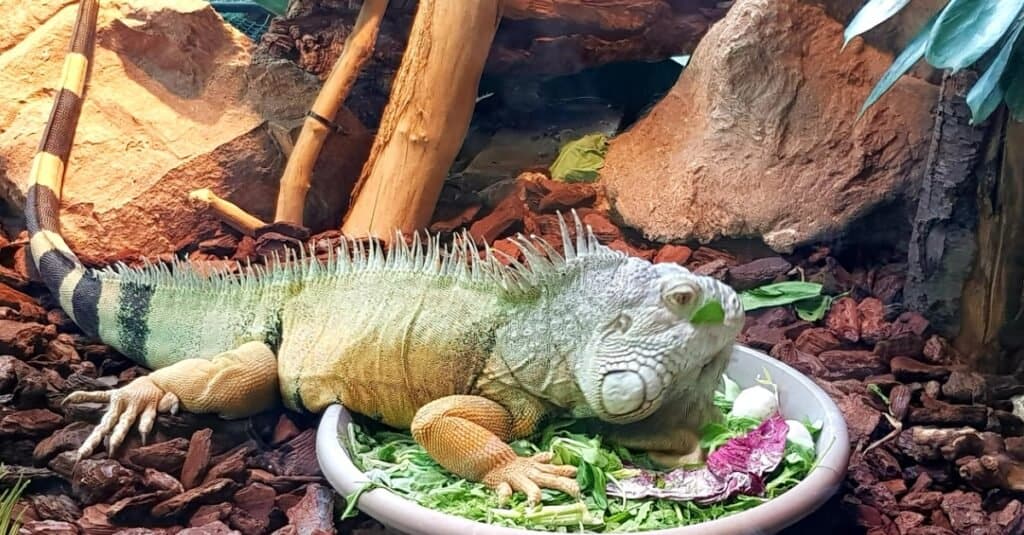
Green iguanas are capable of living in India should they be released from captivity, posing invasive problems.
©iStock.com/Suzana Dreno
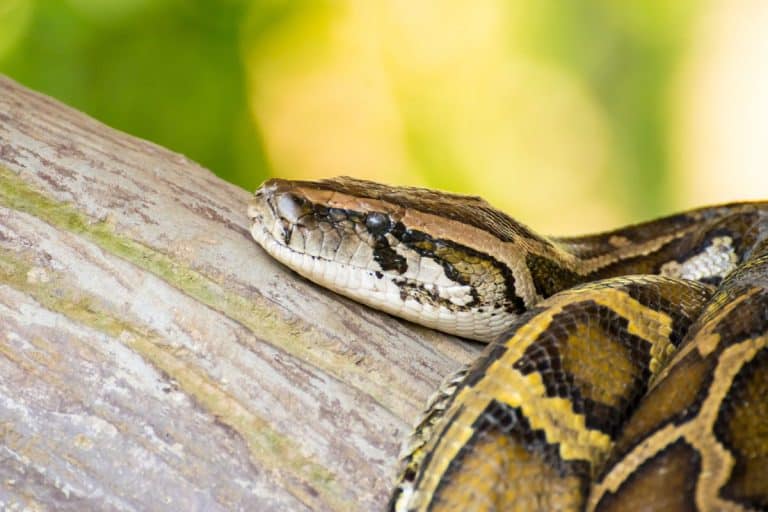
Snakes are also appearing in rescues, including both venomous and non-venomous exotic species. Pawan Sharma, a wildlife conservationist with Resqink Association for Wildlife Welfare in Mumbai, has encountered anacondas during rescue operations. “There have been cases where large snakes have broken out of their enclosures and disappeared,” Sharma said. “In some cases, we simply don’t know where they have gone.”
The venomous species pose another issue. “People are bringing animals such as black mambas and Gaboon vipers into the country,” Bindumadhav said. “If they escape or are released, they could potentially establish populations because they can adapt to tropical conditions.” He noted that India does not have antivenoms for many of these exotic species, making bites potentially unsurvivable, regardless of medical access.
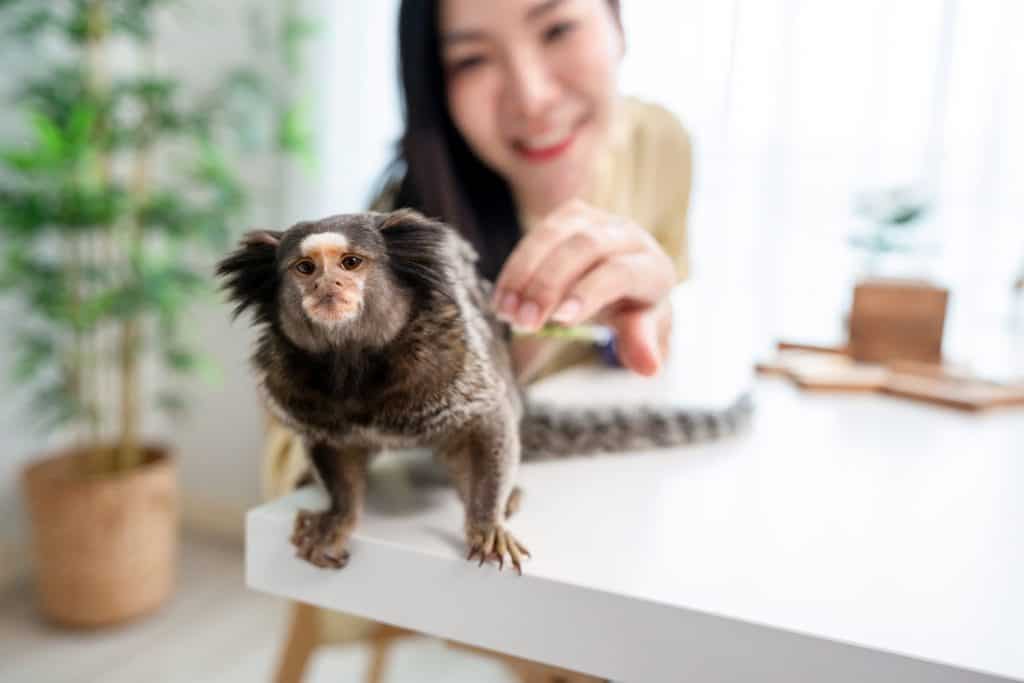
Marmosets are another exotic animal growing in popularity among pet owners in India.
©Hananeko_Studio/Shutterstock.com
African grey parrots, macaws, marmosets, and sugar gliders also appear regularly in rescue intake logs. Given that so many animals are arriving in India for the pet trade, what is being done to stop this from happening?
The Legalities of Exotic Pets in India
India’s exotic pet industry is thriving currently because there aren’t many enforced legalities surrounding it. For example, wildlife listed under the Wildlife Protection Act 1972 cannot be kept as pets, but enforcement is inconsistent, and many species enter the country through channels that are difficult to trace, and no national surrender policy exists for private owners who no longer want their animals.
“There are only so many rescue centers, and many are understaffed,” Mendiratta said. “Once you hand an animal over, you may also have very little control over what ultimately happens to it.”
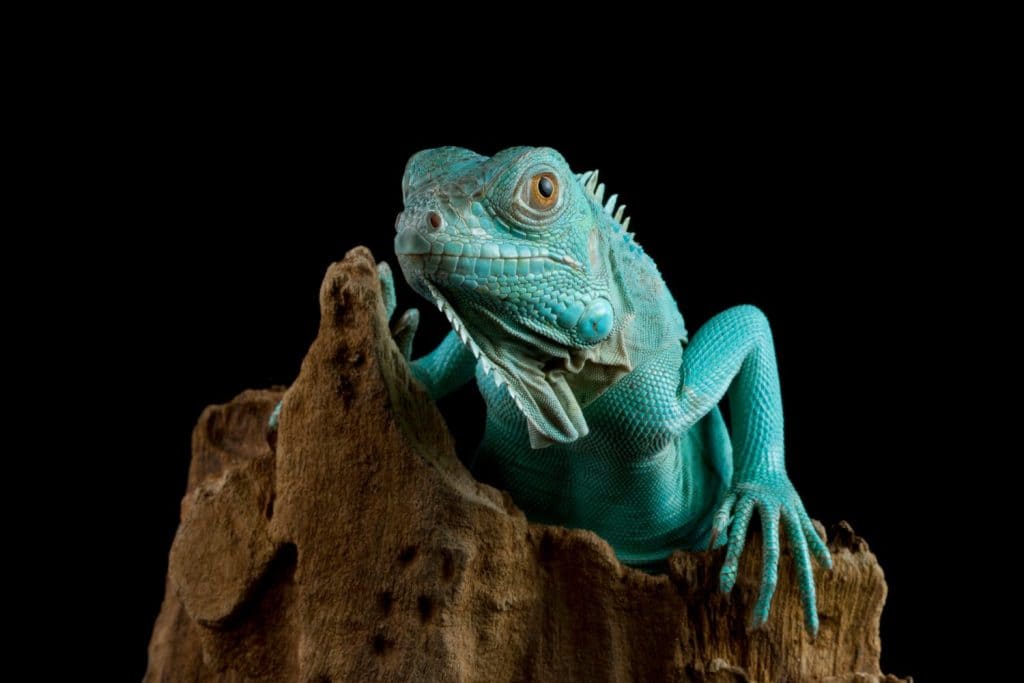
India’s exotic pet industry needs further regulations before it’s too late.
©Kurit afshen/Shutterstock.com
Bindumadhav believes the solution requires building legal infrastructure before mandating any policies. “India needs a national surrender policy,” he said. “But it needs to come after we have the infrastructure to take these animals that people don’t want to keep anymore. In the absence of it, people often end up releasing animals where they see fit.”
This is a common pattern in the exotic pet trade: animals arrive faster than the rules, then rules arrive faster than the enforcement, and, by the time enforcement catches up, some species are already established in ecosystems where they were never supposed to exist.
India is still early enough in that cycle that intervention is possible, but time will tell whether changes happen fast enough.