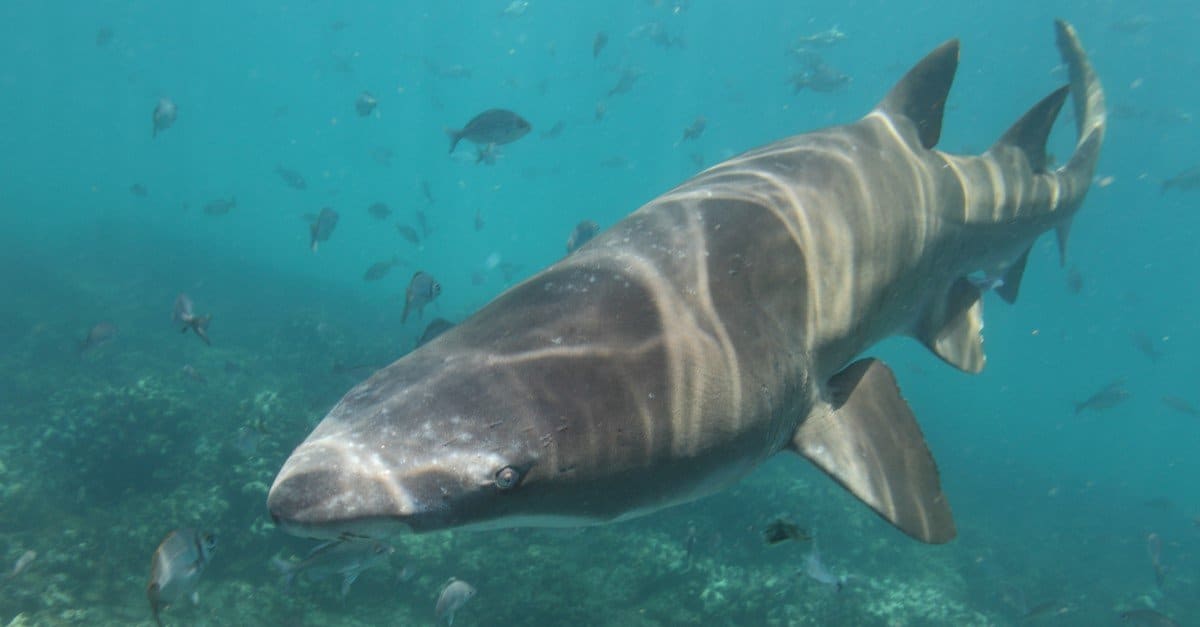

You may think that since sharks have noses, they use them for breathing. However, unlike mammals, they use them only to smell, not to breathe. Sharks are fish, so they do not have lungs, either. So you may be wondering — if they can’t breathe through their noses and they don’t have lungs, how in the world do sharks breathe? This is where gills come in. Gills are familiar fish body parts, located between the head and pectoral fins. In this article, we’ll take a deeper look at how gills work and what other parts of sharks’ bodies help them breathe.
Do Sharks Breathe Oxygen?
Humans breathe in oxygen and other gases, filter out waste such as carbon dioxide, and then exhale into the open air. This process is called ‘gas exchange’. For sharks, it’s a similar process but involves different organs. The air we breathe is 21% oxygen. However, the oxygen concentration in water is only 1%. Sharks can extract about 50% of the available oxygen in water, while humans extract roughly 25% of the oxygen from the air they breathe.
Oxygen enters the ocean from the atmosphere and through photosynthesis. Therefore, surface water, which extends to about 300 feet, holds more oxygen than deeper water. Active shark species like the mako and great white shark tend to swim closer to the surface because of their need for speed. They require more oxygen than other species to catch fast-moving prey, so they swim where oxygen is more abundant. But what does speed have to do with oxygen intake?
The Ram Ventilation Breathing Technique

Mako sharks are obligate ram ventilators and must keep swimming to breathe.
©Alessandro De Maddalena/Shutterstock.com
Regardless of which breathing technique sharks use, they have 5-7 gills, which are the most crucial part of their respiratory systems. In the ram ventilation breathing process, water is taken in through the shark’s mouth as it swims, flowing over the gill slits. Inside the gill slits, there are structures called gill filaments that are full of tiny blood vessels. As the water passes over the gill filaments and the blood vessels, oxygen diffuses into the bloodstream. Carbon dioxide waste is diffused back into the water and released into the ocean through the gills.
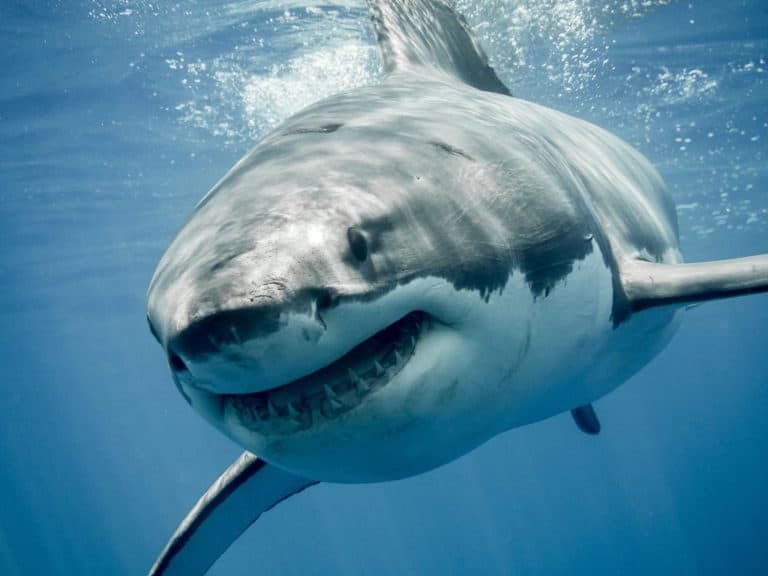
The faster the shark swims, the faster the water flows into its mouth and over its gills, providing the shark with more oxygen. An increase in speed results in an increase in oxygen intake. This is why ram ventilation works best for fast-moving sharks like great whites and mako sharks — they require more oxygen. They also have no alternative.
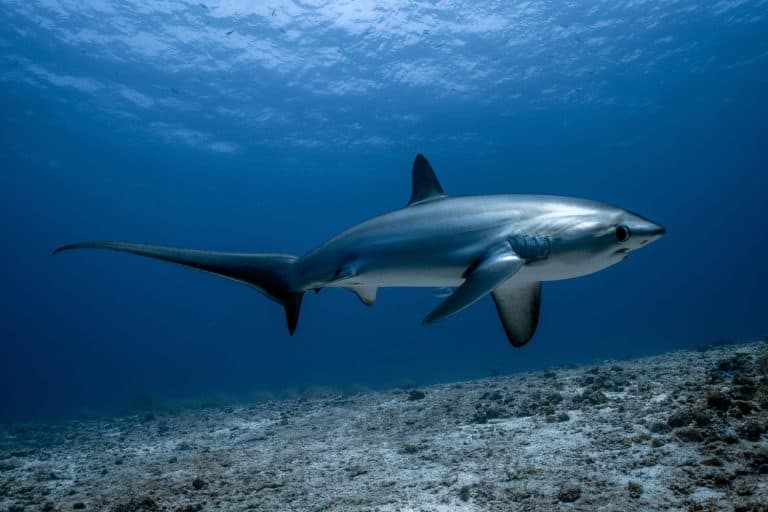
While all sharks can technically use ram ventilation, some sharks do not have another option. These sharks are referred to as obligate ram ventilators. Out of over 400 shark species, only around 20 sharks must use this method. Mako sharks, great whites, blue sharks, and thresher sharks are some of the sharks that must keep swimming to breathe. Some hammerhead species may also rely on ram ventilation, but not all are obligate ram ventilators. Other sharks use a technique called buccal pumping instead.
The Buccal Pumping Breathing Technique
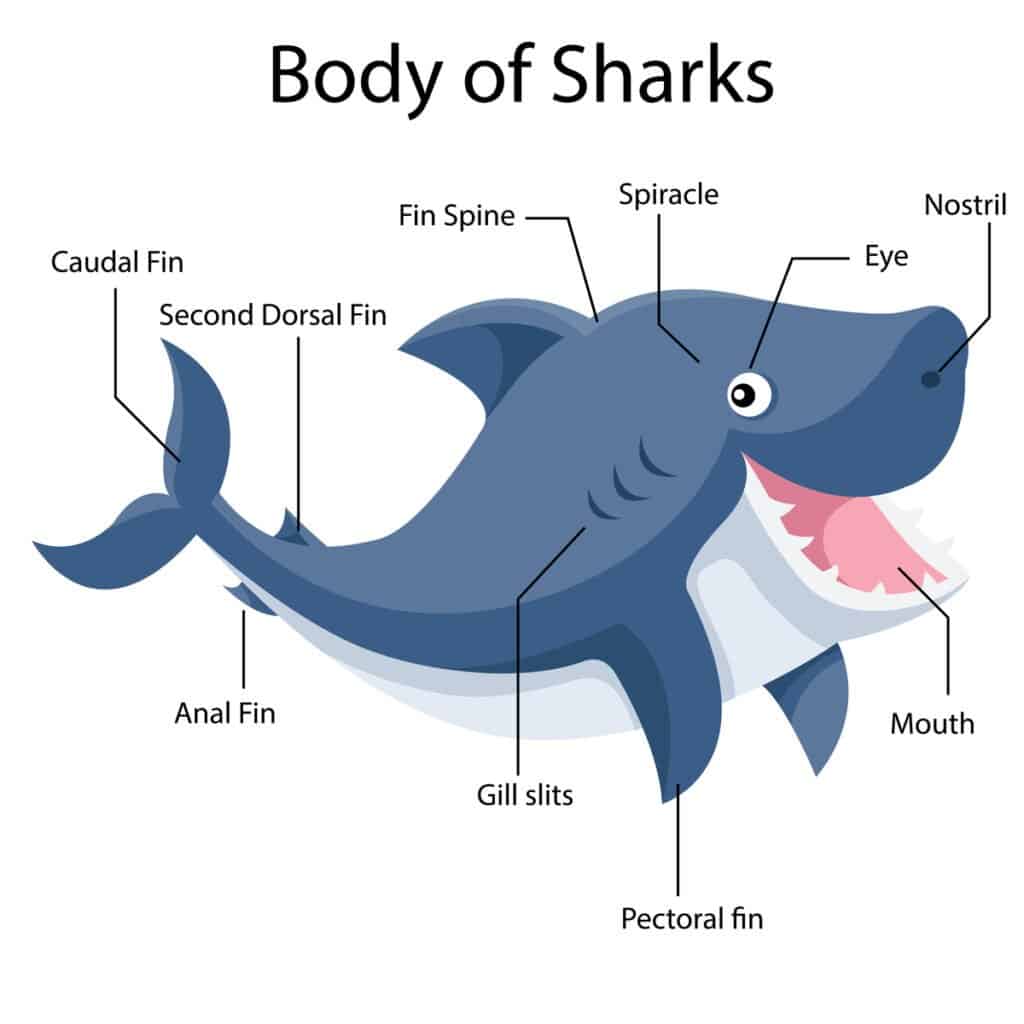
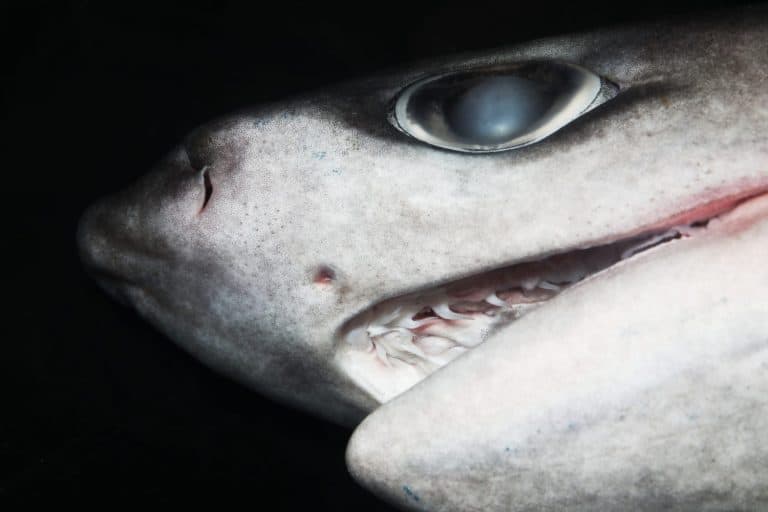
A shark’s spiracles are usually located behind its eyes.
©nalin chanthorn/Shutterstock.com
For most shark species, the buccal muscles in their cheeks pull water into their mouths in a way similar to how humans inhale. This water then passes over the gills, where oxygen is diffused into the bloodstream via the blood vessels in the gill filaments, and waste is filtered out through the gills.
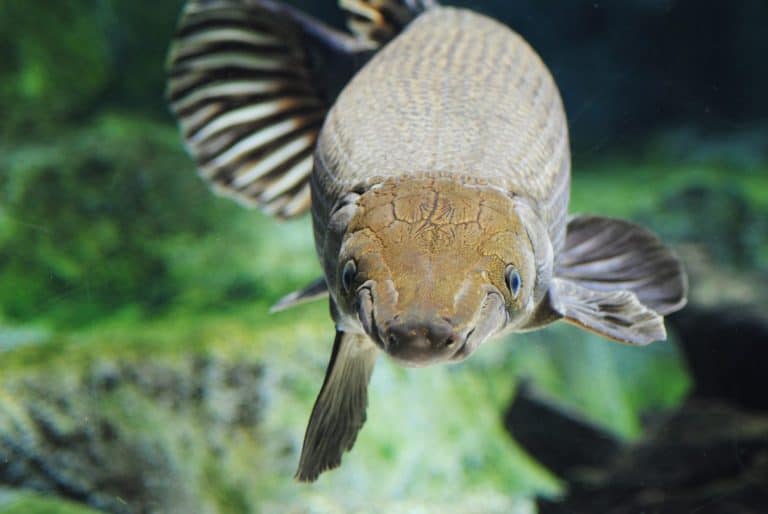
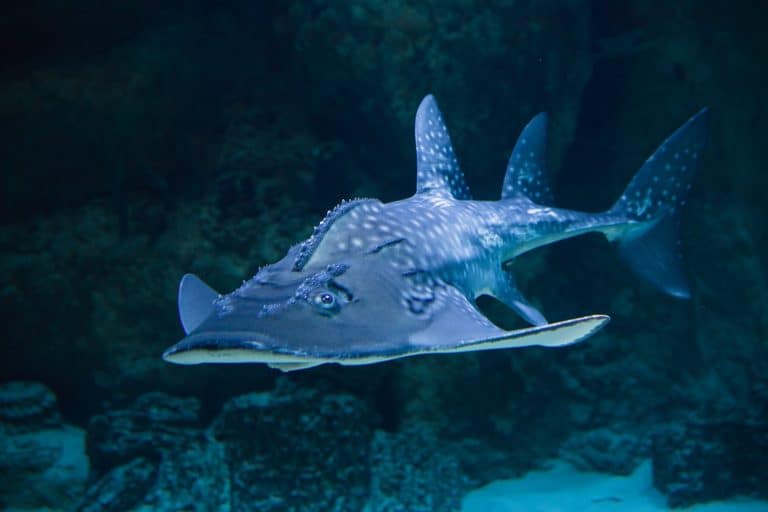
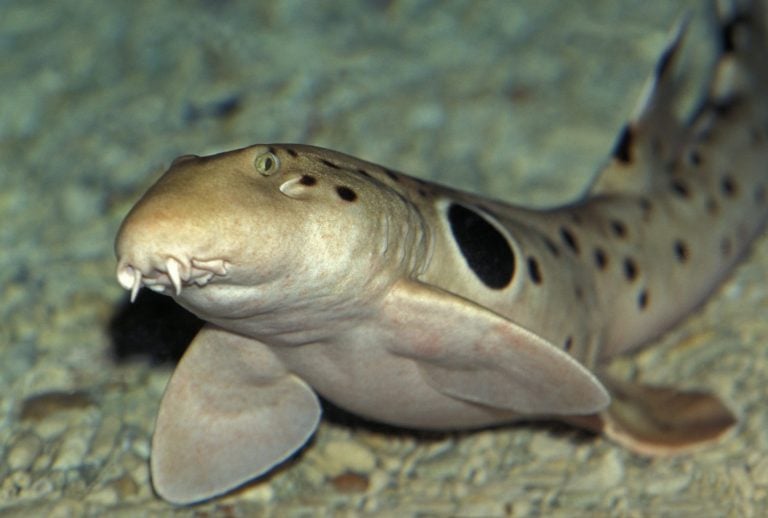
Some sharks also have spiracles, which are openings typically located right behind the eyes. With their mouths closed, they can pull water in through the spiracle so it can enter the gills. As sharks lie on the ocean floor, or even bury themselves in the sand, their gills open and close due to the actions of the spiracles. This is comparable to the way humans use a straw to pull liquid into their mouths.
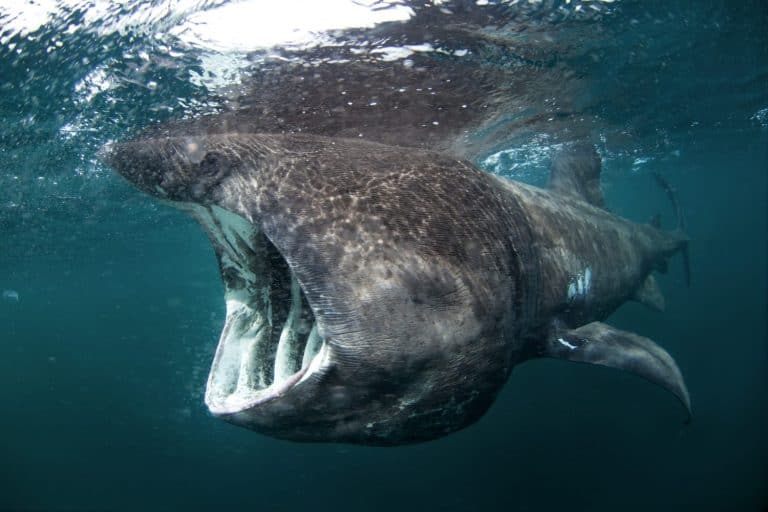
Fish like the whale shark have lost this ability because evolution has either shrunk the spiracles so they are non-functional or they have disappeared altogether. Others, like the reef shark, can switch between buccal breathing and ram ventilation, depending on their needs. So, the vast majority of sharks do not have to keep swimming to breathe. Only the shark species that are obligate ram ventilators must keep swimming, or they will die.