
Quick Take
- Spotting a shark near the beach feels like a threat, but specific reasons explain why shallow water is exactly where sharks belong. See why shores attract sharks →
- Shark pups are born with no parents to protect them, and yet most still survive. The secret is all about location. Discover shark nursery locations →
- A shark's body temperature isn't truly its own, and that biological quirk explains why so many species are drawn dangerously close to shore. Explore the temperature connection →
- Most shark encounters happen within 100 feet of shore, yet the real reason sharks are there has nothing to do with you. Find out what draws them close →
Shark attacks happen each year. Though the majority of incidents occur due to mistaken identity, the attacks are a reminder that sharks are predators and that caution should be exercised when entering the ocean.
Many shark attacks happen when people have waded or swum less than 100 feet offshore. Shark sightings in shallow water can terrify people, causing them to flee the water. However, a shark close to shore does not automatically mean danger. These coastal waters are the preferred habitat of many sharks for several very good reasons.
Sharks Hunt Near the Shoreline
Sharks are opportunistic feeders. If there is a chance for an easy meal, they will take it. So, when fish, crustaceans, or invertebrates swim into shallow water, sharks tend to follow.

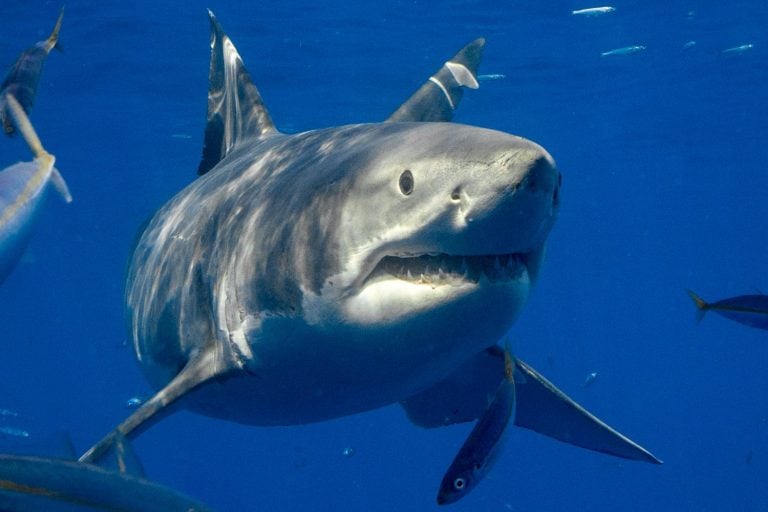
Sharks follow prey as it moves toward the shoreline.
©Ethan Daniels/Shutterstock.com
Fish come into the shallow waters just off the shoreline for several reasons, including:
- Following prey
- Migration
- Spawning
Sometimes, these fish travel in schools. Sharks are more likely to catch one or more fish when there is an abundance of them. Consequently, where schools of fish go, sharks follow.
Sharks Have Nurseries in Shallow Water
Sharks do not have any maternal or paternal instincts. Once females lay their eggs or give birth to pups, they abandon them. However, this does not mean the pups are defenseless. Thanks to the location where they are born or hatch, pups have a good shot at survival.
Shallow waters near the shore are filled with prey, so young sharks do not have to stray from their nursery to hunt. This protects sharks from would-be predators until they are large enough to leave the nursery.
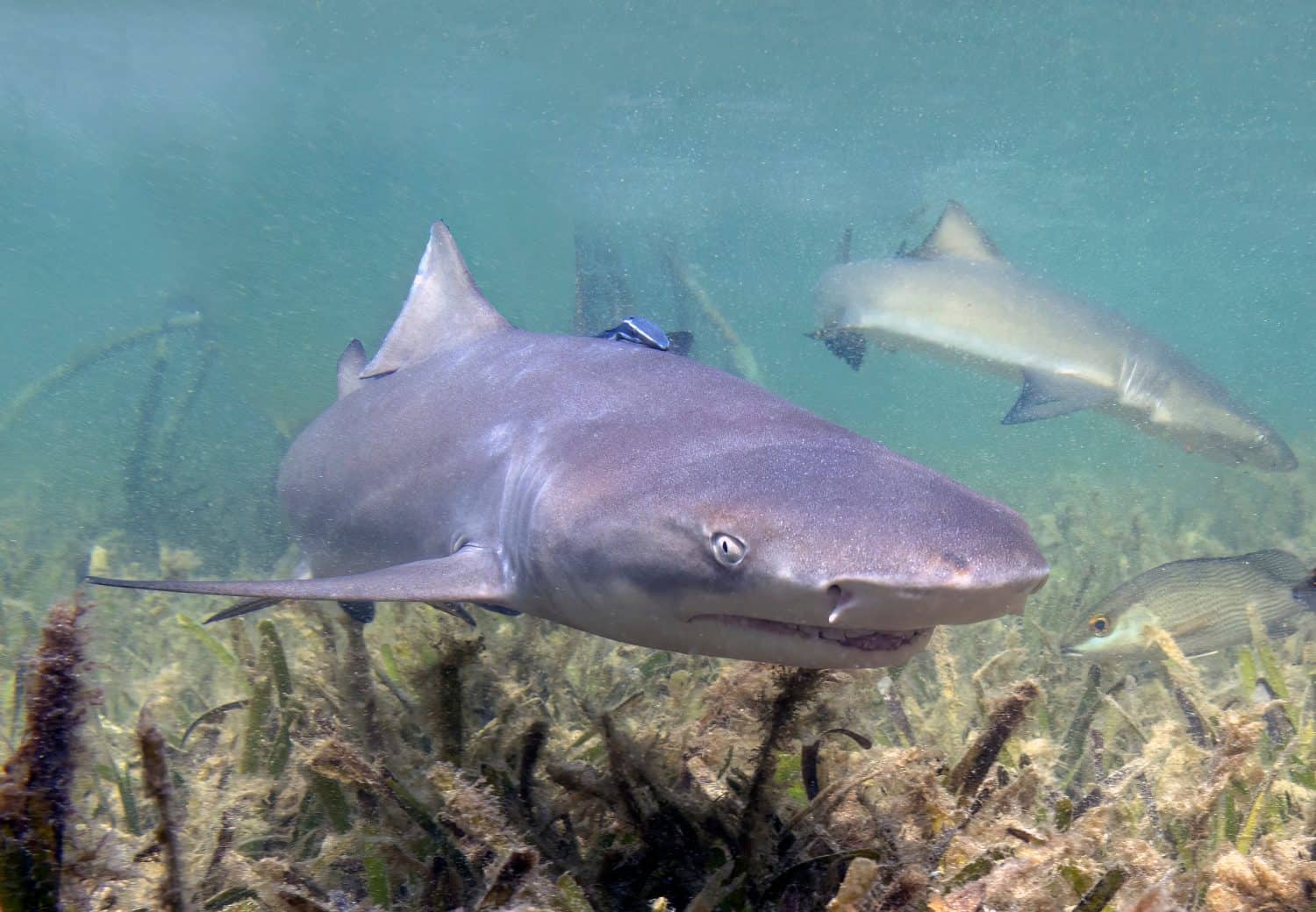
Juvenile sharks live in nurseries until they are ready to venture into the deeper parts of the ocean.
©Rob Atherton/Shutterstock.com
Some of the most common shark nursery areas include:
- Bays
- Estuaries
- Mangroves
Given that these areas of the ocean typically see more sharks near the shore, caution is advised when entering the water to avoid being mistaken by juvenile sharks for prey.
Some Shark Species Enjoy Warmer Water
The deeper the ocean, the less sunlight can penetrate the depths, and the colder it is. Shark species that enjoy warmer, more temperate waters seek out areas that are not as chilly as deeper ocean locations. Many times, these warmer zones are shallow regions closer to shore where sunlight can better penetrate.

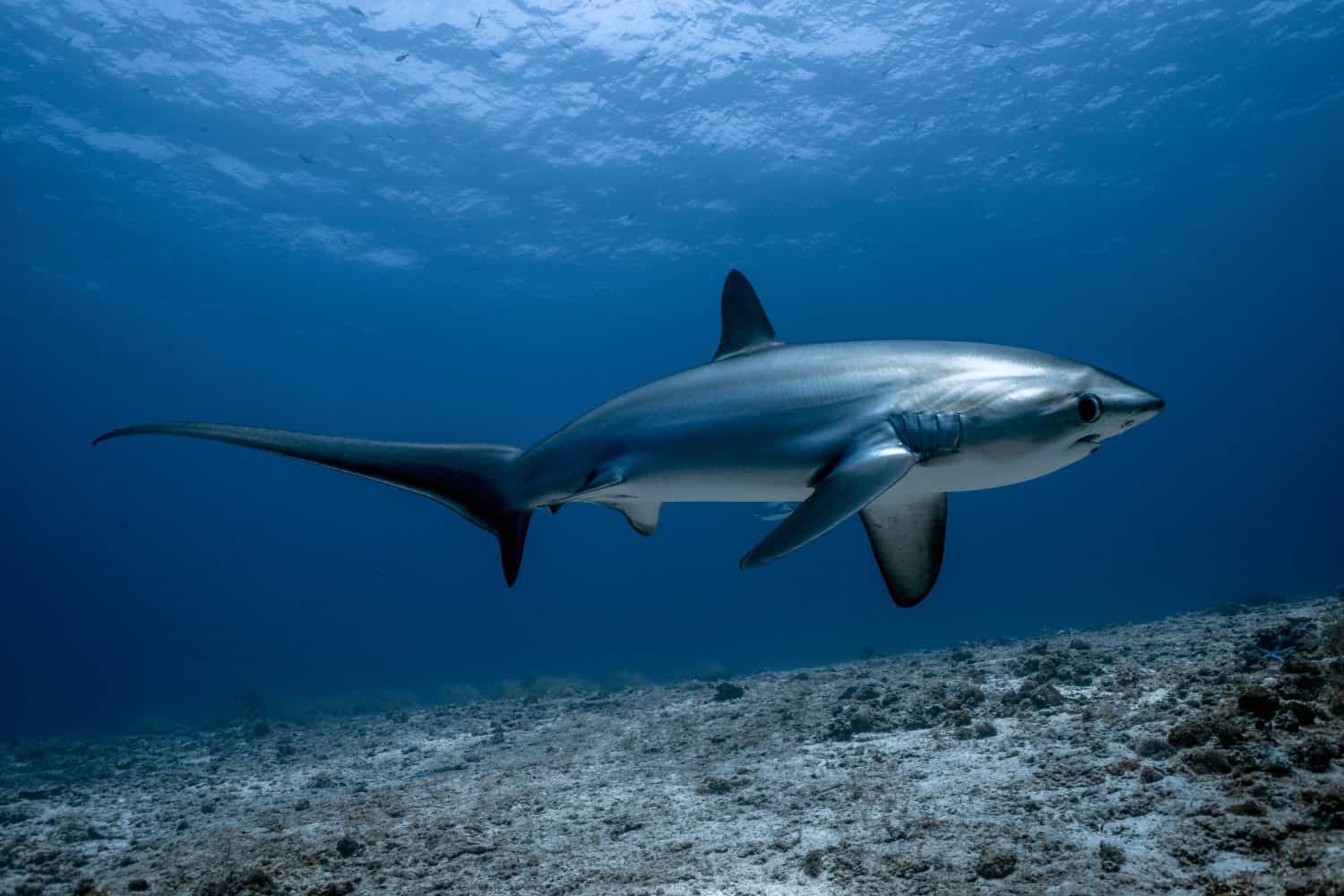
Sharks swim close to the shoreline for the warmer water temperature.
©Levon Avagyan/Shutterstock.com
Many sharks like warmer water because they are endothermic, meaning their body temperature matches the temperature of their environment. The warmer the water, the higher their metabolism and the faster they can swim.
Additionally, warmer water also tends to be more oxygen-rich, allowing the animals to take in more oxygen through their gills.
Sharks do not approach the shoreline to hunt humans; they do so to survive. Many shark species need to live close to the coast, as these waters offer abundant prey, a safe place to grow, and higher temperatures. Remember, when we swim in the ocean, we are entering the sharks’ home. It is our responsibility to follow safety protocols and allow the sharks to live their lives, even when they navigate waters close to shore.