
Quick Take
- One Canadian lake was quietly renamed to hide its snake problem, and tourists still flock there today. Discover the renaming story →
- One island in the Great Lakes has an unusually massive snake population, and the ecological reason behind it is not what you'd expect. See Main Duck Island's snakes →
- At least one popular Canadian swimming and diving destination also harbors a venomous rattlesnake, and the location is not a remote wilderness lake. Find the rattlesnake warning →
- One of these snake-filled lakes is also home to a legendary monster that predates the Loch Ness Monster by decades. Meet Ogopogo's lake →
Some of the most spectacular lakes in the world can be found in Canada. In fact, Canada has more lake area coverage than any other country. There are an estimated 2 million lakes, with 563 lakes that each span nearly 40 square miles. Freshwater lakes cover nearly 9% of Canada’s landmass. Not only do these lakes provide a source of fresh water, but they also bring in tourism with their recreational activities. However, these lakes are also home to an abundance of wildlife, including snakes. Read on to learn about lakes in Canada with substantial snake populations.
Water Snakes Found in Canada’s Lakes
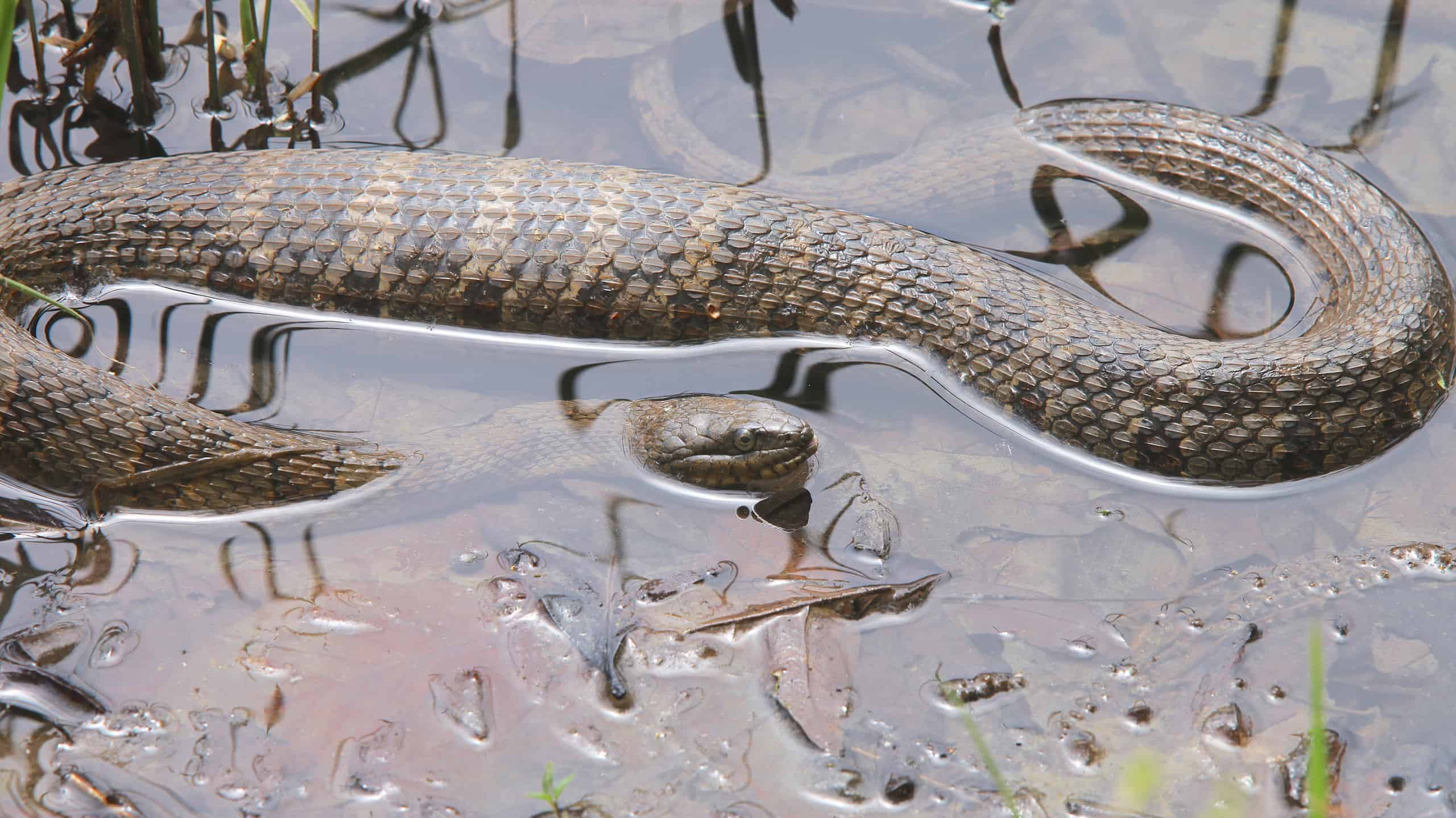
There are 25 snake species indigenous to Canada. One watersnake species occurs in Canada, the common watersnake, which has two subspecies found in the country: the Northern watersnake and the Lake Erie watersnake. However, the most common snake species found in Canada is the Eastern garter snake, which is semi-aquatic. Other semi-aquatic snakes found in Canada include:
- Eastern foxsnake
- Kirtland’s snake
- Common ribbonsnake
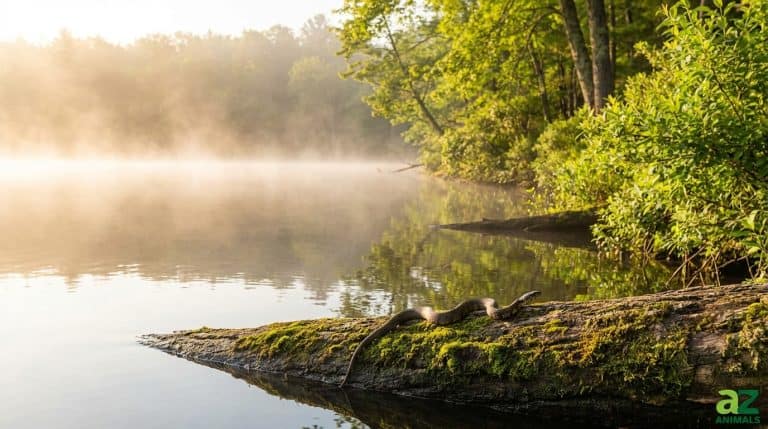
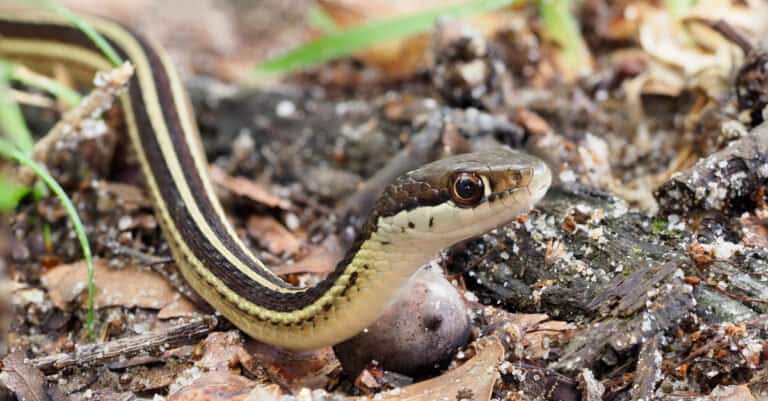
Northern water snakes are the most common species in Canada’s lakes.
©EB Adventure Photography/Shutterstock.com
Five Canada Lakes and Their Snakes
Canada’s five most snake-inhabited lakes are primarily located within the Great Lakes region. These lakes include Lake Ontario, Sylvan Lake, Lake Huron, Lake Erie, and Lake Okanagan. Learn more about each of these lakes and the snakes that inhabit them in the sections below.
1. Lake Ontario
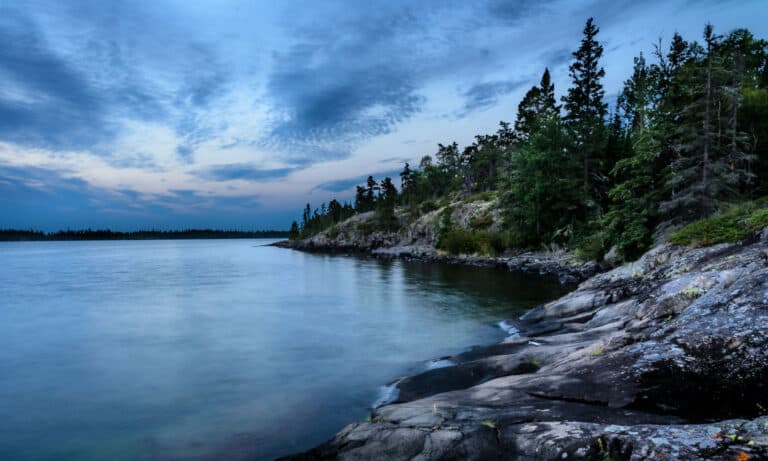
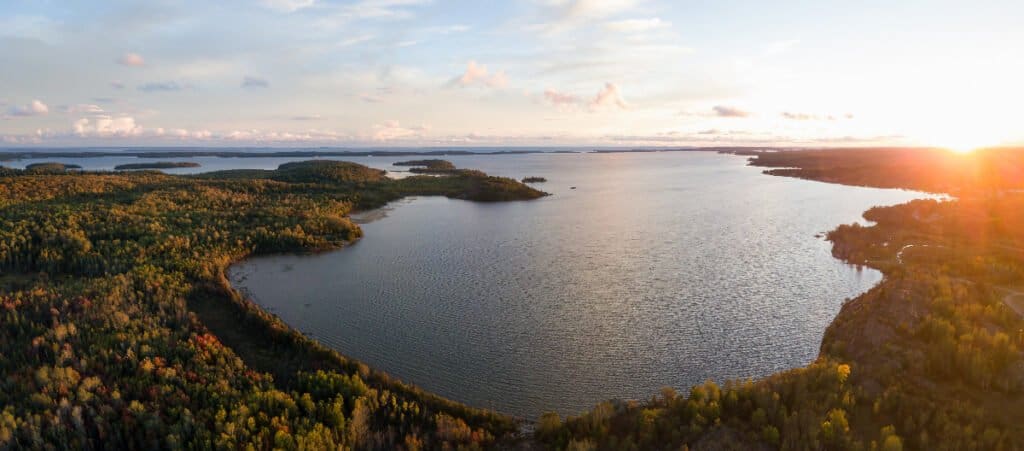
Near the intersection of the St. Lawrence River and Lake Ontario in Ontario Province lies the Thousand Islands National Park, which boasts a series of small islands. One of them is Main Duck Island. This island is notorious for its large northern watersnake population. While many birds of prey, like hawks, owls, falcons, and herons occur in Canada, they do not frequent this isolated island. Therefore, the northern watersnake has few predators, which is why their population numbers are so high. However, these aren’t the only aquatic and semi-aquatic snakes on the island; it is also home to the Eastern garter snake and the Lake Erie watersnake.
On the eastern side of Lake Ontario is an island with a large northern watersnake population.
©Michael J. Eves/Shutterstock.com
2. Sylvan Lake
This Alberta lake wasn’t always called Sylvan Lake. When settlers first arrived in the area in 1899, they named it Snake Lake because of the many garter snakes along the northern shore. However, several years later, the residents wanted to promote the area as a resort. They officially renamed the lake in 1903 because they thought Snake Lake would scare potential tourists away. Today, Sylvan Lake still has a prominent population of snakes, particularly Western terrestrial garter snakes.
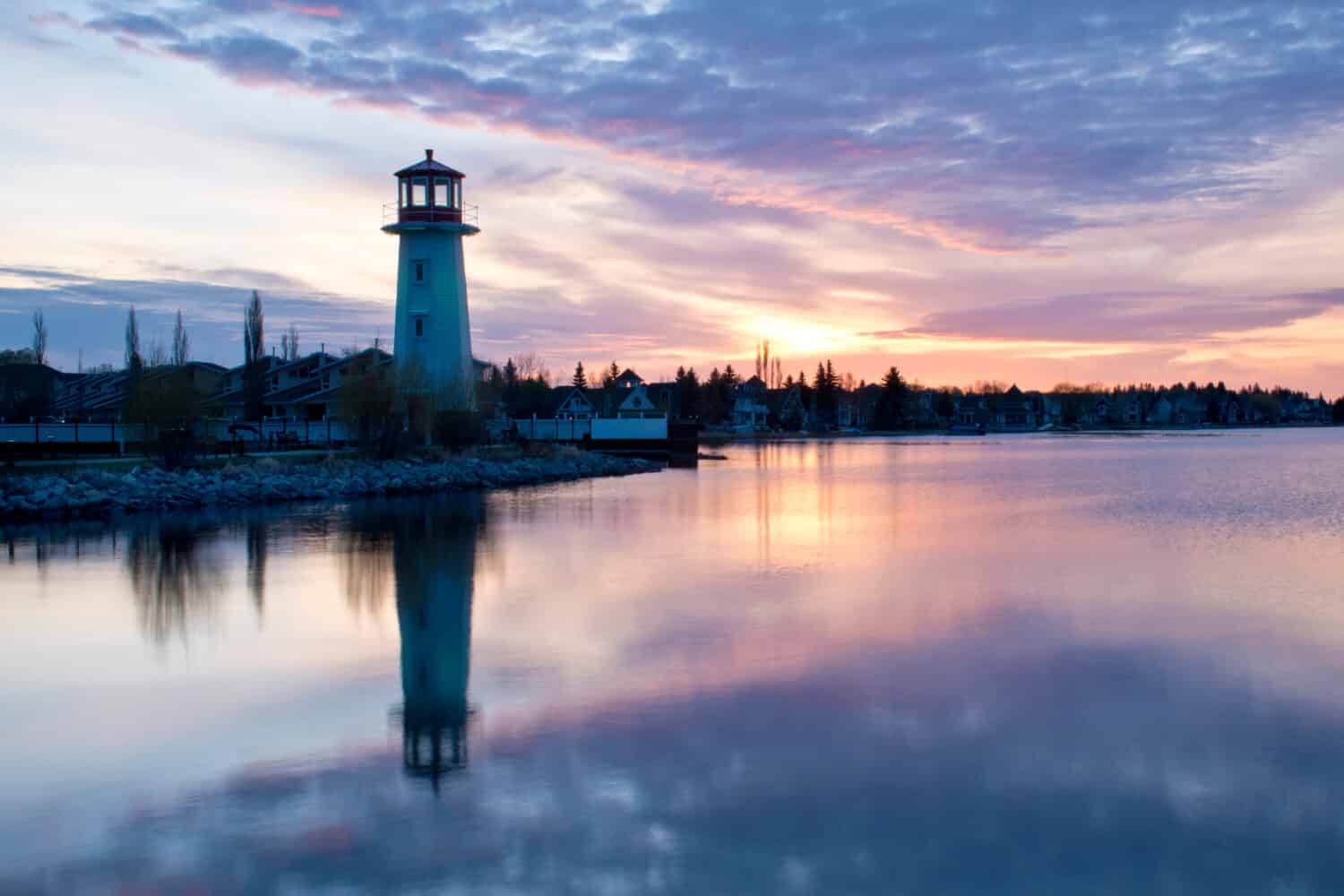
Sylvan Lake was originally called Snake Lake due to the large population of garter snakes in the area.
©Angelito de Jesus/Shutterstock.com
3. Lake Huron
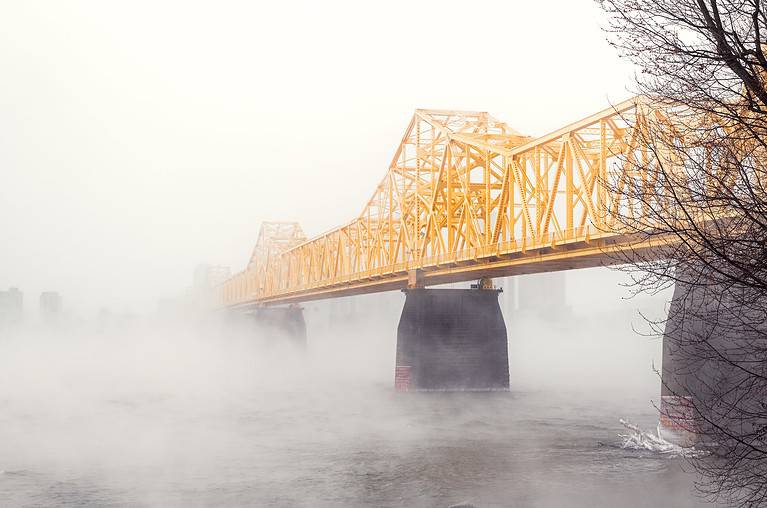
Lake Huron has the longest shoreline of any of the Great Lakes in North America. It is renowned for its stunning beaches, wetlands, dunes, forests, and extensive river systems. This large lake has a compelling history, with nearly 1,000 shipwrecks lying beneath its surface, a result of shallow waters, scattered islands, and severe storms. However, this lake is also teeming with wildlife. There are three aquatic and semi-aquatic snakes in this Great Lake, including the common watersnake, Eastern fox snake, and the common ribbonsnake. The venomous Eastern Massasauga rattlesnake has also been observed on the eastern side of Georgian Bay and the Bruce Peninsula of Lake Huron.
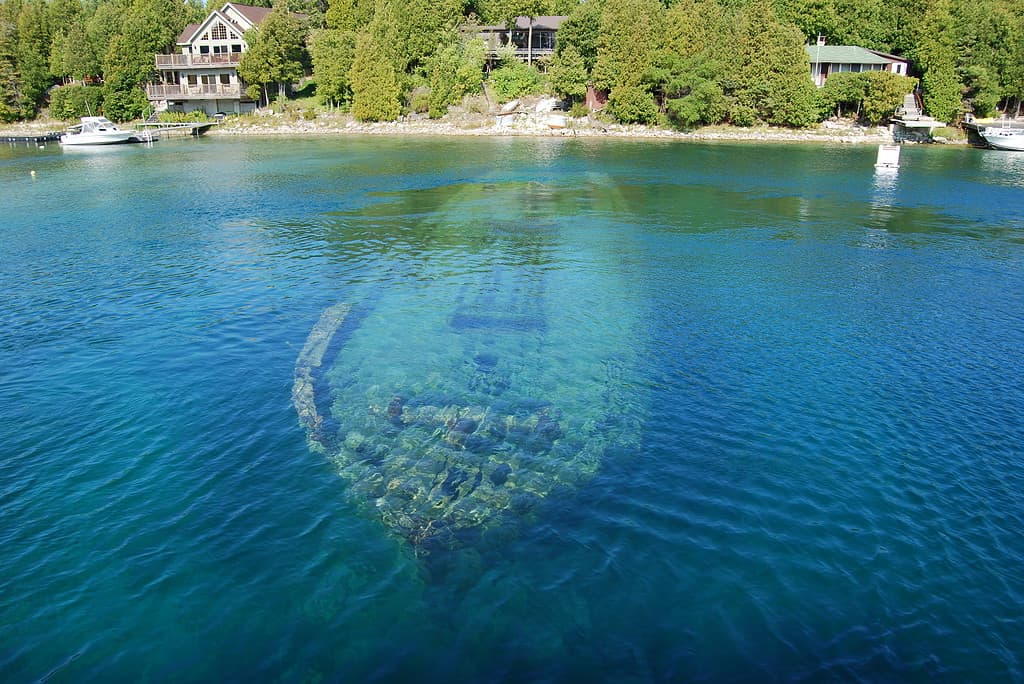
Lake Huron is known for its shipwrecks, but it is also home to the common watersnake, Eastern fox snake, and common ribbonsnake.
©Kibrok Photography/Shutterstock.com
4. Lake Erie
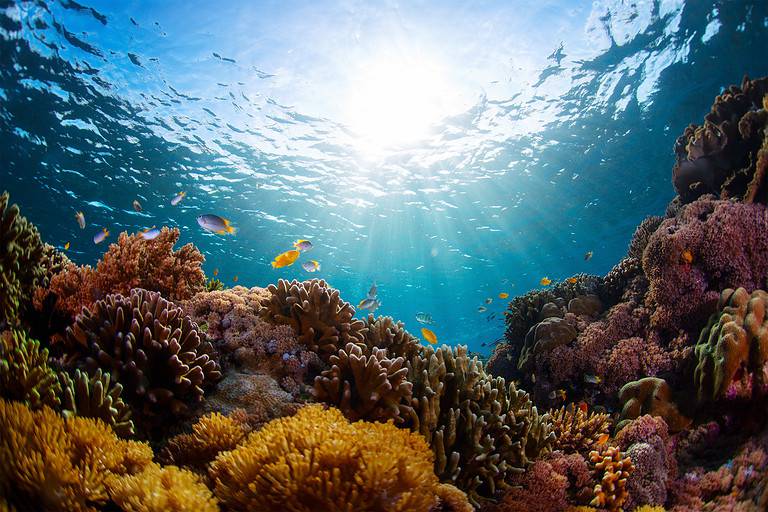
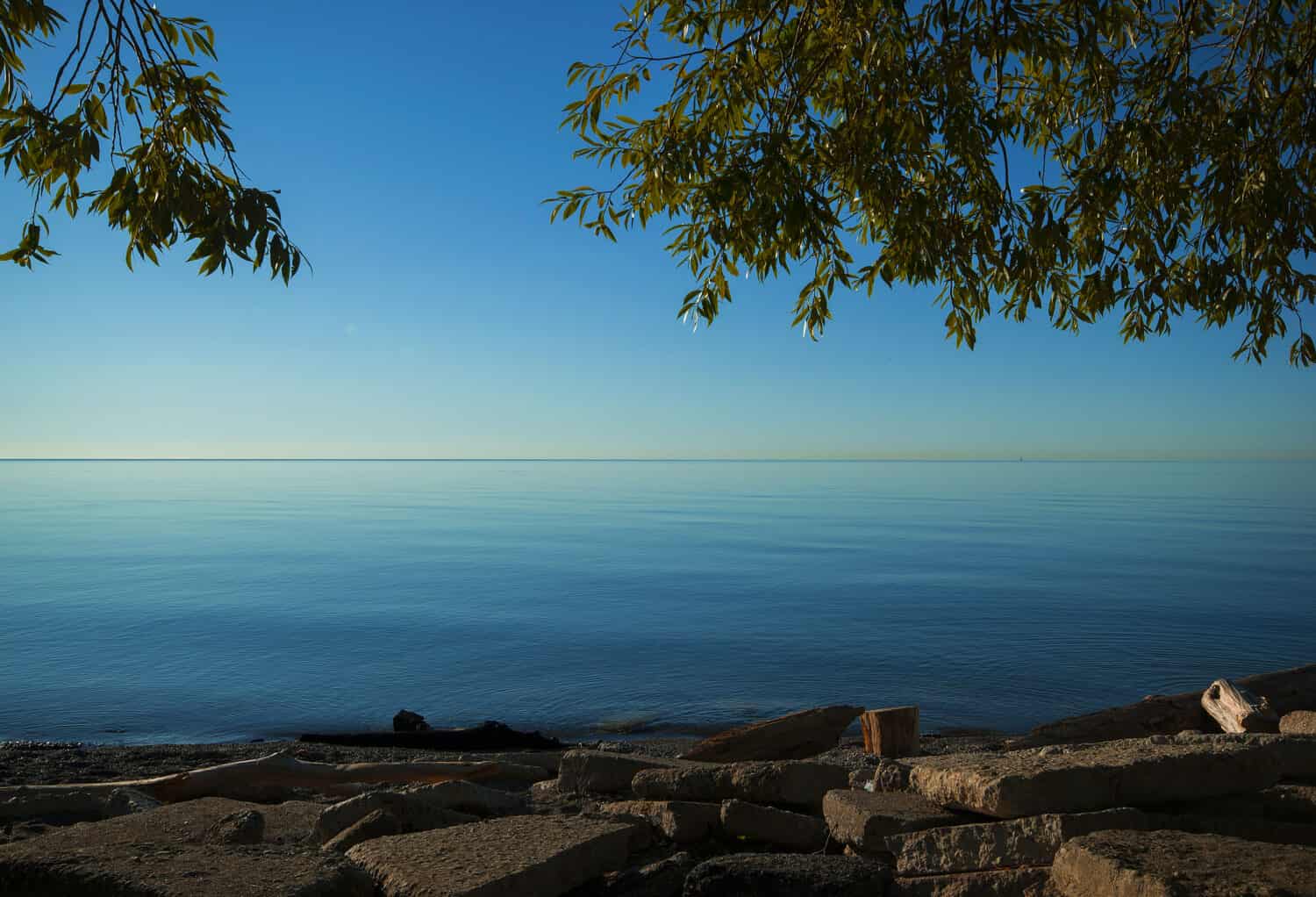
Lake Erie separates the Province of Ontario from four U.S. states: Michigan, Ohio, Pennsylvania, and New York. Like Lake Huron, Lake Erie serves as a final resting place for thousands of shipwrecks and is considered one of Canada’s best places to dive. Additionally, this massive lake provides an oasis for recreational activities like kayaking, sailing, canoeing, and boating. However, it’s the wildlife around the lake that truly stands out, including the many species of water snakes, such as:
- Northern watersnakes
- Eastern foxsnakes
- Lake Erie watersnakes
- Eastern garter snakes
- Kirtland’s snakes
- Common watersnakes
Eastern Massasauga rattlesnakes have also been found in the Wainfleet Bog on the northeast shores of Lake Erie.

Shipwrecks make Lake Erie one of Canada’s best places to dive; it also has a large snake population.
©Sara Winter/Shutterstock.com
5. Okanagan Lake
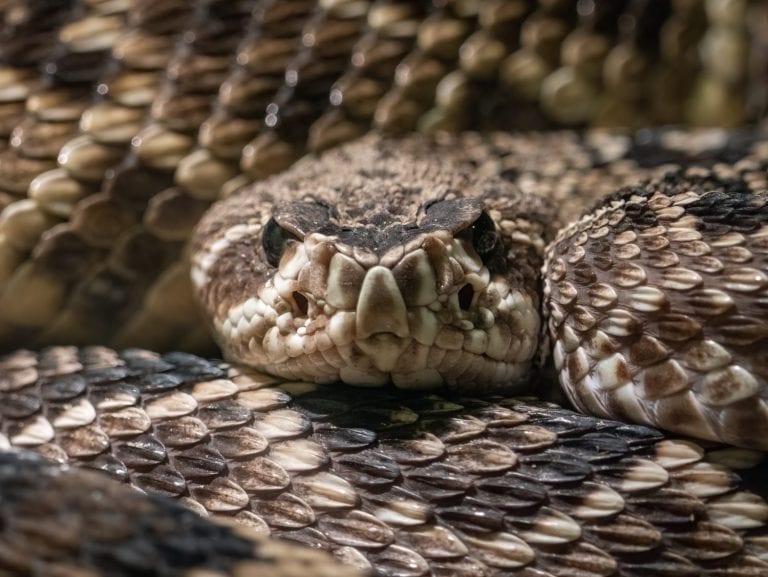
Okanagan Lake is located in the Okanagan Valley of British Columbia. The surrounding area is known for having high snake diversity. There are at least seven snake species that live near the lake, including one venomous snake:
- Night snake
- Rubber boa
- Racer
- The Northern Pacific rattlesnake (Western rattlesnake subspecies)
- Great Basin gopher snake
- Common garter
- Terrestrial garter
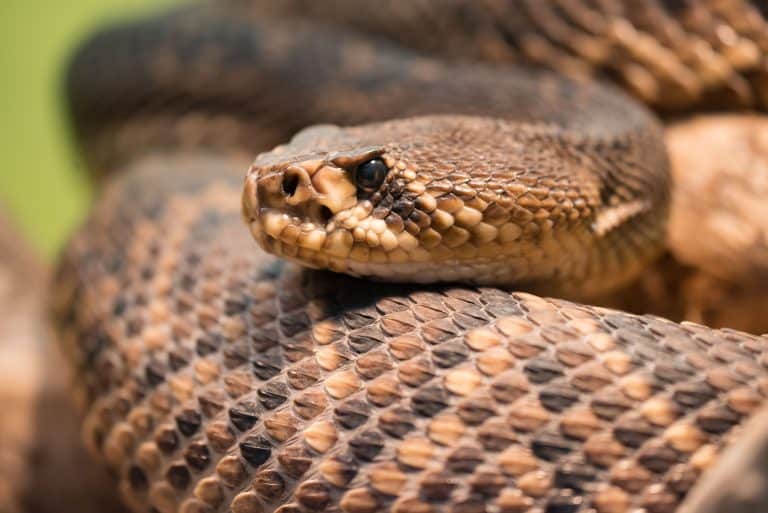
The most common snakes are the Northern Pacific rattlesnake and the Great Basin gopher snake. This deep lake is also famous in Canadian folklore for the lake monster, Ogopogo. Ogopogo has been described as a long, dark sea serpent with humps, similar to depictions of the Loch Ness Monster of Scotland. However, sightings of Ogopogo date back to 1872, years before Nessie captured media attention.
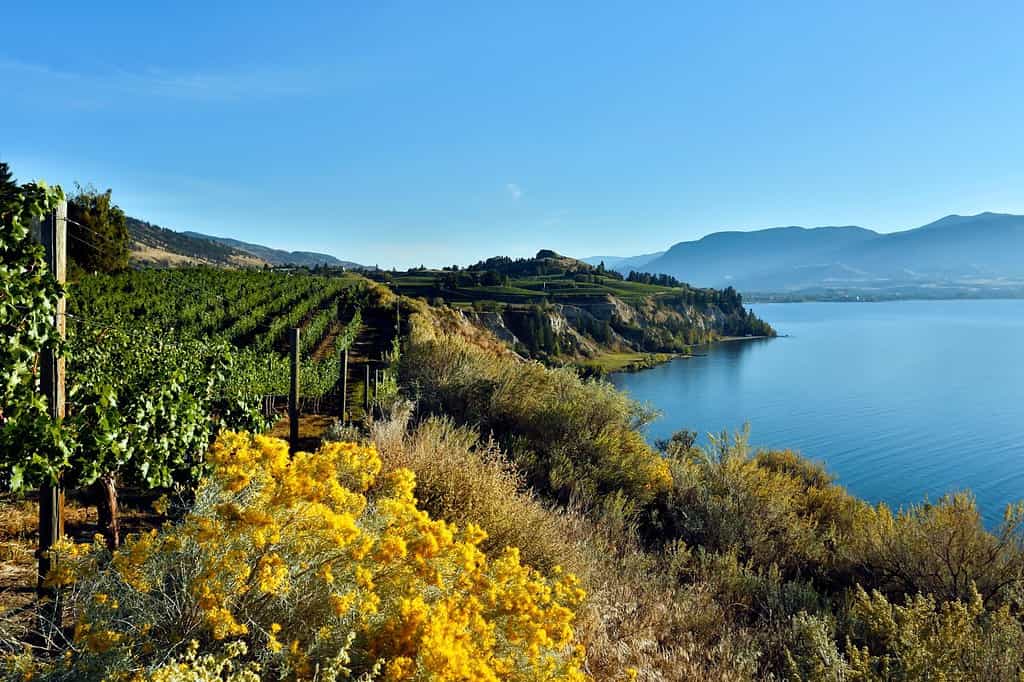
The area around Okanagan Lake has high snake diversity.
©Nalidsa/Shutterstock.com