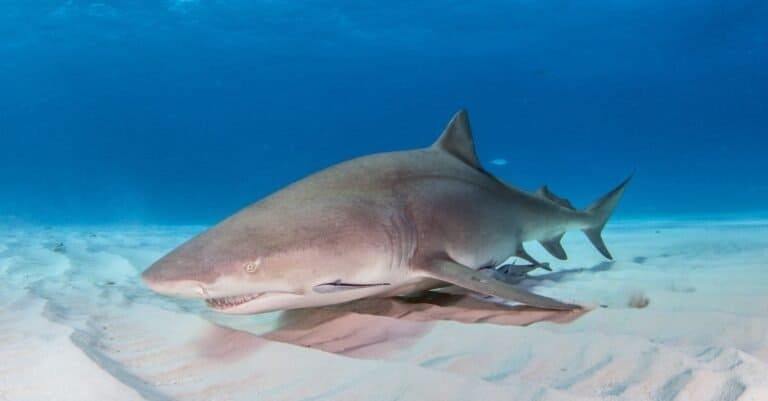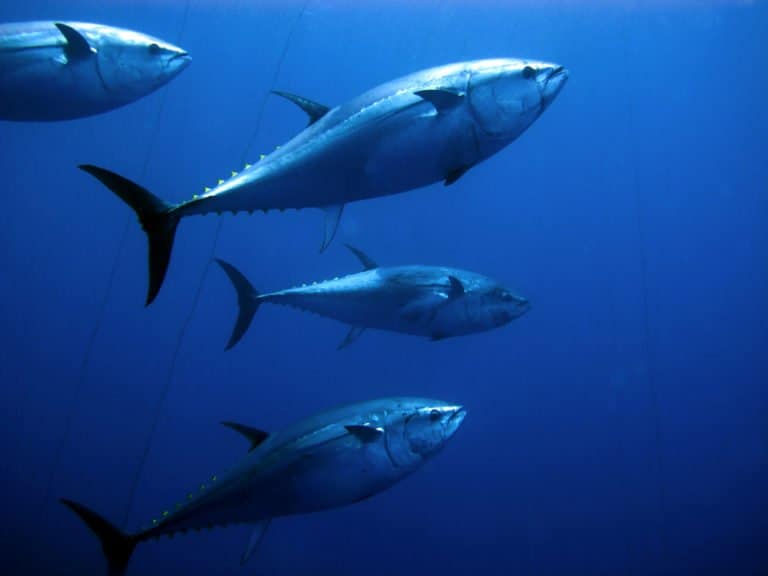

From the sunlit shallows around Hawai‘i to the chilly depths of the Great Lakes, the United States protects some of its wildest, weirdest, and most wonderful underwater landscapes through a network of ocean parks. Officially, they’re called National Marine Sanctuaries, but you can think of them as America’s underwater national parks, where sea turtles glide over coral castles, whales sing love songs, and ghostly shipwrecks rest like time capsules.
Altogether, there are 18 sites in NOAA’s National Marine Sanctuary System, stretching from the Florida Keys to American Samoa and covering more than 600,000 square miles of water. They protect coral reefs, kelp forests, deep-sea canyons, volcanoes, historic shipwrecks, and tons of marine life. And the best part? You can actually visit many of them.
So grab your fins (or maybe just your imagination), and let’s take a deep dive into what these underwater parks are, where they’re located, what happens inside them, and how you can explore one.
A quick note: If you do the math, you might spot a few extra names floating around. Hudson Canyon, Lake Erie, and the Pacific Islands Heritage sanctuary are currently part of NOAA’s “in designation” process, meaning they’re well on their way to joining the system, but they’re not officially counted yet. When those are finalized, the total will grow beyond the current 18 designated underwater parks that make up the National Marine Sanctuary System today.
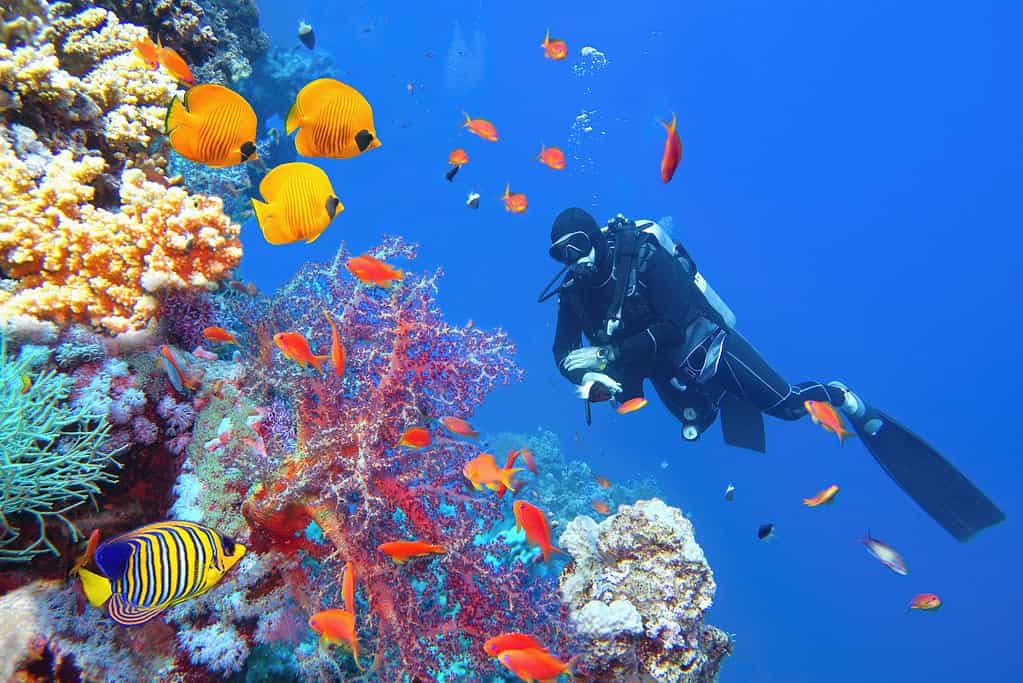
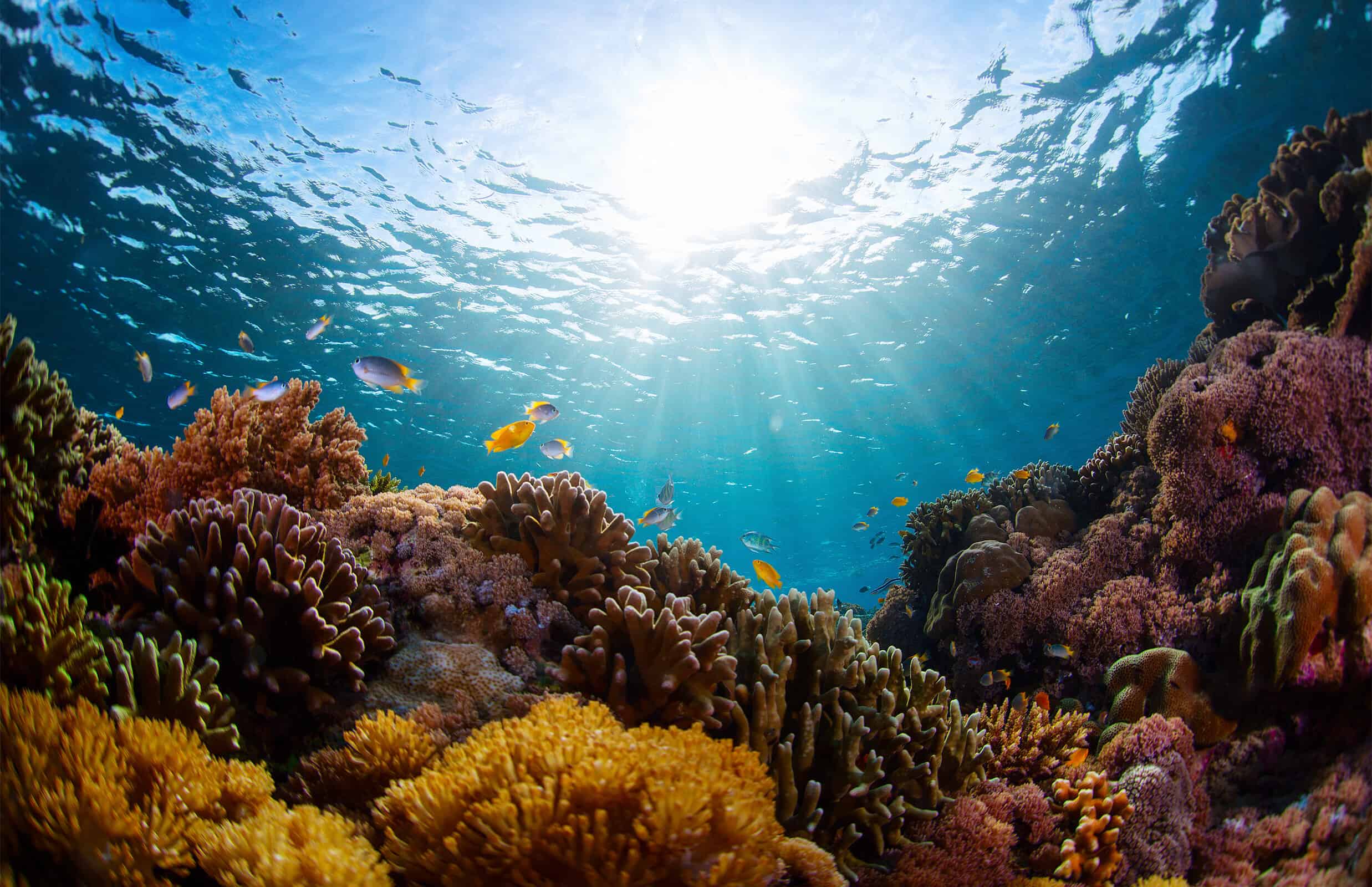
Coral reefs like this one are protected havens for thousands of marine species. It’s like exploring a living rainbow!
©Tunatura/iStock via Getty Images
What Exactly Is a Marine Sanctuary?
A marine sanctuary is a chunk of ocean, lake, or coastal water set aside to protect wildlife, habitats, and cultural history. Created under the National Marine Sanctuaries Act, these special places balance conservation and recreation. You can dive, snorkel, kayak, or simply marvel from a distance. But the fish, reefs, whales, and wrecks inside are off-limits to harm.
The Office of National Marine Sanctuaries (ONMS) manages them all, acting as caretaker for this giant museum of natural wonders. Together, these sanctuaries function as outdoor classrooms, living laboratories, and sometimes even time machines.
Want to study coral bleaching? Track humpback migrations? Explore a Civil War shipwreck guarded by sand tiger sharks? There’s a sanctuary for that. So, where are these 18 underwater parks? They’re scattered across four major regions, each with its own personality and resident cast of creatures.
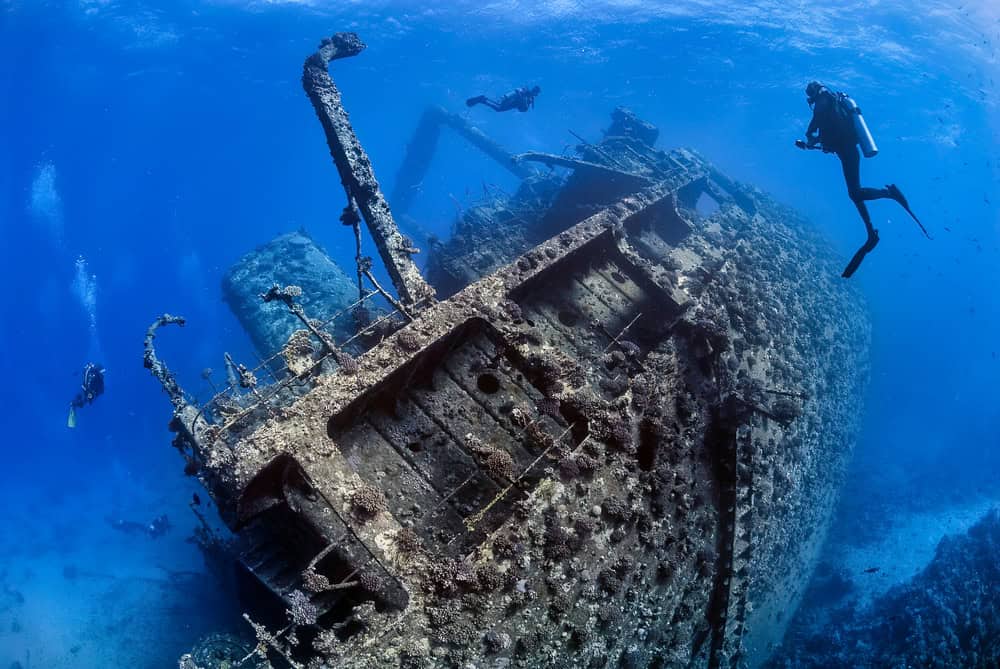
Many shipwrecks remain astonishingly intact, offering a rare glimpse into maritime history beneath the waves.
©Nicolas-SB/Shutterstock.com
Eastern Region (Atlantic, Gulf, and Great Lakes)
Florida Keys: The only living coral barrier reef in the continental U.S., home to parrotfish, sea turtles, and the occasional curious barracuda.
Flower Garden Banks (Gulf of Mexico): A diver’s paradise of colorful corals and whale sharks, 100 miles offshore.
Gray’s Reef (Georgia): A playground for loggerhead sea turtles, stingrays, and clouds of tropical fish.
Hudson Canyon (in designation): A Grand Canyon-sized submarine valley off New York and New Jersey, teeming with deep-sea life.
Lake Erie (in designation): Packed with century-old shipwrecks so well preserved, you can still see the wheelhouses.
Lake Ontario: Another freshwater treasure chest of Great Lakes history, with wrecks dating back to the 1800s.
Mallows Bay–Potomac River: Famous for its “Ghost Fleet” of World War I ships, now turned into an artificial reef for bald eagles, beavers, and bass.
Monitor (North Carolina): The first U.S. marine sanctuary, protecting the Civil War ironclad USS Monitor. Sharks and sea turtles now patrol where sailors once stood.
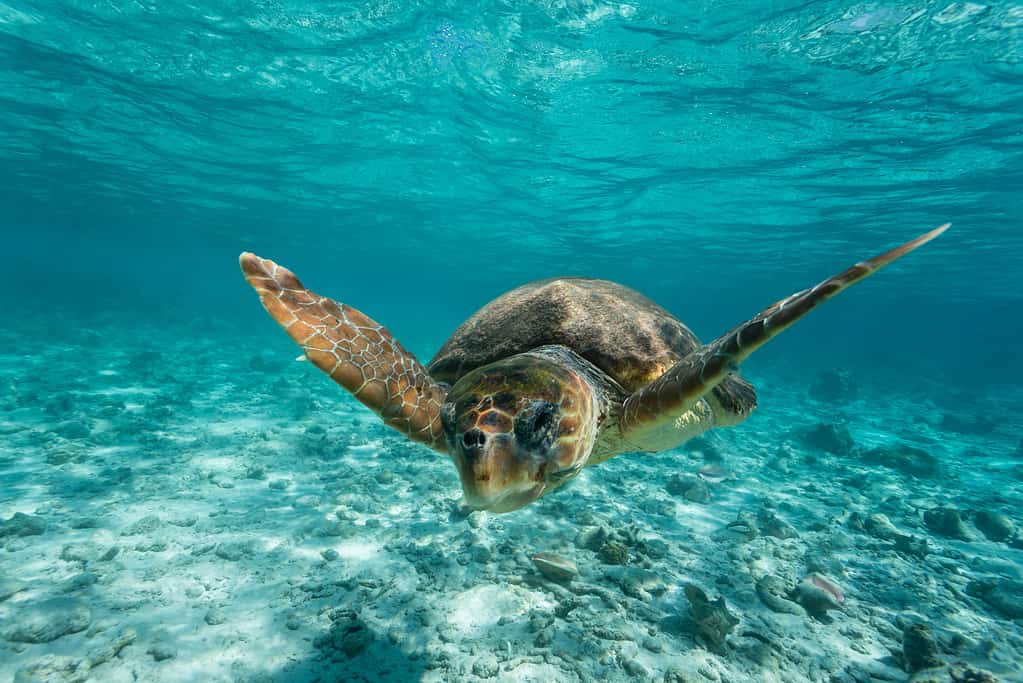
Loggerhead sea turtles (Caretta caretta) nest abundantly on the beaches of Jekyll Island, Georgia, the state’s most consistent nesting site for this majestic species.
©pniesen/iStock via Getty Images
Stellwagen Bank (Massachusetts Bay): One of the best whale-watching spots in the world; humpbacks, fins, and blues feed here every summer.
Thunder Bay (Lake Huron): Home to over 100 shipwrecks preserved in freshwater so clear you can read the names on the hulls.
Wisconsin Shipwreck Coast: Another Great Lakes highlight, with 19th-century schooners and steamers resting peacefully beneath the waves.
West Coast Region
Channel Islands (California): Think sea caves, kelp forests, sea lions, and Garibaldi fish (California’s bright orange state fish).
Chumash Heritage (California): A newly designated sanctuary recognizing the Chumash people’s centuries-old connection to these waters.
Cordell Bank: A deep-sea coral garden where sponges and anemones bloom like flowers on an underwater mountain.
Greater Farallones: Where great white sharks rule, seabirds soar, and elephant seals argue loudly over who gets the best sunbathing spot.
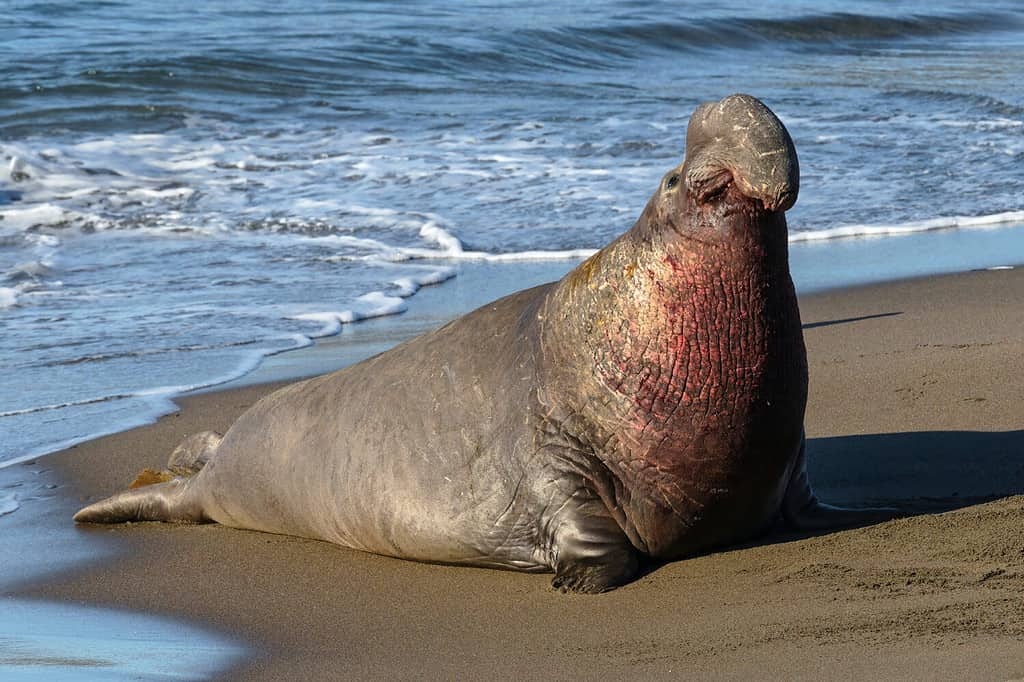
Massive elephant seals can be found on California’s protected shores each year, where they molt, rest, and raise their pups within sanctuary waters.
©David Osborn/Shutterstock.com
Monterey Bay: The big one. A vast sanctuary with kelp forests, canyons deeper than the Grand Canyon, and frequent whale sightings.
Olympic Coast (Washington): Rugged, remote, and rich in tribal heritage, this sanctuary shelters orcas, puffins, and sea otters.
Pacific Islands Region
American Samoa: Coral reefs, volcanic ridges, and vibrant tropical fish, plus some of the clearest water on Earth.
Hawai‘i Humpback Whale: Each winter, thousands of humpbacks arrive here to mate and raise their calves. You can hear their songs for miles!
Pacific Islands Heritage (in designation): A proposed sanctuary to celebrate Indigenous seafaring traditions and protect rare species.
Papahānaumokuākea Marine National Monument: A UNESCO World Heritage Site and one of the largest protected areas on the planet. It shelters endangered monk seals, green sea turtles, and countless coral species found nowhere else.
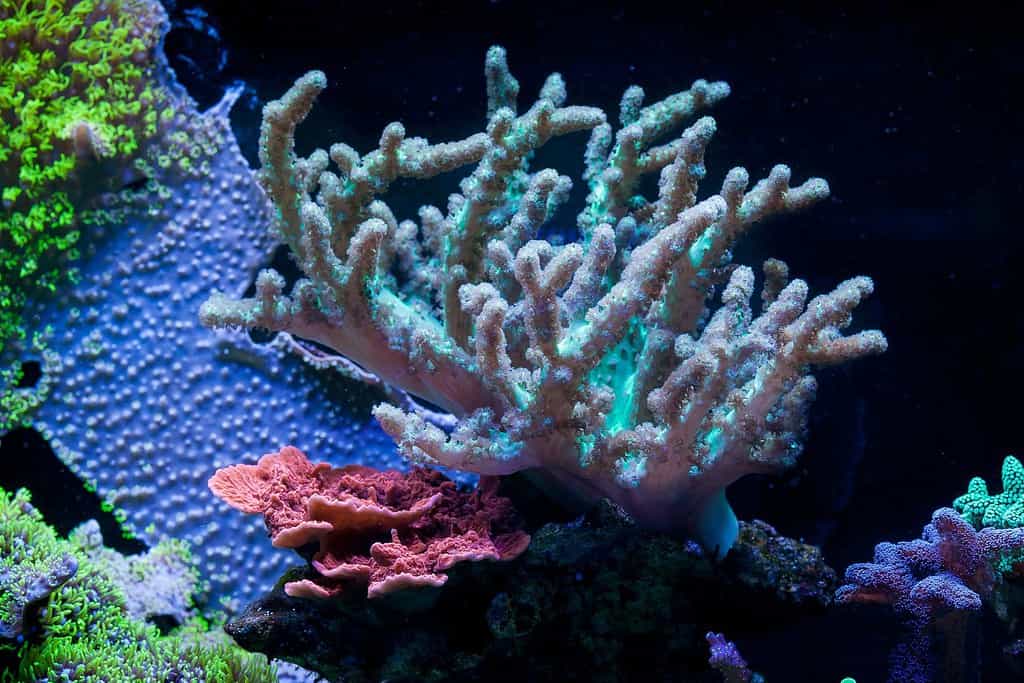
Coral reefs like this one are living structures made by tiny animals called polyps, which are vital habitats for fish, sea turtles, and countless ocean creatures.
©Tatiana Gordievskaia/Shutterstock.com
What Actually Happens in a Sanctuary?
- Conservation with a Purpose
Each sanctuary is managed to protect wildlife and habitats, whether that’s coral reefs, kelp forests, or shipwrecks. They enforce regulations to prevent overfishing, stop anchor damage, and monitor water quality. Scientists track everything from coral health to whale migration routes, collecting data that helps protect marine life far beyond sanctuary borders. - Research and Discovery
These sanctuaries are living laboratories for marine biologists, archaeologists, and oceanographers. In the Great Lakes, researchers map shipwrecks with sonar. In Hawai‘i, drones follow humpback pods. Off California, scientists monitor how kelp forests recover after heatwaves. - Cultural Preservation
It’s not just about biology; it’s about history, too. The Monitor and Thunder Bay sanctuaries preserve shipwrecks. Mallows Bay even protects the remains of 100 World War I vessels that now serve as fish nurseries. - Recreation and Tourism
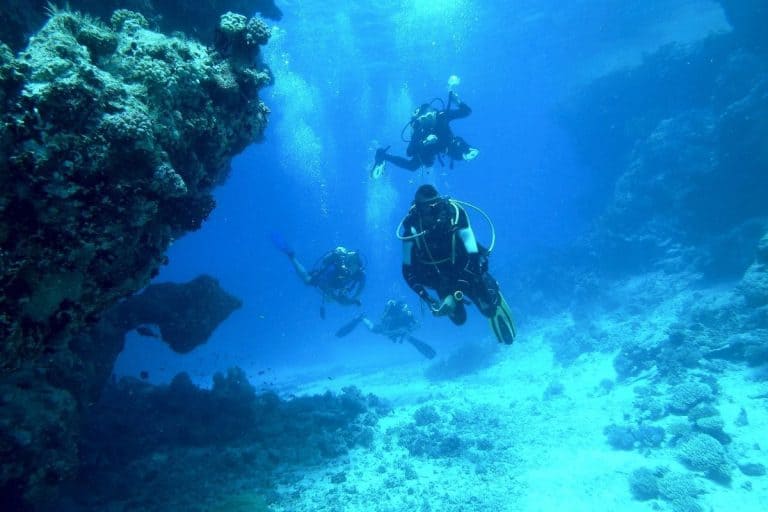
Visitors can scuba dive, snorkel, kayak, sail, or whale-watch in most sanctuaries. Tourism tied to sanctuaries pumps billions into coastal economies while inspiring visitors to protect what they love.
How Can You Visit?
Some sanctuaries are easy to access, like the Florida Keys, Monterey Bay, and Stellwagen Bank, while others (Flower Garden Banks, we’re looking at you) require some serious seafaring spirit.
Before planning a trip, check each sanctuary’s website for local rules. Anchoring, fishing, or even touching coral may be restricted in certain zones. The goal isn’t to stop you from exploring; it’s to make sure those reefs, whales, and shipwrecks are still there when you return. And for anyone who prefers a couch to a wetsuit, NOAA offers virtual dives—360° underwater tours that let you experience swimming with sea lions or floating above a coral reef without ever getting wet.
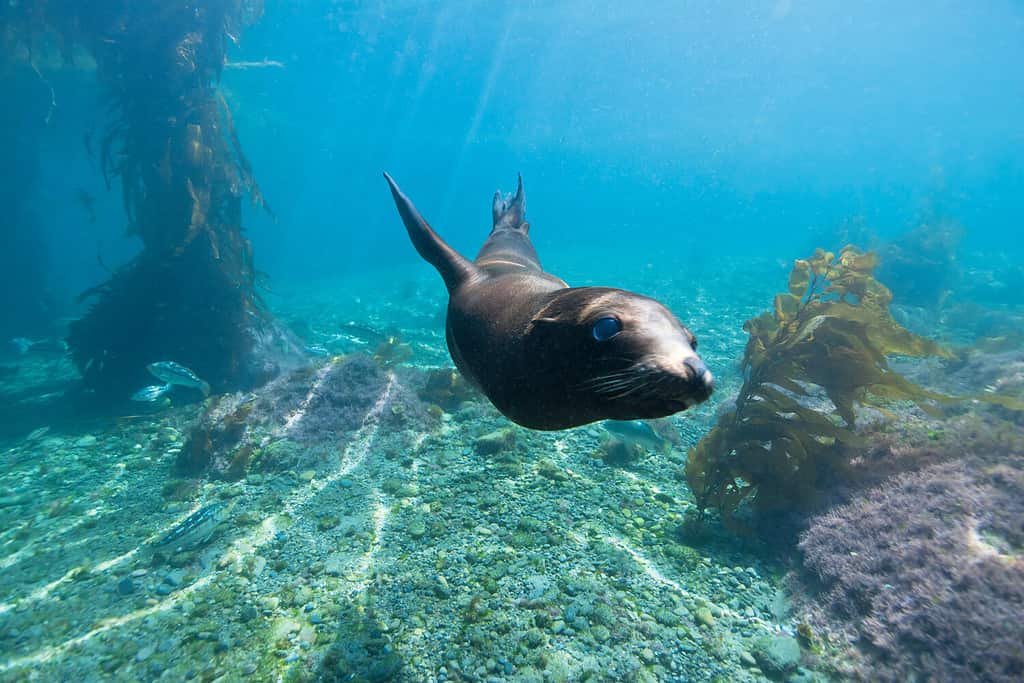
Playful, curious, and always ready for a photo bomb, sea lions make some sanctuaries feel like underwater playgrounds.
©VisionDive/Shutterstock.com
Why These Places Matter
Beyond their beauty, sanctuaries are vital for biodiversity and climate resilience. They protect habitats that serve as nurseries for countless marine species, buffer coasts from storms, provide carbon storage through healthy ecosystems, and preserve cultural history that would otherwise be lost to time.
They also give endangered species safe havens. In these waters, humpbacks can sing uninterrupted, monk seals can nap without harassment, and coral polyps can slowly rebuild their reefs.
The Wildest Highlights
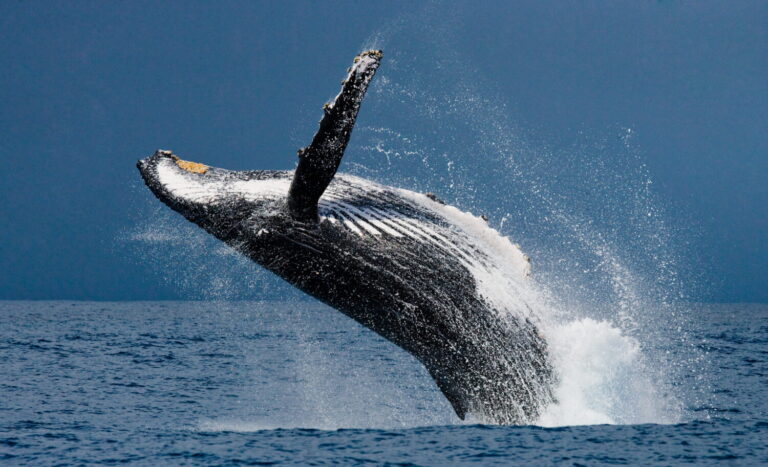
Best place to see a whale breach: Stellwagen Bank, where humpbacks leap like synchronized swimmers.
Creepiest-coolest dive: Thunder Bay, where you can see intact 19th-century shipwrecks.
Most colorful reef: Flower Garden Banks, bursting with coral, sponges, and 250 species of fish.
Most likely to meet a sea lion with attitude: Channel Islands. They bark. Loudly.
Most spiritual experience: Papahānaumokuākea, where ancient Hawaiian traditions and ocean science meet.
So next time you’re near the coast (or even just daydreaming at your desk), remember that there’s an entire world under the waves waiting to be explored. You don’t need hiking boots or bug spray. Just a sense of wonder … and maybe a good snorkel.