Quick Take
- A salad staple many people assume is healthy can quietly sabotage a turtle's shell. Which one?
- That harmless-looking slice of bread has a nasty trick once it hits a turtle's stomach.
- A single sweet treat can trigger a surprising chain reaction inside a turtle's body.
- Turtles need a precise mineral balance. Many human foods wreck it, with visible results.
Turtles may not be furry or cuddly like more traditional pets, but they are engaging, quiet, fascinating to observe, and relatively low-maintenance. The red-eared slider is the most popular pet turtle species, and other common favorites include box turtles, common musk turtles, and painted turtles. Turtles appeal to owners because they do not require constant attention or expensive and time-consuming grooming routines. Their distinct personalities, slow-paced habits, and captivating behaviors make them a rewarding long-term companion. It can be tempting to give your pet turtle a bite of everything you eat; however, some of these foods can be dangerous for turtles.
Refined Sugars and Fried Food
Turtles should never eat fried foods or items containing refined sugar because their digestive systems are not equipped to process heavy fats, oils, or processed carbohydrates. Fried foods contain excessive grease and sodium that can strain a turtle’s kidneys and liver, leading to severe digestive distress and dangerous weight gain.

Donuts are a splendid occasional treat for humans, but they are not recommended for turtles.
©beats1/Shutterstock.com
Refined sugars offer zero nutritional value and can disrupt a turtle’s metabolism, destroy beneficial gut bacteria, and cause shell deformities or organ damage over time.
Dairy
Never feed dairy products to a pet turtle. Reptiles lack the digestive enzyme lactase needed to break down lactose. Consuming dairy items like cheese, milk, or yogurt can cause severe gastrointestinal distress, including bloating, gas, and diarrhea, which can quickly dehydrate a turtle. Dairy products that are high in fats and heavy proteins can strain a turtle’s liver and kidneys.
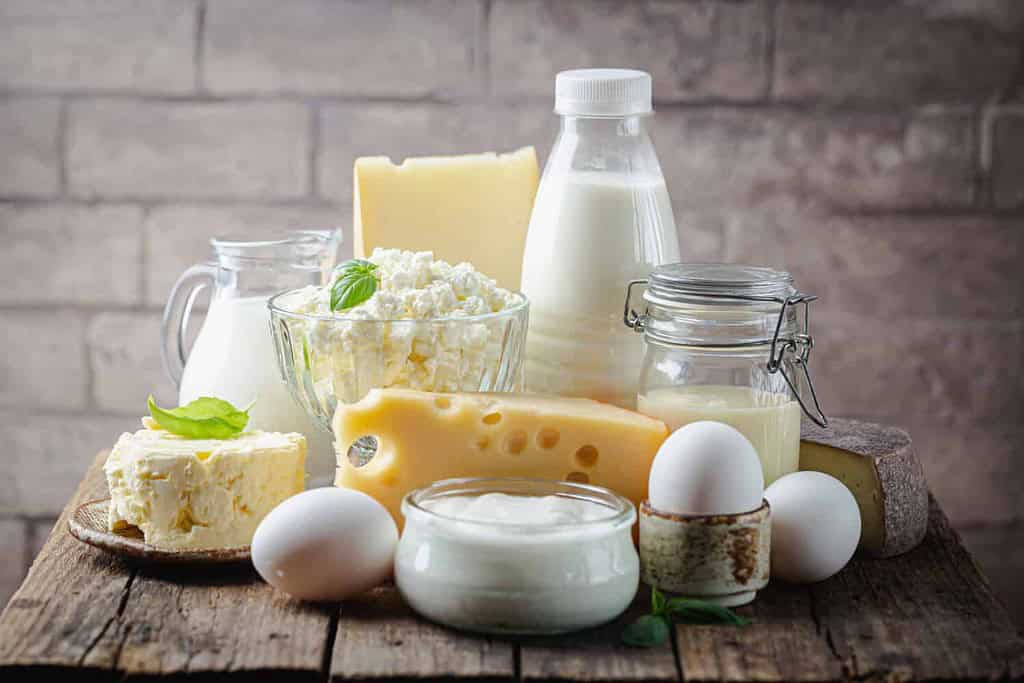
Dairy products should never be given to turtles.
To safely meet a turtle’s calcium needs without risking their health, owners should rely on reptile-safe sources like cuttlebone, crushed eggshells, or calcium-dusted greens and insects.©Goskova Tatiana/Shutterstock.com
Chocolate
Chocolate should never be given to a pet turtle because it contains theobromine and caffeine, two stimulants that reptiles cannot efficiently metabolize. Even small amounts of chocolate can overstimulate a turtle’s nervous system, leading to severe symptoms such as hyperactivity, tremors, irregular heart rate, vomiting, and potentially fatal cardiac arrest.

Chocolate contains theobromine and caffeine, which turtles cannot efficiently metabolize.
©ivan_kislitsin/Shutterstock.com
Chocolate is also packed with refined sugars and heavy fats that disrupt a turtle’s delicate gut bacteria and cause painful digestive issues. To keep a turtle healthy and safe, strictly avoid human sweets and stick to species-appropriate treats like berries, leafy greens, or commercially available reptile snacks.
Nuts
Feeding nuts to turtles is strongly discouraged because their high phosphorus, anti-nutrient, and fat levels can cause fatal bone diseases and organ failure. Unlike humans, turtles require a strict diet with twice as much calcium as phosphorus to maintain their shells and skeletons.

Nuts can lead to life-threatening conditions in turtles.
©Studio Mars/Shutterstock.com
Because nuts are high in phosphorus, phytates, and oxalates, they block calcium absorption and can trigger Metabolic Bone Disease, which causes soft, deformed shells and brittle bones. A turtle’s digestive system cannot properly process the dense fats and proteins in nuts, leading to obesity, fatty liver disease, and kidney strain. Because turtles lack teeth to grind hard foods, nuts can also cause dangerous choking or digestive blockages.
Carbohydrates
Feeding processed carbohydrates such as white bread and pasta to turtles is not advised because these foods offer almost no nutritional value and can cause severe digestive, shell, and organ damage. A turtle’s digestive system is designed for high-fiber greens and lean proteins, not refined starches and sugars. When turtles eat white bread or pasta, the dense, gluey texture can expand in their stomachs and cause life-threatening digestive blockages or painful gas buildup.
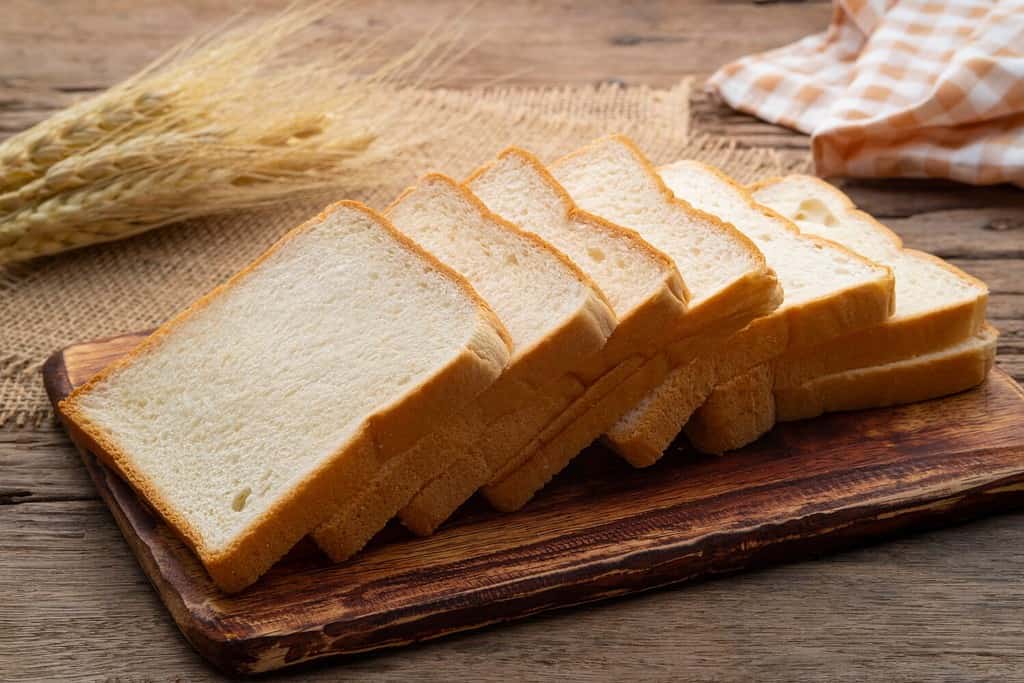
Processed carbohydrate foods lack the essential calcium and vitamins needed to maintain a healthy shell, leading to Metabolic Bone Disease and shell deformities over time.
©Kritchai7752/Shutterstock.com
Certain Fruits and Vegetables
Iceberg lettuce, garlic, shallots, spicy peppers, and citrus fruits should never be fed to turtles because they cause severe nutritional deficiencies, digestive irritation, and organ toxicity. Iceberg lettuce is almost entirely water and lacks the calcium and vitamins turtles need, filling their stomachs with empty bulk that causes diarrhea and leads to Metabolic Bone Disease.

Never feed a turtle citrus.
©Murilo Mazzo/Shutterstock.com
Garlic and shallots belong to the Allium family and contain sulfur compounds that cause severe digestive upset and can damage red blood cells, leading to anemia.
Spicy peppers contain capsaicin can cause inflammation in a turtle’s digestive tract. Citrus fruits are far too acidic and sugary for a turtle’s sensitive stomach. Feeding citrus to a turtle can cause gastrointestinal ulcers and diarrhea while failing to provide the proper calcium-to-phosphorus ratio needed for healthy shell growth.
Processed Meat
Feeding processed meats, such as deli meats, hot dogs, bacon, and sausage, to turtles is not recommended because they contain excessive salt, fat, and chemical preservatives that can cause severe organ damage and nutritional deficiencies. A turtle’s kidneys and liver are not equipped to process the high levels of sodium, nitrates, and artificial additives found in cured or deli meats, which can quickly lead to dehydration and kidney failure.

Keep any processed meat packed with sodium away from your reptile.
©Hong Vo/Shutterstock.com
Processed meats are also loaded with unhealthy fats that can cause rapid weight gain and fatal fatty liver disease. Like many inappropriate human foods, processed meats contain far more phosphorus than calcium, disrupting mineral absorption and triggering Metabolic Bone Disease, which softens and deforms the turtle’s shell.