
Quick Take
- That saucer of milk you've seen cats lap up in every movie? Veterinarians say the iconic image is actively misleading and potentially dangerous. See why milk harms cats →
- One of the most celebrated 'health foods' in your kitchen could trigger cardiac complications in your cat, and the culprit is not chocolate. Discover the cardiac culprit →
- A tiny amount of one common cooking ingredient can attack your cat's blood from the inside out, and it hides in forms most owners never suspect. Find the hidden blood toxin →
- Several foods on the toxic list aren't instinctively worrying, at least not until you understand what a cat's biology can't handle that ours can. Understand feline biology →
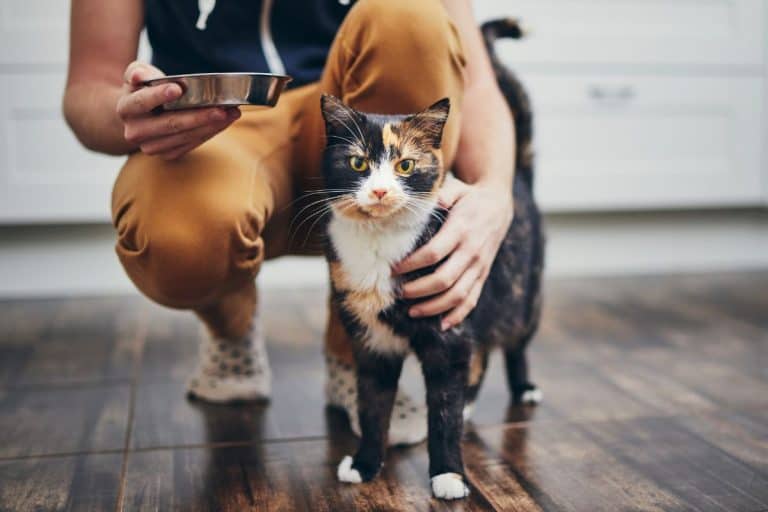
A plate left unattended can quickly become a playground for an inquisitive cat. Owners often find it hard to refuse those watchful eyes, eager for a taste of whatever is on offer. But veterinarians warn: familiar human foods hiding in plain sight can present a serious risk for feline companions.
Continue reading
Not every treat from the kitchen table is safe. In fact, several staples of human diets carry ingredients or substances that cats cannot process without harm, even if their appeal is hard to resist. Understanding which foods are off-limits, and what symptoms to watch for, offers the best protection against preventable health crises.
The Culprits Hiding in the Kitchen
Chocolate tops the list of foods that should never touch a cat’s mouth. The theobromine found in chocolate (also present in coffee and tea) is only mildly stimulating for people. For cats, ingestion can quickly lead to vomiting, diarrhea, convulsions, or even heart problems. Experts stress that even small quantities are dangerous, especially to animals with underlying health issues. Any incident of consumption warrants an urgent call to the veterinarian.
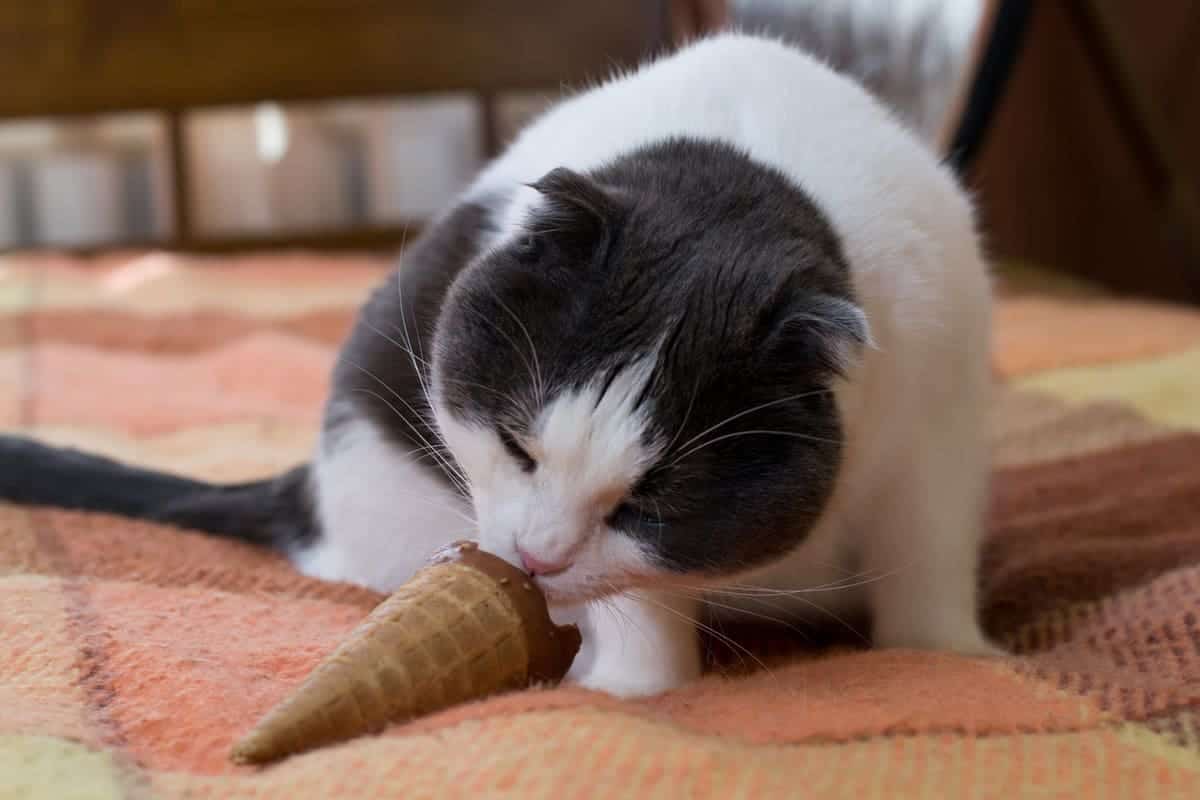
Another common misconception involves milk. Popular culture often depicts cats enjoying a saucer of milk, yet experts say this image is misleading. While kittens digest their mother’s milk, most adult cats can’t process cow’s milk efficiently, many are lactose intolerant, and even young cats can suffer digestive upsets from cow’s milk. Veterinary guidance is vital if an alternative is needed for nursing kittens.
Onions prove equally treacherous, regardless of whether they’re raw, cooked, powdered, or dried. This danger extends to related vegetables like garlic and leeks. The culprit is thiosulfate, a sulfur compound that interferes with feline metabolism. Signs of onion or garlic toxicity can include vomiting, blood in urine, pale mucous membranes, rapid heart rate, diarrhea, and trouble breathing.
Avocados and Raw Fish: Silent Threats
Avocado, often touted for its nutritional value in human diets, contains persin in its skin and pit, a threat specific to pets. In cats, ingestion may trigger vomiting, diarrhea, lethargy, or swelling, and in severe cases, risk cardiac complications.
Raw fish poses a subtler hazard. While some cats seem drawn to the scent of uncooked seafood, the enzymes in raw fish can break down vitamin B in the cat’s system, leading to deficiency. Experts caution that a serious depletion of this vitamin can be fatal if left unchecked. The safest approach is to avoid giving cats raw fish altogether.
Caution also extends to smoked or preserved fish such as salmon, trout, or even canned tuna. These items are typically high in salt and fat, levels that can overwhelm feline kidneys and elevate blood pressure. Appealing as the aroma may be, the risks outweigh the temporary pleasure.
The Expanding List of Foods to Avoid
While some dangers are well-known, others are less obvious. Grapes and raisins in any form, raw potatoes, tomatoes, and raw eggs each carry their own toxic risks. In eggs, for example, certain proteins can jeopardize feline health if consumed uncooked.
Alcohol requires strict vigilance; even small amounts can spell disaster for a cat. Symptoms may include incoordination, trouble walking, breathing difficulties, and in severe cases, coma. Owners are advised to keep an eye on open glasses and bottles, since accidental ingestion demands immediate veterinary attention.
In any situation involving a cat’s exposure to a prohibited or questionable food, speed is crucial. Veterinary professionals recommend contacting a clinic right away for advice, monitoring lists of symptoms, and bringing the pet in if danger signs appear.
What These Risks Reveal About Cats and Care
For all the love and companionship cats provide, their bodies differ fundamentally from ours. Foods that are everyday pleasures for humans can transform into “hidden poisons” for a curious pet. Their dietary needs, rooted in their biology, make vigilance in the kitchen, and an understanding of what should remain off-limits, critical gestures of care. With a little attention, owners can ensure a safer, healthier home for their feline friends.