
Quick Take
- The cats-love-milk image you've seen in cartoons and storybooks has a real historical origin, but it has nothing to do with what's actually good for cats. Trace the myth's origins →
- Your cat will eagerly lap up something that can seriously harm it, and there's a biological reason why. See why cats can't resist →
- Most adult mammals on Earth share a hidden digestive vulnerability. Explore the mammal-wide pattern →
- Milk rarely kills cats or hedgehogs, but in severe cases it can. Here's the signs to look out for. See when it turns deadly →
My grandma inspired my work in animal rescue. Her home in rural West Virginia was often a haven for neighborhood animals in need. I never understood how they knew her house was a safe place to go. But stray cats collected in the outdoor shelters she set up on her porch. Dogs with burrs in their fur and thorns in their paws would wait at the end of the dirt driveway, where we’d clean them up and more than occasionally take them to the vet. I quickly became captivated by the idea of helping animals myself and focused my attention on cats, trapping ferals and catching injured kittens under porches. When I was younger, and before I knew better, I’d often set up a saucer of milk for kittens to drink from. After all, everything I had seen or read said cats and milk matched perfectly.
We’ve probably all seen depictions of milk-lapping animals in Andy the Talking Hedgehog or The Aristocats, in children’s books, illustrations, and videos of farm cats drinking straight from the cow. But as it turns out, what the media has shown us about feeding milk to cats and other animals like hedgehogs is completely wrong. In fact, most adult mammals, humans included, are lactose intolerant to some degree. The myth of milk being healthy for cats and hedgehogs, then, can be extremely dangerous as their bodies are not designed to process lactose. So, let’s talk about the digestive dangers of this well-intentioned treat and what you could give your pets instead.
Where Did the Milk Myth Begin?
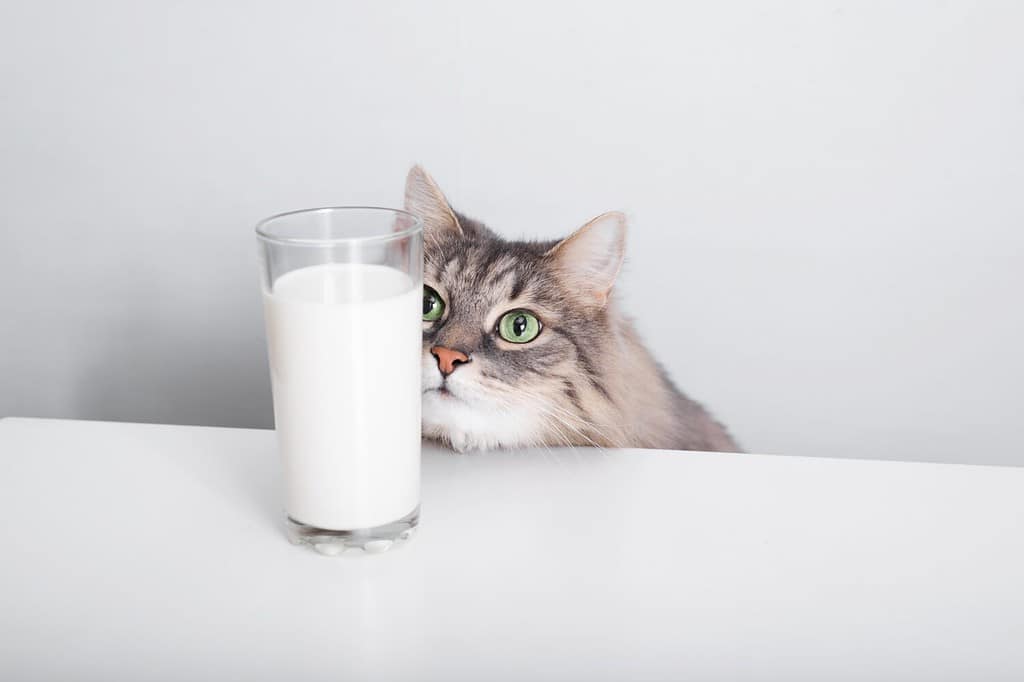
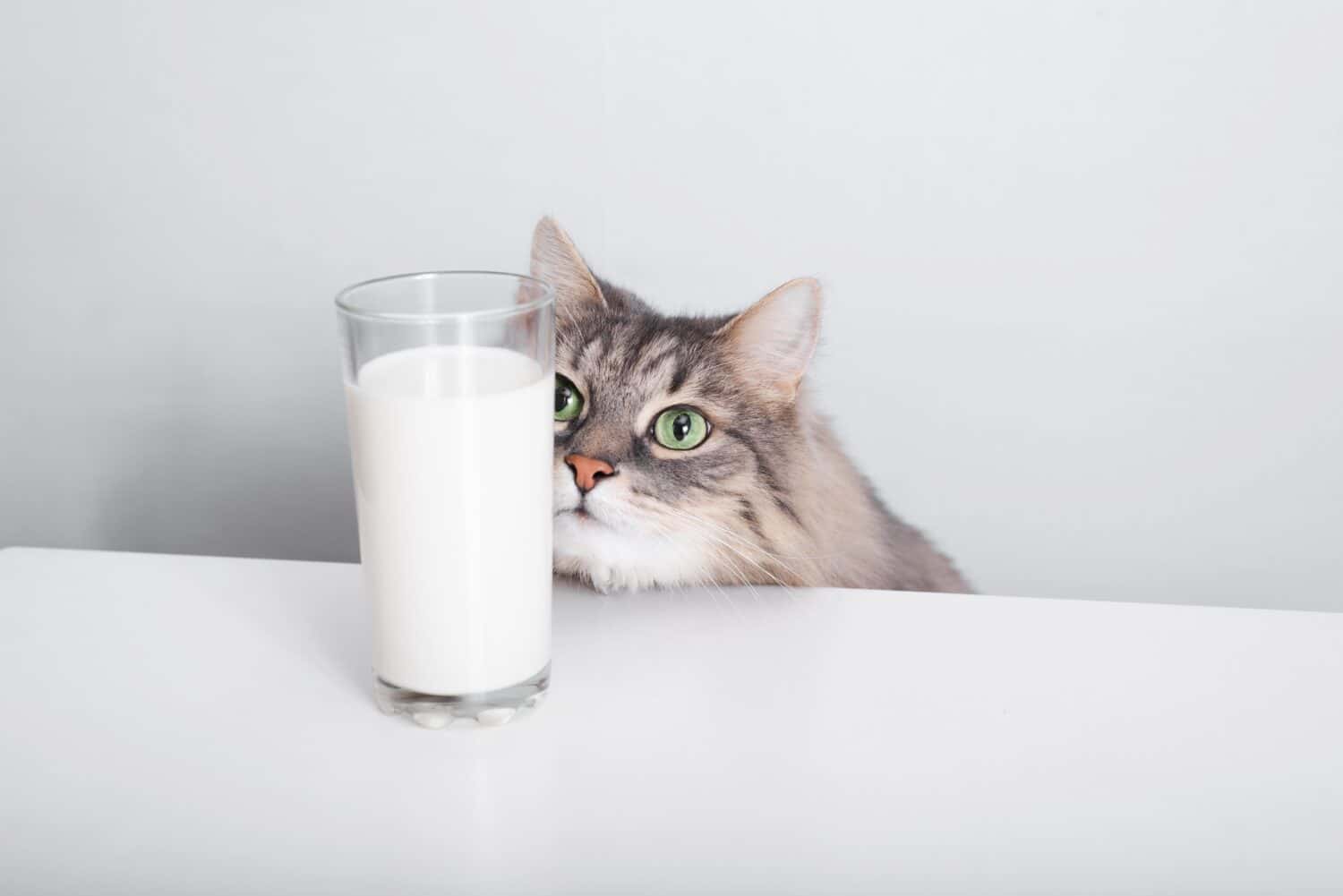
Drinking this glass of milk would likely cause extreme stomach discomfort for your cat.
©Sergio Photone/Shutterstock.com
If milk isn’t good for cats and hedgehogs, then what has perpetuated the myth over the years? It all began for cats in the 18th and 19th centuries. At that time, our societies were mostly agrarian. That means, for the most part, people relied heavily on farming and agriculture to sustain themselves. Farmers would keep cats as a means of pest control, protecting their grain supply from rodent damage. In many cases, farmers would offer cats a tray of fresh milk and cream as a reward for their hunting skills. Even when this didn’t happen, cats were often attracted to barns because of spilled milk. It seemed like a win-win.
Then, in 1876, a Scottish naval physician named Gordon Stables wrote in his book, The Domestic Cat, “Nothing can be better for [a cat’s] breakfast than oatmeal porridge and sweet milk.” Throughout his book, Stables reaffirms the importance of both water and milk for cats.
What About Hedgehogs?
The connection between hedgehogs and milk, on the other hand, is actually rooted in European folklore. People believed hedgehogs to be harbingers of evil or doom and closely associated the animals with witchcraft. In fact, some people even thought hedgehogs were witches who transformed into animals to sneak onto farms at night and steal milk from cows.
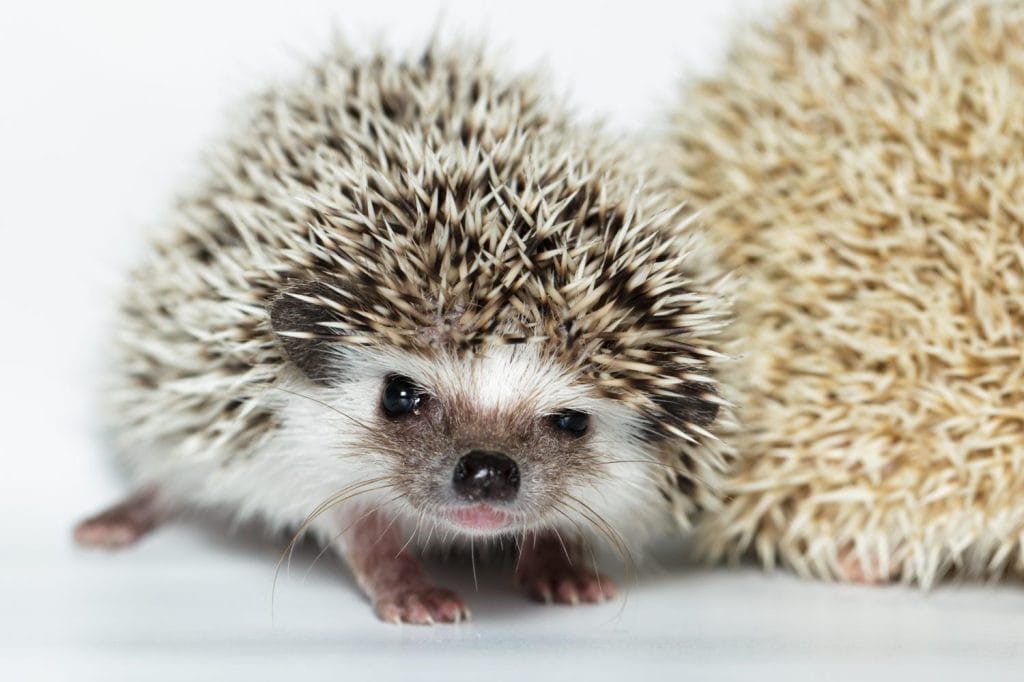
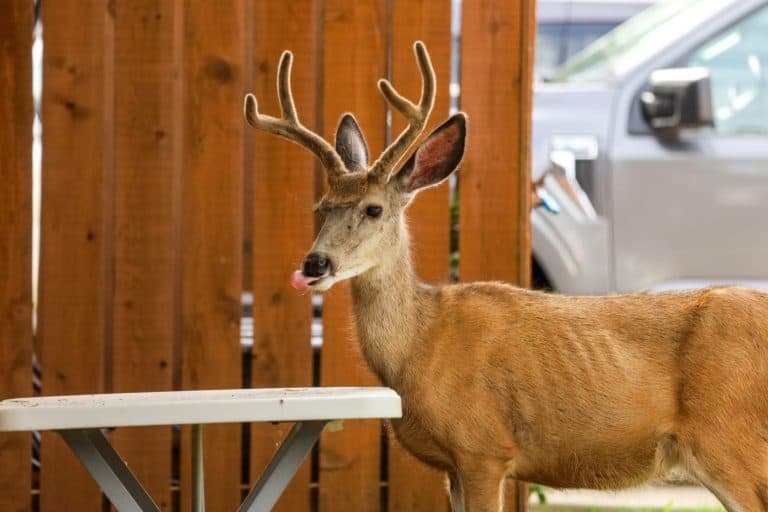
Old mythology also said hedgehogs would sneak fruit out of orchards using their spikes!
©Vishnevskiy Vasily/Shutterstock.com
Hedgehogs are opportunistic feeders, so they will eat or drink whatever they can find. But the old wives’ tale about hedgehogs drinking milk is simply not true, nor is it healthy for them.
Lactose Intolerance in Mammals
Would it surprise you to learn that nearly all adult mammals, including humans, are lactose intolerant? In infancy, the small intestine creates an enzyme called lactase. Lactase helps break down milk sugar, known as lactose. Most mammals stop producing lactase after being weaned, meaning they become less tolerant of ingesting lactose over time. Humans appear to be one of the few mammals, if not the only one, who can still tolerate lactose in adulthood, though only about 35–40% of humans are lactose tolerant, thanks to a gene encoding lactase persistence. A 2005 Cornell study found that adult humans who can still drink milk likely had ancestors that relied on dairy farming.
But your pet cats and hedgehogs no longer make lactase. Outside of infancy, animals have no need to drink milk and will rarely access it on their own. When they do drink cow’s milk, their bodies can’t properly break down the lactose, leading to negative and potentially harmful effects.
Why Do They Drink the Milk?
If cow’s milk is bad for cats and hedgehogs, then why will they drink it? Most scientists believe your pets are drawn to milk’s high fat and protein content. According to a chapter in Fat Detection: Taste, Texture, and Post Ingestive Effects, high-fat foods help animals with everything from energy storage to body temperature regulation. Cats and hedgehogs may therefore seek out milk because they are evolutionarily driven to consume foods that will energize and nourish them.
A Fast Track to Digestive Difficulties
Many cats and hedgehogs will experience digestive challenges after consuming milk. Because they can’t break down the lactose, it passes into their gut undigested. The gut bacteria then begin breaking down the lactose, causing it to ferment.
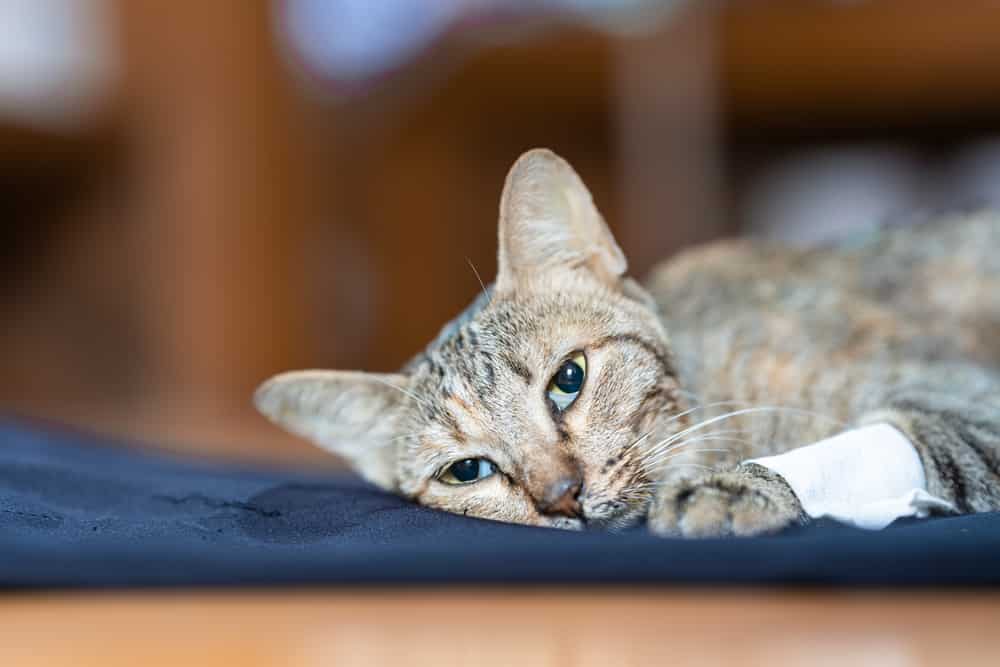
Although it can have harmful side effects, drinking milk is almost never fatal for cats.
©Oporty786/Shutterstock.com
The fermentation process causes gas and bloating. But the side effects don’t stop there. When cats and hedgehogs drink milk, they can experience symptoms like:
- Abdominal pain
- Nausea and vomiting
- Diarrhea, which can vary in intensity and may appear green
Cats and hedgehogs have varying levels of lactose intolerance. Some animals may tolerate milk better than others, but that doesn’t mean their symptoms won’t worsen over time with continued exposure.
In most cases, drinking milk itself won’t kill an animal. However, extreme diarrhea can cause dehydration and malnutrition. In juvenile or elderly cats and hedgehogs, and in sicker animals, that can quickly become life-threatening or fatal. If you see an animal that still has symptoms or remains lethargic after 24 hours, call your veterinarian or (in wildlife cases) a local rehabber.
How About Itchiness?
Itchiness, skin redness, or rashes are not typically symptoms of lactose intolerance. However, if your cat or hedgehog drinks milk and then experiences these symptoms, they could have a dairy allergy!
Don’t Leave Out Milk
Whether you’re a loving pet owner trying to give your pet a treat or a well-intentioned homeowner leaving a saucer of milk for the strays, you didn’t intend to hurt any animals. But it’s time to stop giving cats and hedgehogs milk.
If you’re concerned about local wildlife during summer heat waves, leave out a dish of fresh, clean water on your porch or in another outdoor area. For your indoor pets, a dish of fresh water (changed daily) is also sufficient. You can also supplement with wet food to help keep your pets hydrated!