
Quick Take
- Meat production accounts for a jaw-dropping share of all food-related greenhouse gas emissions, and that number is probably much higher than you would guess. See the emissions data →
- Switching to a vegetarian diet doesn't automatically make you healthier, and there's a common mistake that most new vegetarians make. Avoid this common mistake →
- 'Vegetarian' isn't one diet. The differences between the main types could change which one actually fits your lifestyle. Compare the diet types →
- Ten billion animals are affected by U.S. meat production annually, yet most people have no idea what conditions make that number possible. See factory farm conditions →
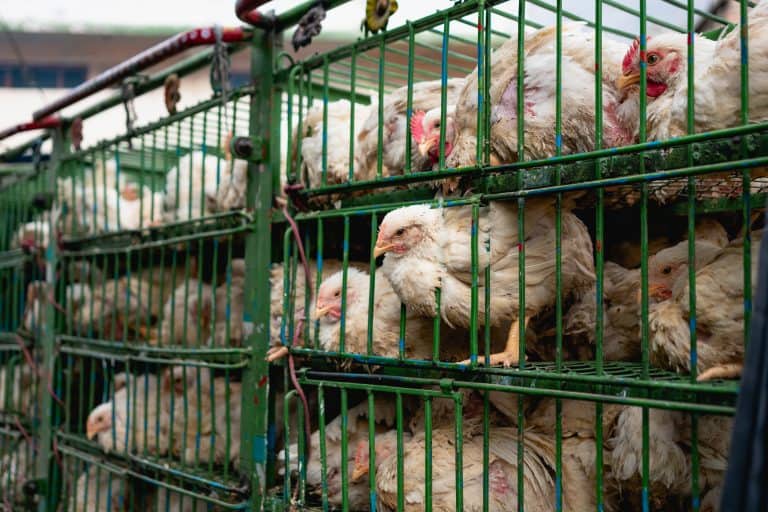
It’s been nearly a decade, but I still vividly remember the first time I came across a truck headed toward a factory farm. The truck, branded on the side with a major meat producer, was carrying poultry. Even inside my car, the smell was horrifically pungent and sour. Worse than the smell was the sight of the chickens. They were crammed tightly together in incredibly small crates, wings and feathers jutting out uncomfortably. I’ve since learned that poultry scientists recommend a maximum of four to six chickens be transported in a crate at a time. Yet many transporters double that, putting up to twelve chickens in one crate. An estimated 0.247% to 0.862% of chickens die during transport each year, which correlates to millions of chickens.
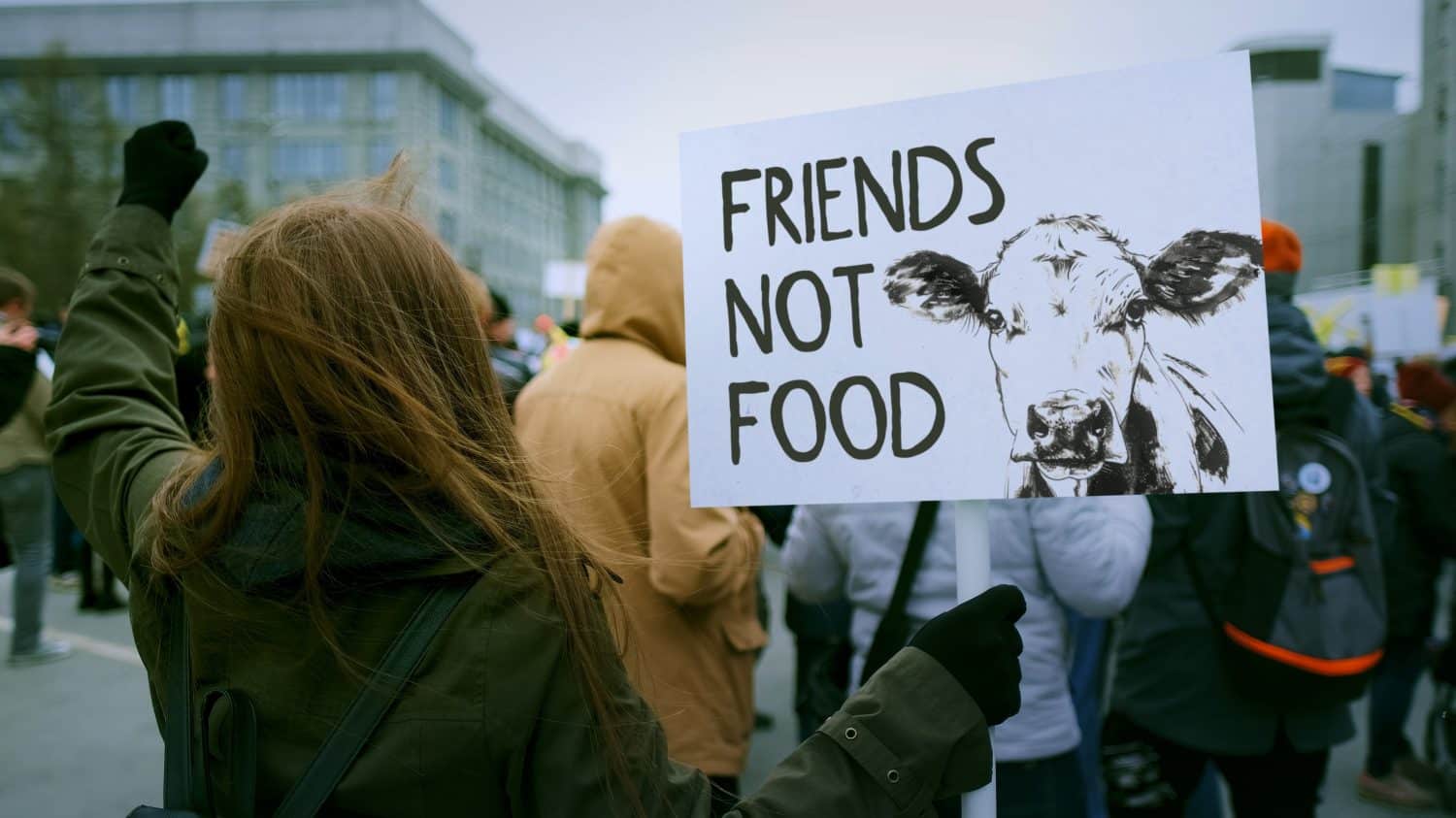
On World Vegetarian Day, which falls each year on October 1, we examine the food we eat from a broader perspective. This day was first established by the North American Vegetarian Society in 1977 but has since become a way to raise awareness of the benefits of a plant-based diet and the impact meat production has on our world. So, for this World Vegetarian Day, let’s take a look at why you might want to consider a plant-based diet.
What Are the Issues with Meat Production?
Meat production requires animals to be raised and killed for their meat. How they live their lives may differ vastly based on their species and location, as well as the type of farm they’re raised on. While pasture-raised animals on smaller farms may have more room to roam, they are ultimately killed earlier than they would be naturally for food.
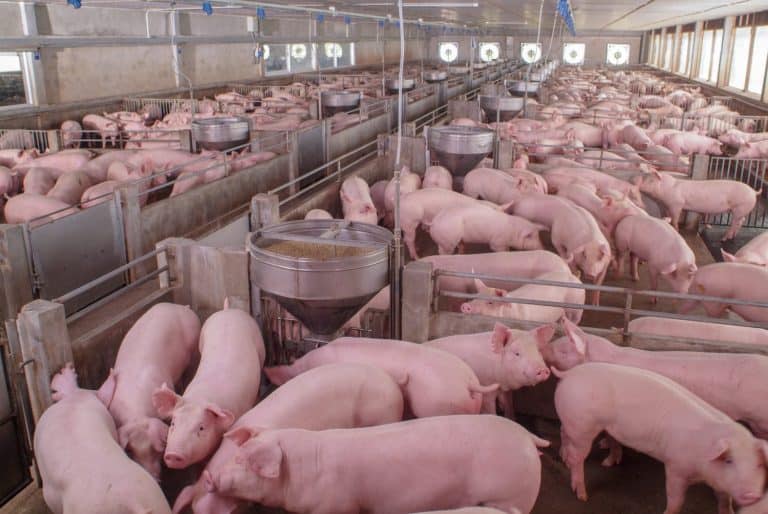
Unfortunately, many animals being raised for meat production are kept on factory farms, or large-scale industrial operations designed to produce large quantities of animal products. The vast majority of the pork, beef, and poultry we eat in the United States comes from factory farms, and research suggests nearly ten billion animals are killed each year to make this happen.
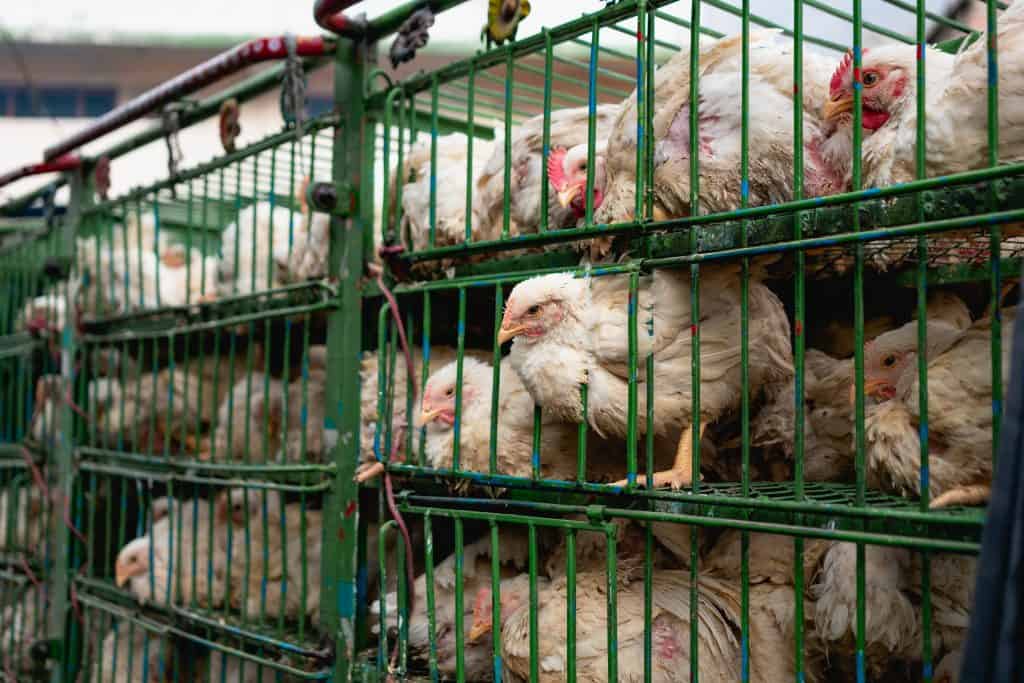
Hens may attack or peck at each other out of stress from being confined so closely.
©Nickolas warner/Shutterstock.com
Factory farms often keep these animals in poor conditions. They are kept in extremely small, tightly packed pens or crates that can lead to significant stress, as well as mastitis and sores. Chickens are often bred for rapid growth, which can cause physical pain and deformities. Animals may undergo procedures, such as tail-docking or beak trimming, without being properly anesthetized. This prolonged duress can lead to weakened immune systems and susceptibility to illnesses. They are often heavily treated with antibiotics, a cycle contributing to antibiotic and antimicrobial resistance, a growing issue for both animal and human health.
Additional Environmental Issues
While meat production causes extreme harm to animals, it also has profound environmental impacts. The majority of agricultural land is used either to raise livestock for meat and dairy, or to grow food for that livestock to graze. To give you a comparison, crops grown directly for human consumption account for only around 16% of agricultural land. When land is razed or cleared to make room for meat production, we see a loss in biodiversity. Biodiversity can also be harmed by chemical runoff that harms local waterways.
Additionally, meat production contributes to significant greenhouse gas emissions. Trees cut down to create agricultural land release excess carbon dioxide into the atmosphere, while feed production releases nitrous oxide and animals like goats, cows, and sheep produce methane. A study from Nature Food found that meat production and growing livestock feed contribute to 57% of all greenhouse gas emissions from food production. Greenhouse gases trap heat in the atmosphere and contribute to worsening global warming.
The Plant-Based Revolution
Between high meat prices driving people towards more affordable options, and innovative offerings like meat substitutes from companies like Beyond Meat, people are increasingly choosing to adopt vegetarian or “flexitarian” diets. And for good reason! Here’s all the information you need to decide if you want to join the plant-based revolution too.
Are There Different Types of Vegetarian Diets?
Actually, yes! Most people assume vegetarianism simply means a diet without meat. And while this is the simplest definition, there are also different layers to vegetarian diets. For example, pescatarians may eat fish, but not poultry or red meat. Other vegetarian diets include:
- Lacto: These vegetarians don’t eat meat, poultry, eggs, or fish, but may consume dairy products.
- Lacto-ovo: Vegetarians in this group consume both dairy products and eggs.
- Ovo: Eggs are consumed, but dairy products are not.
- Vegans: Unlike other groups, vegans do not consume any animal-derived products, including dairy, eggs, and gelatin.
Reasons for Eating Vegetarian
People are choosing to eat vegetarian for many reasons. These include:
- Religion: Some religions, such as Jainism, require a strict vegetarian diet to uphold principles like ahimsa, which means “non-violence.”
- Health: Vegetarian diets are usually lower in saturated fats and cholesterol, while being higher in dietary fiber.
- Ethics: Some people choose not to eat meat as an ethical stance against the pain and suffering animals experience in factory farms.
Eating Healthier Isn’t Automatic
Removing meat from your diet doesn’t automatically make it healthy. You want to replace the meat you’re eating with complete proteins like lentils, beans, and nuts, and nutritious options like whole grains. If you’re simply replacing meat with processed foods, you’re probably not going to see that much of a difference health-wise.

Refined carbohydrates don’t really have any beneficial nutrients or fiber.
©Duntrune Studios/Shutterstock.com
When your diet lacks meat, you also want to make sure you’re supplementing with the right vitamins to maintain your overall wellbeing. While your diet will likely give you enough calcium, vitamin D, vitamin C, and iron, there are some vitamins that you may not adequately consume on a vegetarian diet. For example, zinc is found in many legumes, but our bodies don’t absorb plant-based zinc as well as meat-based zinc, so you might need to take a supplement. Vitamin B12, omega-3 fatty acids, and iodine may also be harder to come by on a vegetarian diet.
If you’re considering switching to a vegetarian diet, be sure to consult your doctor or do your own research to ensure you’re getting enough of these key vitamins.
What Are the Benefits of a Vegetarian Diet?
That said, as long as you’re eating a balanced diet, there are plenty of benefits to eating vegetarian! In addition to reducing your carbon footprint and preserving our natural resources, vegetarian diets have been linked to a lower risk of:
- Obesity
- Type 2 diabetes
- High cholesterol
- Certain types of cancers
- High blood pressure
How You Can Celebrate World Vegetarian Day
If you’re not ready to adopt a fully vegetarian diet yet, that’s okay. It doesn’t have to be all or nothing. But if you’re curious about vegetarianism, there are things you can do to try reducing your meat consumption. For example, try cooking one completely vegetarian meal this week (Mediterranean lentil soup is one of my favorites!). You could also get creative by replacing a meat product in a recipe with a plant-based ingredient or visiting a local vegetarian restaurant.
For World Vegetarian Day, it’s worth researching the food you’re eating. Are you buying ethically sourced ingredients? What resources were used or needed to make your food? How else can you eat a healthful meal? By considering all these factors, you could have a powerful impact on not only your health, but the health of the world around you.