
Quick Take
- The world's heaviest spider isn't the one with the longest legs, and the fact that the two records belong to different species reveals something unexpected about spider anatomy. See the size comparison →
- Despite its jaw-dropping size, this record-holder went completely unknown to science until the 21st century, and its lifestyle is the key reason that explains why. Discover why it hid so long →
- The giant huntsman's long legs serve a real purpose. They enable a hunting strategy that no web-spinning spider can replicate. See how it hunts →
- The Goliath birdeater has a trick designed to make it look bigger than it is, though it still cannot close the gap with this species. Compare the two record-holders →
For some, giant spiders are the stuff of nightmares. However, the majority of these large arachnids are typically harmless to humans and not aggressive, choosing to run away from people rather than attack.
One such intimidating species is the giant huntsman spider, which holds the record for the longest leg span of any spider ever discovered. Other species come close to rivaling their leg span, but none have dethroned the giant huntsman.
Giant Huntsman Spider’s Impressive Leg Span
Many large spiders are known for their long legs, but one particular arachnid puts the rest to shame: the giant huntsman spider.
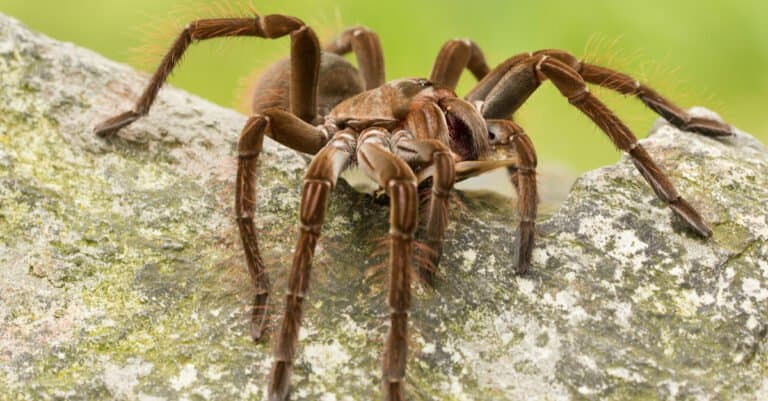
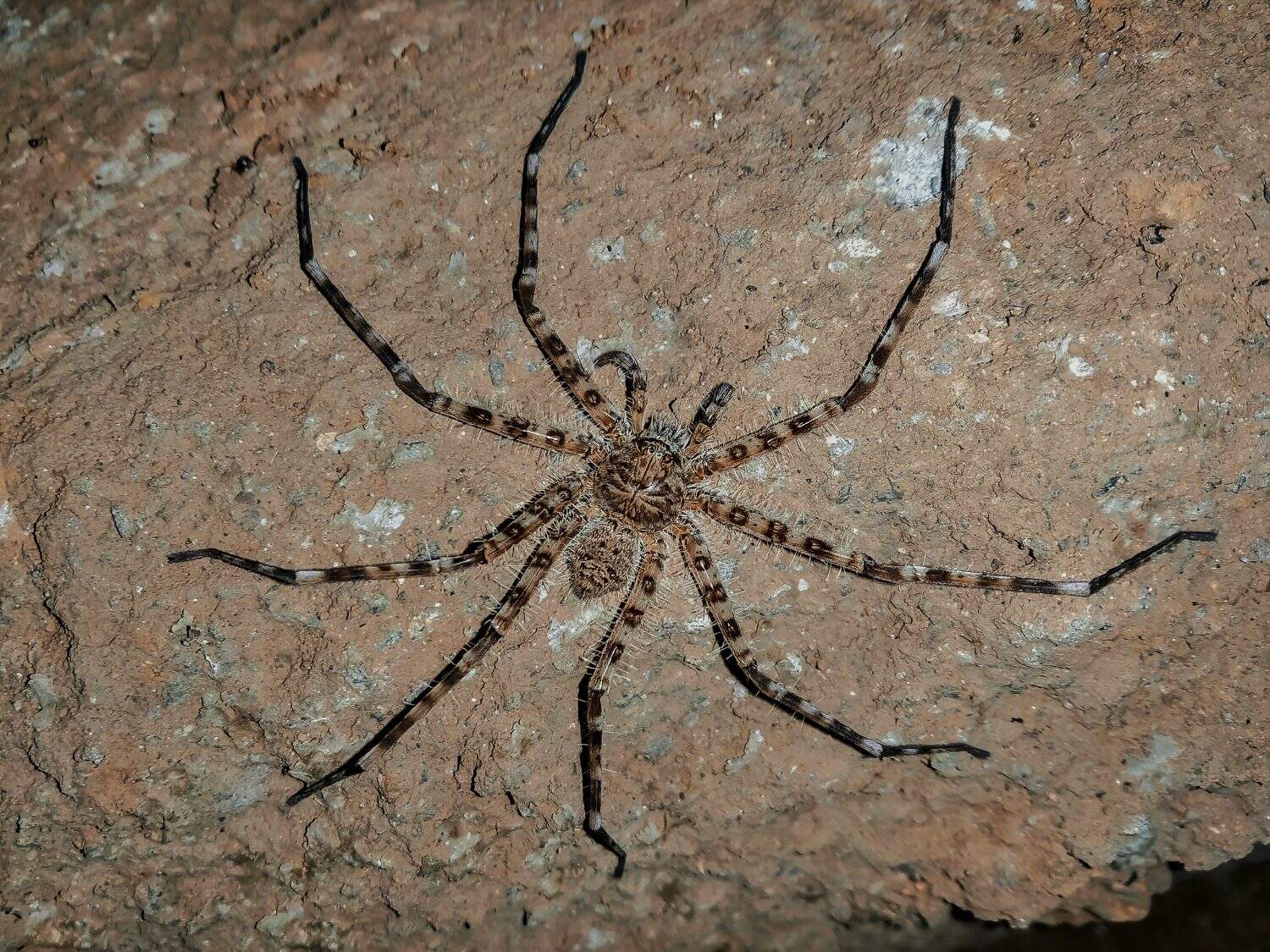
The giant huntsman spider has a leg span of 11.8 inches.
©Arkadij Schell/Shutterstock.com
Giant huntsman spiders can vary in size. However, in 2017, one individual discovered in a Laotian cave had the longest leg span ever recorded. The spider’s leg span measured 11.8 inches (30 centimeters), breaking the widest-leg-span record for both the giant huntsman and any other known spider species. This remarkable spider was officially recognized as the spider with the longest legs.
It is not clear whether the individual was male or female. However, males tend to have longer legs, while females tend to have larger bodies.
Isn’t the Goliath Birdeater Spider Larger?
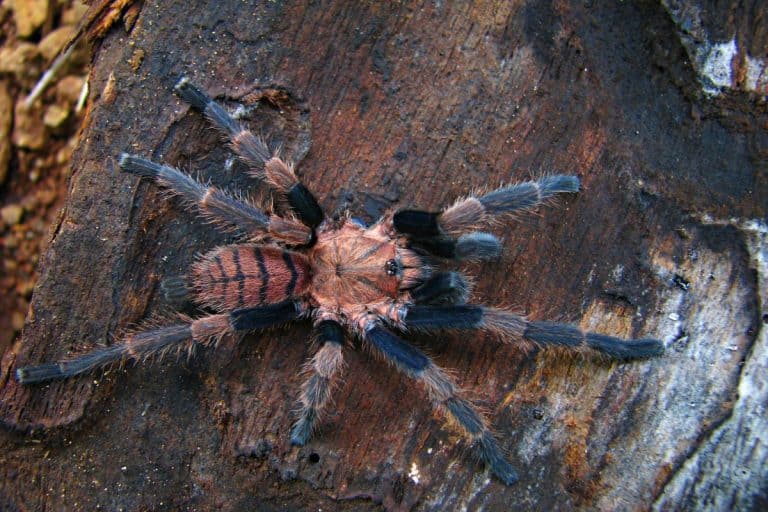
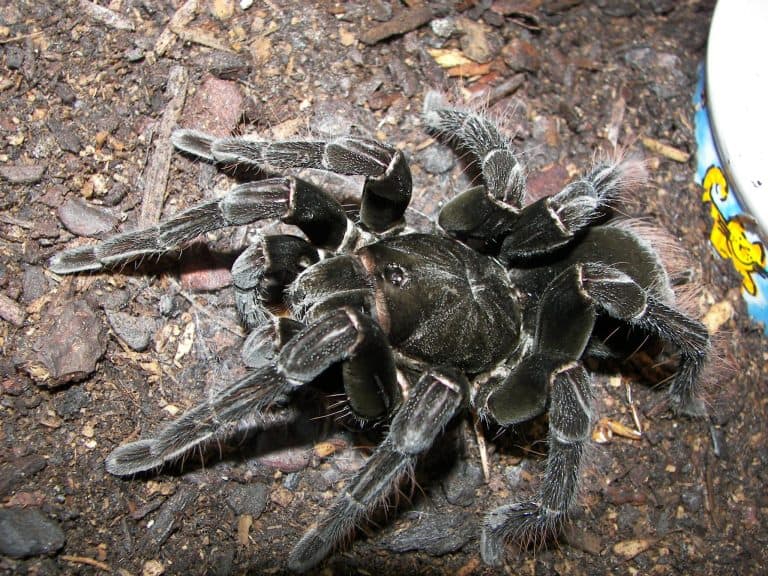
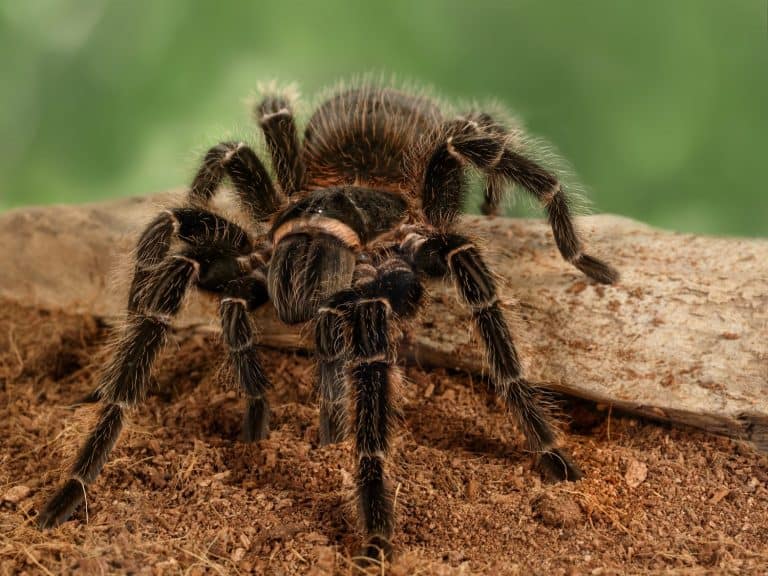
The Goliath birdeater holds the record as being the heaviest spider on the planet. However, when it comes to leg span, it does not compare to the giant huntsman spider.
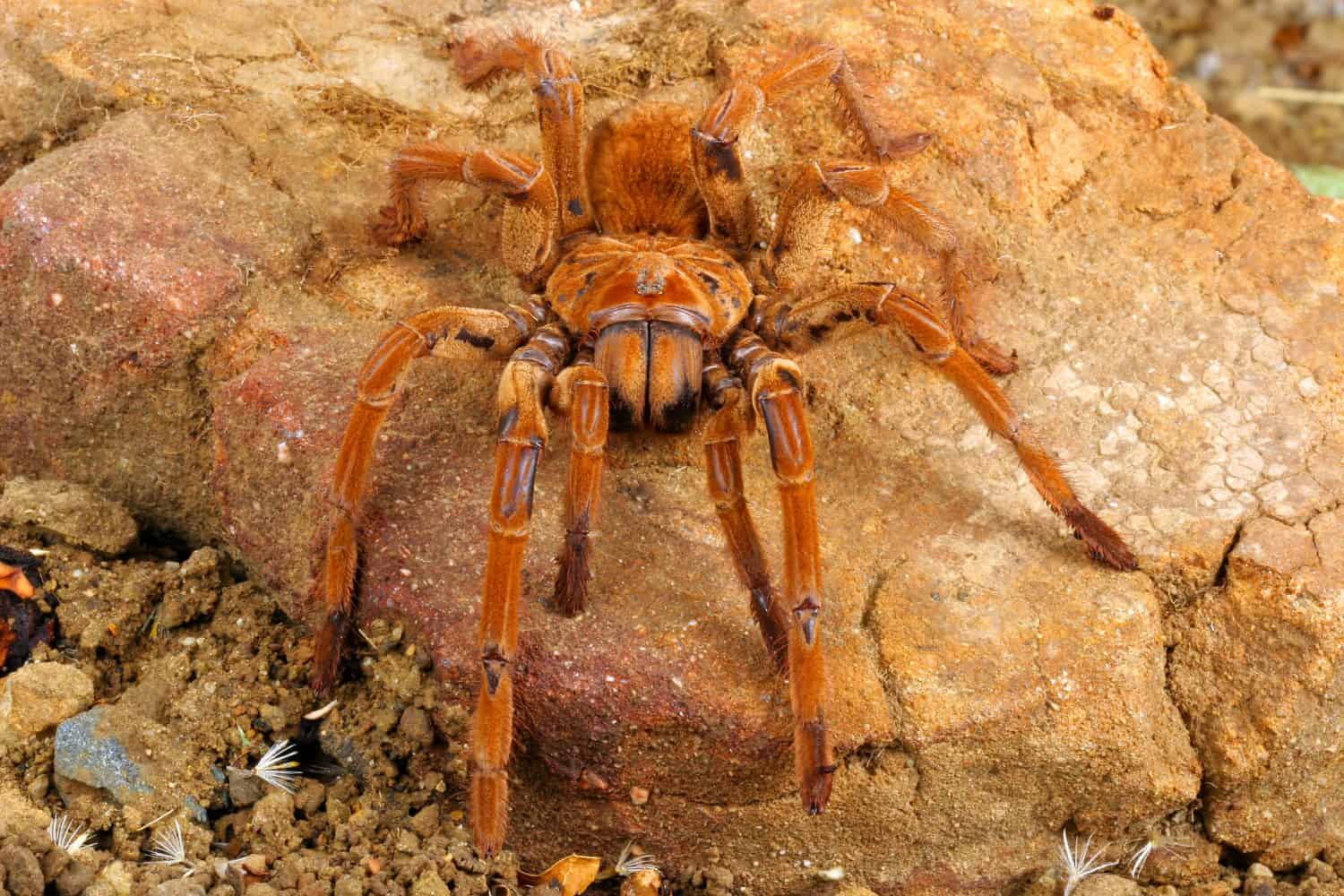
The Goliath birdeater is the largest spider by weight but not by leg span.
©Audrey Snider-Bell/Shutterstock.com
The Goliath birdeater tarantula typically weighs six ounces and is one foot long. But with a leg span of 11 inches, it cannot compete with the leggy huntsman. However, the Goliath birdeater employs an interesting technique to make its legs look longer by rearing up on them.
Where the Giant Huntsman Spider Lives
It would be interesting to see the giant huntsman spider and the Goliath birdeater side by side in nature to truly get a good comparison of the two. However, the two spiders live in different regions of the world and in entirely different habitats.
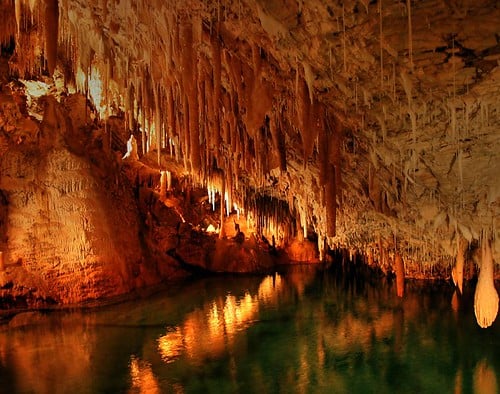
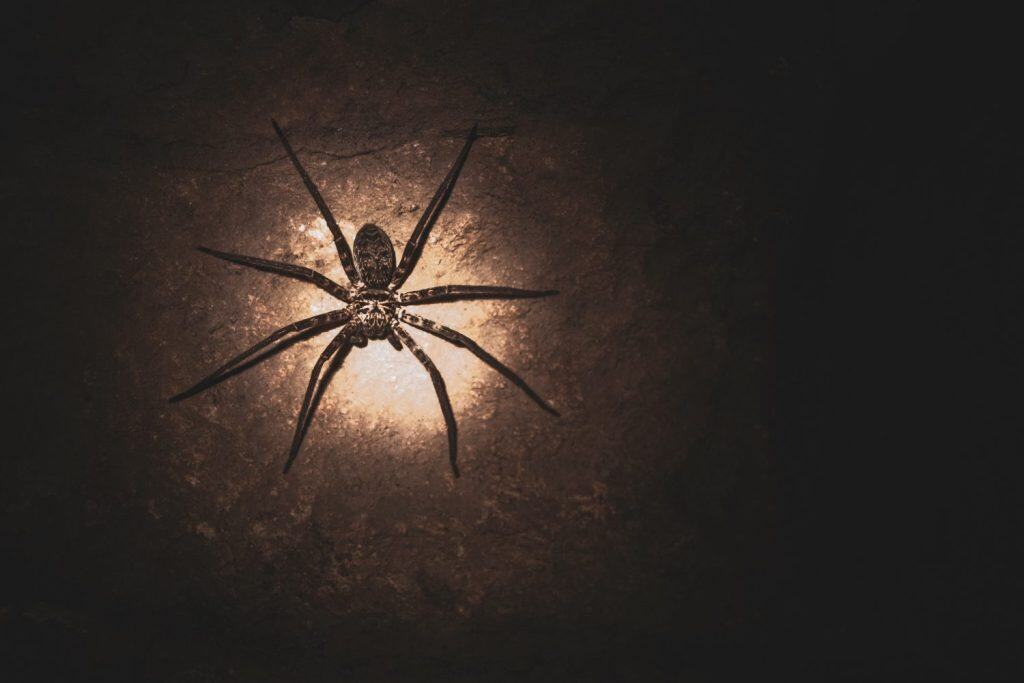
Giant huntsman spiders live in limestone caves in Southeast Asia.
©Arkadij Schell/Shutterstock.com
The giant huntsman spider lives in Southeast Asia, specifically in Laos. This spider is not known for showing up in homes, instead preferring to live in caves. Their long legs and ability to flatten their bodies allow them to easily move through their limestone cave homes.
Instead of spinning webs, giant huntsman spiders stalk and hunt their prey. Thanks to their long legs, they move quickly across the limestone walls, using camouflage to subdue their unsuspecting prey.
Why the Giant Huntsman Spider Is a Relatively New Species
Different species of huntsman spiders have been known worldwide for decades, if not centuries. This is why the giant huntsman spider (Heteropoda maxima), not discovered until 2001, perplexed scientists.
During a trip to Laos, arachnologist Peter Jäger of the German Research Institute and Natural History Museum saw the spider in a Laotian limestone cave. This was the first-known and documented encounter with the species.
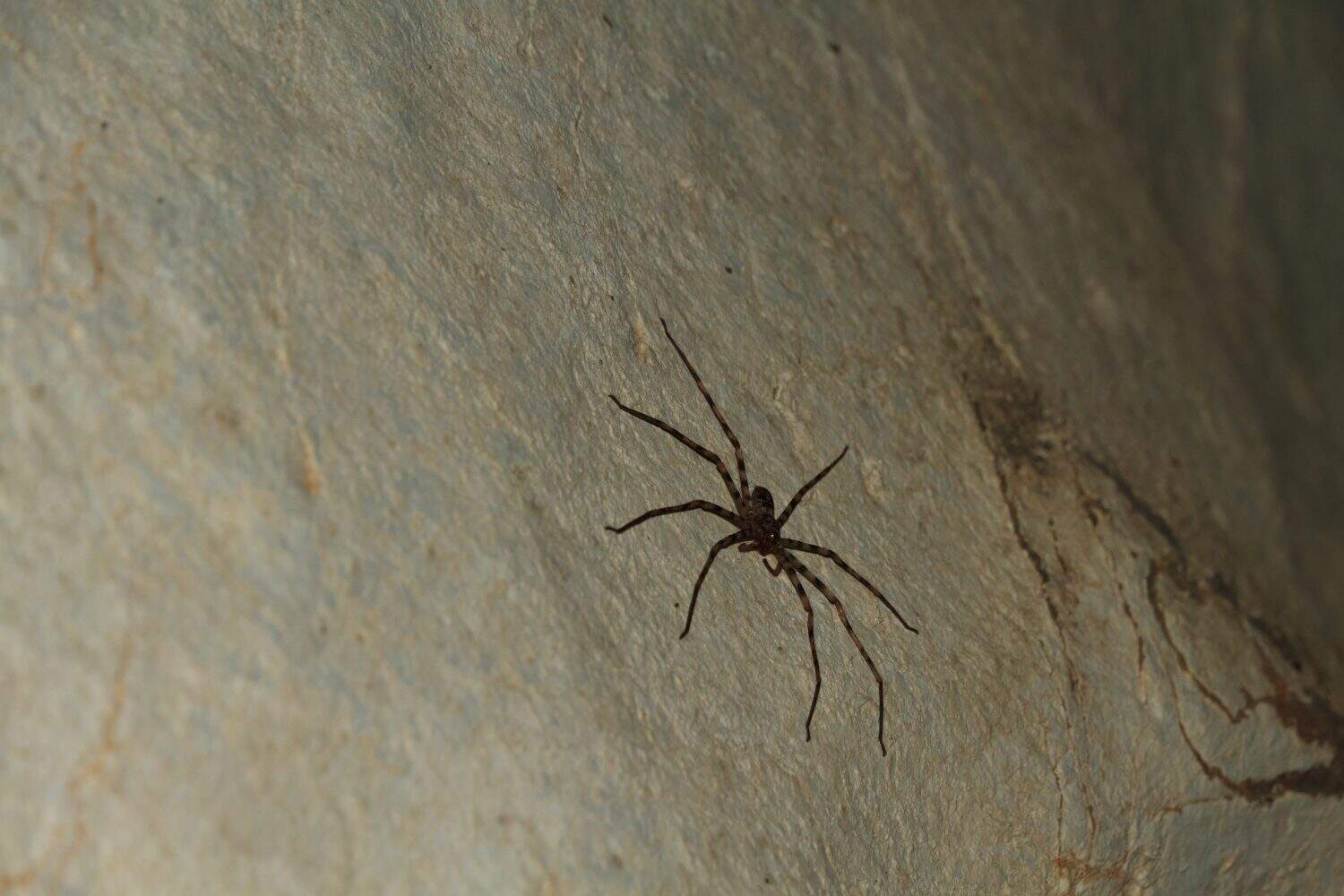
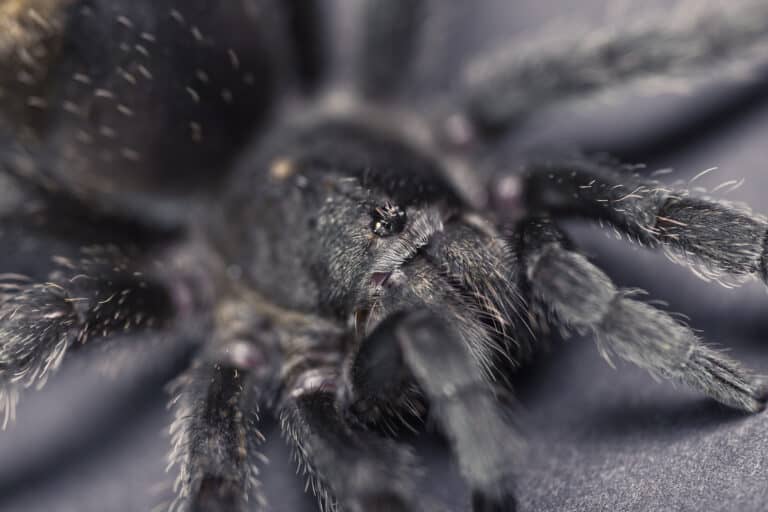
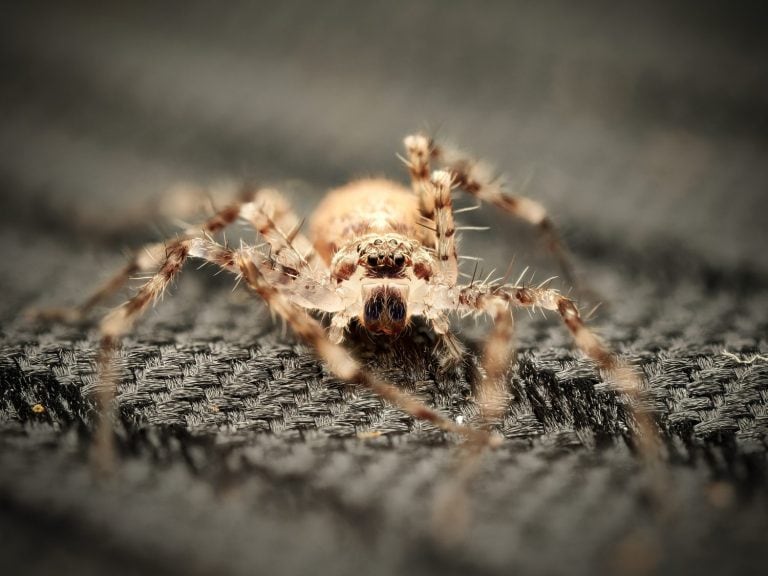
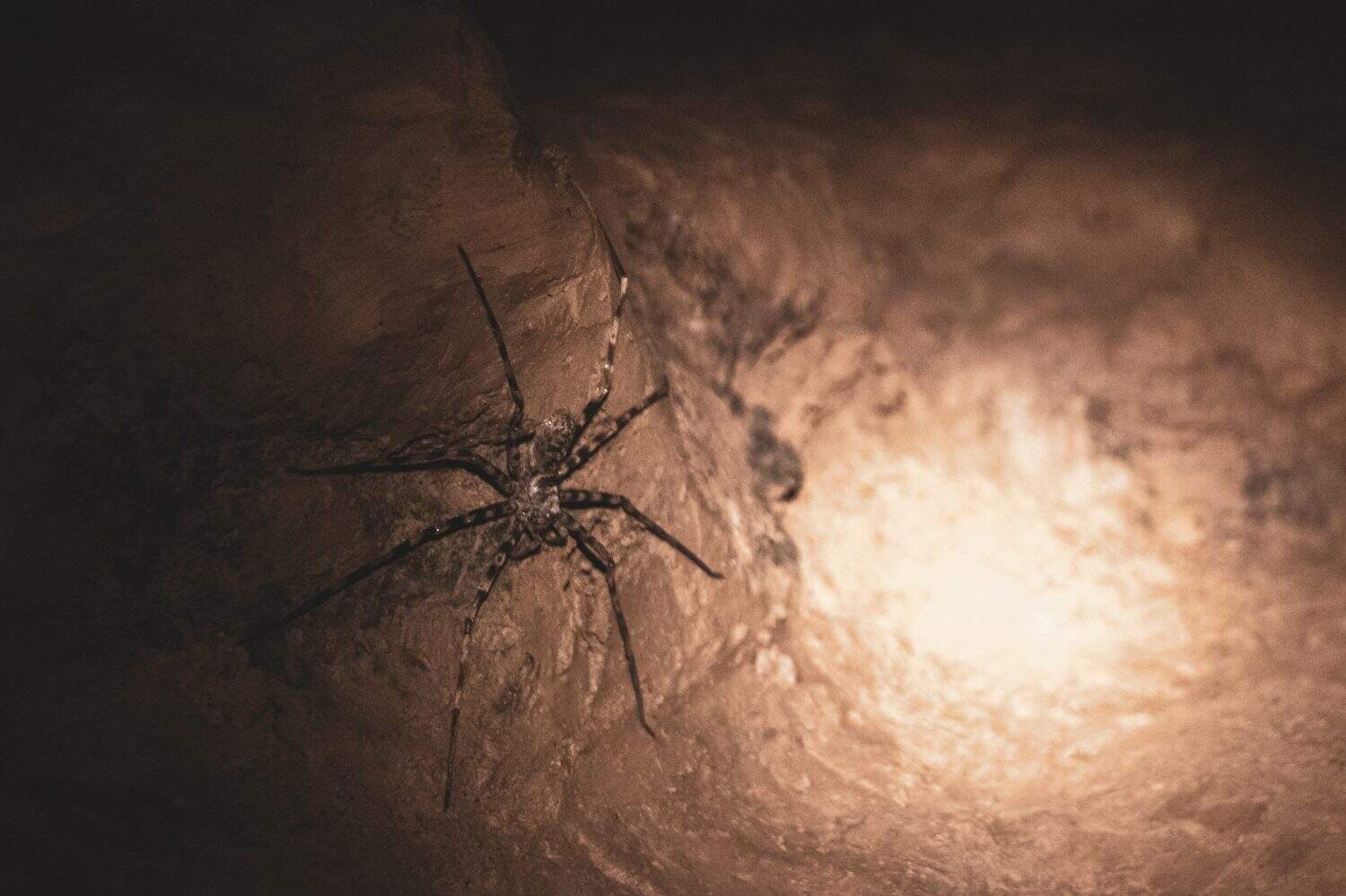
Giant huntsman spiders were unknown until 2001 due to where they live and their reclusive nature.
©maxontravel/Shutterstock.com
The giant huntsman spider is nocturnal, well camouflaged, reclusive, and lives in fairly inaccessible caves. This helps to explain why the species was not known to science until 25 years ago.
To date, no spider shares the impressive leg span of the giant huntsman spider. However, scientists believe there are still millions of arachnids yet to be discovered. Perhaps a spider with an even greater leg span will be uncovered in the future.