
Guinea pigs have been domesticated since at least 3,000 B.C. Over the millennia, they have become human companions that are gentle, social, and full of personality. They communicate with a delightful mix of whistles, chirps, and chortles that set them apart from other pets. Easy to care for and naturally docile, they are often considered excellent first pets for children. Because they bring so much joy to their owners, it’s only natural to want the same for them. So, beyond the basics, here are 11 ways to help your guinea pig not just live, but live its best life.
How Do Guinea Pigs Express Happiness?
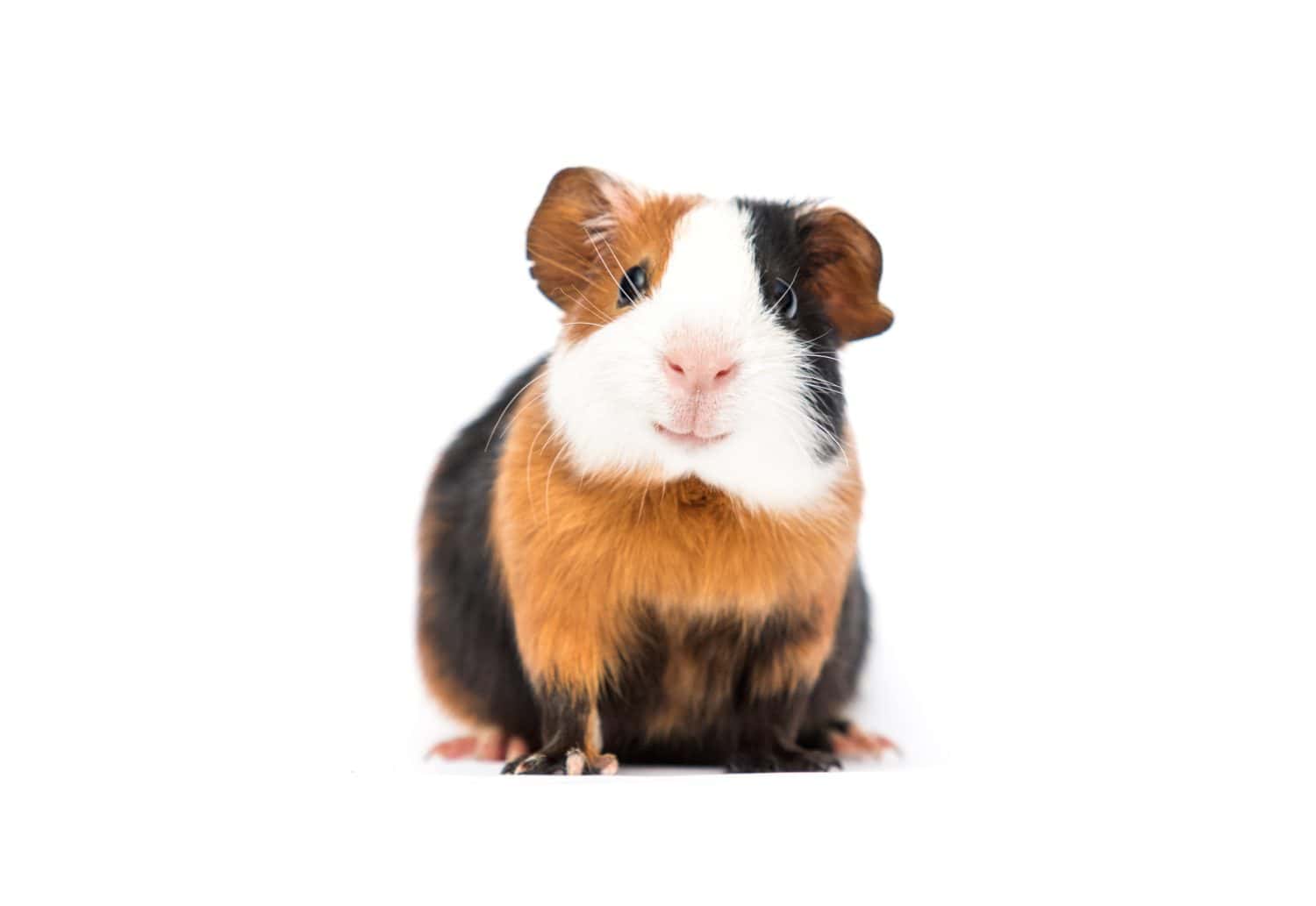
Few pets are as inquisitive and friendly as a guinea pig.
©Rita_Kochmarjova/Shutterstock.com
Guinea pigs have adorable ways of showing happiness, and once you know the signs, it’s easy to tell when your pet is content. One of the clearest signals is “popcorning,” where they hop and kick their legs in little bursts of excitement. A relaxed piggie may also stretch out comfortably, close its eyes, or gently purr when being petted. Happy pigs are often vocal, making cheerful squeaks, whistles, or soft chortles when they see their favorite person or anticipate food. Lively exploration, playful chasing, and social grooming with cage mates are also ways your guinea pig shows it is enjoying life. Here are 11 ways you can help produce these kinds of happy reactions in your little friend:
1. Companionship with Other Guinea Pigs
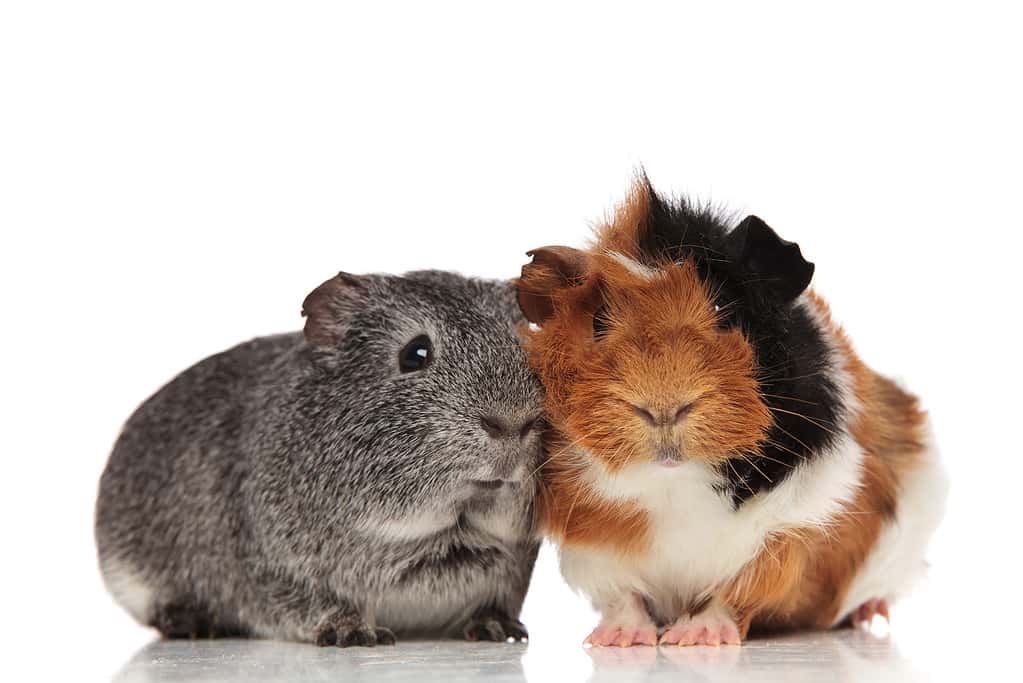
Guinea pigs are herd animals that should not be raised singly.
©feedough/iStock via Getty Images
The number one source of happiness for most guinea pigs is companionship. In the wild, they are sociable herd animals. When kept alone, they can become anxious, sullen, or depressed. A bonded pair or small group provides reassurance, play, and comfort, helping them feel secure and engaged. You’ll often see cage mates grooming one another, communicating with soft chirps and chatters, or snuggling together in a shared hideout—all clear signs of contentment.
2. Plenty of Space to Roam
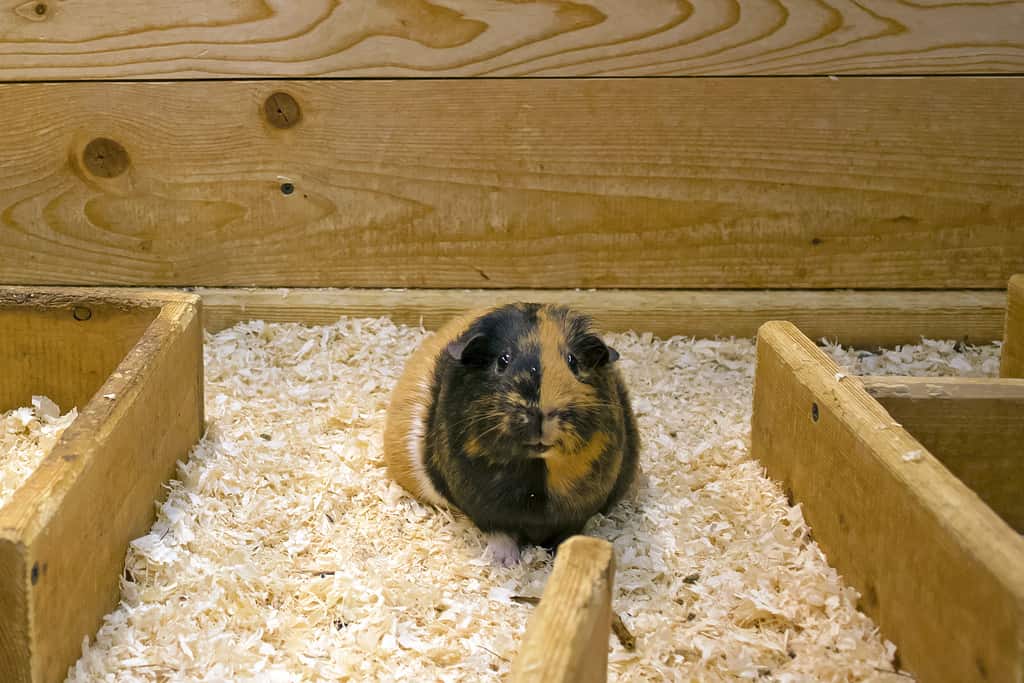
Guinea pigs need a spacious enclosure with clean bedding.
©Jazziell/iStock via Getty Images
These animals don’t like to feel confined. A roomy cage with plenty of floor space allows them to scamper or simply stretch out. The more room they have, the more active and joyful their behavior. For best results, consider cages designed specifically for this kind of pet, emphasizing length and width over height. Remember, these little animals are built to sprint, not climb.
3. Tunnels and Hiding Places
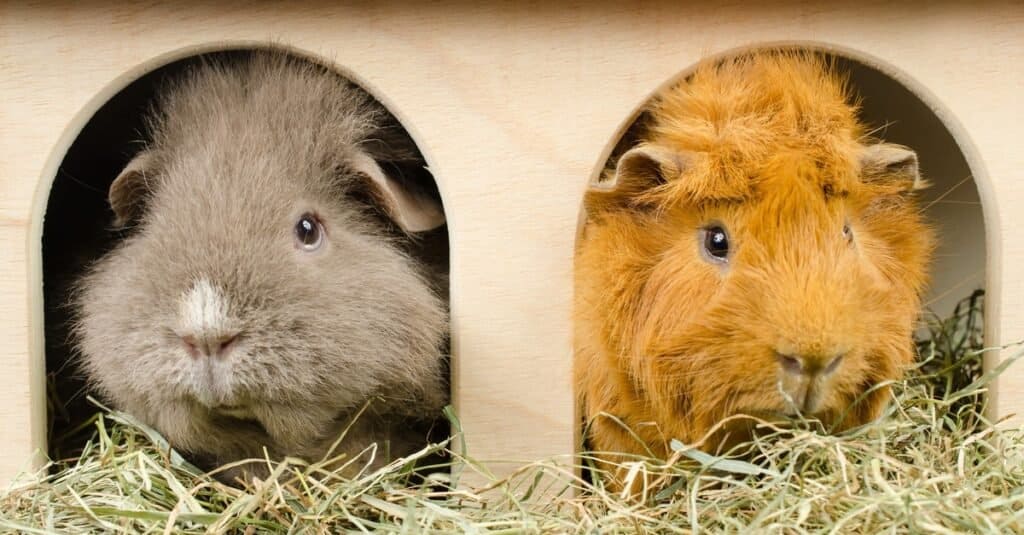
Little animals feel secure when they have a tunnel or shelter to hide in.
©PHOTO FUN/Shutterstock.com
As prey animals, guinea pigs instinctively seek out shelter to feel secure. Imagine living in a huge, empty warehouse—exposed and vulnerable—but then finding a small room with a regular roof where you could retreat. You’d naturally feel safer there. This is similar to how guinea pigs experience their environment. Providing tunnels, huts, cardboard boxes, or fleece hideouts gives them “right-sized” spaces where they can rest without fear. Multiple hiding spots are best, since they allow each guinea pig to claim a safe zone and reduce competition. These shelters not only ease stress but also encourage exploration.
4. Regular Gentle Handling
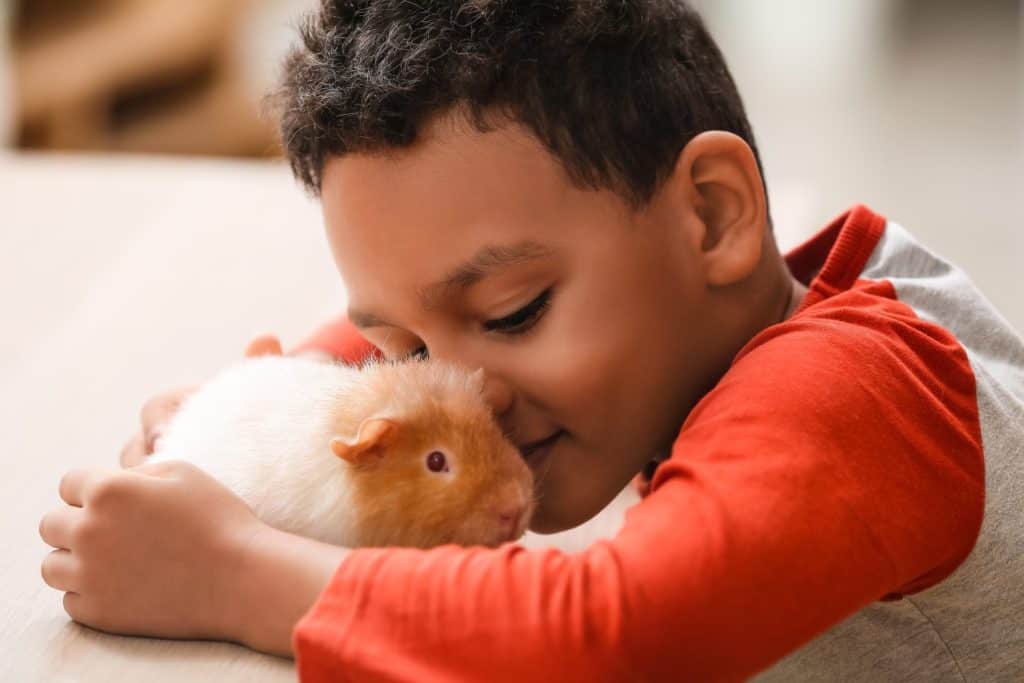
Once they get comfortable with you, guinea pigs will start to enjoy gentle handling.
©Pixel-Shot/Shutterstock.com
At first, guinea pigs may be cautious about human touch, but with patience, they usually warm up to it. Gentle, consistent handling—whether lap time, soft brushing, or calm stroking—helps them build trust and feel secure. Always support their whole body, move slowly, and let them set the pace so they don’t feel trapped. Offering a carrot stick or another treat that takes time to eat can also help them associate handling with positive experiences. Since guinea pigs sometimes pee or poop while being held, placing a folded hand towel on your lap keeps things comfortable for you. With time, many guinea pigs come to eagerly anticipate these moments, rewarding you with relaxed purrs, soft squeaks, or even stretching out in contentment.
5. Enriched Environments and Toys
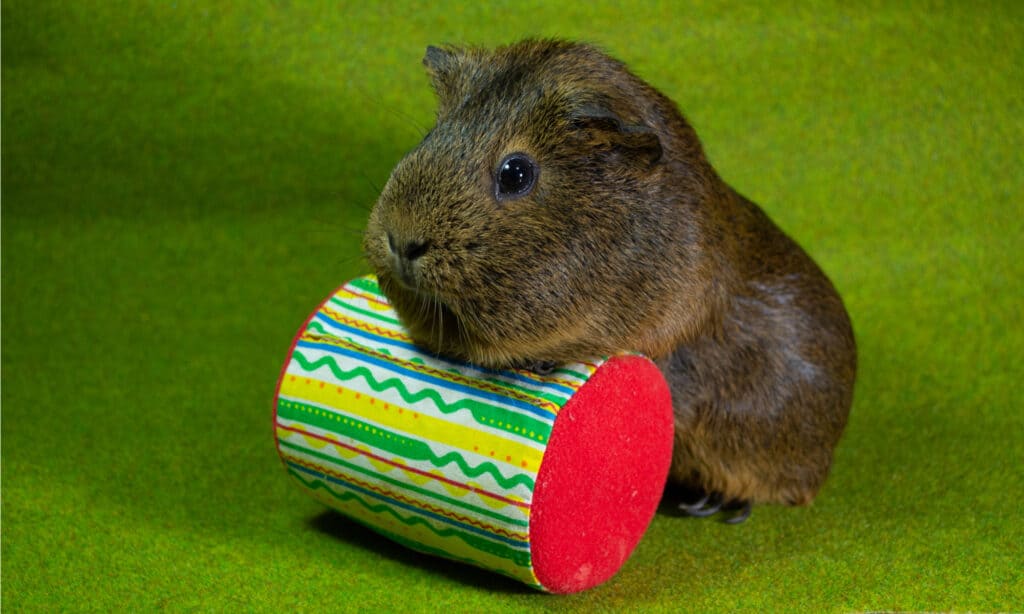
Toys help a guinea pig feel mentally stimulated.
©AnBoris/Shutterstock.com
Boredom is the enemy of happiness for guinea pigs. Enrichment provides mental stimulation and outlets for their playful energy. Chew toys, cardboard tubes, crumpled paper, ramps, or even piles of hay to dig into keep their environment lively. Rotating toys and rearranging cage accessories can reintroduce novelty and prevent monotony. Guinea pigs are curious explorers, and providing them with new textures, scents, and objects to investigate keeps them happily occupied for hours.
6. Time Outside the Cage
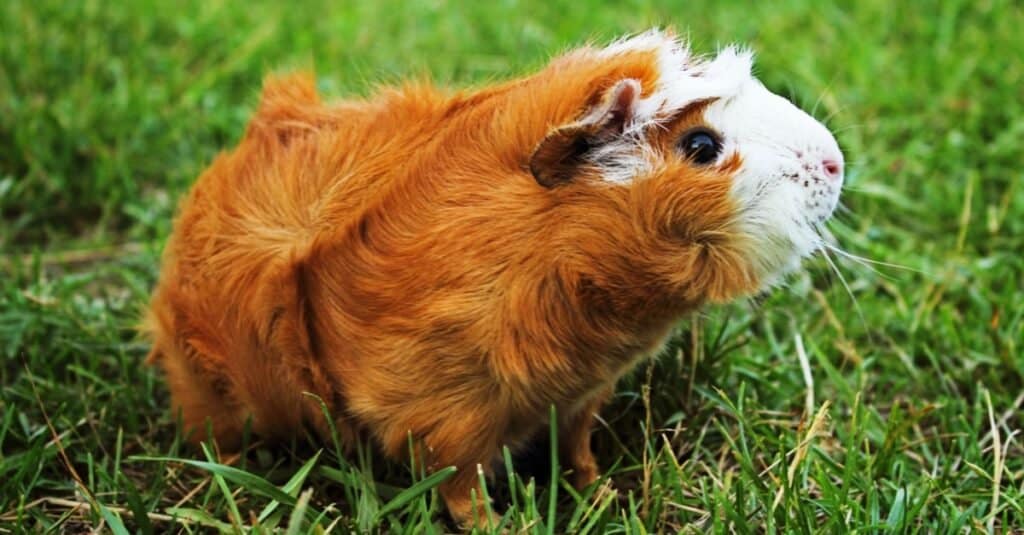
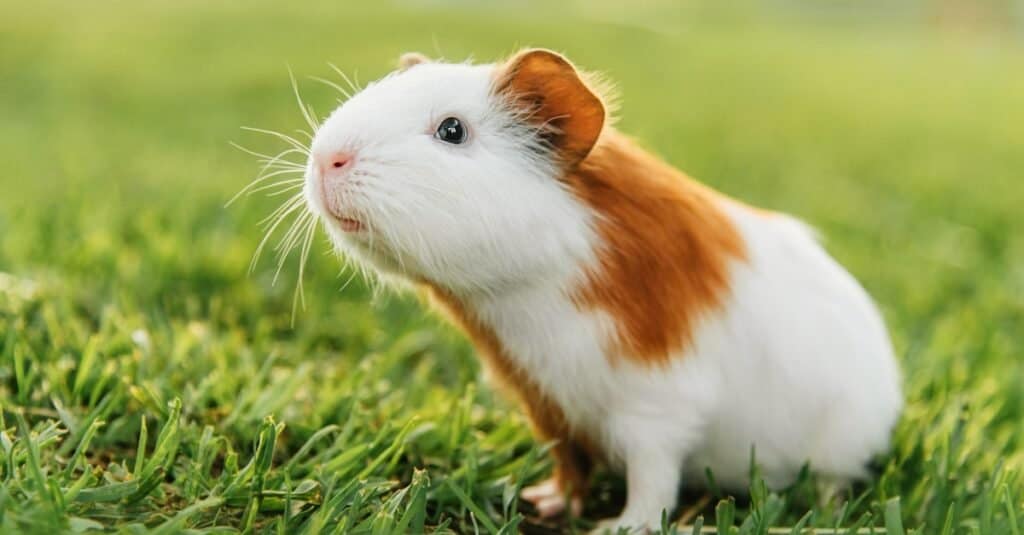
A Red Abyssinian Guinea Pig enjoying some time in nature.
©Tettania/Shutterstock.com
No matter how spacious a cage may be, guinea pigs benefit from supervised exploration beyond their enclosure. A guinea pig-proofed room or secure indoor playpen gives them safe opportunities to run, sniff, and explore, offering exercise, stimulation, and a sense of freedom they can’t get inside their cage. Outdoor time can also be enriching, but it should only be in a secure enclosure that’s supervised and, ideally, covered. Guinea pigs can jump surprisingly high and scurry into hard-to-reach places, so it’s not safe to let them roam freely in the yard without protection. With the right setup, these adventures let them stretch their legs, satisfy their curiosity, and have the pleasure of being a “wild thing” for a little while.
7. Fresh Vegetables and Variety in Diet
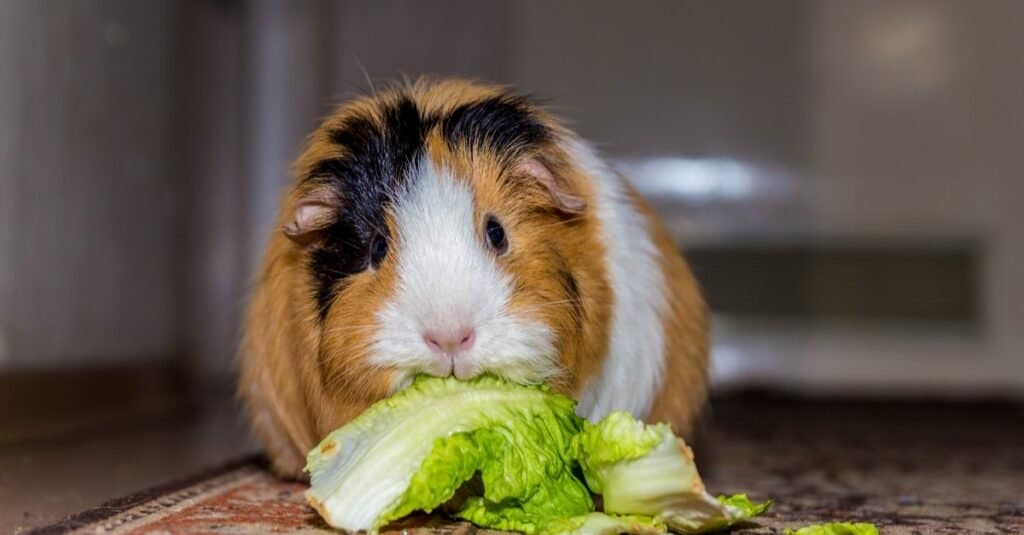
A guinea pig should get plenty of hay and guinea pig food, supplemented by fresh vegetables and fruit.
©Tomasz Stepien/Shutterstock.com
Guinea pigs are enthusiastic eaters, and food is one of their greatest sources of happiness. Their teeth never stop growing, so providing unlimited hay is the number one way to keep them healthy—it wears down their teeth while also aiding digestion. Safe chew toys, apple branches, or wooden blocks made for small animals give them even more outlets for gnawing. Alongside hay, a daily variety of vegetables such as bell peppers, leafy greens, carrots, and herbs provides essential nutrients, especially vitamin C, which guinea pigs cannot produce on their own. Occasional treats like fruit slices or edible flowers add excitement. Listen for the chorus of squeaks when a produce bag rustles—clear proof that fresh food brings them joy.
8. Soft, Clean, Comfortable Bedding
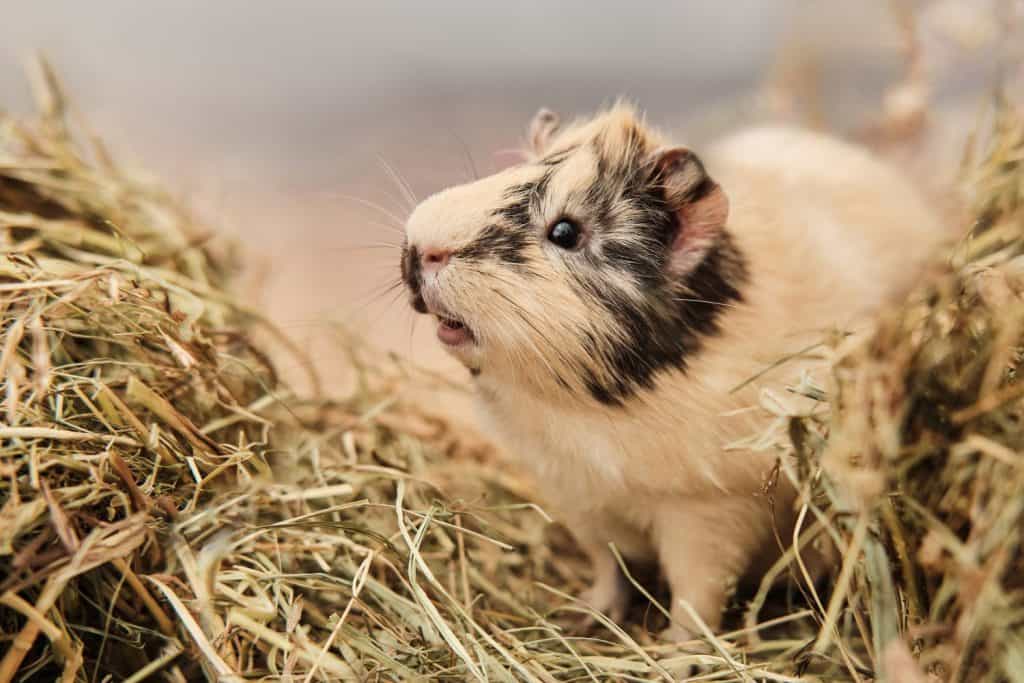
Guinea pigs like burrowing into deep bedding.
©Zhenya Cherr/Shutterstock.com
A cozy, comfortable sleeping space is essential for a happy guinea pig. They relax and rest more deeply when their bedding is soft, clean, and inviting. Fleece liners, dust-free paper bedding, or soft straw all provide comfort while also protecting their sensitive feet. Many guinea pigs love to burrow, nest, or even toss their bedding around during energetic play, and you may see them zooming through the cage, scattering hay or bedding as they go. Avoid wire-bottom cages, which can cause painful sores known as bumblefoot. Regular cleaning keeps their environment pleasant, and it’s wise to check their feet for redness or swelling. The better their bedding and care, the more secure, playful, and content your guinea pig will feel.
9. Comforting Sounds and Communication
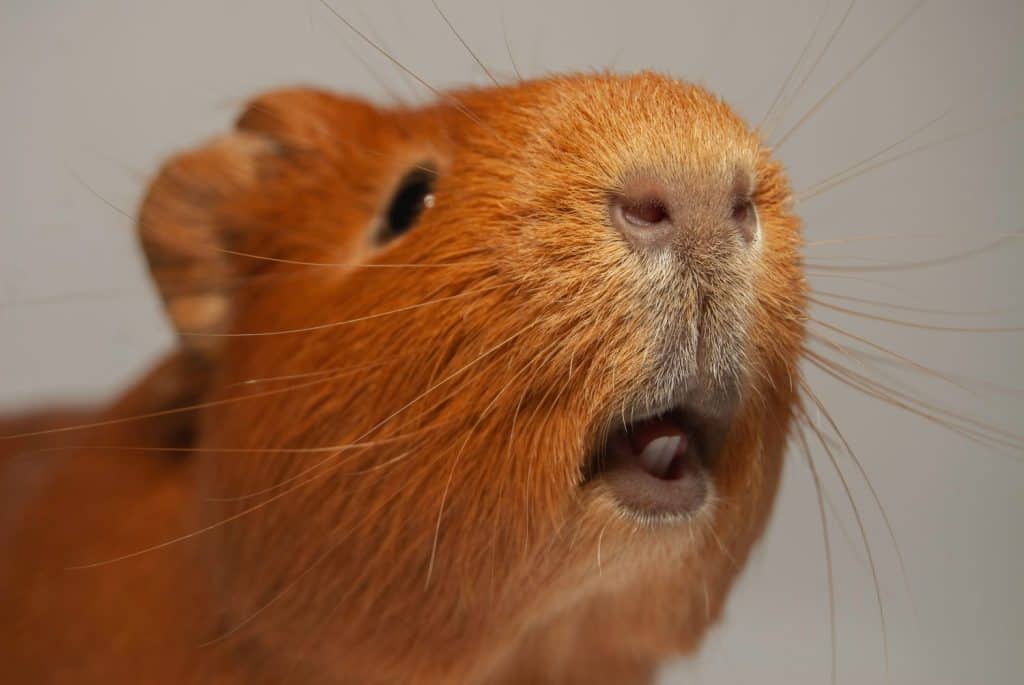
Guinea pigs love vocalizing and often enjoy vocal interactions with people.
©keithrodrigop/Shutterstock.com
Guinea pigs are highly vocal creatures, and sound plays a major role in their happiness. Soft music, a gentle voice, or the familiar noise of their cage mates nearby can be soothing. They often respond to human voices, and many piggies enjoy back-and-forth “conversations” with their owners. Happy guinea pigs make a variety of distinct sounds: high-pitched “wheeking” when they’re excited about food, soft “purring” when they’re content and relaxed, and gentle “chutting” or “chattering” during calm exploration or social time. By paying attention to these chirps, whistles, and squeaks—and responding kindly—you strengthen your bond and reassure them that they are safe and understood.
10. Grooming
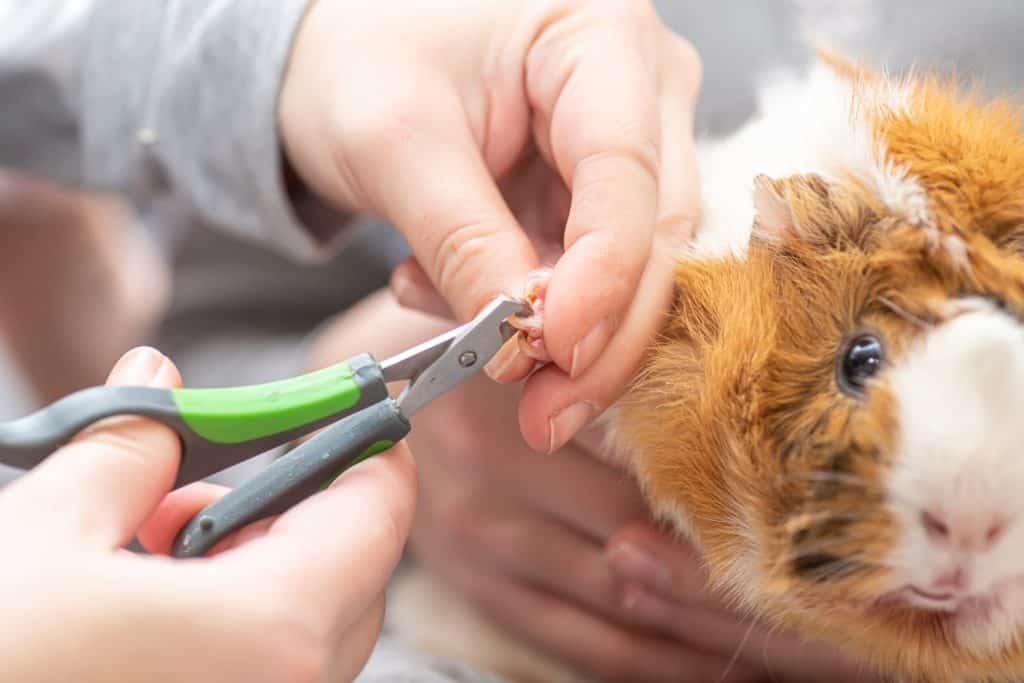
Guinea pig claws need to be kept trimmed to avoid overgrowth that can injure their feet.
©Lipatova Maryna/Shutterstock.com
Grooming is an important part of keeping guinea pigs comfortable and healthy. Long-haired breeds may need their hair trimmed around the rear to stay clean and prevent parasitic infections. Their nails grow continuously and should be trimmed every three to four weeks; if left unchecked, they can curl painfully into their feet. Use small animal clippers and take care to avoid the quick, the pink blood vessel inside the nail. Weekly checks of their ears and eyes are also essential. Gently wipe away dirt or wax from the outer ear with a damp cotton pad, and keep an eye on their eyes—bright and clear is healthy, but any discharge, redness, or cloudiness means it’s time for the vet. With routine grooming, guinea pigs stay comfortable, mobile, and happy in their day-to-day lives.
11. Predictable Routine and a Calm Environment
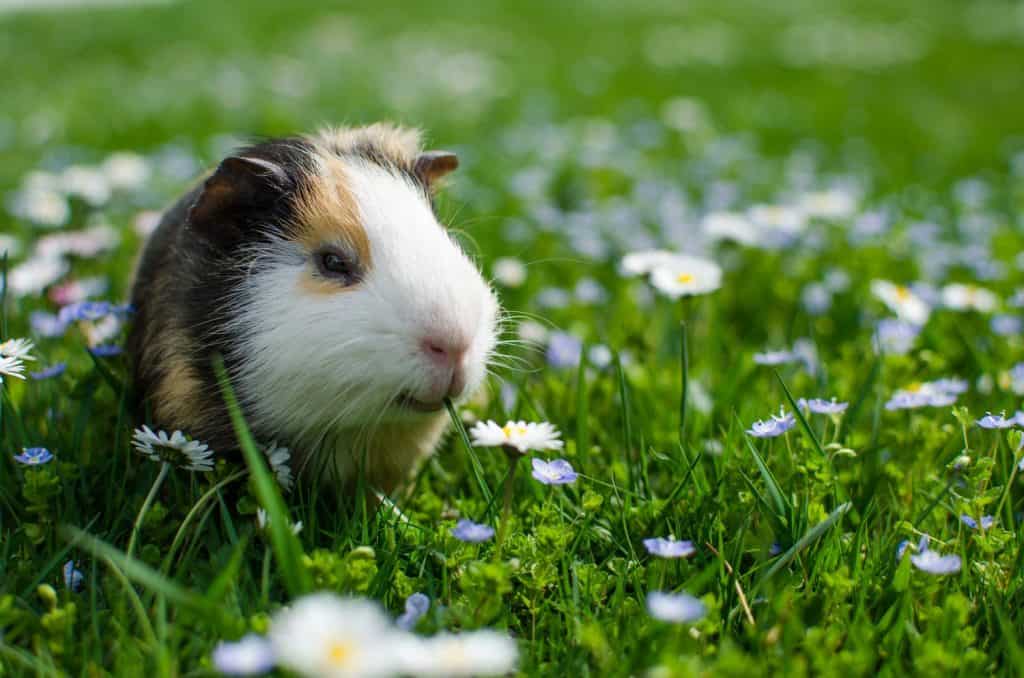
Guinea pigs appreciate a calm life.
©Partsey Galyna/Shutterstock.com
Guinea pigs thrive on consistency. Feeding, cleaning, and playtime at the same time each day give them a sense of security. A calm, predictable environment with minimal loud noises or sudden changes is equally important. The steadier their daily rhythm, the more relaxed and confident they become. In such an environment, guinea pigs display their trust openly—through playful sprints, gentle interactions, and of course, their signature wheeking and popcorn jumps of joy.
The Joy of a Happy Guinea Pig
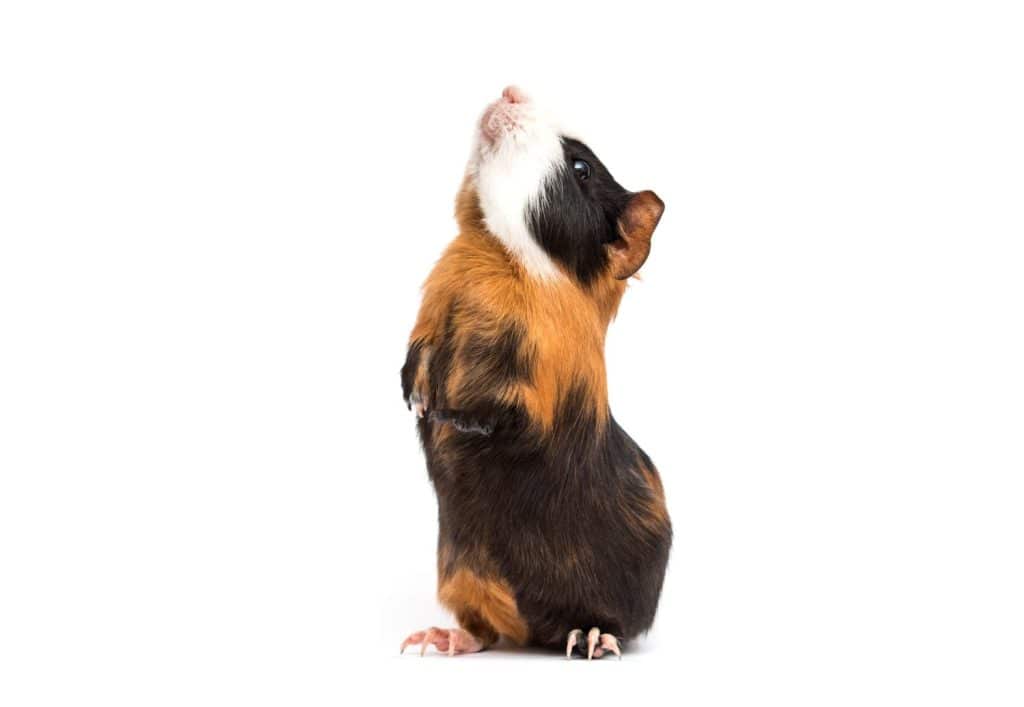
Guinea pigs will delight you with constant surprises.
©Happy monkey/Shutterstock.com
Bringing joy to a guinea pig’s life is about much more than food and shelter. These gentle, social animals need companionship, space, stimulation, and love to flourish. And in the end, that’s the true gift of guinea pig ownership: knowing that through your care, you’ve turned a small, gentle life into one that is safe, loved, and filled with delight.