
Quick Take
- Barn owls have a fatal weakness that makes falling into the ocean a near-certain death sentence, but Little Reg managed to survive it more than once. See his struggle to survive →
- Little Reg didn't fly 70 miles out to sea. The real explanation for how he got there is far stranger. Discover the real explanation →
- The soldiers who found him had no wildlife training, but the split-second call they made may have saved his life. Read the rescue story →
- Wildlife experts gave a surprisingly definitive verdict on Little Reg's chances, even given how close he came to not making it. See the expert verdict →
Barn owls are not seafaring birds. Nor are they found tens of miles from the shoreline. Yet recently, a group of British soldiers became wildlife heroes after saving a barn owl in the open sea, which survived only because of its sheer determination to live.
Continue reading
Soldiers Save a Stranded Barn Owl in the Open Ocean
A group of British soldiers participating in a race around Britain and Ireland became de facto wildlife champions after coming to the rescue of a barn owl in the middle of the ocean.
On August 19, 2026, the Army Offshore Racing Team was 70 miles from the nearest shoreline when it was approached by a barn owl. The barn owl, who was clearly tired and struggling, used the last of its energy reserves to make it aboard the racing vessel. Once on deck, the tired owl “collapsed” from exhaustion.
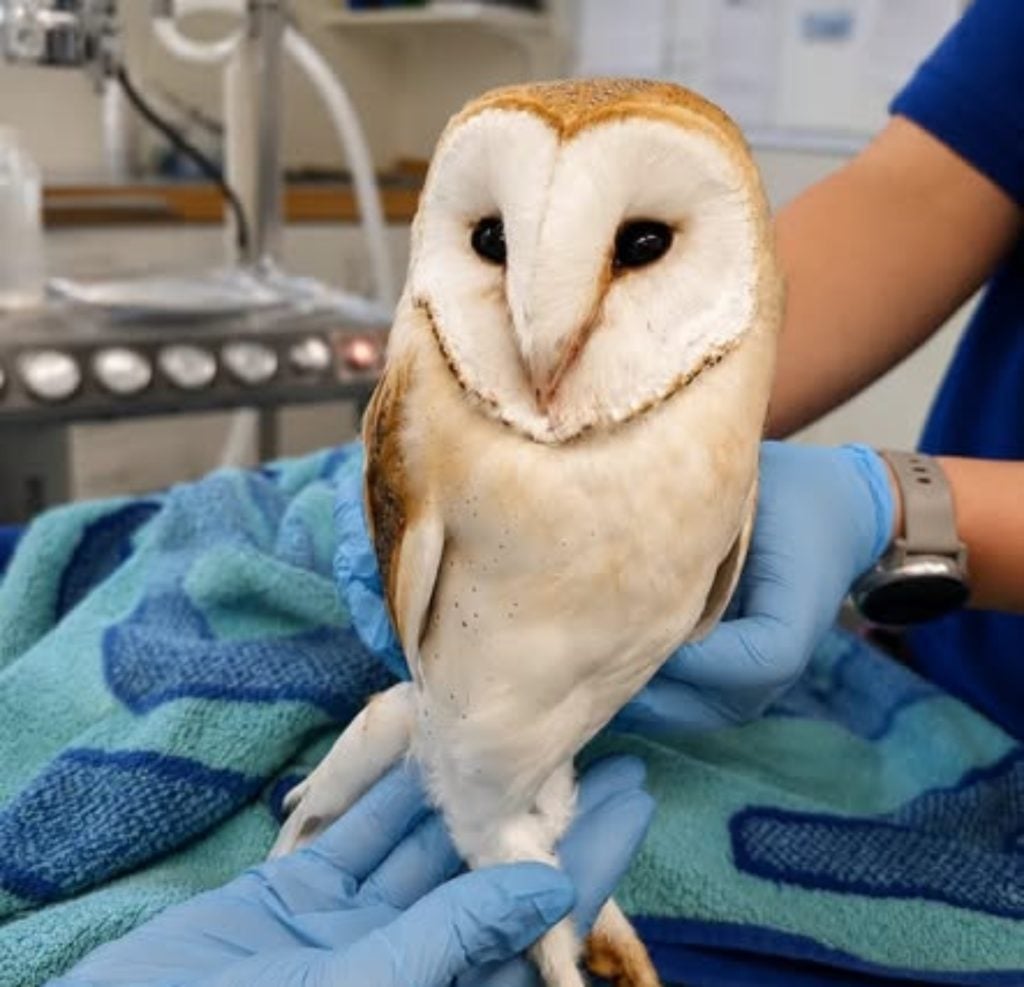
Little Reg being treated at the RSPCA East Winch Wildlife Centre.
©RSPCA East Winch Wildlife Centre / Facebook – Original
Given the fight and the will to survive, the members of the Racing Team named the barn owl Little Reg, short for regiment. This name is a nod to the parachute group that one of the crew members is an active member of.
The crew found a box to keep Little Reg safe and contacted wildlife services. Within 24 hours, the Barn Owl Trust secured a lifeboat and rendezvoused with the racing vessel. Little Reg was handed off to head back to shore for the care he needed, and the Army Offshore Racing Team was able to complete their race, albeit with quite a tale to tell at its conclusion.
Barn Owl Miraculously Made It onto the Boat, Despite Falling into the Sea
Little Reg’s sheer will to live did not go unnoticed by the crew of the British Army Racing Team. Before the barn owl finally made it on board the vessel, it fell into the ocean more than once.
Owls’ feathers are designed to be light and silent in flight, making them incredible hunters in the dark because their prey never hears them coming. However, these feathers are not waterproof, so water can easily penetrate them. For this reason, when Little Reg first fell into the ocean, it should have been impossible for him to fly again.
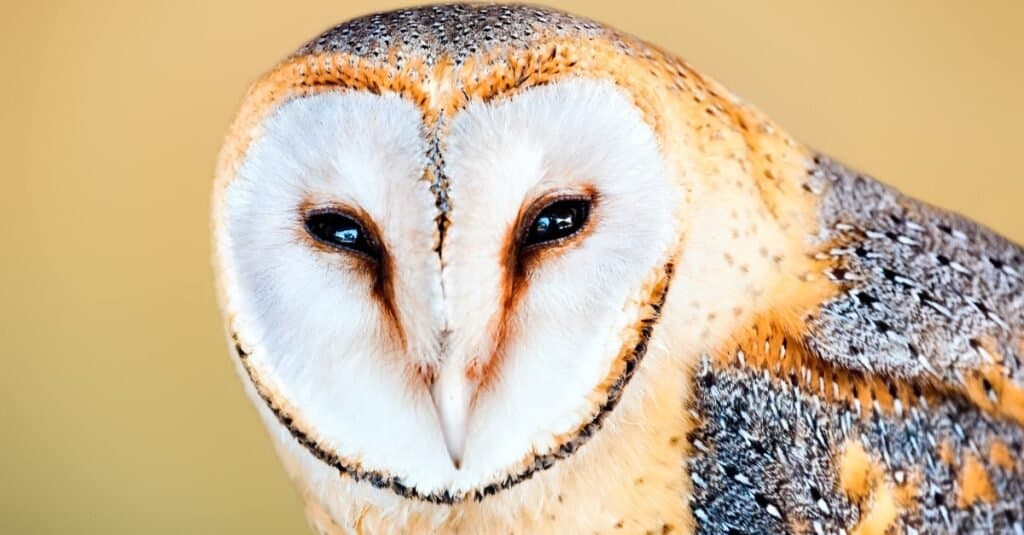
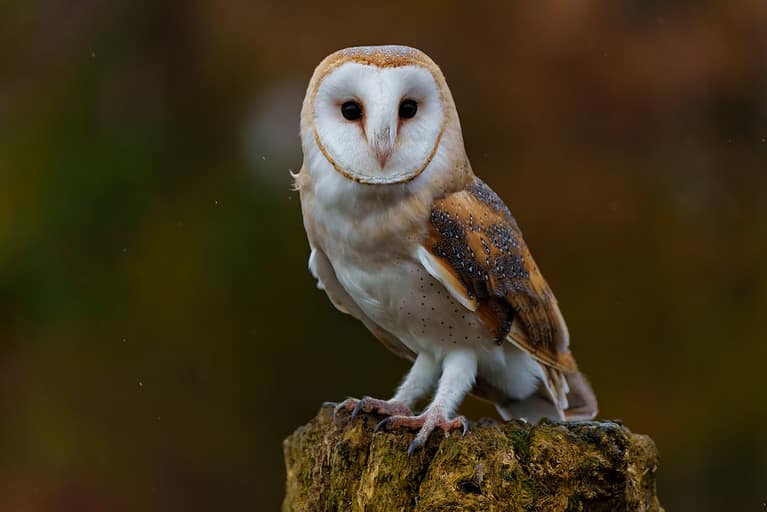
Little Reg, similar to this barn owl, fell into the ocean several times before making it on board the racing ship.
©iStock.com/vanderje
Little Reg’s determination to reach the racing vessel kept him from giving up. Mark Petherbridge, a member of the Army Offshore Racing Team, noted just how tired the owl was as it flew beside the ship, looking for a safe place to land.
“We saw it behind the boat; it came alongside and was sort of clearly tired,” Petherbridge explained to the BBC. “It flew alongside and was trying to find a place to land and get on board. He fell in the water a couple of times and eventually collapsed on deck, so we picked him up and put him in a box.”
Little Reg would remain safely in the box until he was rescued by the Barn Owl Trust approximately one day later.
How Did the Barn Owl Find Its Way So Far from Shore?
There is no telling exactly how Little Reg made his way 70 miles from shore. However, the most likely scenario is that Little Reg was a stowaway.
Barn owls will not fly 70 miles out over the open ocean. Their prey is not marine life, and they take multiple rest periods during the day to prepare for hunting at night. Therefore, after a night of hunting, Little Reg may have seen a ship as a place of refuge.
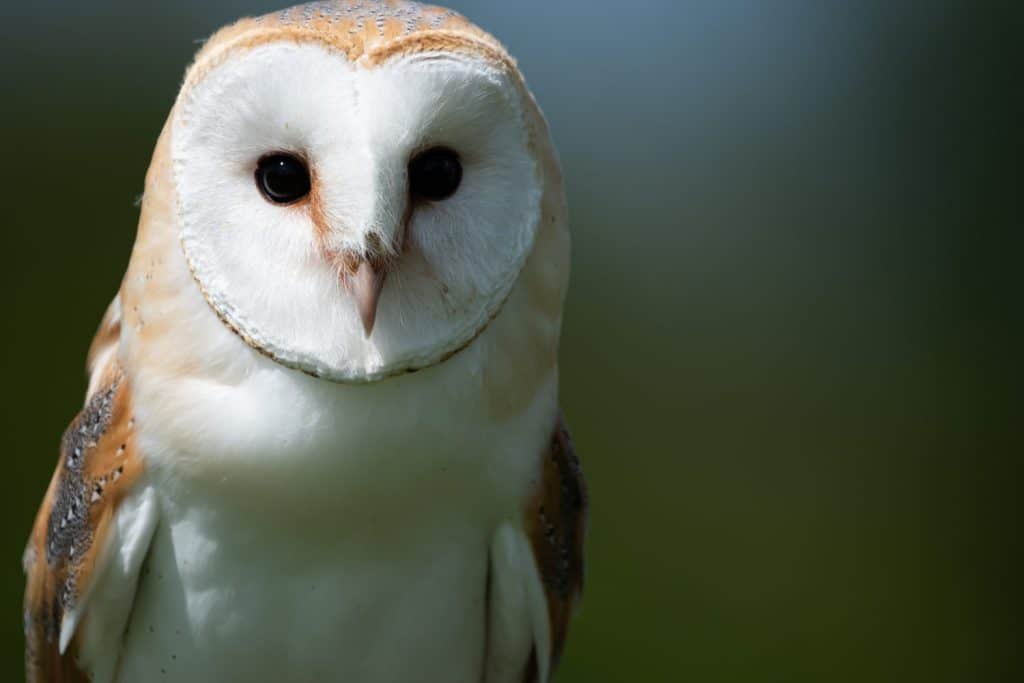
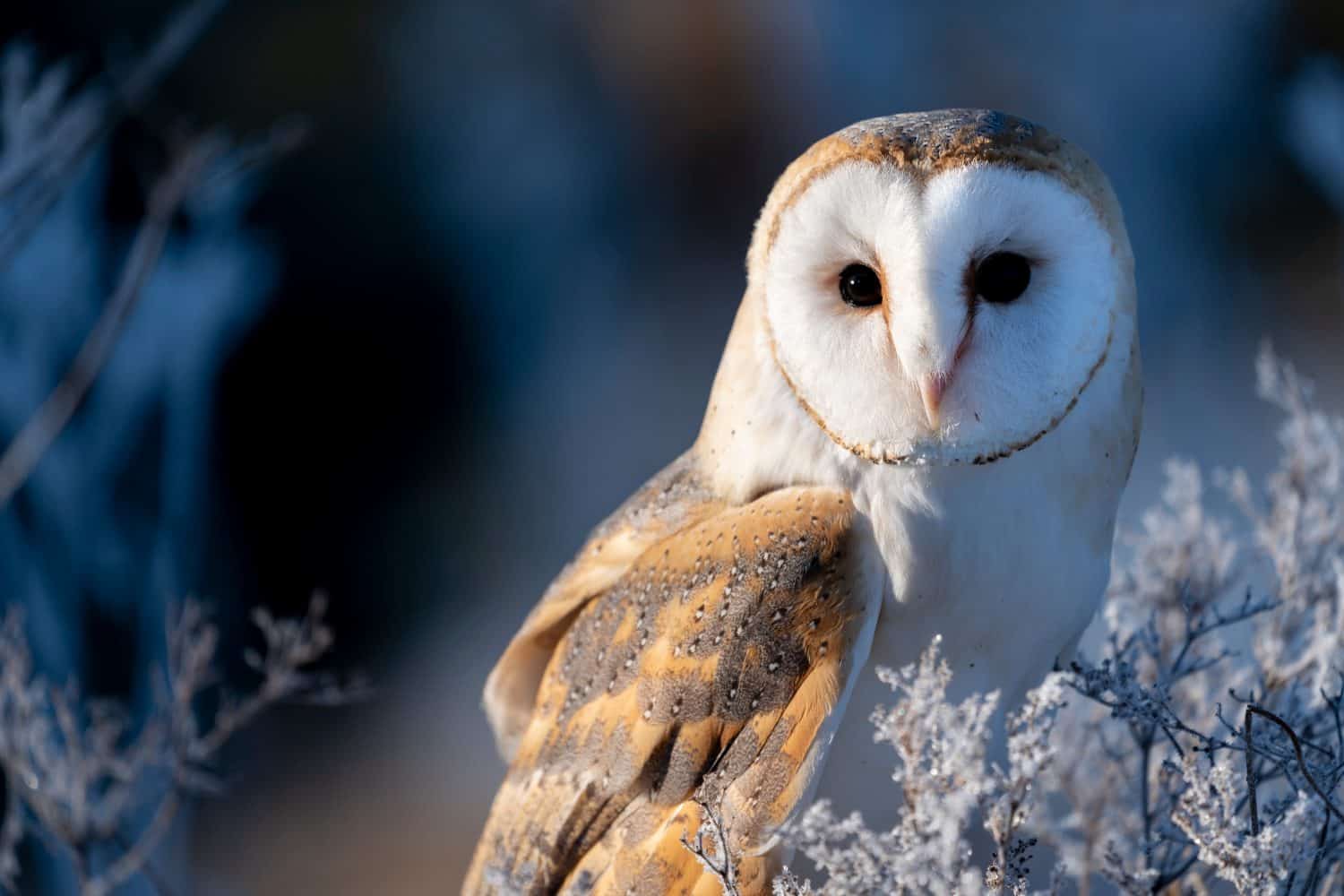
It is believed that Little Reg, similar to this barn owl, tucked into a fishing vessel to roost before finding himself out at sea.
©jo_s_kleine_ fotowelt/Shutterstock.com
According to James Stannard, a Barn Owl Trust conservation officer, Little Reg was likely “roosting on a fishing vessel before being taken out to sea.” Stannard noted to the BBC that it was “nothing short of a miracle” that the owl found a safe place to land on the Army vessel so far from home.
What the Typical Barn Owl Habitat Looks Like
Barn owls are nocturnal birds that are not found flying over the open ocean. Instead, they stick closer to land, where they can land and rest when necessary.
The typical habitat that barn owls can be found in include:
- Grasslands
- Marshes
- Meadows
- Fields used for agriculture
Barn owls favor these locations because they allow them to listen effectively and hunt their prey. Everything from rats to voles, mice, shrews, and more can be found in these locales.
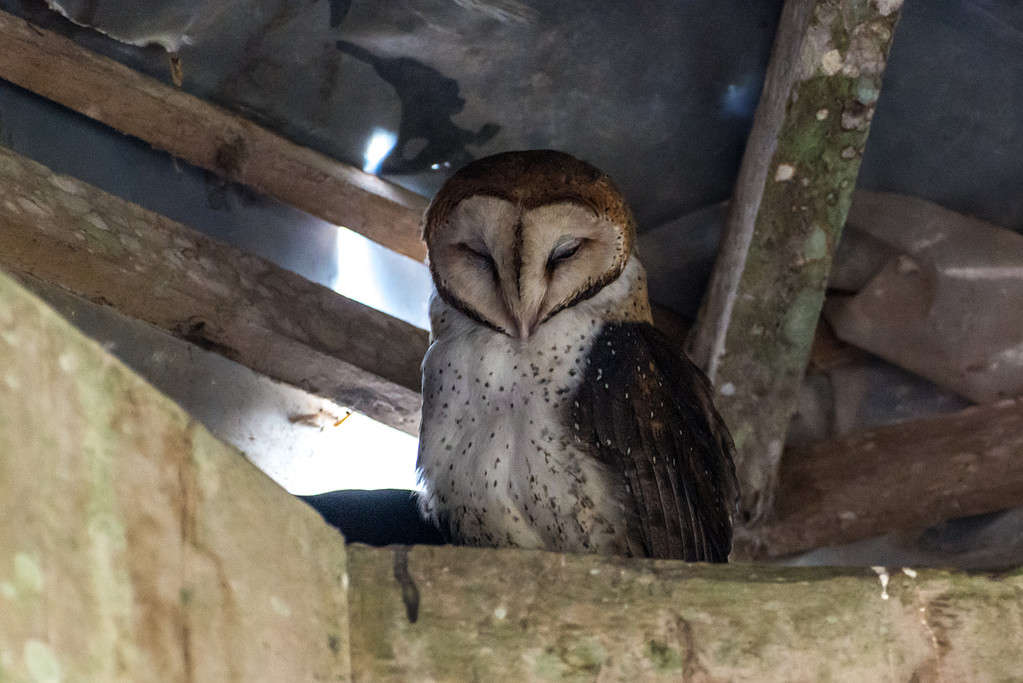
Barn owls will tuck themselves into crevices to roost, in places like abandoned buildings or hollowed-out trees.
©Kirk Hewlett/iStock via Getty Images
When barn owls roost or nest, according to Biology Insights, they look for secure locations. While the nests are built on flat surfaces, they are constructed within a crevice. These can range from abandoned buildings to rock crevices or even hollowed-out trees.
It is possible that Little Reg sought shelter in a ship that had not been used for some time. When the ship was brought out to sea, the little barn owl faced two options: remain hidden on the vessel, where he likely would have starved, or attempt to fly to shore in hopes of survival. Neither option was ideal. Fortunately, Little Reg found a beacon of hope in the sea with the Army Offshore Racing Team, reaching them just in time with the little energy he had left to be rescued.
The Barn Owl’s Condition After Rescue
According to the BBC, it was clear that Little Reg was not in the best shape when rescued. After falling into the ocean on “several occasions,” Little Reg was weak. This is why soldiers aboard the Army Offshore Racing Team boat did not hesitate to help the owl once it finally landed on board.
Dan Goldsmith of the Marine and Wildlife Rescue detailed some of the conditions that Little Reg might have had, and that would be treated when he arrived at the RSPCA East Winch Wildlife Centre.
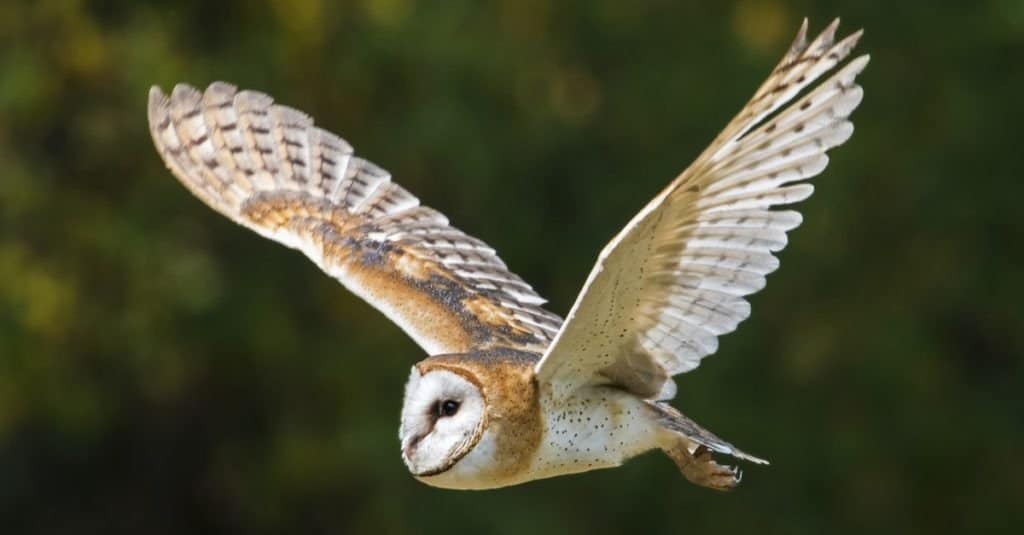
When rescued, Little Reg, similar to this barn owl, was dehydrated, tired, and thin.
©Russ Heinl/Shutterstock.com
“It will be dehydrated, run down, quite thin,” Goldsmith explained to the BBC. “We’ve got to get it there as quickly as we can, get it to the vet to assess it, and, all going well, it will make a full recovery.”
While the racing boat was a much better place for Little Reg than flying over the open ocean, Petherbridge noted the conditions on the boat would not have been the most comfortable for the barn owl.
“It’s been a tough 24 hours for him,” Petherbridge explained to the BBC. “It’s not the most comfortable boat to be on, but he’s doing well, and hopefully he gets the help he needs now.”
Prognosis for the Barn Owl
Despite all the energy Little Reg depleted with his attempt to make it onto the British Army’s ship, according to wildlife experts, the little barn owl should make a full recovery.
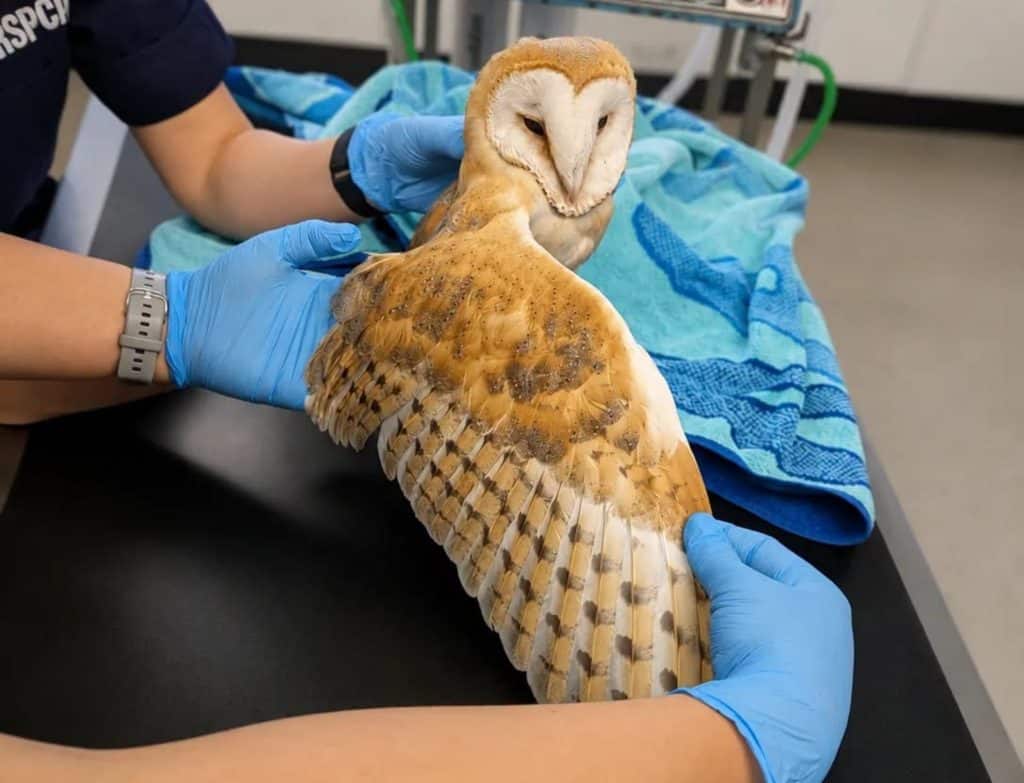
Little Reg is expected to make a full recovery and be returned to the wild.
©RSPCA East Winch Wildlife Centre / Facebook – Original
At the time of the rescue, Little Reg was found to be in critical but stable condition. While the prognosis was guarded given the state of the owl when found and how much effort Little Reg put into getting himself rescued, staff at RSPCA East Winch Wildlife Centre believe Little Reg will be back in the wild soon.
To accomplish this, Little Reg will be treated for any injuries and dehydration, then reintroduced to an environment similar to his natural habitat. If Little Reg passes all the health exams and appears strong and ready to care for himself again, he will be released. Just when that will be exactly has not been disclosed.