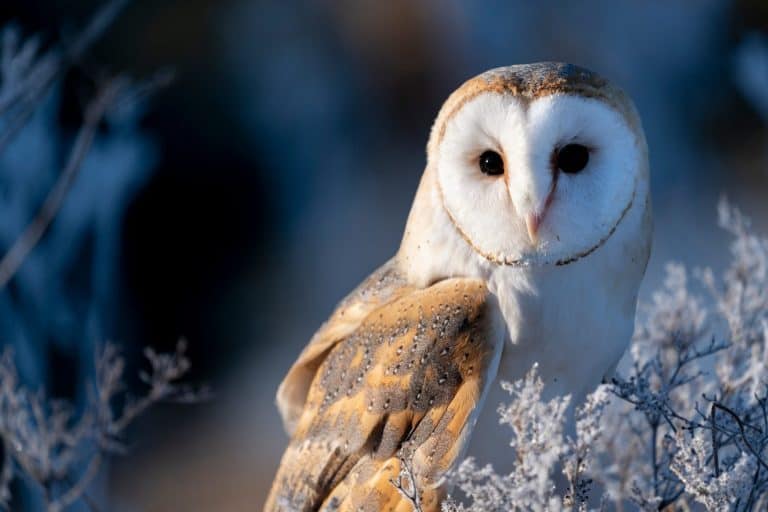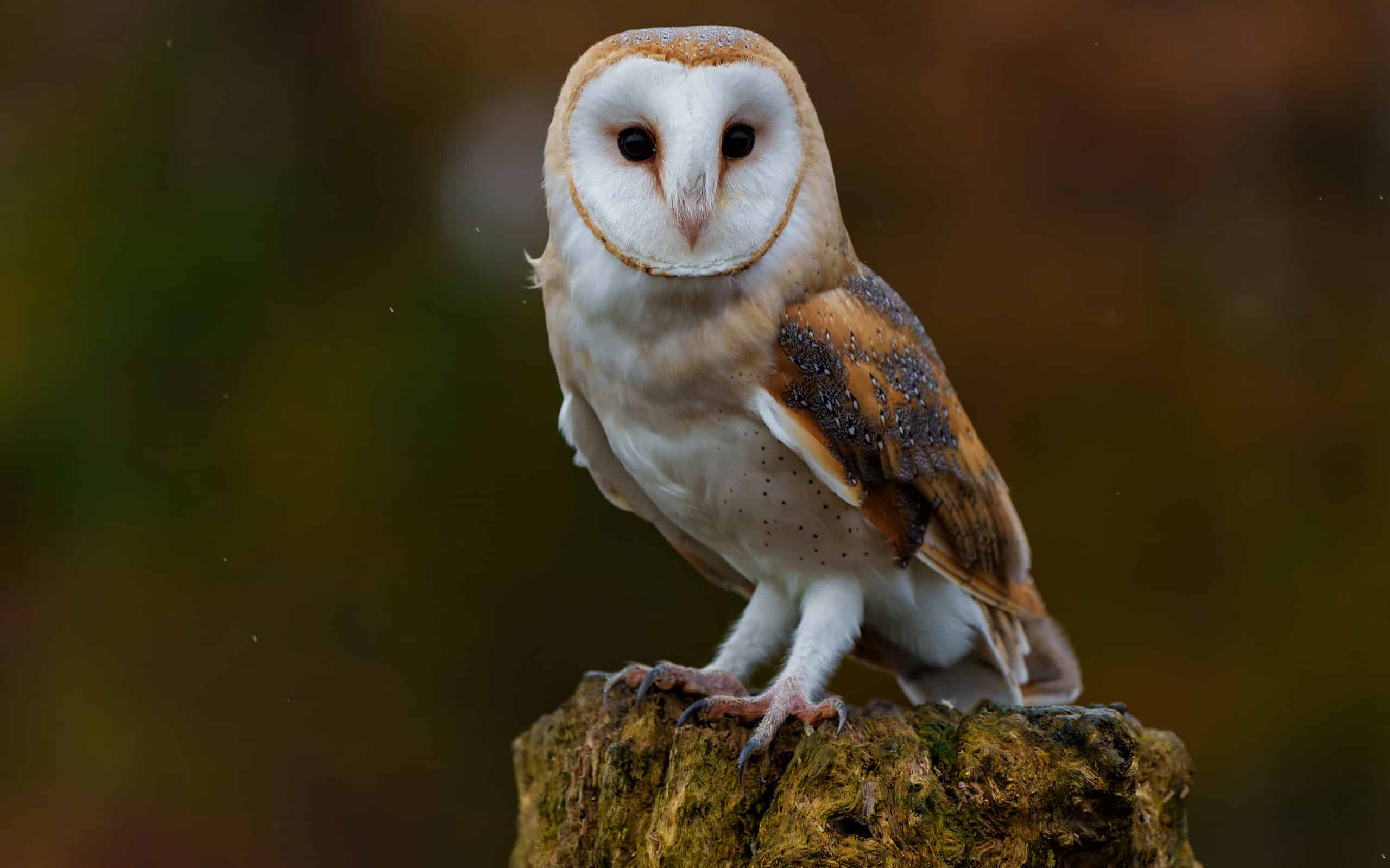

Barn owls resemble an alien species despite being one of the most common owls in the world. Despite their enormous eyes and large heads, barn owls are also among the most recognizable predatory birds. These raptors can take care of themselves, but sometimes, they need a little help. This is where wildlife rescues often step in, as was the case for one barn owl named Rodney. When ZooAmerica began raising tiny Rodney, no one expected the remarkable transformation he would undergo, as seen in ZooAmerica’s transformation reel. Today, the fully-grown barn owl is absolutely stunning, albeit gifted with eyes that can see deep into your soul.
Rodney’s Transformative Growth Spurt
ZooAmerica is based in Hershey, Pennsylvania. It’s home to an 11-acre wildlife park and zoo that is home to more than 200 animals native to North America. There, they promote wildlife education, conservation, and the protection of species. This is where Rodney’s story began when he was just a tiny chick with fluff instead of feathers. As with most barn owls, as a chick, Rodney weighed between 12 and 21 grams. Although they grow quickly, they’re born with only a layer of soft down to protect them. Within three weeks, a thicker layer of down begins to grow.
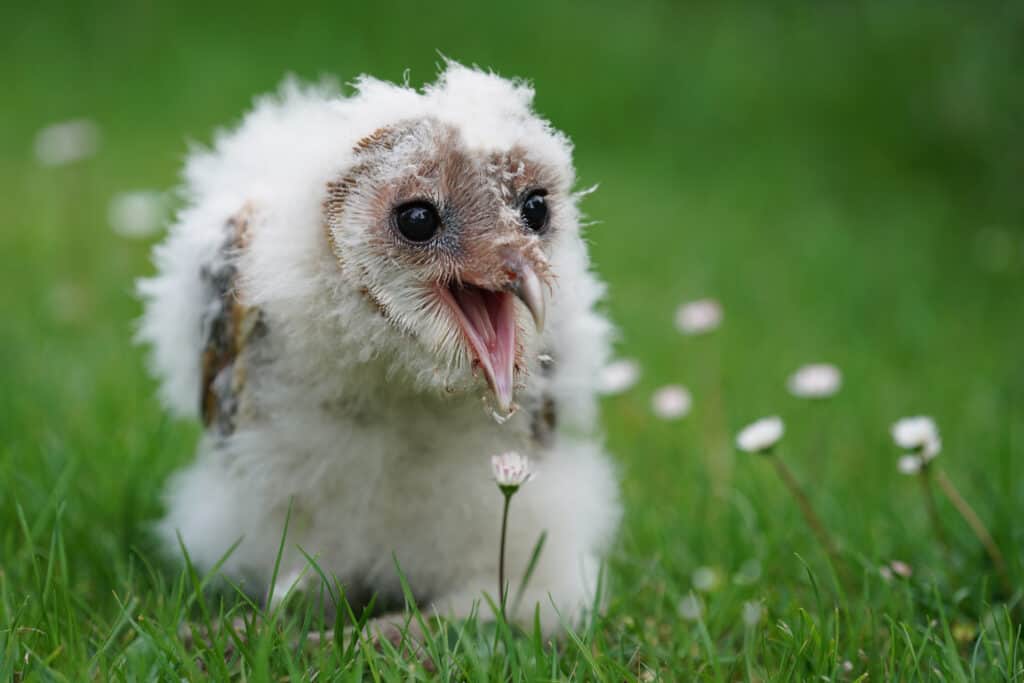
Barn owl chicks have a layer of down fluff instead of feathers.
©Holger Kirk/Shutterstock.com
As this happens, they also grow down around their faces, giving those characteristic dark eye circles. As Rodney grew, you can see his down slowly shift from fluff to new feathers in roughly one month. By the second month, fledglings like Rodney are ready to leave the nest. By this time, their new feathers have grown in, and they’re prepared to take flight. One commenter on Rodney’s glow-up video said, “from cotton ball to airborne rodent attack missile,” and this couldn’t be truer!
A Handsome, Yet Curious Boy
By week ten, barn owls have fully developed their new feathers and are adapting to them. At this point, it’s easy to see how they grow into the eerie yet endearing raptors that their parents are. Although Rodney was raised by a rescue, it hasn’t inhibited his growth. As he matured, as seen in the video, all of his white baby down was replaced by long feathers in shades of reddish-brown, tan, black, and white. As an adult, these feathers will help him blend in with the treeline, making him an efficient hunter. His feathers will also help him reach speeds of 10 to 20 miles per hour!
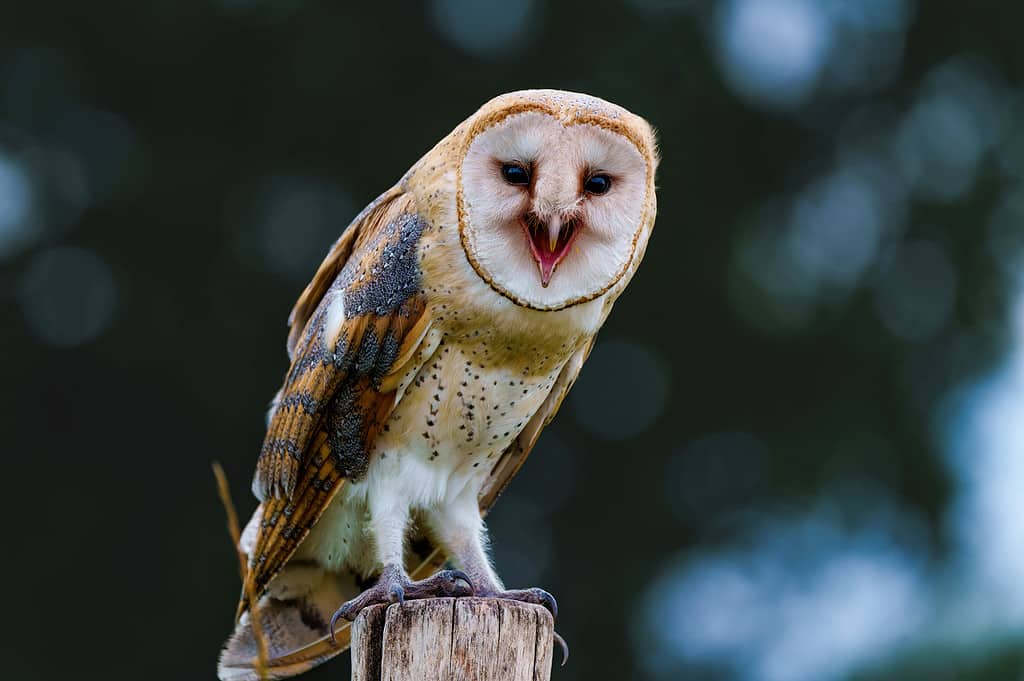
Barn owls have fixed eyes but have adapted to see the world using unique head movements.
©Henk Bogaard/ via Getty Images
The head-bobbing seen at the end of the video is a trademark behavior of mature barn owls. proportionally larger than their bodies, barn owls often “bob” in response. This motion helps them register movement around them that their limited, fixed eyesight might otherwise miss. It helps their depth perception and allows them to track the movements of prey or other predators. Rodney may just be watching the movements of his handler in this video. His comfortable perch on his handler’s arm is a good sign, as is his incredible glow-up.