
Quick Take
- Before any surgery could happen, rescuers first had to solve a problem that took six months to work out, and it had nothing to do with feathers. Six months of concrete baths →
- The procedure that gave the owl back its wings is centuries old, and the precision it demands would surprise most people. How imping actually works →
- Even after months of rehab, no one knew if it had worked until the very last second. See the release moment →
Not all life-saving miracles happen in hospitals. Some are quieter, although no less miraculous, and involve the careful hands of people who care enough to help. When a great horned owl was found caught in a concrete mixer in Utah, that’s precisely what happened. A good Samaritan made the call, and Best Friends Animal Society was there to answer it.
The owl had extensive damage to its right wing, leaving it injured and flightless. The only way to repair its torn feathers was through a delicate surgery called imping. As the medical team began to replace the old feathers with new ones, all anyone could do was hope the owl would pull through. Thankfully, this is when the great horned owl and its rescuers got their miracle.
Stuck Between Concrete and a Hard Place
As humans and wildlife continue to coexist, entanglements become more frequent. When a passerby found the juvenile great horned owl stuck in a cement mixer drum in November 2025, they made the right call. Best Friends Animal Society freed the chunk of concrete that held the owl and began what would become a lengthy process. Twice a day, they gave the owl 20-minute baths to slowly dissolve the concrete. It took six months for him to be free, and then it was time to make a decision.
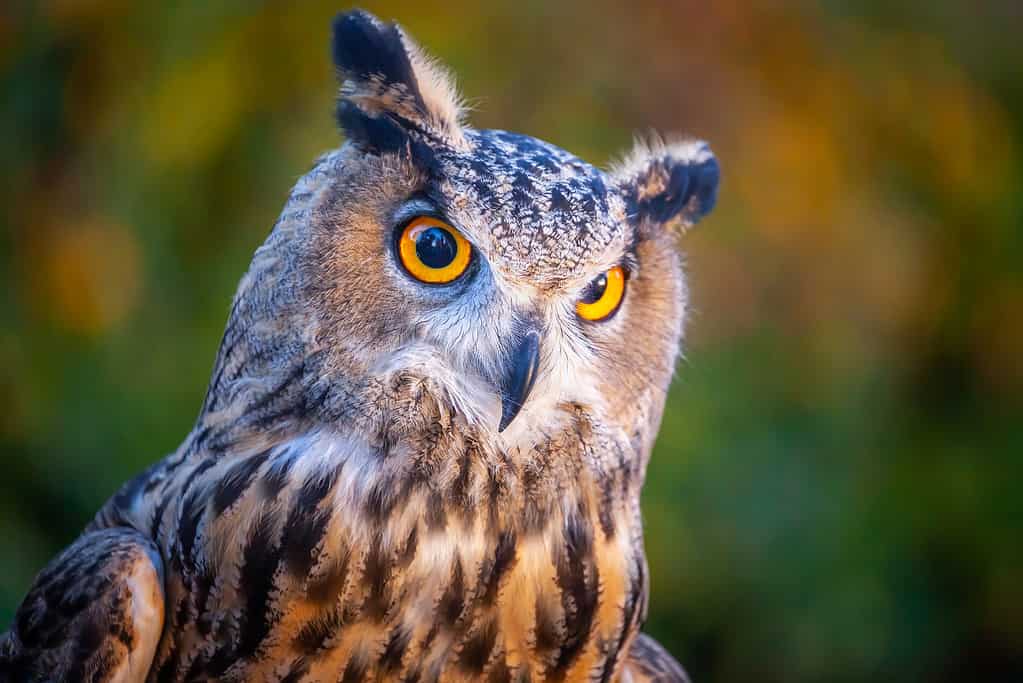
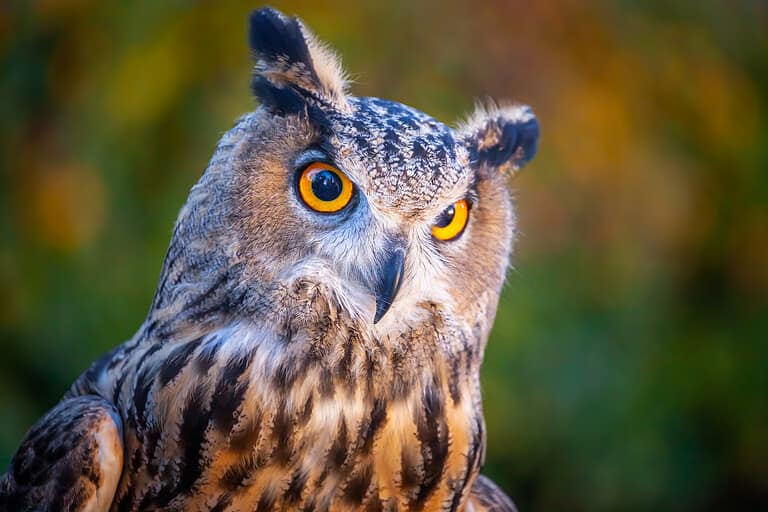
The great horned owl was only a juvenile, which was a strong motivation to heal his injuries.
©agustavop/iStock via Getty Images
In the process, rescuers realized that the great horned owl didn’t molt the previous spring. Because of this and his cement mixer injuries, he was left with old feathers. The team at Best Friends Animal Society had only two choices: Let the owl take his chances, or attempt a nerve-wracking medical procedure. The surgery, called imping, could give him another chance at life. However, it’s not as easy as simply pulling out feathers and inserting new ones.
What Is Imping?
The most impressive part of the great horned owl, which is affectionately called the “Concrete Owl” now, is the wing-mending process. Although it’s 2026, Best Friends Animal Society used an ancient method to give him his wings back. Imping is a technique that uses feathers from the same or similar species to repair those of the broken bird. It’s tedious and requires a meticulous hand because feathers must be matched up to withstand high winds.
It starts by clipping the broken feathers. Then, the new ones are attached to the shaft of the old feathers with bamboo, wire, or another durable material. When this is done, a strong adhesive is applied to affix the new feathers in place. Most of today’s imping uses fiberglass or graphite, which is then glued using a fast-drying epoxy, according to Audubon.
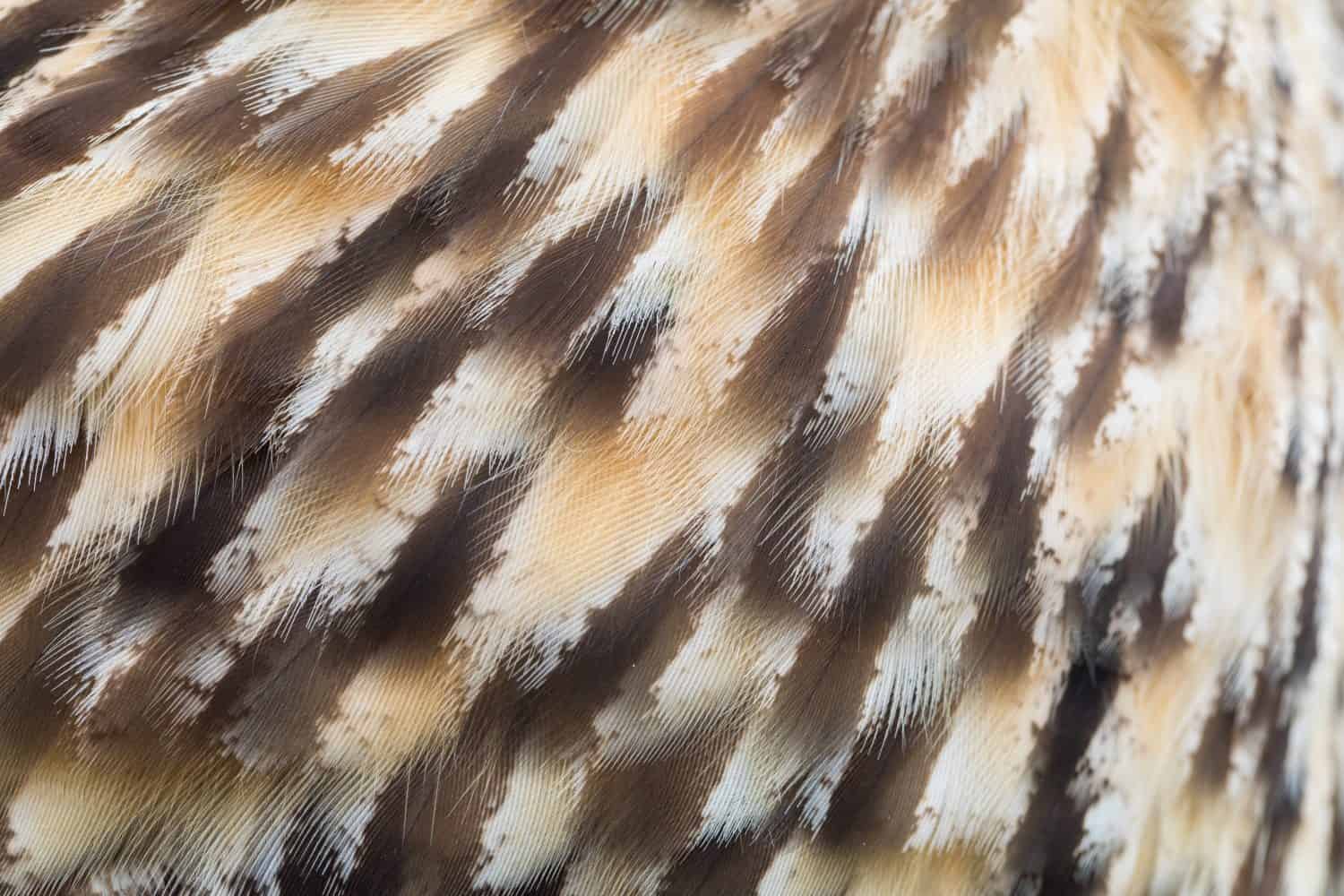
Each raptor feather serves a purpose, and reconstructing a wing through imping requires a steady and knowledgeable hand.
©Mathee Suwannarak/Shutterstock.com
This can be done with birds as small as corvids, but it is performed primarily with raptors. Therefore, the Concrete Owl was an excellent candidate. However, since birds can’t communicate, the team felt the stress of repairing his broken body. Bart Richwalski, a supervisor at the sanctuary’s wildlife rehabilitation area, cared for the owl since the day he brought him into the facility. Richwalski recalls how nerve-wracking it was to replace the first few feathers, though it got easier over time. The Concrete Owl’s new feathers came from another owl that sadly passed, and were a nearly perfect match. After months of monitoring, the big day finally arrived, and it was time to see if the team had been successful.
A Beautiful Takeoff
Before releasing the Concrete Owl, Best Friends Animal Society had to ensure the procedure worked. They brought him to an aviary, where he was tested based on the beating of his wings. Once the team determined he was healthy enough for a full flight, all they could do was sit back and watch. After a few hours of free-flying in a safe enclosure, the Concrete Owl was given the chance to fly free.
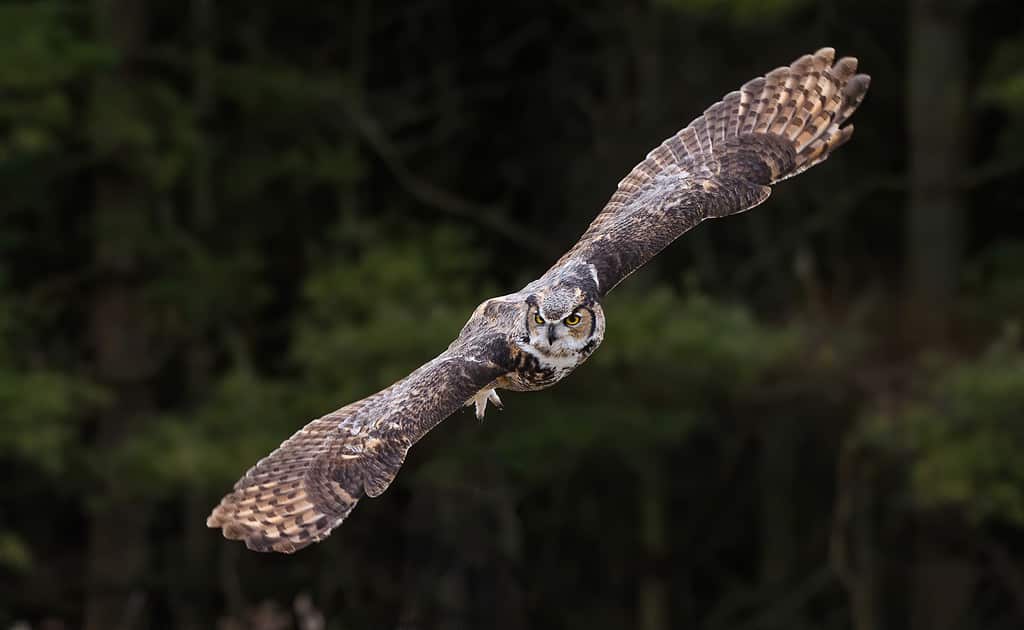
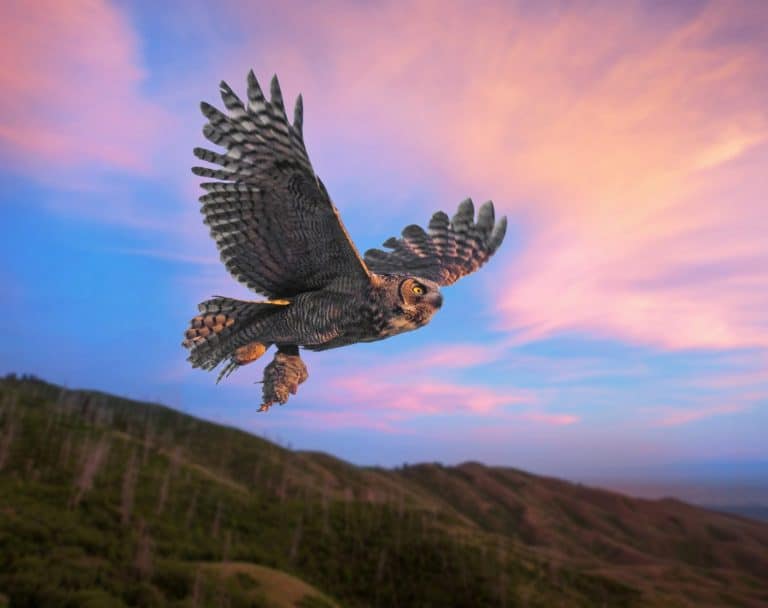
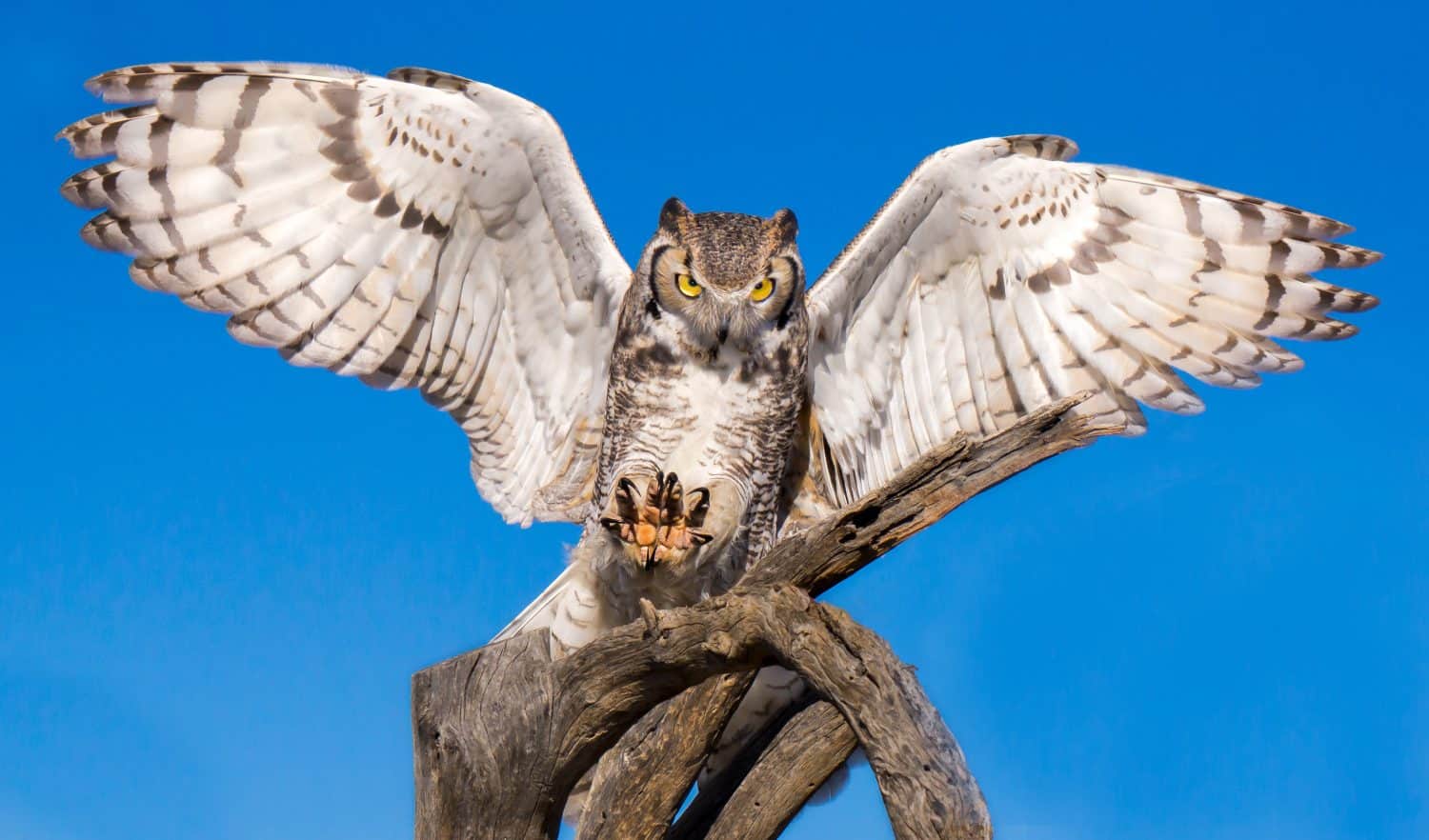
Great horned owls can fly up to 40 miles per hour, and it’s the hope that the Concrete Owl sees these speeds, too.
©yongsheng chen/Shutterstock.com
When the aviary roof opened, the Concrete Owl didn’t hesitate. Richwalski said it was beautiful to see the owl open its wings and take off. After months of rehabilitation, a challenging ancient surgery, and more human kindness than most animals ever receive, everything had led to this moment. The Concrete Owl’s wings opened and beat hard enough to lift him from the enclosure, and he soared off. The team at Best Friends Animal Society wishes the Concrete Owl the best. His case was the first of its kind for the rescue since its founding 40 years ago.