
Quick Take
- Oysters actively concentrate deadly Vibrio bacteria in their tissue yet never get sick, and the creatures that eat them tell a very different story. See which creatures carry it →
- A scratch, a new tattoo, or a fresh piercing could be all it takes to turn a Gulf swim into a medical emergency. See how wounds cause infection →
- When Vibrio bacteria populations spike, the damage extends far beyond humans, threatening the entire Gulf Coast ecosystem in ways most people never consider. See the ecosystem impact →
- Mild vibriosis and fatal vibriosis can look deceptively similar at first, even though the difference in treatment is more extreme than most people expect. Compare mild vs. severe treatment →
With the warm days of summer in full swing, locals and vacationers alike are enjoying time swimming along the Gulf Coast. However, as temperatures rise, bacteria levels in the Gulf increase. Alabama, in particular, is feeling the effects of Vibrio bacteria as cases of vibriosis rise.
As harmful and deadly as vibriosis can be for humans, how does this bacterial outbreak impact sea life? The answer depends on the species that comes into contact with the bacteria.
Continue reading
Alabama Has Had 16 Confirmed Vibriosis Cases
Health officials are warning swimmers along the Gulf Coast to exercise caution due to a rise in flesh-eating and potentially deadly bacteria.
Since mid-August, 16 confirmed cases of vibriosis have been reported in Alabama, resulting in the death of one individual. While this number is lower than it was at this time in 2025, the fatality is a cause for concern.
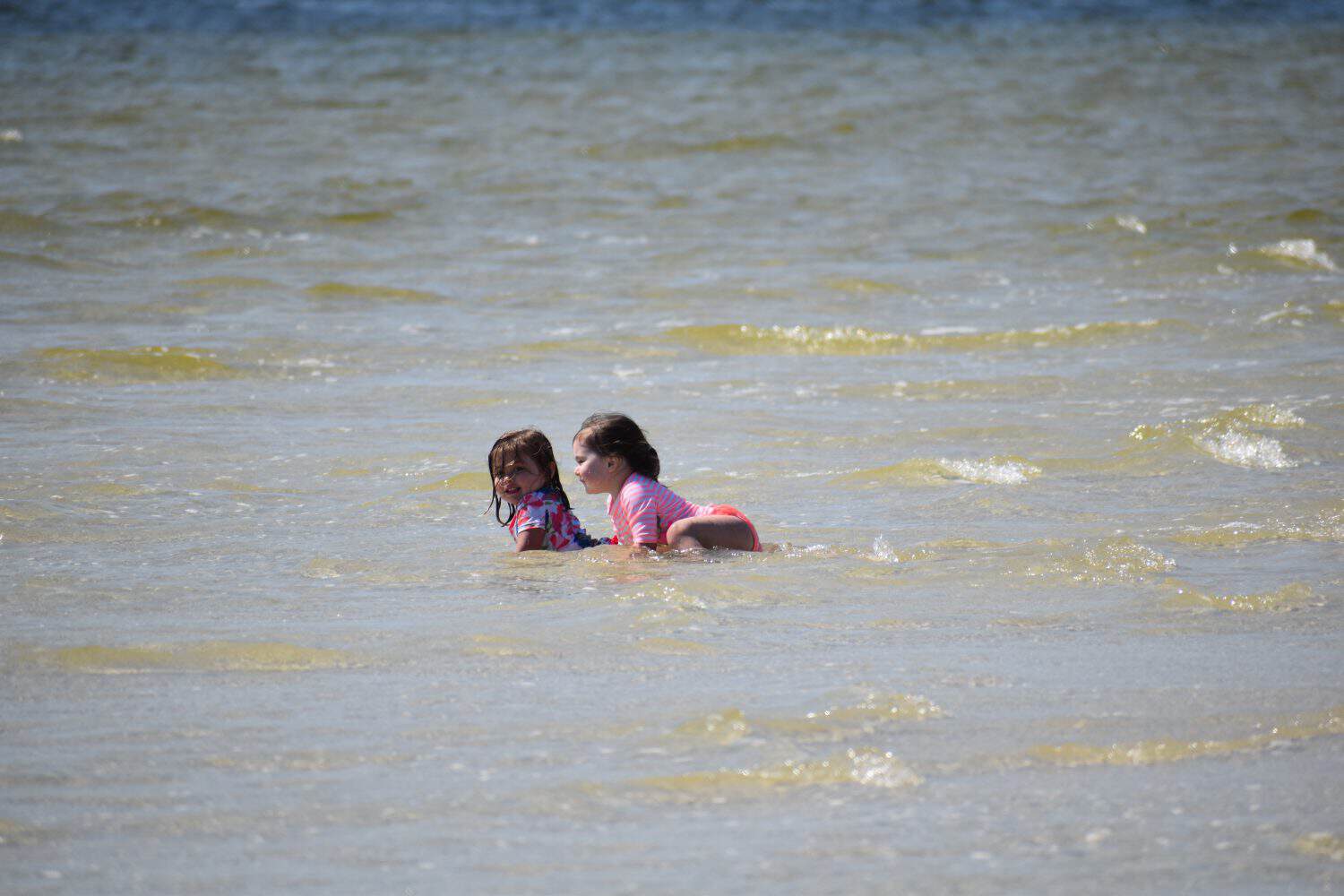
16 people have contracted vibriosis from the waters of Alabama’s Gulf Coast.
©Leslie Stewart Gafford/Shutterstock.com
Between May and October, Vibrio bacteria, the cause of vibriosis, increase dramatically along the Gulf Coast. Warmer temperatures in shallow brackish and saltwater allow the bacteria to multiply easily. This means that those swimming off the coast of Alabama and other Gulf Coast states are at risk of contracting vibriosis.
Health officials note that if proper precautions are taken, the chances of contracting vibriosis decrease. However, there is no such thing as zero risk when swimming in the waters off Alabama this summer and into the fall.
What Is Vibriosis?
Vibrio bacteria have been around for centuries. Vibrio cholerae is most commonly known for causing cholera outbreaks. However, the most common bacteria found in Alabama are Vibrio vulnificus and Vibrio parahaemolyticus.

Those who are infected with vibriosis experience diarrhea, nausea, vomiting, and more.
©Gorodenkoff/Shutterstock.com
Vibriosis occurs when a person is infected with a Vibrio bacterium. Those who are infected may experience the following symptoms:
- Diarrhea
- Nausea
- Abdominal pain
- Vomiting
- Fever
If left untreated, vibriosis can lead to death. That is why people who have spent time in brackish water or recently consumed seafood and then fall ill should seek medical care immediately to be tested for Vibrio bacteria.
How Do People Become Infected with Vibriosis?
Vibrio bacteria are found in shallow, warm, salty, or brackish water. While the bacteria are naturally occurring, it is when the bacteria are found in higher concentrations that they can cause problems for people.
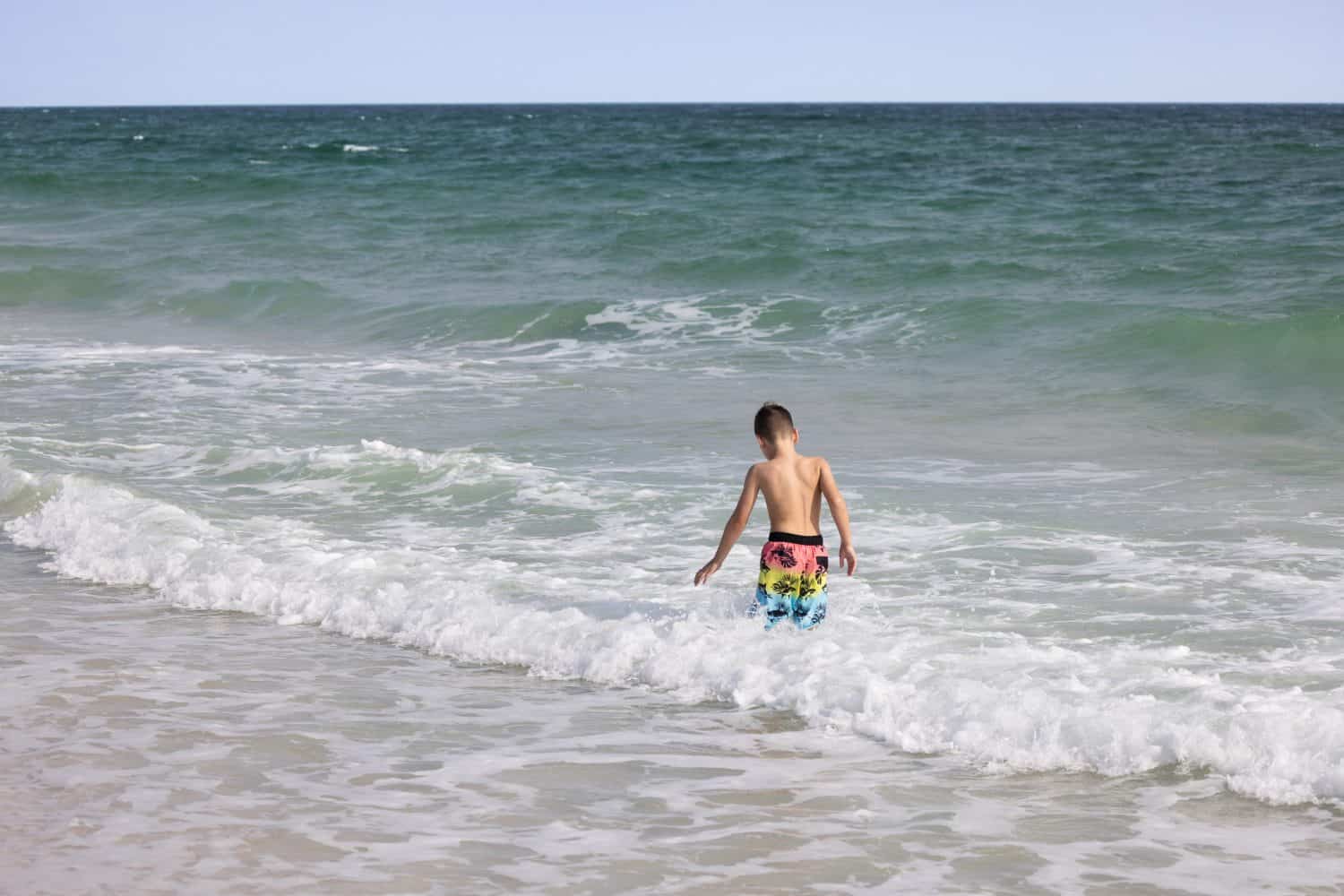
Eating contaminated food or frolicking in the water with an open wound are ways to become infected with Vibrio bacteria.
©Carol Mellema/Shutterstock.com
According to the Mobile County Health Department, people can become infected with vibriosis in two main ways. The first is through open wounds. Open wounds can be anything from a scratch or cut to a new piercing or tattoo. Bacteria can quickly enter the bloodstream through an open wound, causing infection or, in some cases, sepsis.
The second way vibriosis occurs is by eating seafood infected with Vibrio bacteria. To avoid infection, cook all seafood thoroughly, adding a few extra minutes of steaming time to ensure the Vibrio bacteria are killed.
Which Sea Creatures Carry Vibriosis?
While some sea creatures are more likely to carry Vibrio bacteria, many others can also transmit vibriosis. This is why it is recommended to cook shellfish and fish thoroughly, especially in areas where Vibrio bacteria are common, to prevent illness.
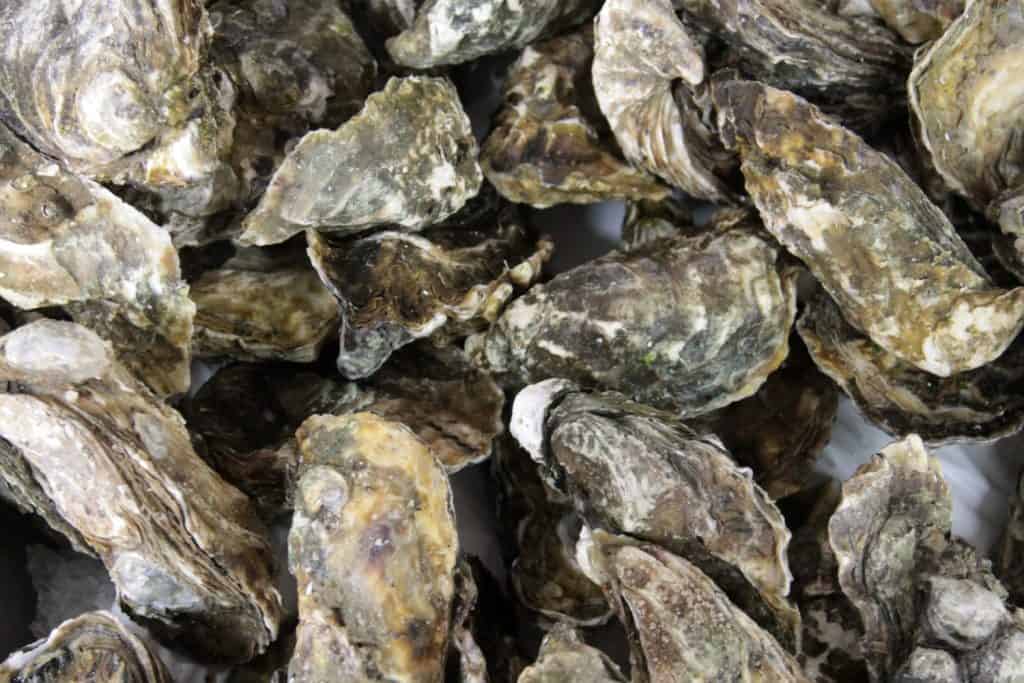
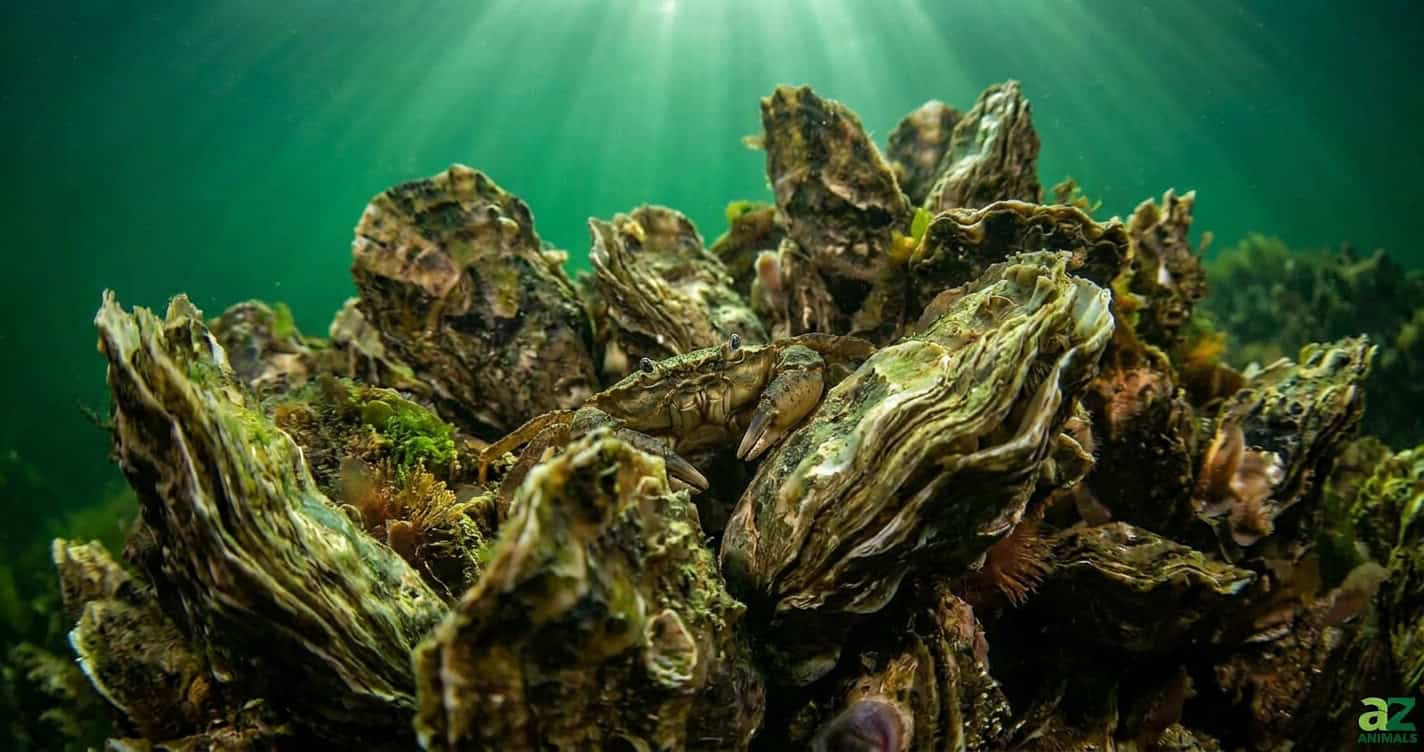
Oysters are one of the biggest carriers of Vibrio bacteria.
©mikeledray/Shutterstock.com
The main sea creatures known to carry Vibrio bacteria and spread vibriosis include:
- Oysters
- Clams
- Mussels
- Scallops
- Salmon
- Rainbow trout
- Sea bass
- Sea bream
- Eels
In the case of shellfish, they are notorious for carrying the bacteria due to how much seawater they filter. In fish, vibriosis can be transmitted because the bacteria can live in their gills, skin, and digestive system.
How Does Vibriosis Affect Sea Life?
Vibriosis is often thought of as a disease that affects humans. However, when Vibrio bacteria are present in large numbers in marine environments, they can disrupt the ecosystem.
Because Vibrio bacteria are a constant in marine habitats, their presence does not automatically mean a problem for marine life. Problems arise only when the bacterial population skyrockets. This is because shellfish like oysters, clams, and mussels filter water through their bodies, capturing bacteria in their soft tissue. While this does not make the shellfish sick, predators that eat them can become ill after consuming the bacteria.
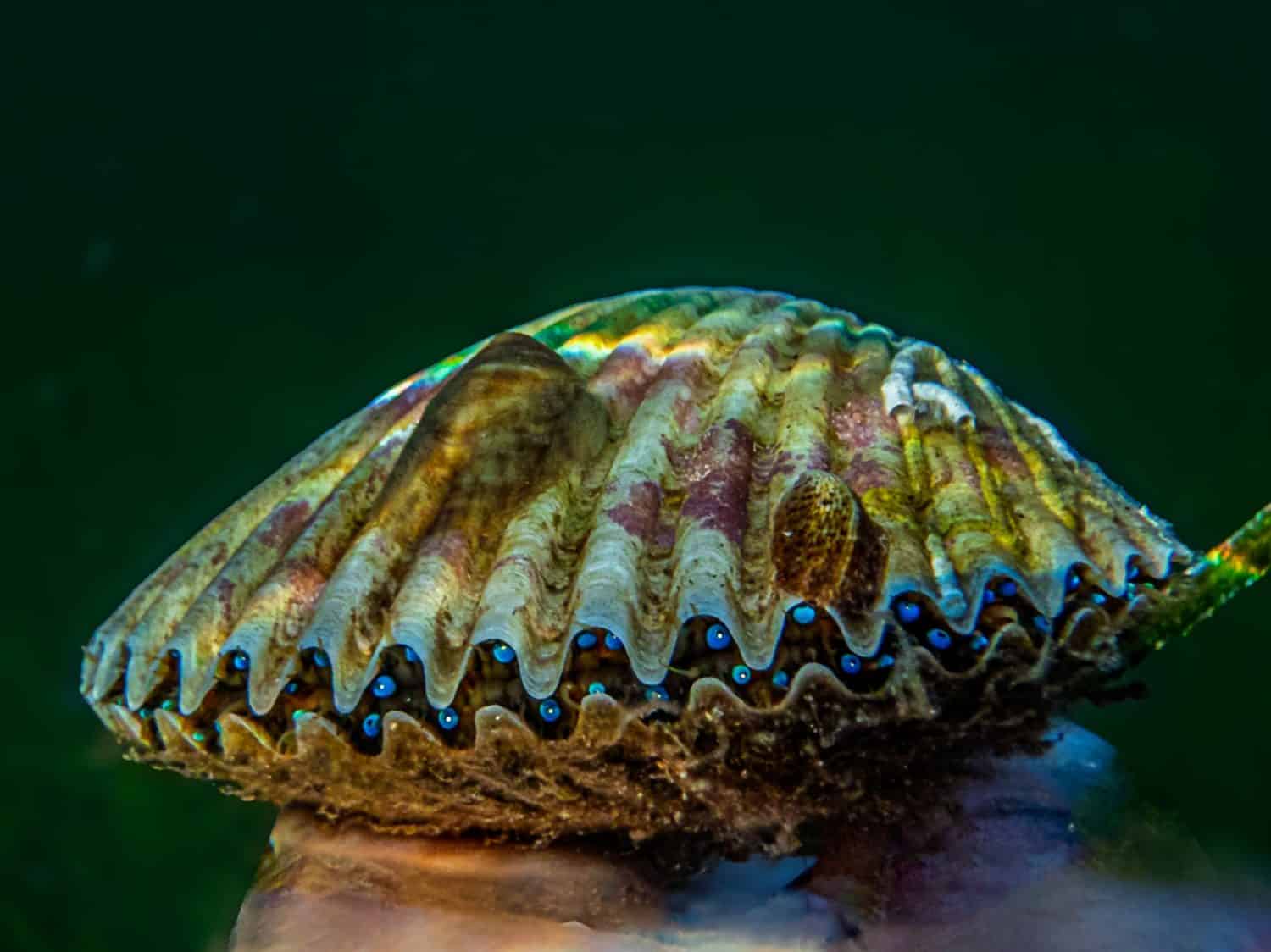
Clams filter water through their bodies, capturing bacteria in their soft tissues.
©Casey Fredette Media/Shutterstock.com
Additionally, an abundance of Vibrio bacteria can alter the microbial balance within coastal waters. This occurs as the bacteria compete with other naturally occurring bacteria in the water. If the Vibrio bacteria become too abundant, nutrient cycling is altered. Their presence may even alter the rate of decomposition in the habitat, which can be devastating for marine life along the Gulf Coast.
How Vibriosis Is Treated
How vibriosis is treated depends on which bacteria are present, how severe the symptoms are, and whether the patient has any underlying conditions.
Those who test positive for Vibrio vulnificus are at risk of fatal infection. Consequently, the treatment will be aggressive, involving a combination of IV antibiotics and possibly surgical debridement if the skin becomes necrotic. People who are immunocompromised or have liver disease tend to have the highest mortality rates. This is why time is of the essence with treatment.

Serious cases of vibriosis require IV antibiotics.
©Catra Lingkua/Shutterstock.com
If vibriosis is not severe, it can typically be treated with oral antibiotics.
The typical treatment timeline is seven to 10 days. However, for advanced cases or for patients with underlying conditions, treatment can be extended for up to 21 days.
Vibriosis is not a condition for a wait-and-see approach. At the first signs of infection, seek medical attention immediately so that symptoms and the infection can be treated as soon as possible.