
Quick Take
- A nuclear power plant warming the water sounds like an ecological disaster, yet scientists found it doing something completely unexpected for sharks. Discover the nuclear nursery →
- A single drone flight over the bay in 2024 captured something researchers hadn't seen before, a discovery that changed the area's legal status forever. Explore why sharks return →
- Locals were unknowingly eating shark for years, and the health risk researchers uncovered turned out to be far more alarming than they expected. See the health risk findings →
- A community that once hunted these sharks is now their most important line of defense, and this transformation was no accident. How locals became protectors →
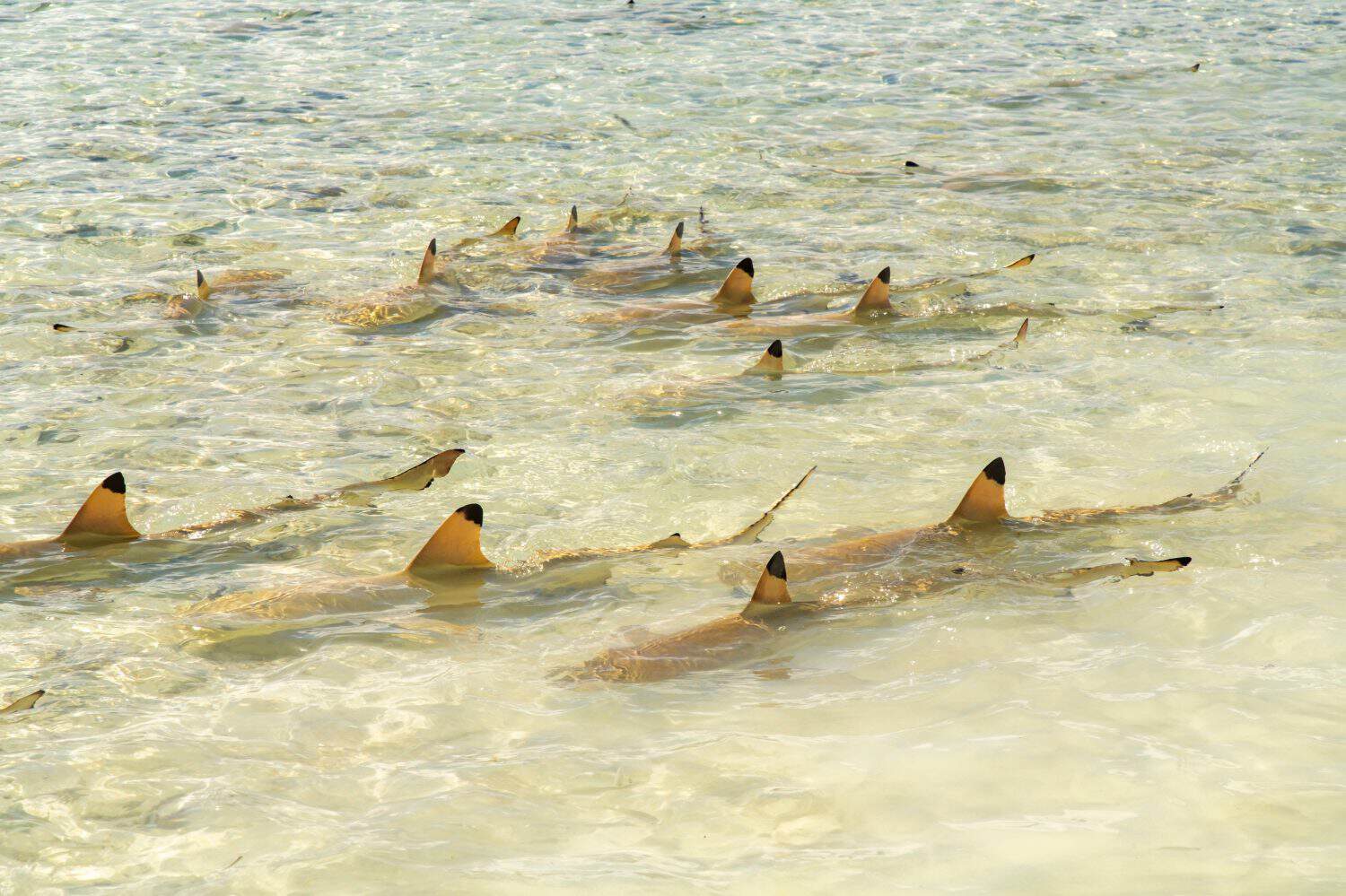
Piraquara de Fora Cove doesn’t look like a typical marine sanctuary. Warmed by a nearby nuclear power plant and located next to a bustling Brazilian coast, it seems like an unlikely haven for wildlife. Yet scientists have made a surprising discovery: this small cove in Ilha Grande Bay is actually one of the South Atlantic’s most vital nurseries for blacktip sharks (Carcharhinus limbatus).
Every year, pregnant blacktips return to these calm, shallow waters to give birth, offering their young a safe place to grow with plenty of food and few predators. This finding has completely changed how locals and researchers view the bay. Once seen mainly as a fishing zone, it is now recognized as a critical sanctuary.
An Unexpected Shark Nursery
Ilha Grande Bay, located in Angra dos Reis, Rio de Janeiro, is home to the Central Nuclear Almirante Álvaro Alberto (CNAAA) nuclear power plant. Warm water discharged from the plant creates a thermal plume covering about 1.4 square miles, raising surface water temperatures near the outlet by roughly 37.4 degrees Fahrenheit above the typical baseline of 71.6 degrees.

The Angra Nuclear Power Plant complex is currently the only operational nuclear power facility in Brazil.
©Ksenia Ragozina/Shutterstock.com
Despite the nearby industrial activity, scientists have recently made a groundbreaking ecological discovery: the cove serves as a vital nursery for pregnant blacktip sharks. Female blacktip sharks regularly travel to these calm, food-rich, shallow waters to give birth. The warm, protected environment acts as a natural shelter where newborn pups can safely grow during their most vulnerable early months, far from larger ocean predators.
How Scientists Uncovered the Nursery
Researchers from the Pesqueria Project and the “Sharks of Ilha Grande Bay” initiative (run by the Brazilian Institute for Nature Conservation) led the discovery of Piraquara de Fora Cove as a critical shark habitat. Together, they set out to track shark activity and understand why these animals rely on the cove.
To monitor the population without disturbing the sharks or their habitat, the team used a variety of advanced technologies. Researchers submerged Baited Remote Underwater Video Systems (BRUVS) to record clear video of sharks in their natural habitat. They also flew drones along set flight paths to observe shark gatherings from above. In one drone survey conducted in July 2024, over 50 blacktip sharks were recorded just outside the power plant’s thermal discharge zone.
In addition, equipment like SPOT satellite tags allowed scientists to track individual shark movements. One tagged female was recorded staying in Ilha Grande Bay for three full months before migrating to the mid-Atlantic Ocean. The team also collected water and habitat samples to better understand the local ecosystem dynamics.
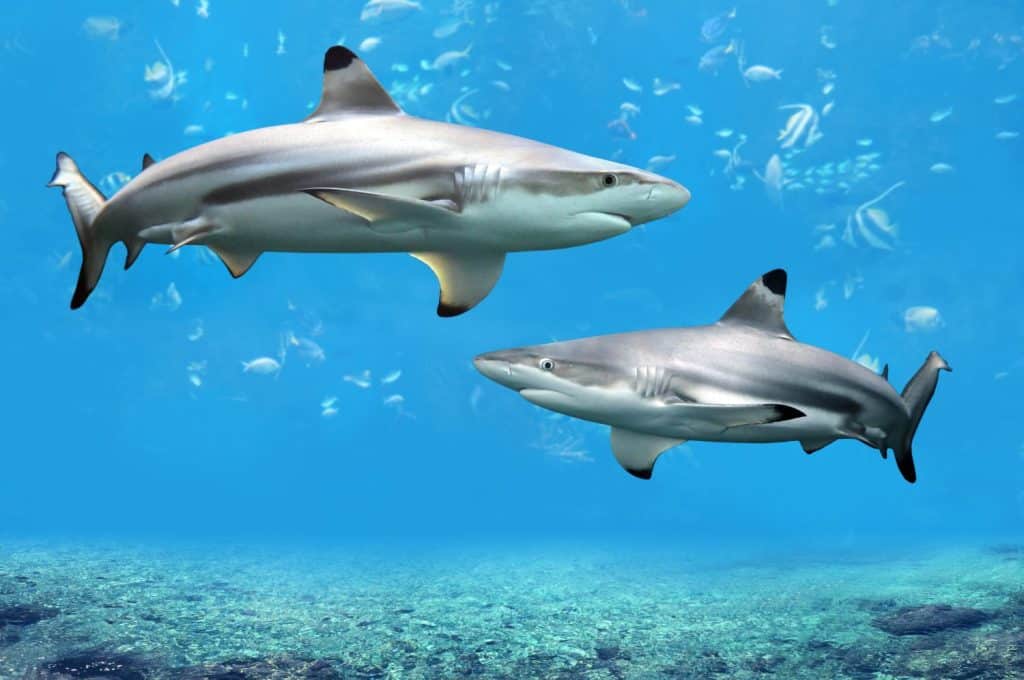
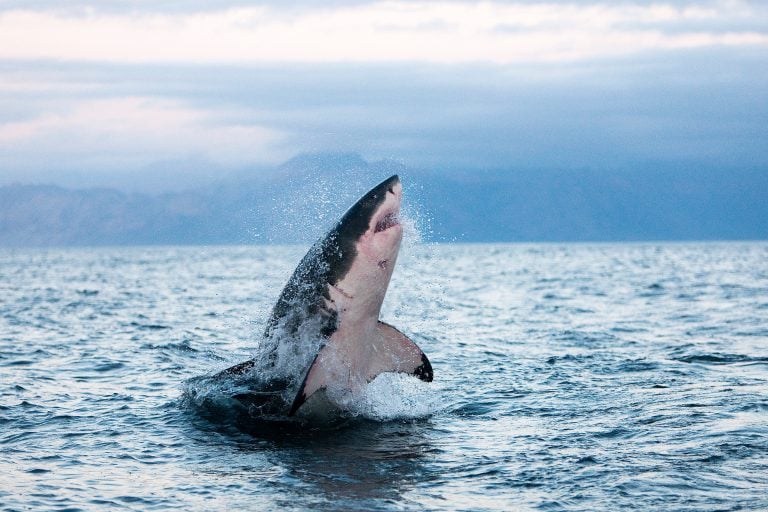
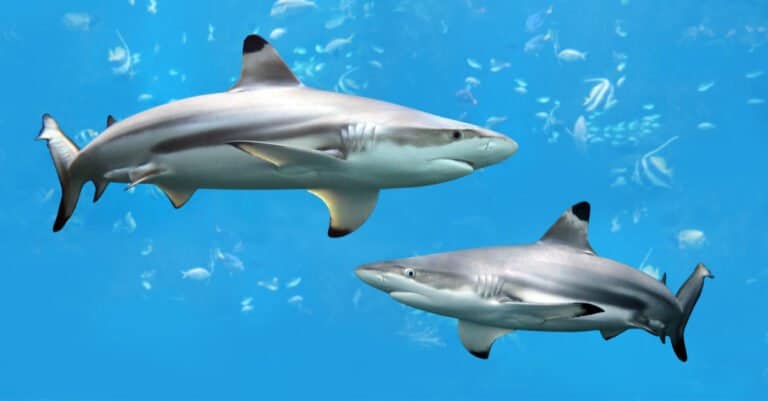
Blacktip sharks are typically not aggressive toward humans.
©Gino Santa Maria/Shutterstock.com
Why the Sharks Gather Here
This multi-year effort confirmed that blacktip sharks regularly return to the cove, earning the location its official pelagic Important Shark and Ray Area (ISRA) status under sub-criterion C5 (aggregations). The bay offers several benefits for the sharks, with the primary attraction being the abundant prey—particularly large schools of mulle (Mugilidae). In addition to food availability, scientists hypothesize that the sharks are attracted to the bay because of its warm water temperatures from the thermal plume and its safe conditions for reproduction and nursery activity.
In addition to blacktip sharks, researchers are using these ongoing monitoring efforts to track other threatened species in the bay, such as sand tiger sharks and hammerhead sharks.
Why Shark Nurseries Matter
Unlike most fish, which lay thousands of eggs at a time, sharks reproduce very slowly and give birth to only a few offspring. Because of this slow reproduction rate, shark populations struggle to recover from losses, making the survival of every single pup essential to the overall population in the Atlantic.
Coastal nurseries provide two crucial advantages that help young sharks survive their most vulnerable months:
- Shallow, sheltered waters help keep newborn pups and juveniles safe from larger ocean predators that cannot easily enter the area.
- The calm, nutrient-rich coastal environments offer a reliable food supply, allowing young sharks to grow and gain strength safely.
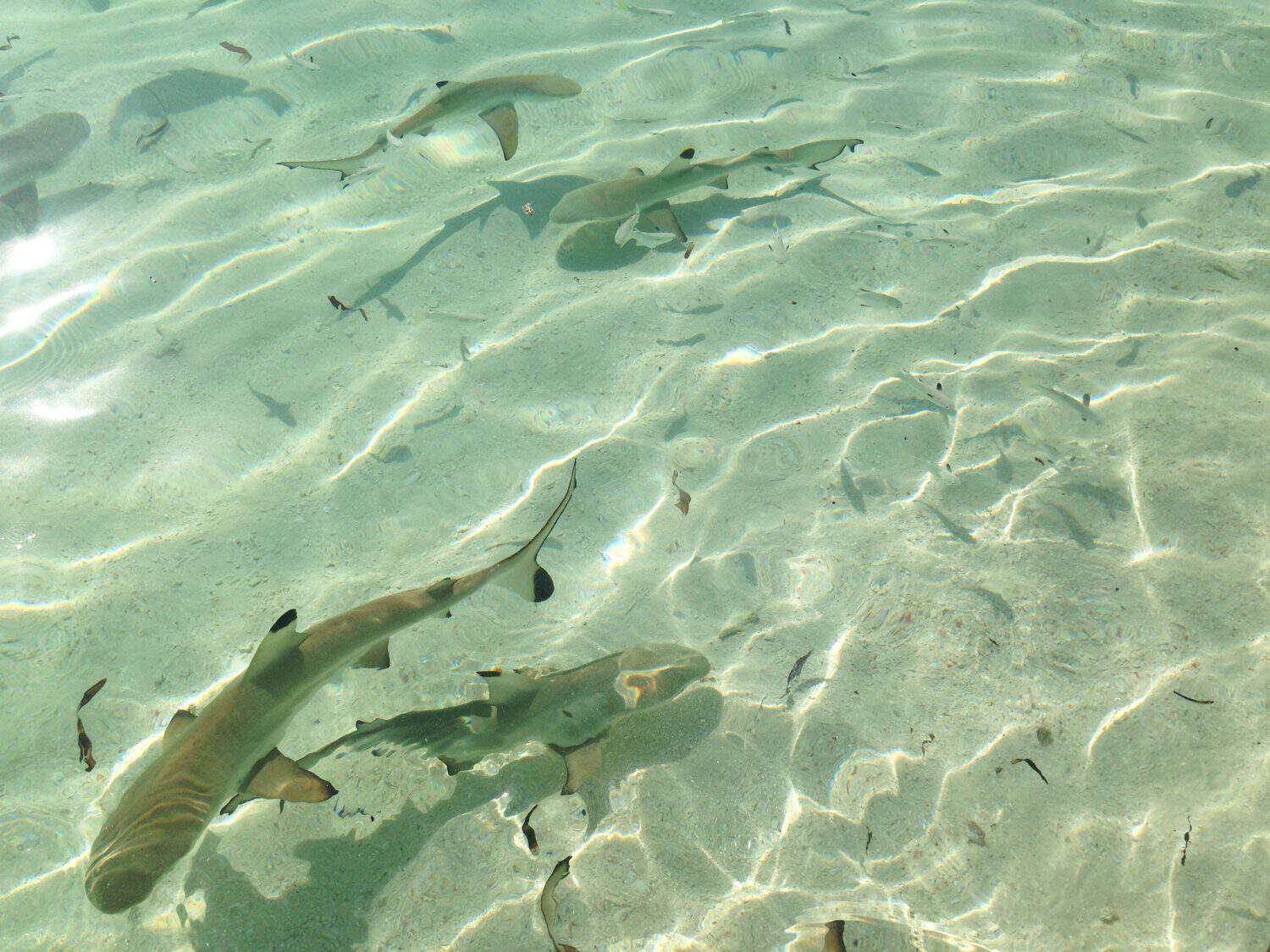
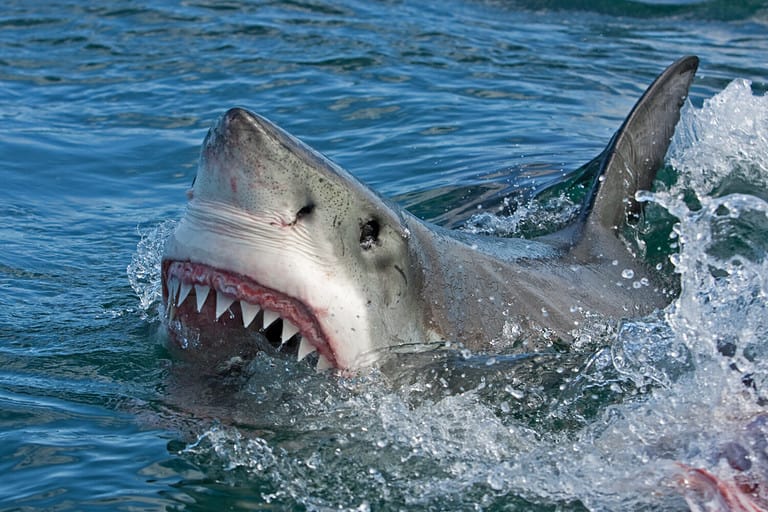
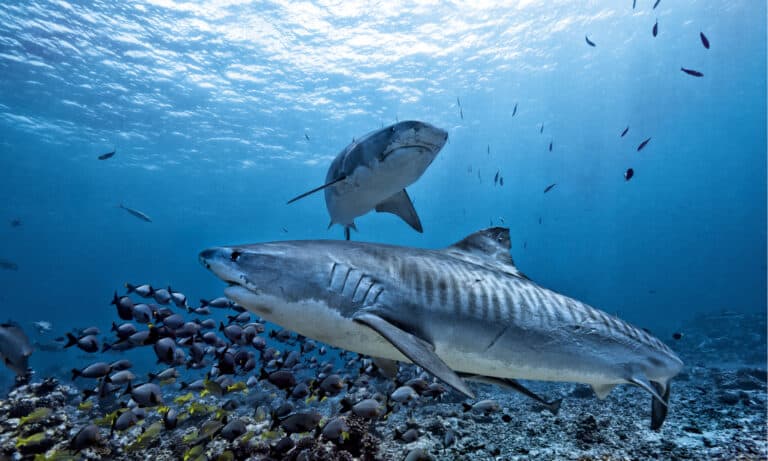
Blacktip sharks are typically shy and timid.
©Andrian Libriyono/Shutterstock.com
Species like the blacktip shark depend so heavily on these specific habitats that protecting them is critical. By safeguarding nursery areas like Piraquara de Fora Cove, conservationists help ensure that more juvenile sharks reach adulthood, thereby protecting the future and long-term stability of the entire species.
Changing How People See Sharks
Despite its ecological value, the blacktip shark population in Piraquara de Fora Cove faces persistent human-driven threats. Unregulated fishing activities directly threaten pregnant females and newborn pups through targeted overfishing and accidental bycatch. At the same time, tourism and recreational watercraft—such as boats and jet skis—disrupt the sharks’ natural behavior and safety through noise and pollution. Historically, local fishing communities in Angra dos Reis also hunted and consumed blacktip sharks, viewing them primarily as a harvestable resource.
Fortunately, some of these perspectives began to shift when researchers from the Sharks of Ilha Grande Bay project revealed that the cove is a critical nursery for dozens of pregnant sharks. Conservationists launched targeted campaigns to address these issues.
Project leaders began educating residents about the hidden health risks of eating shark meat. Brazil is the world’s top consumer of shark meat, which is often sold under the generic market name cação, leading many locals to eat it without realizing that it is shark. Researchers warned the community that, as apex predators, sharks bioaccumulate dangerous levels of heavy metals—such as mercury, lead, and arsenic—making their meat toxic to eat.
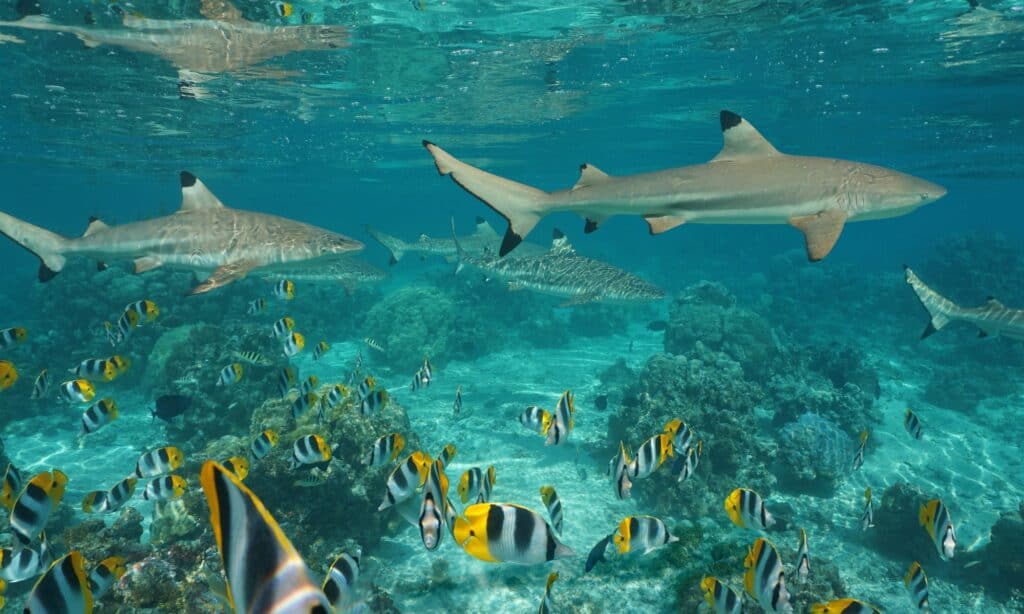
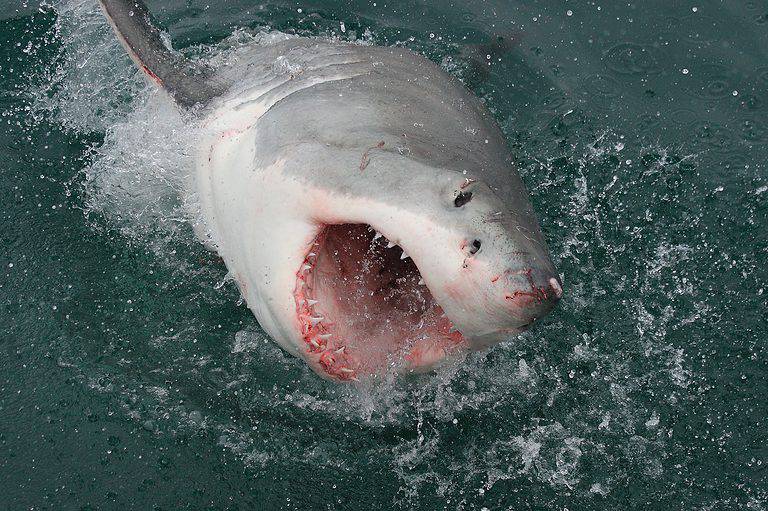
There are no official records of a human ever killed by a blacktip shark.
©iStock.com/damocean
Conservationists also created educational initiatives to teach the community through local school programs and town meetings. These outreach programs emphasize that blacktip sharks are harmless to humans, highlighting that there have been no recorded shark incidents in the area. By showing that sharks are essential to a healthy marine ecosystem rather than a hazard or a meal, these educational efforts are fostering a culture of awareness and protection among local residents.
Protecting Sharks and Supporting Communities
The discovery of the nursery in Piraquara de Fora cove has sparked active collaboration between marine conservationists and the local community, creating new economic and environmental opportunities. To address and reduce threats to the sharks, researchers and local residents are working together to build a more sustainable future.
Conservationists are working directly with local fisherfolk to promote practices that avoid catching pregnant females and young pups. Community members are also exploring new income opportunities, such as land-based, boat-based, or underwater shark-watching tours. Many local residents welcome ecotourism as a way to support their community while preserving the bay’s unique natural heritage.
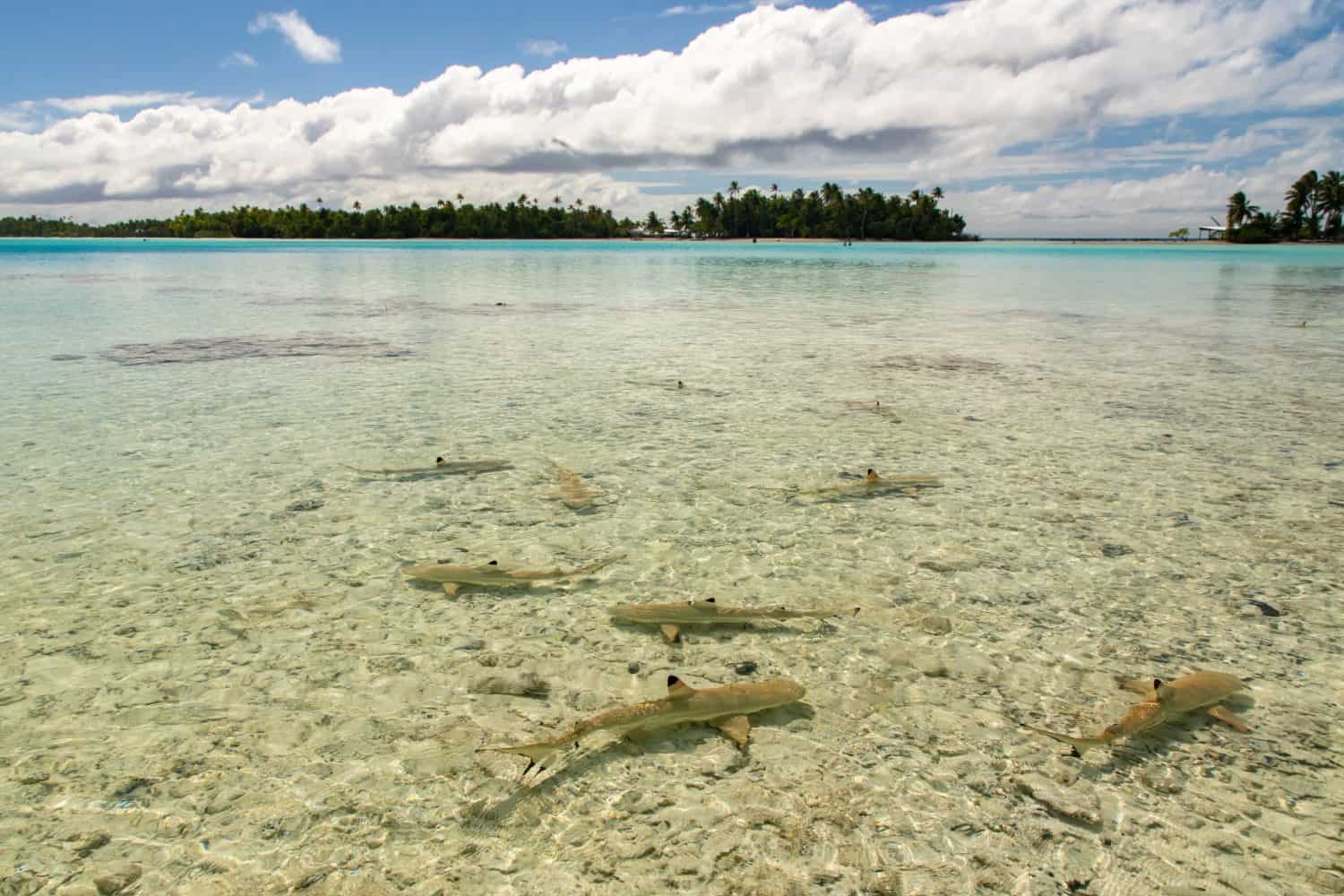
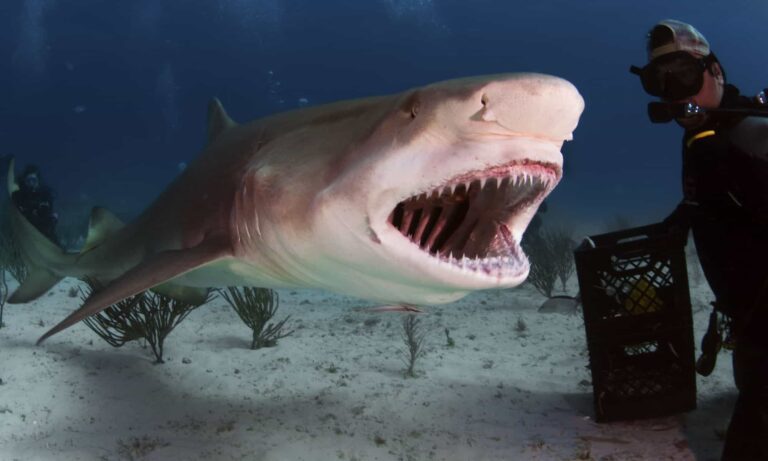
Female blacktip sharks give birth to around four to seven pups.
©Danita Delimont/Shutterstock.com
However, while community enthusiasm is high, long-term success also depends on legal safeguards. Although the cove’s Important Shark and Ray Area (ISRA) designation overlaps with the Tamoios Ecological Station, existing rules do not fully protect the sharks’ specific habitat needs. Scientists are actively lobbying environmental authorities to establish formal protected zones and targeted fishing restrictions within the cove to guarantee the blacktip sharks’ long-term survival.