
Surfing has become an increasingly popular sport, particularly in recent years. According to STAB Magazine, surfing lineups have grown by an estimated 35% since COVID-19. Surfer Today states that there are 23 million surfers worldwide, though some estimates put that number as high as 35 million. One concern about surfing might be sharks, but have you ever considered that there could be crocodiles in the waters as well? Here are some of the world’s most crocodile-populated waters where surfers catch their waves.
Australia
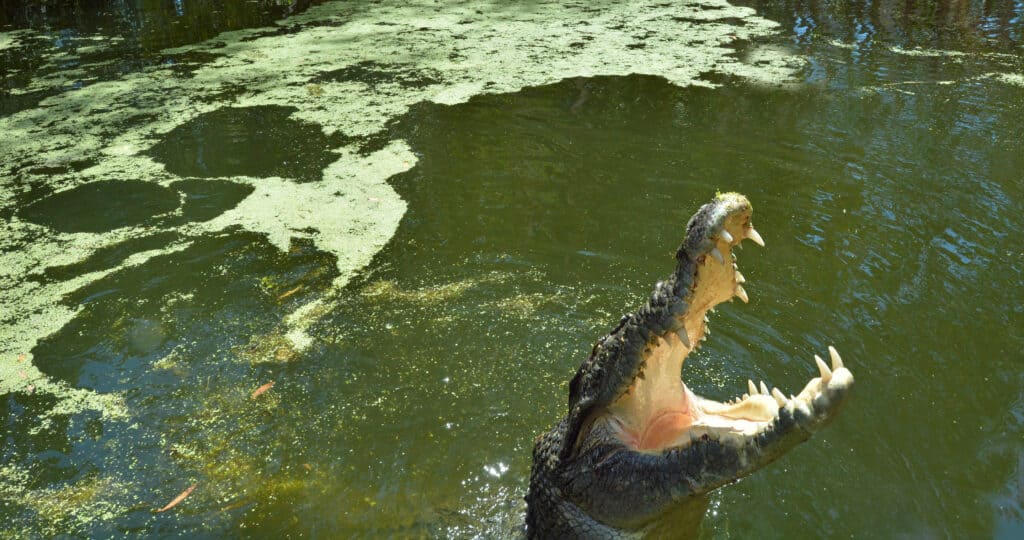
Australia has recorded around 44 fatal crocodile attacks since 1969.
©ChameleonsEye/Shutterstock.com
The hot location for surfing in Australia is Byron Bay, which is celebrated for its stunning beaches and vibrant surf culture. Interestingly, the country is home to an estimated 100,000 to 200,000 saltwater crocodiles, primarily concentrated in the northern regions. Since 1969, there have been 44 fatal attacks attributed to these crocodiles, with most incidents occurring in the north of half of Australia. This geographical distribution is somewhat reassuring for surfers because it means that the southern areas, including Byron Bay, are generally safer for those looking to catch some waves while enjoying the beautiful beach.
Costa Rica
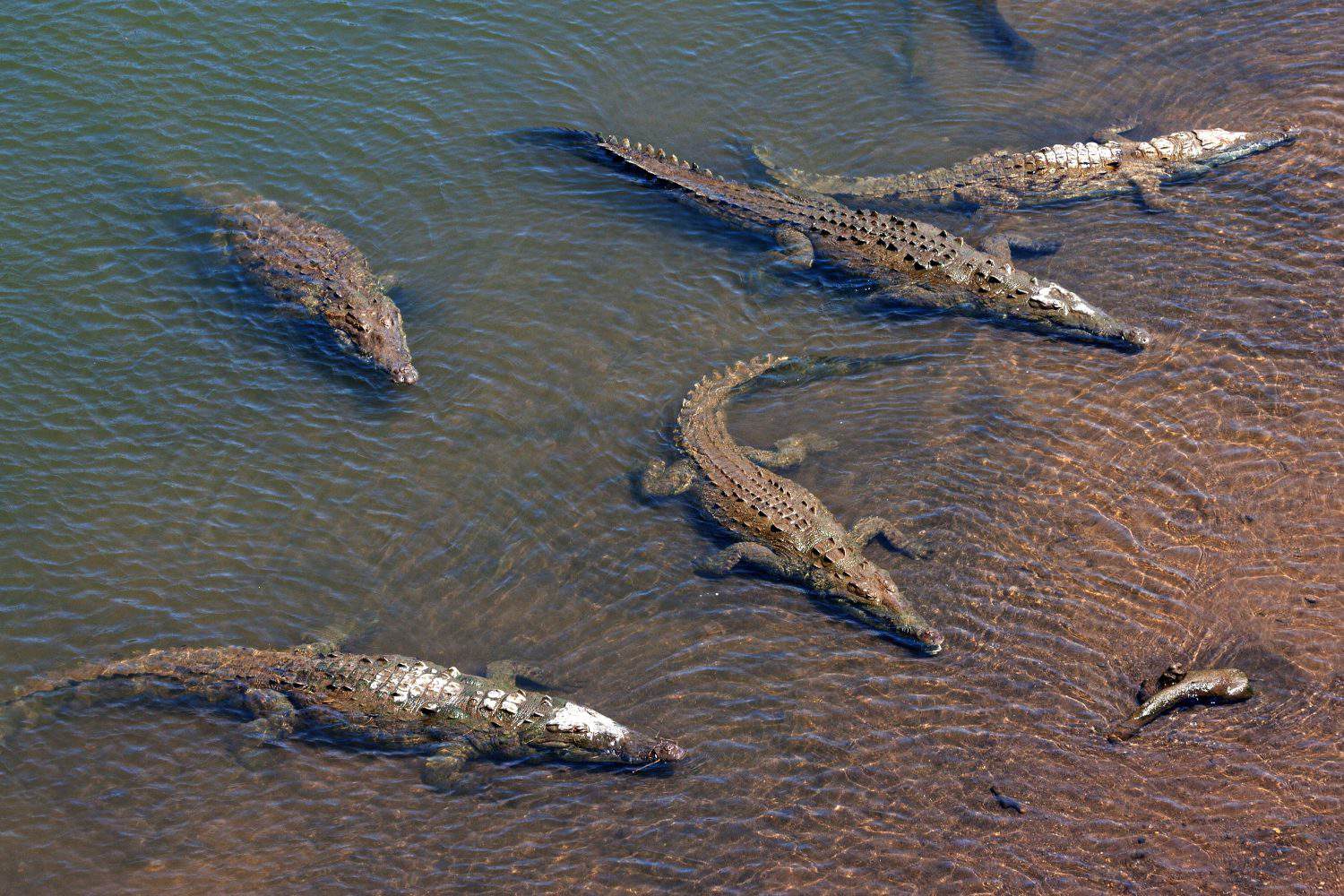
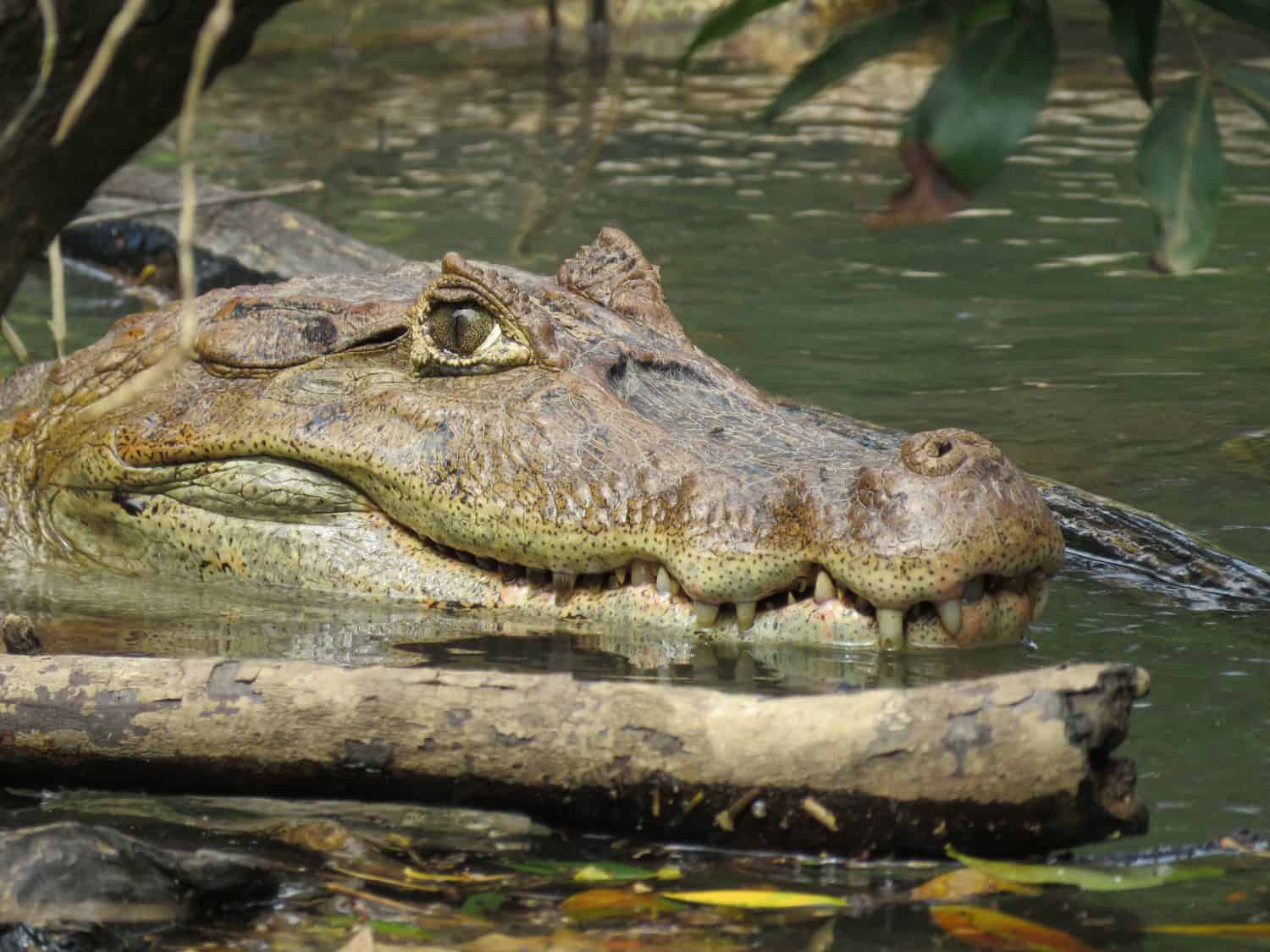
American crocodiles live in this Costa Rican river.
©imageBROKER.com/Shutterstock.com
First up is Costa Rica. In Costa Rica, from 1990 to 2017, there were 99 documented interactions between humans and crocodiles, with 27 resulting in fatalities. A couple of great surf places in Costa Rica are Playa Grande and Playa Hermosa. These destinations are not far from the Tarcoles River Bridge, which is also known as Crocodile Bridge. The most common type of crocodile in this region is the American crocodile. American crocodiles are known for their large size but are generally less aggressive toward humans than other crocodile species.
El Salvador
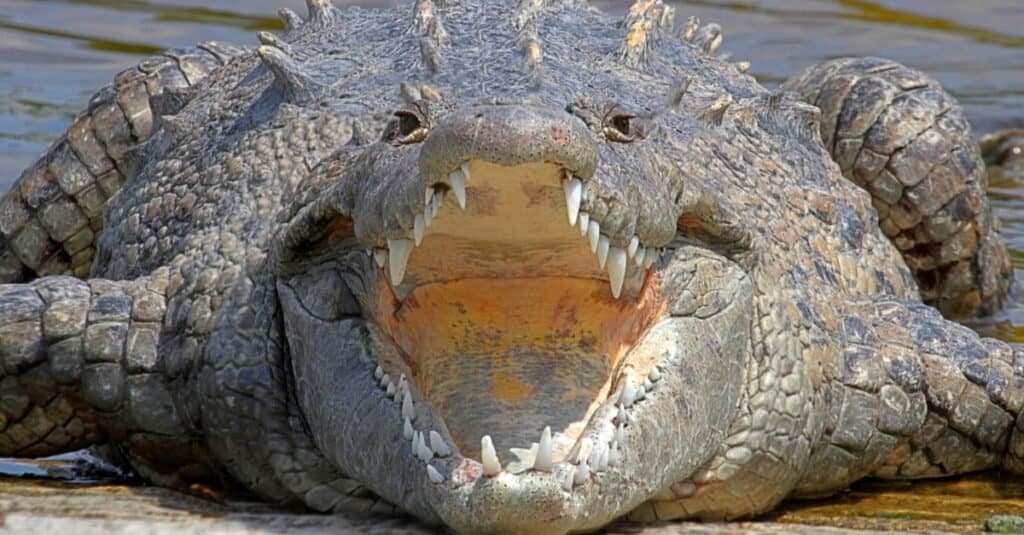
El Salvador is home to the American crocodile.
©iStock.com/SteveByland
In El Salvador, crocodiles are primarily found in mangrove swamps and estuaries, with the American crocodile being the predominant species in the region. Popular surfing destinations such as El Tunco and La Bocana are renowned for their intense waves. Attacks on humans are extremely rare in El Salvador. There have been at least two documented crocodile attacks in El Salvador in recent years, including one fatality in 2019. But as always, surfers and beachgoers are encouraged to stay aware of their surroundings and respect local wildlife, helping ensure a safe and enjoyable experience along El Salvador’s coastline.
Guatemala
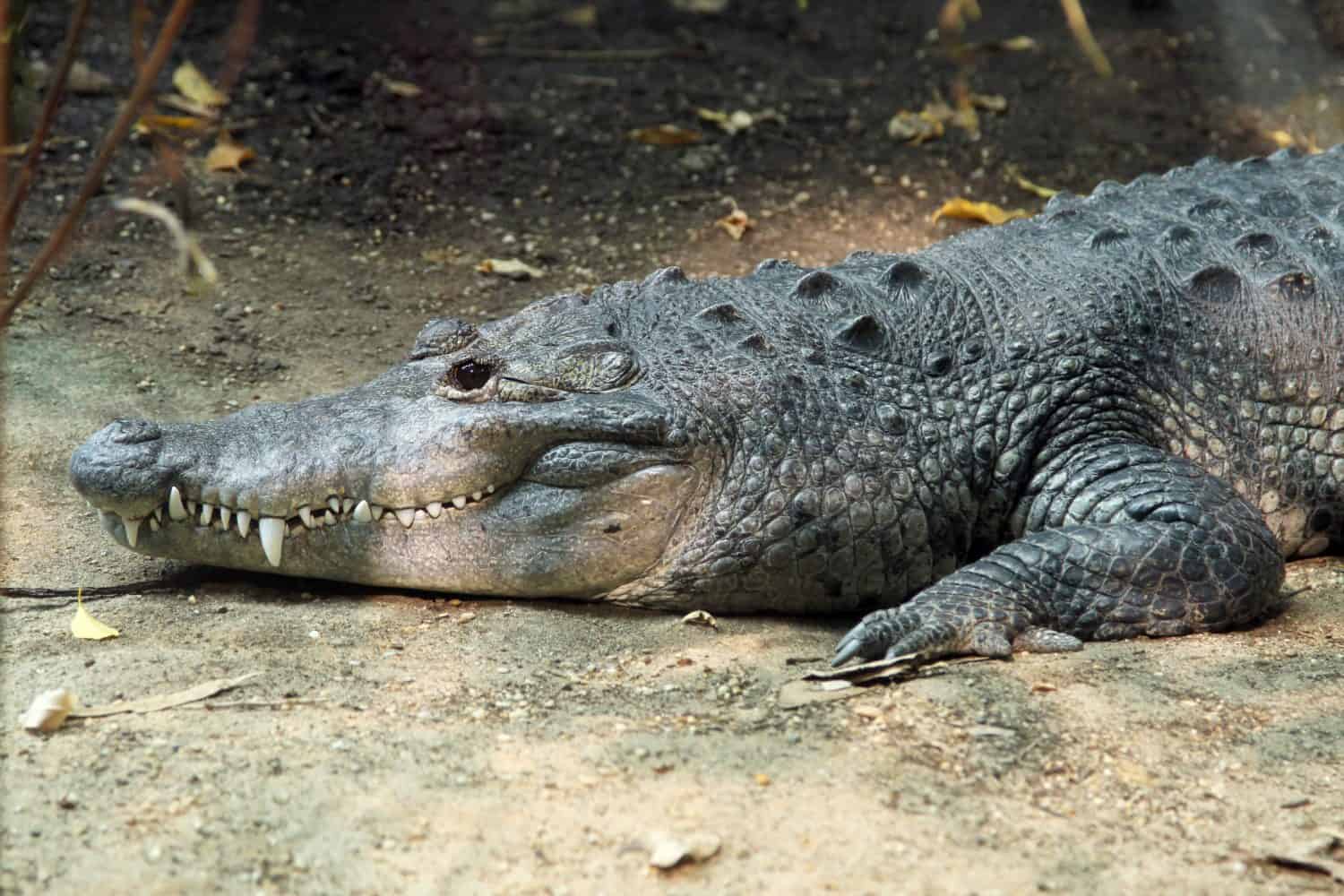
Morelet’s crocodile is native to freshwater habitats in Mexico, Belize, and Guatemala.
©Michal Sloviak/Shutterstock.com
In Guatemala, the Morelet’s crocodile is responsible for a notable number of attacks on humans. Also known as the Mexican crocodile or Belize crocodile, this modest-sized crocodilian is primarily found in the Atlantic regions of Mexico, Belize, and Guatemala. In addition to Morelet’s crocodile, Guatemala is also home to American crocodiles, which inhabit various coastal areas. The presence of crocodiles necessitates caution, especially in popular surfing spots like Monterrico and El Paredon. These beaches attract surfers with their consistent waves and beautiful scenery, but visitors need to remain aware of their surroundings and respect local wildlife.
Indonesia
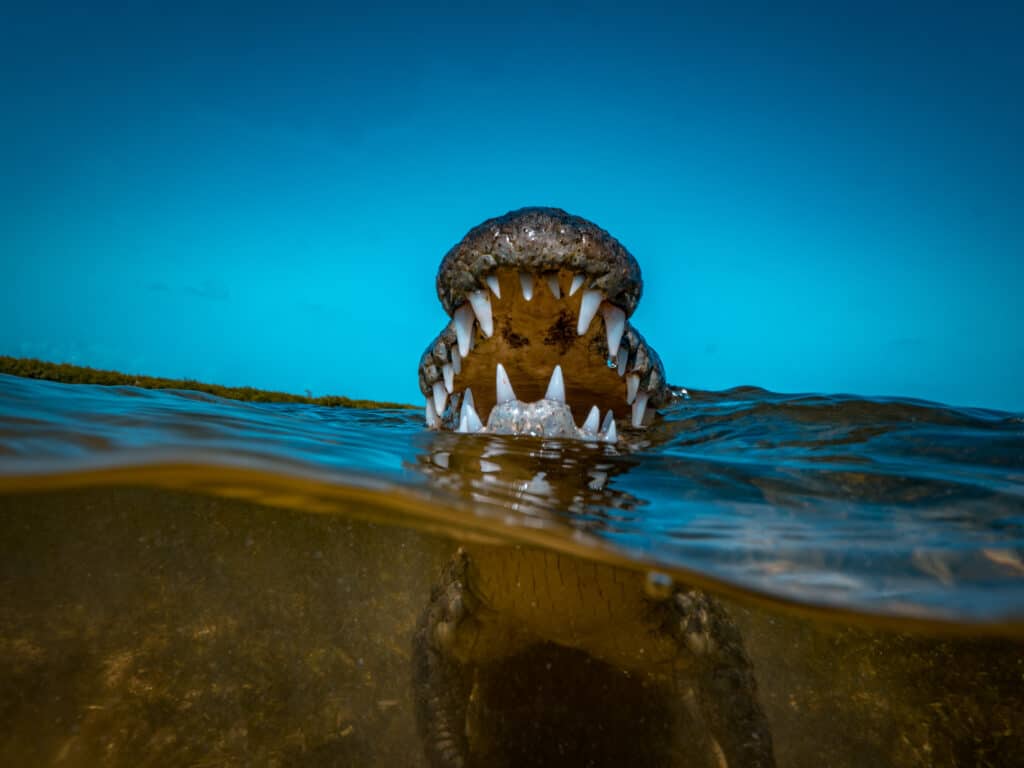
Saltwater crocodiles are well-adapted to both saltwater and freshwater environments.
©Willyam Bradberry/Shutterstock.com
As reported by the Associated Press in 2024, Indonesia experienced 179 crocodile attacks with 92 fatalities, the highest number reported globally for that year. Some of the most popular surf destinations are Sorake Beach in Nias, and Canggu and Uluwatu in Bali. Indonesia and its provinces have several crocodile species, with the most notable being the saltwater crocodile. Saltwater crocodiles are the largest and among the most aggressive crocodile species, found in coastal and estuarine areas of northern Australia and parts of Southeast Asia.
Nicaragua
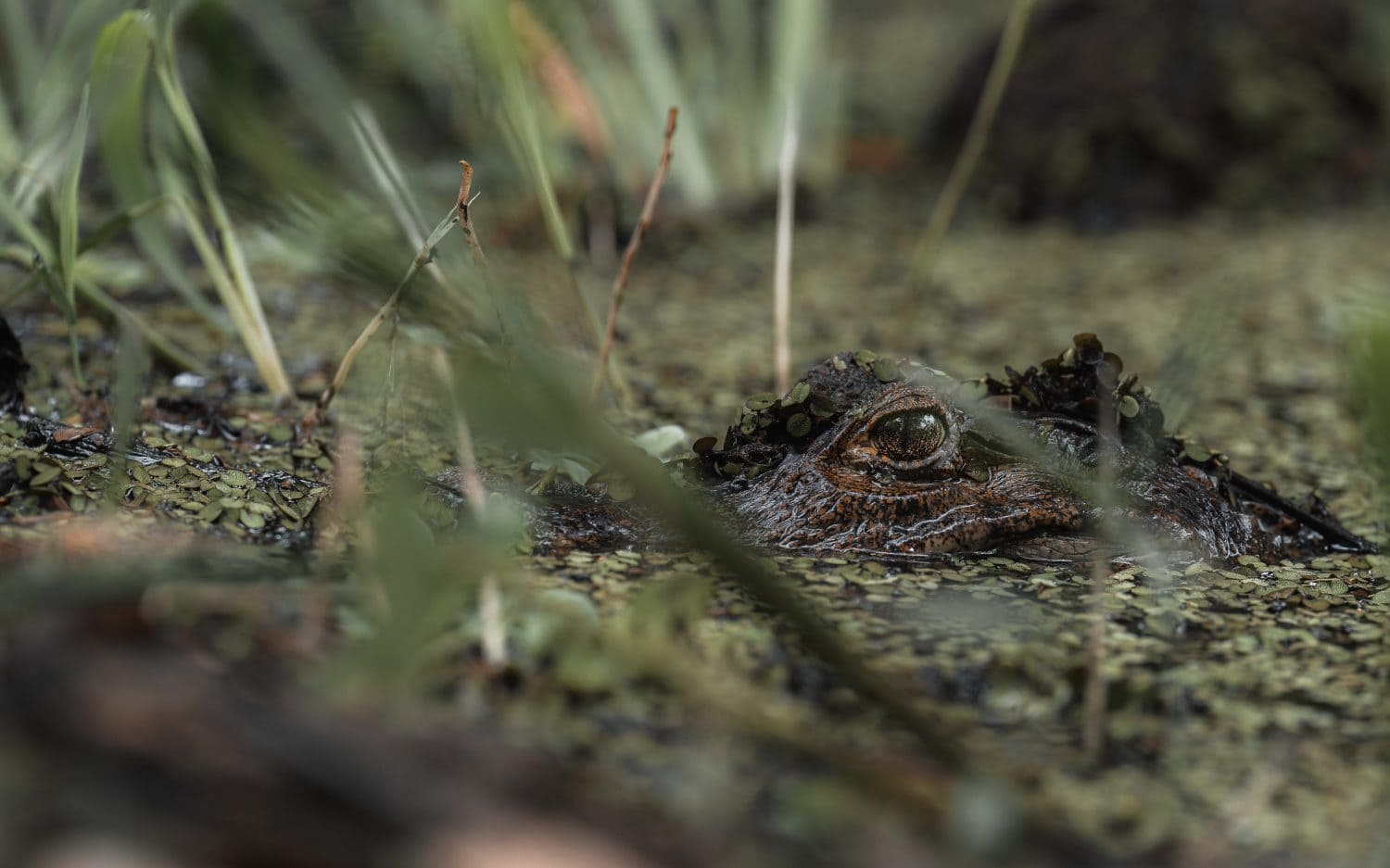
The American crocodile is found in both fresh and saltwater environments.
©Bram Smits/Shutterstock.com
While Nicaragua has a relatively low number of crocodile attacks, incidents do still occur. In recent years, there have been at least three documented crocodile attacks in Nicaragua, including at least one fatality. The most popular surf spots in Nicaragua are San Juan del Sur, Playa Maderas, Popoyo, and Playa Colorado. These areas are not just known for their excellent waves but also for their proximity to habitats where American crocodiles are found. These reptiles can be encountered throughout the country, especially near river mouths and estuaries that connect to the ocean. Surfers should remain vigilant and informed about their surroundings, as the presence of crocodiles, even in areas known for surfing, can pose unexpected risks.
Oaxaca
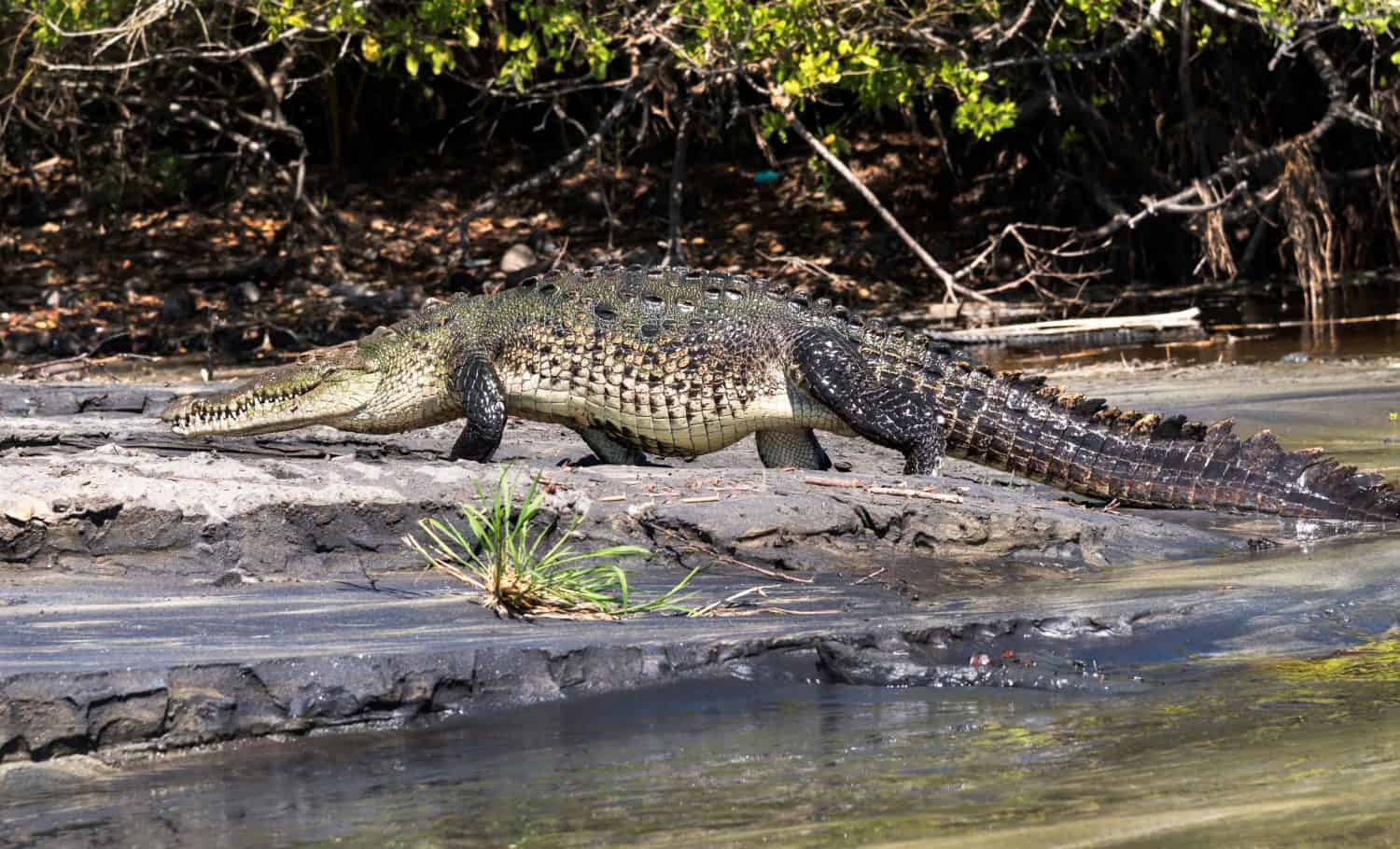
The local communities in Oaxaca have implemented conservation measures to protect the crocodiles.
©Photostock by Leonardo Em/Shutterstock.com
Crocodiles are present in Oaxaca, particularly along the coast, where the American crocodile is the most commonly found species. There have been 16 attacks and two fatalities. Like other locations, these reptiles inhabit lagoons, mangrove areas, and even some beaches, providing a vital role in the local ecosystem. In regions like Barra de la Cruz and Puerto Escondido, which are popular surfing destinations, awareness of crocodile presence is essential for beachgoers and surfers alike. While encounters with crocodiles are relatively rare, the proximity of their habitats to surfing spots necessitates caution.
Panama
The American crocodile has a temperament that ranks in the middle range among all crocodilian species.
©Albert Casals/Shutterstock.com
Panama boasts several renowned surfing destinations, including Bocas del Toro, Playa Venao, and Santa Catalina, each offering unique waves and breathtaking scenery. However, the American crocodile is prevalent in the region alongside these beautiful surf spots. There are not a lot of statistics about how many crocodile attacks happen each year. These reptiles can often be found in coastal areas, estuaries, and mangroves, which play a vital role in the local ecosystem. Surfing enthusiasts should remain aware of their surroundings and understand the presence of these powerful creatures.
South Africa
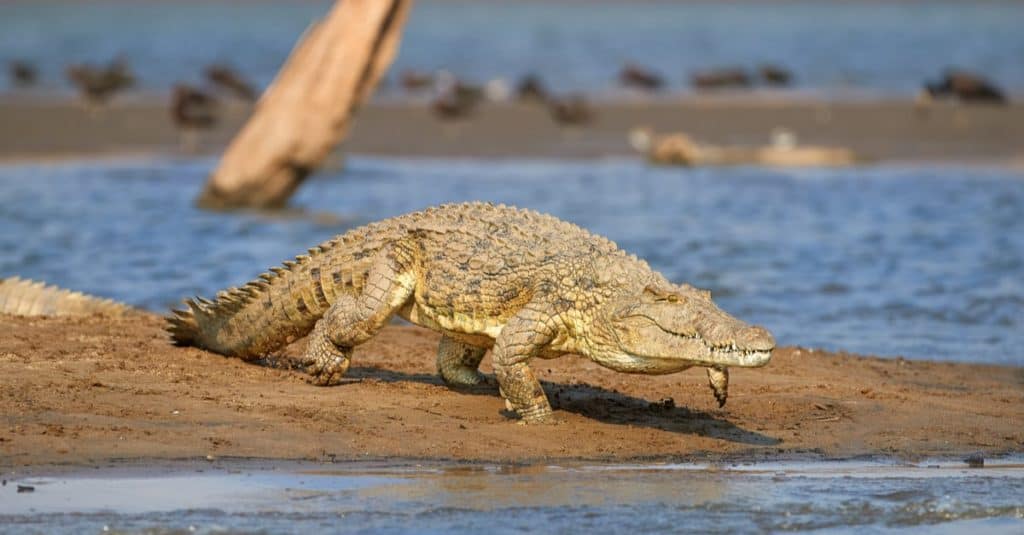
The Nile crocodile is the main species responsible for attacks in South Africa.
©Martin Mecnarowski/Shutterstock.com
Crocodile attacks in South Africa, while relatively rare, can be severe. According to local authorities, parents were told to keep children away from rivers where crocs and hippos reside and to approach water bodies with caution. This warning is especially important for the Nile crocodile, native to the region, which is responsible for most incidents, often targeting individuals who venture too close to the water’s edge, whether for surfing, fishing, swimming, or simply enjoying the scenery. Some of the popular surf locations are Kosi Bay, St. Lucia, and iSimangaliso Wetland Park, where the Nile crocodile is prevalent.
Sri Lanka
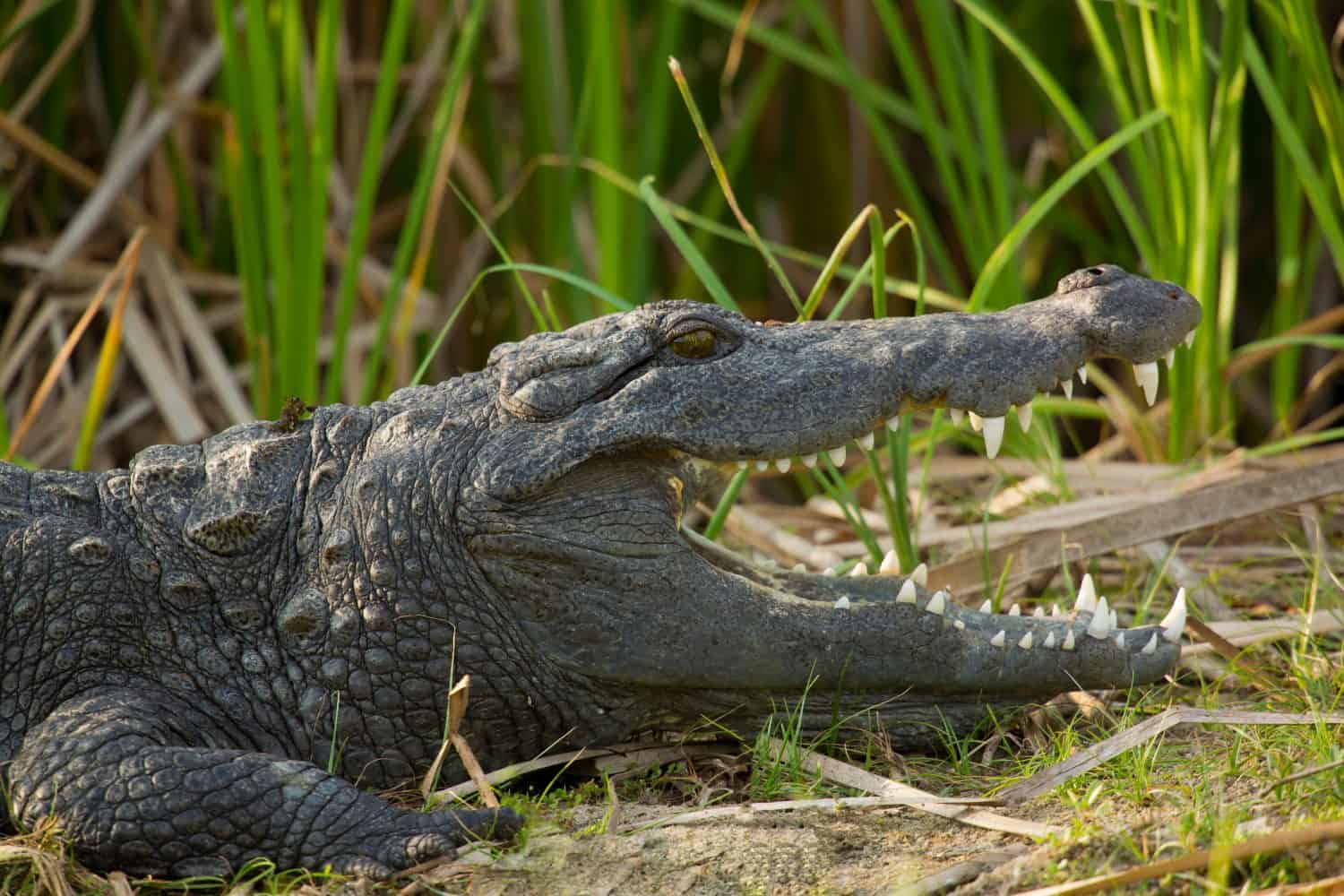
The mugger crocodile is a medium-sized broad-snouted crocodile.
©Milan Zygmunt/Shutterstock.com
According to Species Conservation, approximately 10 to 20 people are killed annually, and around 50 individuals are attacked by crocodiles in Sri Lanka. The country is home to both mugger crocodiles and saltwater crocodiles. The mugger crocodile is a medium-sized, broad-snouted species commonly found in freshwater lagoons, while saltwater crocodiles inhabit coastal areas and the ocean. One of the best places to surf in Sri Lanka is Arugam Bay, renowned for its excellent waves and incredible views.
Conclusion
While surfing offers exciting ocean experiences and provides a deep connection to nature, awareness of local wildlife is crucial, especially in crocodile-populated areas. By staying informed, surfing in groups, and maintaining vigilance in the water, surfers can minimize risks and fully enjoy their time on the waves. With respect for the natural environment and a cautious approach, you can confidently chase the surf in some of the most beautiful and wild locations around the globe.