
Quick Take
- There are three main threats to the world's oceans today. See how oceans sustain life →
- Overfishing has already triggered one catastrophic industry collapse, and the numbers today suggest it was not a one-time warning. Explore the overfishing crisis →
- The ocean absorbs CO2 to protect the climate, but that same process is quietly destroying reefs from the inside out. Understand ocean acidification →
- Technology is being turned against the crisis in a way most people haven't heard of yet. And it's already working. Discover AI-driven solutions →
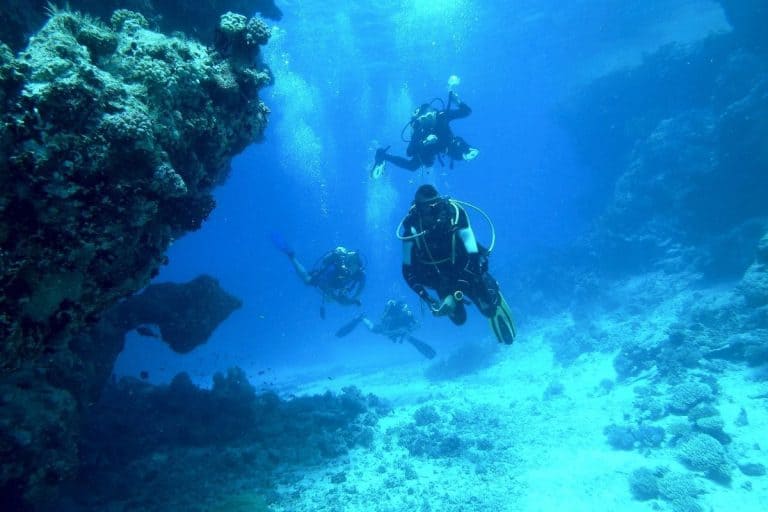
I live on the Dutch Caribbean island of Bonaire, a place blessed with a shallow fringing reef just steps from the coastline. The island is a mecca for scuba divers and snorkelers from around the world.
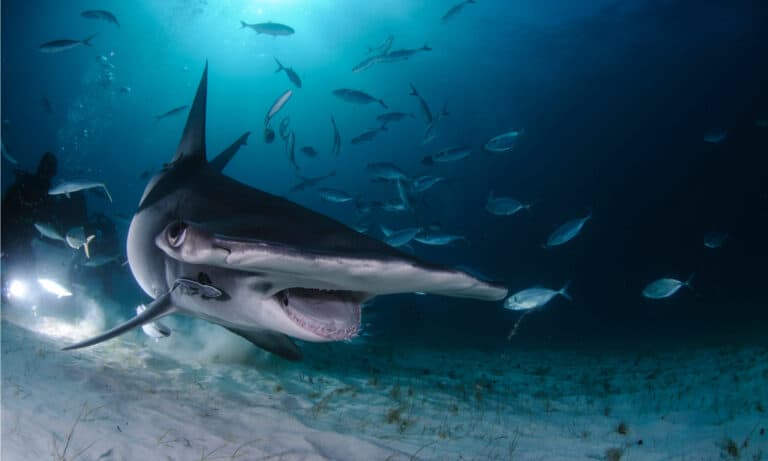
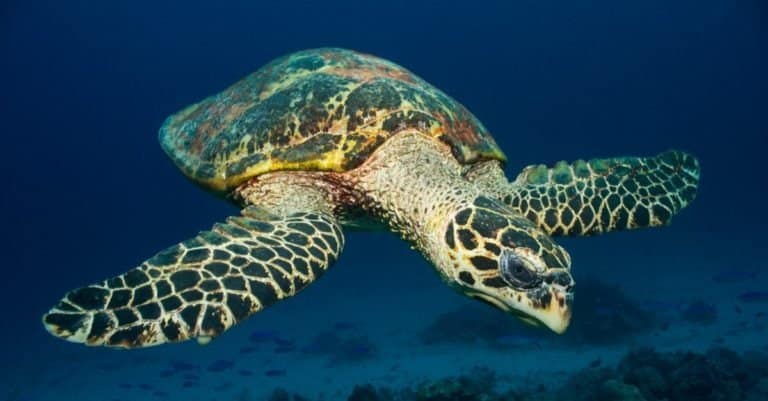
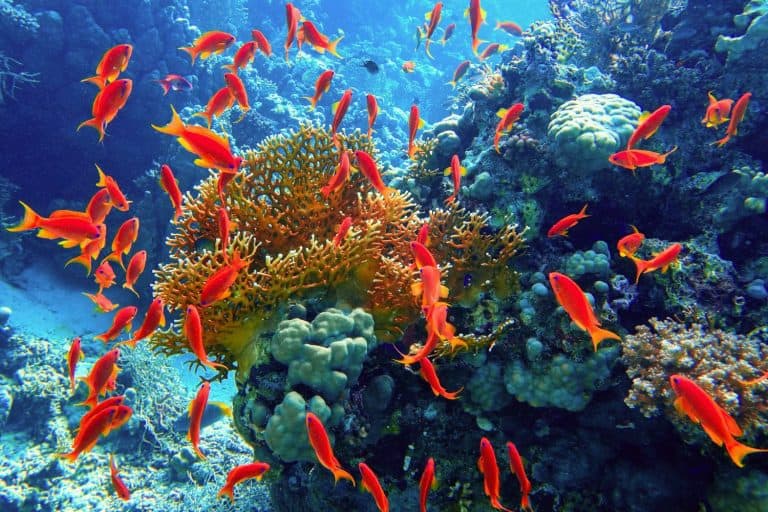
Schools of colorful tropical fish, large swaths of hard and soft corals, sea turtles, and pelagic species like sharks, rays, and even whales are all regularly seen on Bonaire’s reefs. The island has boasted one of the healthiest reef ecosystems in the world for decades.
This is a problem faced by reefs worldwide and is one reason why this year’s World Oceans Day is focusing on reimagining how we care for the waters that cover 71 percent of Earth’s surface.
World Oceans Day 2026
This year, World Oceans Day is celebrated on June 8th. It is a recognition of one of the planet’s most valuable resources. The idea was first proposed at the 1992 Earth Summit in Rio de Janeiro, Brazil. The day was officially recognized by the United Nations in 2008.
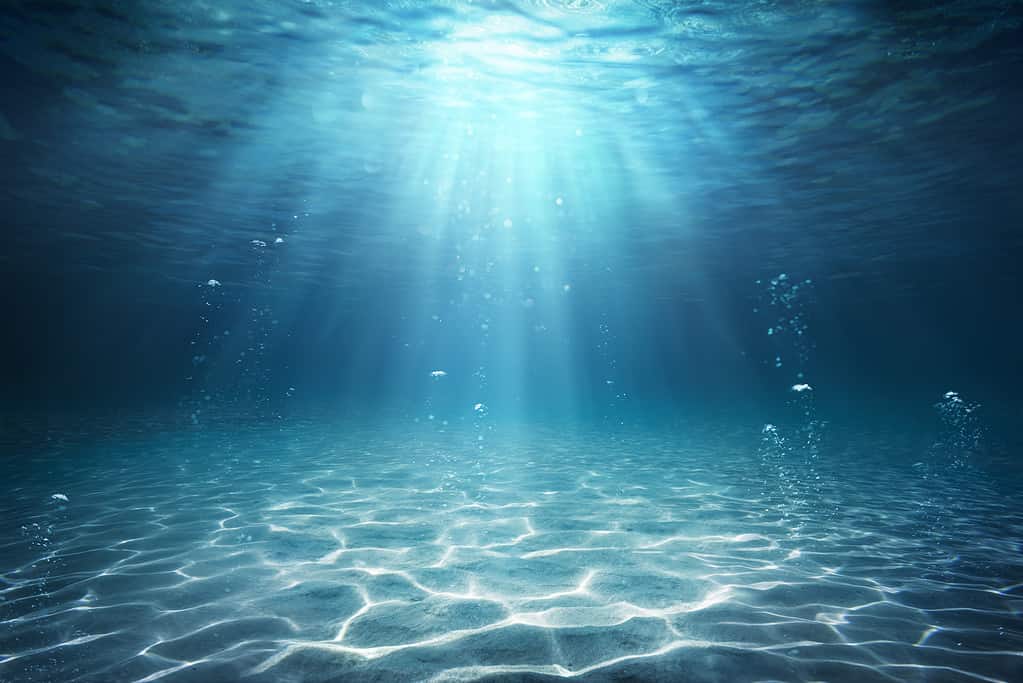
World Oceans Day is June 8th.
©RomoloTavani/iStock via Getty Images
This year’s theme is Reimagine. It’s an opportunity and an invitation to recognize that the world’s oceans are more than big bodies of water far removed from most of the population’s daily existence. Our oceans are the source of the air we breathe, the food we eat, and the climate regulator that makes life sustainable on Earth.
It’s a time to celebrate this unique characteristic of our blue planet. But it is a celebration overshadowed by the reality that humans continue to put our oceans at risk.
The Biggest Threats
There are three main threats facing the world’s oceans today.
Overfishing
Excessive fishing activity doesn’t just deplete marine life and disrupt fragile marine ecosystems; it also threatens the millions of people who rely on seafood for food and to make a living. According to the Marine Stewardship Council, overfishing is now three times higher than in 1970.
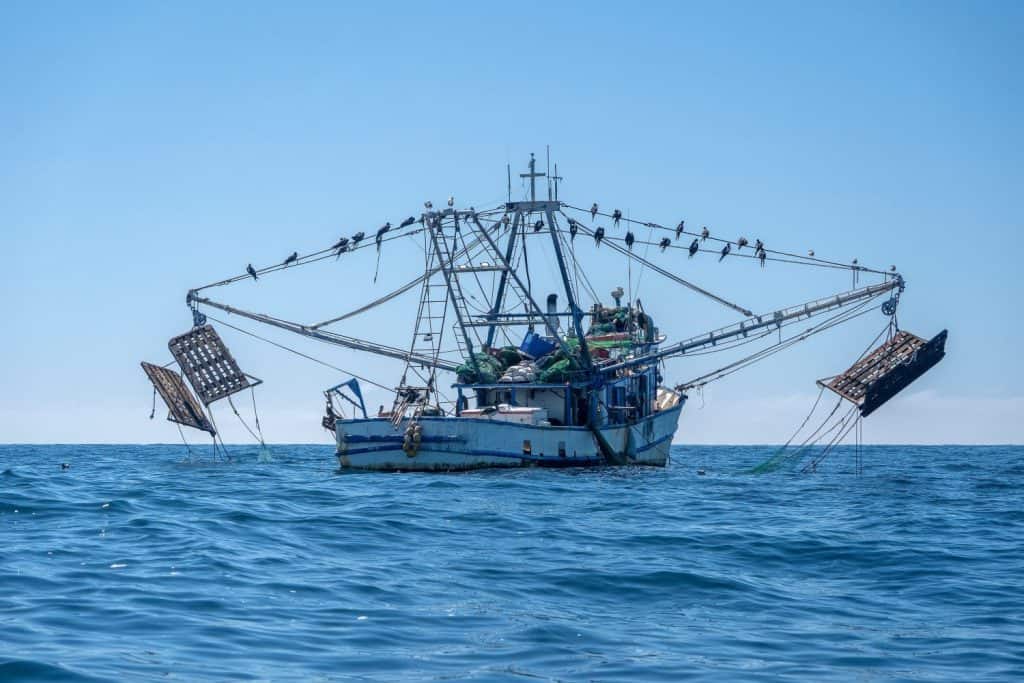
Overfishing is a significant threat to the marine ecosystem.
©Andrea Izzotti/Shutterstock.com
The United Nations Food and Agriculture Organization, the entity that monitors global fish stocks, estimates that approximately 35.5 percent of those stocks were overfished in 2024. Overfishing was responsible for the collapse of Canada’s Grand Banks cod fishery in 1992. That resulted in tens of thousands of fishing industry workers losing their jobs.
Plastic Pollution
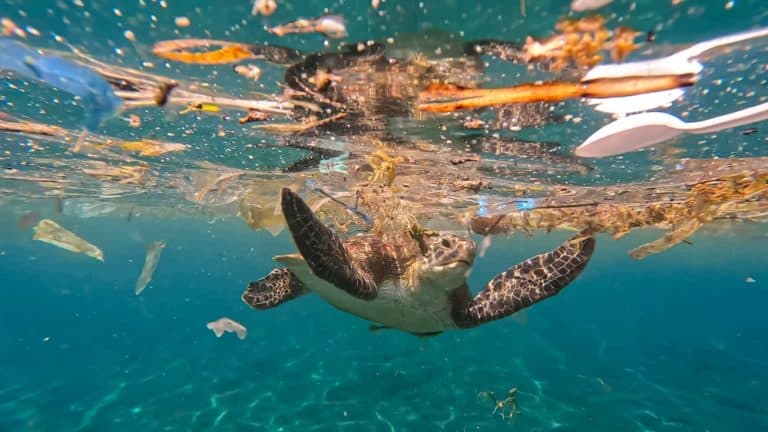
Estimates vary widely, but millions of tonnes of plastic enter the world’s oceans each year, with some studies suggesting as many as 19–23 million tonnes leak into aquatic ecosystems annually. Plastic accounts for 85 percent of marine debris. One study notes there are more than 170 trillion plastic particles afloat in the world’s oceans.
While these statistics may sound unbelievable, I believe them. Each day, plastic debris washes ashore on the windward coastline of Bonaire. Volunteers spend countless hours collecting and removing it. The next day, more shows up. The same scenario occurs in island and coastal communities throughout the Caribbean and around the world.
Ocean Warming & Acidification
The world’s oceans act like a sponge to absorb carbon dioxide from the atmosphere. Scientists estimate that around 30 percent of human-induced CO2 emissions have been absorbed by the world’s oceans. This has helped stabilize the world’s climate. However, as ocean surface temperatures rise, absorption is reduced. One study found that in 2023, the global ocean took in about ten percent less CO2 than expected, thanks to warming ocean temperatures.
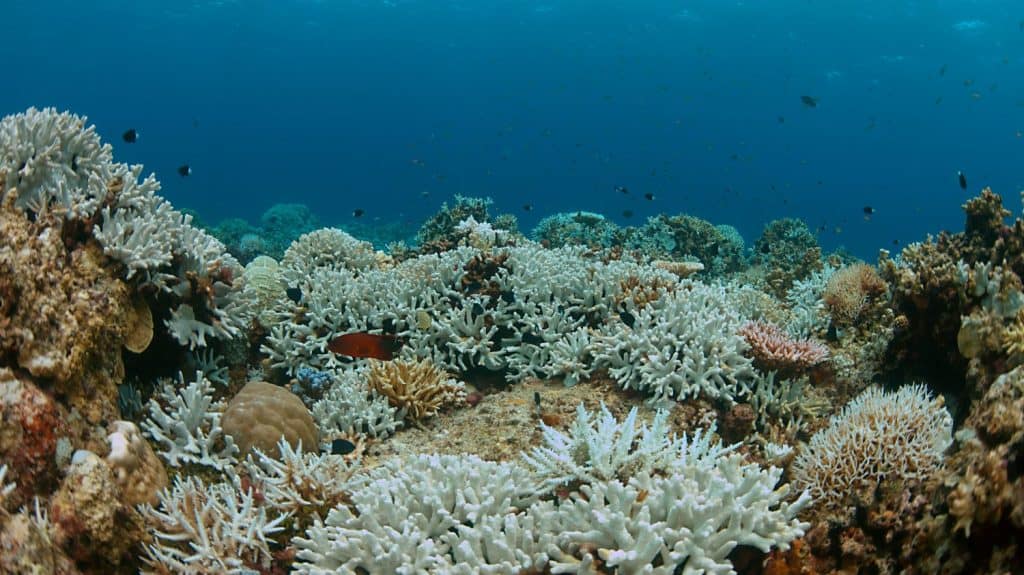
Coral bleaching is a result of rising ocean water temperatures.
©Sabangvideo/Shutterstock.com
Acidification is another threat. When CO2 is absorbed by seawater, a byproduct is carbonic acid. That lowers the pH of the water and reduces carbonate ions, a key component needed by shell-forming and reef-building organisms. One adverse result is coral bleaching which eventually results in mass coral die offs. When corals die, reefs are weakened and can ultimately collapse.
How World Oceans Day is Responding
This year, the action theme for World Oceans Day is “Strong Marine Protected Areas for Our Blue Planet.” The goal is to guide global action over the coming years, working towards protection of thirty percent of the planet’s lands, waters, and oceans by 2030.
This initiative is part of the 30×30 climate and conservation pledge, which was established in the December 2022 Kunming-Montreal Global Biodiversity Framework. More than 190 countries signed the pledge at the 15th meeting of the Conference of the Parties (COP 15).
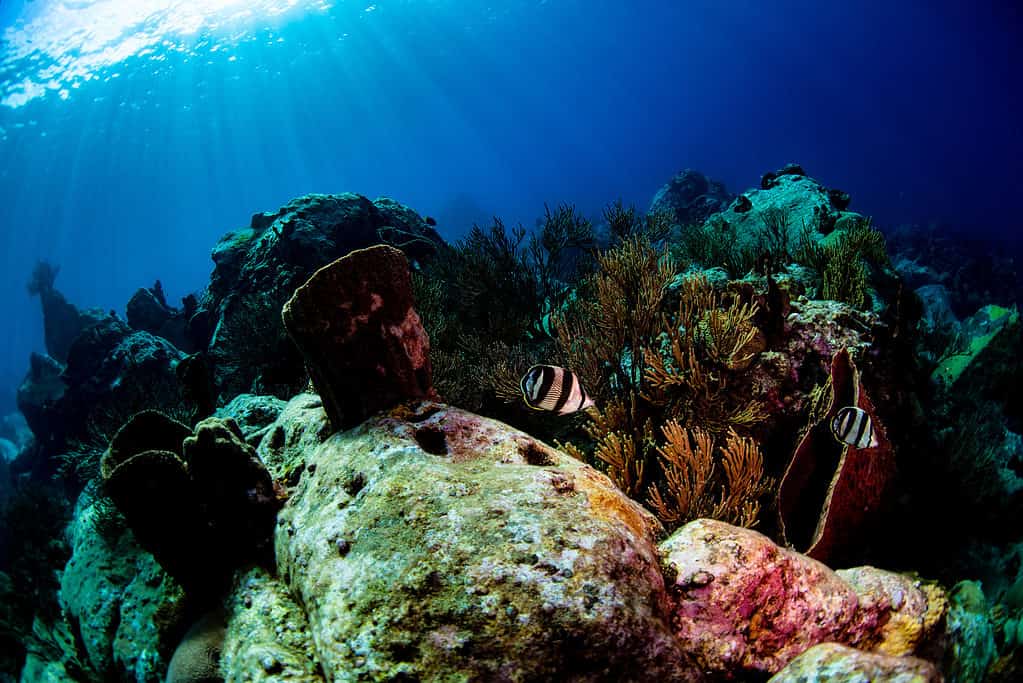
Bonaire is one of many countries with Marine Protected Areas (MPAs).
©bcampbell65/Shutterstock.com
One of the main objectives of this year’s World Oceans Day theme is to create more Marine Protected Areas (MPAs) around the world. Protecting these fragile ecosystems is the first step towards creating measurable conservation outcomes. By adding these protections, critical fish stocks can rebound and biodiversity can recover.
Another effort underway by the World Ocean Day organizers is continuing to pressure global leaders to maintain a focus on the 30×30 commitment. However, there is more that can be done—not just on World Oceans Day, but every day.
Other Strategies Making an Impact
Various effective local efforts are underway to help combat the threats currently facing the world’s oceans. Community-led conservation models are one. These include Indigenous land and water stewardship, management of local MPAs, and ocean clean-up events like the annual Waterway Cleanup sponsored by the Marine Industries Association of South Florida.
Consumers can also make an impact. Championing action on climate change and making sustainable seafood choices are two ways to do that. Technology is also being leveraged in the form of underwater monitoring and AI-assisted reef surveys.