


B
Species Profile

Blacktip Shark 

Carcharhinus limbatus

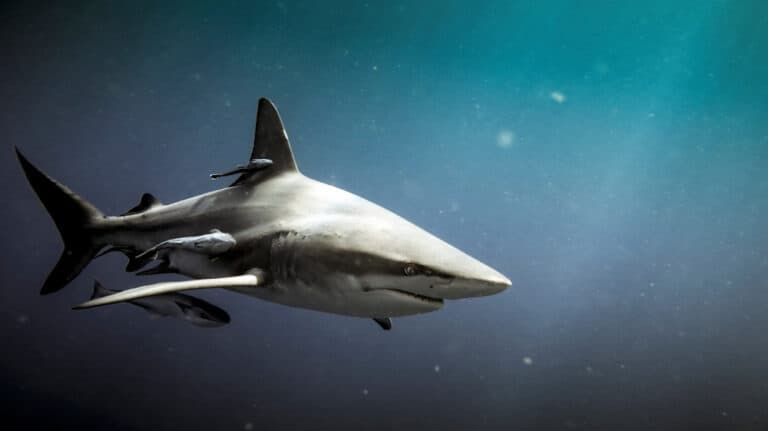
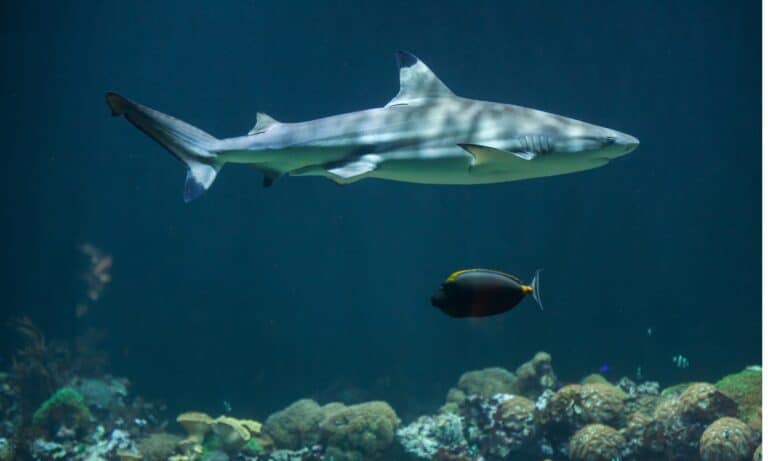
Black-tipped fins, built for speed.
Gino Santa Maria/Shutterstock.com

Blacktip Shark  Distribution

Click a location to explore more animals from that region

This map shows coastal regions where Blacktip Shark  are found.

Loading map...

Found in 77 locations

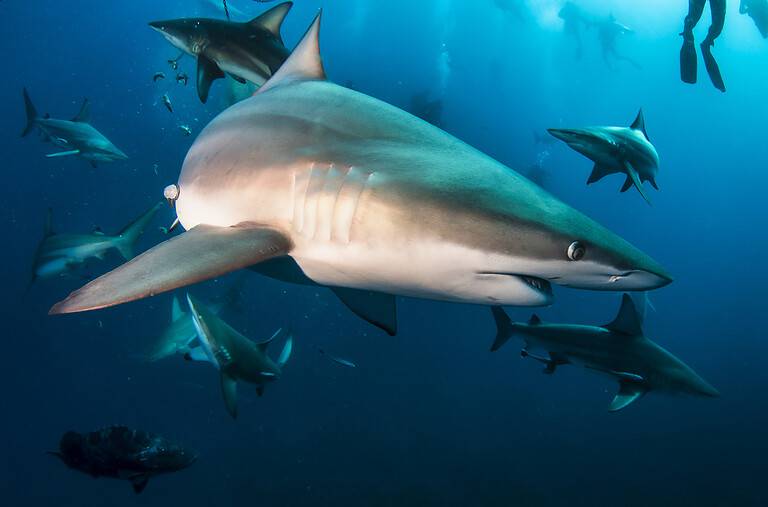
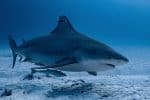
Most aggressive sharks - blacktip shark

At a Glance

Wild Species
Also Known As Black-tip shark, Black-tipped shark, Blacktip, Atlantic blacktip, Common blacktip
Diet Carnivore
Activity Cathemeral+
Lifespan 12 years
Weight 123 lbs
Did You Know?

The "blacktips" are most obvious on the first dorsal fin and lower caudal lobe, but can also mark the pectoral, pelvic, and second dorsal fins-helpful for quick ID at the surface.

Scientific Classification

A medium-sized requiem shark recognized by dark (black) tips on several fins and a streamlined coastal-pelagic lifestyle; common in warm-temperate to tropical seas.

Kingdom
Animalia
Phylum
Chordata
Class
Chondrichthyes
Order
Carcharhiniformes
Family
Carcharhinidae
Genus
Carcharhinus
Species
Carcharhinus limbatus

Distinguishing Features

  • Black or dark tips on pectoral fins and usually other fins (often with a pale band beneath)
  • Slender, streamlined body typical of requiem sharks
  • First dorsal fin relatively large; no pronounced dorsal ridge between dorsal fins (helps separate from some similar species)
  • Often forms schools; frequent in nearshore warm waters

Physical Measurements

Males and females differ in size

Length
524 ft 11 in (426 ft 6 in – 836 ft 7 in)
6 ft 3 in (4 ft 11 in – 8 ft 6 in)
Weight
44 lbs (22 lbs – 269 lbs)
99 lbs (55 lbs – 271 lbs)
Top Speed
32 mph
Fast swimmer; ~32 km/h estimate

Appearance

Primary Colors
Secondary Colors
Skin Type Placoid scales (dermal denticles): tough, sandpaper-like skin typical of requiem sharks (Carcharhinidae), reducing drag and providing abrasion resistance.
Distinctive Features
  • Medium-sized requiem shark with streamlined, spindle-shaped body; typical adult total length commonly ~1.5-2.0 m; reported maximum total length about 2.6 m and maximum reported weight about 123 kg (species accounts summarized by Compagno; FishBase/IUCN summaries).
  • Blacktip Shark has black tips on first dorsal and pectoral fins; pelvic and lower tail lobe often black. Anal fin usually not black, unlike spinner shark (Carcharhinus brevipinna) which has black-tipped anal fin and spins.
  • Lacks an interdorsal ridge (a low midline ridge between the first and second dorsal fins), a useful structural cue in carcharhinid identification.
  • Long, pointed snout and relatively large eyes; gill slits short, consistent with active coastal-pelagic swimming rather than benthic resting.
  • Dentition typical of Carcharhinus: upper teeth narrow/triangular and serrated for cutting; lower teeth narrower for gripping prey (diagnostic trait group-level; commonly noted in Compagno identification keys).
  • Blacktip Shark (Carcharhinus limbatus) females give birth in shallow coastal waters (bays, estuaries, surf zones). Young sharks stay in these nearshore nurseries to grow. Shown in northwest Atlantic and Gulf of Mexico studies.
  • Pregnancy lasts about 10-12 months; females give live birth with a placental link after the yolk sac converts. Litters usually 4-7 pups (1-10), newborns about 55-65 cm long.
  • Studies of growth rings on vertebrae show Blacktip Sharks usually live about 12 years in the northwest Atlantic; some Gulf of Mexico studies report up to 15 years (e.g., Carlson et al., stock assessments).
  • Unlike the blacktip reef shark (Carcharhinus melanopterus), the blacktip shark (Carcharhinus limbatus) lives in nearshore, open coastal waters rather than reefs; similar fin tips mean habitat, anal-fin tip, and body measurements help tell them apart.

Sexual Dimorphism

Sexes are similar in coloration and fin-tip pattern, but females are typically larger at maturity; males have external claspers (modified pelvic fins).

  • Presence of paired claspers on the inner margins of the pelvic fins (externally visible sex organs).
  • Males generally reach maturity at smaller total lengths than females (commonly reported ~1.3-1.6 m TL in regional studies; values vary by population).
  • Females typically attain larger body size and mature at larger total lengths than males (commonly reported ~1.4-1.8 m TL in regional studies; values vary by population).
  • Gravid females often show a noticeably distended abdomen late in gestation; associated with nearshore migration to nursery areas prior to parturition.

Did You Know?

The "blacktips" are most obvious on the first dorsal fin and lower caudal lobe, but can also mark the pectoral, pelvic, and second dorsal fins-helpful for quick ID at the surface.

Maximum recorded size is about 2.6 m total length, though most adults are ~1.5-2.0 m (e.g., FishBase; Ebert, Dando & Fowler, *Sharks of the World*, 2021).

Pups are born about 55-65 cm total length after ~10-12 months gestation (NOAA Fisheries species profiles; regional life-history studies).

Litter size is typically 1-10 pups (commonly ~4-7), delivered in very shallow coastal nursery areas such as bays and estuaries (NOAA; published Gulf/Atlantic life-history work).

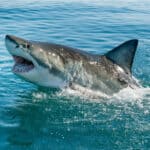
They can form large, fast-moving schools and may burst from the water during feeding-often confusing beachgoers who expect only spinner sharks to "go airborne."

Blacktip sharks are among the most commonly encountered sharks in warm, nearshore waters and are a major species in seasonal "runs" that attract anglers (western Atlantic/Gulf of Mexico).

They are placental viviparous (yolk-sac placenta), a hallmark of requiem sharks (Family Carcharhinidae), enabling relatively large, well-developed newborns (Ebert et al., 2021).

Unique Adaptations

  • Black fin tips as a high-contrast visual signal: may aid species recognition and schooling coordination in turbid, sun-glared nearshore waters (functional hypotheses discussed in elasmobranch ecology literature).
  • Streamlined "coastal-pelagic" design: long pectoral fins and a narrow caudal peduncle support efficient cruising plus rapid acceleration in surf and inlet currents.
  • Countershading (dark above, pale below): reduces detection by prey both from above and below-especially effective in bright, shallow water.
  • Yolk-sac placenta (requiem shark trait): embryos receive maternal nourishment after yolk depletion, producing robust pups (~55-65 cm) that can immediately swim and hunt.
  • Electroreception (ampullae of Lorenzini): detects weak bioelectric fields from hidden or schooling prey, useful in murky estuaries and surf zones.
  • Tooth design for grip-and-shear feeding: narrow, serrated upper teeth help slice fish, while lower teeth often help hold slippery prey-typical of many Carcharhinus sharks.

Interesting Behaviors

  • Nearshore nursery use and site fidelity: females commonly pup in shallow, warm coastal habitats (bays/estuaries), and juveniles remain in protected nurseries to reduce predation risk.
  • Seasonal coastal migrations: in parts of the western Atlantic and Gulf of Mexico, schools shift latitudinally/alongshore with temperature and prey availability.
  • Schooling and coordinated feeding: groups may push baitfish toward the surface; rapid, synchronized turns are common when attacking tightly packed prey.
  • High-energy bursts and breaching: individuals sometimes leap or partially clear the surface during hunts-less consistently "spinning" than the spinner shark (Carcharhinus brevipinna), but still capable of dramatic aerial behavior.
  • Opportunistic predation: diet dominated by small schooling fishes (e.g., mullet, menhaden/sardines) and cephalopods; they often hunt at dawn/dusk and along current edges, inlets, and surf zones.
  • Brief tolerance of reduced salinity: they may enter brackish water (estuaries/river mouths), especially juveniles in nurseries, though they are not true freshwater sharks.
  • Avoidance/flight response near humans: despite frequent close coastal encounters, they typically move away quickly; most bites occur during chaotic feeding situations when mistaken identity is likely (context from shark-bite incident analyses).

Cultural Significance

Blacktip shark (Carcharhinus limbatus) gather near beaches and drive sport fisheries (blacktip runs), boat viewing ecotourism, and seafood markets. Nearshore nurseries make them at risk from habitat loss and fishing. They look like spinner and blacktip reef sharks, so help teach identification and beach safety.

Myths & Legends

In Native Hawaiian tradition, sharks are sometimes revered as family guardian spirits that may protect or guide relatives at sea; these beliefs are not tied to a single shark species.

In Fiji, stories tell of a shark deity, often called a "shark god," seen as a powerful sea guardian and enforcer; sharks near reefs and shorelines made people feel watched and guarded.

Across parts of Polynesia, sharks feature in guidance and protection tales for fishers-stories in which a shark escorts canoes or warns of danger reflect the lived reality of large sharks traveling coastal routes.

In some Caribbean and Atlantic fishing towns, seasonal "shark runs" made local stories among fishers about predictable spring migrations of blacktip sharks (Carcharhinus limbatus), when baitfish arrive, and the "first blacktips" showing warmer seas.

The name "blacktip shark" itself is a longstanding folk identifier turned scientific common name, rooted in the highly visible dark fin tips that made the species recognizable to coastal fishers long before modern field guides.

Conservation Status

NT Near Threatened (IUCN Red List; global assessment for Carcharhinus limbatus). Biology relevant to vulnerability: maximum reported size ~2.6 m total length; viviparous with placental connection; gestation commonly ~10-12 months; litter size reported 1-10 pups (often ~4-7); uses shallow coastal/estuarine nursery areas; age at maturity is region-dependent but commonly ~4-5 years for males and ~7-8 years for females in western North Atlantic/Gulf of Mexico populations; maximum observed ages in ageing studies are ~12+ years. Sources commonly cited in assessments and management: IUCN Red List species account; NOAA Atlantic shark stock assessments; life-history studies by Carlson and collaborators on Gulf of Mexico / western North Atlantic blacktip sharks.

Likely to qualify for a threatened category in the near future.

Population Unknown

Protected Under

  • United States: Magnuson-Stevens Fishery Conservation and Management Act - implemented for Atlantic sharks via NOAA HMS/Atlantic Shark Fishery Management Plan (species managed within coastal shark complexes; quotas, size limits, gear restrictions, reporting requirements).
  • United States: Shark Finning Prohibition Act (2000) and Shark Conservation Act (2010) - prohibits finning and requires fins to be landed naturally attached in U.S. fisheries, reducing some wasteful mortality and improving enforceability.
  • Various national/regional fisheries regulations across its range (e.g., finning bans, effort controls, and marine protected areas that may incidentally protect nursery habitats), but protections are inconsistent; the species is not globally protected by a single binding international listing across all range states.

Life Cycle

Birth 5 pups
Lifespan 12 years

Lifespan

In the Wild
8–16.4 years
In Captivity
6–18 years

Reproduction

Mating System Promiscuity
Social Structure Transient
Breeding Pattern Transient
Fertilization Internal Fertilization
Birth Type Internal_fertilization

Behavior & Ecology

Social School Group: 20
Activity Cathemeral, Crepuscular
Diet Carnivore Schooling bony fishes (especially herrings, sardines, anchovies, and mullets; repeatedly reported as dominant prey in stomach-content studies such as Castro 1996 for the U.S. SE Atlantic/Gulf of Mexico).
Seasonal Migratory 621 mi

Temperament

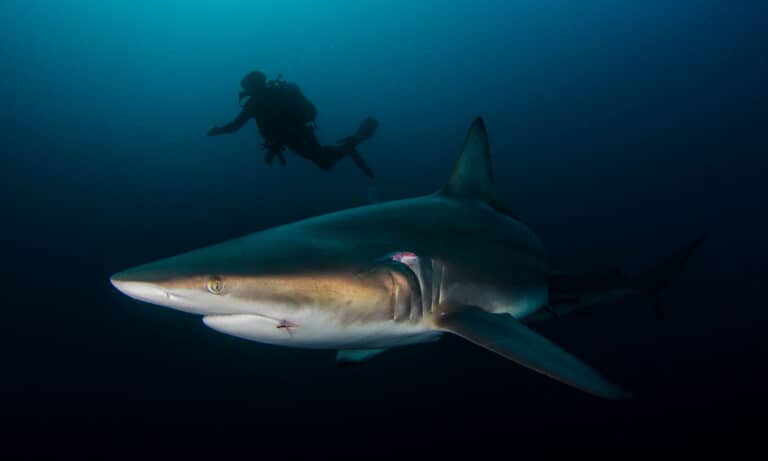
Typically wary/skittish toward divers; tends to avoid close approach in clear water (Castro, 2011).
Can become highly excitable and competitive during feeding events, with rapid circling/charging and increased bite risk when prey is concentrated (typical carcharhinid 'feeding-frenzy' dynamics; see behavioral syntheses in Martin, 2007).
Not generally territorial; social interactions are mostly tolerance-based schooling/aggregation rather than stable dominance hierarchies.

Communication

No vocalizations are documented for Carcharhinus limbatus; sharks lack known sound-producing organs used for social signaling in the manner of many teleosts General elasmobranch biology: Compagno, 2001; Collin, 2012
Chemical/olfactory cues E.g., blood, prey odors) that can trigger aggregation and feeding arousal; likely also used in reproductive contexts via pheromonal cues (general elasmobranch sensory ecology: Hara, 2000
Visual signaling: body posture/orientation changes, pectoral fin positioning, close-pass displays and spacing adjustments used during schooling, courtship, and competitive feeding Martin, 2007
Tactile contact: bumping and close-body contact, especially in courtship/mating Biting/holding is common in carcharhinids
Mechanosensory cues via the lateral line to maintain spacing and alignment within moving schools, especially in turbid surf-zone nurseries Collin, 2012
Electroreception Ampullae of Lorenzini) primarily for prey detection; secondarily can mediate close-range interactions/avoidance in crowded aggregations by detecting bioelectric fields (Collin, 2012

Habitat

Coastal Seabed/Benthic Open Ocean Estuary Mangrove Coral Reef Beach +1
Biomes:
Terrain:
Coastal Island Sandy Muddy Rocky
Elevation: Up to 209 ft 12 in

Ecological Role

Mobile mesopredator/apex-associated coastal predator linking nearshore nursery habitats to shelf and coastal-pelagic food webs via predation on schooling fishes and cephalopods.

Regulates abundance and behavior of schooling forage fishes (top-down control) Contributes to energy transfer between estuaries/nurseries and coastal shelf ecosystems through ontogenetic habitat shifts Selective removal of weak/injured individuals in fish schools, influencing prey population structure Supports ecosystem stability by maintaining predator-prey balance in warm-temperate to tropical coastal systems

Diet Details

Main Prey:
Coastal pelagic bony fishes Jacks and mackerels Small demersal reef-associated fishes Cephalopods Crustaceans

Human Interaction

Domestication Status

Wild

Carcharhinus limbatus (blacktip shark) has never been domesticated or bred for human traits. Some are kept short- to medium-term in public aquaria, usually wild-caught (rarely captive-born). Adults reach about 1.3–2.6 m and live ~10–15+ years; females give live birth (viviparous), often 4–7 pups in nearshore nurseries.

Danger Level

Moderate
  • Occasional unprovoked bites, typically in shallow surf/nearshore waters where blacktips hunt schooling fish; bites often involve mistaken identity or opportunistic feeding in turbid/active bait conditions.
  • Risk increases around active fishing (speared/bleeding fish, bait, hooked sharks) and when handling landed individuals-thrashing can cause lacerations.
  • Group behavior (multiple individuals feeding) can elevate risk during bait runs; this species is frequently present in warm-temperate to tropical beach zones.
  • While generally not regarded as among the very highest-risk sharks (e.g., white/tiger/bull), blacktips are documented in incident databases (e.g., ISAF) and are considered capable of serious injury.

As a Pet

Not Suitable as Pet

Legality: Blacktip sharks (Carcharhinus limbatus) are not good pets. Many places ban or limit private keeping, needing permits or public-aquarium permission. Check local, state, and country laws for Carcharhinus spp.

Care Level: Expert Only

Purchase Cost: Up to $5,000
Lifetime Cost: $500,000 - $3,000,000

Economic Value

Uses:
Commercial fisheries (target/bycatch) Recreational/sport fishing Aquarium display (public institutions) Marine ecotourism (regional, limited)
Products:
  • meat (fresh/frozen)
  • fins (where trade is legal/occurs)
  • skin/leather
  • liver oil (historical/limited)
  • taxidermy/jaws/curios (regulated/variable legality)

Relationships

Ecological Equivalents 4

Animals that fill a similar ecological role in their ecosystem

Spinner Shark
Spinner Shark Carcharhinus brevipinna Blacktip shark (Carcharhinus limbatus) is a similar coastal-pelagic predator on warm continental shelves. It shares a diet of schooling small fish, surface-feeding and spinning behavior, similar size (~2.6–3.0 m), use of shallow nurseries, and seasonal migration.
Atlantic Sharpnose Shark Rhizoprionodon terraenovae Uses nearshore continental-shelf habitats—bays, estuaries, and the surf zone—and feeds mainly on small schooling fish and shrimp. Often occurs together in Gulf of Mexico and U.S. Atlantic fisheries. Smaller than the focal species but a similar mid-level coastal predator.
Sandbar Shark Carcharhinus plumbeus They overlap on shelf waters and use shallow bays as nurseries. Both are large coastal requiem sharks; sandbar sharks tend to stay near the bottom while blacktips swim in open water. Both feed on teleost fish and undertake migrations.
Common Bottlenose Dolphin
Common Bottlenose Dolphin Tursiops truncatus Not a close taxonomic relative but a frequent ecological analogue and competitor. Both are mobile coastal predators that exploit schooling fishes (e.g., mullet, menhaden) and concentrate around passes, surf zones, and nearshore fronts, creating potential interference and competition at shared feeding hotspots.

The blacktip shark (Carcharhinus limbatus) belongs to the requiem shark family Carcharhinidae. You can find blacktip sharks in subtropical and tropical waters throughout the world. Unlike some other requiem sharks, blacktip sharks are rather timid, although they can become aggressive in the presence of food. Female blacktips give birth to live young, which develop in shallow waters. When females cannot find suitable males to mate with, they can also reproduce asexually. 

5 Quick Facts

  • At full size, Carcharhinus limbatus can measure up to 9.2 feet long and weigh around 271 pounds. 
  • Female blacktip sharks endure a long gestation period lasting anywhere from 11 to 12 months. 
  • On average, most blacktip sharks live around 10 years, but they can live up to 15.5 years under some circumstances. 
  • Blacktip sharks rank as one of the most commonly sighted sharks by humans due to their “docile” nature and habit of staying close to coastlines. 
  • Sometimes, blacktip sharks will leap out of the water and spin several times about their axis before landing. 
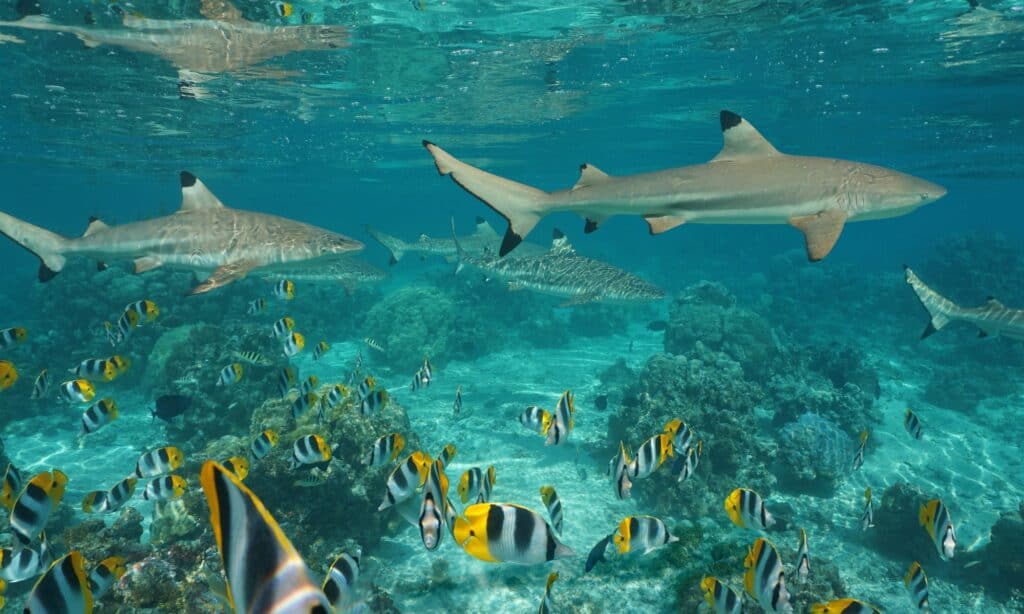
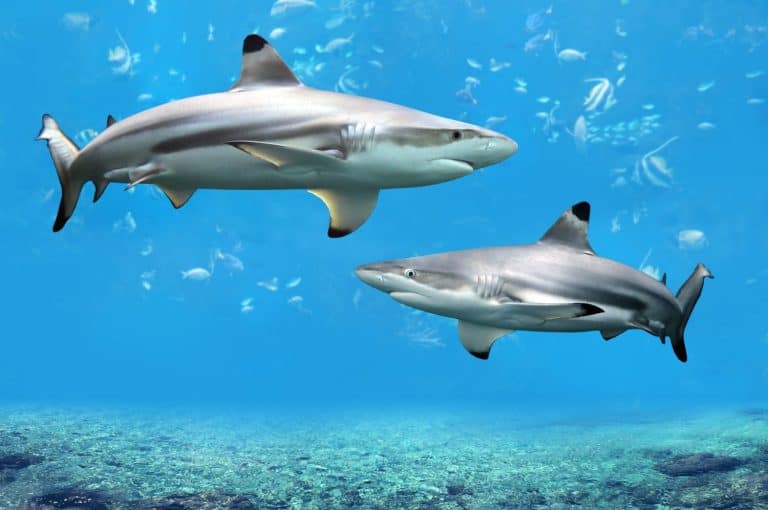
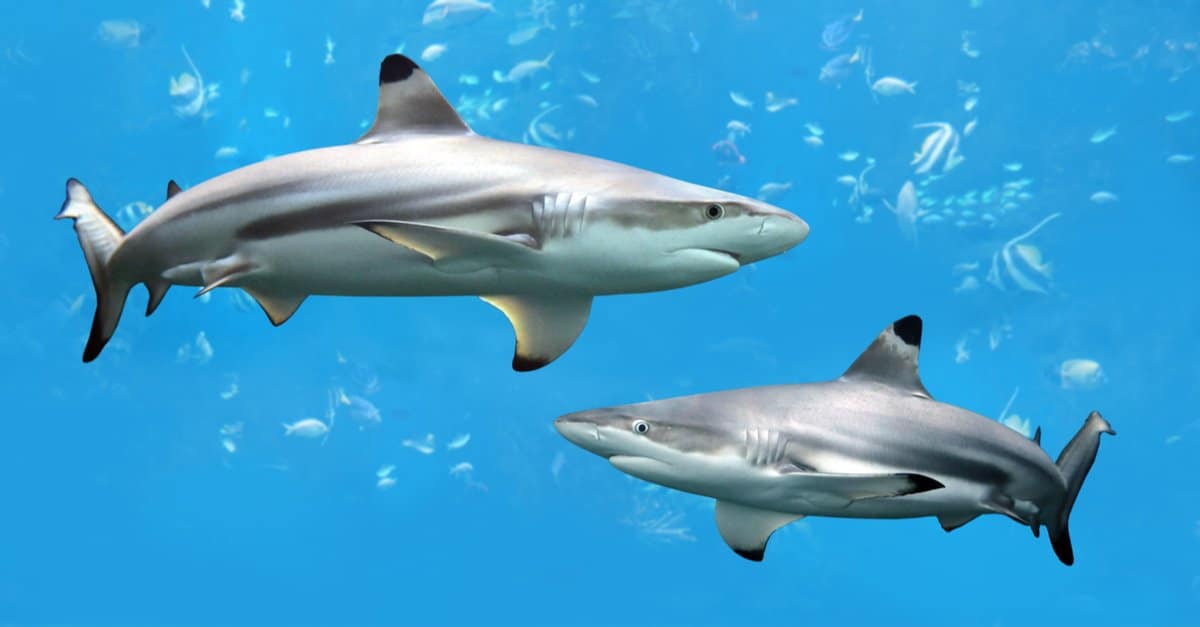
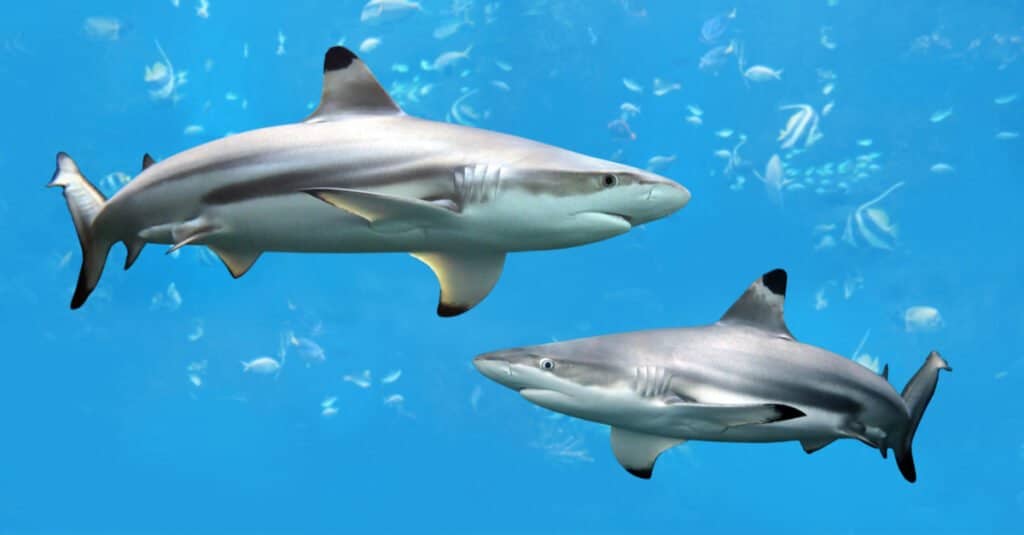
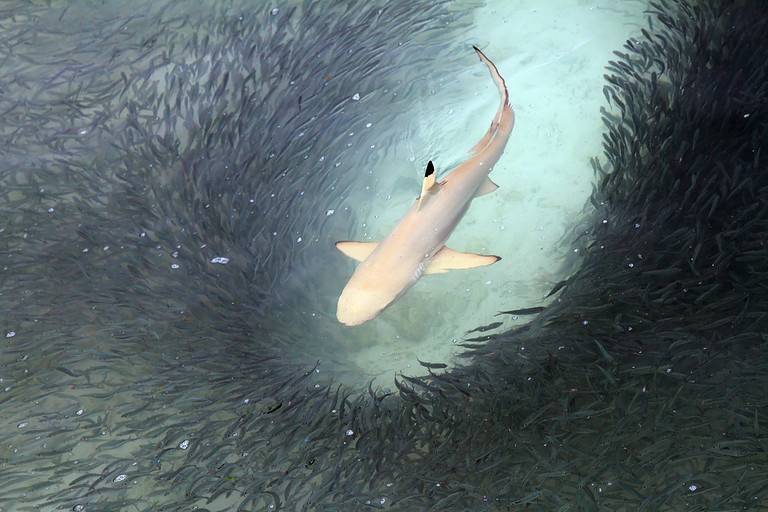
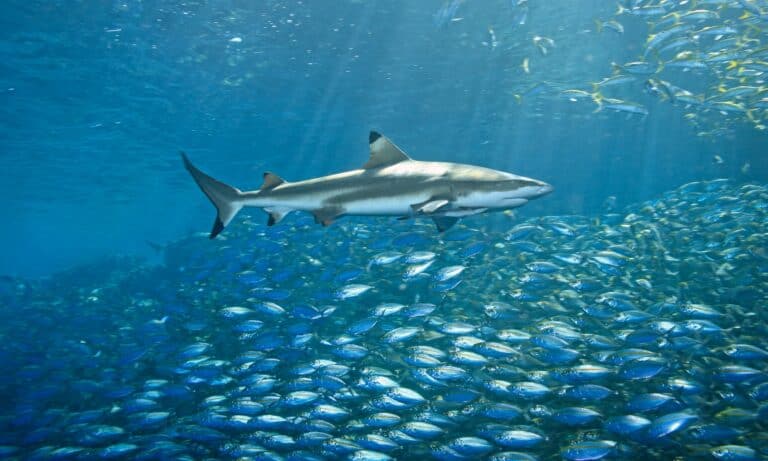
Blacktip reef sharks with a shoal of fish

Blacktip sharks can measure up to 9.2 feet long and weigh around 271 pounds. 

Classification and Scientific Name

Blacktip sharks belong to the requiem shark family Carcharhinidae. The word Carcharhinidae derives from the Greek word karcharos, meaning “jagged” or “sharp,” and rhine, meaning ‘rasp.” Both of these words refer to the jagged skin of requiem sharks. Meanwhile, the history of the common name “requiem” remains up for debate. Some believe it could stem from the French words requin, meaning “shark,” or reschignier, meaning “to grimace while baring teeth.” 

Blacktips belong to the genus Carcharhinus, the largest genus in the Carcharhinidae family. Its specific name, limbatus, stems from the Latin words limbus, meaning “hem,” “edge,” or “fringe,” and the ending –atus, meaning “-ed.” The name references the black tips or edges on its fins. These markings are also where the shark gets its common name.   

Appearance

According to some, blacktip sharks look like the “sharkiest” of sharks. While vague, this description suits the blacktip shark due to its stereotypical “sharklike” appearance. Like other requiem sharks, Carcharhinus limbatus have round eyes and one or two of the gill slits lie over the pectoral fin base. The body is fusiform and robust, allowing the blacktip to swim seamlessly through the water. Each jaw contains 15 tooth rows on either side, with two teeth at the middle of the upper jaw and one at the middle of the lower jaw. The teeth have a broad base and sharp, serrated edges. 

You can identify a blacktip based on the shape and markings on its fins. The first dorsal fin appears sickle-shaped, and no ridge runs between the first and second, smaller dorsal fin. The pectoral fins are thinner and less curved than the dorsal fin and terminate at a narrow point. Most feature black tips on the pectoral fins, the second dorsal fin, and the lower lobe of the caudal fin. Meanwhile, the first dorsal fin and upper lobe of the caudal fin have black edges. However, some individuals lack markings or have no markings on the fins. The upper half of the body appears grayish-brown, while the belly looks white. 

On average, most blacktip sharks measure around 4.9 feet long. That said, they can grow up to 9.2 feet and weigh a maximum of 271 pounds. 
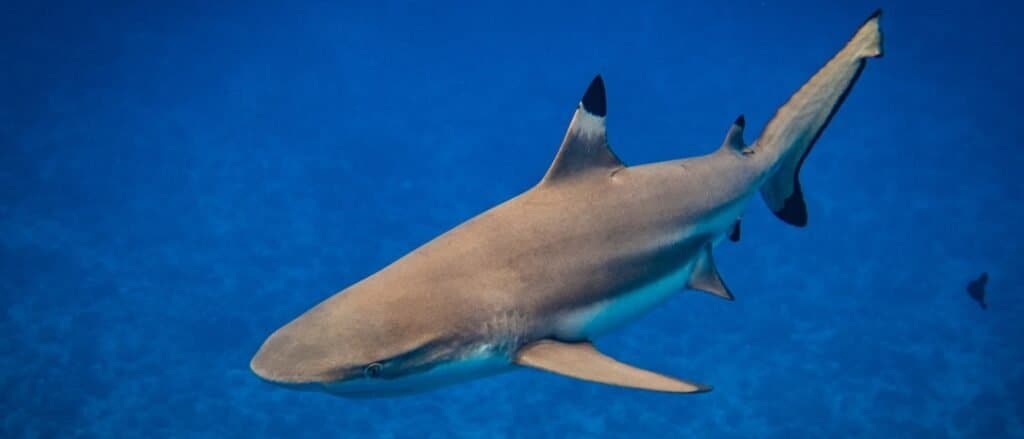
Blacktip shark

You can identify a blacktip shark based on the shape and markings on its fins.

Distribution, Population, and Habitat

You can find blacktip sharks all around the world in subtropical and tropical waters. In the Atlantic, their range extends as far north as Massachusetts and as far south as Brazil. They range along the edges of the Indian Ocean from South Africa to Southeast Asia. In the western Pacific, they range from Japan’s coasts to northern Australia’s waters. In the eastern Pacific, they range from southern California to Peru

Blacktips normally inhabit relatively shallow waters. They typically inhabit waters less than 100 feet below the surface but sometimes travel to depths up to 210 feet. These sharks rarely stray far from shore. Their preferred habitats include coral reefs, bays, and lagoons. On some occasions, they may travel into brackish waters such as estuaries and mangrove swamps. Blacktips migrate long distances to their breeding grounds but do not travel through the open ocean. 

Predators and Prey

Upon reaching maturity, adult blacktip sharks have no known predators. However, juveniles face a risk of predation, particularly from other sharks. 

Blacktip sharks are carnivores that prey on fish, rays, skates, crustaceans, and cephalopods. That said, fish make up around 90% of their diet. Common prey include sardines, anchovies, herring, mackerel, and flatfish. They feed most often at dusk and dawn and often feed in large groups. While normally docile, they grow increasingly aggressive in the presence of food. Blacktip sharks often follow fishing vessels and go into feeding frenzies when the ships toss refuse overboard. 

Blacktip sharks are fast, powerful swimmers. They can launch themselves into the air and spin when feeding on schools of small fish. During these leaps, they can reach speeds of up to 21 feet per second.
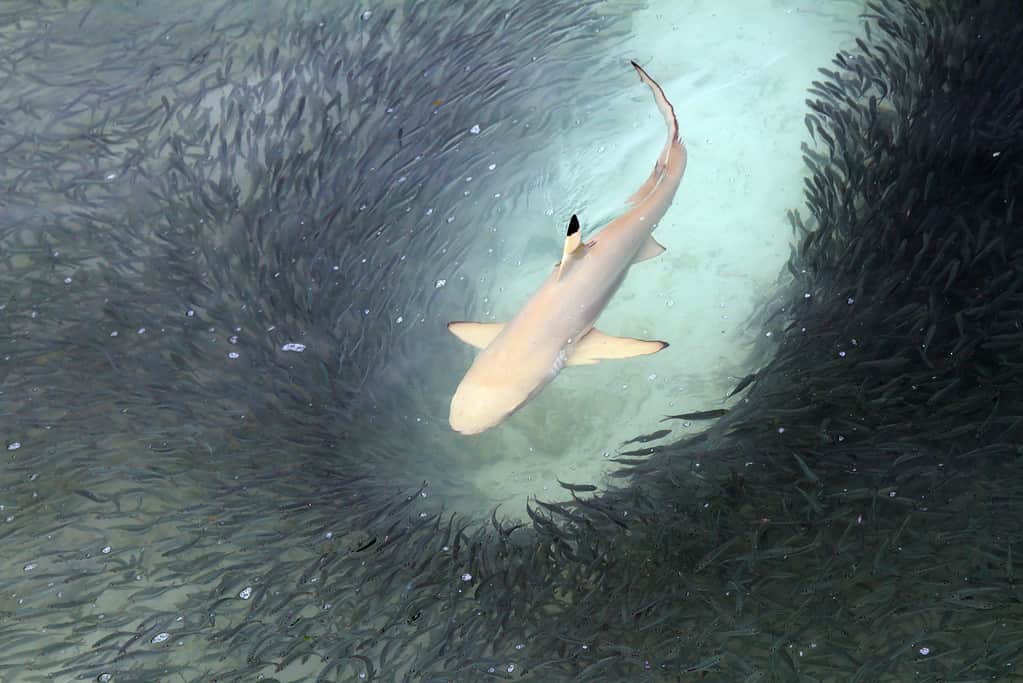
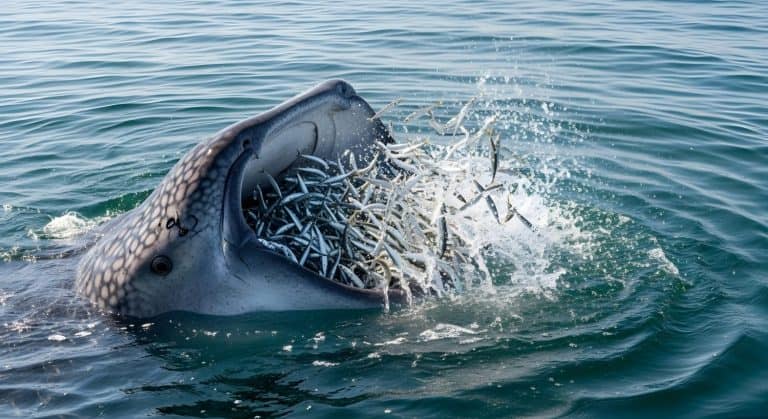
Blacktip shark feeding

Fish make up around 90% of the blacktip shark’s diet.

Reproduction and Lifespan

Mating season typically occurs in spring or early summer. Females possess two working uteri, each of which houses compartments for a separate embryo. Although blacktip sharks normally mate to reproduce, females can also reproduce asexually. The gestation period lasts between 11 and 12 months. Once they are ready to give birth, pregnant females travel to shallow “nurseries” to give birth. Like other requiem sharks, blacktip sharks give birth to live young. Females give birth to 1 and 10 young every other year, with the average litter containing 4 to 7 pups. Upon giving birth, females leave the nurseries and allow the young to develop. 

Male blacktip sharks reach sexual maturity at around 4 or 5 years old, while females reach maturity between 6 and 7 years old. On average, blacktip sharks live around 10 years. However, some specimens can live up to 15 years under the right conditions. 
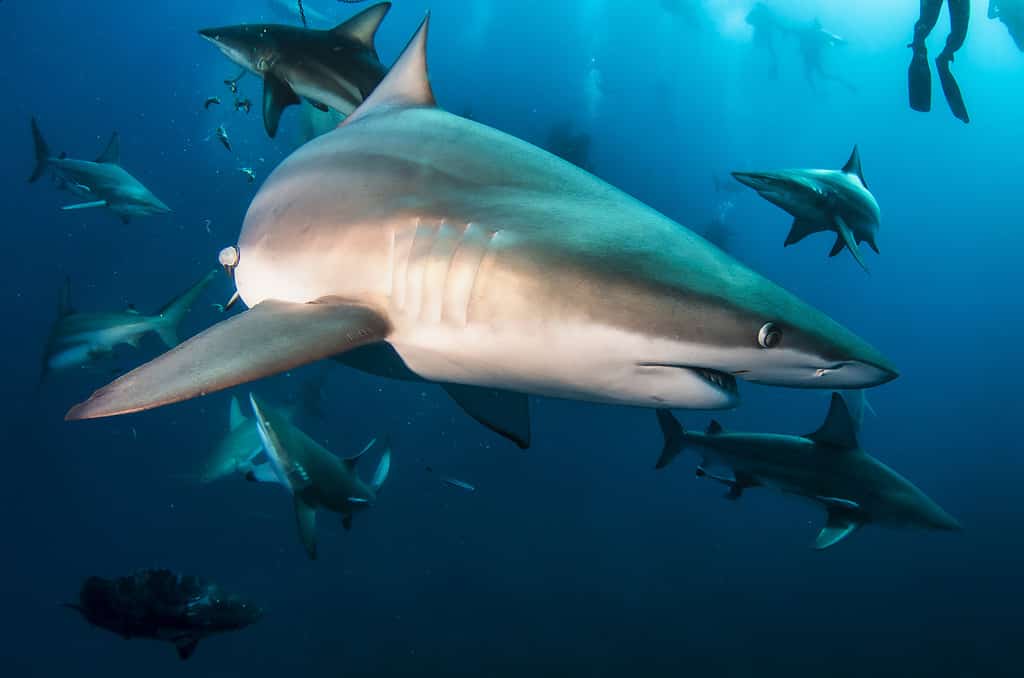
Blacktip ocean sharks

On average, blacktip sharks live around 10 years.

Blacktip Sharks in Food and Cooking

Due to their density in coastal waters, blacktip sharks are caught in large numbers by recreational and commercial fisheries. As a matter of fact, they rank as one of the most important species in the commercial shark fishing industry. Many people consider blacktip shark meat superior to the flesh of other sharks. You can eat its meat fresh, frozen, or dried, and some cultures use its fins to make shark fin soup. Although its meat contains high levels of mercury, you can eat it in small quantities. That said, many conservationists question the wisdom of eating sharks. Sharks serve an important role in maintaining a healthy ecosystem. The more we feed on sharks like blacktips, the more environmental harm we may cause. 

Population

Blacktip reef sharks rank among the most common sharks in coastal waters. Their presence near coasts means people and anglers often encounter them while fishing or recreationally swimming. Moreover, their proximity to people means they are responsible for a large number of shark attacks. 

In recent years, blacktip shark numbers have been on the decline worldwide. There are several reasons behind this decline. The main reason for the decline stems from the overharvesting by commercial fisheries and recreational anglers. In fact, recreational angling takes more blacktip sharks each year than commercial fisheries in the United States. Due to their low reproductive rate, blacktip sharks cannot breed their way out of this problem. 

Another threat comes from habitat loss and climate change. The death of coral reefs and coastal ecosystems has reduced the supply of fish and other ocean life around reefs. This decline in food makes it harder for blacktip sharks to find enough food to eat. 

Due to these declines, the IUCN currently lists the blacktip shark as a Vulnerable species

View all 453 animals that start with B

Sources

  1. American Oceans / Accessed March 30, 2023
  2. NOAA Fisheries / Accessed March 30, 2023
  3. Dutch Shark Society / Accessed March 30, 2023
Thank you for reading! Have some feedback for us?


Blacktip Shark  FAQs (Frequently Asked Questions)

Blacktip sharks are carnivores that feed mostly on fish as well as crustaceans, cephalopods, rays, and skates. While normally docile, they can engage in “feeding frenzies,” in areas with high prey density.