
Quick Take
- Timmy was brought to the Aquarium of Niagara to see if he and visitor favorite, Jules, will bond.
- With breeding season fast approaching, those working at the aquarium are hoping the two will mate.
- Jules and her brother were the last captive-born Humboldt penguins born at the Aquarium of Niagara in 2020.
- Thanks to the Species Survival Plan, vulnerable and endangered Humboldt penguins stand a chance at survival.
More species are being designated as vulnerable or endangered worldwide due to habitat loss, climate change, and human interference. To combat this, some species are brought into captivity for captive breeding programs that not only help increase their populations but also ensure genetic diversity, a component necessary for the survival of the species.
One such species is the Humboldt penguin. With the largest of their colonies decreasing by more than 50% over the last few decades, intervention is needed to keep these penguins from going extinct. Fortunately, there is a budding romance at the Aquarium of Niagara between the newest addition, “Timmy,” and a fan favorite, just in time for breeding season.
Who Timmy the Penguin Is
Timmy the Humboldt penguin was born in captivity. Unlike his potential love interest, Jules, who has lived in only one place, Timmy has called a few zoos home. However, if he and Jules bond, Aquarium of Niagara may become his forever home.
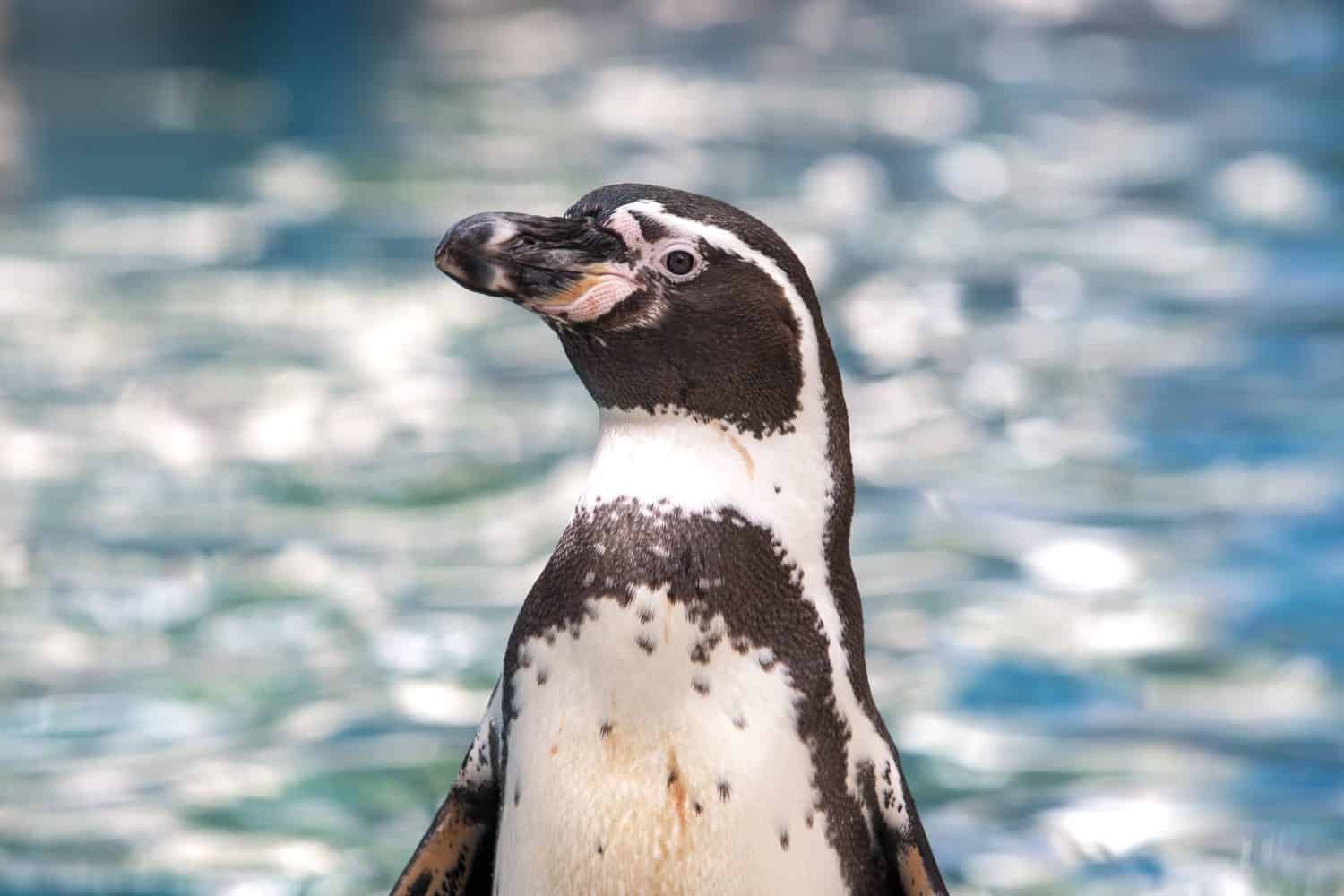
Timmy the Humboldt penguin, similar to this one, was transferred to the Aquarium of Niagara in October.
©Smile Fight/Shutterstock.com
Timmy’s mother laid a fertilized egg at the Columbus Zoo and Aquarium. Instead of Timmy’s mother raising him, while still in the egg, Timmy was moved to Brookfield Zoo Chicago. There, he was hatched and raised by two foster penguins, becoming part of the Humboldt penguin colony.
It has not been disclosed whether Timmy had always been a candidate for transfer to find a mate to bond with, or whether he and Jules looked good on paper together, spurring the transfer. Regardless of the reason, early reports from the Aquarium of Niagara are that the two are favoring one another. Hopefully, love will be in the air soon.
Why is Jules a Favorite of the Aquarium of Niagara?
Compared to other aquariums, the Aquarium of Niagara is not a large facility. Where larger aquariums or zoos may have baby penguins being born with frequency, that is not the case for the Aquarium of Niagara. The last penguin chicks to be born at the aquarium were Jules and her brother, Smitty, in 2020. Therefore, it should come as no surprise that the two became instant favorites.
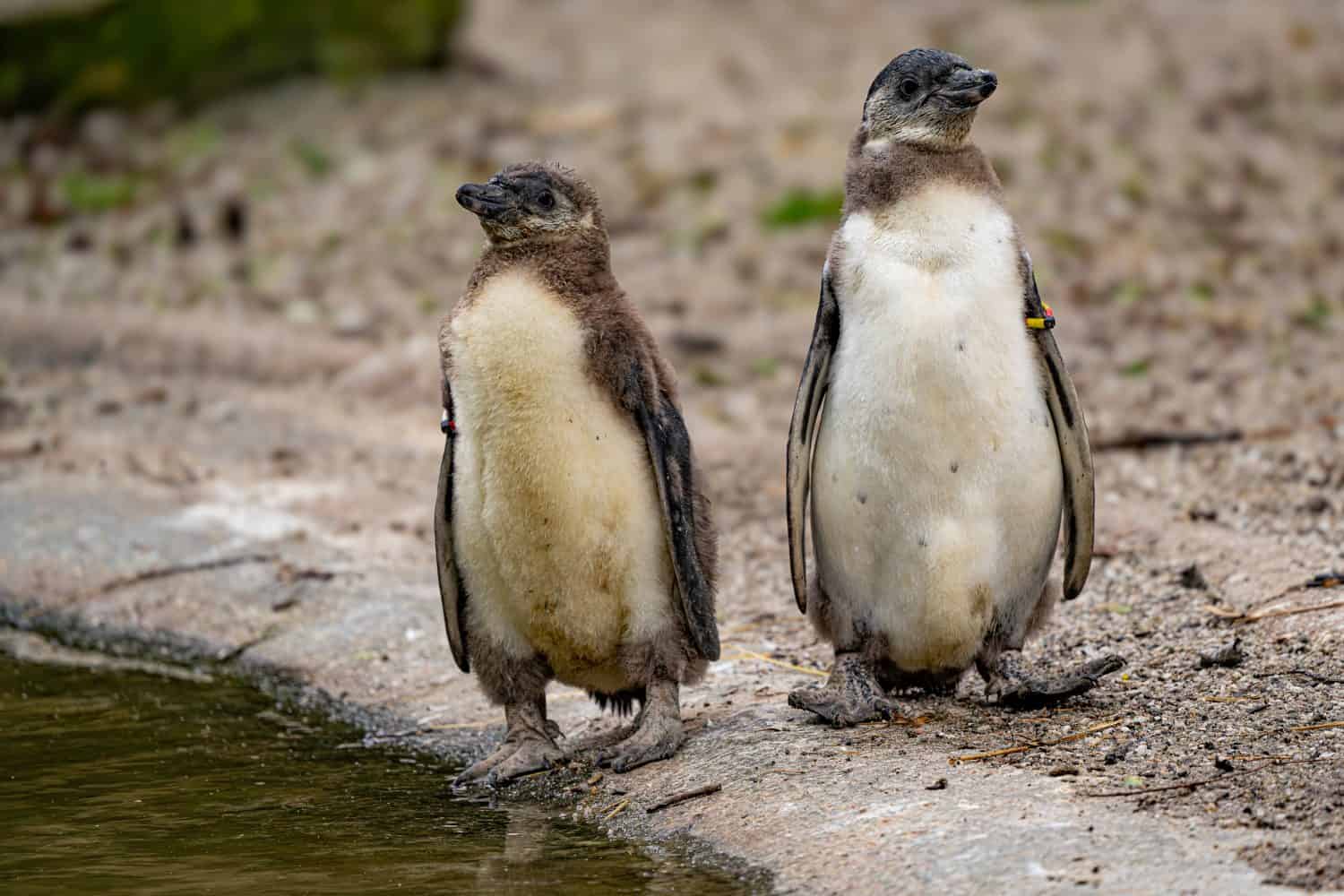
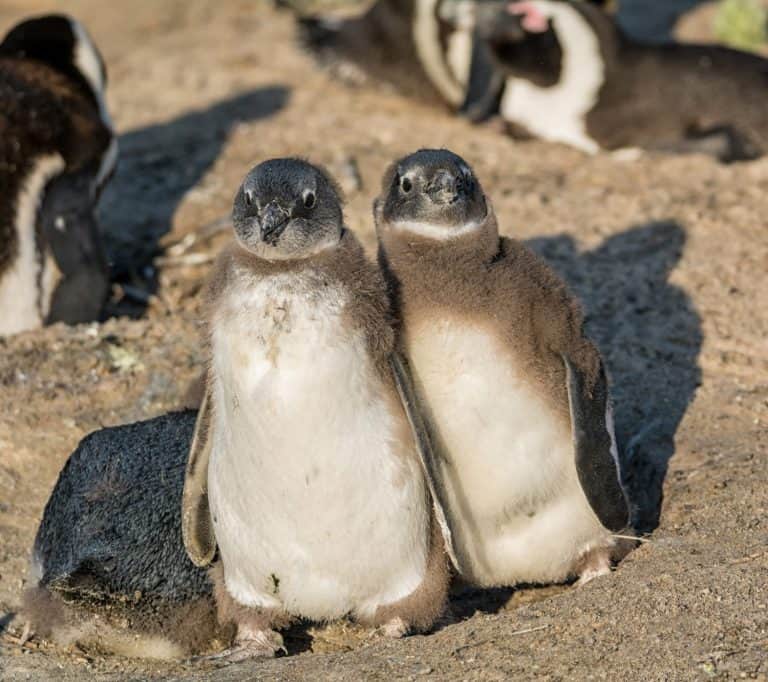
Jules and Smitty, similar to these Humbolt penguin chicks, were born at the Aquarium of Niagara in 2020.
©Hanneke Wetzer/Shutterstock.com
With the birth of Jules and Smitty, the Aquarium of Niagara decided an overhaul of the penguin exhibit was necessary. This was done to enable the aquarium to participate in breeding programs to increase Humboldt penguin numbers while educating the public about the penguins’ plight.
In 2025, Jules became a candidate to be matched with another Humboldt penguin. Smitty did as well. In October, Smitty was moved to the Pittsburgh Zoo and Aquarium to be matched with a mate. The same month, Jules was matched with Timmy. While there is no guarantee the two will bond, the hope is that they will. If this happens, Jules will be the first Humboldt penguin born at the Aquarium of Niagara to successfully rear hatchlings at the facility.
Why Timmy Was Paired with Jules
There are zoos and aquariums nationwide that are part of the Association of Zoos and Aquariums Species Survival Plan. The goal of the Species Survival Plan is to identify species struggling to survive in the wild and to help that community flourish in captivity. One of the most important ways to ensure this is to maximize genetic diversity in captive populations, keeping the species fit, healthy, and less prone to disease. The less genetic diversity there is, the greater the chances of a species going extinct.
Jules and Timmy are Humboldt penguins. These penguins are considered vulnerable by the IUCN. Every year, the population of the Humboldt penguins continues to decline. Chile is home to 80% of the penguins still living in the wild. Since the 1990s, the population has dropped from 45,000 penguins to no more than 20,000. Because of this significant drop, in November 2025, the Chilean government classified the Humboldt penguins in the country as endangered.
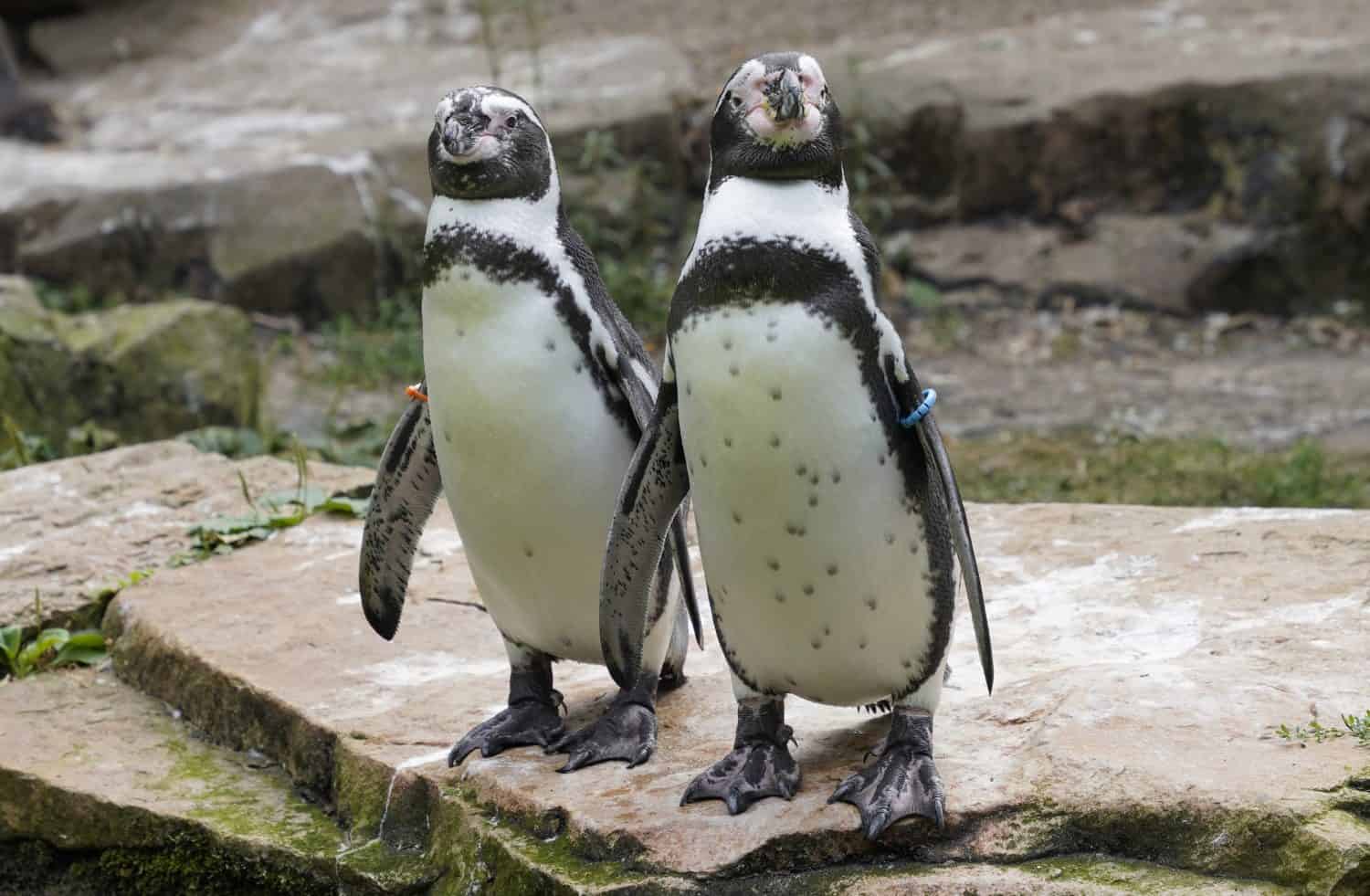
Jules and Timmy, similar to this bonded pair of Humboldt penguins, were brought together in hopes that they would bond and reproduce.
©Alexander Ruszczynski/Shutterstock.com
The Humboldt penguins are facing pressures from habitat loss, getting caught in fishing nets, pollution, and climate change. As things stand, the population will only continue to decline. This is why the Species Survival Plan was created.
Because Jules was born at the Aquarium of Niagara, it was important to locate a mate that was genetically different from her. With the penguin enclosure at the Aquarium of Niagara having undergone massive upgrades since Jules’ birth, they were eligible to join the Association of Zoos and Aquariums Species Survival Plan. This put them in a network with other zoos and aquariums that had Humboldt penguins, allowing staff to determine if there was a match within the network for Jules.
Timmy, born at the Columbus Zoo, was eventually identified as a penguin match for Jules. In October, he was moved from his home at Brookfield Zoo Chicago to meet Jules in New York. Since that time, the two have done incredibly well together, leaving staff and fans of the penguins alike anxious to see if there will be a lifelong romance produced.
Have Timmy and Jules Officially Bonded?
There is no denying that Jules and Timmy are comfortable around one another. Have the two become a bonded pair, though? The answer is, not quite yet, according to Hallie Torre, curator of marine mammals and birds at the Aquarium of Niagara.
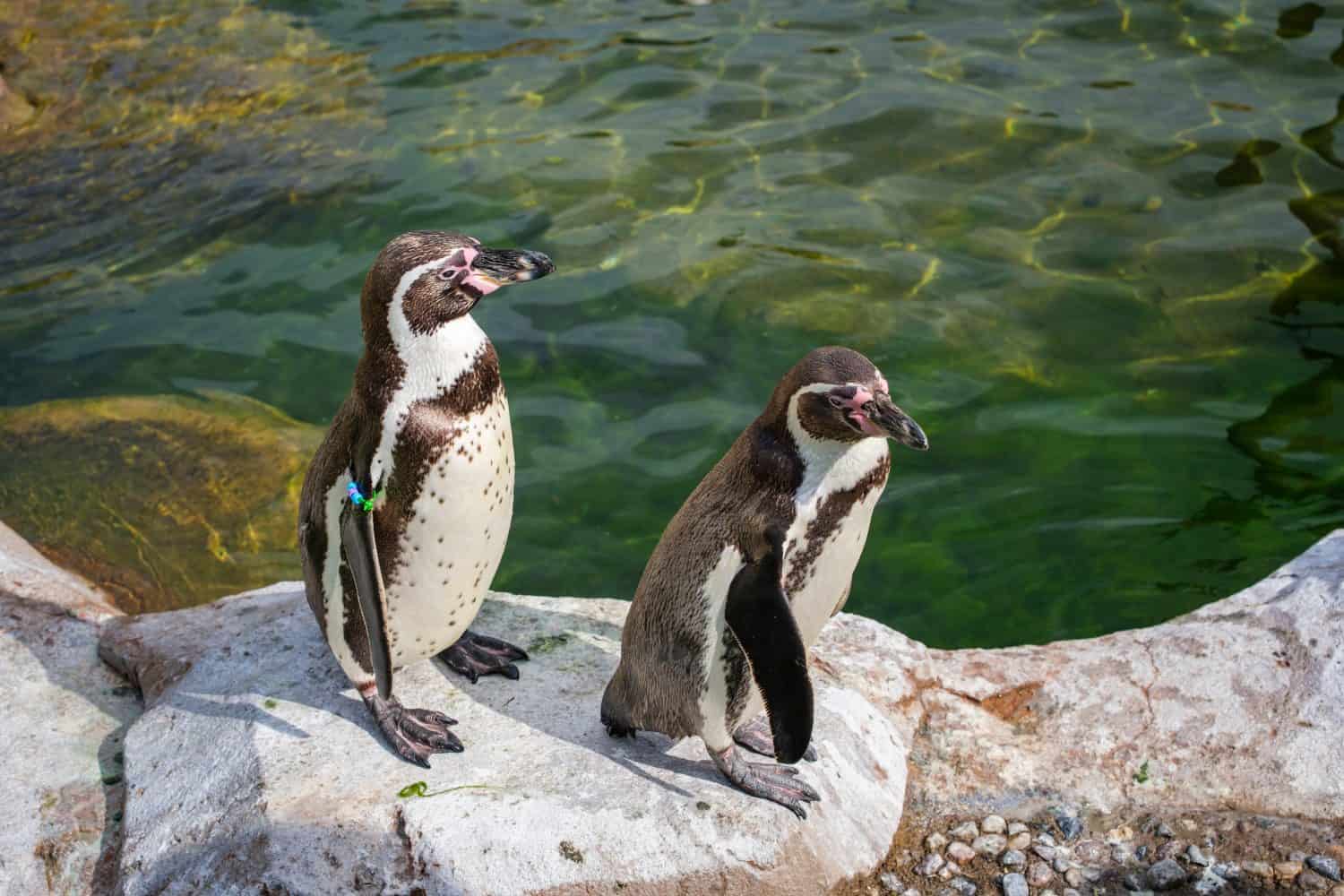
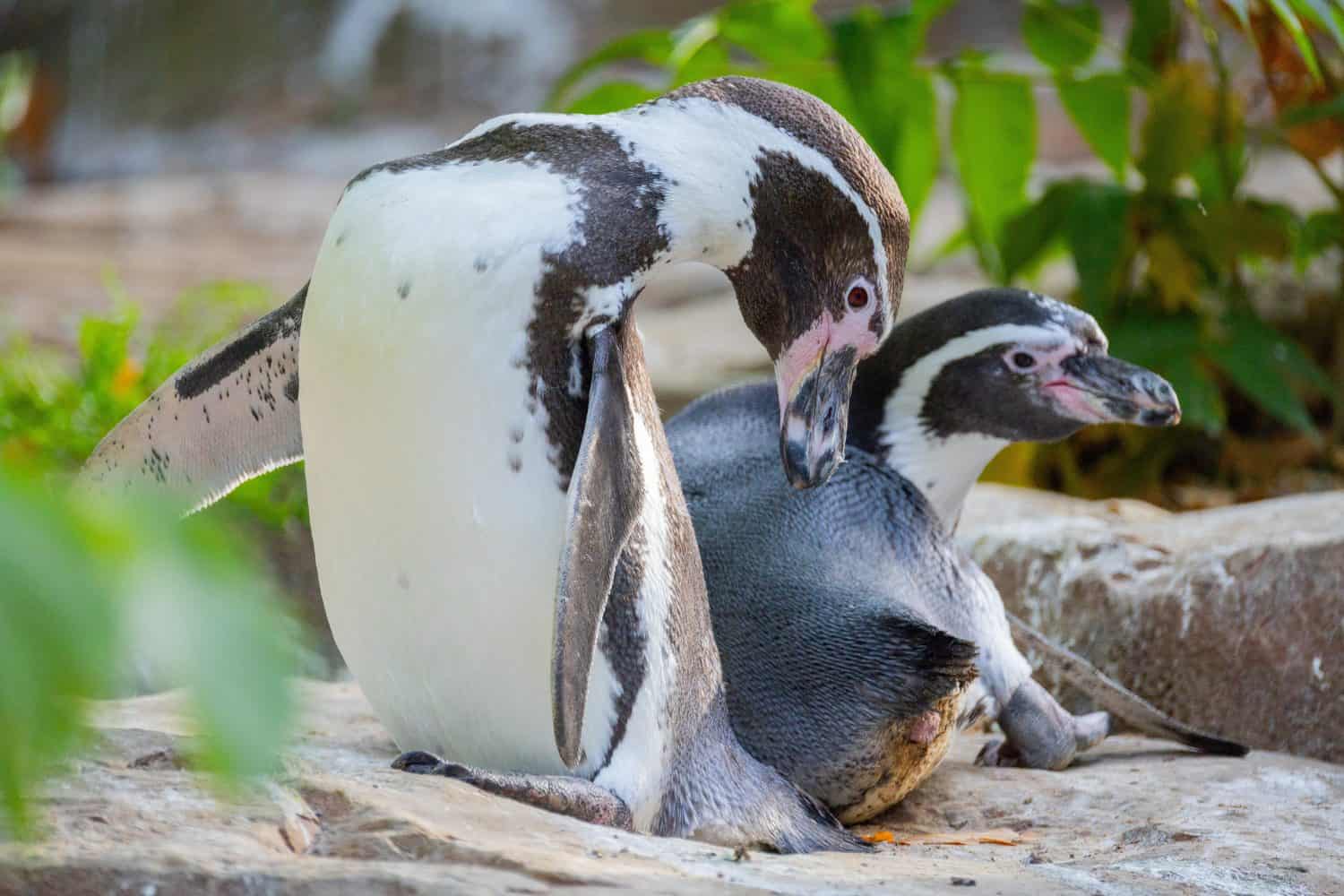
Timmy and Jules, similar to these Humboldt penguins, are getting along well but have yet to bond.
©alsas/Shutterstock.com
“Introducing two penguins is a careful, gradual process, and Timmy and Jules have shown encouraging signs from the start,” Torre explains to Niagara Frontier Publications. “Seeing them engage in behaviors like contact calling and mutual preening tells us they’re comfortable with one another – and while we never rush these relationships, we’re optimistic as they continue to settle in with the colony.”
Over the past two months, as the two had been consistently around one another, signs emerged that they were forging a bond. From preening to play, the two appear happy together. To achieve a potential bond, Jules and Timmy were placed in a controlled environment away from the rest of the colony members. Now, the two are back with the colony, leaving those who care for the penguins anxious to see if the bonding behaviors that were present when Timmy and Jules were enjoying one-on-one time will continue to strengthen in the upcoming weeks and months.
What the Chances Are That Timmy and Jules Will Care for an Egg
Jules and Timmy are penguins that were successfully born in captivity. This leads to the belief that once penguins are bonded, it is easy for them to have and care for a fertilized egg. However, despite captivity being a controlled environment with stable temperatures and lack of predators, it is difficult for penguins to successfully reproduce in this environment.
Captive penguins have been known to lay eggs during nesting season. However, those eggs are often not fertilized. When Jules was born, it was the first time a captive penguin was born at the zoo in 14 years. This does not mean it is not possible for penguin parents to successfully incubate chicks. Timmy’s former zoos are perfect examples of bringing new life into the world.
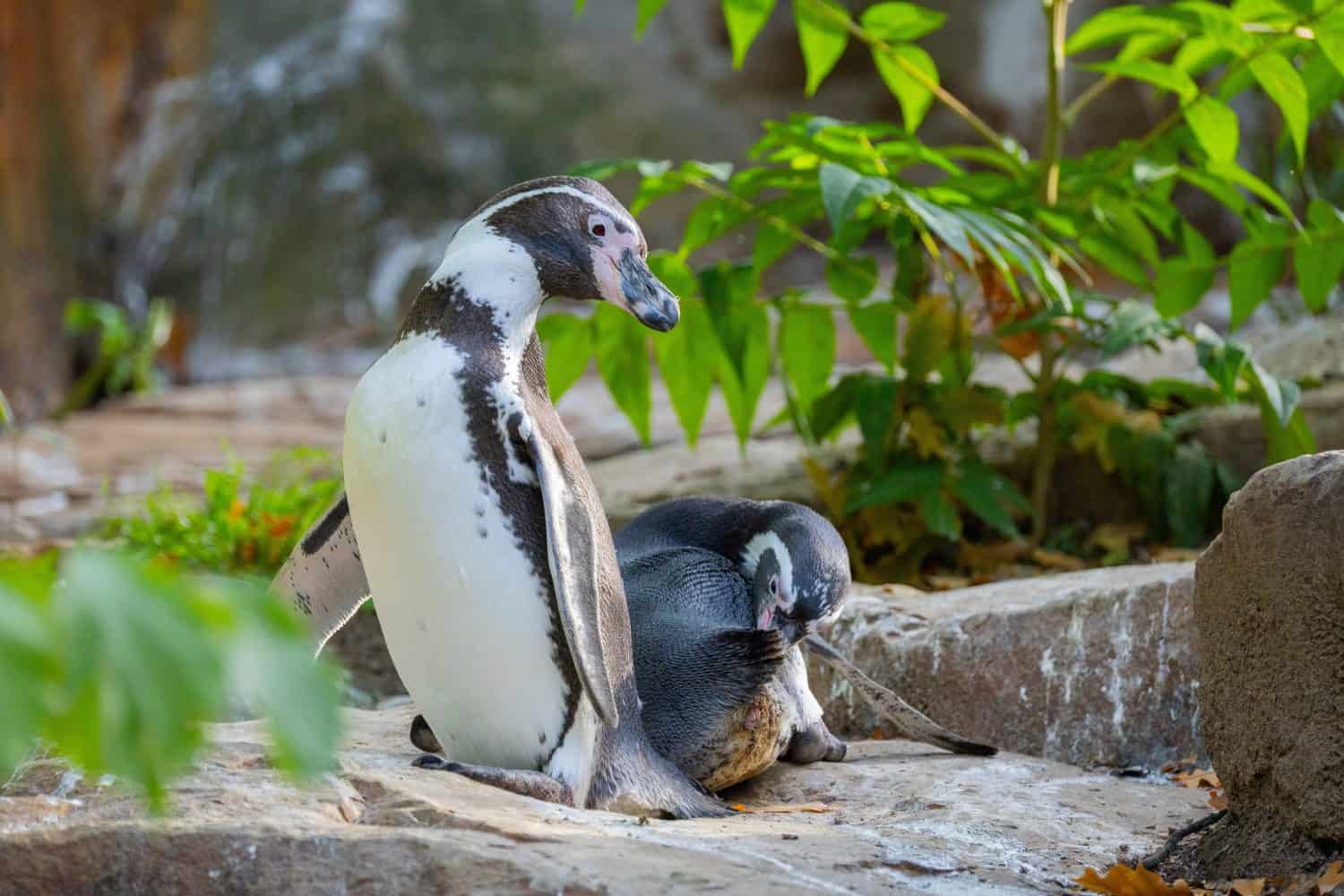
Penguins in captivity have a higher chance of laying unfertilized eggs than those in the wild.
©Elen Marlen/Shutterstock.com
Before being transferred to the Aquarium of Niagara, Timmy was at the Columbus Zoo and the Brookfield Zoo Chicago. At the Columbus Zoo, three Humboldt penguins were born in February and March 2025. Two Humboldt penguins were born at the end of January 2025 at the Brookfield Zoo Chicago. This shows it is possible for the species to reproduce. It just becomes a bit more difficult in captivity.
While it has yet to be determined if Timmy and Jules are a bonded pair, the hope is that they will be soon. If this happens, there is a chance of more Humboldt penguins being born, helping the species claw its way back from the brink of vulnerable or even endangered status, even as populations continue to decline in the wild.
How You Can Watch Timmy’s and Jules’ Relationship Bloom
When it was announced that Timmy had been transferred to the Aquarium of Niagara as a potential mate for Jules, fans of the aquarium and the penguins were thrilled. With Jules being the last Humboldt penguin born at the aquarium, many are invested in seeing where this relationship will go and if there are chances of offspring in the future.
Unfortunately, there are no livecam experiences available to see the penguins in real time. However, the Aquarium of Niagara has multiple social media platforms that it updates regularly. An entire list of these platforms, along with links, can be found on the aquarium’s YouTube channel.
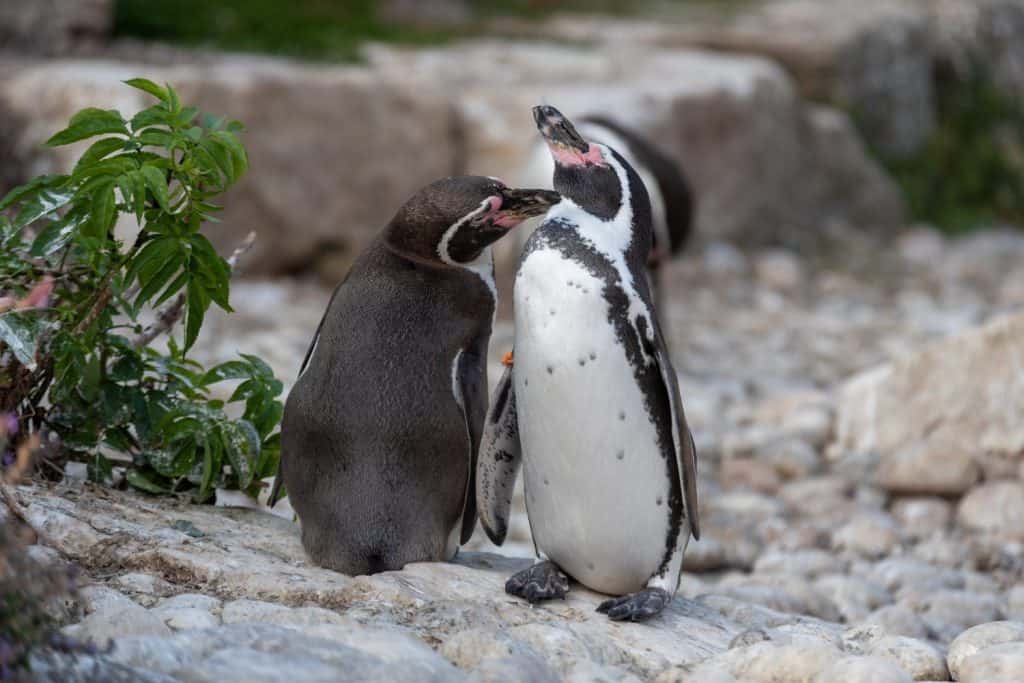
To see whether Jules and Timmy bond like these Humboldt penguins, the Aquarium of Niagara has social media accounts that update frequently, providing progress reports on their relationship.
©Dave Colman/Shutterstock.com
For those who want to get up close and personal with the penguins, the Aquarium of Niagara offers a penguin encounter. This encounter includes one or more Humboldt penguins in a room with guests and a trainer. While the penguins are not to be touched, it is an opportunity to be up close and personal with an endangered species and learn more facts about how to help support the efforts to save them.
It should be noted that neither Jules nor Timmy is likely to be a part of this experience. The two potential lovebirds are still working on building a bond. Therefore, they need all the quality time they can get together to become a bonded pair that has the potential to raise the next generation of Humboldt penguins and keep the species from going extinct.