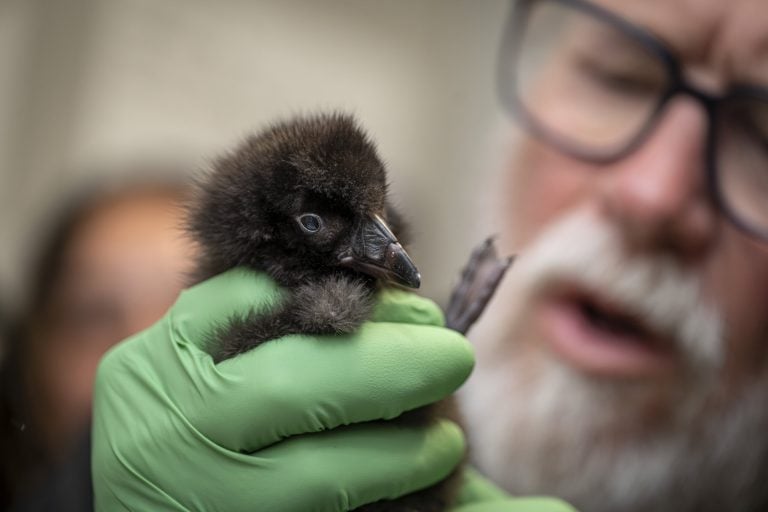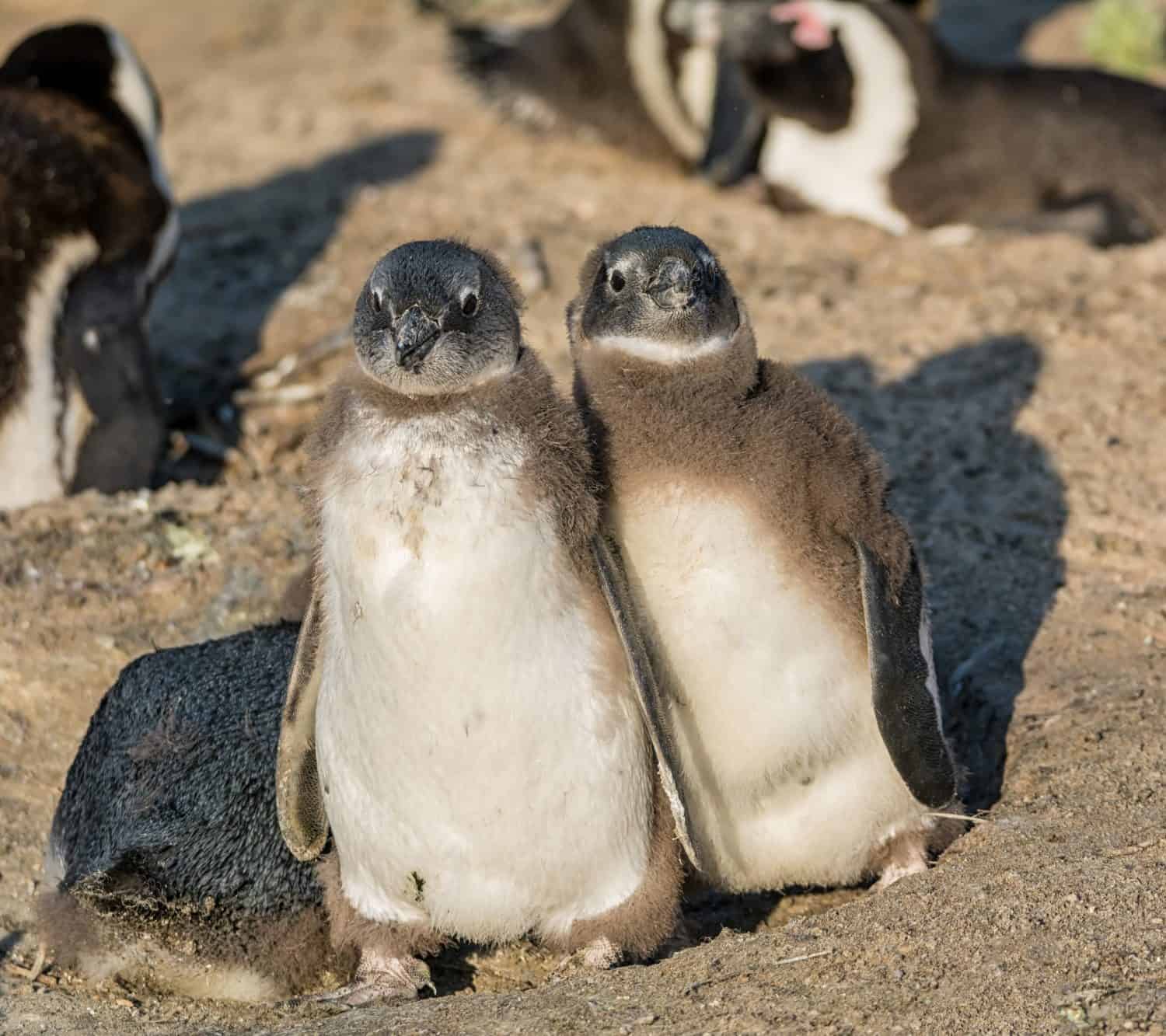

The Maryland Zoo just announced its most recent arrival: eight African penguin chicks hatched and are ready to greet the world (soon). Born just a week ago, these chicks join the largest population of African penguins in North America. Incredibly cute but critically endangered, this new clutch provides a welcome boost to the dwindling numbers of this species.
Most penguin species live much farther south. Aside from this population in Maryland and several other smaller groups in captivity worldwide, African penguins are primarily found in the waters surrounding southern Africa. They are also the only penguin species native to the Old World. In recent years, however, African penguins have become critically endangered due to habitat loss, overfishing, and climate change. Luckily, these eight new chicks in Maryland help give the world’s African penguin population a fighting chance.
Fruits and Veggies
The newly hatched penguins will be named after different fruits and vegetables.
©Dick Daniels (http://theworldbirds.org/), CC BY-SA 3.0, via Wikimedia Commons – Original / License
In an annual Maryland Zoo tradition, its penguin zookeepers chose a theme for the newly hatched chicks’ names. This year, it is fruits and vegetables. So far, they have announced two names: Kiwi and Cayenne. Zookeepers plan to announce the other six names in the coming weeks.
To best mimic the natural conditions of African penguins, the zoo stages breeding season from mid-September to the end of February. This coincides with their natural mating season in South Africa and Namibia. Despite a steadily declining global population, eight new chicks make a difference, as the species’ numbers are threatened. “The number of African penguins in the wild is dropping,” Maryland Zoo Bird Curator Jen Kottyan, who is also the Program Leader for the African Penguin Species Survival Plan, said in the zoo’s press statement.
African Penguin Facts
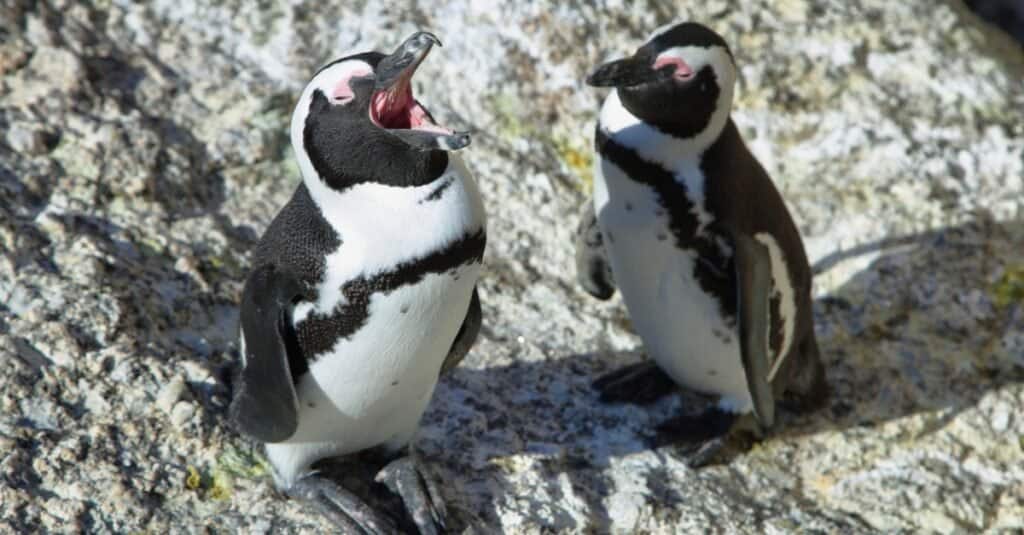
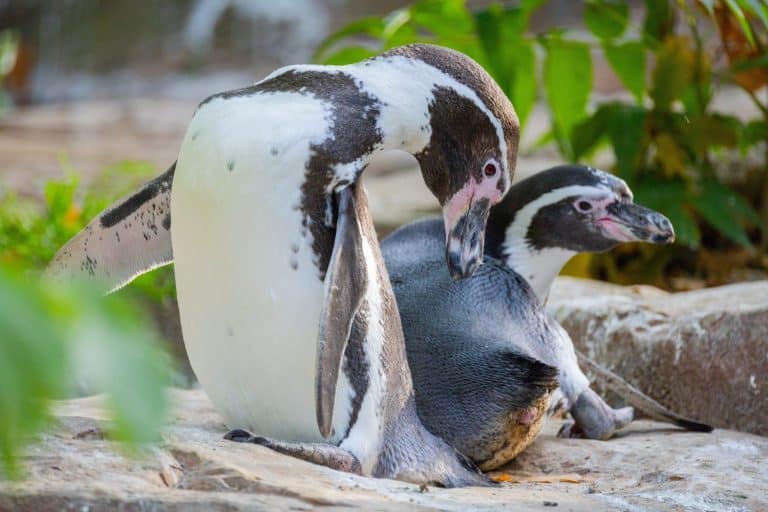
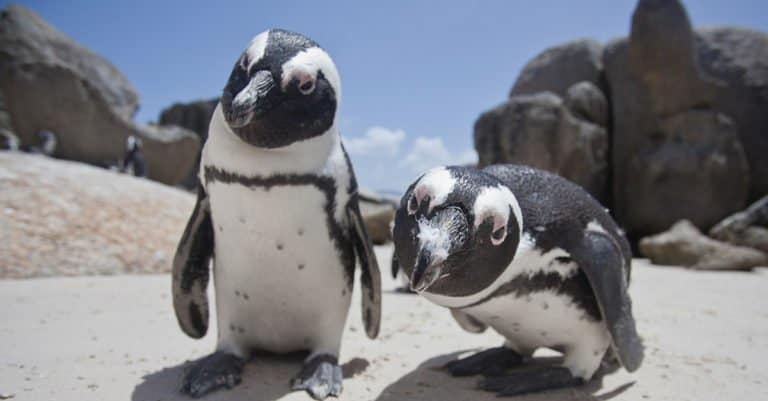
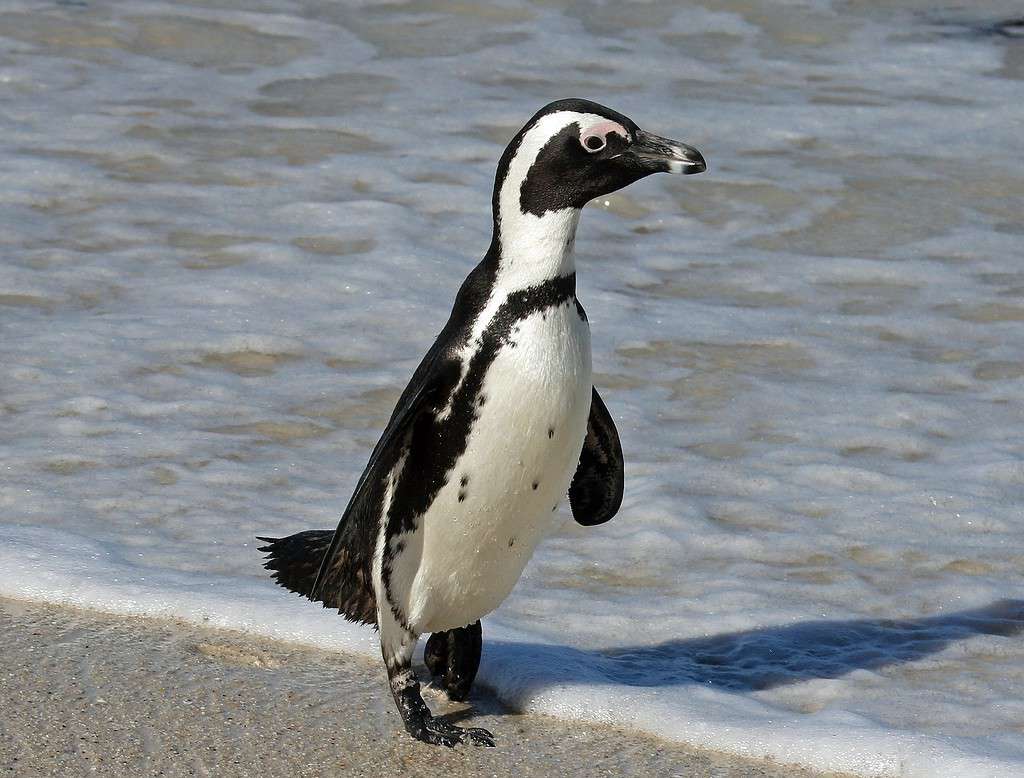
These penguins feature distinct patches of pink skin above their eyes.
©iStock.com/estivillml
One of the rarer types of penguins on Earth, African penguins live solely in the South African waters around Namibia and South Africa. African penguins are large, flightless birds, standing about two feet tall and weighing relatively little. They feature tuxedo-like markings and black facial masks, similar to other penguin species. African penguins, however, also have unique pink patches of skin above their eyes. Their tuxedo-style markings include distinctly separated black upperparts and white underparts. These adaptations allow them to dive underwater and propel themselves quickly with their wings.
They are also called black-footed penguins or jackass penguins because they emit loud, donkey-like sounds to communicate. These penguins dive into the open ocean and feed on sardines, cape horse mackerels, red-eye round herrings, anchovies, shrimps, squids, and crustaceans. They swim as far as 12 miles from shore and consume, on average, over a pound of prey each day. When raising chicks, as the penguin parents at the Maryland Zoo are doing now, their daily food intake can reach up to two pounds.
African penguins spend the majority of their lives at sea but occasionally come ashore to mate. While they typically live between 10 and 25 years in the wild, they can live up to 34 years in captivity. This is likely because they are protected from natural predators, such as sharks and fur seals. As for their chicks, predators include genets, mongooses, and domestic cats and dogs. However, the dwindling population of African penguins is due to various factors.
Critically Endangered
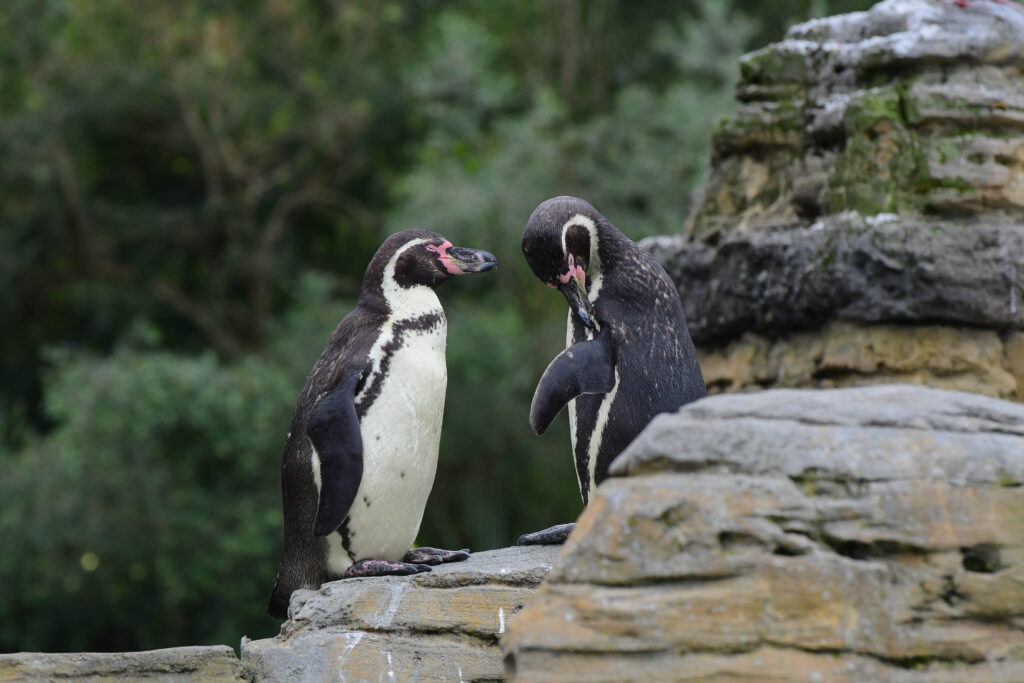
The African penguin population has declined by as much as 95-97% since the early 1900s.
©Chang Han Chris Kim/Shutterstock.com
Despite being once abundant in their natural habitats, African penguin numbers have dwindled in recent decades. This decline is due to a combination of factors. For example, people considered their eggs a delicacy, resulting in thousands being collected in the 1950s. Habitat loss and climate change have also contributed. To make matters worse, oil spills in the ocean off southern Africa have further reduced their numbers. This has caused the African penguin population to decline by as much as 95-97% since the early 1900s. Estimates put the current wild population at just 52,000 birds. This means that every new African penguin chick helps support the population.
Enter the Maryland Zoo, easily the biggest haven for African penguins in the western world. This might even be an understatement, given how much the Maryland Zoo’s African penguin population has grown. Over 1,000 chicks have hatched there in the past 50 years. These successive generations have helped establish new African penguin colonies in 35 other states and in Canada.
As Maryland Zoo Bird Curator, Jen Kottyan, said in the zoo’s press statement, “If we can fix the issues these birds face in the wild, such as overfishing and habitat loss, one day penguins from our highly managed SSP could be sent to their native South Africa and Namibia to repopulate the wild colonies, which means every chick hatched here is important to this species’ global survival.”