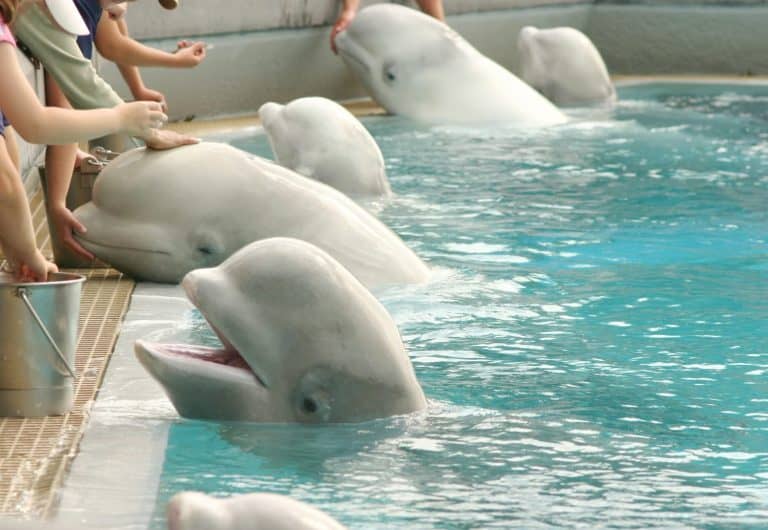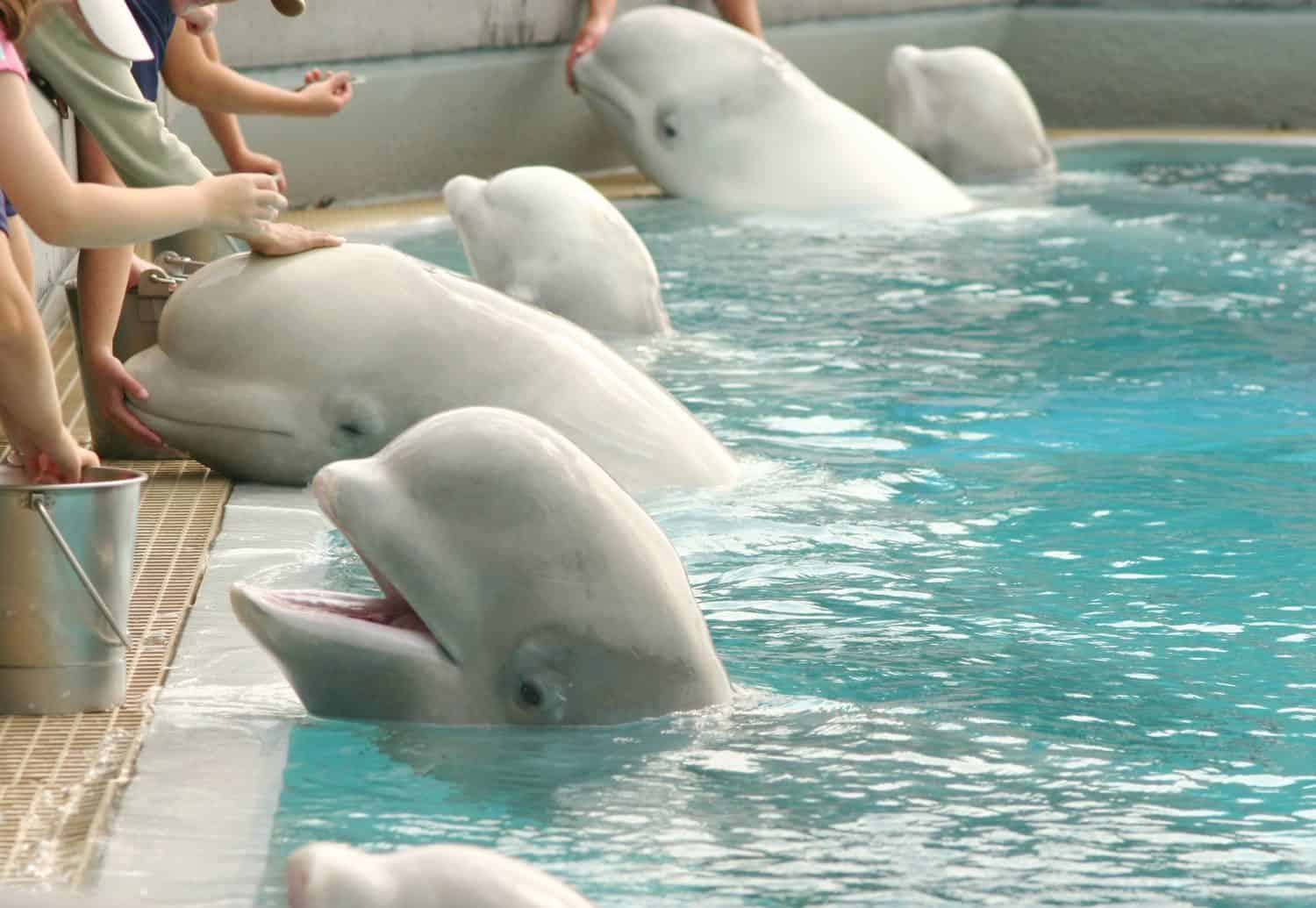

The lives of 30 beluga whales — the last captive cetaceans in Canada — are in jeopardy this week. Housed at Marineland, a closed-down theme park in Niagara Falls, Ontario, their future has become the center of a tense dispute between the park’s owners and the federal and provincial governments. As each party trades blame over who should step in, Marineland has issued a serious ultimatum, warning it may be forced to euthanize the whales if Ottawa does not provide emergency funding.
Marineland’s Beluga Whale Crisis
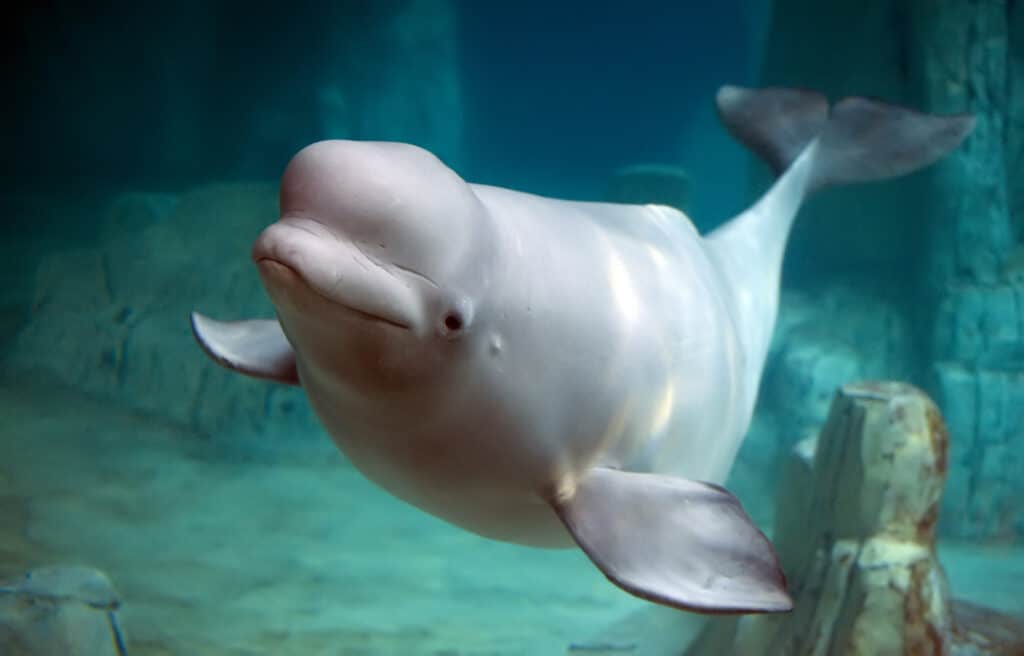
Beluga whales are incredibly intelligent, with even more folds in the neocortex of their brains than humans do.
©Luna Vandoorne/Shutterstock.com
What began in 1961 as a small marine exhibit with a single tank eventually grew into a full-scale amusement park, featuring rides, animal shows, and crowds of tourists eager to see whales up close. However, in recent years, public sentiment has shifted, and the park has faced increasing controversy over allegations of neglect and poor animal welfare.
Since 2019, one orca and 20 beluga whales have died under the park’s care. Inspections have flagged poor water quality and deteriorating conditions, and animal welfare groups have accused the park of neglect. After years of controversy and declining attendance, Marineland closed to the public in 2024. The park cites massive debts and claims it now spends approximately $2 million a month on whale care.
Legal Barriers to Rescue Efforts
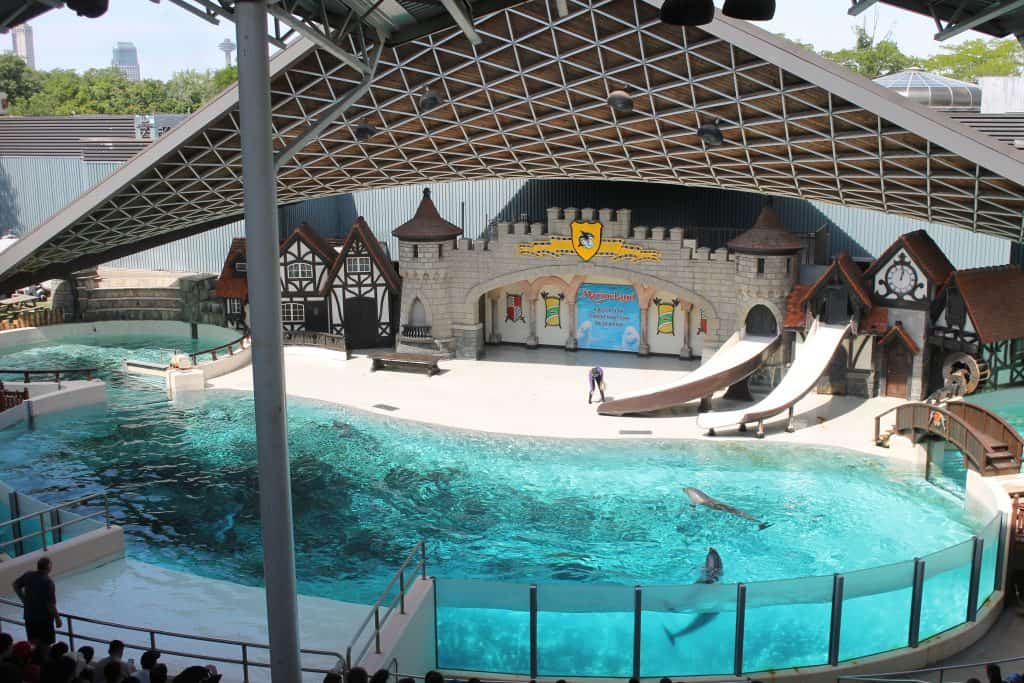
Marineland was once home to seals, sea lions, penguins, dolphins, orcas, and beluga whales.
©A Streetcar Named Keanu / CC0 / Wikimedia Commons – Original / License
In 2019, Canada passed the Ending the Captivity of Whales and Dolphins Act — known widely as the “Free Willy Act.” The law banned the capture, breeding, and trade of whales and dolphins for entertainment, reflecting a cultural shift toward animal welfare and away from performance-based captivity.
The new law left Marineland with a major dilemma: what would happen to the animals already living in the park?
Marineland sought federal permission to export its remaining belugas to the Chimelong Ocean Kingdom Aquarium in China, one of the world’s largest marine parks. However, Fisheries Minister Joanne Thompson denied the permits, citing the Free Willy Act and warning that the whales would only face continued confinement and forced performance overseas.
Caught in a Political Standoff
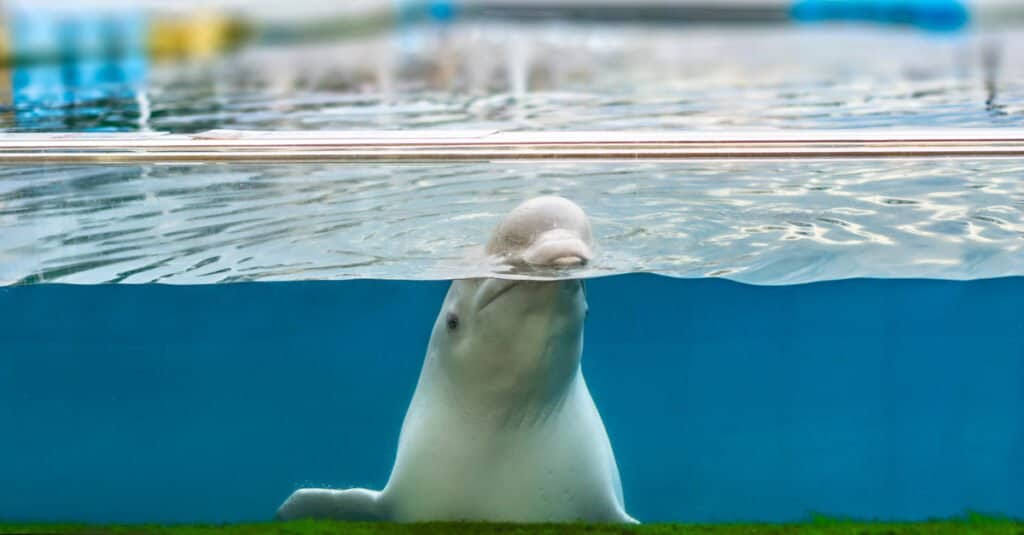
Beluga whales are well-adapted for the cold waters of the Arctic.
©kuremo/Shutterstock.com
Marineland then asked Ottawa for emergency funding to cover the cost of caring for its whales. The federal government refused, arguing the park remains responsible for the animals it profited from for nearly six decades. Thompson further noted that animal welfare falls under provincial jurisdiction and has urged Ontario to take action.
Ontario Premier Doug Ford criticized the federal government for refusing both the export permits and emergency funding. Although her office remains open to discussion, Thompson has countered that Ontario should act under its Provincial Animal Welfare Services Act (PAWS) to ensure the whales receive at least minimum standards of care.
Finding New Homes for 30 Beluga Whales
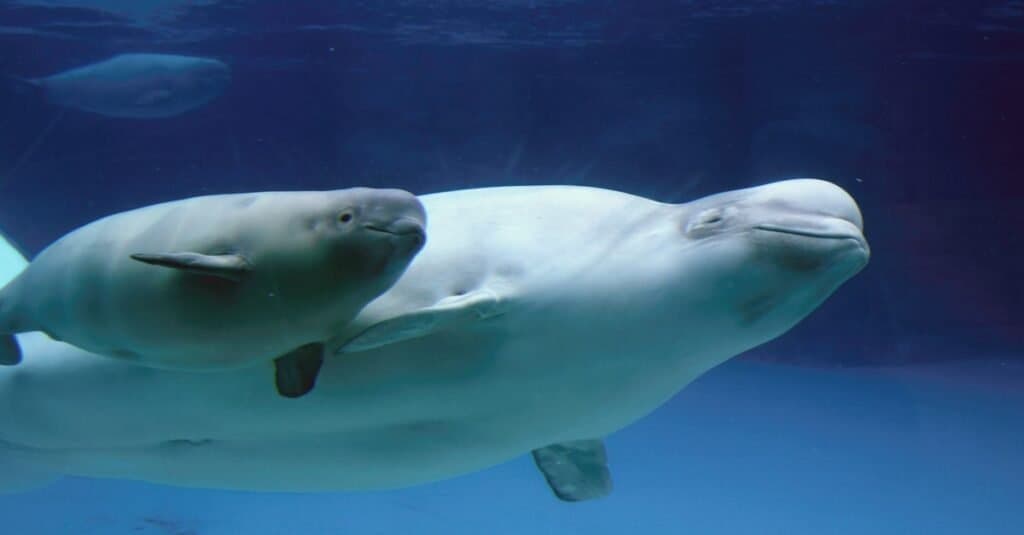
Beluga whales are extremely social and live together in family groups.
©CampCrazy Photography/Shutterstock.com
Finding a humane solution to this ongoing blame-shifting challenge is no simple task. Since the whales were born and raised in captivity, they lack the instincts and skills to survive on their own and cannot be released into the wild. The best alternative would be to place the whales in a marine sanctuary, where they could receive expert care and possibly even rehabilitation.
However, suitable sanctuaries are scarce, and few have the capacity or resources to take in 30 beluga whales. A new whale sanctuary in Nova Scotia has been proposed, but it is still under development and not yet ready to receive animals. In addition, past relocation efforts have proven risky: three of the five belugas sent to Connecticut’s Mystic Aquarium in 2021 later died.
Voices for the Whales
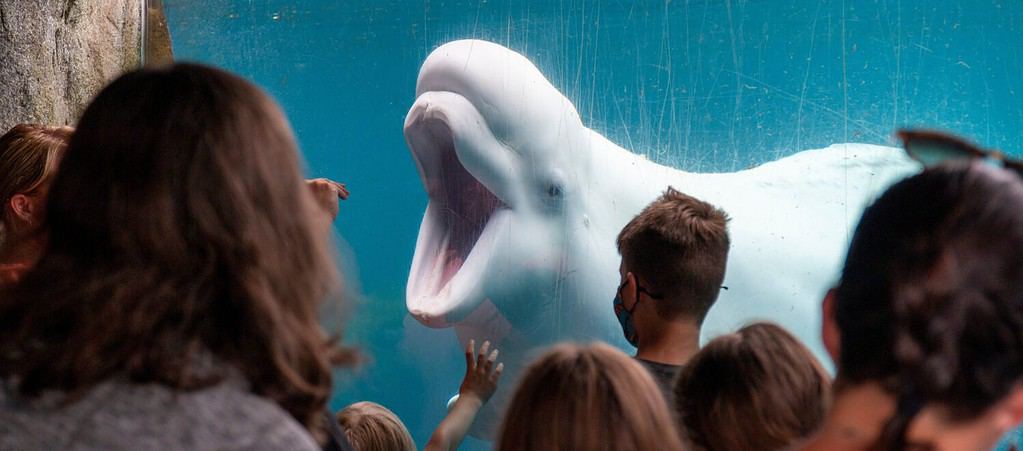
Beluga whales can make different facial expressions and move their heads side to side, up, and down.
©WoodysPhotos/Shutterstock.com
Animal welfare groups have praised Ottawa’s decision to block the China export, noting that Chimelong runs active breeding and performance programs. Organizations such as World Animal Protection and Animal Justice are urging Ontario to intervene under the PAWS Act to prevent euthanasia, calling for independent health assessments and transfers to reputable sanctuaries once possible.
However, others argue that Marineland must bear the costs of care and relocation, noting that the park still owns valuable land and assets and cannot now claim lack of funds in an attempt to shift responsibility onto taxpayers after decades of profit from animal performances. Many share Thompson’s view that Marineland has been too narrow in its approach, offering only one plan instead of pursuing better alternatives.
The longer the dispute continues, the more it tests Canada’s conscience and animal welfare laws. Meanwhile, the 30 belugas left in Marineland’s silent tanks are running out of time.