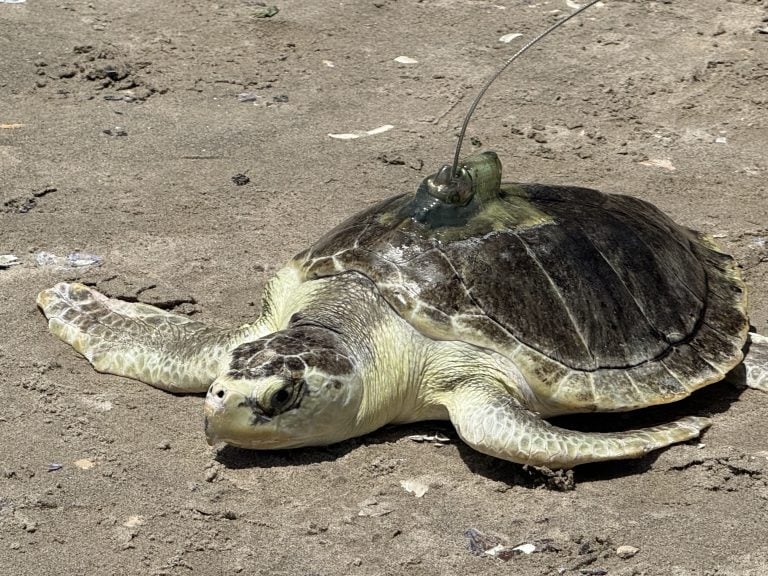

Some might believe we’re speeding toward a sixth mass extinction, but conservationists say otherwise. Approximately 48,646 species are currently threatened with extinction, according to the IUCN. However, conservation has saved many species from the brink of extinction.
When wildlife groups, activists, and, at times, the government band together, animals can be saved. The proof lies in many species that have already been given a second chance at life. When enough effort is dedicated to conserving habitats, rehabilitating species, and limiting human activity, remarkable recoveries can occur. These animals are evidence of how conservation saves lives and, in turn, the future of our ecosystem.
California Condor
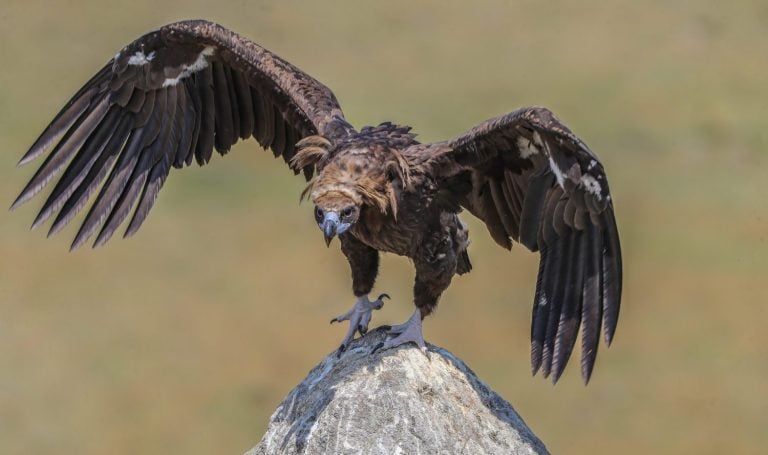
Vultures are a crucial part of the ecosystem, playing a significant role in breaking down animal remains. Although they have a reputation for being a bad omen, they provide an essential service by cleaning up carrion. The meticulous cleanup by California condors keeps carrion from spreading disease and bacteria. Without them, these unseen threats would spread unchecked. This was almost the case in 1982, when only 22 wild condors remained in North America.
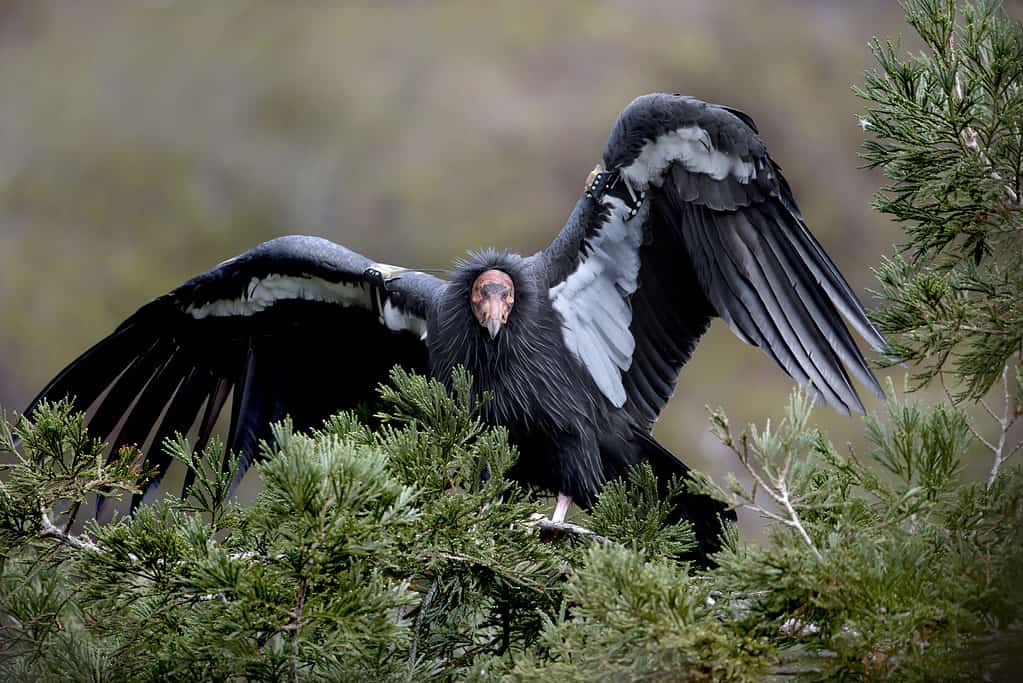
The California condor is a crucial part of California’s ecosystem, functioning as its clean-up crew.
©pjsells/iStock via Getty Images
Four years earlier, the U.S Fish and Wildlife Service led the California Condor Recovery Program. At the time, the program’s methods were highly controversial. Rather than protecting California condors in their native habitats, the program moved all remaining vultures into captivity. This seemingly wild plan met resistance as activists fought to keep the birds wild. Initially, breed-and-release efforts were rocky, with several birds dying while fending for themselves.
Rare cases of parthenogenesis have been observed in California condors, but the species’ recovery has primarily been driven by intensive captive breeding and reintroduction efforts. By 2008, conservation efforts finally began to pay off. The first California Condor chick hatched in the wild, its parents surviving after being re-released from captivity. Currently, the Ventana Wildlife Society documents 364 wild California condors.
Giant Panda
Deforestation has been the most significant threat to the giant panda. In China, the bear’s habitats are fragmented, preventing them from traveling. This means fewer chances at finding a mate, food, and shelter. Their steep decline and near-extinction show just how damaging human activity can be to native wildlife. As bamboo forests dwindled, so too did their population, with starvation, exposure, and habitat loss their leading causes of death. By 1990, there were only 1,114 pandas left in China’s forests.
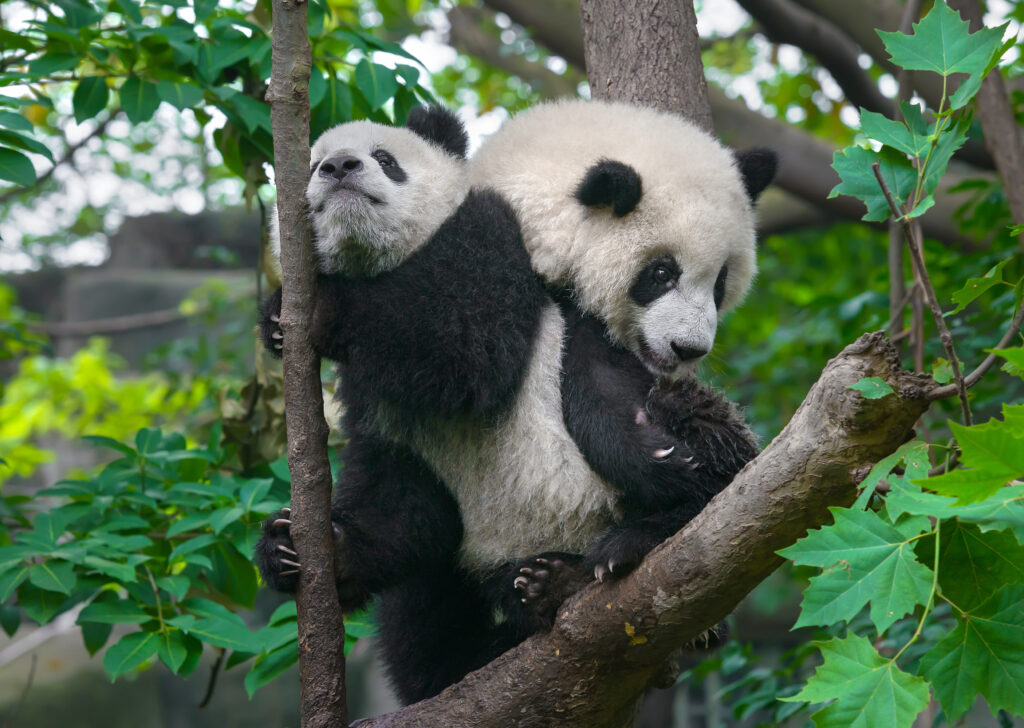
Giant pandas remain Vulnerable, but conservation efforts have saved them from the brink of extinction.
©iStock.com/Hung Chung Chih
The Chinese government, with support from The Nature Conservancy, established over 2,500 nature reserves. These were created to protect giant pandas, and their efforts slowly began to pay off. The giant panda was taken off the Endangered list in 2016; however, it remains Vulnerable. At that time, the IUCN estimated approximately 2,060 giant pandas still living in the wild. This increase proves that when multiple organizations pitch in, positive changes can happen.
Green Sea Turtle
The green sea turtle sparked a global outcry when it was listed as endangered in 1978. Florida and Mexico’s populations were significantly impacted, while other populations were considered threatened. By 1982, the species was declared endangered worldwide. Habitat loss, breeding ground loss, climate change, and accidental fishing have all contributed to the decline of the species. The situation was dire and a daunting task for conservation groups, but thankfully, it didn’t stop them from acting.
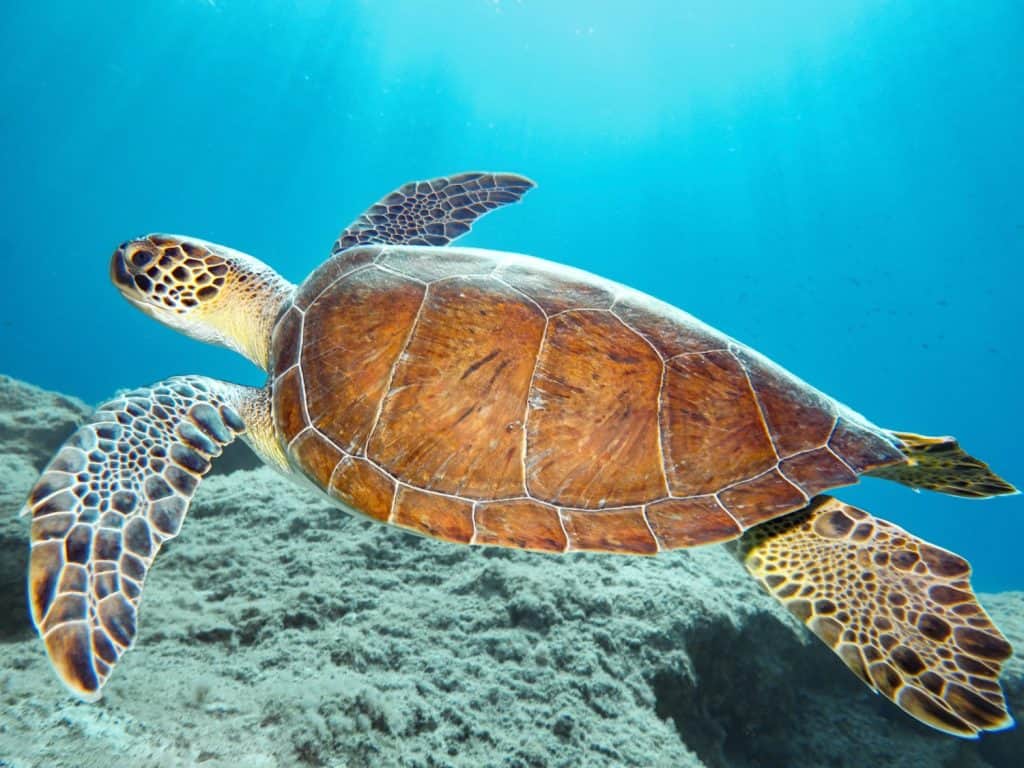
The green sea turtle is the most recent success story, proving that conservation efforts work, even after decades.
©Sakis Lazarides/Shutterstock.com
As of October 2025, the green sea turtle has been downlisted to Least Concern. It took decades of conservation efforts, with a significant emphasis on protecting its native breeding grounds. By doing this, more hatchlings can reach the open ocean, where they can live in the wild for up to 80 years. The green sea turtle’s miraculous comeback is a major conservation success story in 2025, but it is not the only example.
Humpback Whale
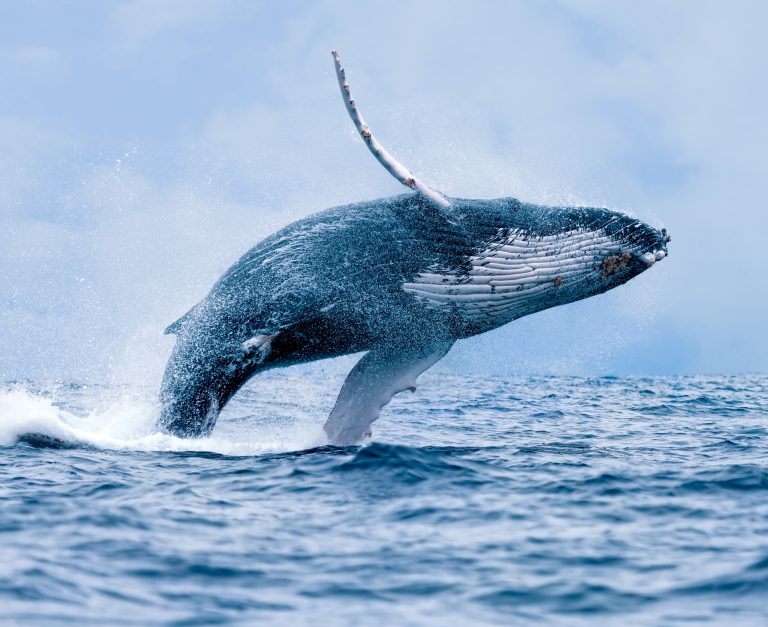
The humpback whale was listed as endangered in 1970. Their biggest threat was whaling, and they were prized for their meat and oil. Although this practice has long been outlawed since 1966, humpback whales paid the price for overfishing. In recent years, humpback whales have faced threats from accidental entanglement in fishing gear and pollution, compounded by slow reproductive rates within pods. Thankfully, a call to action from an unlikely source helped increase their numbers.
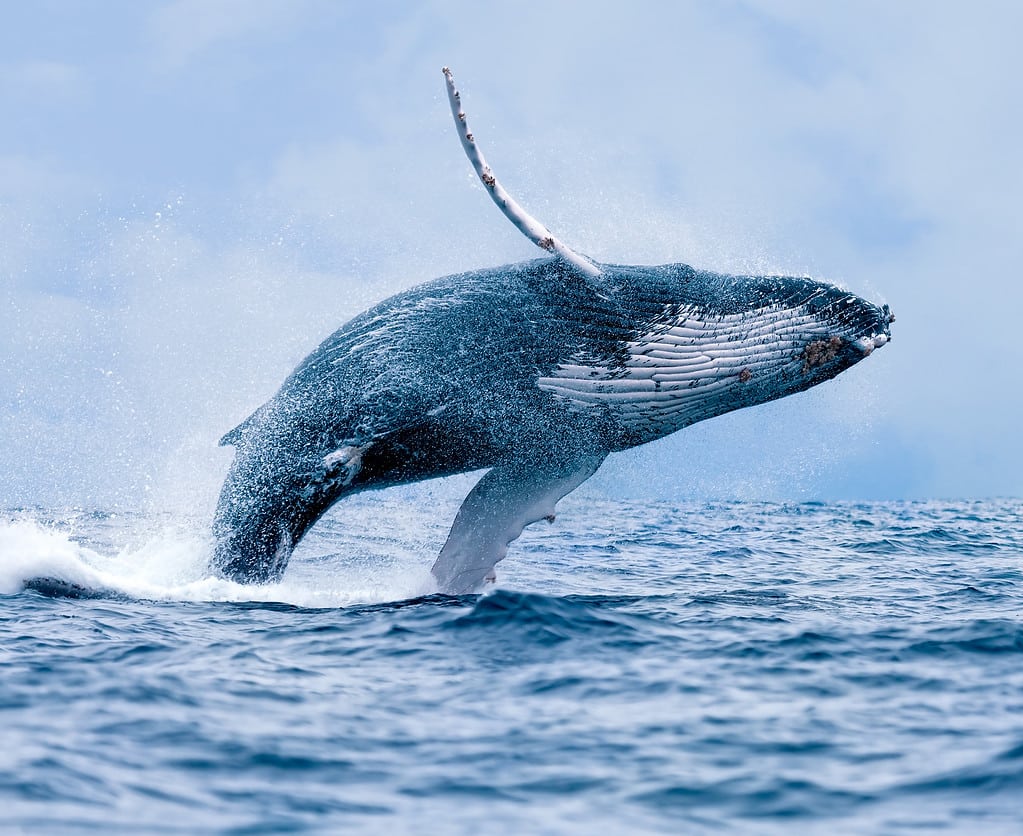
Humpback whales faced threats from whaling, but have made a significant comeback.
©PaulWolf/iStock via Getty Images
In 1982, the International Whaling Commission placed a moratorium on commercial fishing. This went active in 1986 and proved a critical turning point in the survival of humpback whales. With the combined support of the Marine Mammal Protection Act and the Endangered Species Act, additional resources were dedicated to protecting the species. While climate change, pollution, and ship collisions remain threats, it’s estimated that a healthy population of 84,000 to 135,000 today.
Bald Eagle
In the late 1960s, the bald eagle fell victim to a chemical that has caused many problems for wildlife: pesticides. DDT was used on farms and in houses to control disease-spreading insects, but proved devastating to animals. It weakened the shells of bald eagle eggs, resulting in the premature deaths of many hatchlings. This, combined with habitat loss and hunting, significantly reduced population numbers.
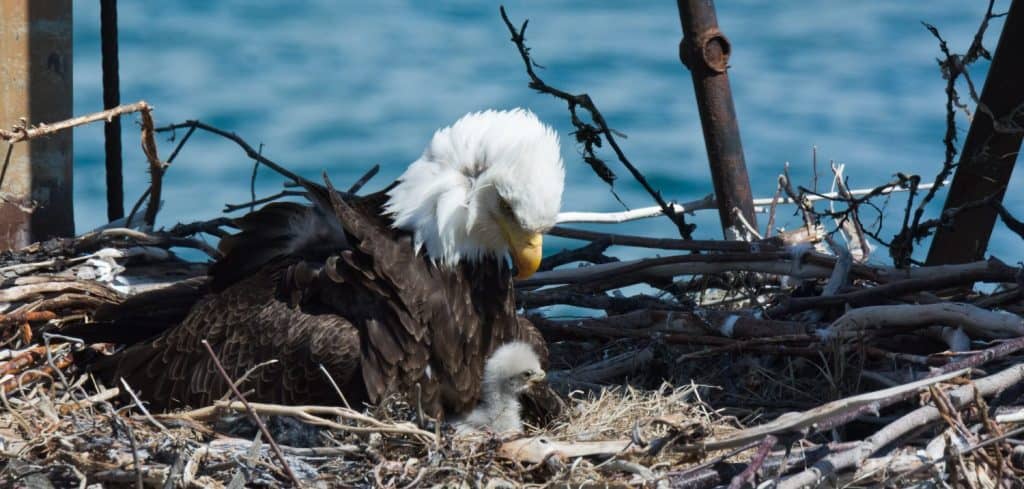
Pesticides nearly caused the bald eagle to go extinct.
©Jon C. Beverly/Shutterstock.com
When DDT was banned in 1972, it started a chain reaction of survival. By 1978, the bald eagle was listed as an endangered species by the Endangered Species Act. This is when conservation efforts kicked into high gear, using captive breeding programs and protected status. The result was nothing short of remarkable, with the population of bald eagles soaring into the thousands by 2007. Today, there are more than 316,000 bald eagles that live in the U.S. alone.
Siberian Tiger
The Siberian tiger has a long history of endangerment that dates back to the 1940s. While some experts quote population numbers as low as 40, others claim the number of wild Siberian tigers was even less. Its conservation status was Critically Endangered due to overhunting for sport. In 1947, Russia imposed a ban on tiger hunting, which began the species’ recovery. If this hadn’t been done, the world would have lost the largest cat species.
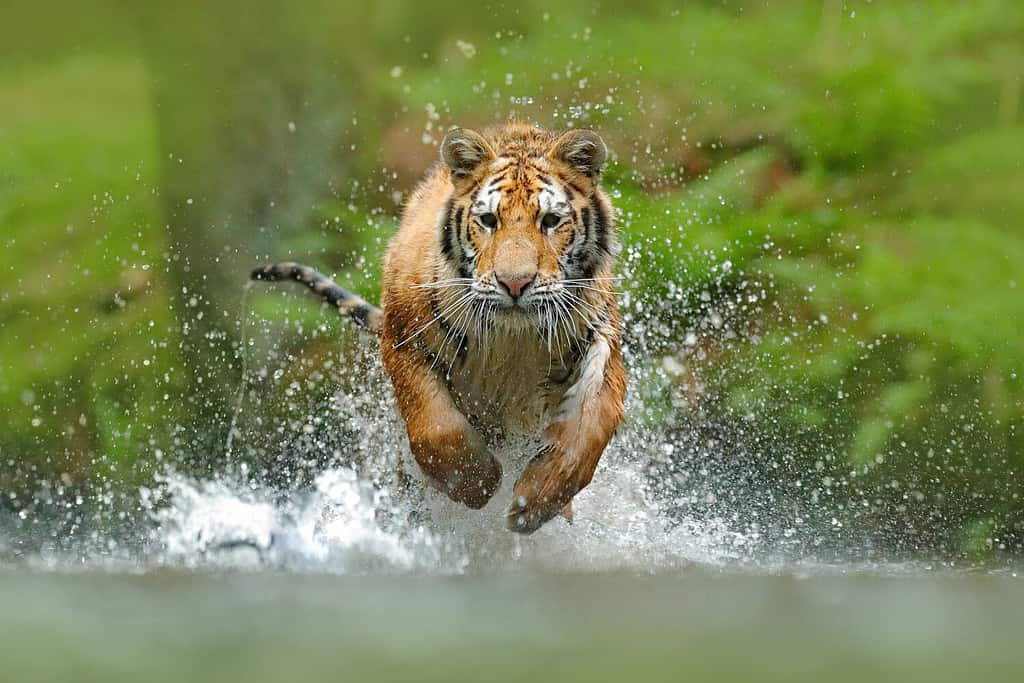
Poaching was a significant threat to the Siberian tiger, which remains the largest cat species in the world.
©Ondrej Prosicky/Shutterstock.com
Additional conservation efforts included anti-poaching patrols, habitat protection, and human awareness. As people were educated on human-tiger interactions, the number of accidents decreased. Protected ecological corridors helped Siberian tigers reproduce, further increasing their numbers.. Today, it’s estimated there are between 480 and 540 Siberian tigers left in the wild. Their status is still Endangered, but without conservation efforts, they wouldn’t exist.
White Rhinoceros
While the northern white rhino is sadly still listed as Critically Endangered, the southern white rhino has overcome impossible odds. Historically, poaching has been the most significant threat to rhinos. They were nearly hunted to the point of extinction until a small herd was discovered in KwaZulu-Natal, South Africa. The herd was found in 1895, and conservation efforts continued for nearly a century before population numbers slowly increased.

The northern white rhino still faces critical threats, but the southern white rhino has come back from the brink.
©Volodymyr Burdiak/Shutterstock.com
Now, according to the World Wildlife Fund, an estimated 18,000 southern white rhinos live on protected land. Their current status is Near Threatened, making them the first rhino species to achieve a conservation success story. Conservation efforts are far from over, but their newly established population numbers are a heartwarming encouragement.
Grey Wolf
The gray wolf was officially listed as Endangered by the Endangered Species Act in 1974. In 1976, the Mexican gray wolf joined its cousin on the endangered species list. Both fell victim to the use of poison to protect livestock, killing off a significant number of gray wolves. Hunting and trapping also threatened to wipe out the species until conservation efforts began in 1975.
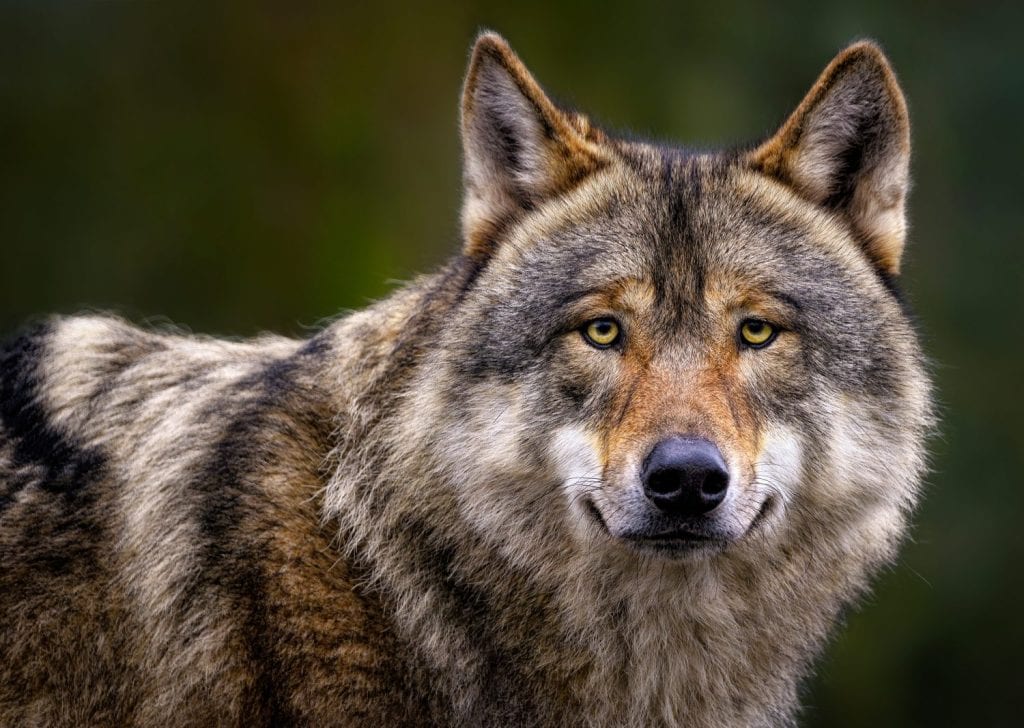
The gray wolf was nearly poisoned to the brink of extinction, but re-established populations helped the species survive.
©ambquinn/Shutterstock.com
Wolves were successfully reestablished in the Midwest during the 1980s, significantly boosting their population. By the 90s, packs of wolves were growing and spreading, leading to a shift in favor of lowering the species’ conservation status. Decades later, in 2021, the gray wolf was removed from the ESA protected species list, but was relisted as endangered in most states in 2022 and remains protected under the ESA in 2025 in most regions. While conservation efforts are ongoing, the gray wolf has shown a will to survive.
Peregrine Falcon
Birds are susceptible to pesticides, which led to the endangerment of peregrine falcons by the 1960s. As with bald eagles, DDT caused a calcium deficiency, leading to weak eggshells. With few hatchlings surviving, falcon numbers dwindled significantly. By the 1970s, it was estimated that 90% of the population had been lost due to pesticide use.

A calcium deficiency from DDT weakened peregrine falcon eggshells, endangering the entire species.
©DawnKey/iStock via Getty Images
Following the DDT ban in 1972, conservation efforts began to reestablish the population. Peregrine falcon hatchlings were incubated in labs before they were released into the wild at roughly three weeks of age. However, they were not entirely on their own. Rehabilitators continued to care for the hatchlings after release, ensuring they reached maturity. To do this, they used artificial nesting sites that were well protected from the elements and predators. The combination of human aid and a semi-controlled environment allowed the species to survive, with more than 6,000 peregrine falcons being released since 1974.
Sea Otter
The history of sea otter endangerment dates back to the 18th century. They were long hunted for their thick fur, which was coveted during harsh winters. As fur trading increased throughout the 19th century, the number of sea otters in the wild declined sharply. By 1911, only a few small groups of sea otters remained, while the population in the North Pacific was nearly wiped out.
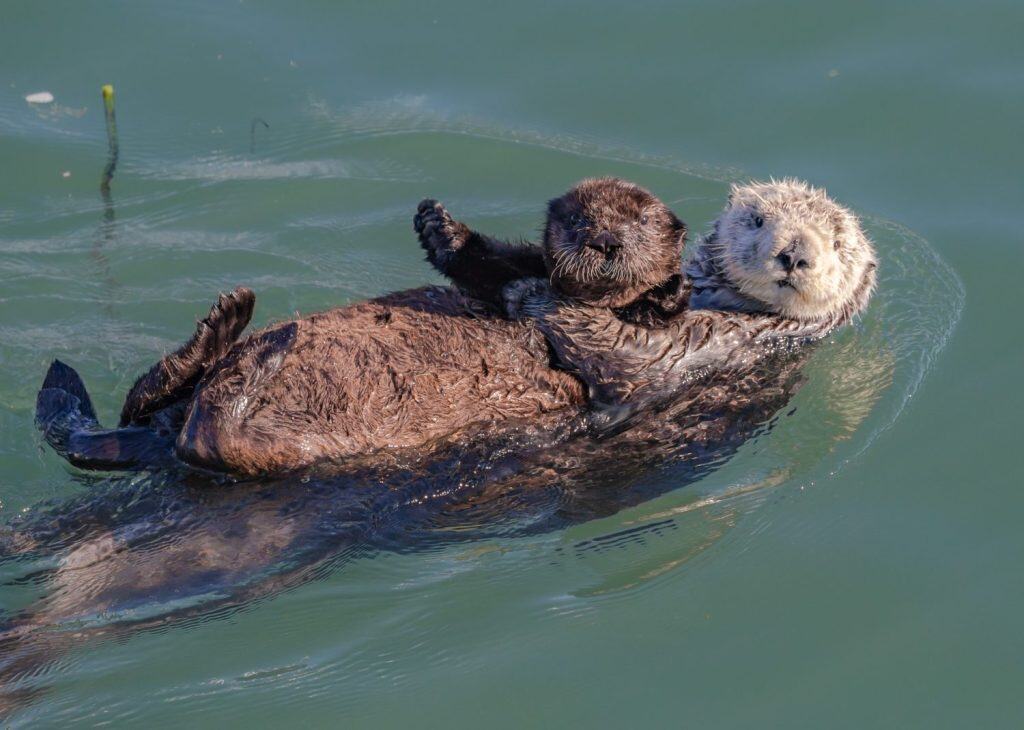
Sea otters were sadly hunted for their insulating fur.
©MODpix/Shutterstock.com
The sea otter population off the coast of Big Sur became a symbol of conservation efforts that have been ongoing for decades. Today, the sea otter is still listed as Endangered, but has an army of conservation groups rallying in its defense. While fur trapping is no longer a significant threat to the population, oil spills, pollution, disease, and climate change still pose a barrier to a full recovery. However, conservation efforts are slowly proving that the story of the sea otter can take a turn for the better.