
Quick Take
- A stranded bird stumped everyone at first, but one detail about its appearance changed how they saw it entirely.
- Its parents were right there watching, yet the bird was still in danger. Why?
- The rescue required no special equipment or expertise. One small decision made all the difference.
- Why does a fledgling bird on open ground face more risk than one that's fallen from a nest?
At a preschool one sunny summer day, staff stumbled onto a sight they never expected: a small bird, looking strangely ancient, stranded on the school playground. With no shade and the sun beating down on the heating surface, the scene felt urgent. The bird s unusual appearance caught everyone off guard and sparked questions about its origins.
A Surprising Visitor Draws Attention
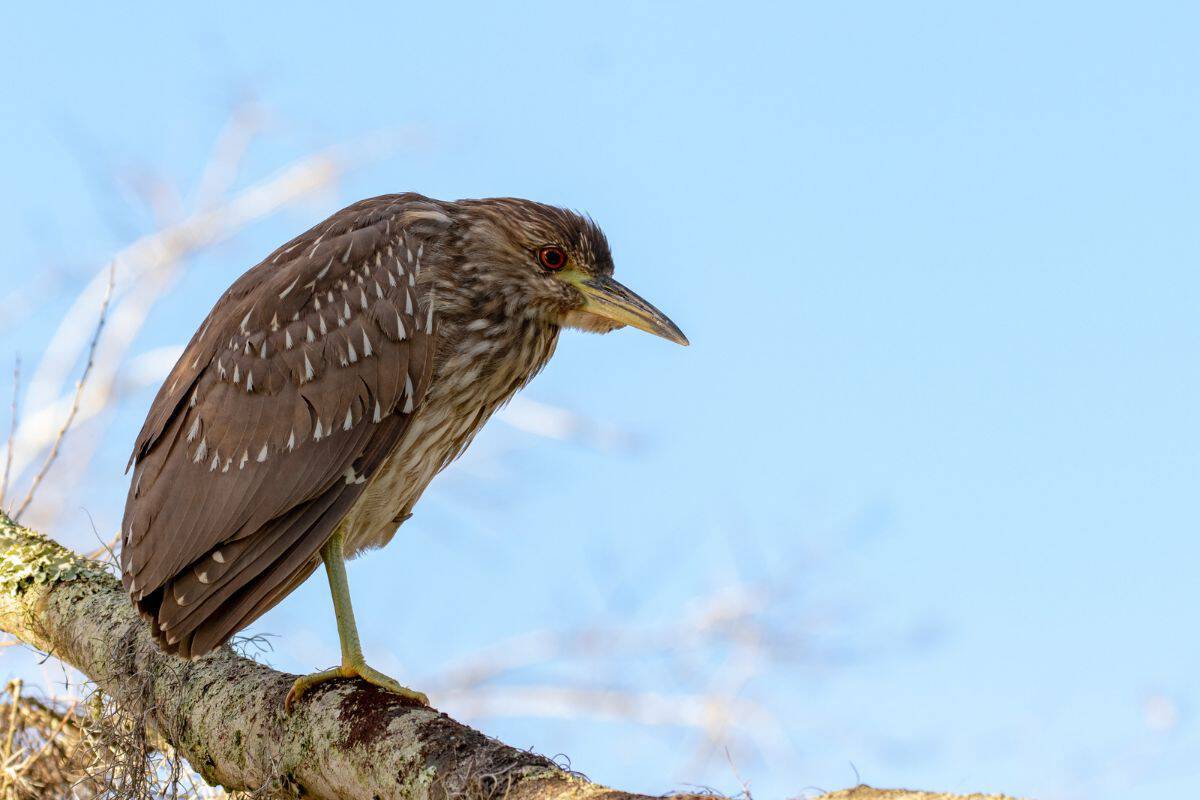
When wildlife rescuer Stracher arrived, she quickly identified the visitor as a young yellow-crowned night heron. Unlike the more common herons most people recognize, this species sports short legs, a large head, and bold face patterns. On the playground, the young bird s wild tuft of head feathers, slender beak, and long neck made it look almost prehistoric fueling comparisons to dinosaurs from educators and online commenters alike.
A Race to Protect a Vulnerable Bird
The situation was more than just odd; it was dangerous for the young heron. There was no shade or water, and the hot playground posed a real risk of overheating or dehydration. Although the heron’s parents remained nearby, even their presence could not offset these hazards. For the fledgling, the playground was an unforgiving stretch of exposed ground at the worst possible time.
Rescue and a Hopeful Turn
Stracher decided the safest move was to relocate the bird nearby, within reach of both cooler grass and its attentive parents. She gently picked up the heron and set it in a shaded, grassy patch beyond the fence, filled with protective shrubbery. The young bird dashed back into the brush, seeking cover and safety that’s vital at this stage of life.
A Happy Reunion and a New Start
In the days that followed, Stracher checked back with the preschool staff. The news was everything she hoped for: the heron had rejoined its parents and was now capable of flying in and out of the area on its own. For the rescuers and teachers, it was a rewarding conclusion. Sometimes the simplest interventions, like a quick call and a gentle relocation, can give a wild creature exactly what it needs to survive and thrive.
This unexpected encounter on a school playground offered a small reminder of the delicate balance young animals face in human spaces and how a moment’s caring action can quietly make all the difference.