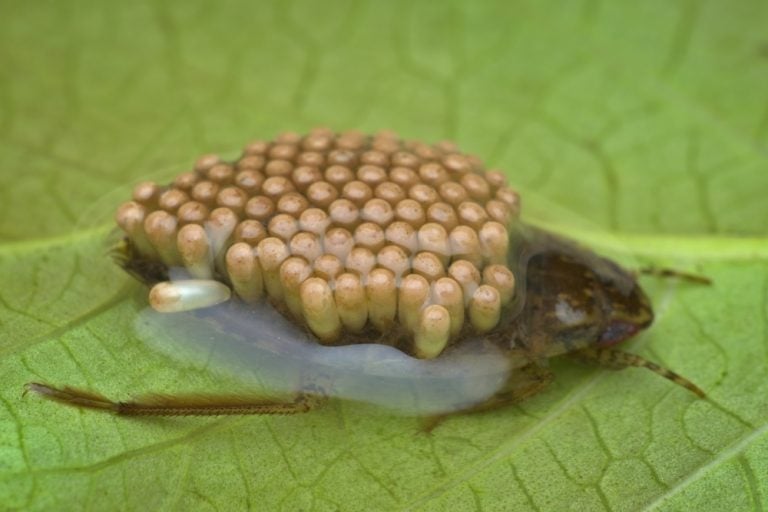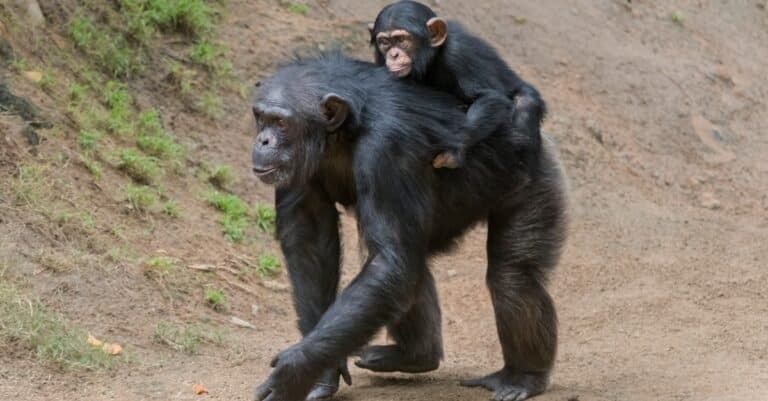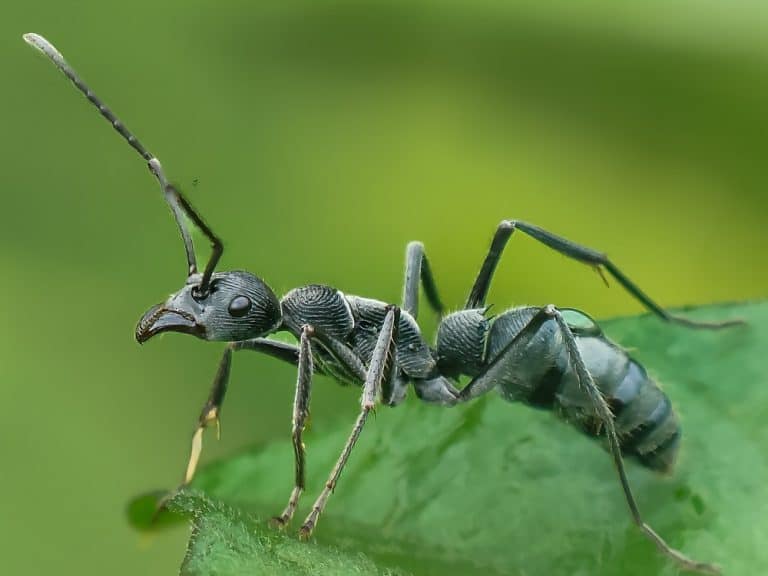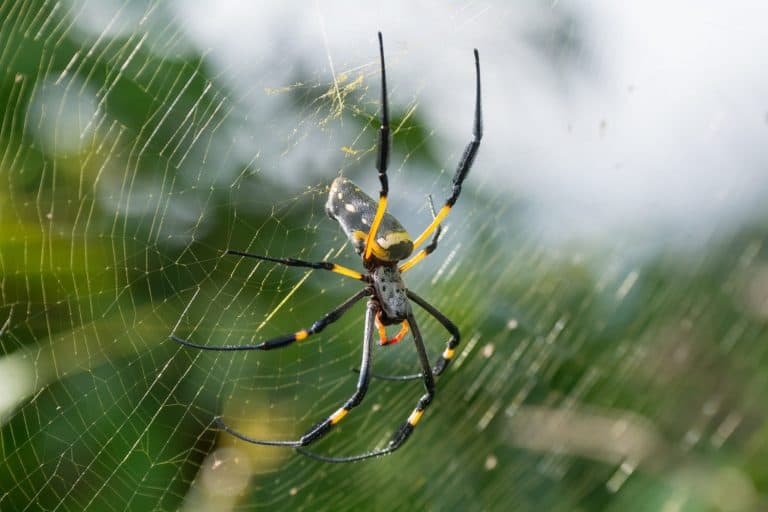

Animal and insect parents have different ways of taking care of their babies. Kangaroos have a pouch for their babies, monkeys carry theirs on their backs, but what about spiders? The way spiders care for their young differs by species, with each having adapted its own method. This YouTube Short posted by @viralhog shows a wolf spider carrying its babies on its back, with them all staying still. Read here to learn more about this wolf spider’s behavior.

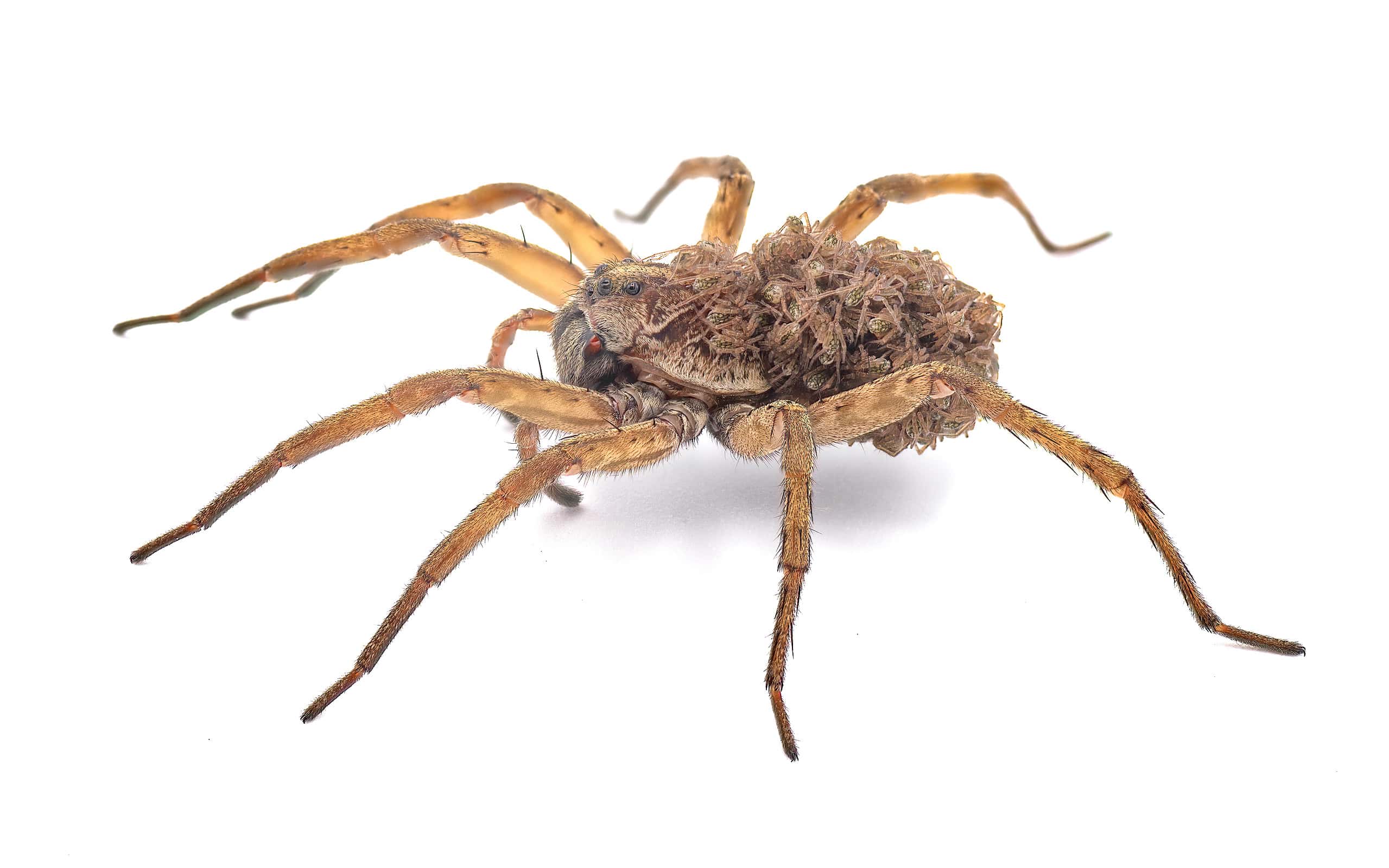
Wolf spiders carry their babies on their backs.
©Henrik Larsson/Shutterstock.com
About the Wolf Spider
Wolf spiders are common spiders found throughout the world. They inhabit a range of environments and biomes, such as grasslands, deserts, forests, and even inside homes. Part of the reason for their strong adaptability is that they don’t utilize webs. Rather than anchoring themselves in one place by creating a web, wolf spiders are opportunistic hunters that ambush their prey. Using their eight eyes, they stalk and ambush prey, incapacitating them with their venom. Their speed and strength make them effective hunters. While their venom is extremely dangerous to their prey, bites on humans are not nearly as painful or dangerous.
Carrying Their Babies
While it may be uncommon for people to witness a wolf spider carrying its babies, this is actually a very common behavior for the species. It is also a unique behavior among spiders, making the wolf spider stand out. After mating, the female attaches her egg sac to her spinnerets and carries it with her, rather than leaving it unattended. When the sac eventually hatches, the babies climb onto her back and remain there—sometimes hundreds at a time. For the first one to two weeks of their lives, they remain there, relying on their mother for mobility. After gaining enough strength to survive on their own, the spiderlings leave their mother’s back and disperse, often by crawling away. Maternal care at the beginning of a spider’s life is rare, as most spider species abandon their eggs once they are laid.
Given the fragility of the babies, many do not make it to adulthood. This makes protecting them on the mother’s back especially important. If left alone, the babies face immediate predation due to their small size, while staying with their mother provides both protection and camouflage. The way the mother attaches the egg sac to her body is also important. The mother can still hunt and obtain the nutrition she needs, which increases the chances that her babies survive the vulnerable early stages of life. She can quickly relocate from threats when needed, making this unique behavior important.