
Quick Take
- One fossilized skull from a Spanish quarry forced scientists to tear up the stegosaur family tree, and what they replaced it with changes everything.
- Dinosaur skulls rarely survive fossilization, and the reason why is more counterintuitive than most people expect. Discover why skulls vanish →
- This stegosaur was found in Europe, but its story stretches across four continents, and the timeline is staggering. Explore the global range →
- The skull belongs to a well-known stegosaur species, and yet it revealed anatomy scientists had never seen before in the entire group. See the unique anatomy →
The evolutionary path of dinosaurs is better understood today than at any other time in history. But just because there is a better understanding, it does not mean that understanding is complete. This was recently demonstrated by the discovery of a dinosaur skull intact enough to show how one species changed over time. This finding may change everything we know about dinosaur evolution.
Dinosaur Skull Discovery “Redefines” Evolution of Stegosaurus
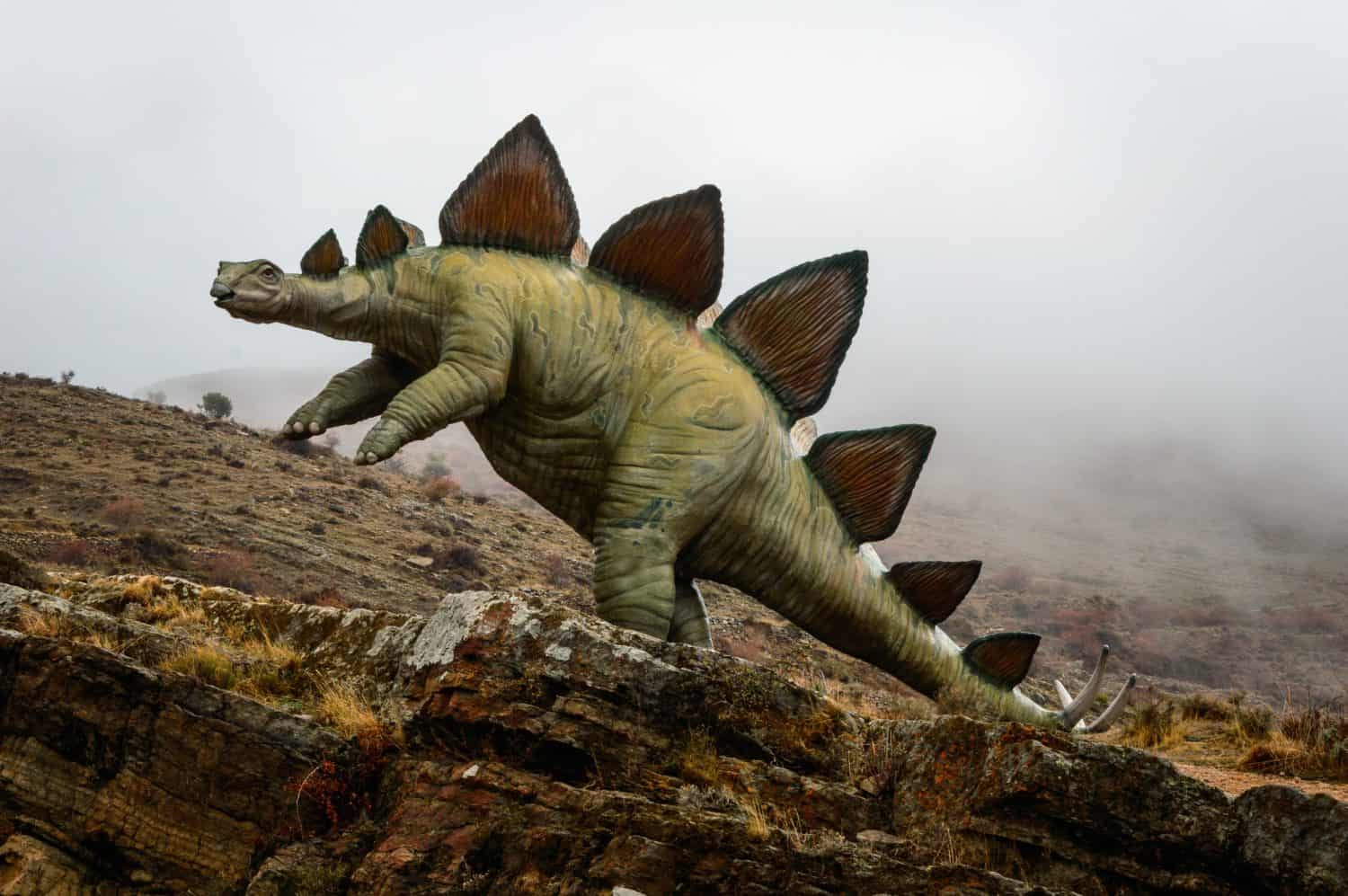
The stegosaurus is one of the best-known dinosaurs. This massive dinosaur stretched between 21 feet and 30 feet long. It was adorned with plates on its back and spikes on its tail. Although it was an herbivore, the stegosaurus was capable of defending itself against predators during the Late Jurassic period, thanks to its tail spikes. Eventually, as a result of environmental stressors, the stegosaurus went extinct.
A new study published in Vertebrate Zoology may change what is known about the evolutionary process of both the dinosaur classified as the stegosaurus and all others in the group Stegosauria. This is because, thanks to the discovery of the skull roof and the frontal, postorbital, squamosal, parietal, and supraoccipital bones, scientists now have the most complete idea of what the stegosaurus looked like during the Late Jurassic period.
The fossilized skull was discovered in the Están de Colón quarry. This location has produced many fossils in the past. However, finding a portion of a skull of this magnitude was a surprise.
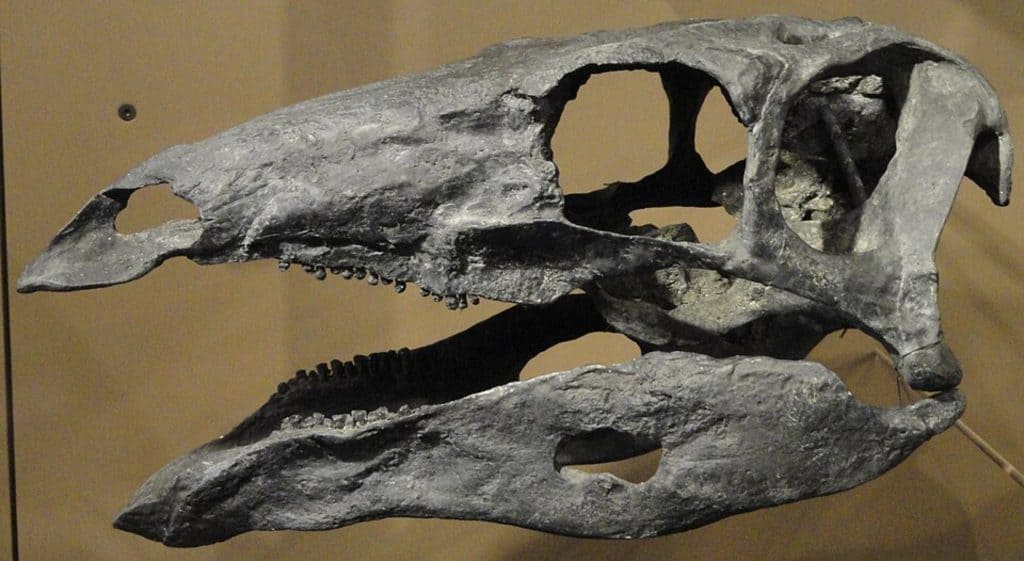
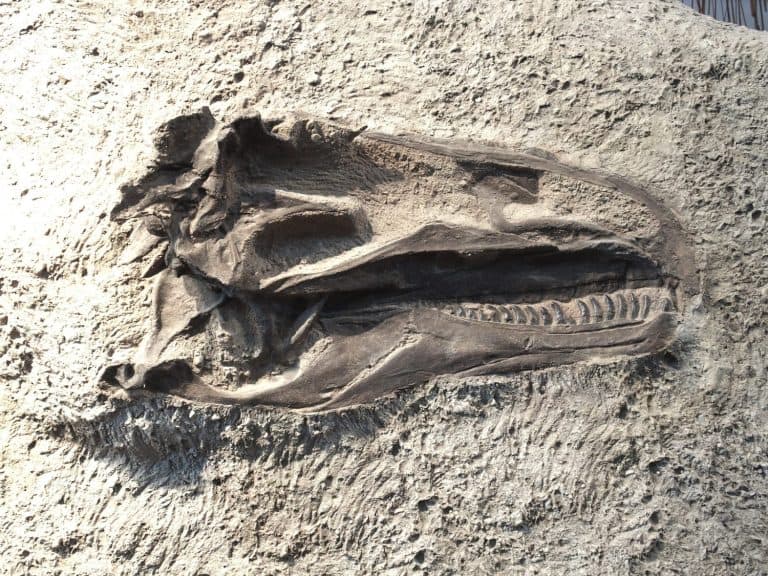
A portion of the skull, similar to this one, belongs to a newly defined group of stegosaurs called Neostegosauria.
According to Sergio Sánchez Fenollosa, co-author of the study and researcher at Fundación Dinópolis, the skull belongs to the Dacentrurus armatus, one of the most commonly found stegosaurus species found in Europe. The size and shape of the skull, Sánchez Fenollosa explained, will change what is known about the group Stegosauria worldwide.
“The detailed study of this exceptional fossil has allowed us to reveal previously unknown aspects of the anatomy of Dacentrurus armatus, the quintessential European stegosaur…” Sánchez Fenollosa explained in a news release. “This discovery is key to understanding how stegosaurian skulls evolved.”
Sánchez Fenollosa also stated that their anatomical study has led to a new hypothesis redefining the evolutionary relationships of stegosaurs worldwide.
Consequently, this particular skull, which shows traits of smaller, earlier stegosaurs as well as evolutionary changes unique to this group, is believed to represent a new group of dinosaurs, formally classified as Neostegosauria.
Where and When Did Neostegosauria Live?
The first dinosaurs in the group Stegosauria appeared during the Middle Jurassic period, approximately 165 to 166 million years ago. The oldest of this group is the Huayangosaurus, which has been historically found in China. The last of the group to survive was the Wuerhosaurus, also found in China, which went extinct during the Early Cretaceous period approximately 125 million years ago.
Neostegosauria was a medium- to large-sized group of stegosaurs that lived during both the Jurassic and Early Cretaceous periods. Unlike some in the group Stegosauria that lived in limited geographic ranges, Neostegosauria roamed multiple continents during different periods.
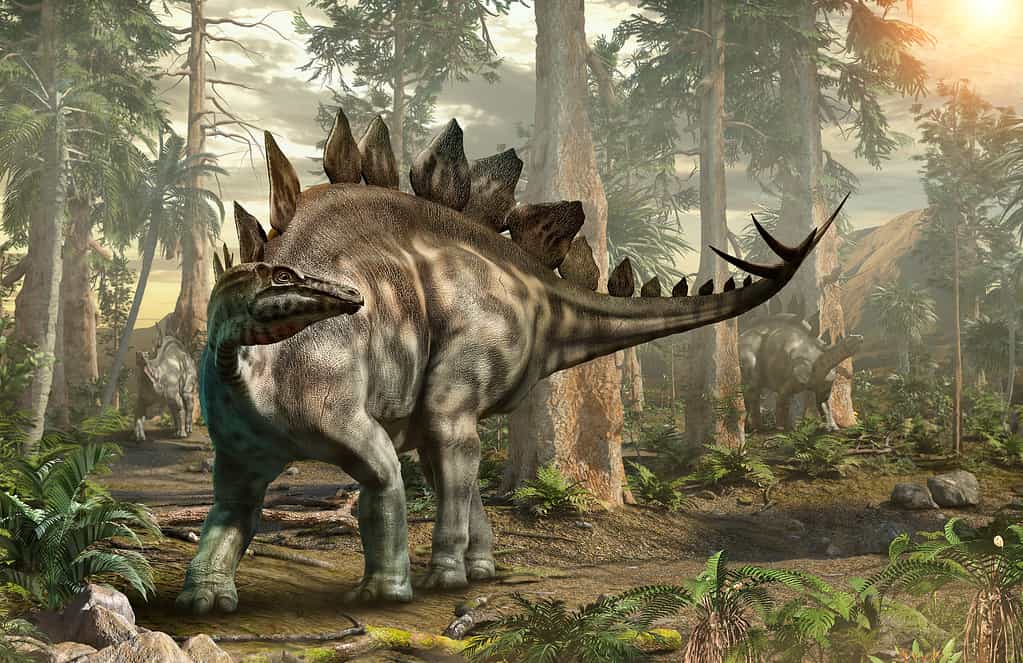
Neostegosauria, similar to the stegosaurus shown here, lived from the Middle Jurassic to the Early Cretaceous period.
©Warpaintcobra/iStock via Getty Images
According to the study, Neostegosauria was located in the following regions:
- Middle and Late Jurassic: Africa and Europe
- Late Jurassic: North America
- Late Jurassic and Early Cretaceous: Asia
If the beginning of the Middle Jurassic and the end of the Early Cretaceous are used as the timeline, this means Neostegosauria lived for just over 73 million years. The skeletal fossil is from a dinosaur that lived approximately 150 million years ago. This would place this particular Neostegosauria in the Late Jurassic period, when some of the largest dinosaurs lived.
How Neostegosauria Differs from Other Stegosaurs
The overall appearance of Neostegosauria is similar to that of other stegosaurs. All had plates running down their backs and spikes on their tails. They were also all herbivores. However, according to the study, the discovery of the skull has revealed some key differences.
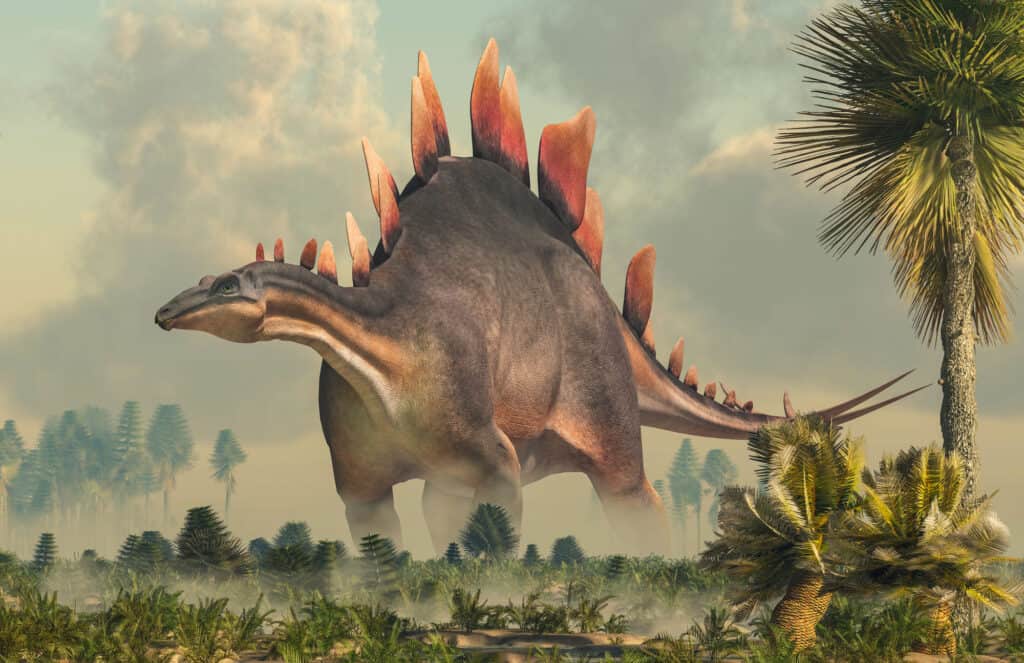
The Neostegosauria stegosaurus was larger and had a different cranial shape than those of earlier periods.
©Daniel Eskridge/Shutterstock.com
Neostegosauria represents a later branch of stegosaurs, unlike many other members of the group Stegosauria. The earlier stegosaurs, also known as basal stegosaurs, were much smaller than those that lived in the Late Jurassic period.
Thanks to the discovery of the skull, it appears that Neostegosauria has skull features unlike those of other Stegosauria. Most notably, the skull has a broader cranial roof and a crest behind it.
Why Are Dinosaur Skull Discoveries Rare?
Fossilized dinosaur skulls are fragile. Skulls, although designed to protect soft tissue, are more easily crushed than other fossilized bones. Therefore, when any portion of a dinosaur skull is discovered intact, it is a cause for celebration.
As bones become fossilized, the very sediment that enables fossilization also destroys dinosaur skulls. Unlike larger bones, like femurs, which withstood the weight of the body and the extra stress of movement, skulls bore very little weight. Therefore, when the brain, eyes, and other tissues degrade and essentially leave an empty shell behind, the skull is easily destroyed.
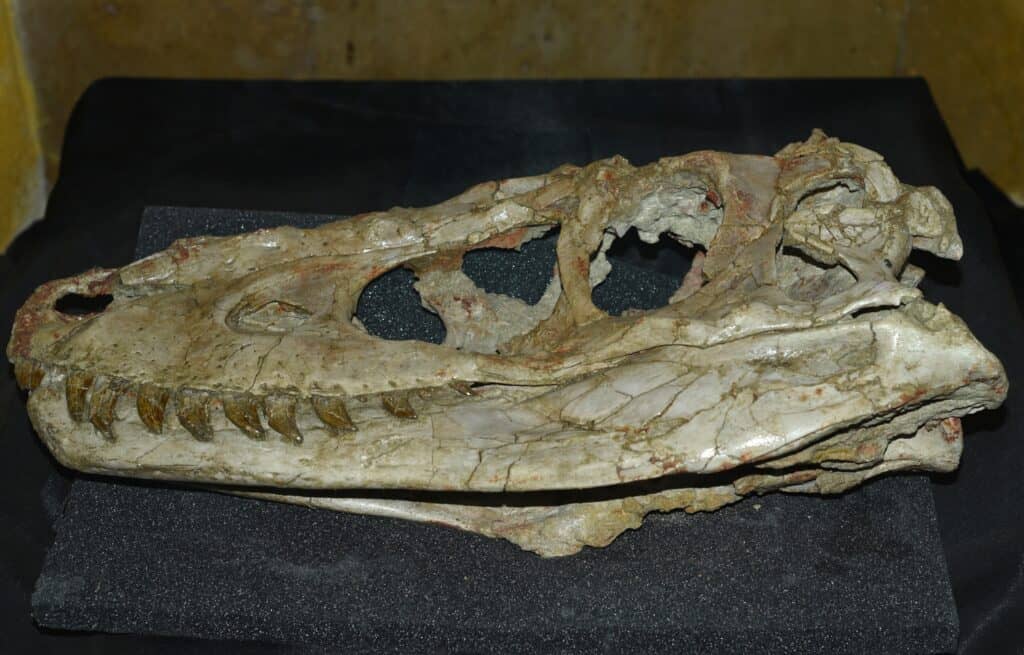
Dinosaur skulls are rarely found because they are delicate. They tend to disintegrate during the fossilization process.
©Tanya_Terekhina/Shutterstock.com
The exception to this, according to the National Park Service, is the Carnegie Quarry in Utah. Many intact dinosaur skulls from the late Jurassic have been found there. It is believed that both the fine sediment and the quicker burial of the dinosaurs enabled so many skulls to be preserved. Consequently, many dinosaur species from this period are better understood than those from other periods.
As dinosaur fossils continue to be found in the Están de Colón quarry, the likelihood of finding more skulls is slim. But as this latest discovery shows, nothing is impossible, leaving paleontologists excited to see what they might find next in the fossil-rich quarry in Spain.