
Quick Take
- A skull dismissed as worthless for over 40 years turned out to challenge changed how scientists think about dinosaur evolution. See the challenged assumption →
- The end-Triassic mass extinction is famous for clearing the way for dinosaurs, yet this skull suggests the story isn't exactly what scientists thought. Explore the extinction's full story →
- An undergraduate student reconstructed the skull using 3D printing technology, and what it revealed earned him a naming honor scientists spend careers chasing. How Srivastava rebuilt the skull →
- One paleo-artist's description of the newly named dinosaur's face is hard to forget, and it hints at just how unlike anything else alive at the time this creature really was. Discover the creature's features →
When it comes to studying dinosaurs, not all fossils are created equal. Some, unearthed in pristine condition, serve as sources of inspiration and research. Others, especially those mangled after millions of years embedded in the earth, may be left sitting in a drawer.
But for one research team at Virginia Tech, taking a second look at a long-stored dinosaur skull had a wider impact than any of them imagined. It was one that could shift the scientific view of dinosaur evolution. Their findings were just published in Papers in Paleontology.
The Fossil Found, Forgotten, and Found Again
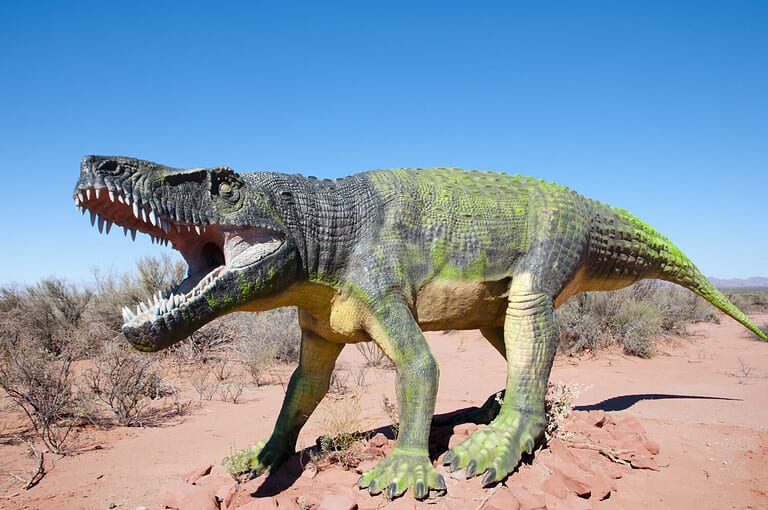
The dinosaur fossil in question was a badly damaged skull. It was originally found in 1982 at Ghost Ranch in New Mexico by a team from the Carnegie Museum of Natural History. They brought it back to the museum and promptly tossed it in a drawer, deeming the skull too damaged to be of any value. It was quickly forgotten.
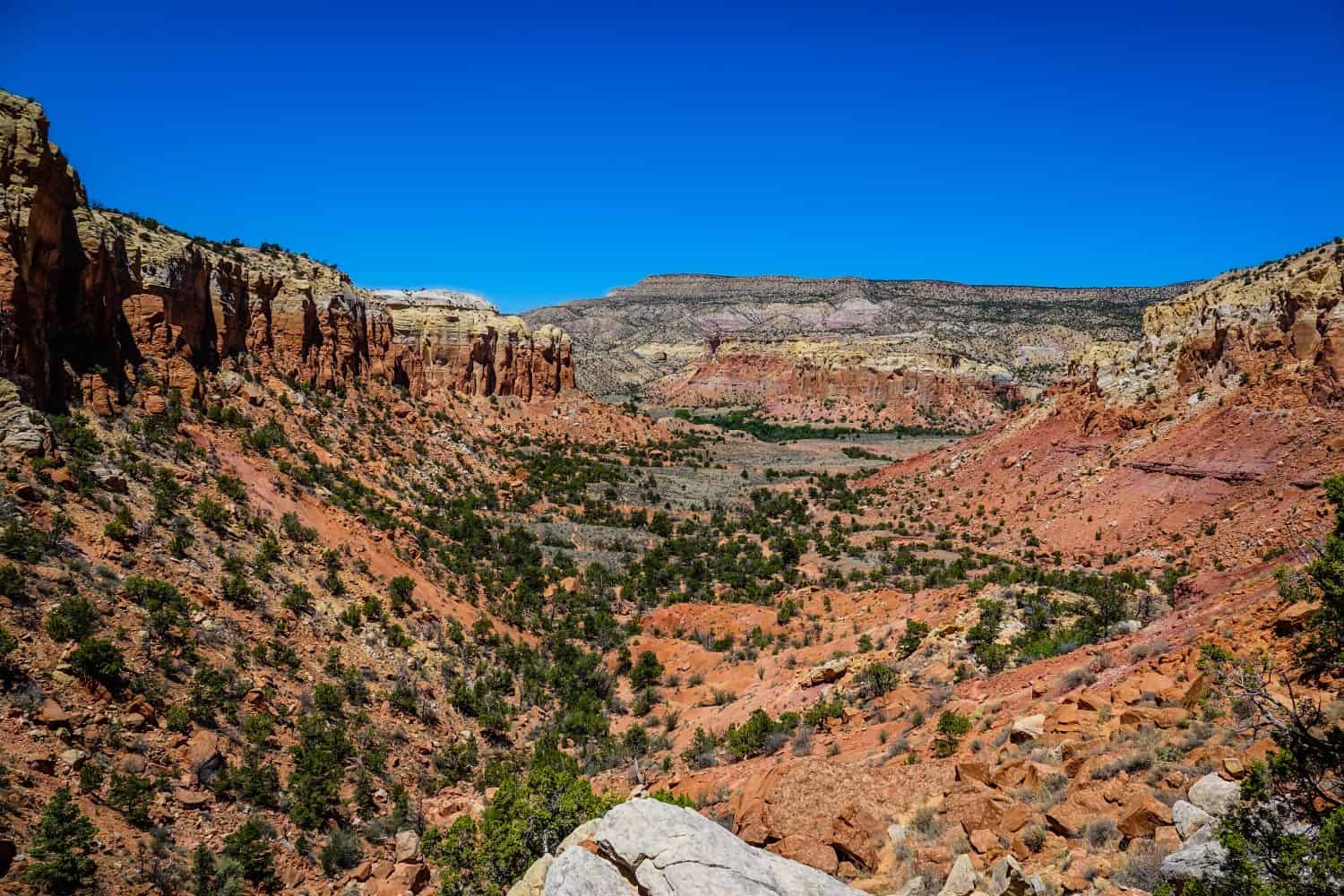
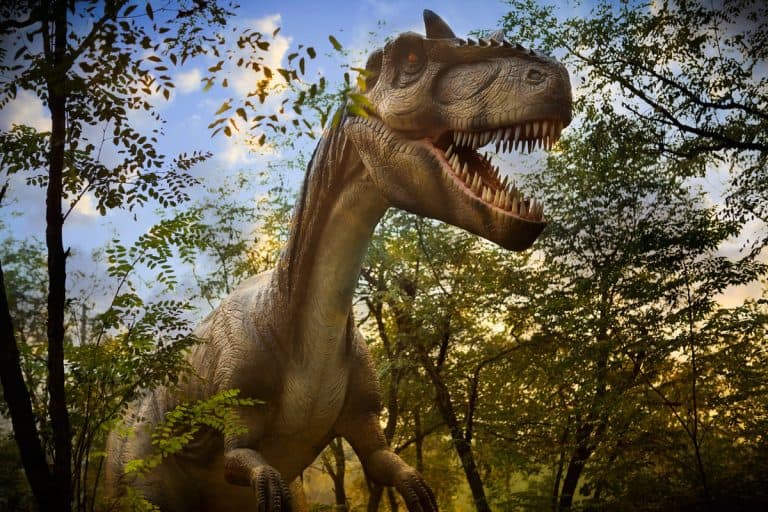
The mangled dinosaur skull was found in the Ghost Ranch area of New Mexico.
©GUILLAUME LECLERC/Shutterstock.com
Sterling Nesbitt, a paleontologist and associate professor in the Department of Geosciences at Virginia Tech, rediscovered the skull and brought it to his research lab for further examination. He brought in Simba Srivastava, a senior geosciences major, to help with the research. While it was unusual to recruit an undergraduate to assist with such research, Nesbitt had good reason.
“We want undergraduate researchers to experience the whole paleontological research process at Virginia Tech,” said Nesbitt in a recent press release announcing the findings. “Simba grabbed the project by the reins.”
Rebuilding the Mangled Skull from Fragments
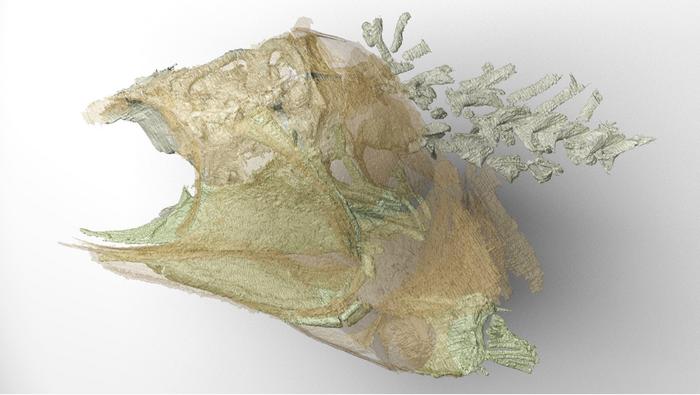
Srivastava immediately went to work recreating the mangled skull. He used computed tomography scanning data to digitally separate the crushed bones and create a 3D-printed reconstruction of the skull. Once the skull could be visualized, Srivastava identified it as belonging to a carnivorous dinosaur species that lived more than three times earlier than Tyrannosaurus rex.
The species lived toward the end of the Triassic period, which spanned from 252 million to 201 million years ago. Unlike today, carnivorous dinosaurs back then were not the dominant predators. Instead, they had to compete with other apex predators, including ancient relatives of today’s crocodiles.
One Extinction Changed Everything
It was a mass extinction event toward the end of the Triassic period that helped dinosaurs become the dominant land predators we know today. As Srivastava said in the press release, “Dinosaurs go from being co-stars to the headliner.”
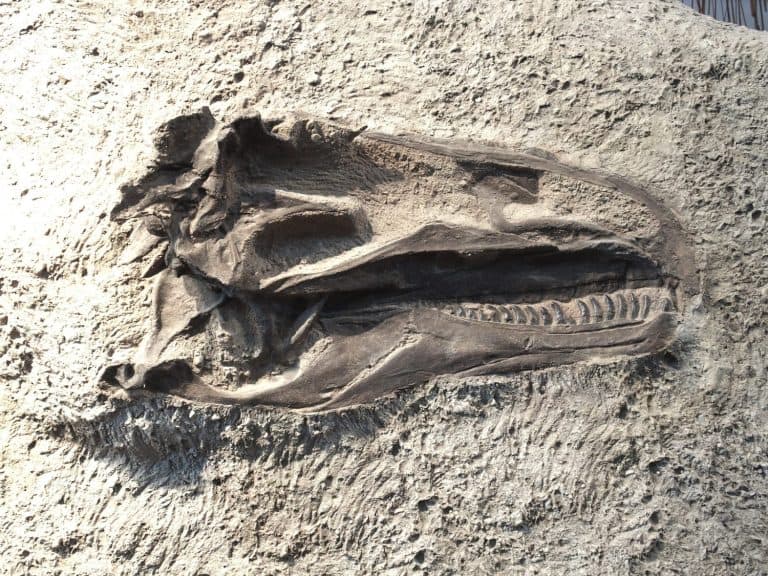
Paleontologists have recovered a few dinosaur fossils from the end of the Triassic period.
©Gorodenkoff/Shutterstock.com
However, few fossils from this transition period at the end of the Triassic have been discovered. This made the discovery of the forgotten skull especially important. To date, researchers believe no comparable skull from this species has been found anywhere else.
The Clues the Skull Provided
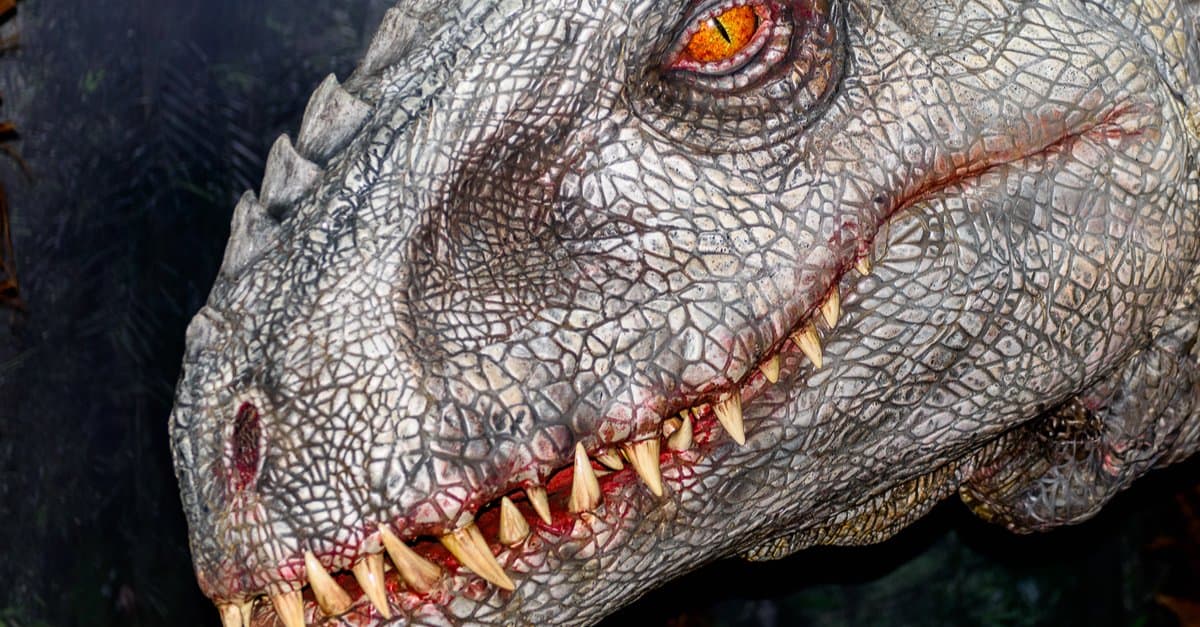
Even before Srivastava began reconstructing the fragments, the mangled skull offered up significant details. The dinosaur it belonged to had a wide brain case and large cheekbones. It also likely had a short, deep snout. These are all features that had not been seen before in other dinosaur species from that era. This suggested to researchers that dinosaurs were evolving differently than paleontologists previously believed.
Once Srivastava completed his 3D rendering, the team realized they were dealing with a new species altogether. The team gave Srivastava the honor of naming the new species. He chose a name based on the skull’s unusual appearance. Ptychotherates bucculentus means “folded hunter with full cheeks” in Latin. According to at least one paleo-artist who saw the skull, it looked like a “murder muppet.”
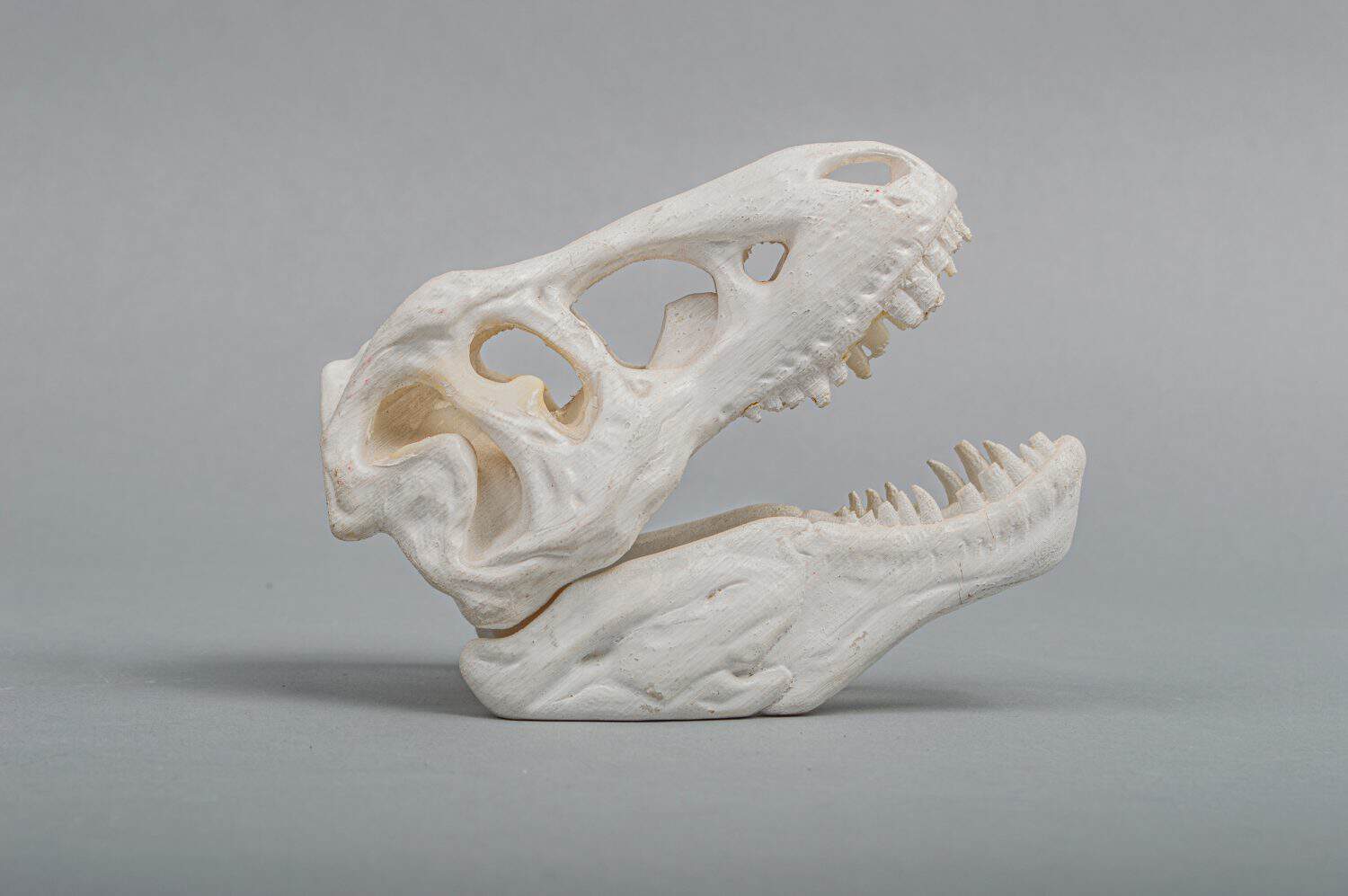
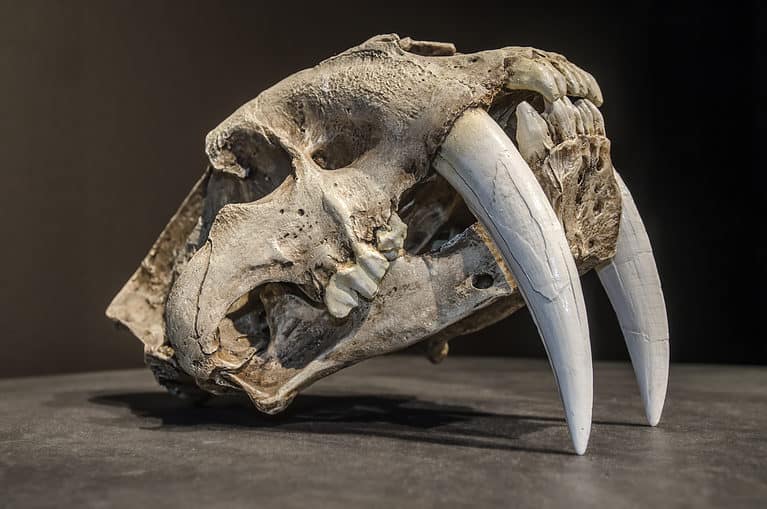
Scientists used 3d printing technology, like in this example, to recreate the mangled dinosaur skull.
©Ruslan Ayupov/Shutterstock.com
The team spent years analyzing the skull and eventually determined it belonged to Herrerasauria, one of the oldest groups of meat-eating dinosaurs. They believe the skull represents one of the last surviving members of the group. Researchers also believe that, since no herrerasaurians have been found elsewhere from so late in the Triassic period, the American Southwest was likely the group’s last home before extinction.
How the Discovery Is Shifting Scientific Views on Dinosaur Evolution
The skull discovery also points to a change in how paleontologists think about dinosaur evolution. The skull was found in rock layers that may date to just before the mass extinction event at the end of the Triassic period. That, combined with the lack of any herrerasaurians discovered after that time, suggests that the entire group perished during the mass extinction event.
Srivastava said in the press release, “This forces us to reconsider the impact of the end-Triassic extinction as something that wiped out not just the competitors to dinosaurs, but some long-standing dinosaur lineages themselves.”
According to Srivastava, the skull is invaluable. It offers proof that herrerasaurians lived into the late Triassic period, that they roamed at latitudes not previously recognized, and that they evolved to have a unique skull shape. The single skull is the sole representation of billions of individual dinosaurs that came before it. It may be the only piece of evidence marking the group’s final chapter in the evolution of dinosaurs on the planet.