
Quick Take
- The trail where hikers were attacked was deliberately left unprotected two years ago, a decision made despite park officials knowing that bears flock there every spring. See why protections lapsed →
- Bear spray goes beyond being a simple safety tool. A bear biologist explains why it functions as a conservation weapon that changes the entire equation for wildlife. Explore the conservation case →
- Bear attacks at Yellowstone make headlines, but the real numbers behind millions of annual visitors and actual encounters might surprise you. See the real numbers →
- If a bear appears on the trail, most hikers instinctively do the one thing experts say could make the situation far worse. Find out what experts say →
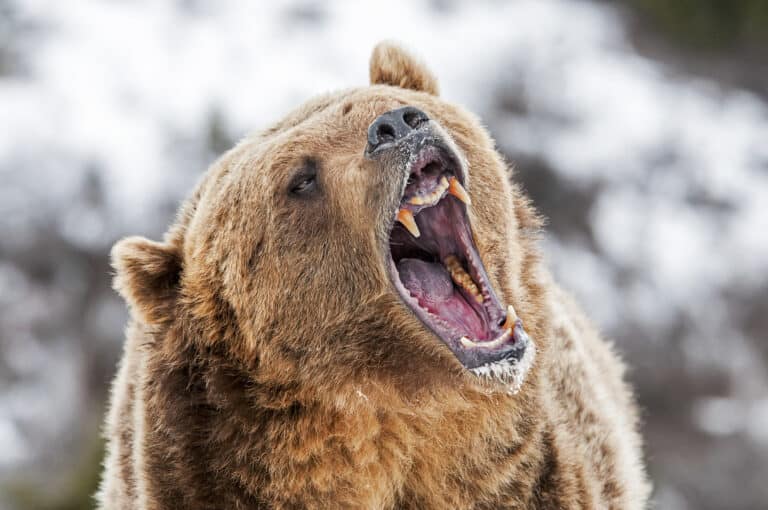
Early May brought alarming news out of Yellowstone National Park. Two hikers set out along the Mystic Falls Trail near Old Faithful, only to be injured when they unexpectedly encountered at least one bear. It was the first bear-related injury to be reported for the 2026 season, reigniting persistent questions about safety in the country’s most iconic wild spaces.
Continue reading
In the immediate aftermath, park officials closed a wide section of Yellowstone. Areas off-limits included the land west of Grand Loop Road stretching from Fountain Flat Drive’s north end to Black Sand Basin. The shutdown also hit Fairy Fall Trail north of the Grand Prismatic Overlook, Sentinel Meadows Trail, Imperial Meadows Trail, Fairy Creek Trail, and Summit Lake Trail. Several backcountry campsites, OG1, OD1 to OD5, and even fishing spots along the Firehole River were suddenly off-limits.

©Jim Peaco, National Park Service
Why Was This Area Open in the First Place?
The location of the attack is no accident. Until 2024, this stretch of Yellowstone was covered by a bear management area that restricted visitors every spring. Park managers knew from experience: bears congregate here as the snow melts. Despite this, two years earlier the restrictions were lifted. Instead, the focus shifted to a new management zone in Hayden Valley.
This change left the Mystic Falls region, always a magnet for both wildlife and people, far more accessible than it had been. The recent incident now raises concerns about whether enough precautions remain in place to protect both hikers and Yellowstone’s famous bears.
How Officials Responded and What They’re Now Urging
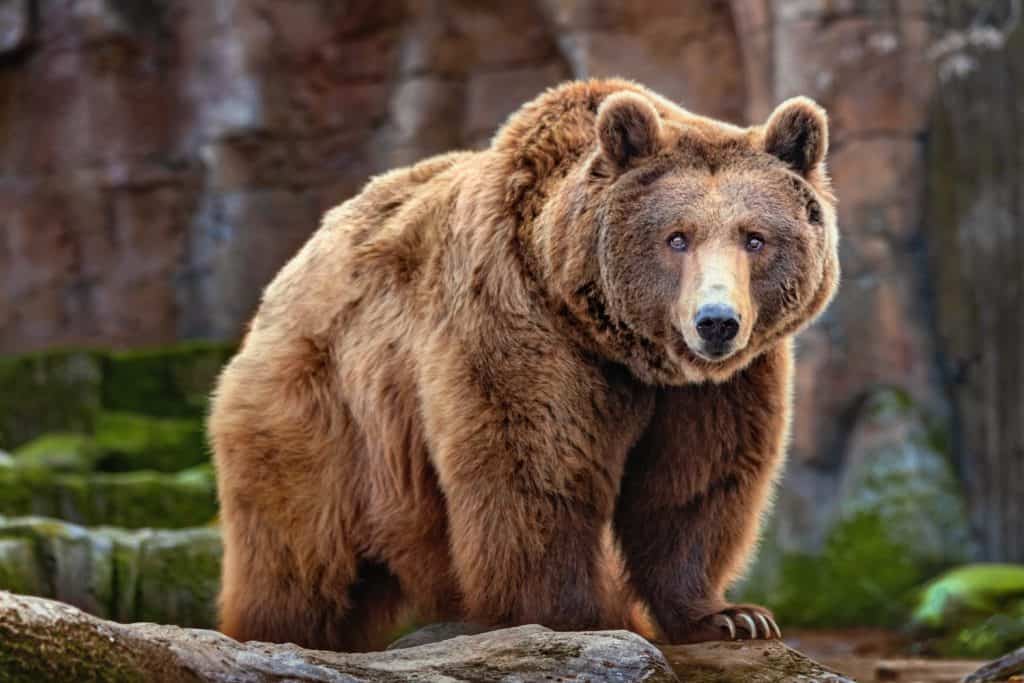
The park’s response was swift: closures and a renewed push for vigilance. Yellowstone officials are telling all hikers, and especially those heading into the backcountry, to maintain their guard. The advice is clear: always keep at least 100 yards between yourself and any bear. Carry bear spray, travel in groups, stay alert, and make plenty of noise. If possible, hikers are asked to avoid the trails between dusk and dawn, when bears are more active.
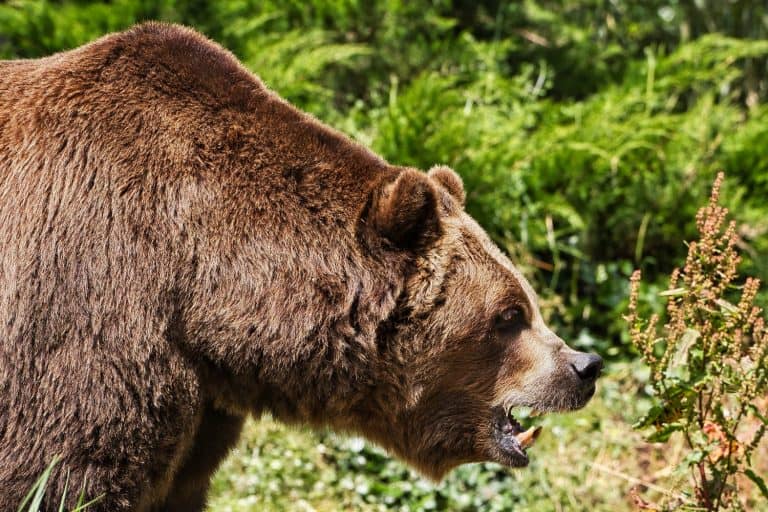
If a bear does appear, the guidance is precise. Don’t run, running may trigger a chase. Back away slowly, giving the animal ample space to leave.
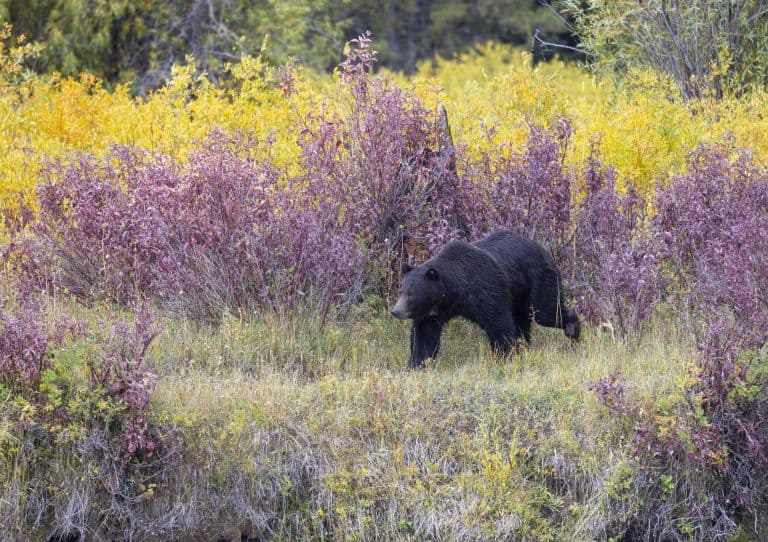
©Perpis/Shutterstock.com
Bear Attacks: Rare, But Real
Despite Yellowstone’s reputation as grizzly territory, actual attacks on people remain rare. The National Park Service records an average of five bear encounters per year within Yellowstone’s boundaries since 2021. This figure includes not just injuries or fatalities, but also food-related incidents and property damage. Given that annual park visitation sits between four and five million people, bears and humans cross paths far less often than many assume.
Before this May, the last bear attack in Yellowstone took place in September 2025. And while bear attacks make headlines, the most recent fatal encounter in the park actually happened in 2015, near the Lake Village area. Meanwhile, the wider Greater Yellowstone Ecosystem has seen other fatalities in recent years, signaling that while these risks are low, they are never zero.
Is Bear Spray Still the Best Protection?
Across Yellowstone and other parks where grizzlies roam, officials consistently urge hikers to carry bear spray. Scientific studies back them up: bear spray is considered the most effective deterrent against bear attacks. Experts see its value not just in human safety, but also in protecting the animals themselves.
As bear biologist Wes Larson explained in an interview with Backpacker, bear spray is “a conservation tool.” Larson, who also hosts the Tooth and Claw Podcast, told the magazine, “Not only are you stopping bears from attacking people, you’re stopping those negative perceptions before they actually happen, but you are not injuring that bear. You’re leaving that bear alive to continue living its life.”
Even as Yellowstone’s summer trails beckon and the risks remain low, the story is clear: coexistence requires vigilance, preparation, and respect for the wildness at the park’s heart.