
Quick Take
- A wolf carrying a sea otter upended a core assumption biologists have held about apex predators for decades. See the discovery →
- On one Alaskan island, wolves ran out of their usual prey, and what they did next surprised even the scientists who were studying them. Explore the prey shift →
- Wildlife managers may be making flawed decisions right now based on assumptions these coastal wolves just proved wrong. See management implications →
- The boundary between land predator and marine ecosystem turns out to be far blurrier than anyone expected. Discover the blurred boundary →
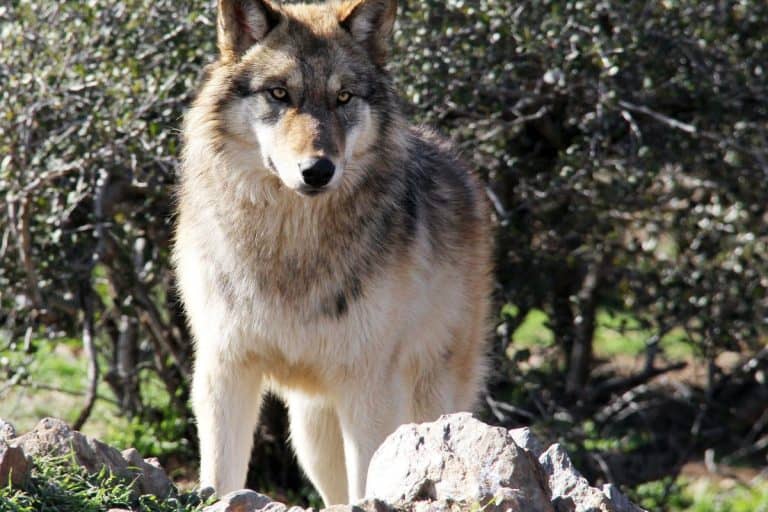
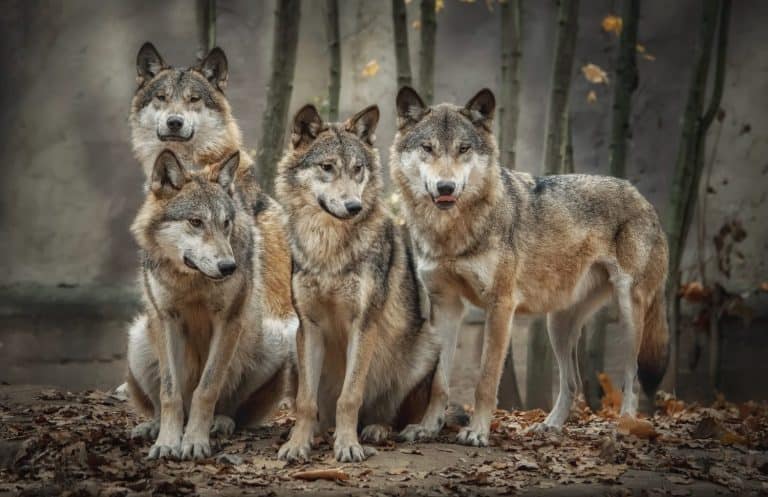
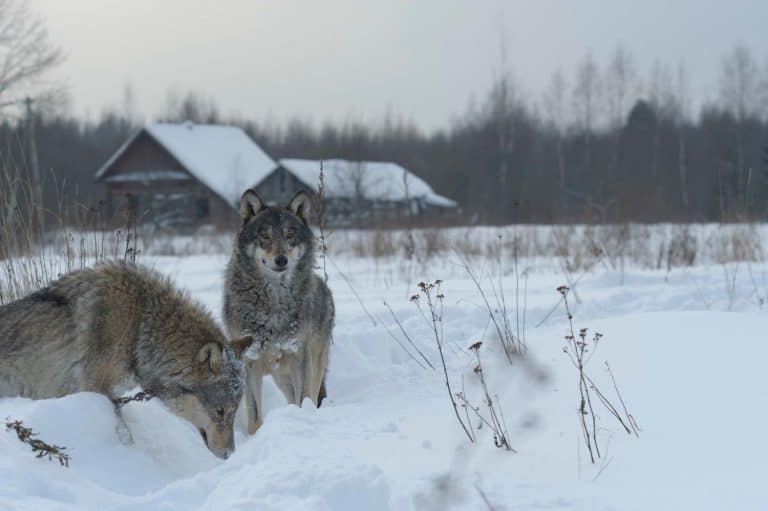
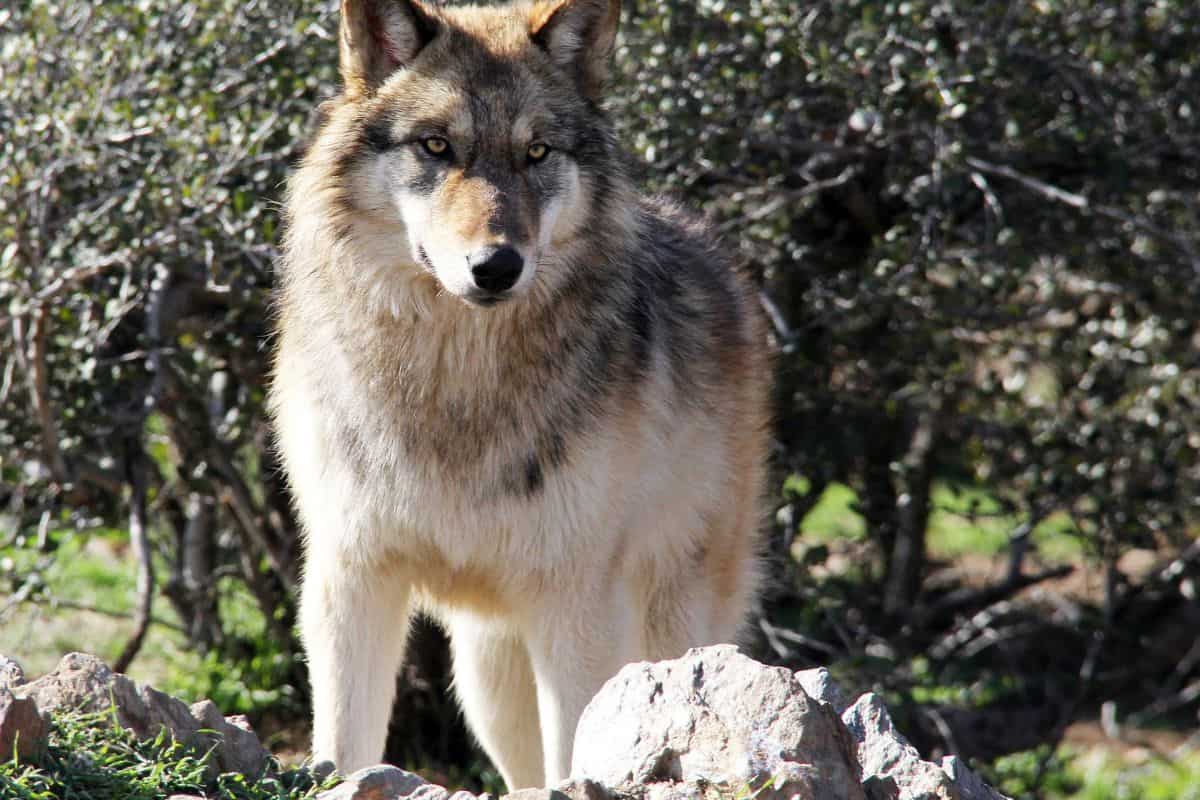
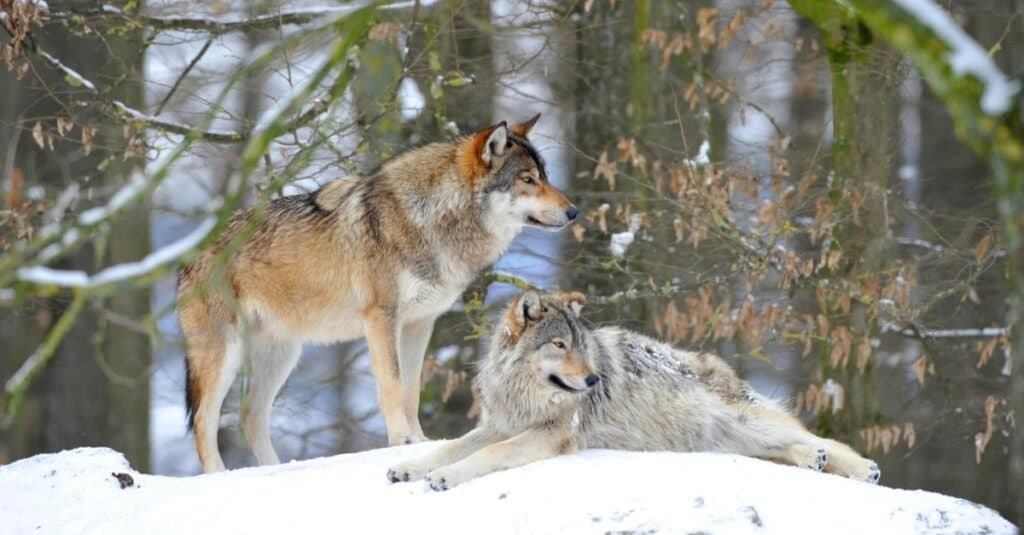
On Alaska’s remote Katmai coast, an unexpected sight gave researchers pause: a white wolf trotting along the shoreline, a sea otter clasped in its jaws. For biologist Kelsey Griffin and her colleagues from the National Park Service, it was a moment that defied what most biologists thought they knew about wolf diets.
Until now, the assumption has been straightforward. Wolves in North America rely on hoofed mammals — moose, elk, and deer — to get by. But these firsthand observations have forced a reconsideration of long-held beliefs about how these predators survive, especially along Alaska’s rugged, productive coastlines.
©imageBROKER.com/Shutterstock.com
Uncharted Behavior Emerges on the Coast
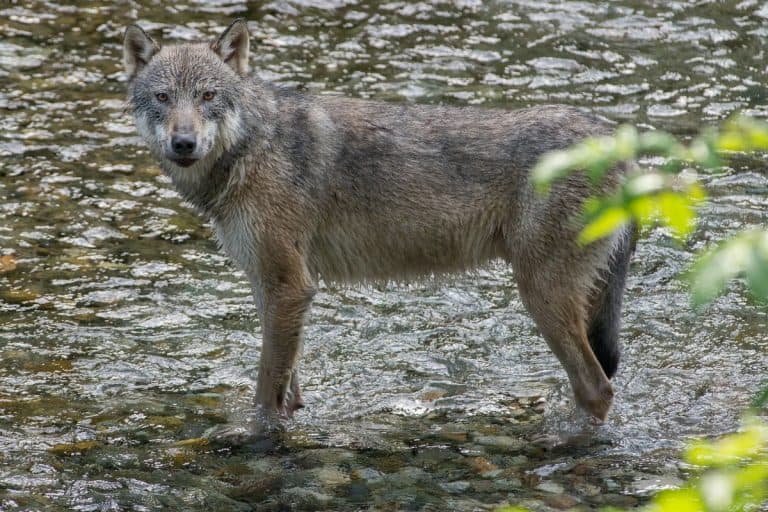
The catalyst for this new understanding was a simple lunch break. In 2016, Griffin and her team were surveying marine debris and bird mortality in Katmai National Park when a wolf appeared seemingly out of nowhere, carrying a freshly caught otter. “What? I was just blown away,” Griffin recalled. She questioned her co-workers: had anyone ever seen wolves eating sea otters before? There were few answers. The event revealed just how little is known about wolves in this unique region.
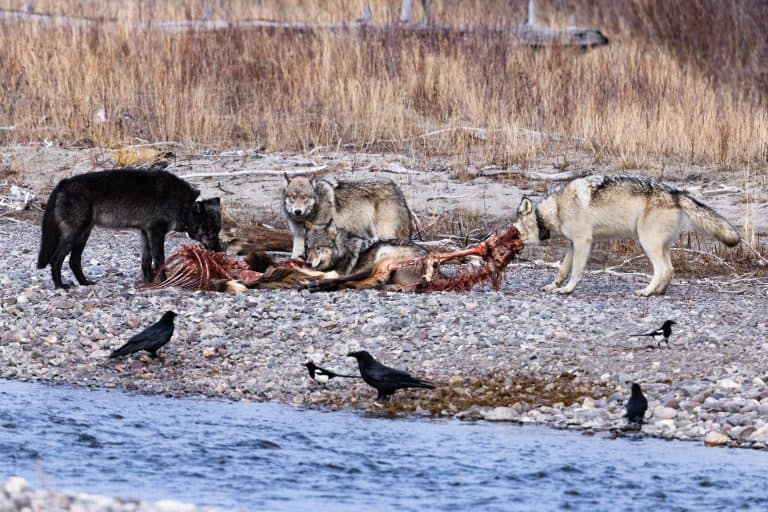
These surprising sightings have since spurred deeper research. While there have been previous accounts of wolves feeding on sea otter carcasses, whether these were hunted or simply scavenged remained unclear. Now, scientists from Oregon State University, the National Park Service, and the Alaska Department of Fish and Game are beginning to uncover the extent to which wolves pursue marine prey on Alaska’s icy fringes.
©kzww/Shutterstock.com
From Deer to Sea Otters: Shifting Food Chains
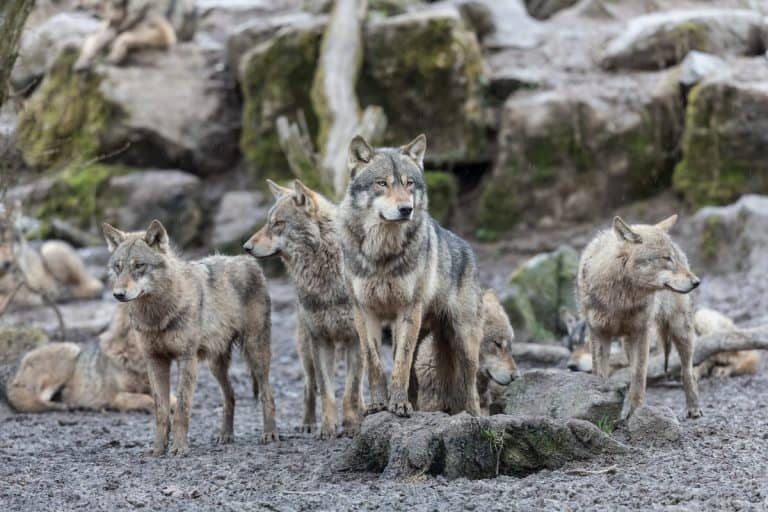
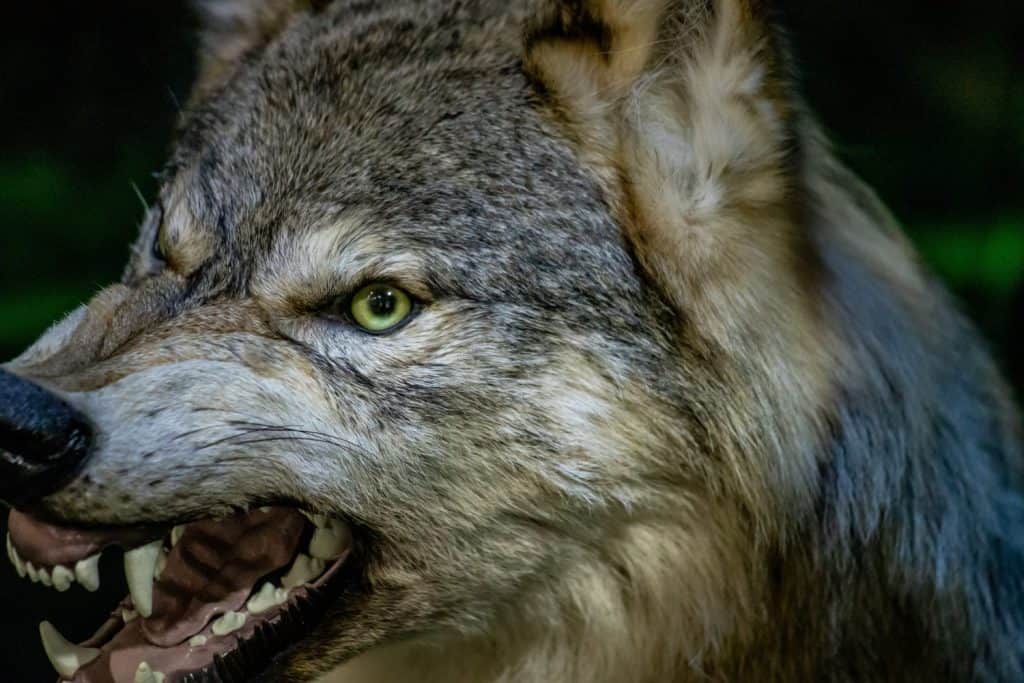
Further evidence comes from the work of researchers on Pleasant Island, about 40 miles west of Juneau. There, scientists like Roffler and Levi found an even more dramatic change. Wolves hunted local deer to the brink of collapse, then, remarkably, shifted to sea otters as their main sustenance. According to their paper, this marks the first known case of sea otters becoming the primary food source for a land-based predator.
This discovery, wolves fundamentally reshaping their hunting habits, raises both new questions for science and new challenges for wildlife management. As Ellen Dymit, a doctoral student at Oregon State, put it: “It kind of forces us to reconsider the assumptions that underlie a lot of our management decisions and modeling around wolf populations and populations of their prey, which often assume that wolves depend on ungulates, like moose and elk.”
Wolves and the Balance of Alaska’s Ecosystems
What does this mean for Alaska’s coastal ecosystems? To find out, scientists are expanding their studies. The latest research will examine more sites across Alaska, including Lake Clark National Park, Glacier Bay National Park, and Kenai Fjords National Park, in addition to Katmai. A major focus will be how sea otter populations may affect wolf diets at the pack and individual level, work that could reshape how managers conserve both species in the future.

©The Wolf Conservation Center
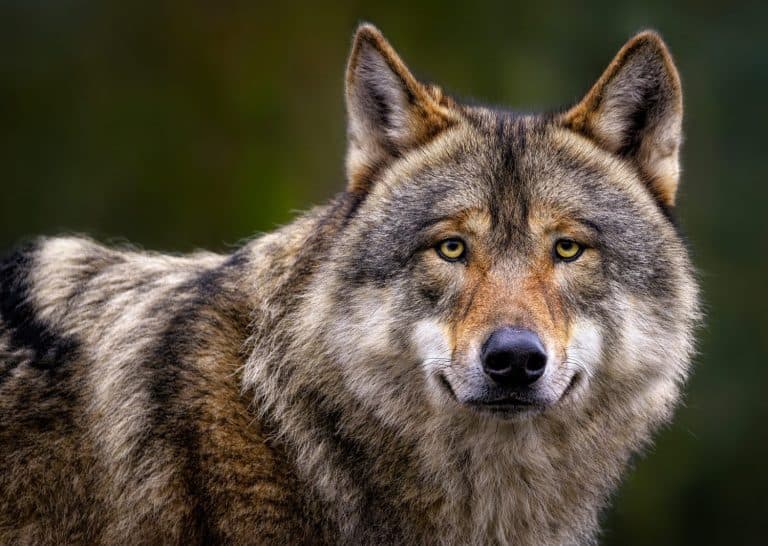
The lead researchers, Dymit, Griffin, and Roffler, highlight how little wolves on the Katmai coast have been studied and the surprising roles they may play. Griffin, now director of the Ocean Alaska Science and Learning Center in Seward, says these findings spotlight wolves as a key part of Alaska’s nearshore ecological web.
For now, the silent drama on these wind-swept beaches is forcing scientists to look again at familiar species. When even apex predators begin rewriting their own rules, the boundaries between land and sea, and between expectation and reality, start to blur.