
Quick Take
- One state has bears breaking into homes at a record pace, and yet it is the only one that refuses to allow hunting them. See state hunting policies →
- Colorado's bear reports didn't just rise this year. The number tells a story that wildlife officials call unprecedented. See Colorado's record numbers →
- The real reason bears are raiding neighborhoods is not what most people assume, and the answer goes beyond one bad season. Explore the real causes →
- Black bear encounters have surged 200% in some areas, but the outcome that bears face is far worse than property damage. See the toll on bears →
Black bear encounters across the United States are increasing. As America’s black bears move into neighborhoods at record rates, officials are urging residents to take precautions to reduce activity in the weeks leading up to black bear hibernation.
Black Bear Encounters Have Increased Dramatically Across 15 States
It is not a figment of the imagination. Black bear encounters are rising across the nation in 2026, leaving residents in multiple states wondering whether this is an anomaly or a new norm.
Bear encounters have risen across 15 states throughout the West, Northeast, and Southeast. The states most dramatically impacted include:
- California
- Colorado
- Montana
- New Mexico
- Nevada
- Utah
- Washington
- Wyoming
- North Carolina
- Oklahoma
- Tennessee
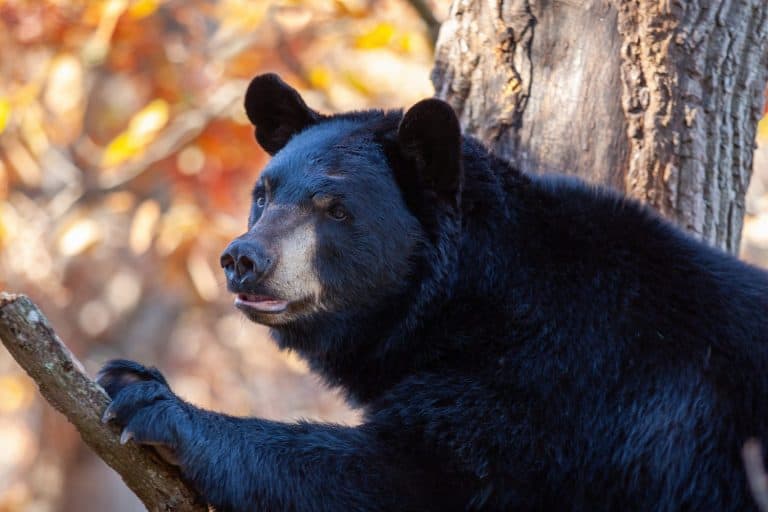
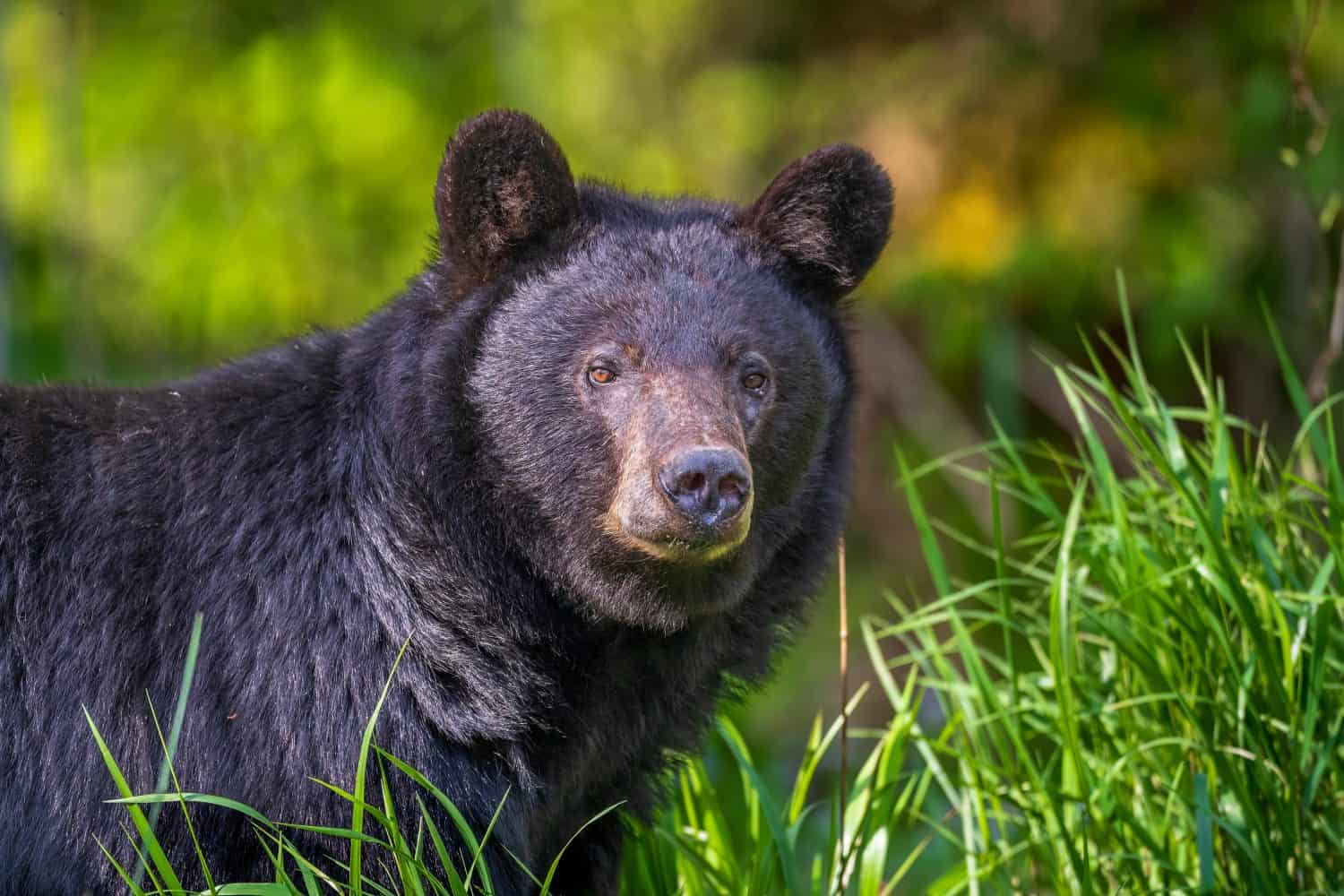
Black bears have become more common in communities across 15 states, including Colorado, Connecticut, California, and more.
©Tom Middleton/Shutterstock.com
Colorado has seen the biggest surge in black bear activity. With 10,019 bear reports as of this year to date, this is triple the number reported in all of last year. It is also double what officials anticipate in an average year. According to Colorado Parks and Wildlife public information officer John Livingston, the impact is no longer limited to a few counties. It is now statewide.
In Connecticut, bears have entered more than 60 homes this year. This number has risen over the past seven years and is higher than in neighboring states.
These are just a few stories from affected states, leaving residents wondering why human-bear encounters have suddenly increased this year.
Why Have Black Bear Encounters Increased?
It is no coincidence that 2026 has seen more black bear activity than in previous years. The increase is driven by several factors, many of which are related to human activity.
The biggest factor sending black bears on the hunt for a meal is food scarcity, which has resulted from drought in the West and erratic weather patterns in the East. This weather is directly tied to climate change.
In California alone, low snowpack and early snowmelt resulted from unseasonably warm weather. Combined with late-spring freezes, this damaged much of the black bears’ food supply. With grasses, berries, acorns, and fruits unavailable, bears made their way toward homes and businesses where high calorie food options existed.
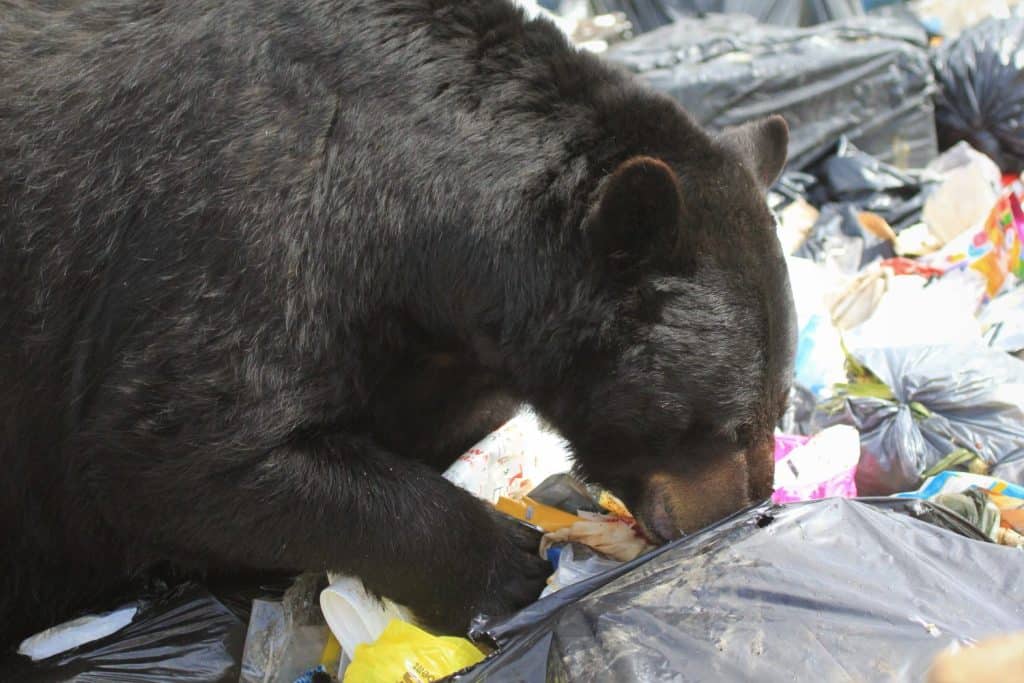
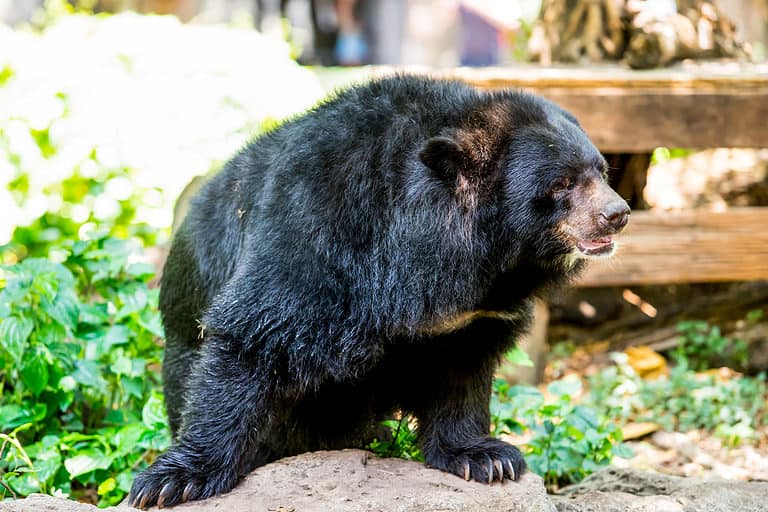
Black bears have become more present due to drought-driven food shortages and people moving into traditional bear habitats.
©Sketchart/Shutterstock.com
Drought conditions in Colorado, Montana, Nevada, Utah, and other western states are driving a lack of resources for bears. This, in turn, has led to increased bear activity.
The Washington Post also reports that the East Coast has experienced drought-like conditions that have decreased the natural food resources bears rely on. However, historic bear habitats have also been encroached upon. With habitat fragmentation and less food to sustain them, black bears have ventured into suburban areas to feed.
The recent increase in human-bear interactions stems from black bears being in the middle of hyperphagia. During late summer and into fall, bears eat an extraordinary number of calories to prepare for the winter. Bears need these calories to build fat stores for hibernation and sustain themselves through the coldest months.
Consequences of Increased Bear Activity
Increased black bear activity across many U.S. states has significant consequences. While both people and bears bear the brunt of these ramifications, bears consistently experience harsher outcomes than people do.
With bear encounters surging by 200% in some regions of the country, people are experiencing financial losses. This is due to damage to homes, businesses, and cars. When bear encounters become frequent, insurance companies raise rates because they pay out more for damages.
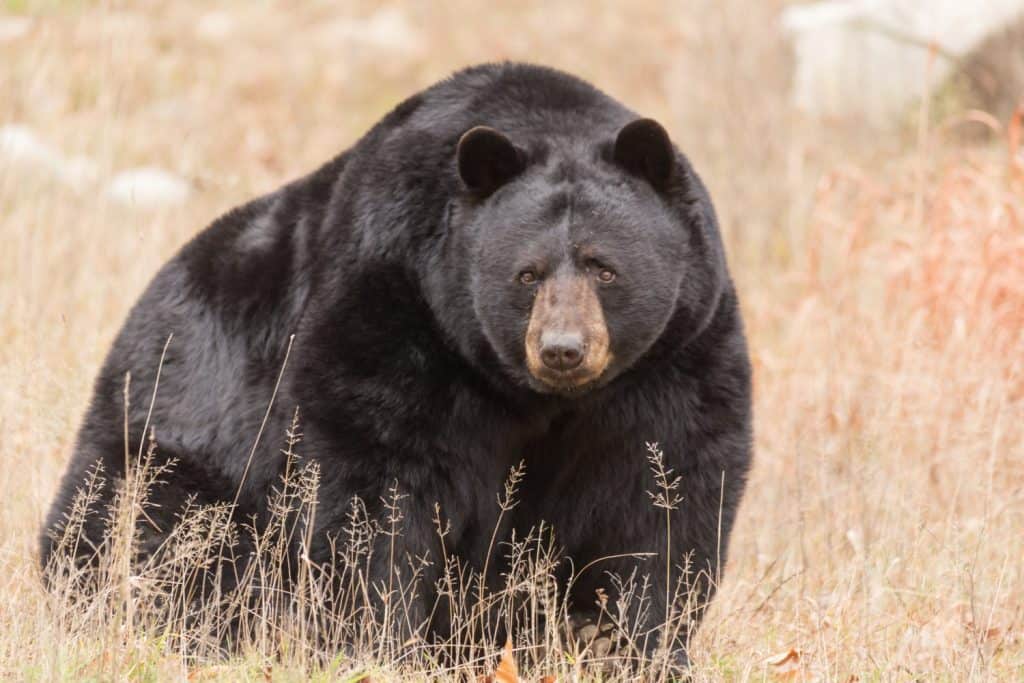
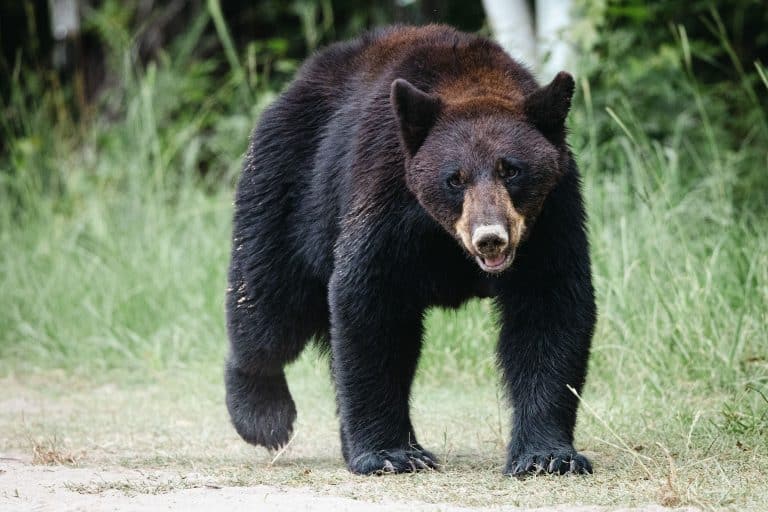
Increased black bear presence means more bears are being relocated and even euthanized.
©Josef Pittner/Shutterstock.com
Beyond the economic losses, the Norwegian University of Life Sciences reports that wildlife management personnel face increased pressure to keep black bears away from private property. This has led to several bears being tagged and relocated, only to return to the very area they were removed from. Bears seen as nuisances are eventually euthanized after becoming habituated to humans.
Some states, including New York, New Jersey, and North Carolina, have extended the hunting season to reduce the black bear population. California has increased the per-season limit on how many bears individual hunters can hunt from one to two. Florida reopened black bear hunting in 2025 after a 10-year moratorium. This change responds to increased bear-human encounters.
Interestingly, Connecticut does not allow black bear hunting. Despite an increase in home break-ins, hunting black bears remains illegal in the state.
Even in areas with increased bear-hunting limits, black bears continue to become increasingly comfortable around people. This needs to change so people and bears can coexist in the same habitats without interacting.
Human-Black Bear Encounters Are Rarely Deadly
Luckily, encounters with black bears are rarely deadly, as these animals are timid and often flee.
Unlike brown bears, which are known to stand their ground, black bears do not want to face a threat head-on. Since 1900, only 61 people across North America have died at the hands of a black bear.
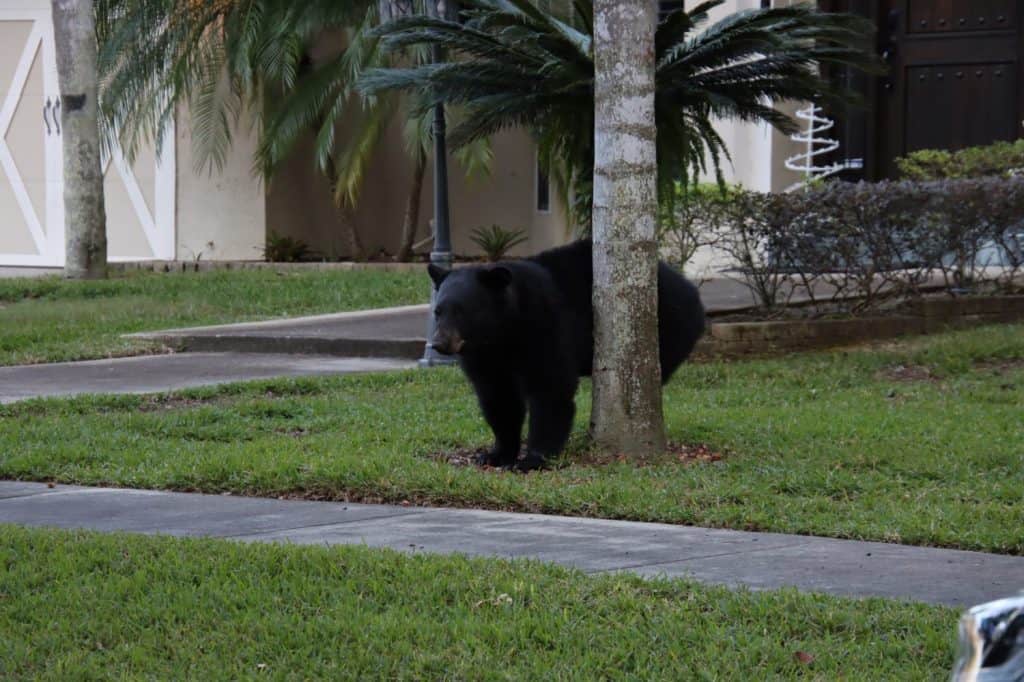
Encounters with black bears are typically not deadly.
©Barb Elkin/Shutterstock.com
Black bears are opportunistic omnivores. They prefer to sneak into a house or rummage through a trash can in peace, with people never knowing.
The reasons why a black bear encounter could turn fatal are due to the following:
- Bears become used to people and lose their natural fear of human interaction
- Bears become startled at close range and feel the need to defend themselves
- Bears have cubs and protect them from threats at any cost
If an encounter occurs, stay calm, make yourself appear as large and as loud as possible, and give the bear space. Black bears may try to intimidate, but it is usually bluffing. Give them an escape route, and they will usually take it, leaving both people and bears unscathed.
What Can Be Done to Stop Black Bear-Human Encounters?
With human-bear encounters on the rise and bears growing bolder, steps need to be taken to prevent and discourage bears from coming into contact with humans. This is especially true as people continue to build and expand into bear territory, reducing the space bears once had to hunt and roam.
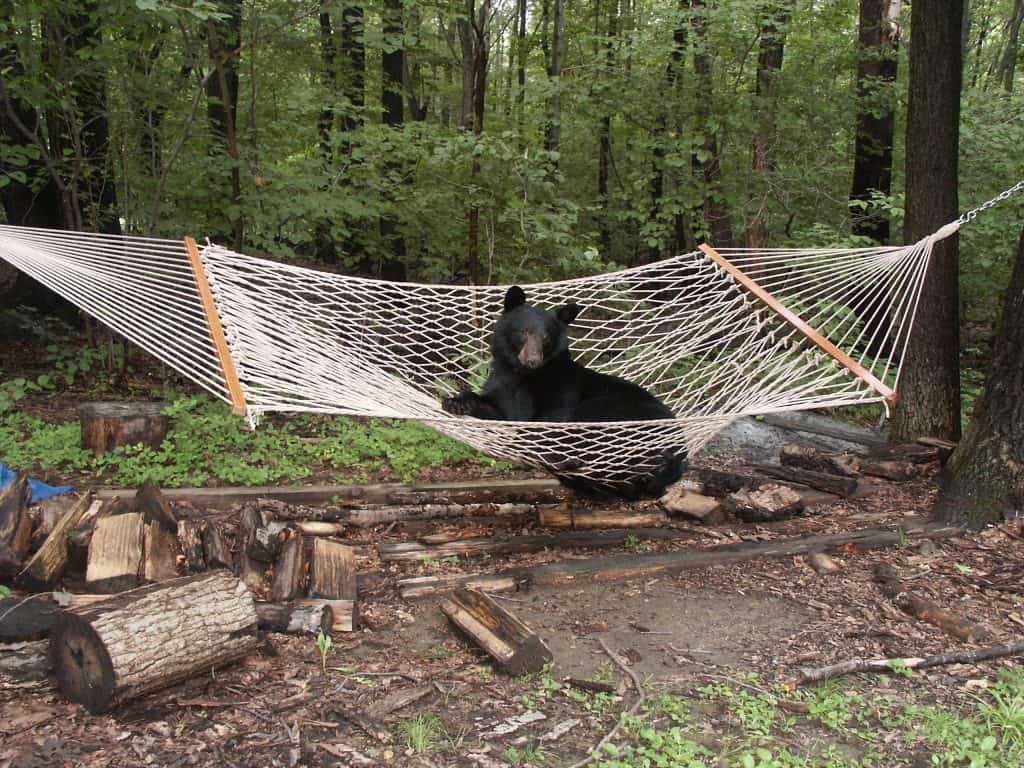
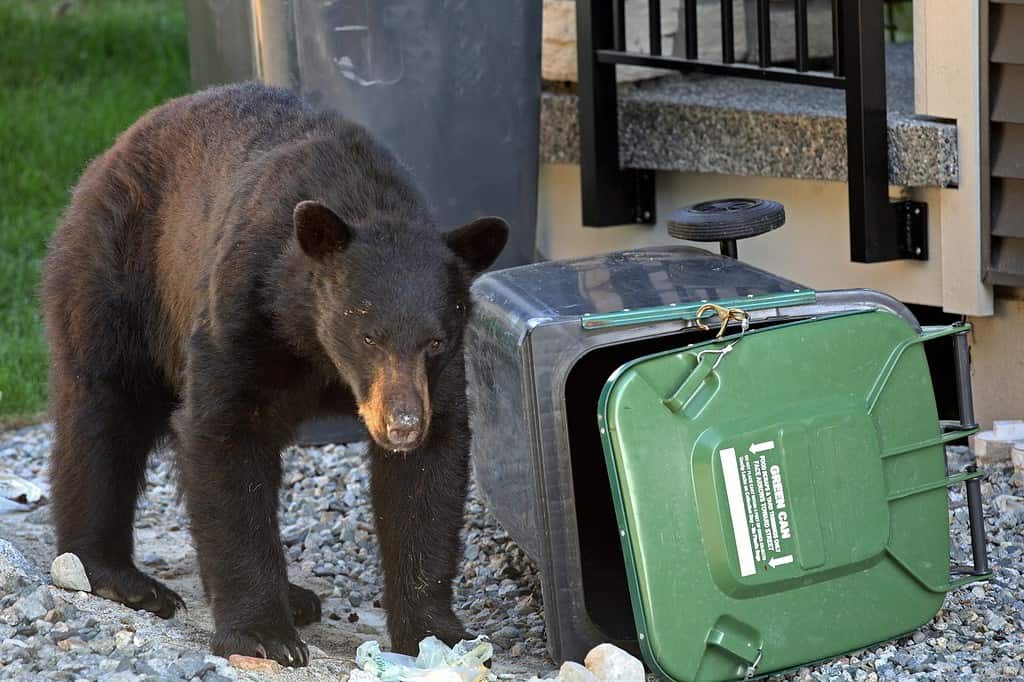
Decreasing black bear encounters means removing food temptations and making break-ins harder.
©Susan Kehoe/Shutterstock.com
The most practical steps to take when trying to reduce human-bear encounters include:
- Store garbage in locked containers and never leave scraps or trash outside
- Clean grills after every use
- Do not keep pet food outside
- Remove bird feeders
- Do not intentionally feed bears or other wildlife
- Do not leave doors or windows open
- Lock car doors
With bears and people living so close to one another, encounters will almost certainly continue to occur. Until enough wild resources are available, bears will look for alternative food sources, especially in the weeks leading up to hibernation. People in the above states should take steps to deter bears from coming onto their property.