
Quick Take
- A white wolf tackled prey twice its own weight in open water, and what happened next defied everything researchers thought they knew about wolf hunting behavior. See the hunt documented →
- Wolf scat had been hiding a secret for years before anyone actually watched a wolf make a kill, and the clue that finally cracked the case turned out to be something scientists were not even looking for. Follow the scat evidence →
- After killing a sea otter, the wolves left one organ completely untouched, a choice that reveals something unsettling about what coastal prey carry inside them. See the avoided organ →
- Scientists had pigeonholed wolves as deer hunters for generations, though a canid relative's diet holds the clue to why that assumption was always flawed. Explore canid diet flexibility →
Wolves Seen Hunting in the Tides
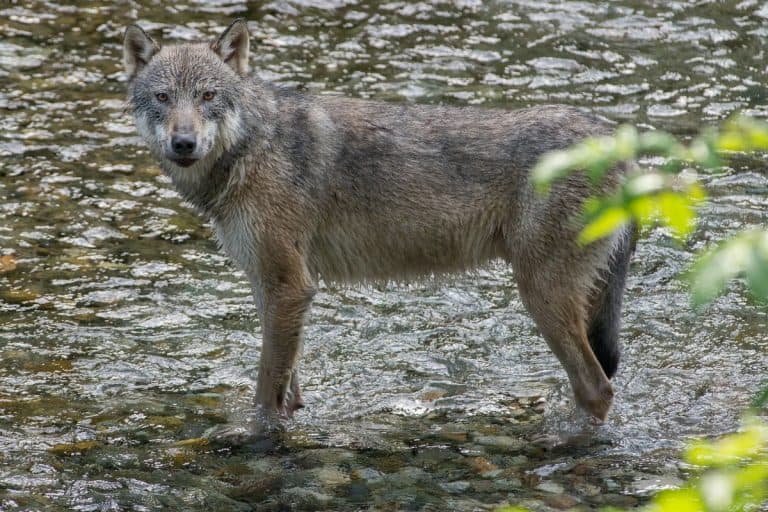
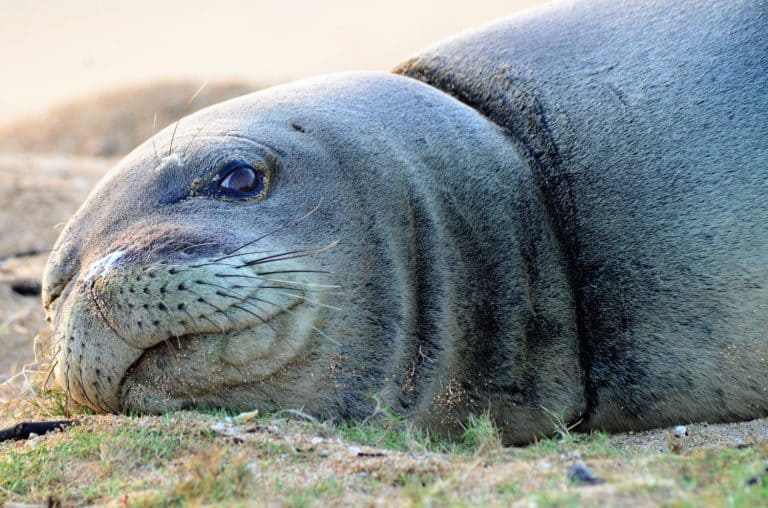
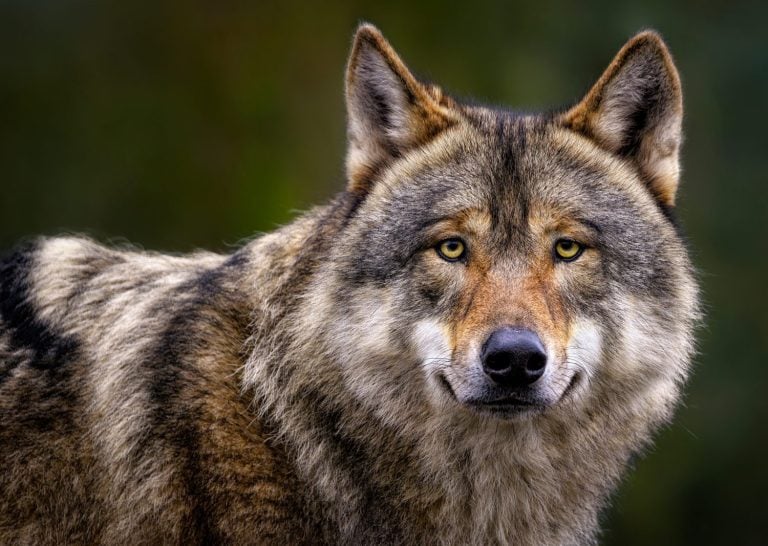
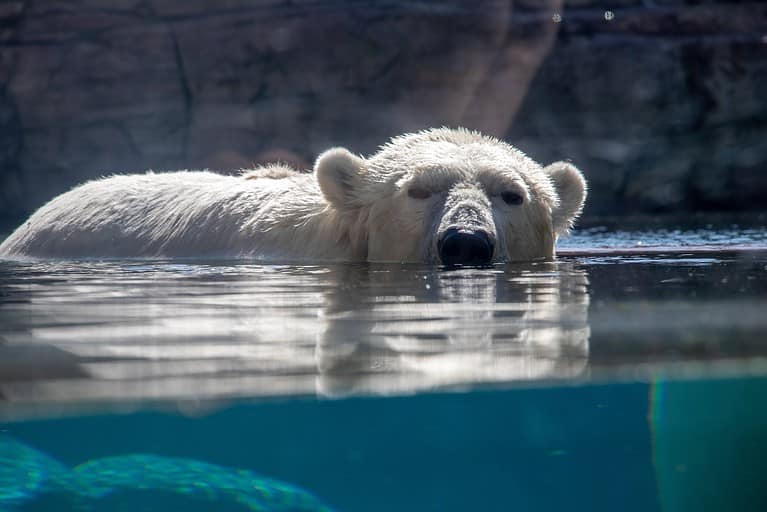
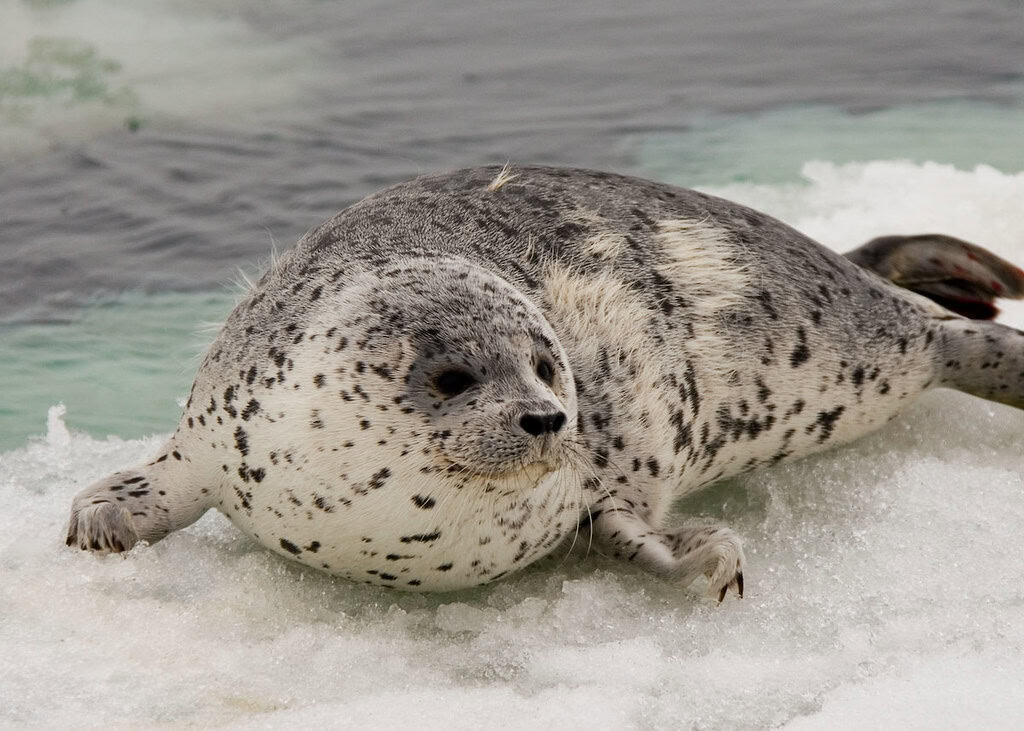
On the rugged shores of Alaska’s Katmai National Park, a group of biologists witnessed something unexpected. In 2016, their cameras recorded a striking scene: a white wolf lunged into the water and clamped its jaws around the tail of a harbor seal, a marine mammal weighing more than twice as much as the wolf itself. The wolf dragged its massive prey onto a sandbar, where, for half an hour, the seal resisted in vain. Eventually, the wolf killed the seal and left the scene, only to return with a companion to feast on their hard-won catch.
©"young spotted seal III" by jomilo75 is licensed under BY 2.0. – Original / License
This was not an isolated event. Five years later, the same research team documented another hunt, this time involving a nursing female wolf and two male packmates targeting a sea otter resting on the rocks. What followed, as described by researchers, was a brutal display of predatory prowess. These sightings marked the first recorded instances of wolves actively hunting and killing marine mammals.
Challenging Old Notions About Wolf Diets
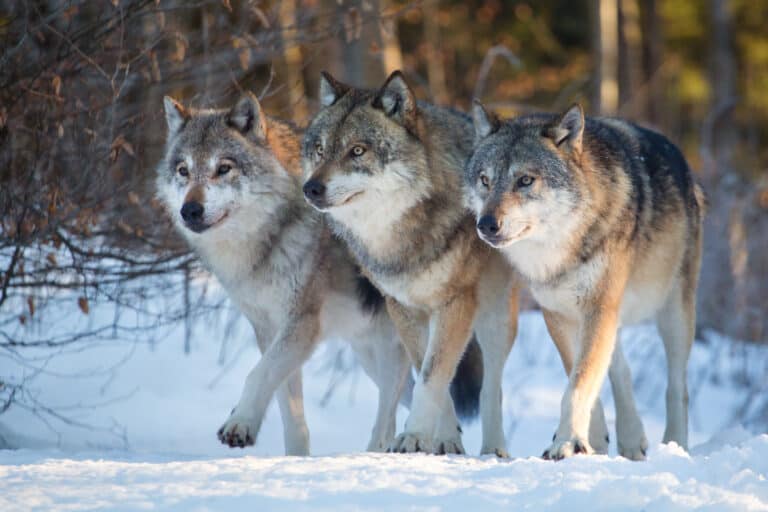
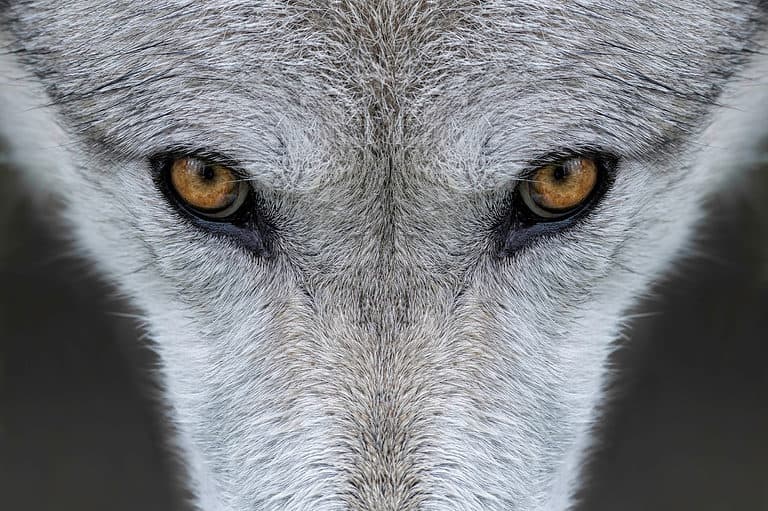
The observations, published in Ecology, have surprised wildlife scientists. For generations, wolves have been thought of mainly as hunters of hoofed mammals, deer, elk, and their kin, brought down through cooperation and endurance. But as Kelsey Griffin, a National Park Service biologist and lead author of the study, points out, “The biggest takeaway is just thinking about wolves as not strictly terrestrial predators, but that they can influence different ecosystems.” Wolves, she suggests, may be critical connectors between the land and the sea.
©imageBROKER.com/Shutterstock.com
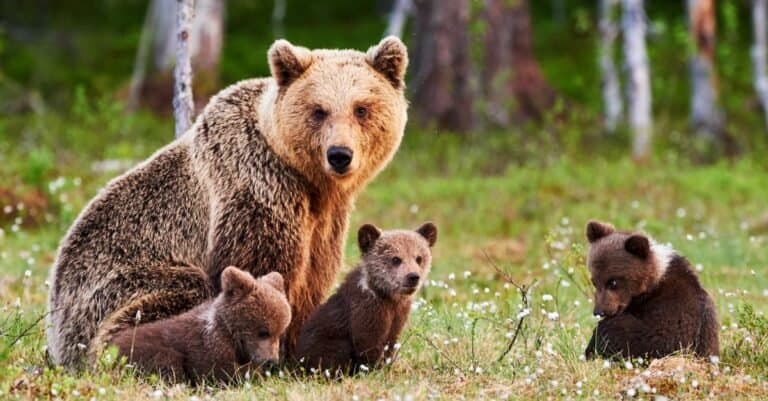
Katmai’s wild landscape, often inhospitable to humans with its relentless drizzle and storms, teems with animal life. The region’s now-famous Fat Bear Week plays out over creeks thick with sockeye salmon. In recent years, both sea otters and harbor seals have returned to the coastline in large numbers, reclaiming their historic ranges. These booming populations have created new opportunities for the park’s native wolf packs.
The Clues Hidden in Scat and Stakeouts
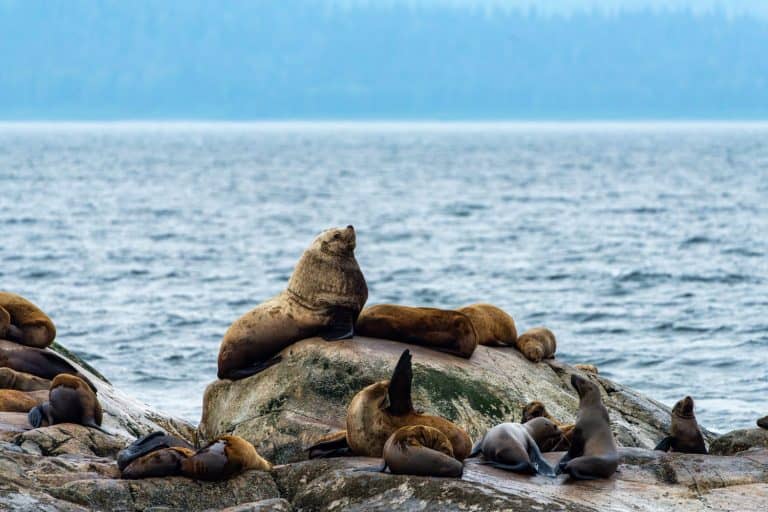
Even before live hunts were seen, previous studies in Alaska and British Columbia had found genetic traces of seals, sea otters, and even sea lions in wolf scat. While it’s known that wolves will scavenge on dead marine animals, the frequency of these findings, according to study co-author Ellen Dymit (a Ph.D. student at Oregon State University), hinted at a deliberate strategy. Some wolf packs even chose dens right near the beach, suggesting a focus on coastal prey.
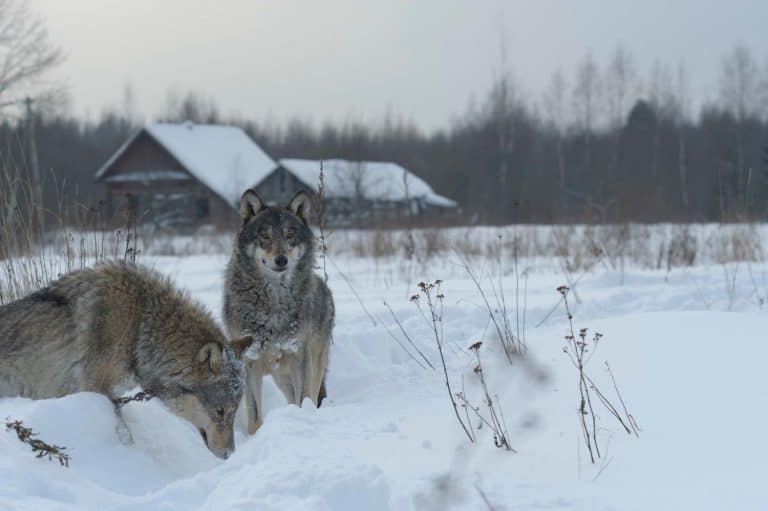
Yet, until the 2016 and 2021 encounters, no scientist had actually witnessed wolves making these kills. Driven by curiosity, Griffin and her colleagues set up both stationary cameras and spent hours physically watching the beaches. Pure chance led to their first recorded seal hunt, as they observed foraging grizzlies, they caught sight of the white wolf. Later, they concentrated on periods of lowest tide, when sea otters had fewer escape routes and wolves could swim between small islands in the intertidal zone. As Griffin described, wolves swim with something like a dignified doggy paddle.
©magdanphoto/Shutterstock.com
The sea otter hunt turned out to be especially ferocious. “Drawn and quartered… like medieval torture,” Dymit recalled. The aftermath left just two fragments of jaw behind; the pelt was carried off by a male, perhaps to pad a den or introduce pups to the scent of their future prey.
Unexpected Consequences and New Mysteries
Each new observation has raised further questions. Most strikingly, the wolves that killed a sea otter left the liver untouched, despite it usually being a delicacy. Lab tests solved the puzzle: the organ was filled with toxins produced by shellfish, which the otter had accumulated by eating clams and mollusks. The chemical risk appears to influence what, and how, wolves consume from the sea.
Griffin’s study adds to growing evidence that wolves are among the planet’s most adaptable predators. Tom Gable, a University of Minnesota biologist not involved with the Katmai research, agrees. His own studies have shown wolves in Minnesota hunt freshwater white suckers, an easy catch compared to the dangers of attacking deer. During spawning season, he says, the wolves “just sit on a riverbank and catch these fish coming up the stream.” Blueberries can also make up to 83 percent of their diet in summertime, enough to keep growing pups from starving even if the nutritional payoff is limited.
“It just goes to show why wolves are probably one of the more successful carnivores in the Northern Hemisphere,” Gable notes. “They’ve figured out how to live in all sorts of environments.”
Changing What We Thought About Wolves
With every new study, the picture of the wolf broadens. As Dymit observes, it makes sense that wolves would eat more than just ungulates. Coyotes, foxes, and other canid relatives are known for their culinary flexibility. “It’s kind of weird, in retrospect, that we had pigeonholed wolves into being deer hunters,” she says.
On the wild coasts of Alaska, wolves are reminding scientists, and the rest of us, that nature’s rules are always more complex than we assumed. What may seem like an exception now might, given time and more research, become just another example of animal adaptability in a changing world.