
Quick Take
- Transhumance refers to the seasonal migration of people and their livestock.
- This movement allows people who rear livestock to take advantage of upland grazing grounds during the summer.
- In 2023, transhumance in Italy was inscribed on the Representative List of the Intangible Cultural Heritage of Humanity.
The adorable lambs in this Instagram post are taking a very unusual mode of transport, carried in specially designed bags hanging from a donkey. Each donkey is carrying up to eight lambs, and their woolly passengers seem to be enjoying the experience. The pictures were captured in rural Italy, and there is a special name for what they depict – transhumance. We researched exactly what this is, when and where it takes place and why it is so culturally significant.
What Is Transhumance?
Put simply, transhumance refers to the seasonal migration of people and their livestock. They move from one geographical or climatic region to another. It does not just take place in Italy; it has been described in other areas, including in the Himalayas.
This movement allows people who rear livestock to take advantage of upland grazing grounds during the summer. In the winter, however, the weather is too harsh for the animals to thrive at these altitudes. Therefore, they move back down the mountain slopes to the relative shelter and warmer temperatures of the lower lands.
UNESCO Intangible Cultural Heritage of Humanity
In 2023, transhumance, the seasonal droving of livestock as practiced in Italy and nine other European countries, was inscribed on the Representative List of the Intangible Cultural Heritage of Humanity. It recognized the cultural significance of thousands of animals being moved along traditional pastoral paths.
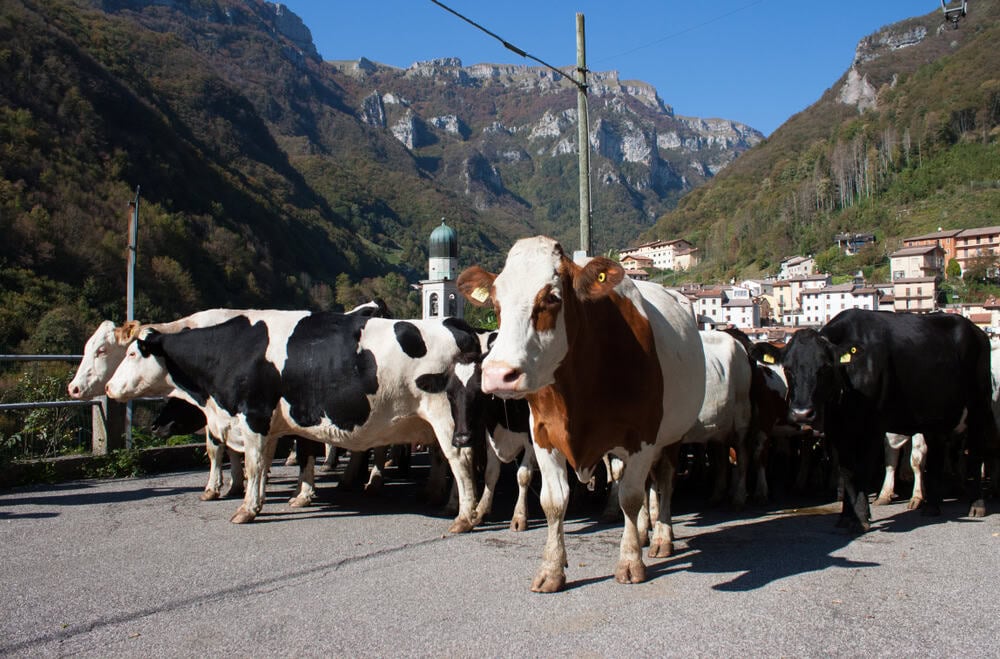
Communities located along the transhumance routes also play an important role
©Giorgia Ridolfi/Shutterstock.com
The journey is taken on foot, on horseback, and on donkeys. Those undertaking the journey have a deep knowledge of the environment and where the best areas are located. Social practices and rituals are also associated with the activity.
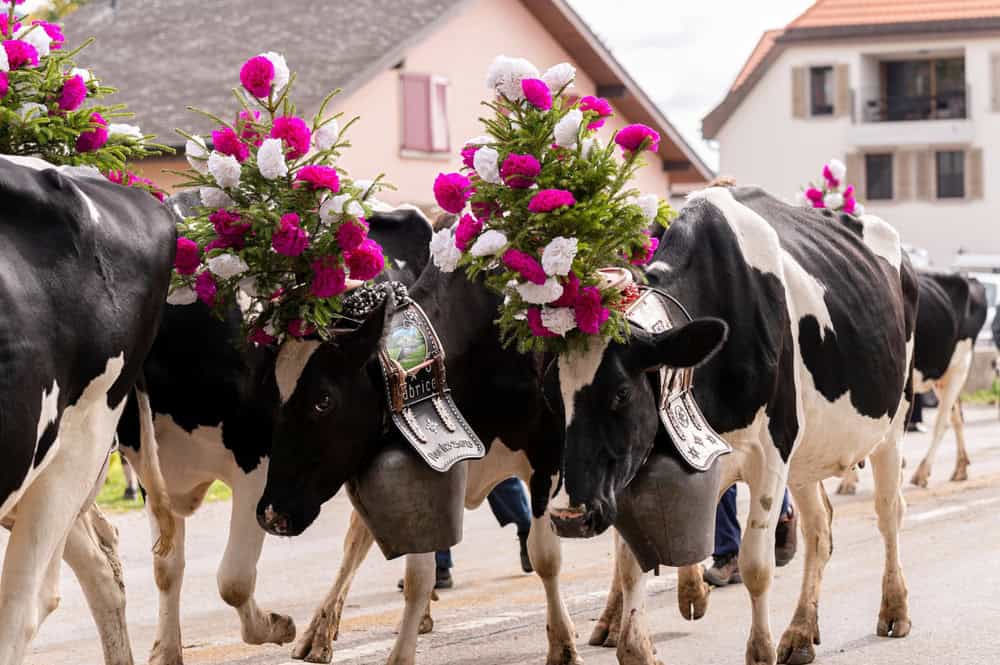
Special transhumance meals, handicrafts, and festivities are used to mark the beginning and end of a season. Many generations have taken part in these traditions, which are passed down. Communities located along the transhumance routes also play an important role. Overall, the practice now involves a lot more than simply moving livestock. It has become an essential part of social inclusion, strengthening cultural identities and communities.