
Quick Take
- Nearly 90 percent of Floridians may live close enough to feel the Florida Wildlife Corridor's effects, yet most have no idea it exists or what's quietly at stake for their own communities. See who lives near the corridor →
- Florida panthers, black bears, and manatees all depend on the corridor, and the species facing the most unexpected threat is not the one you would predict. Explore the at-risk species →
- Millions of corridor acres lack any protection today, and a narrow window exists before routine development decisions permanently close the gaps. This article identifies where those choke points are. Find the vulnerable choke points →
- The Foundation doesn't buy land or write policy, so the question remains: how does a group with no direct authority over 18 million acres actually move conservation forward? See how the Foundation operates →
If you peered down on Florida from above, you’d see a green ribbon of forests, rivers, ranches, and wetlands stretching almost the entire length of the state. That living ribbon is the Florida Wildlife Corridor. The Florida Wildlife Corridor Foundation devotes its work to keeping these protected lands connected so wildlife can move naturally as human development occurs around them. By uniting partners and telling the story of this enormous network of natural areas, the foundation helps Floridians see the state’s parks and wildlife as a connected system worthy of protection.
What Is the Florida Wildlife Corridor?
The Florida Wildlife Corridor is a statewide network of nearly 18 million acres of connected lands and waters. These lands support wildlife, working lands, and outdoor recreation. As seen in this map provided by the Foundation, the corridor weaves through much of the peninsula and the Panhandle. It ties together conservation areas, family ranches, forests, rivers, wetlands, and coastal zones. Though over 10 million acres already have conservation in place, millions more remain unprotected and face the risk of development if communities delay decisions. As many as 90 percent of Floridians may live within about 20 miles of the corridor. Its clean water, flood protection, and open spaces benefit almost everyone in the state, not just wild animals.
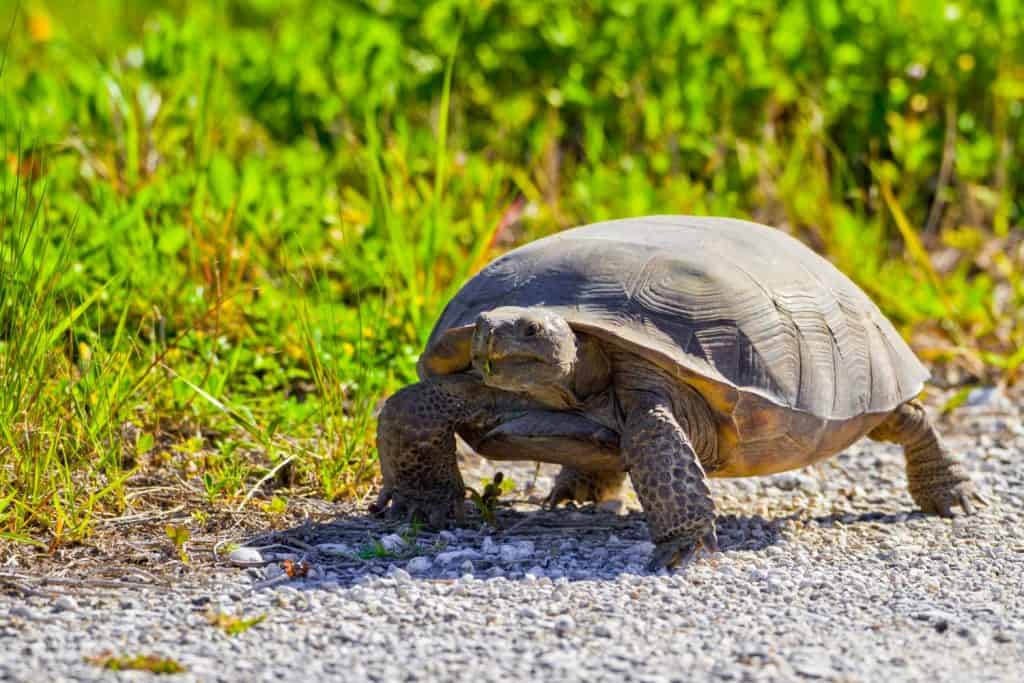
A rare gopher tortoise walking along a pathway at Cape Canaveral, Florida.
©Ben McMurtray/Shutterstock.com
Who They Are
The Florida Wildlife Corridor Foundation focuses on people and partnerships. It unites organizations, agencies, tribes, businesses, and landowners who share a stake in the corridor. Staff work to align efforts by highlighting priority places for conservation. They accelerate connectivity by offering tools, data, and communication infrastructure. To raise awareness and inspire support, they celebrate successes through storytelling, films, social media, and public art. They ultimate help students, voters, and state leaders to better understand why a connected corridor matters today and in the future.
Leaders at the foundation intentionally chose a collaboration‑first approach. They realize that a single group cannot conserve such a huge landscape alone. Staff listen to many voices: conservation nonprofits, government agencies, planners, developers, tribal nations, academic institutions, landowners, agribusiness, scientists, and artists. The foundation aims to support “synergistic activities” instead of duplicating work. In practice, the group acts as a hub. Data, stories, and community priorities all flow through that hub and then back out to partners.
What the Foundation Does Day to Day
On a practical level, the Florida Wildlife Corridor Foundation organizes its work into three main areas: aligning, accelerating, and celebrating.
- Aligning: Staff convene partners around shared maps and priorities, so everyone works toward the same corridor vision.
- Accelerating: The team provides tools, research connections, and communication support that help other groups move conservation projects faster.
- Celebrating: They lift up success stories through films, expeditions, social media, and events so the public can see real progress.
Corridor Connect is a curated platform and summit series for conservation professionals across Florida. The foundation also partners with other groups to create online training modules and interactive maps. These tools help local officials and planners “mind the gaps” in the corridor before development closes them.
Species That Depend on the Corridor
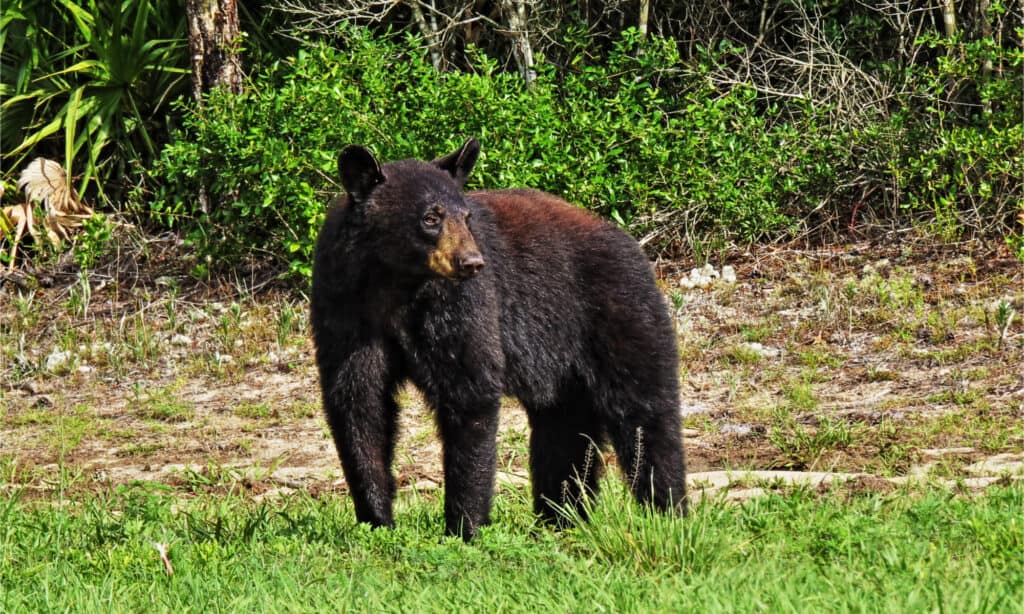
Black bears need large areas of undisturbed habitat.
©Roger Epps/Shutterstock.com
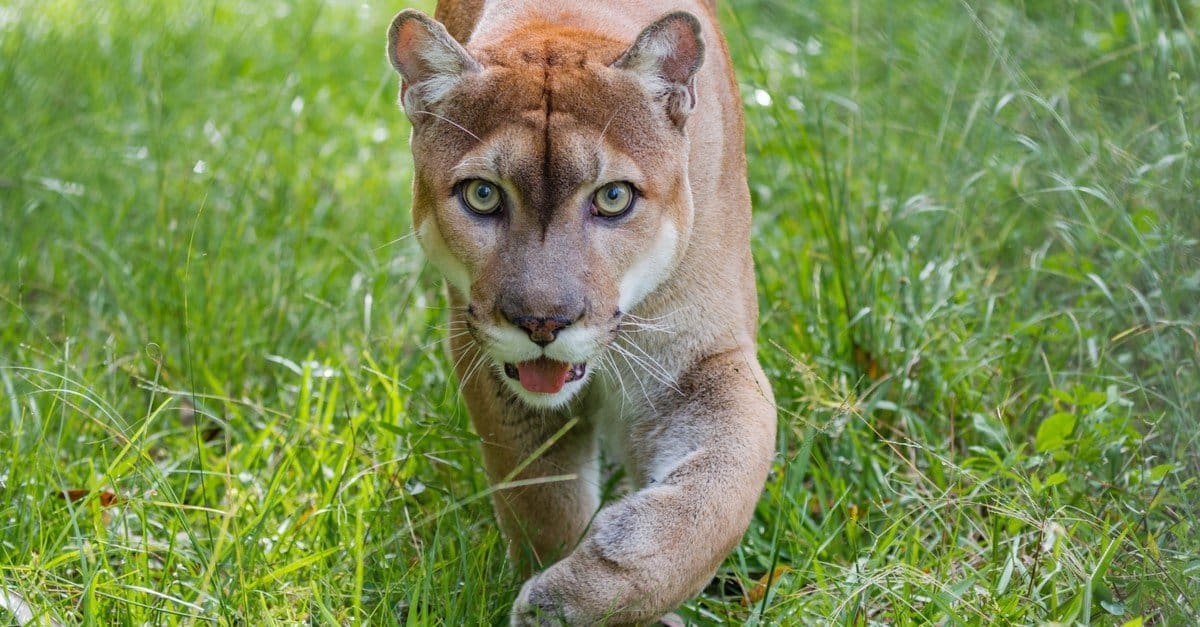
The foundation’s stories highlight how the corridor supports wildlife and people. Certain flagship species help tell that story. Florida panthers, for example, need large, connected territories of forest and wetland to find food and mates. When habitats fragment, panthers face higher risks from roads and inbreeding. Black bears need wide areas of forest and swamp so they can move seasonally and avoid conflicts with people. Manatees depend on healthy rivers, springs, and coastal areas. Ground‑dwelling species like gopher tortoises and many birds need intact uplands and longleaf pine landscapes. Many of those uplands occur on private lands inside the corridor.
By focusing on connectivity, the Florida Wildlife Corridor Foundation helps protect whole systems of life. Connected forests, wetlands, and rivers allow animals to shift their ranges during floods, fire, or long‑term climate change. People gain benefits as well; clean water, reliable flood protection, and outdoor spaces for hunting, fishing, and tourism all depend on healthy landscapes.
Where the Corridor Runs
The foundation describes the corridor as a “statewide network” stretching from the Everglades and Big Cypress region in the south all the way through central Florida and into the Panhandle. Along that route, it threads river floodplains, ranchlands, national forests, and coastal preserves. Some partners call this chain a “natural necklace” across the state. In some segments, the corridor spreads wide and already holds strong protection. Other segments shrink to narrow strands where new roads or subdivisions could easily break the chain. Foundation staff and partners focus special attention on those choke points. Saving a few key properties in these spots can keep entire regions stay connected. Adding wildlife crossings at narrow points can also reduce collisions and maintain safe movement.
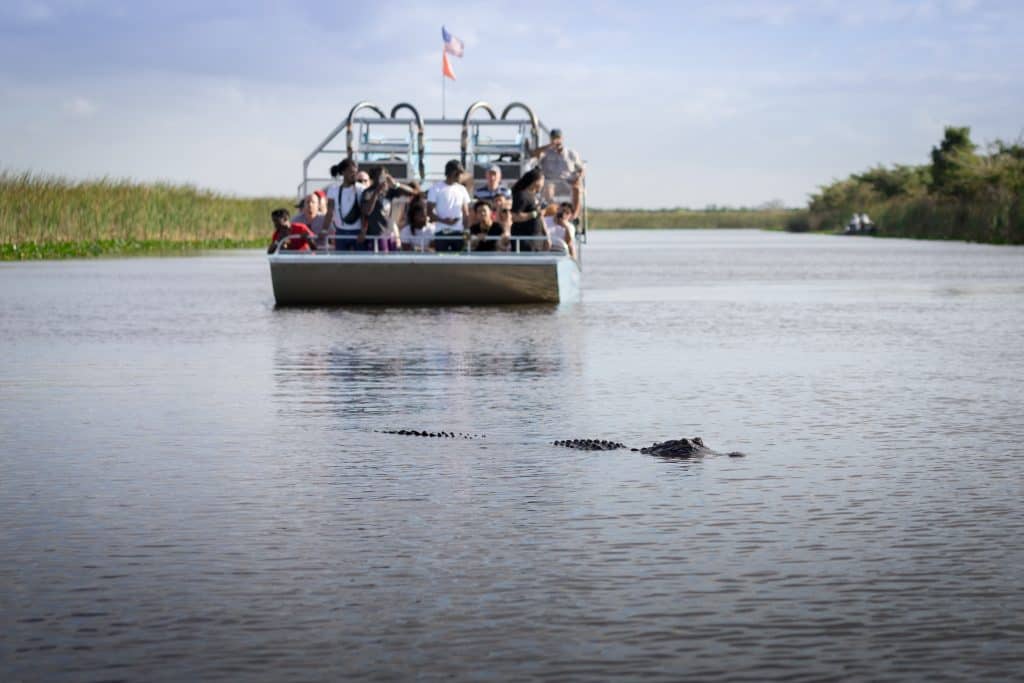
The Everglades is a key, but fragile, ecosystem in Florida.
©LisaCarter/Shutterstock.com
Interactive mapping tools show existing conservation lands, remaining opportunity areas, and likely growth patterns. Local governments, planners, and community groups use these tools to make better zoning decisions. They can identify priority parcels and design growth that respects the corridor instead of slicing it apart.
Why Florida Needs This Work
Florida’s human population is growing and much of that growth happens in the same places where the corridor winds through forests, wetlands, and working lands. Without coordinated planning, individual projects add up. Each small road or subdivision might seem minor, but many small breaks can block wildlife movement over time. Those breaks reduce the ability of natural lands to store floodwater or filter drinking water. The foundation calls sound planning “another tool in the toolbox,” alongside land protection, conservation easements, and restoration projects.
By championing the corridor vision, the Florida Wildlife Corridor Foundation helps communities look past short‑term decisions. Protecting key lands today can prevent costly problems tomorrow. Protected floodplains absorb storm surge; connected wetlands filter pollutants before they reach taps and beaches.; intact forests store carbon, cool nearby communities, and provide shade, trails, and scenic drives. In this way, the corridor acts like natural infrastructure, supporting Florida’s long‑term environmental health and economic future.
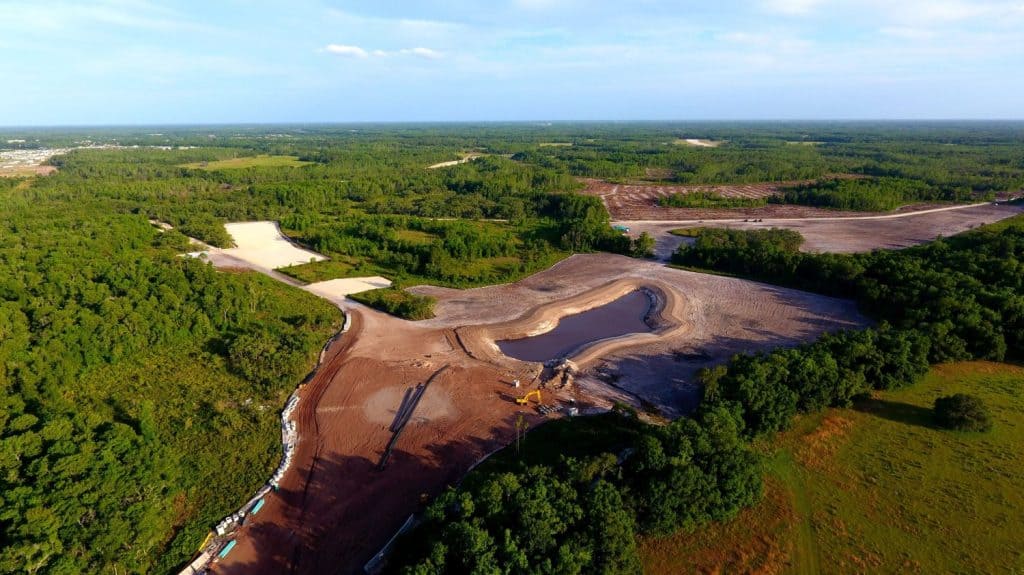
New development in Land O’ Lakes, north of Tampa, Florida.
©Wirestock Creators/Shutterstock.com
How the Foundation Measures Progress
The foundation regularly shares updates on conservation projects, funding wins, and policy milestones that advance the corridor. Staff highlight how many acres gain protection and which gaps have narrowed. They also show how partner organizations use new tools and training to guide decisions. These stories prove that the corridor campaign is not just an abstract map; it operates as a steady stream of land deals, local plans, and community efforts that add up over time.
Through videos, social posts, and events, the foundation celebrates the human side of conservation. Viewers meet ranch families who choose conservation easements, tribal leaders who share cultural connections to the land, and young people who explore wild Florida for the first time. This emphasis on people reinforces a core message from the official site. Keeping the Florida Wildlife Corridor connected protects shared values and communities, not only rare species.
A Connected Future for Florida
The Florida Wildlife Corridor Foundation’s vision is clear. The group works to permanently connect, protect, and restore the Florida Wildlife Corridor by uniting many partners around one hopeful idea. If that vision succeeds, future Floridians will continue to travel from the Everglades to the Panhandle through a living landscape where wildlife, working lands, and growing towns all fit together. The foundation invites everyone—from conservation professionals to curious students—to join that story. By staying informed, speaking up, and supporting smart decisions, residents can help keep wild Florida connected.